Women’s Cancer Convalescent Hospital in Gwangju: Recovery Care for Gynecologic Cancer Patients
- 공유 링크 만들기
- X
- 이메일
- 기타 앱
symptom management (fatigue, pain, treatment side effects), nutrition, rehabilitation, and emotional support. Services and approaches vary between facilities, so discuss options with your oncology team and confirm a facility's services and safety practices before enrolling.
In the Dong-gu area of Gwangju, convalescent facilities may offer inpatient, short-term, and outpatient recovery services for women recovering from gynecologic cancers. Programs and available therapies vary by facility and can include adjunctive treatments (for example, some centers may offer hyperthermia), integrative Western–Korean medicine services, and oncology-focused nutrition; verify specific services and credentials directly with the provider.
What women’s cancer patients need after hospital treatment
Many women think the hardest part of cancer is surgery or chemotherapy. In reality, the recovery phase can be just as challenging, and it often lasts much longer.
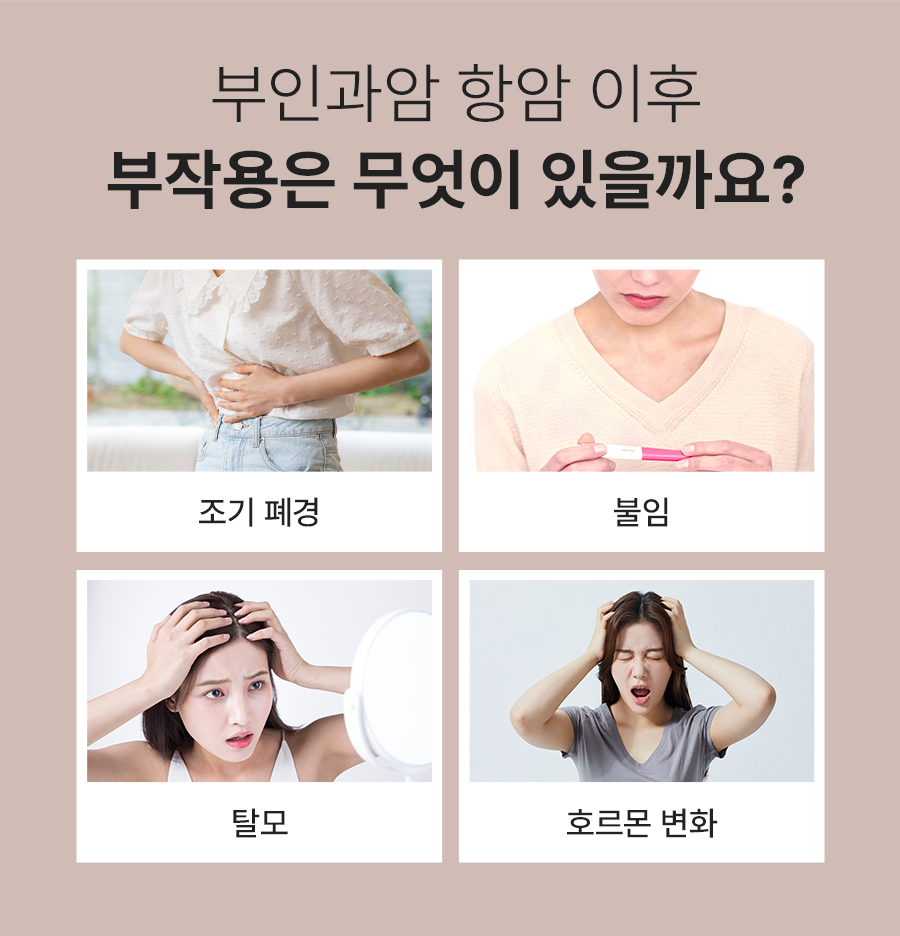
Typical recovery challenges after gynecologic cancer treatment
Gynecologic cancers include cervical, endometrial or uterine, ovarian, fallopian tube, vulvar, and vaginal cancers. Breast cancer can also be considered a women’s cancer, but here the focus is mainly on gynecologic cancers.
After surgery, chemotherapy, radiotherapy, hormone therapy, or targeted therapy at tertiary hospitals, many women experience:
- Severe fatigue and weakness that make daily activities difficult
- Ongoing pelvic or abdominal pain and nerve pain in the hands and feet
- Digestive problems such as nausea, vomiting, diarrhea, constipation, or poor appetite
- Sudden menopausal symptoms like hot flashes, night sweats, and vaginal dryness
- Sleep disturbances, anxiety, low mood, or depression
- Fear of recurrence and uncertainty about the future
- Changes in body image, fertility concerns, and relationship stress
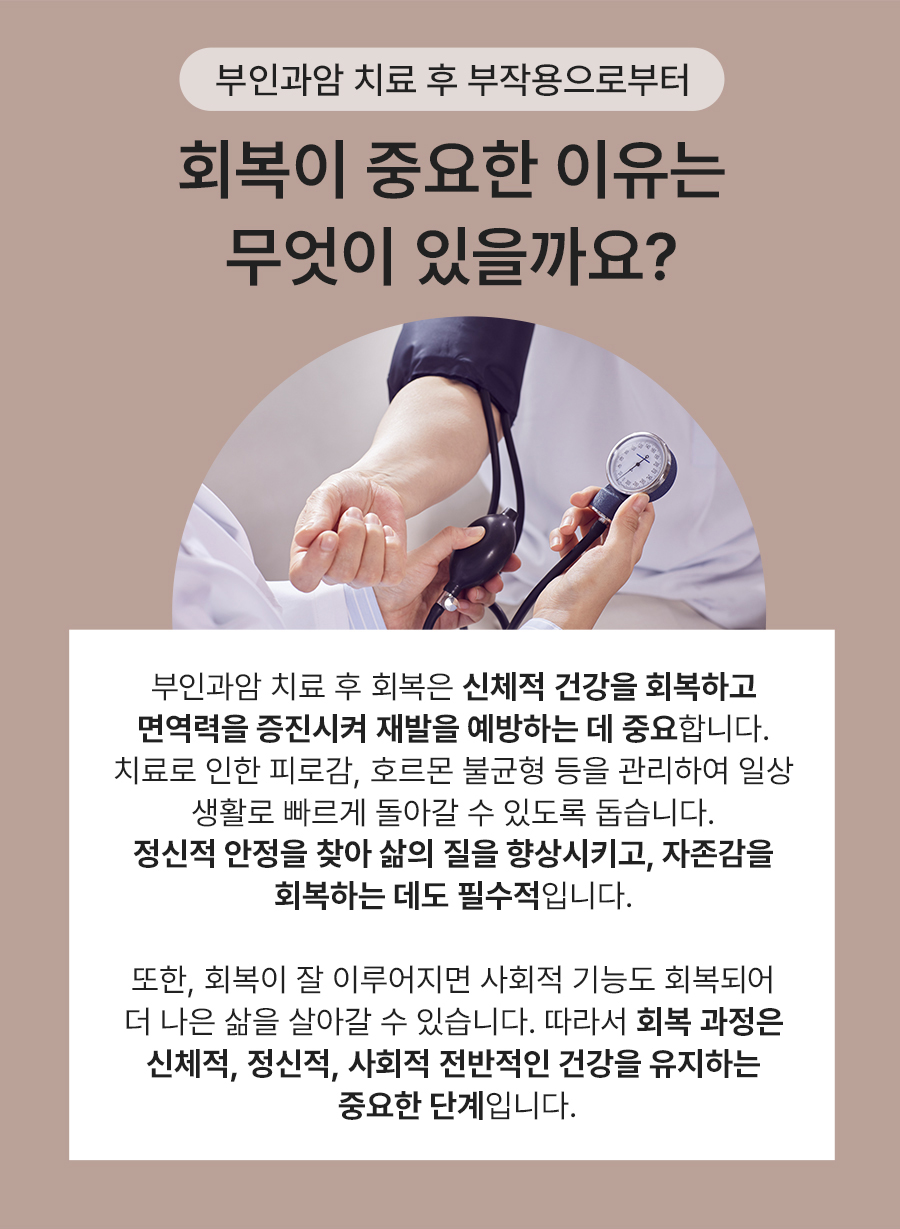
These symptoms often continue long after the last chemotherapy cycle or radiation session. Regular outpatient visits to a tertiary hospital are important, but they may not be enough to manage daily discomfort and emotional strain.
Why home care alone can be difficult
Many families hope to bring their loved one home as soon as possible after treatment. However, home care can be demanding for both patient and caregivers.
Common difficulties include:
Family members may not have medical training to monitor anemia, infection risk, or blood clots.
Managing complex medication schedules, side effects, and diet restrictions can be overwhelming.
Patients may feel guilty about burdening family members and hesitate to ask for help.
Apartments in busy city centers may not provide quiet, nature, or space for safe walking and rehabilitation.
Caregivers often need to work or care for children and cannot provide 24-hour support.
In these situations, a women’s cancer convalescent hospital can serve as a bridge between the acute hospital and home, or as a safe base between chemotherapy and radiotherapy sessions.
Role of a women’s cancer convalescent hospital
Difference between acute cancer hospitals and convalescent hospitals
Acute cancer hospitals, such as tertiary university hospitals and large cancer centers, focus on diagnosing cancer and providing active treatments like surgery, chemotherapy, radiotherapy, and advanced targeted therapies. Their role is to control or remove the cancer itself.
A women’s cancer convalescent hospital has a different role:
It does not perform major cancer surgeries or administer high-dose chemotherapy.
Instead, it focuses on recovery, symptom relief, and improving quality of life.
It provides a medically supervised environment where patients can rest, receive supportive therapies, and rebuild strength.
It offers ongoing monitoring of vital signs, blood tests, and internal medicine issues that may arise during recovery.
Working together with tertiary cancer centers
A good convalescent hospital does not replace your main oncologist. Instead, it works in parallel with major cancer centers.
A women’s cancer convalescent hospital can:
Serve as a recovery base between chemotherapy cycles or after surgery at these centers.
Share medical information and coordinate care with your main oncology team when needed.
Adjust supportive treatments based on your current chemotherapy, hormone therapy, or targeted therapy plan.
Arrange safe transfer back to the tertiary hospital if any acute issue arises.
In this way, you can benefit from advanced cancer treatment at a major center while recovering in a calmer, more personalized environment.
Medical team and safety for women’s cancer recovery
Senior internal medicine specialists on site
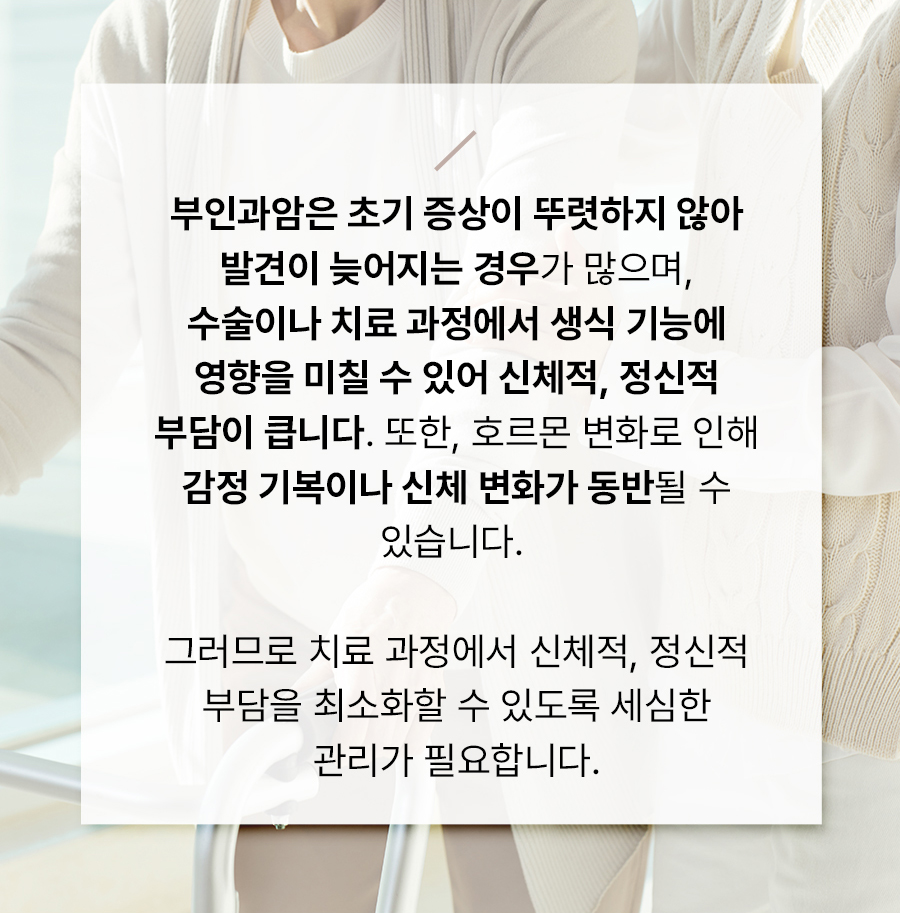
For women with gynecologic cancers, internal medicine problems are very common. Anemia, risk of blood clots, heart strain, diabetes, high blood pressure, digestive issues from chemotherapy, and concerns about liver and kidney function often appear together.
The medical team typically includes experienced internal medicine physicians and other clinicians who manage complex medical issues during recovery. These clinicians generally work to align supportive care with patients' ongoing oncology treatments and apply current evidence-based practices.
For patients and families, this is reassuring because:
Complications like chest pain, shortness of breath, or sudden swelling can be evaluated quickly.
Medication plans, including blood thinners, diabetes drugs, and blood pressure medications, can be adjusted safely.
Liver and kidney function can be monitored while you are receiving supportive therapies.
Korean medicine collaboration for side-effect management
Many women are interested in Korean medicine approaches such as acupuncture, moxibustion, cupping, and herbal medicine for symptom relief. At this hospital, a Korean medicine director with experience in multiple Korean medicine and convalescent hospitals works together with the internal medicine team.
For women’s cancer recovery, this integrative model can help with:
- Chemotherapy-induced nausea and vomiting
- Nerve pain or tingling in hands and feet
- Hot flashes, insomnia, and anxiety
- Muscle stiffness and chronic pain
The goal is not to replace standard oncology treatment, but to make it more tolerable and to support daily comfort.
Inpatient, short-term, and outpatient programs for gynecologic cancer patients
Standard inpatient cancer recovery care
The main inpatient program is designed for women who need continuous monitoring and structured recovery after or between treatments.
Typical candidates include:
Women who have recently had surgery for cervical, uterine, or ovarian cancer and are not yet ready to manage at home.
Patients who have completed several cycles of chemotherapy and feel extremely weak, with poor appetite and unstable blood counts.
Women who live far from tertiary hospitals and want a safe place to stay while attending follow-up appointments.
Inpatient care usually includes:
Regular medical check-ups and monitoring of vital signs and lab results.
Pain control and management of neuropathy, digestive problems, and sleep disturbance.
Supportive therapies such as high-frequency hyperthermia, Korean medicine treatments, and gentle rehabilitation exercises.
Oncology-focused meals designed for sensitive digestion and balanced nutrition.
Two-week short-term admission program
Many people think convalescent hospitals are only for long-term stays. To break this stereotype, this hospital offers a two-week short-term admission program.
This model is especially suitable for:
Women who want structured rest and professional monitoring between chemotherapy cycles.
Patients who need to regain strength after major gynecologic cancer surgery before returning home or to work.
Those who live with family but feel they need a temporary, intensive recovery environment without burdening relatives.
The two-week program is usually reservation-based and may be announced as a limited-time booking during specific months. During this period, patients can receive a concentrated package of medical monitoring, supportive therapies, and nutrition, then return home with a clearer plan for self-care.
Outpatient support for local women
For women living in Gwangju or nearby areas who can commute, an outpatient or day treatment program is available.
This is helpful for:
Managing lingering symptoms after discharge from a tertiary hospital.
Receiving high-frequency hyperthermia sessions, acupuncture, or nutritional counseling without full admission.
Maintaining regular contact with a medical team that understands oncology while continuing to live at home.
Outpatient care can be scheduled around work or family responsibilities, making it a practical option for long-term support.
Supportive therapies for women’s cancer at the convalescent hospital
High-frequency hyperthermia (adjunctive therapy)
Some centers offer high-frequency hyperthermia as an adjunct to standard cancer care. Evidence and clinical recommendations vary by cancer type and indication; discuss potential benefits and risks with your oncology team before considering this therapy.
For gynecologic cancers, high-frequency hyperthermia may be considered to:
Support standard treatments by targeting areas where microscopic cancer cells may remain.
Improve blood circulation and potentially support immune function under medical supervision.
Help manage certain symptoms when used alongside chemotherapy or radiotherapy.
At this hospital, educational video content about hyperthermia is provided so patients and families can understand how it works, what to expect during sessions, and how it fits into the overall treatment plan. The therapy is applied under the guidance of internal medicine specialists, and your primary oncology treatment schedule is always taken into account.
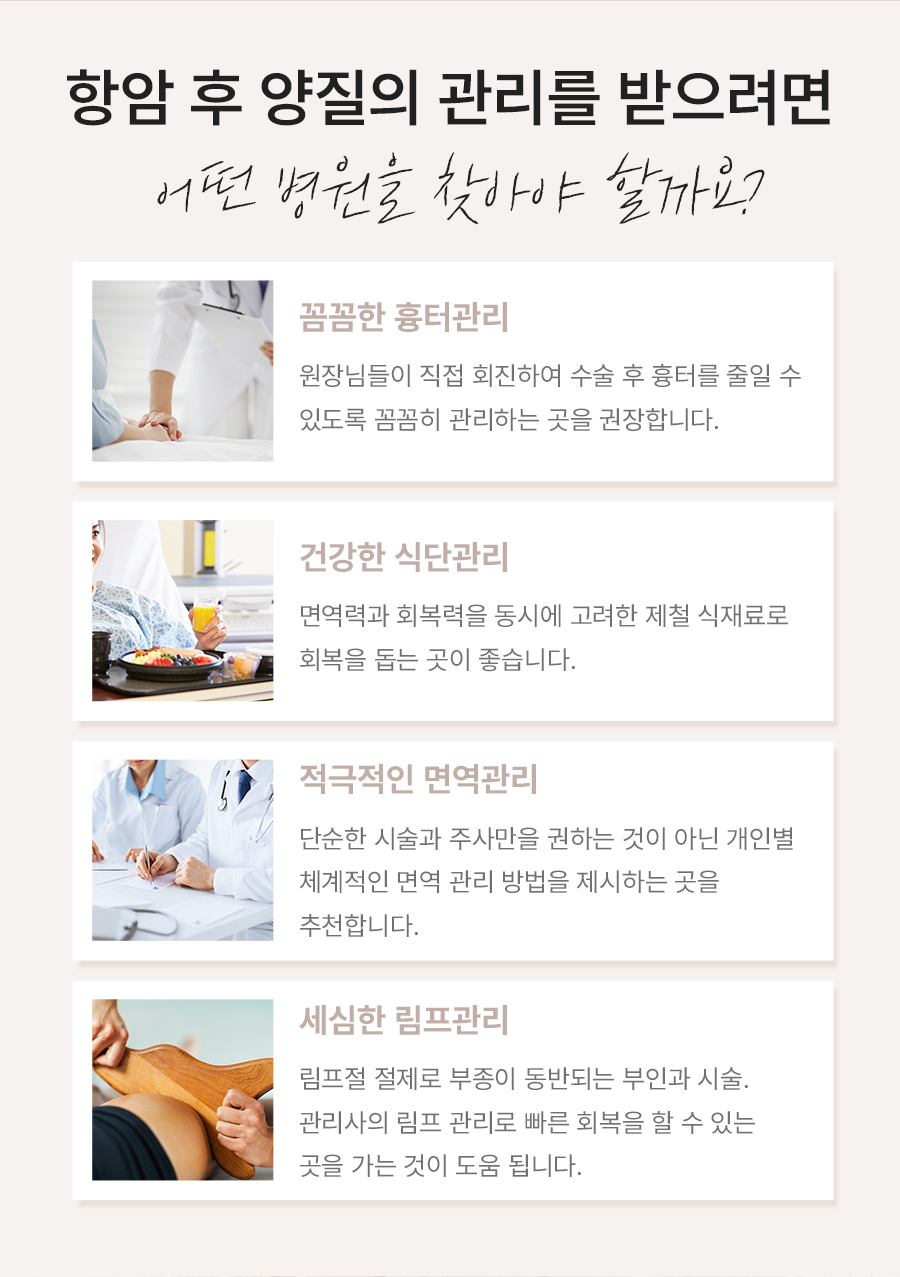
Acupuncture, moxibustion, cupping, and herbal medicine under medical supervision
Integrative Western–Korean medicine is one of the distinguishing features of this hospital. For women with gynecologic cancers, Korean medicine therapies may help with:
- Chemotherapy-related nausea and loss of appetite
- Peripheral neuropathy, such as tingling and burning sensations in the hands and feet
- Hot flashes, night sweats, and sleep problems after sudden menopause
- Anxiety, muscle tension, and chronic pain
To promote coordinated care, clinicians aim to review any herbal or complementary therapies alongside conventional treatments. Patients should disclose all supplements and herbal medicines to their care team so potential interactions with chemotherapy, hormone therapy, or targeted agents can be assessed. Decisions about complementary therapies should be made in consultation with your oncology team.
Anticancer diet and daily healing menus
Nutrition is a key part of recovery.
Features include:
Meals that are gentle on the stomach for women with nausea, bowel issues, or reduced appetite after pelvic surgery or chemotherapy.
Balanced nutrition to support immune function, wound healing, and maintenance of healthy weight.
Consideration of anemia, protein needs, and metabolic changes after treatment.
Menus are photographed and posted online on a regular basis so patients and families can see examples of meals provided, supporting transparency about daily food options.
Healing environment at the entrance of Mudeungsan National Park
Forest walks, fresh air, and quiet spaces
The hospital is located in Gwangju’s Dong-gu district, at the entrance to Mudeungsan National Park, near Jeungsimsa bus stop, with on-site parking. This setting offers tangible nature-based healing resources.
Patients can benefit from:
Clean mountain air and cypress forests known for their phytoncides.
Clear valley streams and gentle walking paths suitable for gradual rehabilitation.
Quiet surroundings that are very different from the noise and stress of city traffic.
For women recovering from surgery or chemotherapy, short daily walks in a safe, scenic environment can help restore stamina, improve mood, and support sleep. The hospital environment is designed to make these activities accessible and safe.
Emotional and cultural programs for women facing cancer
Gynecologic cancer affects more than the body. Many women face concerns about fertility, sexuality, early menopause, and changes in body image. Emotional healing is as important as physical recovery.
To support this, the hospital offers:
Quiet rest areas and healing spaces for reflection.
Cultural and emotional programs, such as healing poetry exhibitions or similar art-based activities.
Opportunities for gentle community interaction with other patients who understand what you are going through.
These elements can reduce feelings of isolation, provide comfort, and help patients process their experiences at their own pace.
How to decide if this type of hospital is right for you
Who may consider a women’s cancer convalescent hospital
A women’s cancer convalescent hospital may be suitable if:
You have completed or are between treatments for cervical, uterine, ovarian, or other gynecologic cancers.
You feel too weak or anxious to manage at home, even though your oncologist says you can be discharged.
You live far from a tertiary hospital and want a recovery base closer to nature.
Your family wants professional support for symptom management and nutrition.
You are looking for integrative care that includes both Western and Korean medicine, under medical supervision.
It may be less suitable if you need intensive care unit level treatment, emergency surgery, or active high-dose chemotherapy, in which case a tertiary hospital is more appropriate.
Questions to ask before choosing a convalescent hospital
Before deciding, it can be helpful to prepare a checklist and discuss it during an online or in-person consultation. Consider asking:
Is the hospital experienced in caring for women with gynecologic cancers specifically?
Who are the main doctors, and what are their specialties and backgrounds?
How does the hospital communicate with my main oncologist at the tertiary hospital?
What supportive therapies are available, such as hyperthermia, acupuncture, or nutrition counseling?
Is there a short-term program option, such as a two-week stay, instead of long-term admission?
What is the environment like around the hospital, and are there safe walking paths?
Taking notes on these points can help you and your family make a confident, informed decision.
Online consultation and pre-visit preparation for overseas patients
For international patients, starting with an online consultation is usually the most practical approach.
Before your consultation, prepare:
Recent medical records, including pathology reports, surgery summaries, chemotherapy and radiotherapy schedules, and current medications.
A brief summary of your current symptoms, such as fatigue level, pain areas, digestive issues, and sleep patterns.
Information about your main oncology team and hospital, so coordination can be planned.
During the online consultation, you can discuss:
Whether inpatient, short-term, or outpatient care is most suitable for your condition.
The possibility of combining your stay with follow-up visits to a tertiary hospital in Korea, such as Hwasun.
Any cultural or dietary preferences that should be considered in your care plan.
Expected Korea visit timeline for recovery stays
A typical timeline for an overseas patient might look like this:
Before travel: Online consultation, sharing of medical records, and confirmation of admission dates. Flight and accommodation for family members are arranged.
Day 1–2: Arrival in Gwangju, check-in at the hospital, initial medical assessment by internal medicine specialists and Korean medicine doctor, and planning of supportive therapies.
Day 3–13: Daily recovery program including rest, nutrition, gentle exercise, hyperthermia sessions if indicated, and Korean medicine treatments. Regular monitoring of vital signs and lab results.
Day 14: Final evaluation, education on self-care after discharge, and preparation of a summary report for your main oncologist.
After return home: Optional online follow-up consultation to review your condition and answer questions.
This schedule can be adjusted depending on your treatment phase and physical condition.
Aftercare and returning to daily life
After leaving the convalescent hospital, you will continue follow-up with your main oncology team. The role of the hospital’s aftercare is to help you:
Understand warning signs that require urgent medical attention.
Maintain a realistic home exercise and walking plan.
Continue an appropriate diet that supports your recovery.
Use relaxation and emotional coping strategies learned during your stay.
If you live in Korea, outpatient visits can be arranged for ongoing support. For overseas patients, online follow-up can be used to discuss progress and any new symptoms, always in coordination with your local doctors.
FAQ
Is a women’s cancer convalescent hospital only for terminal patients?
No. A women’s cancer convalescent hospital is not only for terminal care. Many patients are in the middle of their treatment journey or have completed active treatment and need a place to recover strength, manage side effects, and prepare to return to daily life. Palliative and end-of-life care can also be provided when needed, but that is only one part of the overall service.
Can I stay for just two weeks between chemotherapy cycles for cervical or ovarian cancer?
Yes, that is one of the main uses of the two-week short-term admission program. Women receiving chemotherapy for cervical, ovarian, or other gynecologic cancers can use this period for structured rest, symptom control, and nutrition support between cycles. The program is reservation-based, so it is important to discuss your chemotherapy schedule and book in advance.
How is high-frequency hyperthermia used for gynecologic cancers, and is it safe?
High-frequency hyperthermia is used as a supportive therapy alongside standard treatments, not as a replacement. For gynecologic cancers, it may be applied to help manage residual disease or microscopic cancer cells and to support circulation and immune function under medical supervision. Safety is managed by trained staff who monitor your condition before, during, and after each session, and the treatment plan is coordinated with your main oncology schedule.
Can I receive Korean medicine treatments while on hormone or targeted therapy?
In this integrative setting, Korean medicine treatments such as acupuncture, moxibustion, and cupping can often be combined with hormone or targeted therapy, focusing on side-effect relief. Herbal medicine is prescribed cautiously, with internal medicine specialists reviewing your current drugs to reduce the risk of interactions. It is important to share your full medication list and treatment plan so the team can tailor a safe, individualized approach.
Soft call to action
If you or a loved one is facing gynecologic cancer and wondering how to recover safely after or between treatments, a women’s cancer convalescent hospital in Gwangju may be an option to consider. You can start by arranging an online consultation with the team at Chiu Convalescent Hospital to discuss your medical history, current symptoms, and goals for recovery. With clear information and a personalized plan, you can make the next step in your cancer journey with more confidence and support.
- 공유 링크 만들기
- X
- 이메일
- 기타 앱


댓글
댓글 쓰기