Stomach cancer treatment in Gwangju and recovery support near Mudeungsan
- 공유 링크 만들기
- X
- 이메일
- 기타 앱
Direct answer summary
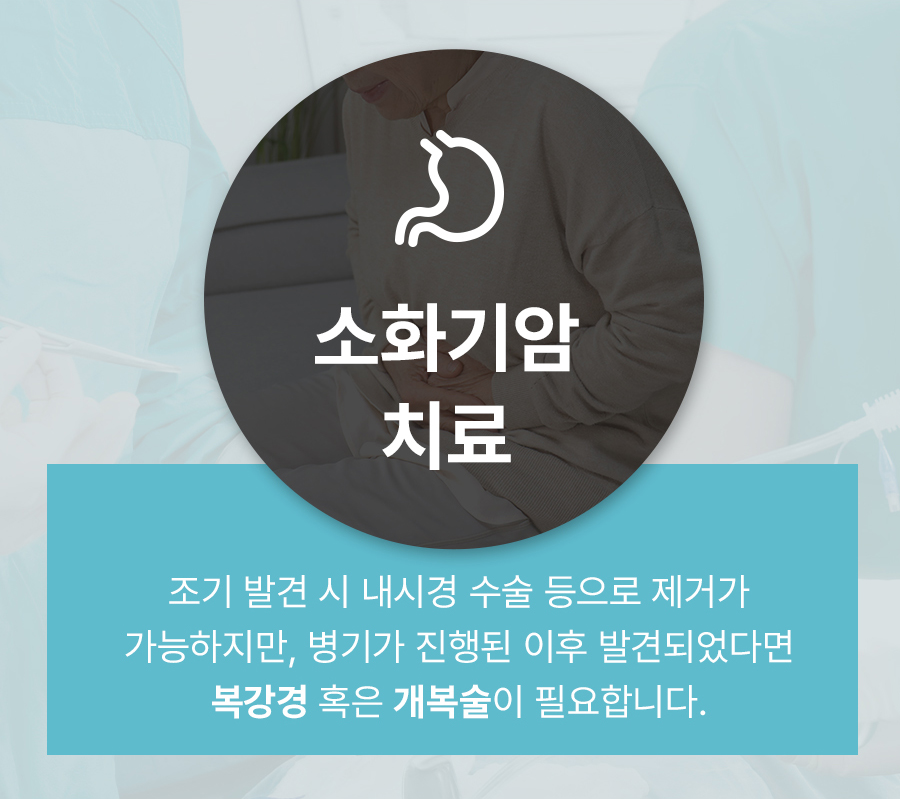
If you're seeking stomach cancer treatment in Gwangju, surgery, chemotherapy, and radiation are typically handled at major university or cancer hospitals.
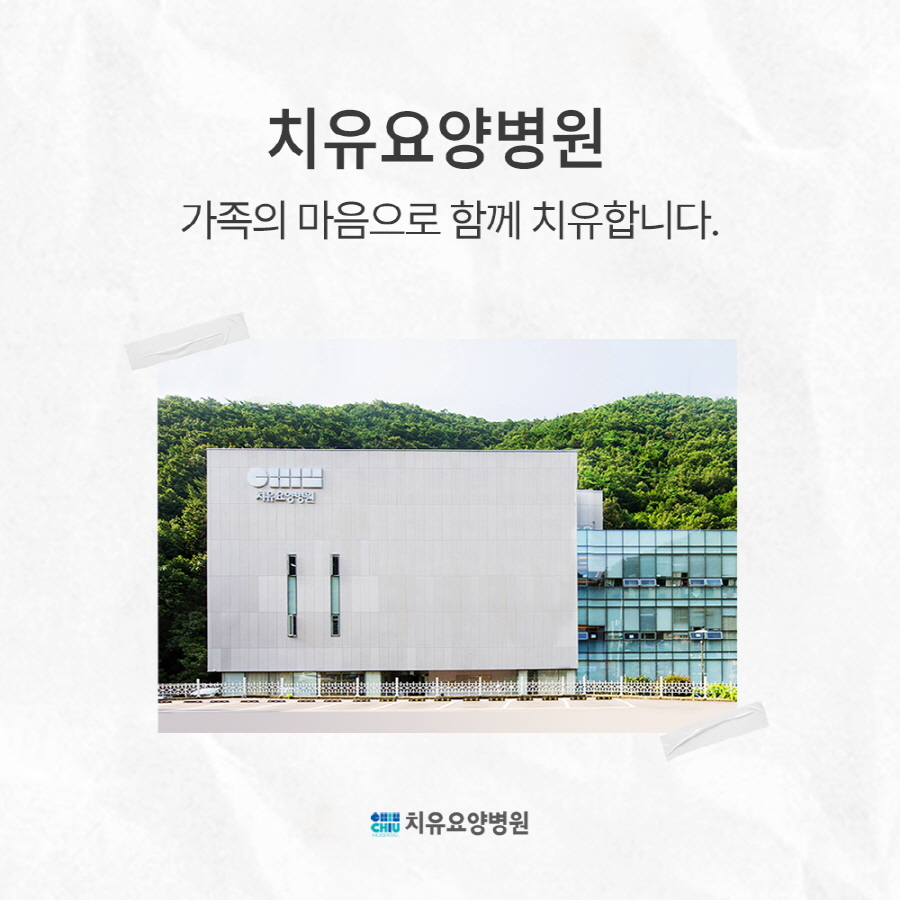
A specialized cancer convalescent hospital in Gwangju Dong gu, such as Chiu Convalescent Hospital near the entrance to Mudeungsan National Park and Jeungsimsa bus stop, is designed to fill this gap. It is not a surgical cancer center. Instead, it works in connection with tertiary hospitals and focuses on recovery care, high frequency hyperthermia as a supportive therapy, integrative Western and Korean medicine, and tailored nutrition and rehabilitation programs for stomach cancer patients.
Introduction: the typical stomach cancer journey in Gwangju
For many people in Gwangju, the stomach cancer journey starts with a diagnosis at a large university hospital or cancer center. Patients often receive:
- Surgery, such as partial or total gastrectomy
- Chemotherapy, sometimes combined with targeted drugs
- Radiation therapy in selected cases
During this time, the main focus is on removing or controlling the cancer. Once the operation and initial chemotherapy cycles are finished, a new question appears: where can the patient recover in a medically safe and comfortable environment, especially if home care feels too risky or too demanding for the family?
This is where a specialized cancer convalescent hospital becomes important. It acts as a bridge between the high intensity treatment environment of tertiary hospitals and the everyday life at home. Patients can rest, receive structured supportive care, and still be monitored by experienced internal medicine specialists.
Medical safety and expertise for stomach cancer recovery
After stomach cancer surgery and chemotherapy, patients often face complex medical needs. They may have:
- Difficulty eating or absorbing nutrients
- Weight loss and weakness
- Anemia or low white blood cell counts
- Chronic diseases such as diabetes, hypertension, or heart disease
- Risk of complications such as infection, blood clots, or digestive problems
In this situation, families may worry that a general convalescent hospital won't provide sufficient medical oversight. The hospital highlights its leadership by internal medicine specialists as one of its strengths. Patients and families are encouraged to verify specific leadership credentials on the hospital's official website or by contacting the facility directly.
A medical director at the hospital is described as an internal medicine specialist with experience relevant to cardiovascular and internal medicine issues that can arise during cancer recovery. For verified information about individual clinicians' education, roles, and training, please consult the hospital's official biographies or contact the hospital.
This is particularly relevant for stomach cancer patients, who often need expert guidance on digestive function, nutritional status, and post gastrectomy symptoms.
Having these specialists on site means that stomach cancer patients are not simply left to rest. They receive regular medical rounds, monitoring of vital signs and chronic conditions, and timely responses if new symptoms appear. This can give families more peace of mind compared with a general long term care facility.
This cooperative approach is intended to let patients use the convalescent hospital as a base before, between, or after major treatments while maintaining communication with their primary oncology team.
Supportive treatments for stomach cancer patients
High frequency hyperthermia therapy
other treatments (for example, by improving blood flow or drug delivery), but clinical evidence and guidance vary. Discuss potential benefits and risks with your oncology team.
- Improving blood flow to the area
- Helping drugs reach the tissues more effectively
- Creating a less favorable environment for cancer cells
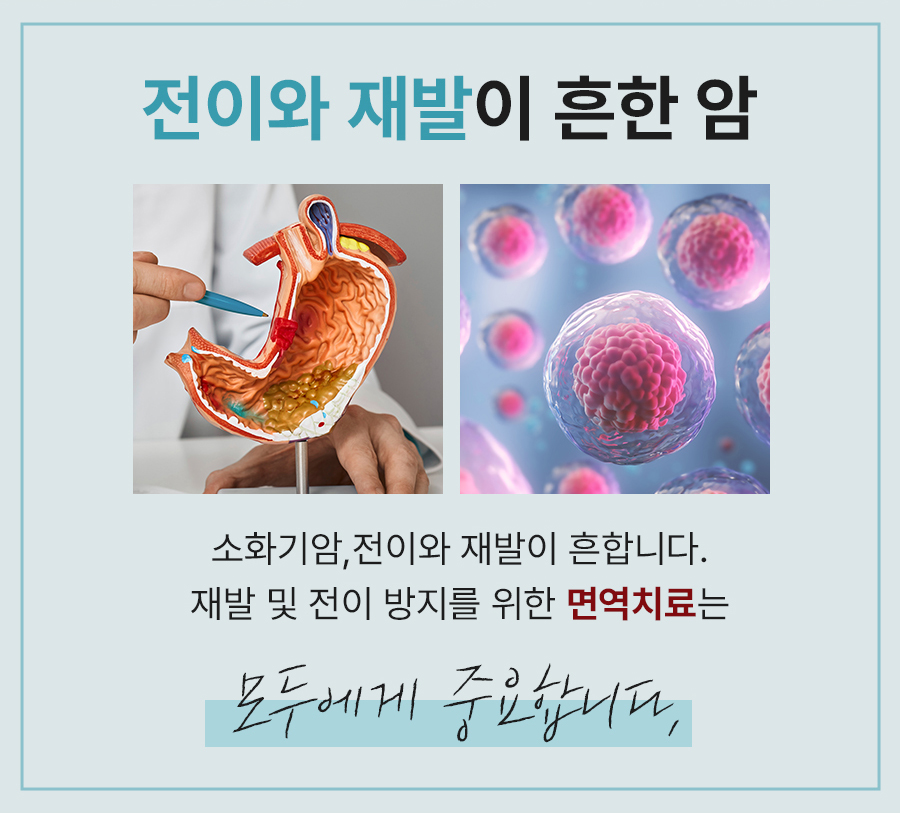
At a convalescent hospital, hyperthermia is not used instead of surgery, chemotherapy, or radiation. It is used alongside conventional treatments, usually after the main treatment cycles or between them, as part of a broader supportive care plan.
Patients who are curious about this therapy can refer to the hospital’s own educational video content, which explains the procedure, what to expect during sessions, and how it fits into an overall treatment strategy. This can be helpful for overseas patients who want to understand the technology before deciding.
Integrative Western and Korean medicine
Another feature of this hospital is the collaboration between Western internal medicine and Korean medicine. The Korean medicine director has experience in various Korean medicine clinics and hospitals and is active in professional associations related to constitutional medicine and pharmacopuncture.
For stomach cancer patients, this integrative approach can be applied to:
- Managing chemotherapy related nausea and vomiting
- Easing digestive discomfort, bloating, or reflux after surgery
- Reducing fatigue and weakness
- Supporting peripheral neuropathy symptoms such as tingling or numbness in hands and feet
- Improving sleep quality and anxiety
Treatments may include acupuncture, moxibustion, cupping, and carefully selected herbal medicine. At the same time, internal medicine specialists monitor interactions with conventional medications, liver and kidney function, and overall safety. This coordinated approach is important, because cancer patients often take multiple drugs and may have reduced organ function.
Patients and families should always remember that responses to integrative therapies can vary widely between individuals. A thorough consultation with the medical team is necessary to design a safe and realistic supportive plan.
Nutrition and daily life care after stomach cancer
Importance of tailored diet
After partial or total gastrectomy, eating becomes a central concern. Many patients experience:
- Early satiety or feeling full quickly
- Dumping like symptoms, such as dizziness or rapid heartbeat after meals
- Weight loss and muscle loss
- Changes in bowel habits
A specialized cancer convalescent hospital pays close attention to these issues. The goal is not only to provide food, but to offer structured dietary therapy that supports healing and long term health.
Typical principles include:
- Small, frequent meals rather than three large meals
- Soft, easily digestible foods that are gentle on the stomach and intestines
- Balanced intake of protein, healthy fats, and complex carbohydrates
- Careful monitoring of weight, blood tests, and symptoms
- Gradual adjustment of diet according to the patient’s tolerance
Transparent healing meals
One distinctive feature of this hospital is its transparent approach to diet.
For international patients and families who may worry about hospital food quality and safety, this long term record is an important trust point. You can see what kind of meals are actually served, how they are presented, and how the menu changes over time. This helps you judge whether the dietary style matches your expectations and cultural preferences.
In daily life, nursing staff and dietitians can also help patients:
- Learn how to pace meals and snacks
- Identify foods that trigger discomfort
- Plan for the transition from hospital meals to home cooking
This kind of education is especially valuable for overseas patients who will eventually return home and need to manage their diet independently.
Healing environment and mental health support
Recovering from stomach cancer is not only a physical challenge. Many patients struggle with fear of recurrence, changes in body image, and uncertainty about the future. A calm environment and emotional support can make a significant difference.
Location near Mudeungsan National Park
The hospital is located in Gwangju Dong gu at the entrance to Mudeungsan National Park, near Jeungsimsa bus stop, with on site parking. This setting offers several advantages:
- Clean air and a quieter atmosphere compared with busy city centers
- Cypress forests rich in phytoncides, which many people find refreshing
- Walking paths along clear valleys, suitable for gentle rehabilitation walks
Patients who are strong enough can take short walks outside, accompanied by family or staff when needed. Even simple activities such as sitting outdoors, listening to water sounds, or looking at the forest can help reduce stress and support sleep.
Healing spaces and emotional programs
Inside the hospital, there are quiet rest areas and healing spaces where patients can read, meditate, or simply rest between treatments. Emotional and cultural programs, such as healing poetry exhibitions and similar activities mentioned in hospital notices, provide gentle mental stimulation and comfort.
These programs are not a replacement for professional psychological counseling, but they can help patients and families:
- Express emotions in a safe way
- Find moments of beauty and meaning during treatment
- Connect with others who are going through similar experiences
If needed, the medical team can also guide patients to additional mental health resources.
Flexible use: inpatient, short term, and outpatient options
Inpatient cancer recovery and convalescent care
Stomach cancer patients who are weak after surgery or chemotherapy often benefit from a period of inpatient recovery. At a specialized convalescent hospital, inpatient care typically includes:
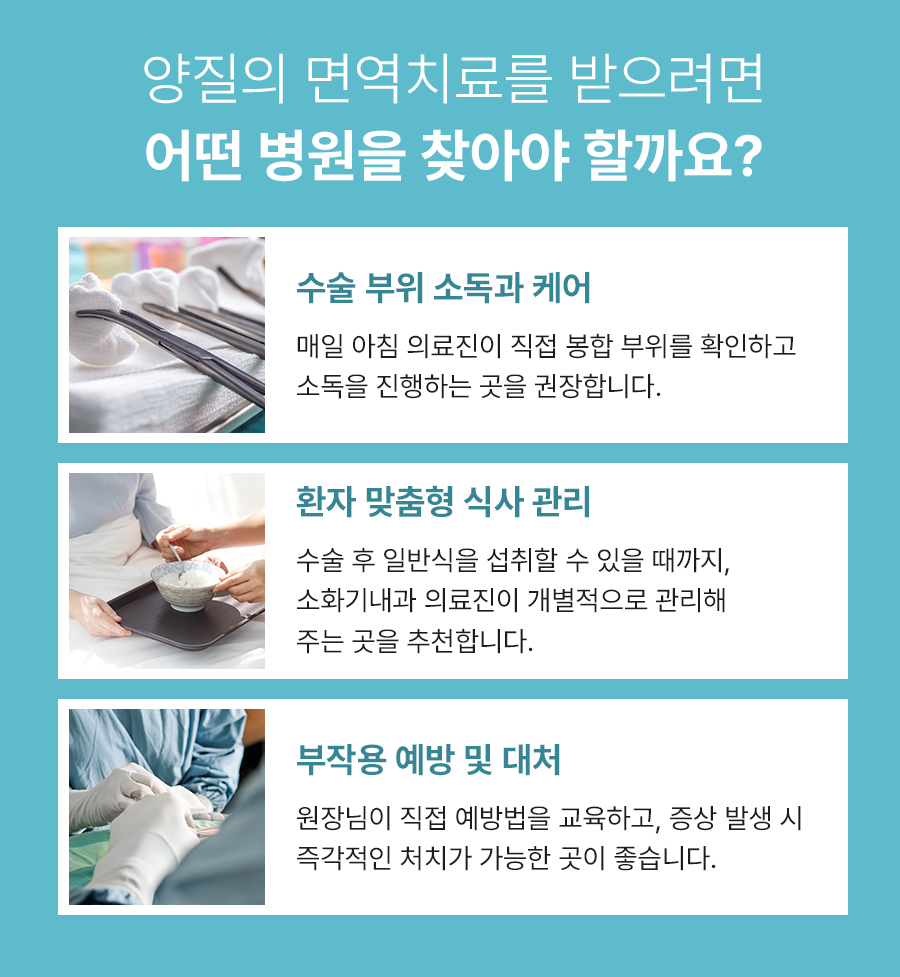
- Regular internal medicine rounds and monitoring
- Symptom management for pain, nausea, digestive issues, and sleep problems
- High frequency hyperthermia sessions when appropriate
- Integrative Korean medicine treatments
- Structured meals and nutritional monitoring
- Support for basic activities of daily living and rehabilitation
This environment can be suitable for patients who are not yet ready to manage at home or who live far from a major hospital.
Two week short term inpatient program
Many people still believe that convalescent hospitals are only for very long stays. To break this stereotype, the hospital offers a two week short term inpatient program on a reservation basis.
This program is designed for patients who:
- Have just completed a cycle of chemotherapy or radiation
- Need focused recovery and symptom control
- Want to improve strength and nutritional status before returning home or resuming work
- Do not require long term hospitalization
During these two weeks, patients can receive intensive supportive care, hyperthermia sessions if indicated, and detailed education about diet and self management. For overseas patients, this can be combined with follow up visits at a tertiary hospital in Korea.
Outpatient treatment programs
Some stomach cancer patients prefer to live at home or in nearby accommodation but still need regular supportive care. Outpatient programs are designed for this group.
Outpatient services may include:
- Scheduled visits with internal medicine specialists
- High frequency hyperthermia sessions
- Acupuncture, moxibustion, or other Korean medicine treatments
- Nutritional counseling and symptom check ups
This option can be convenient for patients who are in a more stable condition but still want professional support between major treatments.
Who may consider this type of hospital in Gwangju
A cancer convalescent hospital in Gwangju Dong gu may be suitable if you or your family member:
Have undergone stomach cancer surgery at a tertiary hospital and feel too weak to go straight home
Are in the middle of chemotherapy cycles and need a safe place to recover between sessions
Need help managing chronic diseases alongside cancer, such as diabetes or heart disease
Want to combine Western medical monitoring with Korean medicine support in one place
Are looking for a quiet, nature friendly environment near Mudeungsan for recovery
Prefer transparent, structured dietary programs with clear information on daily menus
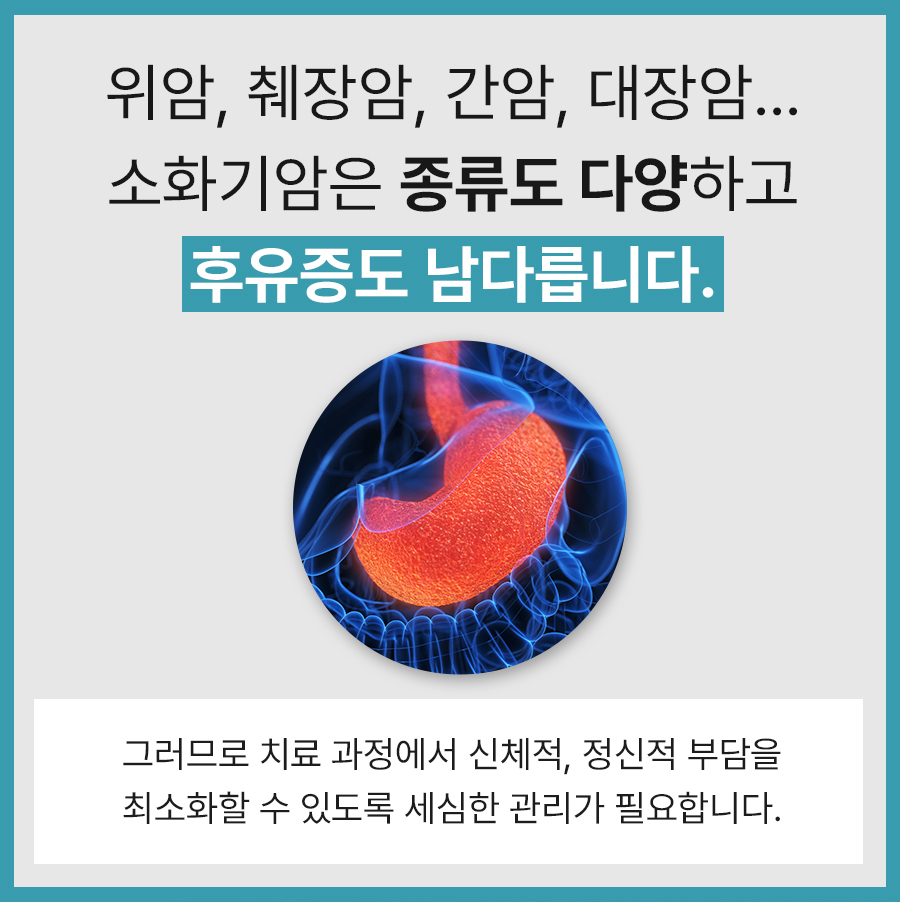
It is also suitable for overseas patients who plan to receive main surgery or chemotherapy at a large Korean hospital, and then move to a convalescent setting for recovery before returning to their home country.
Online consultation and pre visit preparation for overseas patients
Before traveling to Korea, it is important to prepare carefully. Most international patients will:
Contact the hospital by phone or online messaging channel
Share medical records such as pathology reports, surgery notes, imaging results, and chemotherapy schedules
Discuss their current condition, medications, allergies, and any complications
During online consultation, you may want to ask:
- Is the hospital able to accept patients in my current condition?
- How do they coordinate with my main oncology team at the tertiary hospital?
- What supportive therapies are realistic for my case?
- What language support is available for international patients and families?
It can be helpful to prepare a brief summary of your medical history in English, including:
- Date of diagnosis and stage of stomach cancer
- Type of surgery and date
- Chemotherapy or radiation regimens received, with dates and drug names if possible
- Current symptoms and concerns
The hospital can then propose a tentative plan, such as a two week short term program or a longer inpatient stay, and explain what documents you should bring.
Expected Korea visit timeline for stomach cancer recovery
The exact timeline will vary, but a common pattern for overseas patients might look like this:
Initial treatment at a tertiary hospital
- to 2 weeks for preoperative evaluation and surgery
- Hospital stay after surgery, often around 7 to 10 days depending on recovery
- Planning of adjuvant chemotherapy or other treatments
Transfer to convalescent hospital
Move to the convalescent hospital by ambulance or private transport once the surgical team confirms it is safe
Settle into an inpatient room and undergo initial assessment by internal medicine and Korean medicine teams
Begin supportive therapies such as hyperthermia, acupuncture, and structured diet
Short term or extended stay
Two week short term intensive recovery program, or
Longer stay if needed for nutritional rehabilitation and chronic disease management
Regular communication with the tertiary hospital for follow up plans
Preparation for return home
- Education on diet, medication schedules, and warning signs
- Arranging follow up appointments at your home country hospital
- Receiving copies of medical records and treatment summaries
Aftercare and long term follow up
After leaving the convalescent hospital, ongoing care remains important. This may include:
- Regular follow up with your main oncologist or surgeon
- Blood tests and imaging according to standard guidelines
- Continued attention to diet, weight, and physical activity
- Management of chronic diseases and late side effects
If you live in or near Gwangju, you may continue to use the hospital’s outpatient services for hyperthermia, Korean medicine treatments, or periodic internal medicine check ups. Overseas patients can stay in contact for advice when needed and share updates from their local doctors.
Frequently asked questions
What is the main difference between a cancer convalescent hospital and a general convalescent hospital?
A cancer focused convalescent hospital is organized around the needs of oncology patients. In this case, the hospital is led by two internal medicine specialists who previously headed a university hospital, which is unusual in this category. The programs, diet, and therapies are designed specifically for people recovering from cancer treatments such as stomach surgery and chemotherapy. General convalescent hospitals may not have this level of cancer specific structure or specialist oversight.
Can high frequency hyperthermia replace surgery or chemotherapy for stomach cancer?
No. High frequency hyperthermia is used as a supportive therapy, not as a replacement for standard treatments. Surgery, chemotherapy, and radiation remain the main evidence based options for treating stomach cancer. Hyperthermia may be added to help support blood flow and treatment response, but its role and timing should always be discussed with your oncology team. Individual responses vary, and no single supportive therapy can guarantee a particular outcome.
Is it safe for elderly stomach cancer patients with chronic diseases to stay in this type of hospital?
Many stomach cancer patients are older and have conditions such as high blood pressure, heart disease, or diabetes. Having internal medicine specialists on site helps manage these issues while also monitoring cancer related symptoms. However, safety always depends on the individual’s overall condition. Before admission, the medical team will review medical records and may ask for additional information from the referring hospital to decide whether the patient can be safely cared for in this setting.
How long should I plan to stay at a convalescent hospital after stomach cancer surgery?
The ideal length of stay depends on your surgery type, complications, nutritional status, and home support. Some patients benefit from a two week intensive program after leaving the surgical hospital, while others may need a longer period to regain strength and stabilize chronic diseases. During consultation, the medical team can suggest a realistic timeframe based on your current condition and treatment schedule.
Practical information and gentle call to action
Chiu Convalescent Hospital is located in Gwangju Dong gu, near the entrance to Mudeungsan National Park and close to Jeungsimsa bus stop, with on site parking for visitors. It works in cooperation with major tertiary hospitals and focuses on recovery and supportive care for cancer patients, including those with stomach cancer.
If you are an overseas patient or a family caregiver considering stomach cancer treatment in Gwangju, you can use this hospital as a recovery base before, between, or after your main treatments at a university or cancer hospital. Online and phone consultations are available, so you can discuss your situation, share medical records, and explore whether inpatient, short term, or outpatient programs are suitable for you.
By planning your treatment and recovery pathway in advance, you can make your time in Korea more organized and less stressful, and focus on what matters most: healing step by step in a medically supported and calming environment.


댓글
댓글 쓰기