Radiofrequency Hyperthermia for Gynecologic Cancer: Supportive Care Options in Korea
- 공유 링크 만들기
- X
- 이메일
- 기타 앱
Radiofrequency hyperthermia is a medical treatment that gently heats tumor areas using high‑frequency electromagnetic energy. For gynecologic cancers such as cervical, endometrial, ovarian, vulvar, and vaginal cancer, it is usually used together with standard treatments like surgery, chemotherapy, and radiation therapy. The main goals are to support symptom relief, potentially enhance the effect of other treatments, and help maintain quality of life. It is not a stand‑alone cure and should always be planned in close cooperation with your main oncology team.
Chiu Convalescent Hospital provides radiofrequency hyperthermia as part of a broader recovery and supportive‑care program for cancer patients. Located near Mudeungsan National Park in Gwangju, Chiu Convalescent Hospital positions itself as a recovery base for patients from tertiary hospitals and offers inpatient recovery stays and outpatient sessions.
What is radiofrequency hyperthermia in gynecologic cancer?
Radiofrequency hyperthermia uses high‑frequency electromagnetic waves to raise the temperature of tumor tissue or the area around it to a controlled, mildly elevated level. This warmth is intended to stress cancer cells and is carefully monitored to avoid burning or damaging healthy tissue. It is used as an adjunctive therapy alongside standard cancer treatments.
Cancer cells are often more sensitive to heat than normal cells. When the tumor region is gently heated, several things can happen. Blood flow in the tumor area may increase, which can help chemotherapy drugs reach cancer cells more effectively. Heat can also interfere with the way cancer cells repair themselves after radiation, making radiation therapy more effective. In addition, mild heating may influence the tumor microenvironment and immune response.
There are different types of hyperthermia. Local hyperthermia targets a small, specific area, such as a pelvic lesion. Regional hyperthermia treats a larger body region, such as the lower abdomen and pelvis. Whole‑body hyperthermia warms the entire body, usually to a lower temperature, and is less commonly used in routine gynecologic oncology. For gynecologic cancers, local and regional radiofrequency hyperthermia are the most typical approaches, focusing on the pelvis or abdominal cavity where the uterus, ovaries, cervix, and surrounding tissues are located.
How hyperthermia is used for gynecologic cancers
Gynecologic cancers include cervical cancer, endometrial (uterine) cancer, ovarian cancer, as well as vulvar and vaginal cancers. Radiofrequency hyperthermia is usually considered in situations where the disease is recurrent, persistent, or difficult to treat with surgery alone.
For cervical cancer, hyperthermia may be used when there is residual tumor after radiation, or when the disease has recurred in the pelvis. For endometrial cancer, it may be considered when there are pelvic recurrences or spread to nearby tissues. For ovarian cancer, which often spreads within the abdominal cavity, regional hyperthermia to the abdomen and pelvis can sometimes be used as a supportive treatment alongside systemic chemotherapy.
The goal is not to replace standard oncologic care, but to add another tool that may help. In some cases, hyperthermia is scheduled on the same day as chemotherapy or radiation, or within a short time window, to try to maximize the combined effect. In other cases, it is used during recovery periods between chemotherapy cycles to support symptom control and comfort.
How a treatment session usually works
A typical radiofrequency hyperthermia session for gynecologic cancer is done on an outpatient basis or during a short inpatient stay.
You are usually asked to lie comfortably on a treatment bed. Applicators, which are devices that deliver the radiofrequency energy, are positioned over the pelvic or lower abdominal area. A gel or soft pad may be used between the applicator and the skin to improve contact and comfort.
During the session, the machine delivers controlled radiofrequency energy to gently warm the targeted region. The medical team monitors the temperature, your skin condition, and your overall comfort. You may feel a deep warmth or mild heat in the treated area. If the warmth feels too strong or uncomfortable, the staff can adjust the settings.
Session length and scheduling are individualized; ask the treating facility for typical session length and frequency. The plan is individualized based on cancer type, stage, previous treatments, and your general health.
Role as adjunctive, supportive therapy
Radiofrequency hyperthermia is considered an adjunctive therapy. This means it is added to standard treatments, not used instead of them. Surgery, chemotherapy, and radiation therapy remain the main evidence‑based treatments for gynecologic cancers.
When used alongside these treatments, hyperthermia may help in several ways. By making tumor cells more sensitive to radiation or chemotherapy, it may support better local control in some cases. By improving blood flow, it may help drugs reach certain tumor areas more effectively. Some patients also report relief of pelvic pain or discomfort, although responses vary.
Importantly, expectations should stay realistic. Hyperthermia does not guarantee tumor shrinkage or cure. Its role is usually to support the overall treatment plan, help manage symptoms, and maintain or improve quality of life during a long treatment journey.

Because of this, coordination with your main oncology team at a tertiary hospital is essential. Before starting hyperthermia at a convalescent hospital, your oncologist should review whether it is appropriate for your specific cancer type, stage, and current treatment schedule. Sharing imaging reports, pathology results, and recent blood tests helps the team at the convalescent facility tailor the approach safely.
Who may consider radiofrequency hyperthermia
Patients with gynecologic cancers who are medically stable enough for outpatient or short‑term inpatient care may be considered for radiofrequency hyperthermia. This includes women who:
Have recurrent or residual cervical, endometrial, ovarian, vulvar, or vaginal cancer in the pelvic or abdominal region.
Have completed surgery and are receiving or have recently completed chemotherapy or radiation.
Are in between chemotherapy cycles and looking for supportive care to manage symptoms and maintain strength.
Are under regular follow‑up at a tertiary hospital and want an additional supportive option.
Suitability must always be assessed individually. Age, heart and lung function, nutritional status, and other medical conditions all matter. Some patients with very advanced disease or severe weakness may not tolerate hyperthermia well and may benefit more from comfort‑focused palliative care without additional procedures.
Safety, side effects, and precautions
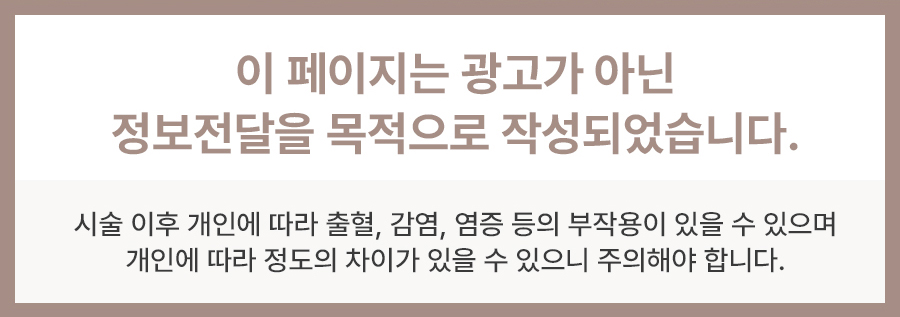
Radiofrequency hyperthermia is generally considered safe when performed by trained staff using appropriate equipment and monitoring. However, like any medical treatment, it can have side effects.

Common, usually mild effects include a feeling of warmth or heat in the treated area, temporary redness of the skin, mild swelling, or discomfort during or shortly after the session. Some patients feel tired afterward and may need to rest for a few hours. These effects often improve on their own.
Less common but more serious issues can include skin burns, blisters, or pain if the temperature is not properly controlled or if the patient has very sensitive skin or poor blood circulation. Careful temperature monitoring and regular communication between the patient and staff during the session are important to reduce these risks.
There are also situations where hyperthermia may not be recommended. These can include certain implanted electronic devices (such as some pacemakers or defibrillators), uncontrolled infections, severe heart disease, serious bleeding problems, or very unstable general condition. Pregnancy is another situation where careful risk‑benefit discussion is needed.
Before starting treatment, you should have a medical evaluation that includes your cancer history, current medications, other illnesses, and any implanted devices. Blood tests and imaging from your main hospital are often reviewed. This helps the team decide whether radiofrequency hyperthermia is suitable and how to adjust the treatment safely.
Convalescent hospital setting in Korea
A cancer‑focused convalescent hospital is different from a large acute‑care university hospital. Instead of emergency surgeries and intensive care, it focuses on recovery, symptom management, and supportive treatments for patients who are already diagnosed and usually receiving their main cancer treatment elsewhere.
At such a facility, patients with gynecologic cancers may be admitted for a short period, for example around two weeks, to regain strength after surgery or chemotherapy, or to receive a series of supportive treatments such as radiofrequency hyperthermia. Others may visit as outpatients for scheduled hyperthermia sessions and other supportive therapies.
It is led by two internal medicine specialists who previously served as presidents of a university hospital, which can reassure families about the level of medical oversight. The presence of an oriental medicine director allows for collaborative care between Western internal medicine and traditional Korean medicine approaches.
In this type of setting, radiofrequency hyperthermia is integrated into a broader supportive‑care program. The calm natural environment and walking paths can encourage gentle physical activity and emotional relaxation between treatments. Patients and families often appreciate being in a quieter, less hectic environment than a large tertiary hospital while still having access to medical supervision.
Integrative support: nutrition, oriental medicine, and emotional care
For many women with gynecologic cancers, the journey involves repeated surgeries, chemotherapy cycles, and sometimes radiation. Fatigue, digestive problems, sleep disturbance, and emotional stress are common. A convalescent hospital can address these issues in a more holistic way.
Integrative care may include acupuncture, moxibustion, cupping, and herbal medicine, when appropriate and when coordinated with your main oncology team. These approaches are sometimes used to help manage chemotherapy‑related nausea, neuropathy, fatigue, or pelvic discomfort. It is important that any herbal products are checked for interactions with your chemotherapy or targeted therapies.
Nutritional support is another key part of recovery. Some facilities run anti‑cancer diet programs and share daily menus transparently so that patients and families know what is being served. The focus is usually on balanced meals, adequate protein, and foods that are gentle on the digestive system while supporting strength and immune function.
Emotional and psychological support can include counseling, group activities, or simply having quiet spaces for rest and reflection. Being in a natural setting near a national park can also help reduce stress and provide a sense of healing, even during a difficult treatment period.
Preparing for an online consultation
If you are an overseas patient considering radiofrequency hyperthermia in Korea, an online consultation is a practical first step. Before the consultation, it is helpful to gather:
A summary letter from your main oncologist, including diagnosis, stage, and treatment history.
Recent imaging reports, such as CT, MRI, or PET scans, preferably with English summaries if available.
Pathology reports from surgery or biopsy.
A list of your current medications, including chemotherapy, hormonal therapy, targeted drugs, and any supplements.
Information about implanted devices, such as pacemakers or ports.
During the online consultation, you can discuss whether radiofrequency hyperthermia is appropriate for your situation, how it would be scheduled around your existing treatment, and what kind of stay in Korea might be needed. It is also a good time to ask about language support, interpretation services, and assistance with travel and accommodation.
Expected visit timeline for treatment in Korea
The exact schedule will depend on your condition and your main hospital’s plan, but a typical timeline for an overseas patient might look like this.
Before travel, you complete an online consultation, share your medical records, and receive a preliminary plan. This may include a suggested length of stay, for example two to three weeks, and a proposed number of hyperthermia sessions.
On arrival in Korea, you have an in‑person assessment at the convalescent hospital or partner clinic. This may include a physical examination, review of your documents, and possibly some basic blood tests. The team confirms the plan and adjusts it if necessary.
During your stay, you receive scheduled radiofrequency hyperthermia sessions, usually several times per week, along with other supportive care such as nutritional counseling, integrative therapies, and rest in the healing environment. The staff monitor your response and side effects.
Before you return home, the medical team prepares a summary of the treatments you received and any recommendations for follow‑up. This summary can be shared with your main oncology team so that your care remains continuous and coordinated.
Aftercare and follow‑up
After completing a series of hyperthermia sessions, most patients can resume their usual activities within their personal limits. You may feel tired for a day or two after some sessions, so planning for rest is wise.
Ongoing follow‑up is usually handled by your main oncology team at your home or primary hospital. Imaging and blood tests for tumor markers are typically done according to your main doctor’s schedule. The role of the convalescent hospital is to provide a clear report of what was done, any side effects, and any observations about your symptoms or physical condition.
If you felt that hyperthermia or other supportive treatments were helpful, you can discuss with your doctors whether repeating a similar program in the future would make sense, for example after another chemotherapy cycle or if new symptoms appear.
Questions to ask before starting radiofrequency hyperthermia
Before you commit to treatment, it can help to prepare a checklist of questions. Examples include:
Is radiofrequency hyperthermia appropriate for my specific type and stage of gynecologic cancer?
How will it be coordinated with my chemotherapy, radiation, or surgery schedule?
What are the realistic goals in my case: symptom relief, local control, or general support?
What side effects should I watch for, and how will they be managed?
Are there any reasons I should not receive hyperthermia, such as implanted devices or other illnesses?
How many sessions are planned, and over what time period?
What other supportive‑care services are available during my stay?
Discussing these points with both your main oncologist and the convalescent hospital team helps ensure that everyone shares the same expectations and that your safety remains the top priority.
FAQ
Is radiofrequency hyperthermia painful?
Most patients feel warmth or a deep heating sensation in the treated area, but not sharp pain. Some people may feel mild discomfort or a feeling of pressure under the applicator. If the heat feels too strong, you should tell the staff immediately so they can adjust the energy level or reposition the applicator. Serious pain is uncommon when the procedure is properly monitored.
Can I receive hyperthermia while I am on chemotherapy?
In many cases, radiofrequency hyperthermia is scheduled during chemotherapy cycles, sometimes on the same day or within a short time window, because the heat can make cancer cells more sensitive to the drugs. However, this must be carefully planned based on your blood counts, organ function, and overall condition. Your main oncologist and the hyperthermia team should coordinate the timing to keep you safe.
Is it suitable for advanced or recurrent gynecologic cancer?
Hyperthermia is often considered for recurrent or persistent pelvic disease, or for advanced cases where the goal is to control symptoms and support quality of life. It is not a cure for advanced cancer, but it may be one part of a broader palliative or supportive plan. Whether it is suitable for you depends on factors such as your general strength, organ function, and other treatments you are receiving.
How long do I need to stay in Korea for treatment?
The required stay varies. Some patients may come for a short, focused program of around two weeks, receiving several hyperthermia sessions and supportive care. Others may combine their stay with scheduled chemotherapy or follow‑up at a tertiary hospital in Korea, which can extend the visit. An online consultation before you travel can help create a realistic schedule based on your needs and your main hospital’s recommendations.
Soft call to action
If you are considering radiofrequency hyperthermia as part of your gynecologic cancer care and are exploring options in Korea, an online consultation can help you understand whether this approach fits your situation. By sharing your medical records in advance and discussing your goals and concerns, you and the medical team can work together to design a supportive, realistic plan that complements your existing treatment.
- 공유 링크 만들기
- X
- 이메일
- 기타 앱

댓글
댓글 쓰기