Preparing Body and Mind Before Cancer Treatment
- 공유 링크 만들기
- X
- 이메일
- 기타 앱
https://iwriting.co.kr/media/category_media/1773715849_2.jpg
Direct answer summary
It focuses on improving physical strength, stabilizing chronic illnesses, supporting nutrition and immunity, and reducing anxiety so that you can tolerate chemotherapy more safely and recover more smoothly.
In Gwangju, a convalescent hospital located at the entrance of Mudeungsan National Park offers this type of program with internal medicine specialists who have led university hospitals, together with an integrative team that includes Korean traditional medicine, nutrition-focused meals, high-frequency hyperthermia as an adjunctive option, emotional support, and nature-based healing.
This guide explains what pre-chemotherapy supportive care is, who might benefit, what to expect if you come to Korea for this type of program, and how to prepare for an online consultation.
What is pre-chemotherapy supportive care
Pre-chemotherapy supportive care includes all medical and supportive measures taken before you begin chemotherapy, and sometimes between treatment cycles. The aim is not to replace chemotherapy, but to help your body and mind be in the best possible condition to handle it.
Key goals of pre-chemotherapy supportive care include:
Improving baseline physical strength and organ function.
Supporting immune function and nutritional status.
Stabilizing chronic diseases such as heart, lung, digestive, or metabolic conditions.
Reducing anxiety, fear, and sleep problems before treatment.
Educating patients and families about what to expect and how to manage side effects at home.
When these areas are addressed in advance, many patients are better able to tolerate chemotherapy, experience fewer complications, and maintain a more stable quality of life during treatment.
Why preparation before chemotherapy matters
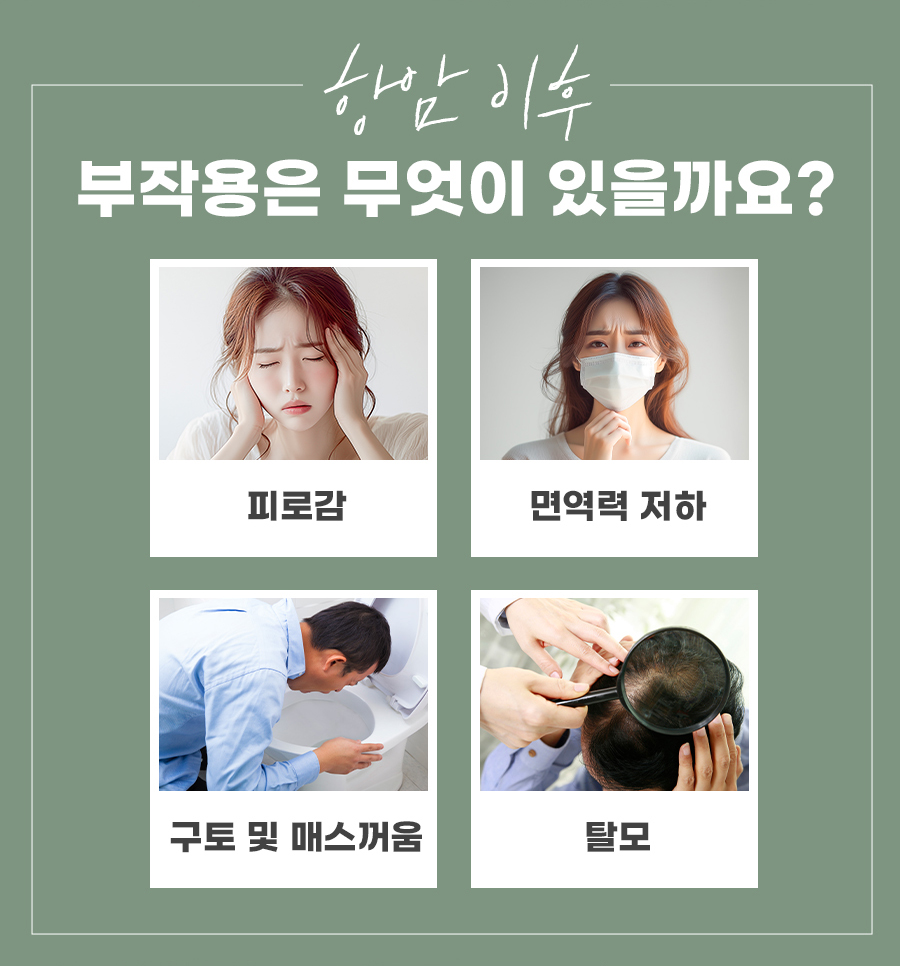
Chemotherapy is a powerful treatment that can affect many systems in the body. Common side effects include fatigue, nausea, vomiting, appetite loss, weight loss, immune suppression, digestive issues such as diarrhea or constipation, and neuropathy such as tingling or numbness in the hands and feet.
If a patient starts chemotherapy with poor baseline health, such as frailty, significant weight loss, or uncontrolled chronic disease, several problems are more likely:
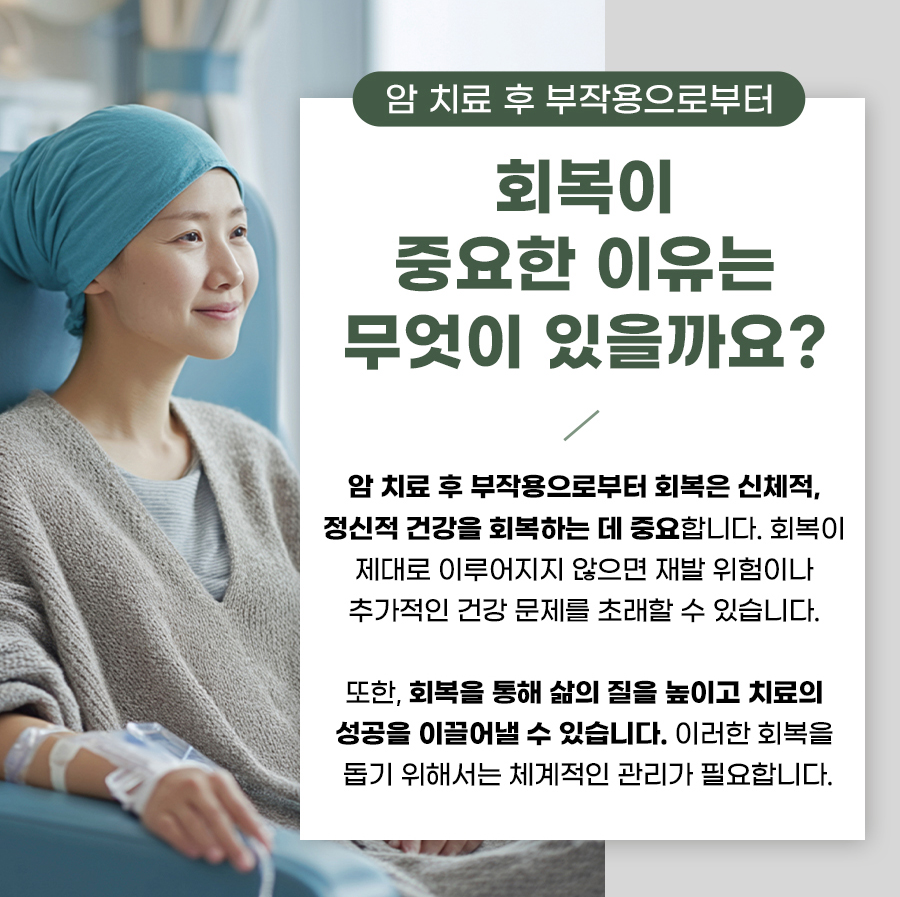
Side effects may be more intense.
Treatment may need to be delayed or doses reduced.
Unplanned hospitalizations may become more frequent.
By contrast, proactive preparation can help:
Stabilize blood pressure, blood sugar, heart and lung function.
Improve sleep and reduce exhaustion.
Support appetite and digestion so that weight loss is minimized.
Strengthen emotional resilience and coping skills.
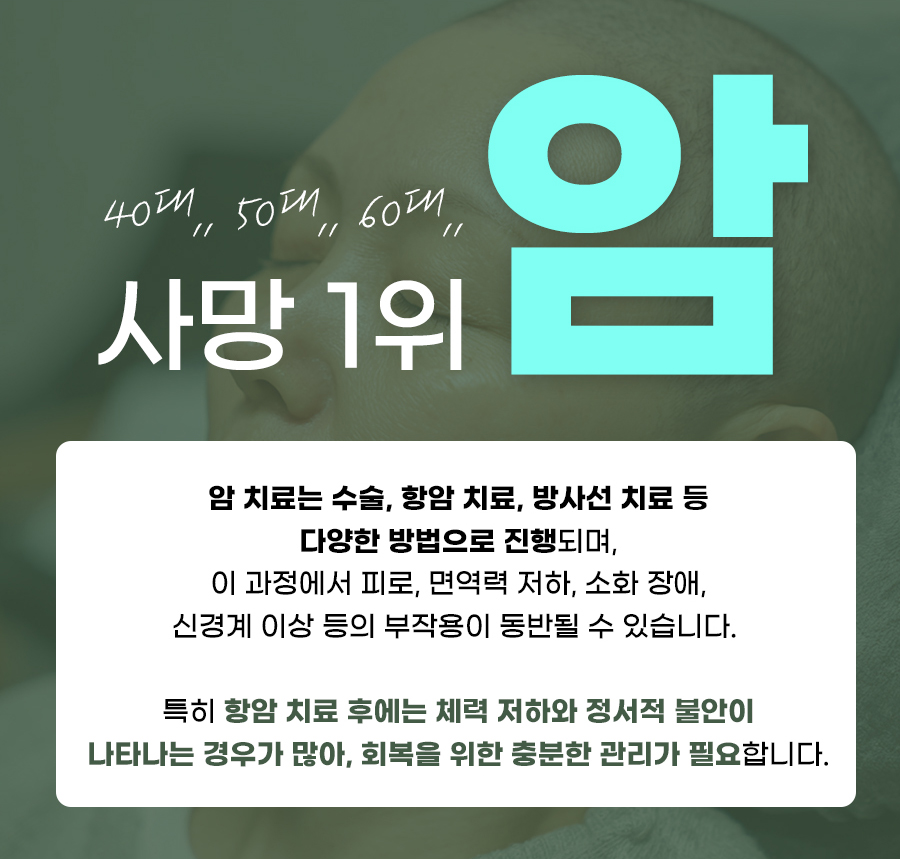
For international patients, this preparation can be especially important, because travel, time zone changes, and unfamiliar environments can add extra stress. A structured pre-chemotherapy program in a calm, medically supervised setting can ease this transition.
Medical expertise in a convalescent setting
Many families worry that a convalescent or long-term care hospital may not offer the same medical judgment as a large university hospital. In this Gwangju setting, the model is different.
The hospital is focused on cancer recovery and supportive care. It is staffed by internal medicine specialists, including former university hospital directors from a major university hospital in Gwangju, together with a Korean medicine director. This combination allows the hospital to function as a bridge between tertiary cancer centers and a quieter recovery environment.
This level of internal medicine expertise is important for pre-chemotherapy management because it supports:
Careful interpretation of complex oncology records and test results.
Close coordination with tertiary hospitals regarding surgery, chemotherapy, and radiation plans.
Early recognition of complications that may require referral back to a tertiary center.
Thoughtful adjustment of medications for chronic diseases in the context of upcoming chemotherapy.
For overseas patients, this can provide reassurance that supportive care is guided by physicians who are familiar with university-hospital standards and can communicate effectively with major cancer centers.
Overview of the integrative pre-chemotherapy program
The pre-chemotherapy supportive care program in this Gwangju convalescent hospital is integrative by design. It combines conventional internal medicine with Korean traditional medicine, nutrition-focused care, adjunctive hyperthermia, and emotional and environmental support.
Below are the main components.
Internal medicine assessment and coordination
On admission or at the start of an outpatient program, patients receive a comprehensive internal medicine evaluation. This usually includes:
Detailed review of medical history and current symptoms.
Assessment of chronic conditions such as hypertension, diabetes, heart disease, lung disease, or digestive disorders.
Review of recent surgery, biopsy, imaging, and oncology reports.
Discussion of the planned chemotherapy regimen from partner hospitals.
Baseline laboratory tests and monitoring as appropriate.
Based on this assessment, the internal medicine team coordinates with tertiary cancer centers in Gwangju and Seoul. The goal is to align supportive care with the main treatment plan so that there is no conflict between medications, schedules, or procedures.
Integrative Korean-Western medicine collaboration
In this setting, internal medicine specialists and a Korean medicine doctor work together. Korean traditional medicine is used as supportive care alongside conventional treatment, not as a replacement for chemotherapy or radiation.
Depending on the patient’s condition, the integrative plan may include:
Acupuncture to help with pain, neuropathic symptoms, or sleep.
Moxibustion or cupping to support circulation and relaxation.
Herbal prescriptions chosen to support digestion, appetite, or energy, while being checked for interactions with chemotherapy.
All such therapies are provided under medical supervision. For international patients, explanations are typically given in simple language, and families are encouraged to ask about the purpose and expected sensations of each procedure.
Nutritional and anti-cancer diet support
Nutrition is a central pillar of pre-chemotherapy supportive care. Many patients arrive with weight loss, low appetite, or specific dietary restrictions. The hospital emphasizes anti-cancer dietary therapy and healing meals.
Daily menus are transparently posted with photos on the hospital’s website and blog, with hundreds of accumulated posts. This allows patients and families to see the style and consistency of the meals in advance.
Pre-chemotherapy nutrition support aims to:
Address weight loss and malnutrition.
Provide adequate protein, calories, and micronutrients.
Adjust meal texture and seasoning for patients with swallowing or taste changes.
Teach practical eating strategies that can be continued at home or in other hospitals.
For overseas patients, dietary preferences, religious restrictions, and food allergies can be discussed during pre-visit consultation so that realistic options are prepared.
High-frequency hyperthermia cancer therapy
High-frequency hyperthermia is an adjunctive therapy offered in this hospital when clinically appropriate. In simple terms, it uses controlled deep heating of specific body areas with high-frequency energy. The goal is to gently warm tissues, support blood flow, and potentially enhance the body’s response to cancer treatment.
This therapy is not a stand-alone cure and does not replace chemotherapy, surgery, or radiation. It is used as part of a broader supportive care plan under medical supervision.
The hospital provides explanatory videos on its online channels so that patients can see the equipment, understand how the session is performed, and learn about safety measures before deciding whether to include it in their care.
Psychological and emotional support
Facing chemotherapy often brings fear, uncertainty, and sadness. Emotional preparation is therefore a key part of pre-chemotherapy supportive care.
In this hospital, psychological support may include:
Quiet healing spaces where patients can rest and reflect.
Healing poetry exhibitions and art that encourage calm and hope.
Counseling-style conversations with staff who listen to worries and explain the treatment journey.
A philosophy of caring for patients with a family-like mindset, emphasizing respect and dignity.
For international patients, this can be especially valuable when far from home. Families are encouraged to participate in discussions so that everyone understands the plan and feels more secure.
Physical activity and nature-based healing
The hospital is located at the entrance of Mudeungsan National Park in Dong-gu, Gwangju, near the Jeungsimsa bus stop. The surrounding environment includes cypress forests rich in phytoncides, clean air, and accessible valley and mountain walking paths.
Gentle, supervised walking routines are often incorporated into pre-chemotherapy programs. Light exercise can:
Improve stamina and cardiovascular fitness.
Enhance mood and reduce anxiety.
Support better sleep quality.
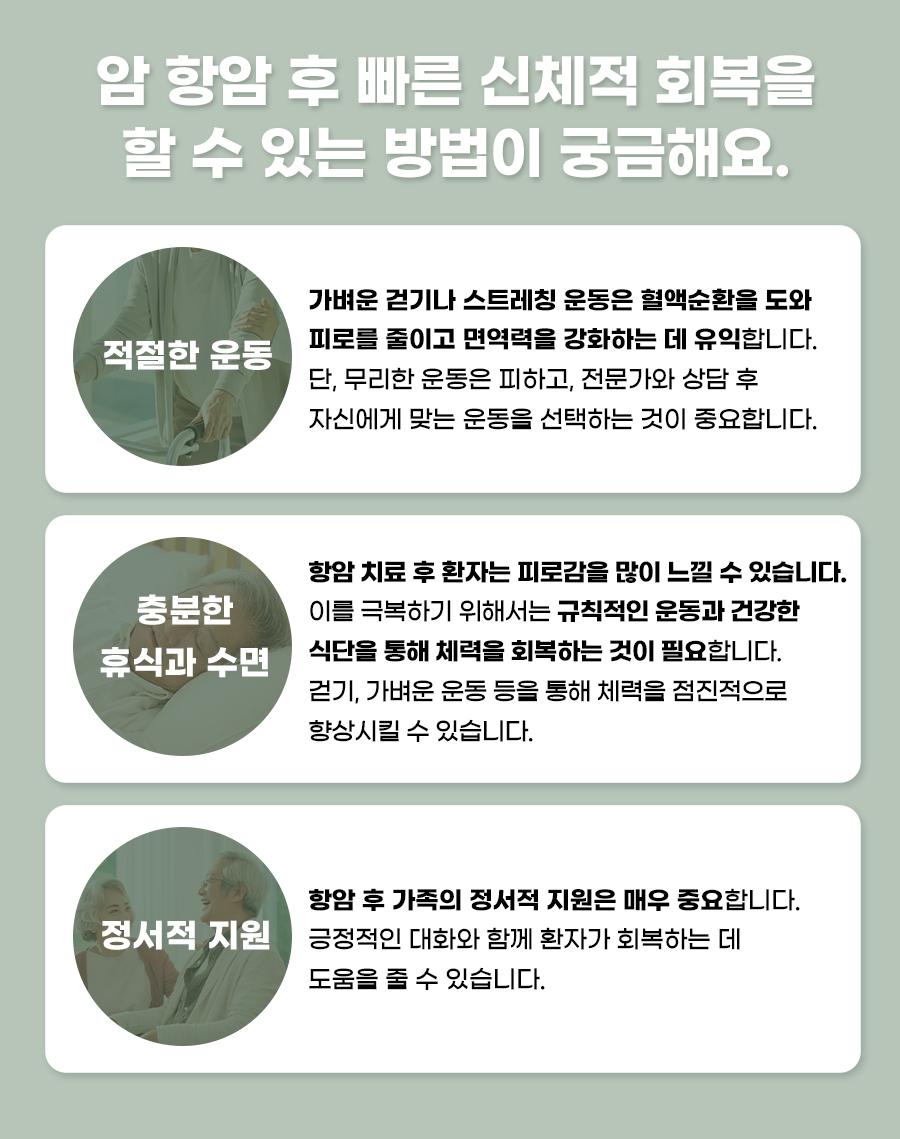
Because the paths around the hospital are relatively accessible, patients can enjoy nature-based healing without long travel. For many, a short daily walk among trees and fresh air becomes a meaningful part of their preparation for chemotherapy.
Who may consider pre-chemotherapy supportive care in Gwangju
Pre-chemotherapy supportive care at this convalescent hospital may be suitable for:
Patients scheduled to start chemotherapy soon who feel physically weak or have multiple chronic conditions.
Patients between chemotherapy cycles who need a place to recover strength, stabilize nutrition, and manage side effects.
Overseas patients receiving surgery or chemotherapy at major cancer centers in Korea who want a quieter, supportive base between hospital visits.
Families who are concerned that a standard long-term care hospital might not have enough internal medicine expertise for complex cancer cases.
It may be especially helpful if you:
Have lost significant weight or appetite.
Experience severe fatigue or sleep problems.
Have complex medication regimens for heart, lung, or metabolic diseases.
Feel very anxious about starting chemotherapy and want more education and emotional support.
Each situation is different, so a direct medical consultation is needed to decide whether this type of program is appropriate.
Short-term admission and outpatient options
This hospital actively challenges the idea that a convalescent hospital is only for long-term stays. Instead, it offers flexible models designed around the chemotherapy schedule.
Two-week short-term admission
A common option is a two-week short-term admission program. This is designed for patients who want intensive pre-chemotherapy preparation or between-cycle recovery.
Typical features include:
Structured internal medicine assessment and monitoring.
Daily integrative care with Korean and Western medicine.
Nutrition-focused meals and individualized diet guidance.
Optional high-frequency hyperthermia sessions if appropriate.
Gentle exercise and nature-based activities.
Emotional support and education sessions for patients and families.
Short-term admission is usually operated on a reservation basis, with announcements such as monthly reservation openings posted on the hospital’s online channels.
Outpatient supportive programs
For local or nearby patients, outpatient programs are also available. These may include:
Regular visits for integrative Korean-Western medicine care.
Nutritional counseling and meal guidance.
Scheduled hyperthermia sessions.
Education and emotional support consultations.
This flexible structure allows patients to receive focused support and then return home or to their main cancer center for chemotherapy.
Collaboration and referral coordination with major cancer centers: Chiu Convalescent Hospital displays logos of several higher-level cancer centers on its website and can coordinate referrals or further evaluation with these institutions when appropriate. The listed centers include Samsung Medical Center, Chosun University Hospital, Chonnam National University Hwasun Hospital, Chonnam National University Hospital, and Seoul National University Bundang Hospital. The presence of a logo indicates a connection for referral or information-sharing rather than an automatic formal co-management agreement.
The hospital functions as a recovery and supportive care base for patients who receive definitive cancer treatment at major partner hospitals. These include large general and cancer-specialized hospitals in Seoul and the Gwangju region, such as Samsung Medical Center, Chosun University Hospital, Chonnam National University Hwasun Hospital, Chonnam National University Hospital, and Seoul National University Bundang Hospital.
In practice, many patients follow a pattern like this:
Receive surgery or chemotherapy at a tertiary hospital.
Transfer to the convalescent hospital for pre-chemotherapy strengthening or post-treatment recovery.
Return to the tertiary center for the next chemotherapy cycle, radiation session, or follow-up.
This collaborative model allows each facility to focus on its strengths: tertiary hospitals provide high-intensity cancer treatment, while the convalescent hospital offers a calmer environment for recovery and supportive care.
Online consultation and pre-visit preparation for overseas patients
If you are considering coming to Korea for pre-chemotherapy supportive care, an online consultation is an important first step. This helps the medical team understand your situation and allows you to decide whether the program matches your needs.
Before your online consultation, it is helpful to prepare:
Recent medical records: diagnosis reports, pathology results, imaging summaries, and discharge summaries.
Chemotherapy plan: regimen name, schedule, and any previous cycles already completed.
Medication list: all current medications and supplements, including doses.
Allergy information and major past surgeries.
Questions from you and your family about daily life at the hospital, language support, and costs.
The hospital uses online channels such as a Naver blog, KakaoTalk consultation channel, and YouTube. Through these, you can:
Check photos and videos of rooms, meals, and surroundings.
Read detailed posts about short-term admission and outpatient programs.
Watch explanations of therapies such as high-frequency hyperthermia.
During the online consultation, you can ask about:
Expected length of stay based on your chemotherapy schedule.
Whether your specific chronic diseases can be managed safely.
Availability of language support or interpretation.
What to bring from home and what is provided by the hospital.
Expected Korea visit timeline for pre-chemotherapy supportive care
Every case is unique, but a typical timeline for an overseas patient might look like this.
Before travel
Online consultation with the hospital’s team.
Coordination with your main oncologist in your home country or in Korea.
Confirmation of admission dates, room type, and estimated length of stay.
Travel and accommodation planning for accompanying family members.
Arrival in Korea
Arrival in Gwangju and check-in at the hospital.
Initial internal medicine evaluation and review of records.
Planning of integrative care schedule, nutrition plan, and exercise routine.
Pre-chemotherapy period
Daily supportive care including integrative medicine, nutrition, and gentle exercise.
Optional hyperthermia sessions if appropriate.
Regular monitoring of vital signs, lab results, and symptoms.
Education sessions about chemotherapy side effects and home care.
Transfer for chemotherapy
Transfer to the partner tertiary hospital for chemotherapy according to the planned schedule.
Possible return to the convalescent hospital between cycles for recovery, depending on your condition and travel plans.
Return home
Before leaving Korea, you may receive a summary of your supportive care and recommendations for ongoing management in your home country.
Follow-up can sometimes continue via online consultation, depending on local regulations and your main oncologist’s guidance.
Aftercare and ongoing support
After your initial pre-chemotherapy stay, ongoing support remains important. The hospital’s team may:
Provide guidance on continuing diet and exercise routines at home.
Offer advice on managing common chemotherapy side effects.
Recommend when to seek urgent care if certain symptoms appear.
Communicate with your main oncology team if needed.
For patients who remain in Korea for multiple cycles, it may be possible to alternate between stays at the tertiary hospital and short recovery periods at the convalescent hospital, depending on medical advice.
Practical information for visitors
Location
The hospital is located at the entrance of Mudeungsan National Park in Dong-gu, Gwangju, near the Jeungsimsa bus stop. On-site parking is available, which is convenient for families who travel by car.
Services
Chiu Convalescent Hospital offers:
- Inpatient cancer recovery care.
- Two-week short-term admission programs for pre-chemotherapy preparation or between-cycle recovery.
- Outpatient supportive programs.
- Integrative Korean-Western medicine care.
- High-frequency hyperthermia as an adjunctive option.
- Nutrition-focused meals and supportive dietary therapy to help maintain strength and nutritional status.
- Emotional support and nature-based healing programs.
Channels and consultation hours
Information about programs, daily meals, and reservation schedules is shared through the hospital’s Naver blog, KakaoTalk consultation channel, and YouTube videos.
Consultation hours are typically on weekdays and Saturdays, with Sunday and public holidays closed. Exact hours can be confirmed through the hospital’s online channels before you plan your visit.
Frequently asked questions about pre-chemotherapy supportive care
What is the main benefit of pre-chemotherapy supportive care?
The main benefit is to enter chemotherapy in a more stable physical and emotional condition. By improving nutrition, stabilizing chronic diseases, supporting sleep and mood, and educating patients and families, pre-chemotherapy supportive care can help reduce the risk of treatment delays and make side effects more manageable. It does not guarantee specific outcomes, but it aims to support your body’s resilience during a demanding treatment.
Is integrative Korean-Western medicine safe with chemotherapy?
Integrative care in this setting is planned under the supervision of internal medicine specialists and a Korean medicine doctor. Herbal prescriptions and procedures such as acupuncture are chosen carefully, with attention to possible interactions and your overall medical status. However, safety always depends on individual conditions, so it is essential to share your full medication list and chemotherapy plan with the team and to follow their guidance closely.
Can I stay at the convalescent hospital instead of going to a tertiary cancer center?
No. The convalescent hospital is designed as a supportive care base, not as a replacement for a tertiary cancer center. Chemotherapy, major surgery, and radiation therapy are provided at partner hospitals such as Samsung Medical Center, Chosun University Hospital, Chonnam National University Hwasun Hospital, Chonnam National University Hospital, and Seoul National University Bundang Hospital. The convalescent hospital supports you before and between these treatments, focusing on recovery and preparation.
How long should I stay for pre-chemotherapy supportive care?
The appropriate length of stay varies by patient. Some may benefit from a two-week short-term admission before starting chemotherapy, while others may need a longer or shorter period depending on their baseline health, travel schedule, and treatment plan. During your online consultation, the medical team can suggest a realistic timeframe based on your condition and upcoming chemotherapy dates.
Soft call to action for online consultation
If you or a family member are preparing for chemotherapy and are considering supportive care in Korea, an online consultation can help you understand whether this Gwangju convalescent hospital is suitable for your situation.
By sharing your medical records, treatment plan, and questions in advance, you can receive a clearer picture of what pre-chemotherapy supportive care might look like for you, how long you may need to stay, and how the team can coordinate with your main cancer center.
This information can support a more confident decision about where and how to prepare your body and mind for the next step in your cancer treatment journey.
- 공유 링크 만들기
- X
- 이메일
- 기타 앱


댓글
댓글 쓰기