Outpatient Care for Chemotherapy Side Effects in Jeonnam: A Practical Guide for Patients and Families
- 공유 링크 만들기
- X
- 이메일
- 기타 앱
Direct answer summary
For cancer patients in the Jeonnam and Gwangju region, outpatient care for chemotherapy side effects provides a regular, structured clinic between hospital chemotherapy sessions where clinicians monitor symptoms, manage treatment-related side effects (for example, IV fluids, anti-nausea medications, or wound care when appropriate), and offer nutrition and emotional support to help you continue treatment as safely and comfortably as possible. It complements — and is not a replacement for — definitive cancer treatments such as chemotherapy, surgery, or radiation delivered at major cancer centers.
A convalescent hospital in Dong-gu, Gwangju, near the entrance of Mudeungsan National Park, functions as a recovery and supportive-care option for patients who have received treatment at nearby tertiary hospitals. Some patients treated at regional centers, including Hwasun Jeonnam National University Hospital, have used this facility for outpatient visits or short stays to stabilize side effects, address nutritional needs, and then return home or back to their main oncology team.
Treatment overview: what outpatient chemotherapy side-effect care involves
Chemotherapy can be life-prolonging and sometimes life-saving, but it often brings difficult side effects. Common problems include fatigue, nausea, vomiting, loss of appetite, diarrhea or constipation, nerve pain or tingling in hands and feet, sleep problems, lowered immunity, and mood changes such as anxiety or low mood.
Outpatient care for chemotherapy side effects focuses on these issues between your main hospital visits. Instead of waiting until symptoms become severe, you have a scheduled place to go where a team familiar with cancer recovery can check your condition, adjust medications, and offer supportive therapies.
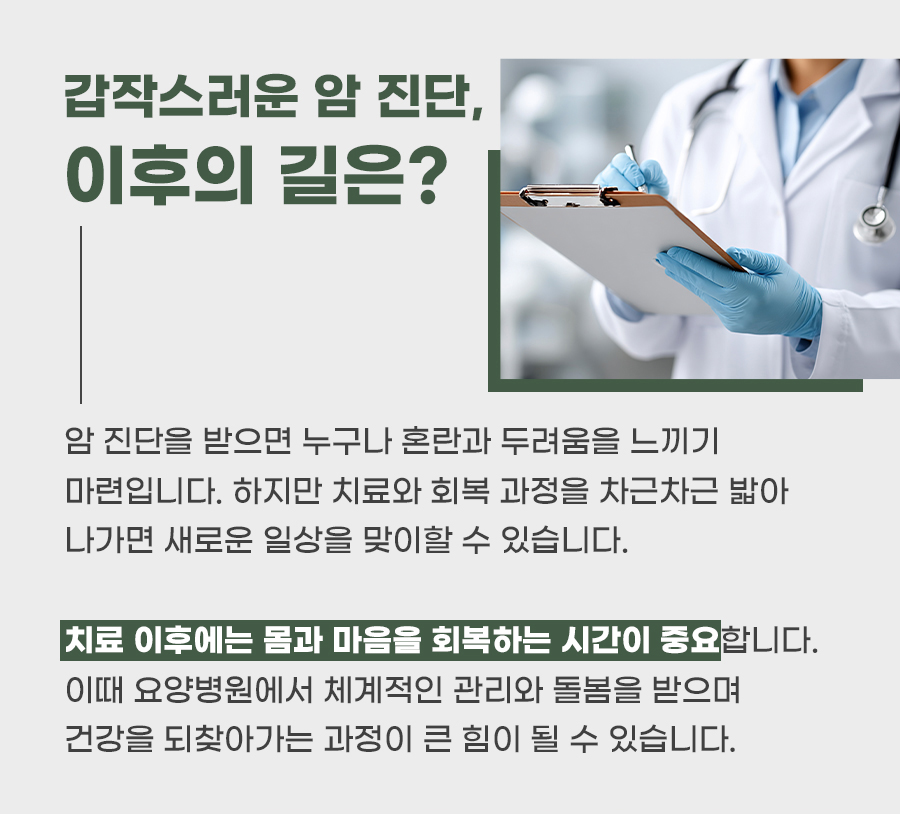
Typical elements of outpatient side-effect management include:
Regular monitoring of vital signs and basic health status. During visits, staff can check blood pressure, pulse, weight, temperature, and hydration status. When needed, simple blood tests may be arranged to look at anemia, infection risk, or electrolyte balance. This helps catch problems early before they become emergencies.
Medication review and adjustment. Under the supervision of internal medicine specialists, medications for nausea, vomiting, constipation, diarrhea, pain, sleep, and mood can be reviewed and adjusted. This may include changing doses, timing, or types of drugs to better match your current condition.
Symptom tracking and education. Patients and families can learn what is expected and what is a warning sign. For example, mild nausea may be managed at home, but persistent vomiting, high fever, or sudden shortness of breath require urgent attention and often a return to the tertiary hospital.
Coordination with your main oncology team. Outpatient supportive care should not be separate from your main cancer treatment plan. When concerning signs appear, the supportive care team can refer you back to your oncology team or emergency department quickly, with a clear summary of recent observations.
The program's goal is not to treat the cancer itself but to help you tolerate chemotherapy better. It may reduce the likelihood of preventable hospital visits and aims to support patients in maintaining as much independence and their usual daily routines as possible, depending on individual circumstances.
Why medical leadership and internal medicine expertise matter
Many families worry that moving into a convalescent setting means losing access to experienced doctors. This level of clinical leadership can help families feel more confident about medical decision-making.
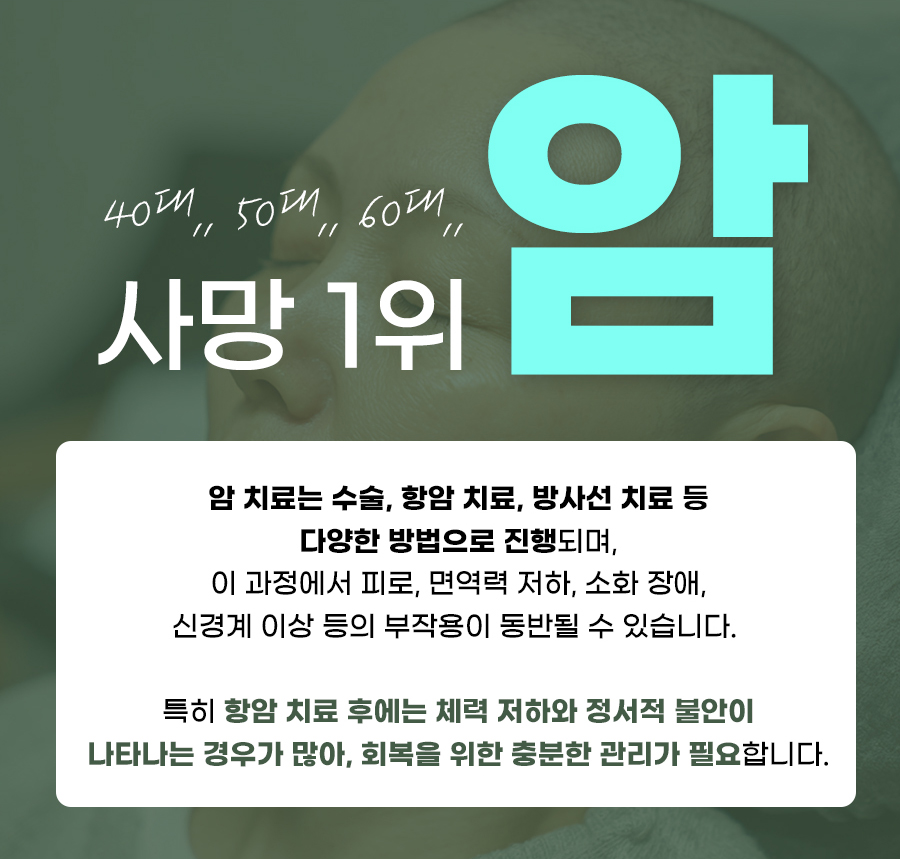
Internal medicine specialists are trained to see the whole picture: heart, lungs, digestion, metabolism, infections, and chronic diseases such as diabetes or high blood pressure. This is particularly important for chemotherapy patients, who often have complex medical histories and multiple medications.
In practical terms, internal medicine expertise in a convalescent setting can help with:
Careful evaluation of new symptoms. For example, is your shortness of breath due to anemia, fluid overload, infection, or a reaction to chemotherapy? An internal medicine specialist is trained to consider all these possibilities and decide when urgent referral is necessary.
Safe medication management. Many chemotherapy patients take drugs for heart disease, blood pressure, diabetes, or other conditions. Internal medicine oversight helps reduce the risk of drug interactions and side effects.
Continuity of care. Having experienced physicians who understand hospital-level medicine but are based in a recovery setting helps bridge the gap between intensive treatment at a large university hospital and everyday life at home.
For overseas patients, this combination can be especially valuable. It offers a medically grounded environment for supportive care, while your main oncology treatment remains at your chosen cancer center in Korea or in your home country.
Integrative care: combining internal medicine and Korean medicine
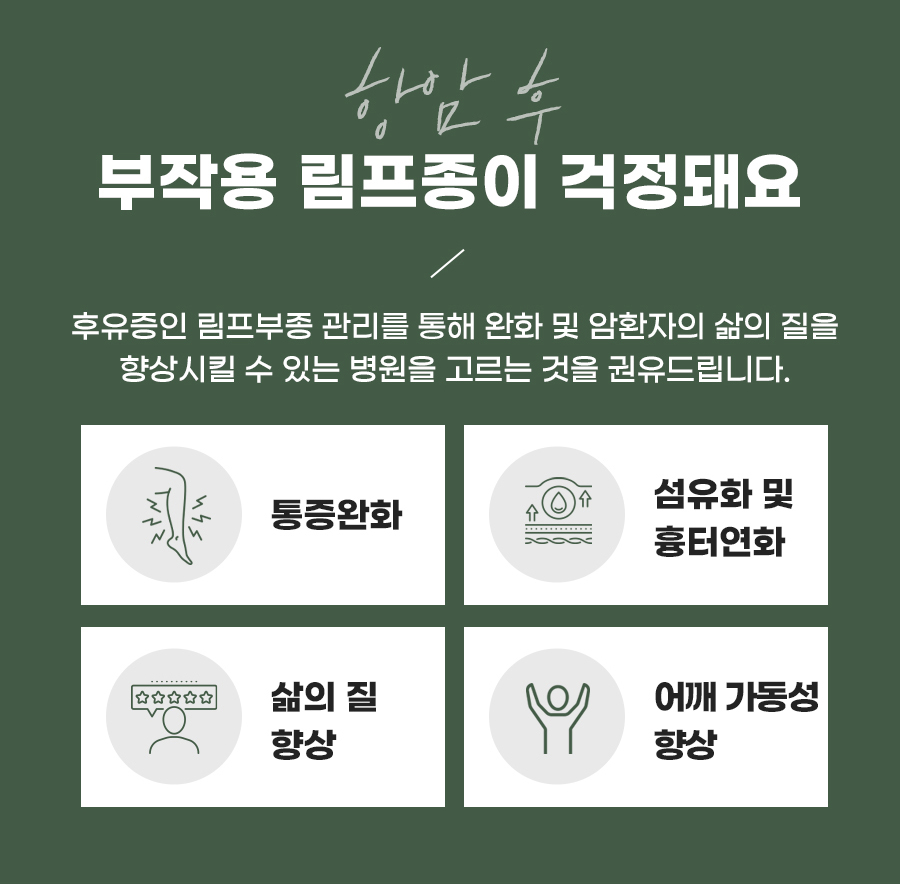
One distinctive feature of this convalescent hospital is the collaboration between internal medicine specialists and a Korean medicine doctor working in the same facility. This allows an integrative approach to chemotherapy side-effect management, where conventional medicine and traditional methods are combined in a coordinated way.
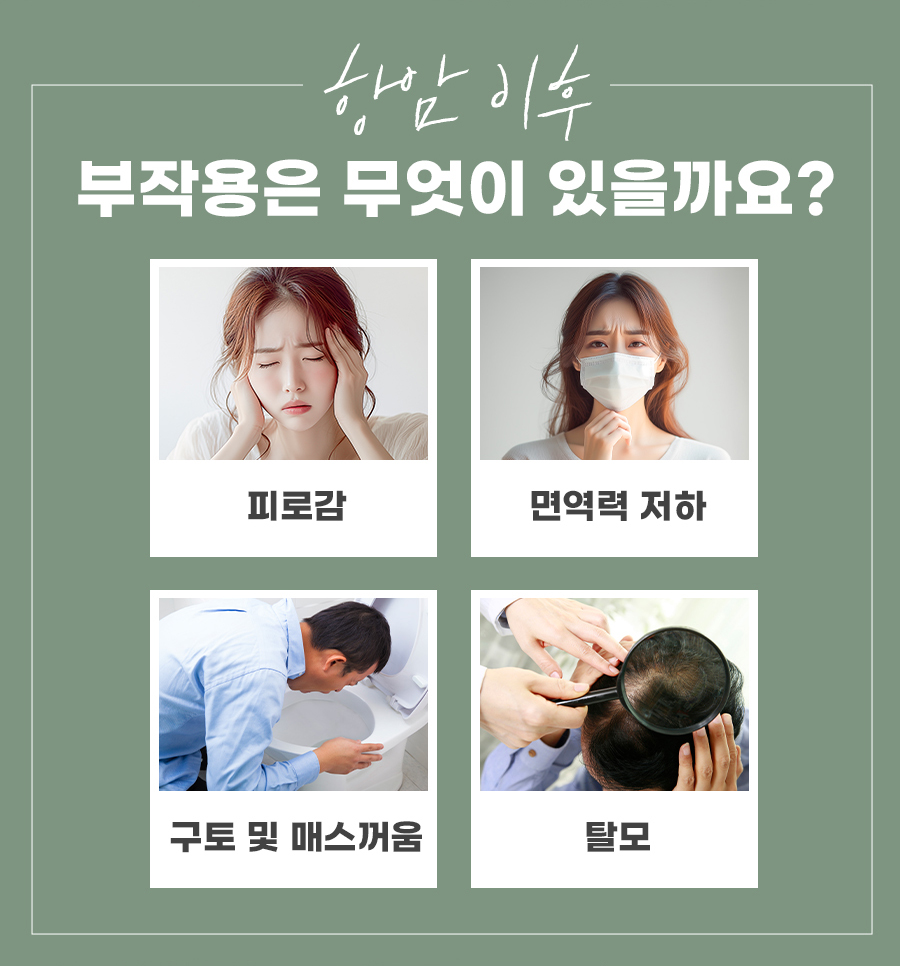
For appropriate patients, Korean medicine modalities may include:
Moxibustion and cupping. These techniques aim to warm or stimulate certain areas of the body, potentially helping with circulation, muscle tension, or feelings of coldness and fatigue.
Herbal prescriptions. Carefully selected herbal formulas may be considered to support appetite, digestion, energy, or sleep. However, not all herbs are safe for patients undergoing chemotherapy.
This is where internal medicine oversight is crucial. The internal medicine team works with the Korean medicine doctor to:
Check for possible interactions between herbal prescriptions and chemotherapy drugs or other medications.
Prioritize patient safety when deciding which integrative therapies are suitable.
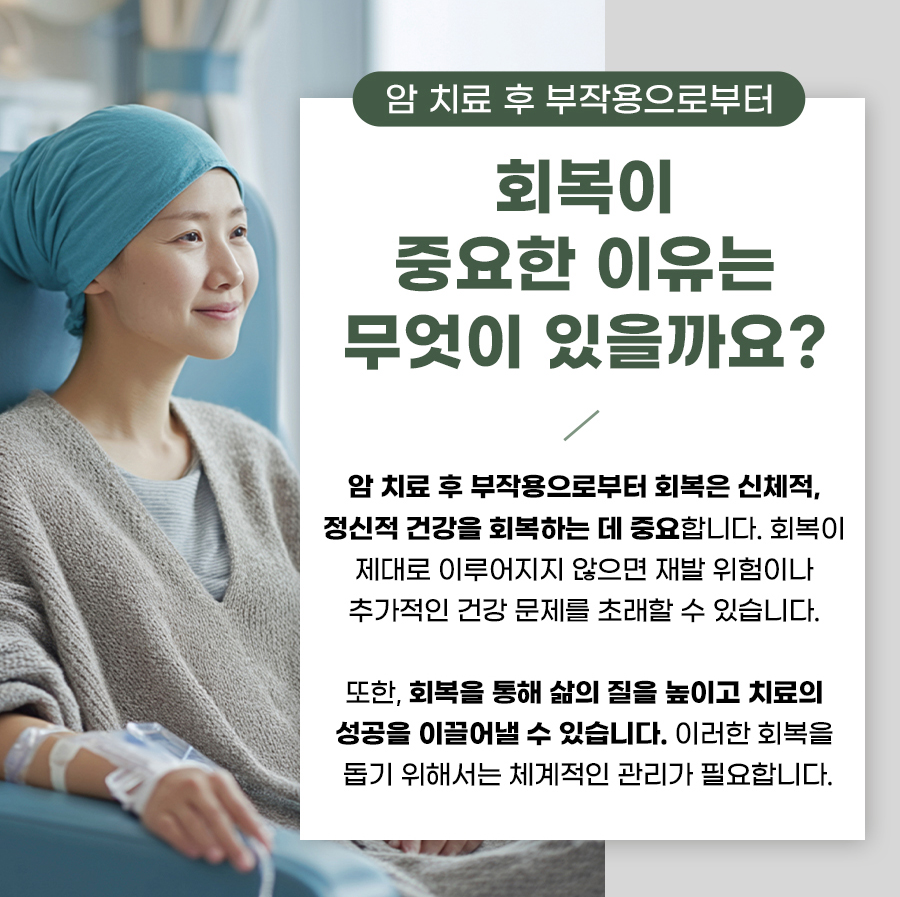
Coordinate timing so that supportive therapies do not interfere with chemotherapy schedules or hospital tests.
All complementary treatments are considered adjunctive. They are used to support comfort and quality of life, not to replace standard oncology treatments. Patients are encouraged to inform their primary oncologist about any integrative therapies they receive, and the supportive care team can help provide summaries or documentation if needed.
Hyperthermia therapy as an adjunctive option
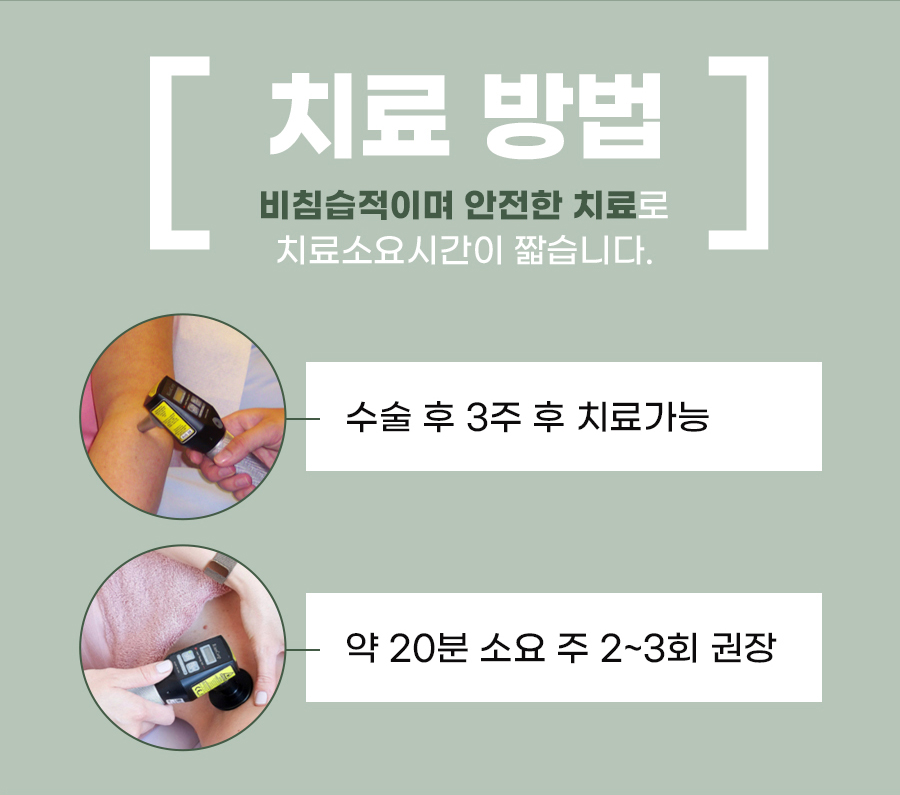
Some centers offer hyperthermia as an adjunct or experimental therapy alongside standard cancer treatments. Availability, suitability, and the supporting evidence vary; decisions about its use should be made with your treating oncologist or multidisciplinary team. Always discuss potential benefits, risks, and alternatives with your primary cancer care team before considering hyperthermia.
In the context of a convalescent hospital focused on supportive care, hyperthermia is not used as a primary cancer treatment. Instead, it may be considered as an adjunctive modality for selected patients, with goals such as symptom relief or quality-of-life support.
Key points about hyperthermia in this setting include:
It is not a substitute for surgery, chemotherapy, or radiation. Any decision to use hyperthermia should be made with a clear understanding that standard oncology treatments remain the main tools against cancer.
It is used under specialist supervision. Before starting, the medical team evaluates your overall condition, treatment history, and current chemotherapy schedule to decide whether hyperthermia is appropriate.
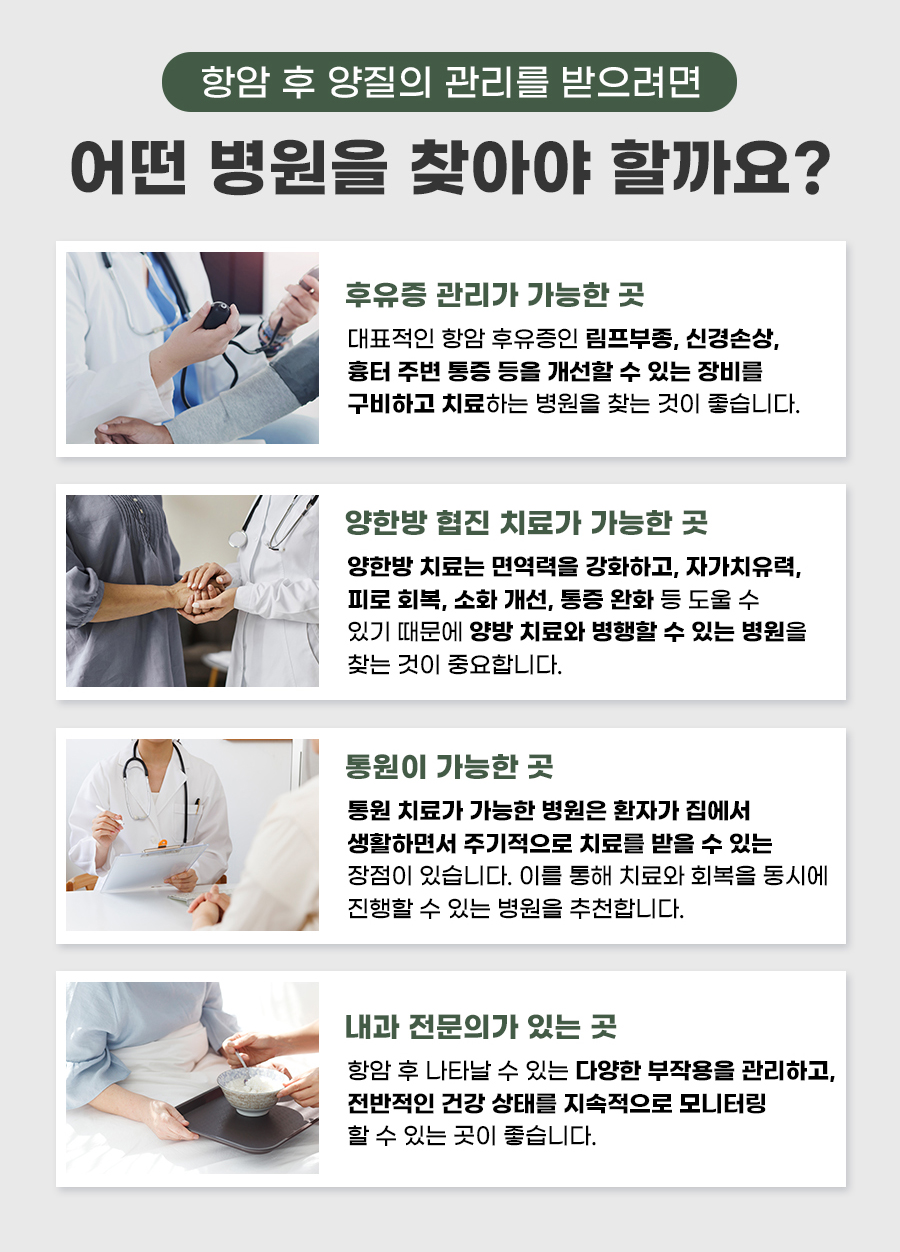
It is integrated into the broader care plan. Hyperthermia, if used, is combined with nutrition support, symptom control, and emotional care rather than offered as a stand-alone solution.
If you are an overseas patient already receiving chemotherapy elsewhere, you would need to share detailed medical records and treatment protocols so the team can assess whether hyperthermia is suitable and safe for you.
Nutrition, diet, and short-stay programs
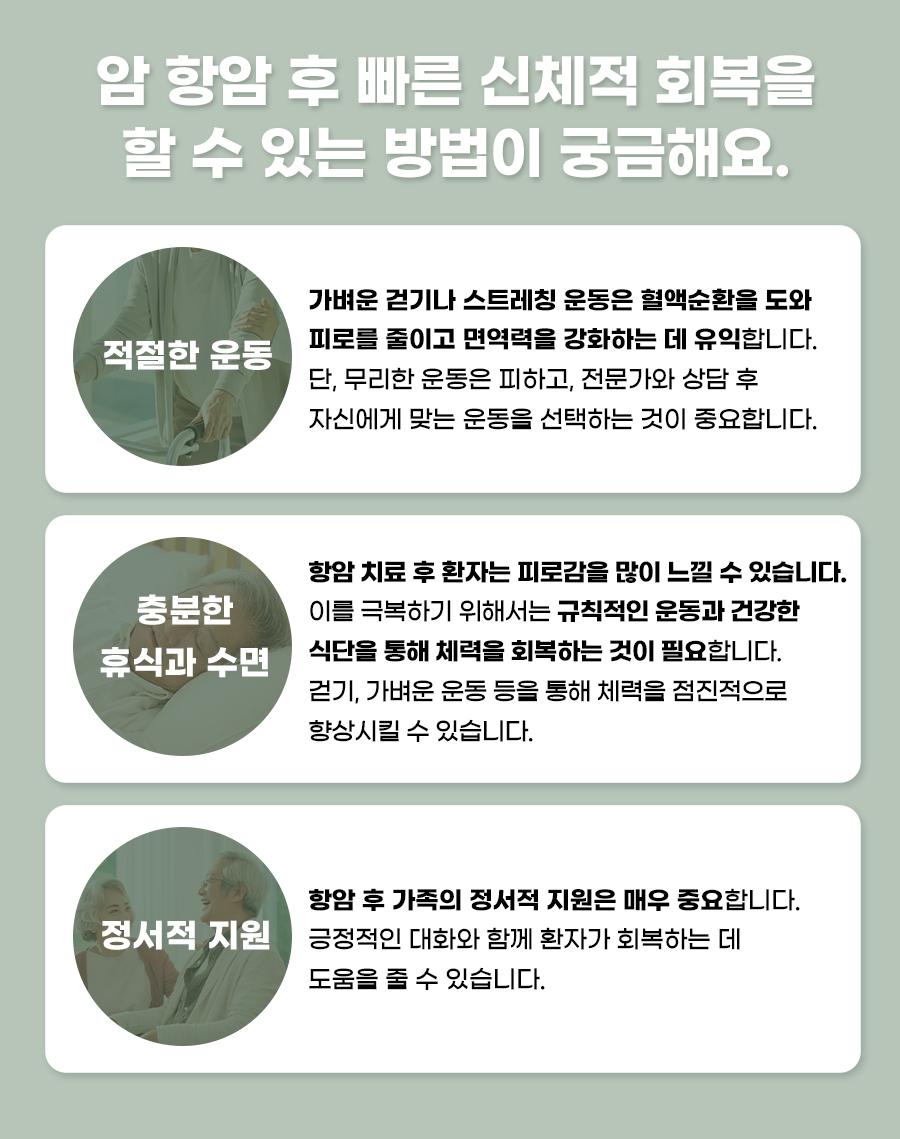
Chemotherapy often affects appetite, taste, and digestion. Many patients lose weight unintentionally or feel too weak to prepare balanced meals. For this reason, nutrition is a central part of supportive care.
The hospital emphasizes anti-cancer dietary principles and transparent meal planning. Daily menus with photos are shared online so patients and families can see the types of meals provided. This can be especially helpful for overseas families who want to check whether the food will be acceptable for cultural or personal preferences.
Nutrition-focused care typically includes:
Meals designed to be gentle on the stomach while providing adequate protein, calories, and micronutrients.
Attention to food safety and hygiene, important for patients with lowered immunity.
Adjustment of textures and portion sizes for those with swallowing difficulties or severe fatigue.
During a short stay, the goals are to:
Stabilize nutrition and hydration.
Manage side effects more intensively, including nausea, bowel problems, and sleep disturbances.
Review and adjust medications under close observation.
Provide gentle physical activity and emotional support.
After this period, patients are encouraged to return home if their condition allows. This model directly addresses a common fear: that once a patient enters a convalescent hospital, they will not be able to leave. Here, short-term admission and outpatient models are actively used, and discharge planning is part of the process from the beginning.
Emotional and environmental support near Mudeungsan National Park
Long-term cancer treatment is not only a physical challenge but also an emotional one. Anxiety, sadness, and a sense of isolation are common. The environment around the hospital can play a meaningful role in recovery.
Located at the entrance to Mudeungsan National Park in Dong-gu, Gwangju, the hospital benefits from clean air, mountain views, and access to forest paths and walking trails. For patients who are able, gentle walks in nature can support mood, sleep, and overall well-being.
Inside the hospital, healing spaces and rest areas are designed for quiet reflection and family time. Small cultural or emotional support programs, such as poetry or art displays, can offer moments of comfort and distraction from treatment-related stress.
For overseas patients, this environment can be especially valuable. It provides a calm, natural setting where both patients and caregivers can pause, breathe, and regain strength between hospital visits or international travel.
Who may consider outpatient or short-stay care in Jeonnam
The following groups may benefit from this type of supportive care base in the Jeonnam region:
Overseas patients coming to Korea for cancer treatment who need a safe place to stay between intensive hospital appointments, with access to internal medicine care, integrative therapies, and nutrition support.
Patients who have completed surgery or radiation and are now in the chemotherapy phase, needing help with fatigue, sleep, and appetite.
Families who feel overwhelmed managing side effects at home and want professional guidance on what is normal, what can be treated in an outpatient setting, and what requires immediate hospital care.
Before deciding, it is important to discuss with your primary oncologist whether supportive care at a convalescent hospital is appropriate for your specific stage and type of cancer.
Online consultation and pre-visit preparation for overseas patients
If you are considering coming from abroad, an online consultation can help you understand whether this supportive care model fits your needs. To make the most of an online consultation, prepare the following:
Recent medical records, including diagnosis, stage of cancer, and pathology reports if available.
Chemotherapy regimen details: drug names, doses, schedule, and any previous side effects.
List of all current medications and supplements, including over-the-counter products and herbal remedies.
Information about other medical conditions such as heart disease, diabetes, kidney problems, or previous surgeries.
During the online consultation, you can ask about:
Whether outpatient care, a short stay, or a combination would be most suitable.
Which integrative therapies might be considered in your case.
How communication with your home-country oncology team will be handled.
What documents you should bring and how far in advance you should book.
Expected Korea visit timeline
For overseas patients, a typical timeline might look like this, though it will vary by individual case:
Before travel: Online consultation, sharing of medical records, and preliminary planning of your schedule in Korea. This may include aligning your supportive care visits with chemotherapy appointments at a university hospital if you are being treated locally.
Arrival in Korea: Initial in-person assessment at the convalescent hospital, including medical history review, physical examination, and any necessary basic tests.
Supportive care period: Outpatient visits several times per week for monitoring, medication adjustment, integrative therapies, and nutrition support. If needed, a two-week short-stay may be arranged to stabilize your condition.
Coordination with main treatment: If you are receiving chemotherapy in Korea, the supportive care team will plan visits around your hospital schedule. If you are receiving chemotherapy in your home country, the focus will be on recovery and preparation for your next cycle once you return home.
Pre-departure review: Before you leave Korea, the team can provide a summary of your supportive care, current medications, and recommendations for your local doctors.
Aftercare and ongoing support
After you return home or back to your main oncology center, ongoing communication remains important. While direct medical care cannot be provided across borders, the supportive care team can share records and recommendations with your primary oncologist if you consent.
You may also be able to schedule follow-up online consultations to discuss general questions about side-effect management, lifestyle, and when to seek local medical attention. Any new or severe symptoms should always be addressed first with your local medical providers.
Frequently asked questions
What is the main purpose of outpatient chemotherapy side-effect care in Jeonnam?
The main purpose is to support patients who are receiving chemotherapy at large hospitals by helping them manage side effects between treatment sessions. This includes monitoring vital signs, adjusting medications for symptoms like nausea or pain, providing nutrition and integrative therapies, and detecting warning signs early. It is not intended to replace chemotherapy or other primary cancer treatments but to help patients tolerate them better and maintain daily life.
Can supportive care at a convalescent hospital replace my main cancer treatment?
No. Supportive care at a convalescent hospital is not a substitute for surgery, chemotherapy, radiation, or other standard oncology treatments. Your primary oncologist at a university or tertiary hospital remains responsible for your cancer treatment plan. The role of the convalescent hospital is to provide symptom control, monitoring, and quality-of-life support in coordination with your main oncology team.
Is hyperthermia therapy safe for all chemotherapy patients?
Hyperthermia therapy is not suitable for everyone. Whether it is appropriate depends on your overall health, type and stage of cancer, current treatments, and other medical conditions. Before starting hyperthermia, the medical team will review your records and may consult with your oncologist. If there is any concern about safety or interference with your main treatment, hyperthermia will not be recommended.
How long is a typical short-stay for chemotherapy side-effect management?
A typical short-stay program is around two weeks, but the exact duration depends on your condition and goals. During this time, the focus is on stabilizing nutrition, managing side effects more intensively, and adjusting medications under close observation. Once your condition improves and it is safe to do so, you are encouraged to return home, and your care is transitioned back to your main oncology team.
Soft call to action for online consultation
If you or a family member are receiving chemotherapy in the Jeonnam or Gwangju area and are struggling with side effects, it may be helpful to explore outpatient or short-stay supportive care near Mudeungsan National Park. An online consultation can help you understand what kind of support is available, how it can fit with your current treatment plan, and whether travel to Korea for this purpose is realistic in your situation.
You are encouraged to discuss any supportive care plan with your primary oncology team first. With their guidance and clear communication between teams, outpatient and short-stay services at a specialized convalescent hospital can become a practical bridge between intensive hospital treatments and everyday life, helping you focus not only on fighting cancer but also on preserving strength, comfort, and dignity during treatment.
- 공유 링크 만들기
- X
- 이메일
- 기타 앱


댓글
댓글 쓰기