Metastatic Stomach Cancer Care in Jeonnam: Supportive Convalescent Options in Gwangju
- 공유 링크 만들기
- X
- 이메일
- 기타 앱
For patients and families in Jeollanam-do and the wider Honam region, metastatic stomach cancer care is not only about surgery, chemotherapy, or radiation at large cancer centers. Many people also need a place for rest, symptom control, and nutritional support in between or after intensive hospital treatment. nti-cancer diet programs, and short-term convalescent hospitalization.
This guide explains what this supportive care can include, who may consider it, how it can be combined with treatment at major hospitals, and what an overseas patient can expect when planning a visit to Korea.
Role of supportive care in metastatic stomach cancer
managing these issues and maintaining quality of life.
In the Jeonnam–Gwangju area, a cancer-focused convalescent hospital can serve as a base between visits to major cancer centers. Instead of staying at home without medical supervision, patients can stay in a quieter environment with medical monitoring, symptom management, and structured nutrition and rehabilitation programs. This can be especially helpful for patients who live far from large hospitals, or for families who need professional support with daily care.
Supportive care does not aim to replace active oncologic treatment. Rather, it complements it by helping the body cope with side effects, supporting nutrition, and providing a calm, natural setting for rest and recovery.
Overview of treatments and services available
High-frequency hyperthermia cancer therapy
In a convalescent hospital setting, high-frequency hyperthermia is typically delivered as outpatient or inpatient sessions several times per week, depending on the patient’s condition and the referring oncologist’s plan. The aim is to support circulation and help relieve some symptoms. Some centers offer it as a supportive measure; evidence that it improves responses to other cancer treatments is limited and should be discussed with your treating oncologist.
Sessions are usually carried out with the patient lying comfortably on a treatment bed, with applicators placed on or near the body. Most patients are awake during the procedure. The staff monitor temperature, skin condition, and vital signs to keep the treatment within a safe range.
Integrative Western–Korean medicine management
An integrative approach combines conventional Western medical care with selected Korean medicine methods in a coordinated way. For metastatic stomach cancer patients, this may include:
Western medicine components such as symptom-relief medications, pain management, anti-nausea drugs, fluid and electrolyte management, and monitoring of blood counts and organ function.
Korean medicine components may include herbal prescriptions tailored to appetite, digestion, and energy; acupuncture or related techniques for pain, nausea, or sleep; and gentle traditional therapies chosen to support comfort and relaxation. Note that herbal medicines and certain traditional therapies can interact with chemotherapy and other medications, and evidence for clinical benefit varies. These treatments should be prescribed or supervised by qualified practitioners and coordinated with your main oncology team before use.
The goal is not to replace chemotherapy or other oncologic treatments, but to support the patient’s overall condition and manage side effects. Treatment plans are usually individualized, taking into account the patient’s stage of disease, current medications, and recommendations from their main oncologist.
Nutrition and supportive diet programs
For metastatic stomach cancer, nutrition is a central part of care. Many patients struggle with poor appetite, early satiety, nausea, or difficulty digesting certain foods. A convalescent hospital can provide structured nutritional support, which may include:
Assessment of current weight, muscle mass, and nutritional status.
Meal planning focused on easily digestible, high-protein, and high-calorie foods where appropriate.
Adjustments for patients who have had partial or total gastrectomy, including smaller, more frequent meals and careful fluid timing.
Use of oral nutritional supplements or, when needed, tube feeding or intravenous nutrition in coordination with the main hospital’s plan.
The diet is adapted to each patient’s tolerance and medical condition.
Short-term convalescent hospitalization
Short-term convalescent hospitalization is designed for patients who need a period of supervised rest and recovery. Typical situations include:
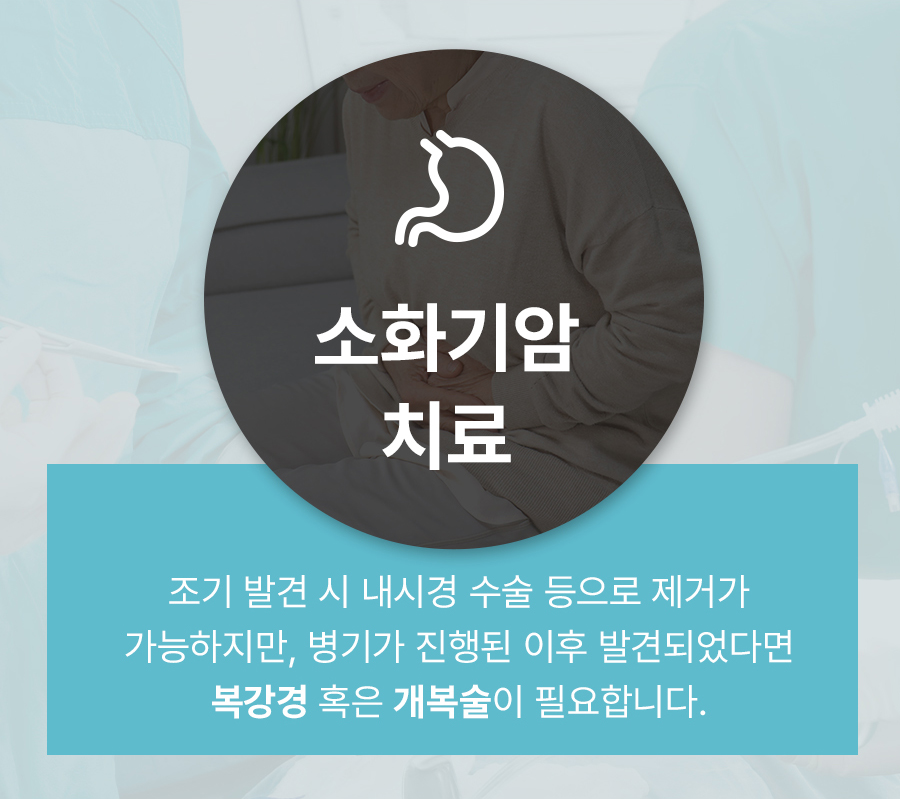
Between chemotherapy cycles, when the patient is weak and needs monitoring.
After discharge from a tertiary hospital, when the family is not ready to manage care at home.
During a period of symptom flare, such as uncontrolled pain, severe fatigue, or nutritional decline.
In this setting, patients usually stay in a private or semi-private room, receive regular nursing care, have their vital signs and symptoms monitored, and can access supportive therapies such as hyperthermia, integrative treatments, and nutritional support. The length of stay can vary from a few days to several weeks, depending on the plan made with the patient and family.
Natural healing environment near Mudeungsan National Park
The location near the entrance of Mudeungsan National Park in Dong-gu, Gwangju provides a calmer environment compared to the busy city center. For many patients and families, being close to nature can make a difference in emotional well-being.
Patients may have access to views of the mountains, nearby walking paths suitable for light activity, and fresh air. Light movement, as tolerated, can help with circulation, mood, and sleep. Families visiting from Jeollanam-do and the wider Honam region can also find it easier to stay nearby or visit for the day.
This natural setting does not replace medical treatment, but it can support mental and emotional recovery and make the overall experience less stressful.
Who may consider metastatic stomach cancer supportive care in Jeonnam
Patients who may benefit
Patients in the following situations often consider a cancer-focused convalescent hospital in the Jeonnam–Gwangju area:
Patients with metastatic stomach cancer receiving chemotherapy or targeted therapy at a tertiary hospital, who feel too weak to stay at home between cycles.
Patients who have completed surgery and initial treatment but still need nutritional support, rehabilitation, and regular monitoring.
Patients experiencing significant pain, fatigue, or digestive problems, where a structured supportive program may help with symptom control.
Patients living in Jeollanam-do or nearby regions who find it difficult to travel frequently to distant hospitals for every aspect of care.
Families who need professional support with daily care tasks, medication schedules, and emergency response.
Patients who should discuss carefully before deciding
Some patients need special caution and close coordination with their main oncology team, for example:
Patients currently in the middle of intensive chemotherapy who require frequent lab tests and specialist visits.
Patients with unstable vital signs, severe organ failure, or acute complications who may need to stay in a tertiary hospital.
Patients taking complex medication combinations where any additional therapy must be carefully checked for interactions.
In these cases, the convalescent hospital can still sometimes provide supportive care, but only after detailed communication with the main treating hospital and with clear emergency transfer plans.
How supportive care can work with major cancer centers
For international patients and local patients alike, it is important that supportive care is coordinated with the main cancer center, not separate from it. In practice, this can involve:
Sharing medical records such as diagnosis, stage, treatment history, and current medications.
Agreeing on which treatments will be done at the tertiary hospital and which supportive measures will be done at the convalescent hospital.
Scheduling stays and outpatient visits so they do not conflict with chemotherapy or imaging appointments.
Having clear communication channels for any changes in symptoms or test results.
When you plan to come from overseas, your primary oncologist in your home country should also be included in this communication if you will continue treatment after returning home.
Online consultation and pre-visit preparation
Initial online consultation
Before traveling to Korea, an online consultation can help determine whether this type of supportive care is suitable for you. During the online consultation, you can usually:
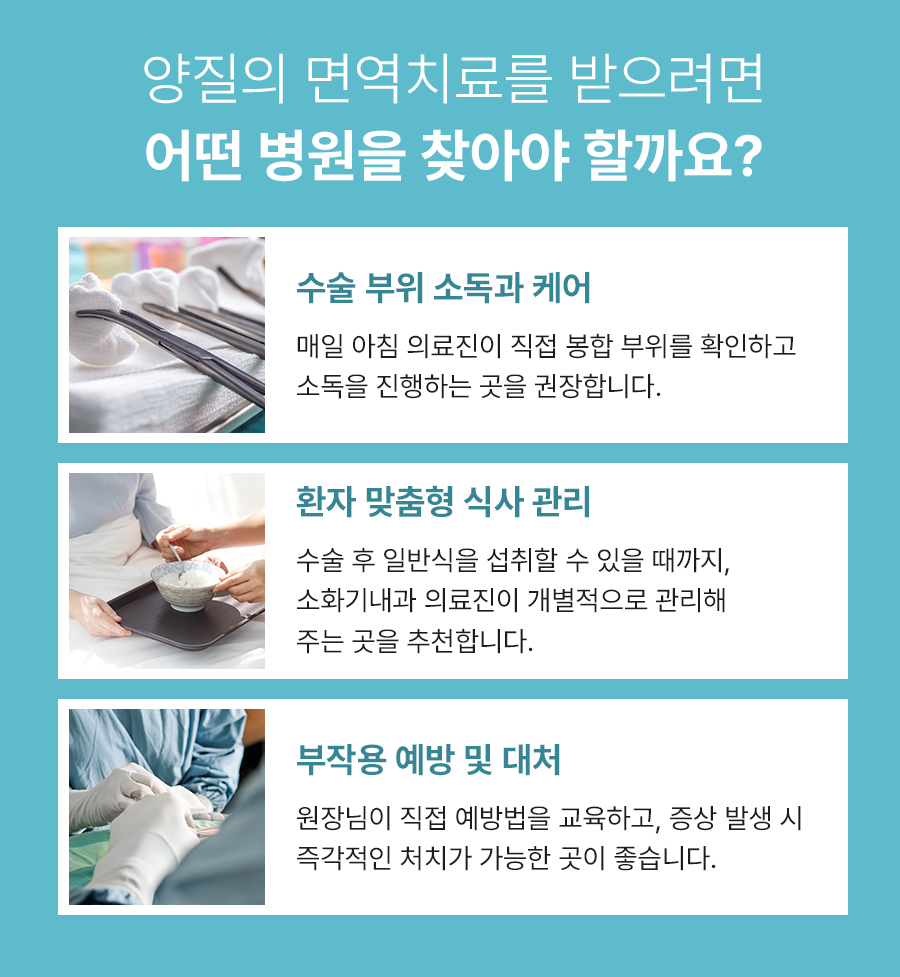
Explain your diagnosis, stage, and current treatment plan.
Describe your main symptoms and concerns, such as pain, appetite loss, or difficulty coping at home.
Ask about available supportive therapies, room types, language support, and nearby facilities.
Discuss a possible length of stay and how it might fit with your existing treatment schedule.
Documents and information to prepare
To make the online consultation more effective, prepare the following in advance:
Recent medical reports, including pathology results and imaging summaries.
A list of current medications, including doses and schedules.
Information on previous surgeries, chemotherapy regimens, and radiation therapy.
Recent blood test results, especially liver and kidney function, blood counts, and nutritional markers if available.
Contact details for your main oncologist or cancer center, in case coordination is needed.
Language and communication
If English is not your first language, consider preparing key questions in writing and, if possible, arranging a family member or interpreter who can help. Many hospitals can provide basic English communication, but complex medical discussions are always clearer when questions are written down.
Questions to ask before deciding
Before you choose a convalescent hospital, it can be useful to prepare a checklist of questions, such as:
What types of metastatic stomach cancer patients do you usually care for?
How do you coordinate with my main cancer center, both in Korea and in my home country?
What supportive therapies are available for pain, nausea, and fatigue?
How often are doctors and nurses available on site?
What is the process if my condition suddenly worsens?
Are there staff who can communicate in English or through translation services?
What is included in the daily care, and what services are optional?
Expected Korea visit timeline for overseas patients
Pre-arrival phase
Online consultation and review of medical records.
Preliminary plan for length of stay, expected supportive therapies, and coordination with your main oncologist.
Logistics planning, including flights, airport transfer to Gwangju, and accommodation for family members if they will not stay in the hospital.
Admission and initial assessment
On arrival, you can expect:
Admission procedures, identity verification, and collection of original medical documents.
Initial medical assessment, including physical examination, review of symptoms, and possible baseline tests.
Discussion of a supportive care plan, including hyperthermia schedule, integrative treatments, nutritional plan, and daily routine.
Inpatient supportive care period
During your stay, a typical day may include:
Vital sign checks and symptom review by nursing staff.
Scheduled high-frequency hyperthermia sessions if indicated.
Integrative therapy sessions, such as acupuncture or herbal medicine consultation, depending on your plan.
Nutritionally planned meals and, if needed, nutritional counseling.
Light physical activity or breathing exercises as tolerated, possibly including short walks in nearby natural areas if your condition allows.
Regular communication with your main cancer team when important changes occur.
Transition to outpatient care or discharge
At the end of your planned stay:
Your condition will be reassessed, and a summary of your supportive care will be prepared.
You will receive instructions for medication, diet, and activity levels after discharge.
If you are continuing treatment in Korea, your schedule with the tertiary hospital will be reviewed.
If you are returning to your home country, a medical summary can be prepared for your local oncologist.
Aftercare and long-term planning
After you leave the convalescent hospital, ongoing care usually includes:
Follow-up online consultations to monitor symptoms and adjust supportive measures.
Continued communication between your home oncologist and the Korean team if needed.
Long-term attention to nutrition, physical activity within your limits, and emotional support.
Because metastatic stomach cancer is a long-term condition, care plans may need to change over time. It is important to stay in regular contact with your main oncology team and to seek supportive care again if symptoms worsen or if you feel you need structured help.
Frequently asked questions
What is the main purpose of a cancer-focused convalescent hospital for metastatic stomach cancer?
The main purpose is to provide a safe, calm environment for recovery and symptom management between or after treatments at major cancer centers. It focuses on supportive care, including pain control, nutritional support, fatigue management, and emotional support. It does not replace chemotherapy, surgery, or other oncologic treatments, but works alongside them.
Can high-frequency hyperthermia replace chemotherapy or other standard treatments?
High-frequency hyperthermia is considered a supportive therapy and is not a substitute for standard cancer treatments such as chemotherapy, targeted therapy, or radiation. Decisions about your main cancer treatment should always be made with your oncologist. Hyperthermia, when used, should be part of an integrative plan that respects evidence-based oncology and individual medical conditions.
Some overseas patients use convalescent hospitals as a base during treatment; whether this is appropriate and safe depends on your individual medical condition and treatment plan, so discuss options with your oncology team.
Patients who are medically stable and not in need of intensive care can often stay safely with appropriate monitoring. Those with unstable vital signs or severe complications may need to remain in a tertiary hospital. Before traveling, discuss your plans with your oncologist and share your medical information with the convalescent hospital so they can advise appropriately.
How long should I plan to stay for supportive care in Korea?
The ideal length of stay varies widely. Some patients come for a few weeks between chemotherapy cycles, while others may stay longer for rehabilitation and nutritional support after major surgery or during a more advanced stage. During your online consultation, the team can suggest a tentative duration based on your treatment schedule, travel plans, and health status. It is wise to keep some flexibility in your travel dates in case your condition changes.
Soft call to action for online consultation
If you or a family member are dealing with metastatic stomach cancer and are considering supportive care in the Jeonnam–Gwangju area, an online consultation can help you understand whether a convalescent hospital near Mudeungsan National Park is suitable for your situation. By sharing your medical history and current needs in advance, you can receive a more personalized plan and coordinate smoothly with your main cancer center.
Before you decide, prepare your questions, gather your medical documents, and involve your primary oncologist in the discussion. Thoughtful planning can make your time in Korea safer, more comfortable, and more focused on the recovery and support you need.


댓글
댓글 쓰기