Metastatic lung cancer care in Jeollanam-do: recovery-focused convalescent options in Gwangju
- 공유 링크 만들기
- X
- 이메일
- 기타 앱
Direct answer summary
For patients and families in Jeollanam‑do living with metastatic lung cancer, Instead of staying at home without support or remaining in a tertiary hospital bed, patients may receive internal medicine–led monitoring, integrated Western–Korean medicine symptom care, and nutrition support, along with short‑term inpatient or outpatient programs, while maintaining close ties with their main oncology team. Some local centers may offer supportive modalities such as high‑frequency hyperthermia; verify availability and discuss potential benefits and risks with your oncology team.
What metastatic lung cancer means in everyday language
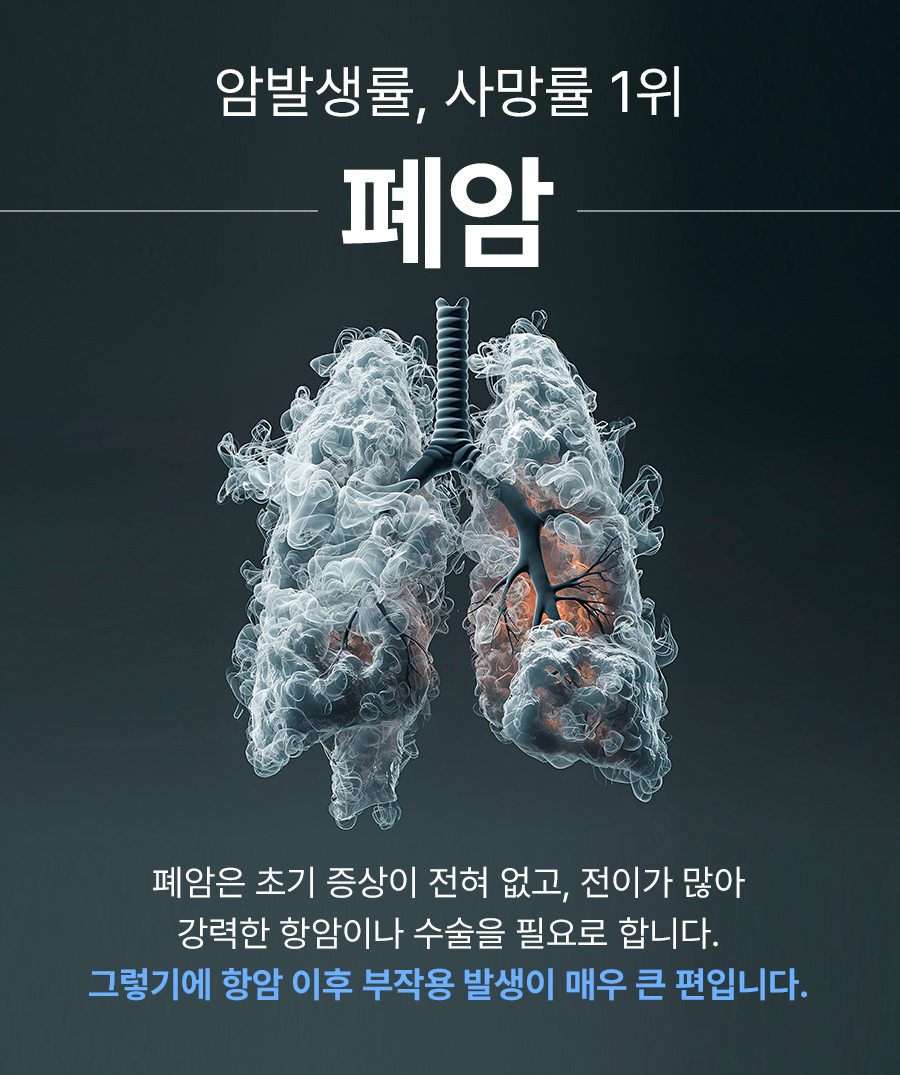
Metastatic lung cancer means that cancer cells that started in the lung have spread to other parts of the body. Common sites include the brain, bones, liver, and adrenal glands. Once cancer has spread, treatment usually becomes a long-term process rather than a single operation or short course of chemotherapy.
Each treatment can cause side effects such as fatigue, nausea, shortness of breath, and pain. Over time, these repeated treatments and hospitalizations can be very hard on both patients and families.
In the Jeollanam-do region, many patients receive their main cancer treatment at large tertiary hospitals such as Hwasun Chonnam National University Hospital, Chonnam National University Hospital, Samsung Medical Center, or other university hospitals. These centers focus on active cancer treatment: surgery, chemotherapy, radiation, and advanced targeted or immune therapies.

The gap between tertiary hospitals and home
After a hospital stay or a strong chemotherapy cycle, patients are often discharged home once their immediate medical issues are stable. However, families frequently find that daily life at home is much more difficult than expected.
Common challenges include pain that is hard to control, severe fatigue, breathlessness when walking even a short distance, poor appetite, difficulty swallowing, and emotional distress. Caregivers may feel unprepared to handle oxygen equipment, medication schedules, or sudden changes in symptoms. When problems arise, the only option may be another emergency visit or readmission to a large hospital.
This creates a gap between intensive treatment at tertiary centers and the reality of living with metastatic lung cancer at home. A specialized cancer convalescent hospital in Gwangju aims to fill this gap by offering a place where patients can recover, stabilize, and prepare for the next step in their treatment while remaining under medical supervision.
A convalescent hospital as a recovery base, not a last stop
Many people still think of convalescent or long-term care hospitals as places where patients are sent when there is nothing more to do. For metastatic lung cancer, this image can be especially frightening.
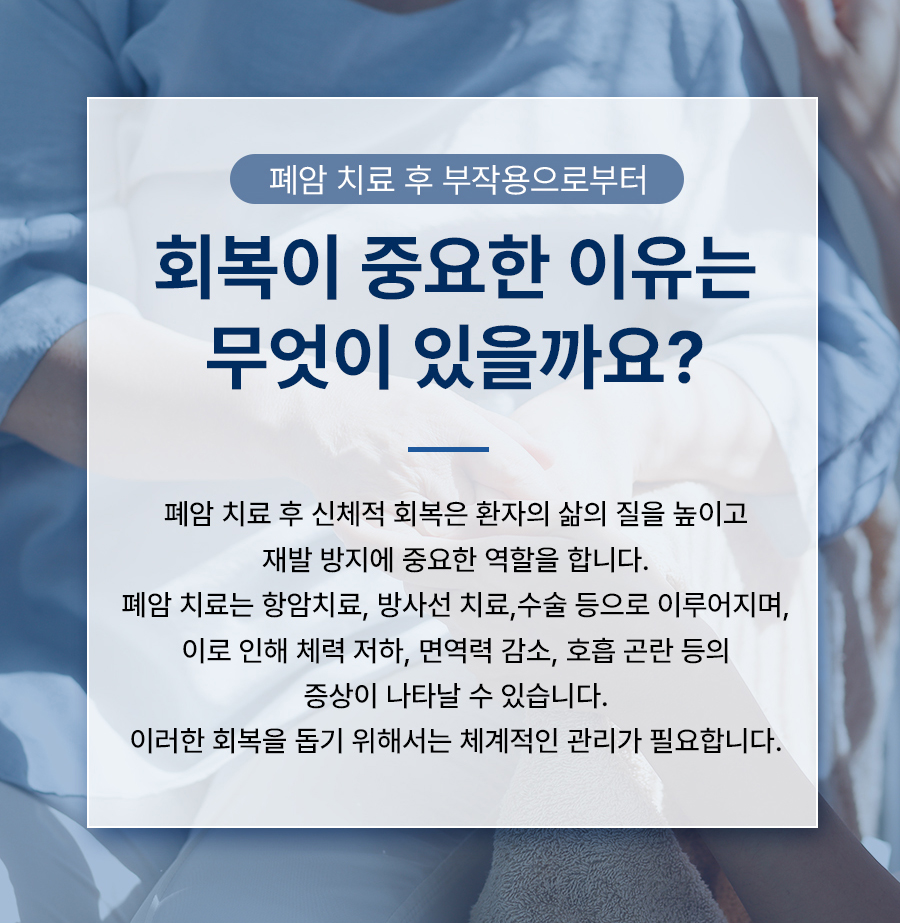
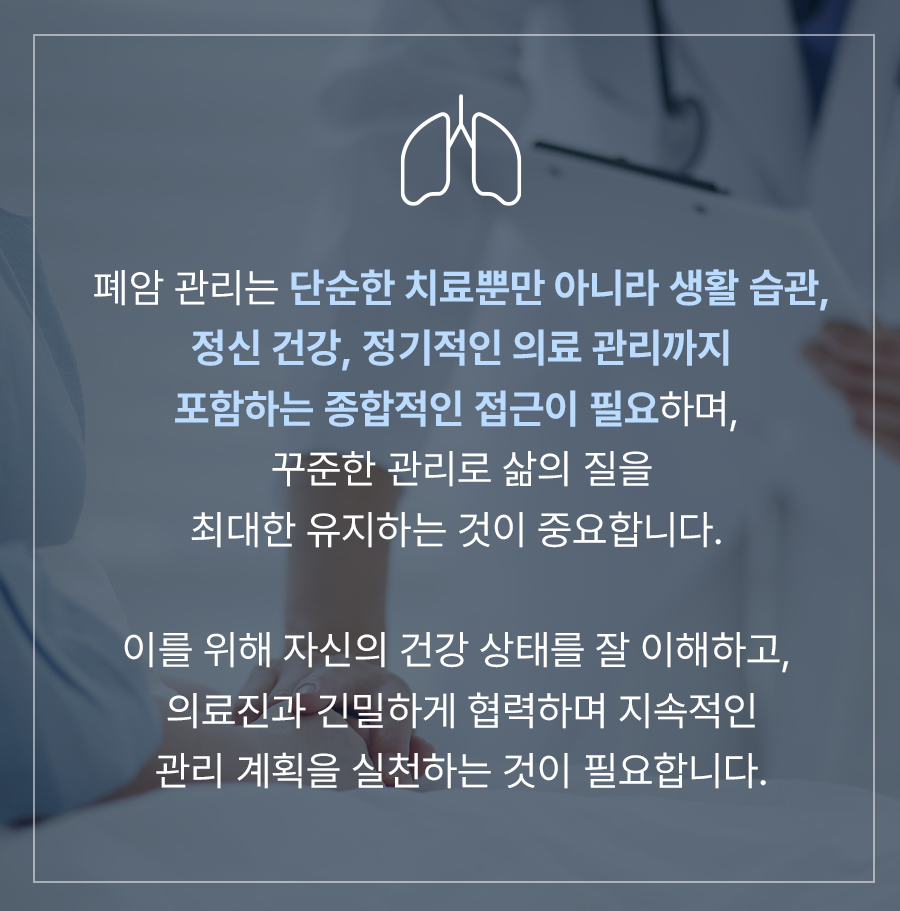
In many cases, a cancer‑focused convalescent hospital is a proactive option to support recovery between chemotherapy cycles, after surgery, or following a difficult hospitalization. It is intended to complement—not replace—tertiary cancer care by helping patients maintain strength, manage symptoms, and remain clinically stable. Typical supportive services focus on symptom control, nutritional optimization, medication oversight, and rehabilitation or activity plans coordinated with the primary oncology team.
In Gwangju’s eastern area, near the entrance to Mudeungsan National Park, there is a convalescent hospital designed with cancer patients in mind. It offers short-term inpatient recovery programs, outpatient services, integrated Western–Korean medicine care, and high-frequency hyperthermia therapy, all within a calm natural environment.
Typical needs of metastatic lung cancer patients
Metastatic lung cancer patients often share several medical and daily-life needs:
Pain and symptom control: Many experience bone pain, chest discomfort, headaches from brain metastases, or nerve pain. Cough, shortness of breath, and severe fatigue are also common.
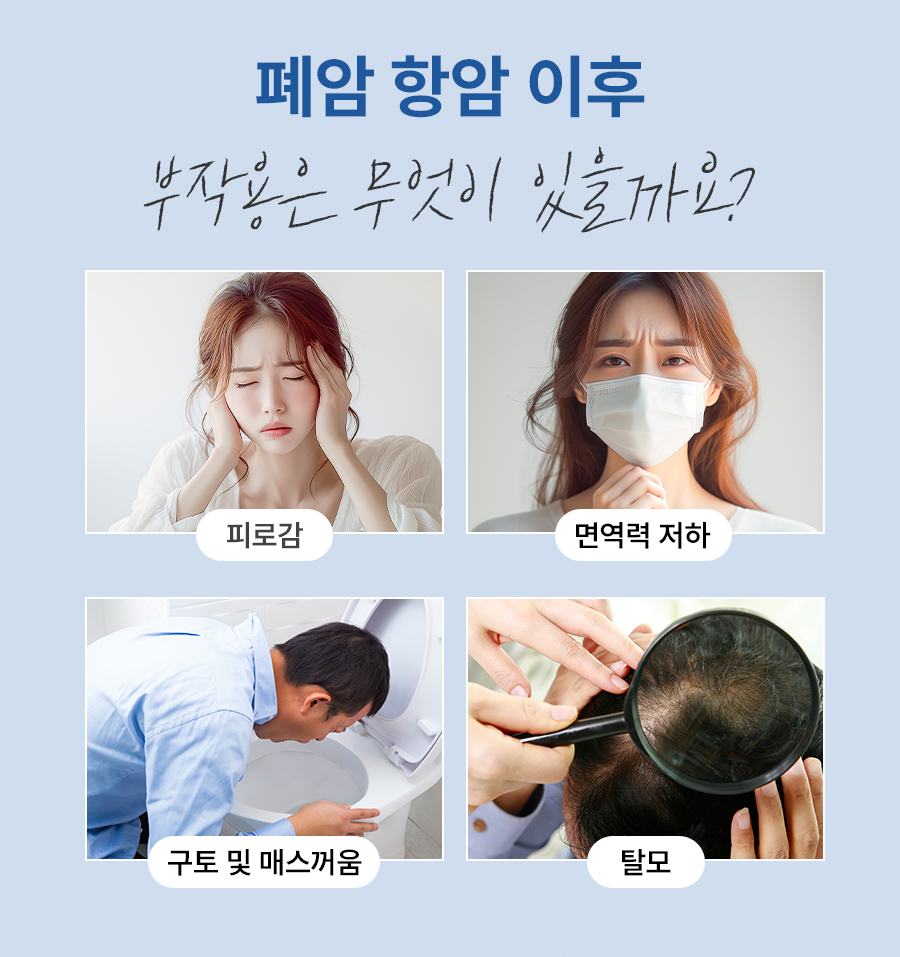
Monitoring treatment side effects: Chemotherapy, targeted therapy, and immunotherapy can affect blood counts, liver and kidney function, heart and lung function, and the immune system. Side effects sometimes appear days or weeks after a hospital visit.
Nutrition support: Poor appetite, changes in taste, nausea, and swallowing difficulties can make it hard to eat enough. Weight loss and muscle loss can weaken the body and make it harder to tolerate further treatment.
Physical deconditioning: Long periods in bed or limited movement can reduce muscle strength and lung capacity. Even simple activities like walking to the bathroom or climbing a few steps can become challenging.
Emotional and caregiver stress: Living with metastatic cancer brings fear, sadness, and uncertainty. Caregivers may feel exhausted and guilty, torn between work, family responsibilities, and caring for the patient.
How a cancer-focused convalescent hospital can help
A specialized convalescent hospital for cancer patients is structured differently from a general nursing facility. For metastatic lung cancer, key features include:
Continuous internal medicine supervision: Instead of only basic nursing care, internal medicine specialists regularly assess patients, adjust medications, and respond to changes in symptoms. This is important for complex issues such as heart, lung, and metabolic complications.
Coordination with tertiary hospitals: The convalescent team can communicate with the patient’s main oncology team about upcoming chemotherapy or radiation schedules, needed imaging, and any concerns that may require transfer back to the tertiary center.
Short-term intensive recovery programs: For example, a two-week inpatient program after chemotherapy or a hospital discharge can focus on symptom control, nutrition, gentle activity, and emotional support, with a clear plan for returning home or switching to outpatient care.
Safe management of oxygen and devices: Many metastatic lung cancer patients use oxygen or have central lines or other devices. A medically supervised setting can help manage these safely.
Distinctive medical staff structure
Such leadership can affect clinical oversight and coordination with outpatient oncology teams and may influence how complex medical needs are managed for patients with metastatic lung cancer.
With this background, the medical leadership is experienced in handling complex internal medicine issues that often accompany advanced cancer and its treatments. They are accustomed to interpreting detailed test results, understanding interactions between multiple medications, and recognizing early warning signs when a patient may be deteriorating.
For families, this can offer reassurance that the convalescent hospital is not a step down in medical standards from an acute-care hospital, but a different type of facility with strong internal medicine oversight. In addition, the medical team includes a Korean medicine doctor, allowing patients to receive integrated care for symptom relief within the same building.
Integrated Western–Korean medicine approach
For metastatic lung cancer patients, combining Western internal medicine and Korean medicine in a structured way can support quality of life.
Western medicine in this setting focuses on:
Medication management for pain, breathlessness, cough, and anxiety.
Monitoring organ function with blood tests and imaging when needed.
Managing side effects from chemotherapy, targeted therapy, or immunotherapy.
Controlling infections and other medical conditions such as diabetes, heart disease, or chronic lung disease.
Korean medicine can offer complementary support through:
Acupuncture for nausea, neuropathy, pain, or insomnia in some patients.
Moxibustion or cupping for certain types of discomfort, under medical guidance.
Herbal medicine prescribed with careful attention to interactions with Western drugs.
This integrated approach is not an alternative to standard cancer treatment. It is used alongside ongoing oncology care to help patients tolerate treatment better, reduce certain symptoms, and feel more balanced overall. Because these services are coordinated under one roof, patients and families do not need to travel to multiple facilities for different types of care.
High‑frequency hyperthermia (supportive modality)
Some centers describe high‑frequency hyperthermia as a supportive treatment intended to improve local blood flow or symptom control and sometimes use it alongside standard therapies. Evidence and practice patterns vary; patients should review the clinical rationale, available evidence, and potential risks with their oncology team before pursuing this modality.
High-frequency hyperthermia is a supportive treatment used in some cancer centers. It applies controlled heat to specific body areas, using specialized equipment to gently warm tissues. The goal is to improve local blood flow and, in some cases, support the effect of standard cancer treatments.
For metastatic lung cancer patients, high-frequency hyperthermia is not a cure and not a stand-alone treatment. However, when used under medical supervision, it may help with symptom relief and can be combined with chemotherapy, radiation, or targeted therapy planned by the tertiary hospital.
In a convalescent setting, having access to such a device means that patients who are already under oncology care at large hospitals can receive supportive hyperthermia sessions between major treatment cycles, with internal medicine specialists monitoring their overall condition.
Short-term inpatient programs: not only long-term stays
Many people imagine that a convalescent hospital is only for long-term residents who rarely leave. In this Gwangju hospital, short-term inpatient programs are an important part of care for metastatic lung cancer patients.
A typical two-week short-term inpatient program may be suitable for:
Patients who have just completed a chemotherapy cycle and feel too weak to manage at home.
Patients discharged from a tertiary hospital after a complication, such as pneumonia or a blood clot, who still need close monitoring.
Patients whose symptoms, such as pain or shortness of breath, have become difficult to control at home.
During such a stay, the focus is on:
Medical monitoring and medication adjustment.
Nutritional support, including therapeutic diets and help with eating.
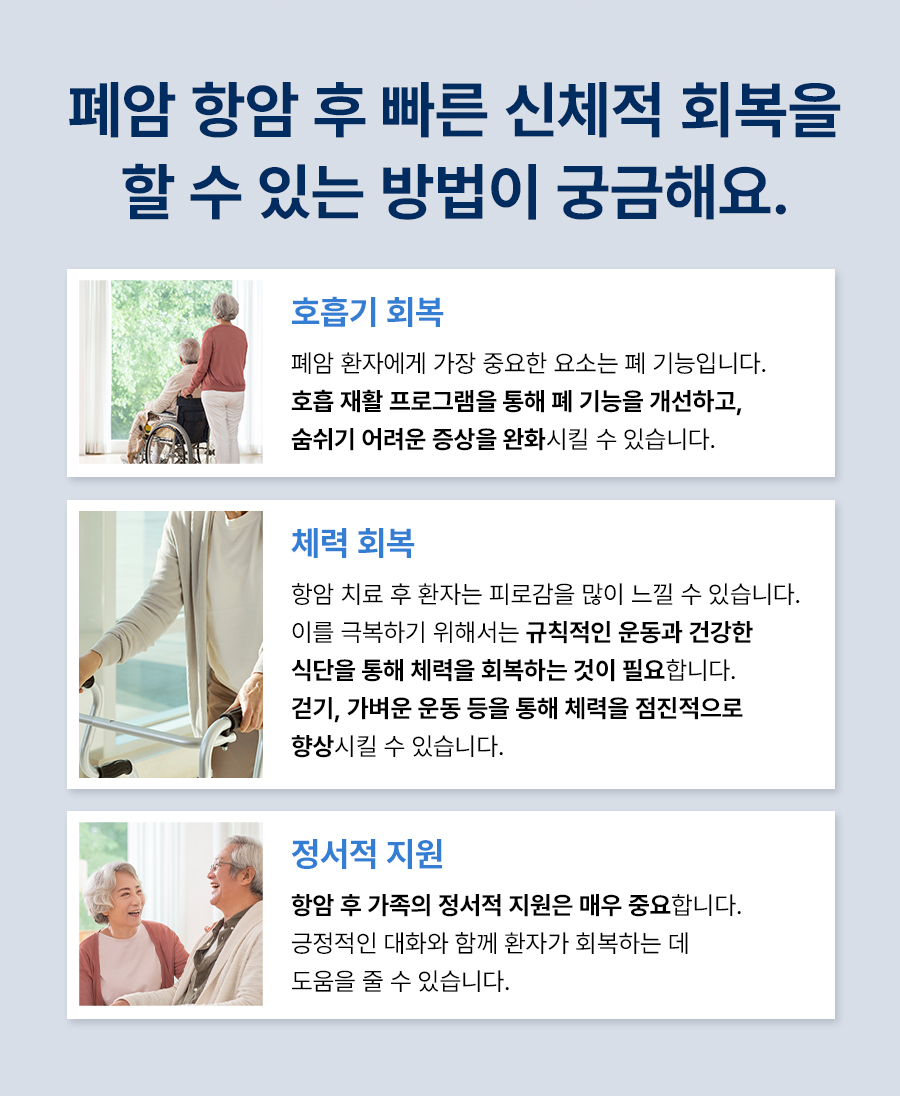
Gentle physical activity and breathing exercises to prevent further deconditioning.
Integrated Korean medicine sessions and, when appropriate, high-frequency hyperthermia.
Emotional support for both patients and caregivers.
For families, a defined short-term program can feel more manageable than an open-ended admission. It provides a clear time frame for rest and recovery, with the goal of either returning home or moving to an outpatient program.
Outpatient programs for nearby patients
For patients who live in or near Gwangju and can travel, outpatient programs offer another option. These may include:
Follow-up consultations with internal medicine specialists.
High-frequency hyperthermia sessions on scheduled days.
Korean medicine treatments such as acupuncture or herbal consultations.
Nutrition counseling and check-ins on symptom control.
Outpatient care can be especially helpful between hospitalizations or treatment cycles, allowing patients to receive ongoing supportive care without staying overnight.
Nutrition and anti-cancer diet support
Nutrition is a central part of care for metastatic lung cancer. Maintaining weight and muscle mass can help patients stay stronger, tolerate treatments better, and reduce the risk of complications. However, many patients struggle with poor appetite, changes in taste, nausea, or swallowing difficulties.
In this convalescent hospital, meals are planned as a therapeutic diet, with attention to balance, digestibility, and individual preferences. For example, patients with difficulty swallowing may receive softer textures or thickened liquids. Those with nausea may be offered smaller, more frequent meals with mild flavors. Patients who have lost weight may receive higher-calorie options in a form that is easier to eat.
For families who cannot visit every day, this can be reassuring, as they can see what kind of food their loved one is receiving.
Natural healing environment at Mudeungsan
The location near the entrance to Mudeungsan National Park is another important feature. The area offers clean air, forested slopes, and valley streams, creating a calm atmosphere away from heavy traffic and urban noise.
Within and around the hospital, there are walking paths suitable for gentle strolls. Light walking, even for a few minutes at a time, can help maintain lung capacity, circulation, and mood in metastatic lung cancer patients. Being able to see trees, sky, and changing seasons from patient rooms or rest areas can also provide psychological comfort.
The hospital has designated healing spaces and rest areas where patients and families can sit, talk, or simply look out at the natural surroundings. For many, this sense of connection to nature is an important part of recovery.
Emotional and psychological support
Metastatic lung cancer affects not only the body but also the mind. Patients may worry constantly about disease progression, test results, and how much time they have left. Families may feel torn between hope and fear, and caregivers often experience exhaustion.
A calm, respectful hospital environment can ease some of this burden. Quiet healing spaces, comfortable lounges, and small cultural or emotional programs, such as art or poetry displays, can offer moments of normalcy and reflection.
Staff who regularly care for advanced cancer patients become familiar with the kinds of conversations that matter: clarifying realistic goals of care, discussing what is most important to the patient, and helping families understand what to expect without taking away hope. While each person’s journey is different, having a team that is used to these discussions can make a real difference.
Communication and transfer arrangements with tertiary hospitals
Ask the facility about its routine communication practices with tertiary centers and the specific protocols for transfer in the event of acute complications. Confirm which tertiary hospitals are contacted and how transfers are coordinated before admission.
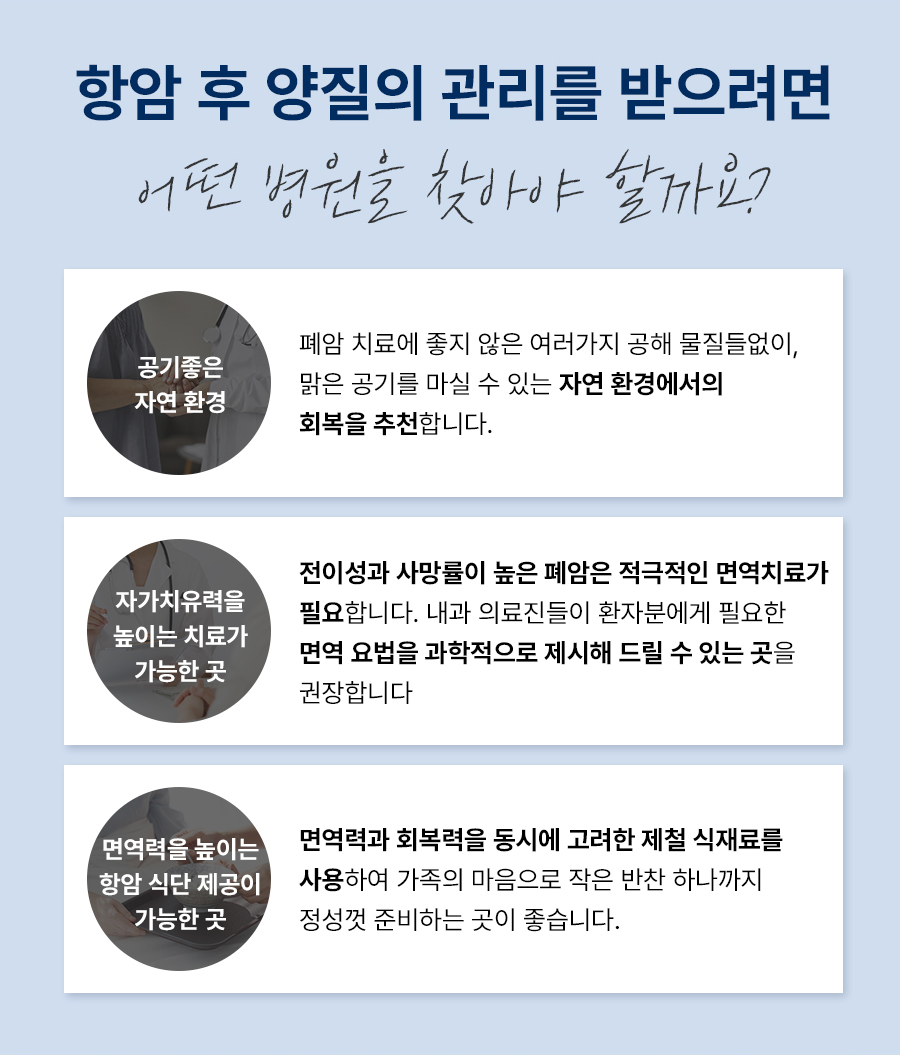
For metastatic lung cancer patients in Jeollanam-do, it is essential that convalescent care does not break the link with tertiary hospitals. This Gwangju convalescent hospital collaborates with major centers in the regional network, including large university hospitals and a cancer-specialized hospital.
In practice, this means:
Coordinating follow-up appointments and imaging at the tertiary hospital.
Planning around chemotherapy or radiation schedules so that patients can stay at the convalescent hospital between treatments.
Having clear pathways for transfer back to a tertiary hospital if acute issues arise.
Sharing medical information, with patient consent, so that both teams understand the current treatment plan.
For patients and families, this structure allows the convalescent hospital to function as a base between treatment cycles, rather than an isolated facility.
Practical information for Jeollanam-do patients and families
Although the hospital is located in Gwangju Metropolitan City, it serves many patients from across the wider Jeollanam-do region. Its position in eastern Gwangju makes it relatively accessible from major roads, and it is near a main bus stop. Parking is available for families who drive in from neighboring cities and counties.
Before admission or starting an outpatient program, patients or families can usually make an initial inquiry by phone or online messaging. During this first contact, staff can explain the types of programs available, such as short-term inpatient recovery, longer stays, or outpatient visits for hyperthermia or Korean medicine.
The typical process includes:
Initial consultation, either in person or through a caregiver visit, to discuss the patient’s current condition.
Review of medical records from the tertiary hospital, including recent test results, imaging reports, and treatment summaries.
Discussion of goals, such as symptom control, rest, preparation for the next chemotherapy cycle, or support for caregivers.
Planning the length and type of stay, with flexibility to adjust if the patient’s condition changes.
Who may consider this type of care
Metastatic lung cancer patients and families in Jeollanam-do might consider a specialized convalescent hospital in Gwangju if:
The patient has frequent hospitalizations and needs a safer environment than home between admissions.
Symptoms such as pain, breathlessness, or fatigue are difficult to manage at home despite regular outpatient visits.
The family caregiver is exhausted or unable to provide 24-hour care.
The patient is receiving chemotherapy, targeted therapy, or immunotherapy at a tertiary hospital and needs a structured place to recover between cycles.
Each situation is different, and decisions should be made after discussion with both the tertiary hospital oncology team and the convalescent hospital staff.
Online consultation and pre-visit preparation for overseas patients
For overseas patients or families considering coming to Korea, an online consultation is a practical first step. Through email, messaging apps, or hospital web forms, you can usually provide:
Basic patient information: age, main diagnosis, and current stage of lung cancer.
Summary of treatments already received: surgery, chemotherapy regimens, radiation, targeted or immune therapies.
Recent medical documents: discharge summaries, imaging reports, and key blood test results, ideally in English.
Current concerns: pain, breathing difficulties, nutrition problems, or caregiver issues.
The hospital team can then give a preliminary opinion on whether their services are suitable, what kind of program might be recommended, and what additional information is needed. This does not replace a full medical consultation on arrival, but it helps you decide whether a visit to Korea for convalescent care is realistic.
Expected Korea visit timeline for overseas patients
While details vary, a typical timeline for an overseas patient seeking supportive convalescent care in Gwangju might look like this:
Before travel: Online consultation, sharing of medical records, and agreement on a tentative plan and expected length of stay.
Arrival in Korea: Initial in-person assessment at the convalescent hospital, including physical examination and review of documents. If needed, referral to a tertiary hospital for additional imaging or specialist opinions.
First one to two weeks: Adjustment of medications, initiation of nutrition support, integrated Western–Korean medicine care, and possible start of high-frequency hyperthermia sessions.
Following weeks: Ongoing monitoring, coordination with any tertiary hospital treatments, and gradual planning for either return home or transition to another care setting.
Aftercare and returning home
When it is time to return home, the hospital can prepare a summary of the patient’s condition, treatments received, and current medications. This can be shared with the patient’s local doctors to support continuity of care.
Families are encouraged to discuss practical questions before discharge, such as:
How to manage medications and oxygen at home.
What warning signs should prompt urgent medical attention.
How to arrange follow-up with local doctors.
Whether online follow-up with the Korean team is possible for general guidance.
Frequently asked questions
Is a convalescent hospital only for end-of-life care in metastatic lung cancer?
No. While some patients may eventually need end-of-life care, a cancer-focused convalescent hospital can also be used much earlier in the disease course as a recovery base between treatments. Many metastatic lung cancer patients are still receiving active chemotherapy, targeted therapy, or immunotherapy while staying in such a facility.
Can I continue treatment at my original tertiary hospital while staying in Gwangju?
In many cases, yes. The convalescent hospital can coordinate with your tertiary hospital regarding schedules for chemotherapy, radiation, or follow-up imaging. Patients may travel to the tertiary hospital for specific treatments and then return to the convalescent hospital for recovery and monitoring.
Is high-frequency hyperthermia a cure for metastatic lung cancer?
No. High-frequency hyperthermia is a supportive therapy, not a cure. It may be used to complement standard treatments and help with symptom relief under medical supervision. Decisions about using hyperthermia should always be made in consultation with your oncology team.
What should families check before choosing a convalescent hospital?
Families may find it helpful to ask about the presence and availability of internal medicine specialists, experience with metastatic lung cancer, coordination with tertiary hospitals, availability of integrated Korean medicine and nutrition support, and the structure of short-term versus long-term programs. Visiting the facility, if possible, or reviewing photos and meal information online can also help you understand the environment.
Soft call to action
If you or a loved one in the Jeollanam-do region is living with metastatic lung cancer and you are looking for a recovery-focused, medically supervised place between hospital treatments, By sharing your current situation and treatment history, you can receive guidance on whether a short-term inpatient stay, outpatient program, or integrated supportive care in Gwangju could fit into your overall treatment journey.


댓글
댓글 쓰기