Managing chemotherapy side effects at home between hospital visits | Gwangju outpatient support at Chiu Convalescent Hospital
Direct answer summary
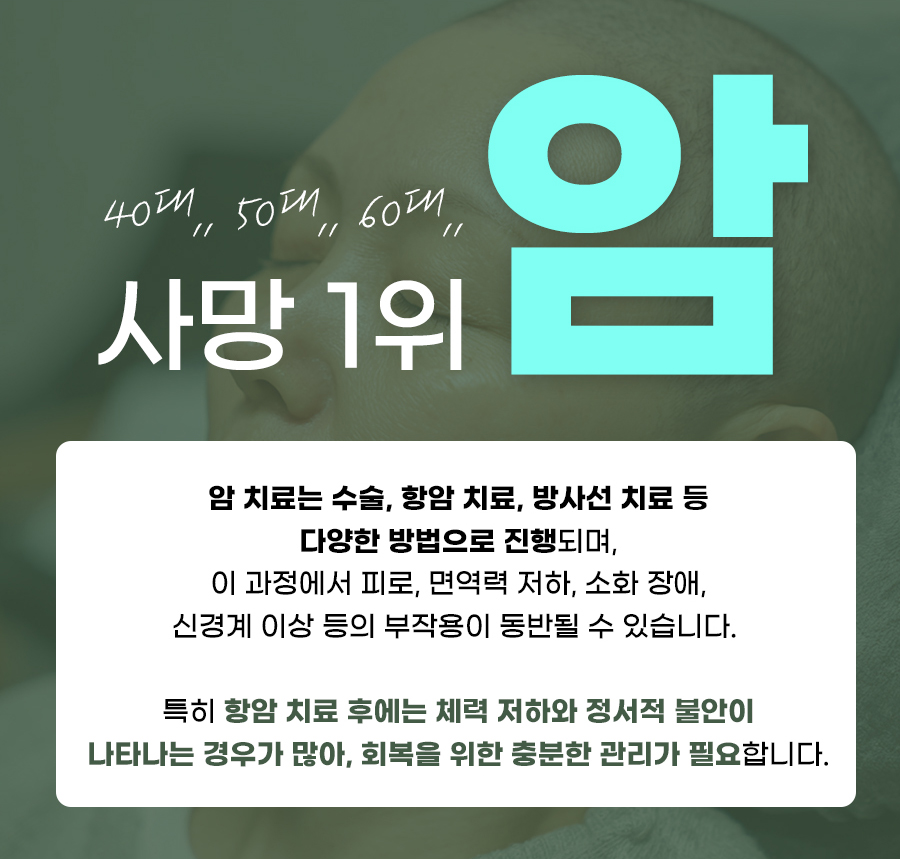
In Dong-gu, you can use a specialized convalescent hospital in Gwangju as your outpatient support center. At Chiu Convalescent Hospital, internal medicine specialists with university hospital leadership experience oversee care, and Western internal medicine is combined with Korean medicine therapies to help manage fatigue, nausea, appetite loss, neuropathy, insomnia, digestive issues, and emotional stress. You can visit several times a week between chemotherapy sessions, or stay for a short planned admission of about two weeks when your condition temporarily worsens, then return home and continue your main cancer treatment at your tertiary hospital.
Overview of outpatient support for chemotherapy side effects
Chemotherapy, targeted therapy, and radiation can be effective against cancer but often cause difficult side effects. Many patients in Gwangju receive treatment at major tertiary centers such as Samsung Medical Center, Chosun University Hospital, Hwasun Chonnam National University Hospital, Chonnam National University Hospital, or Bundang Seoul National University Hospital. After each cycle, they go back home and try to manage fatigue, nausea, pain, and sleep problems mostly on their own.
A convalescent hospital in Dong-gu, located near the entrance of Mudeungsan National Park, offers a different model. Instead of choosing only between long-term admission or enduring everything at home, it provides structured outpatient care and short-term inpatient programs specifically designed for cancer recovery. For example, if your nausea and fatigue suddenly get worse after chemotherapy, you can plan a short stay of a few days here for monitoring and symptom control, then go back home when things are more stable. Patients can also come in between chemotherapy sessions for medical monitoring, symptom control, nutrition support, and gentle rehabilitation, then return home the same day.
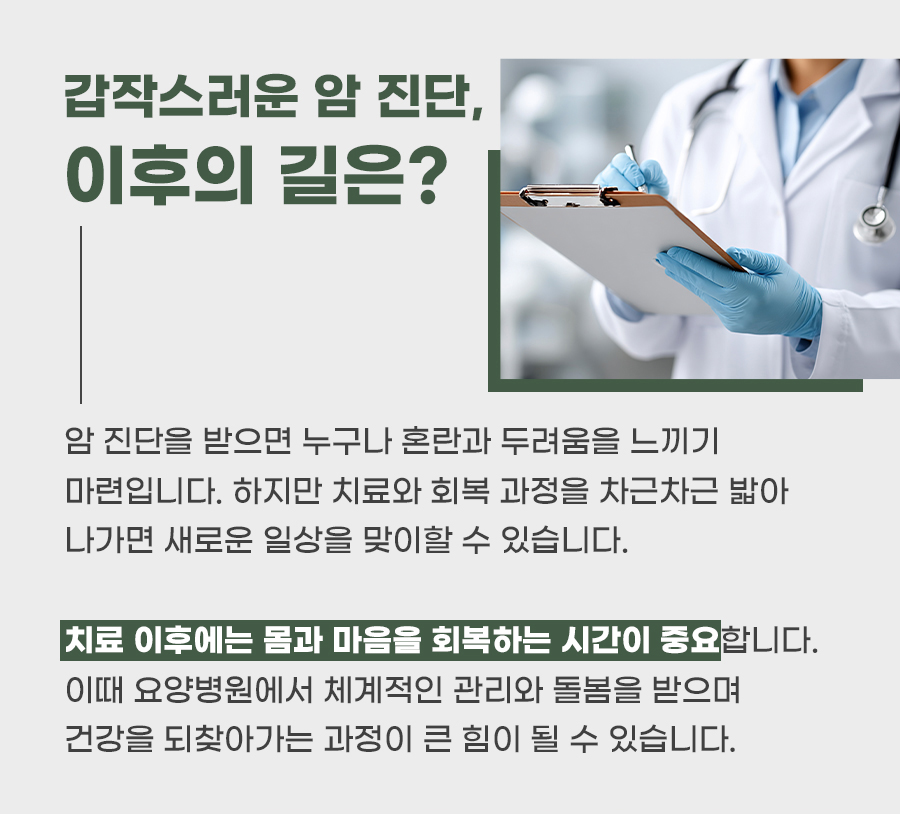
This approach helps patients maintain daily life, reduce unnecessary emergency room visits, and feel safer during the vulnerable days after each infusion.
High-level internal medicine leadership
It is natural to wonder whether a convalescent hospital has enough medical expertise to handle chemotherapy-related complications. At this hospital, two internal medicine specialists, both former presidents of a university hospital, are directly involved in patient care and in organizing the treatment process.
Their experience in internal medicine and hospital leadership means they are familiar with the complex problems that can occur during cancer treatment, such as fever, infection, dehydration, electrolyte imbalance, heart issues, and digestive complications. They monitor vital signs, laboratory findings ordered through partner centers when needed, and overall clinical status, and they know when a patient can safely stay in a convalescent setting and when urgent transfer back to a tertiary hospital is necessary.
This high-level oversight helps reduce anxiety for patients and families who want more than basic nursing care. It also supports smooth communication with the main oncology team at the tertiary hospital, because the internal medicine specialists understand oncology protocols and can coordinate supportive care accordingly.
Integrative care combining internal medicine and Korean medicine
Another strength of this hospital is integrative care. Western internal medicine and Korean medicine work together in one facility. This care does not replace chemotherapy or targeted therapy.
Under the supervision of internal medicine specialists, Korean medicine doctors provide therapies such as acupuncture, moxibustion, cupping, and herbal prescriptions. These are used carefully as supportive options to help with:
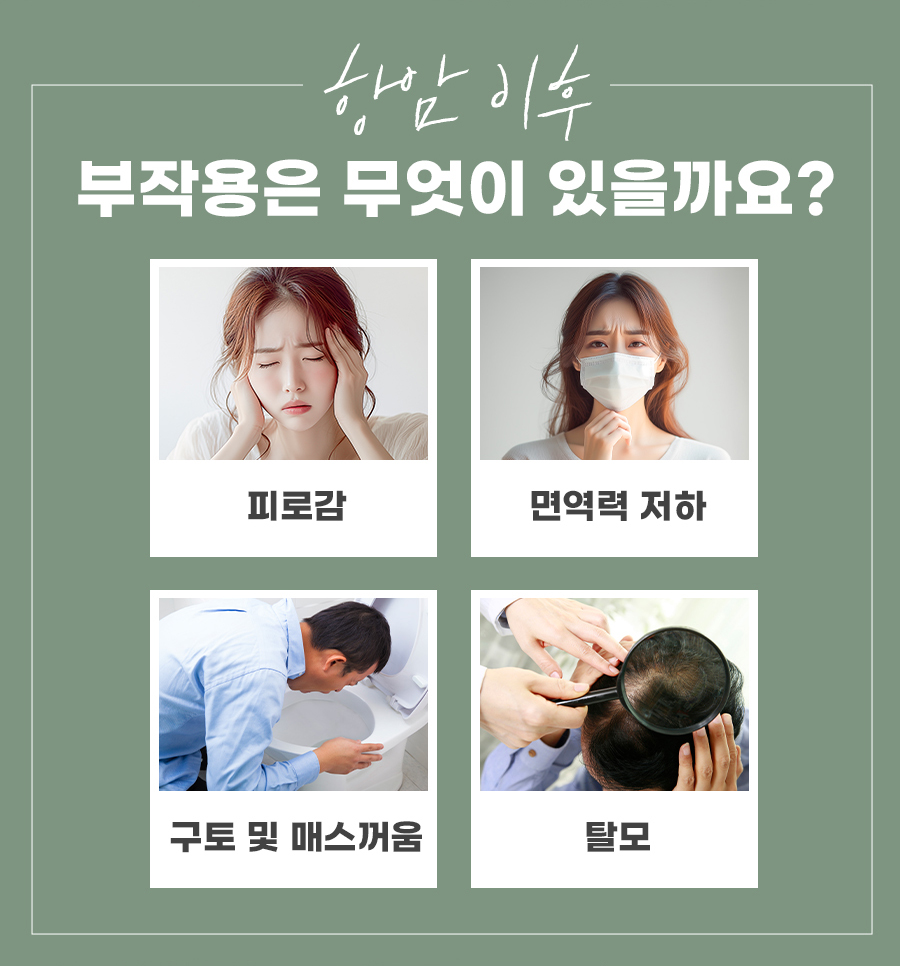
- Nausea and vomiting that persist despite standard medication
- Appetite loss and taste changes that make it difficult to eat enough
- Peripheral neuropathy, such as tingling or burning in hands and feet
- Chronic pain or discomfort related to treatment
- Insomnia, anxiety, and restlessness
Because all care is coordinated inside one hospital, the team can check your current chemotherapy regimen, blood counts, and overall condition before recommending any Korean medicine therapy. This helps avoid conflicts with your main treatment and keeps the focus on safety.
Structured outpatient and short-stay model
Outpatient visits
Many patients use the hospital as an outpatient base between chemotherapy sessions. A typical pattern is:
You receive chemotherapy or targeted therapy at a tertiary hospital in Hwasun or central Gwangju.
Side effects such as fatigue, nausea, or insomnia become worse over the next few days.
Instead of staying at home in discomfort or going directly to the emergency room, you visit the convalescent hospital as an outpatient.
During these visits, you may receive:
- Clinical evaluation by internal medicine specialists
- Monitoring of blood pressure, pulse, temperature, and hydration status
- Intravenous fluids if you are dehydrated
- Medication adjustment in cooperation with your main oncology team
- Korean medicine therapies such as acupuncture for nausea, neuropathy, or pain
- Nutritional counseling and small meal trials adapted to your current appetite
- Gentle exercise or stretching guidance
After the visit, you return home the same day. You can schedule several visits per week during the most difficult days of each cycle, then reduce visits when you feel better.
Short-term inpatient program
Sometimes, side effects become too intense for home care but do not require long-term hospitalization. For these situations, the hospital offers short-term inpatient programs, usually around two weeks.
A short stay may be considered when:
- You are too weak to manage basic daily activities at home
- You have repeated vomiting or diarrhea and need close monitoring
- You have severe fatigue, dizziness, or poor oral intake
- You and your family feel anxious about managing your condition alone
During a short-term stay, you receive continuous nursing care, regular internal medicine rounds, symptom control, and integrative therapies. Once your condition stabilizes and you regain some strength, you are discharged home and continue your chemotherapy schedule at your main hospital.
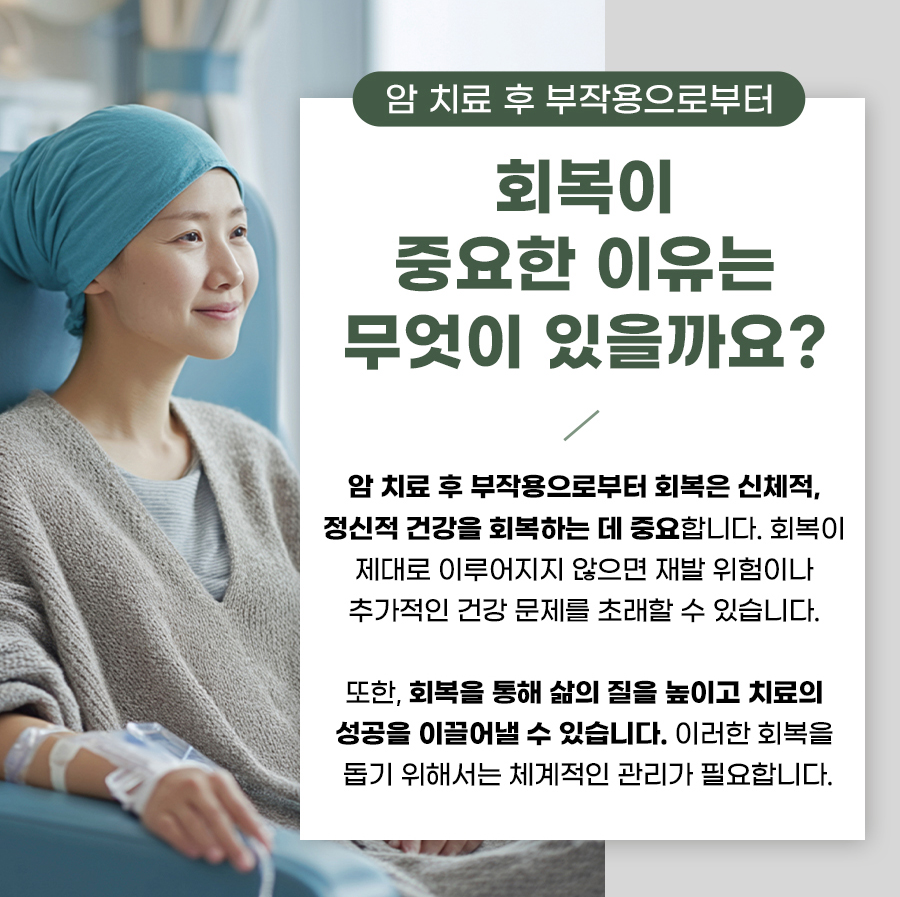
Flexible movement between outpatient and inpatient care
Your status can change from one chemotherapy cycle to another. This hospital allows you to move flexibly between outpatient visits and short-term admissions depending on your condition and treatment schedule.
For example, you may use outpatient care only during earlier cycles, then choose a short-term stay after a particularly strong regimen. The medical team helps plan this in advance so that you and your family know what to expect.
Nutrition and diet for chemotherapy patients
When eating becomes difficult, meals are often skipped or portions get smaller. Over time, this can lead to weight loss and muscle loss, making it harder to continue treatment as planned.
Nutrition is a key part of recovery between chemotherapy sessions. Many patients experience poor appetite, nausea, taste changes, mouth sores, or digestive issues that make it difficult to eat enough.
This hospital provides an anticancer diet and therapeutic meals tailored to the needs of chemotherapy patients. The kitchen focuses on:
Adequate protein intake to support muscle maintenance and immune function
Sufficient calories through gentle, easy-to-digest foods
Cooking methods that reduce irritation, such as steaming, boiling, and light grilling
Texture adjustments for patients with swallowing difficulties or mouth discomfort
Small, frequent meals for those who cannot tolerate large portions
Menus are transparently posted with photos on the hospital website every day. This allows patients and families to see the actual meals served and understand that nutrition is treated as a serious part of care, not an afterthought.
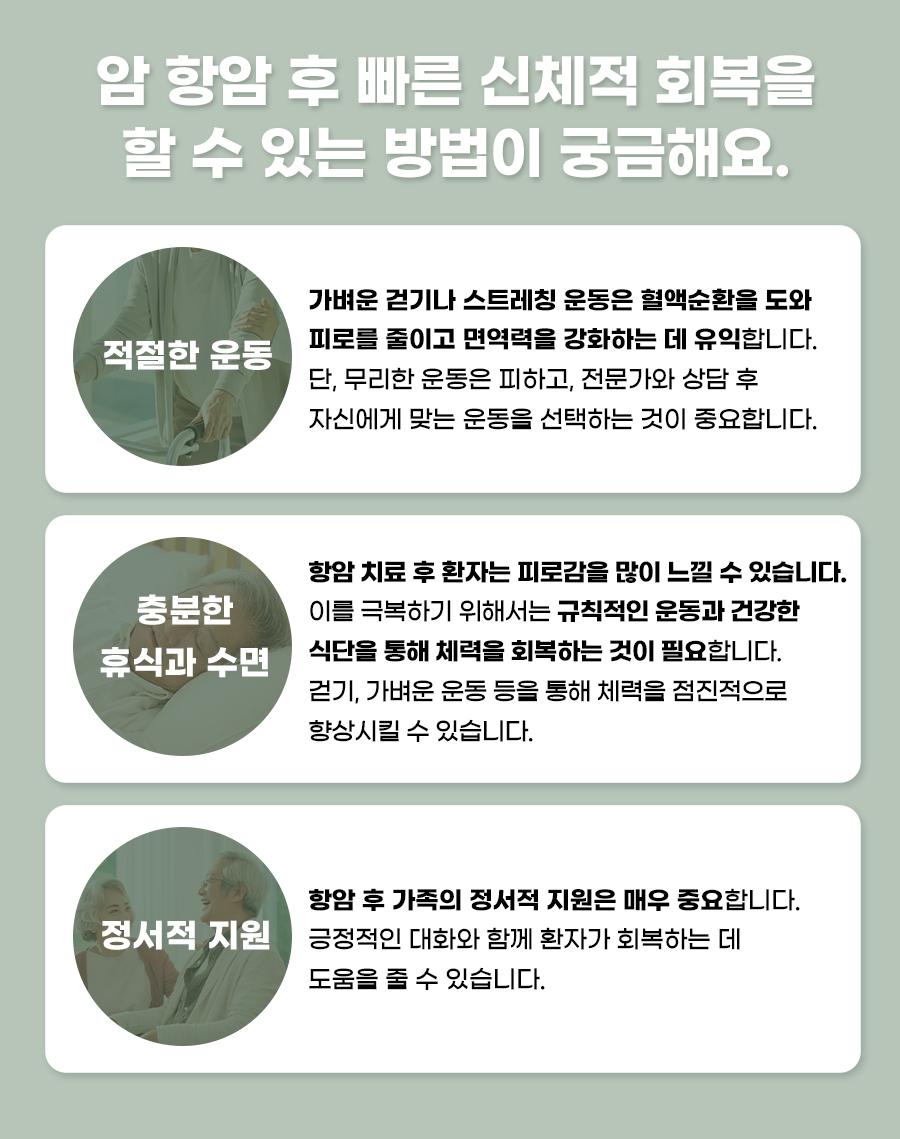
During outpatient visits or short-term stays, dietitians and nurses can work with you to find foods you can tolerate, suggest ways to adjust your diet at home, and monitor your weight and nutritional status over time.
Healing environment near Mudeungsan
Here, patients can rest in a quieter setting with fresh air and easy access to nearby walking paths, rather than staying only inside a busy urban hospital building.
Physical treatment is important, but the environment also affects recovery. This hospital is located at the entrance of Mudeungsan National Park in Dong-gu, near the Jeungsimsa bus stop, with parking available for those who drive.
The surroundings include cypress forests rich in phytoncides, clean air, and clear valley walking paths. Even short walks or simply looking at the mountain scenery from rest areas can help reduce stress, anxiety, and feelings of isolation that often accompany cancer treatment.
Within the hospital, there are quiet rest spaces, walking paths, and small emotional support elements such as poetry or art displays. These help some patients fall asleep more easily or wake up less often at night. The slower pace and smaller scale, compared with large tertiary hospitals, can also make it easier for family members to stay nearby and rest together.
Specific side effects and how outpatient care can help
Fatigue and weakness
Fatigue is one of the most common and distressing chemotherapy side effects. During outpatient visits, the team checks your vital signs, possible anemia, hydration status, and other medical causes of fatigue. They help you plan a realistic balance between rest and gentle activity, and may suggest simple in-hospital exercises or stretching to prevent deconditioning.
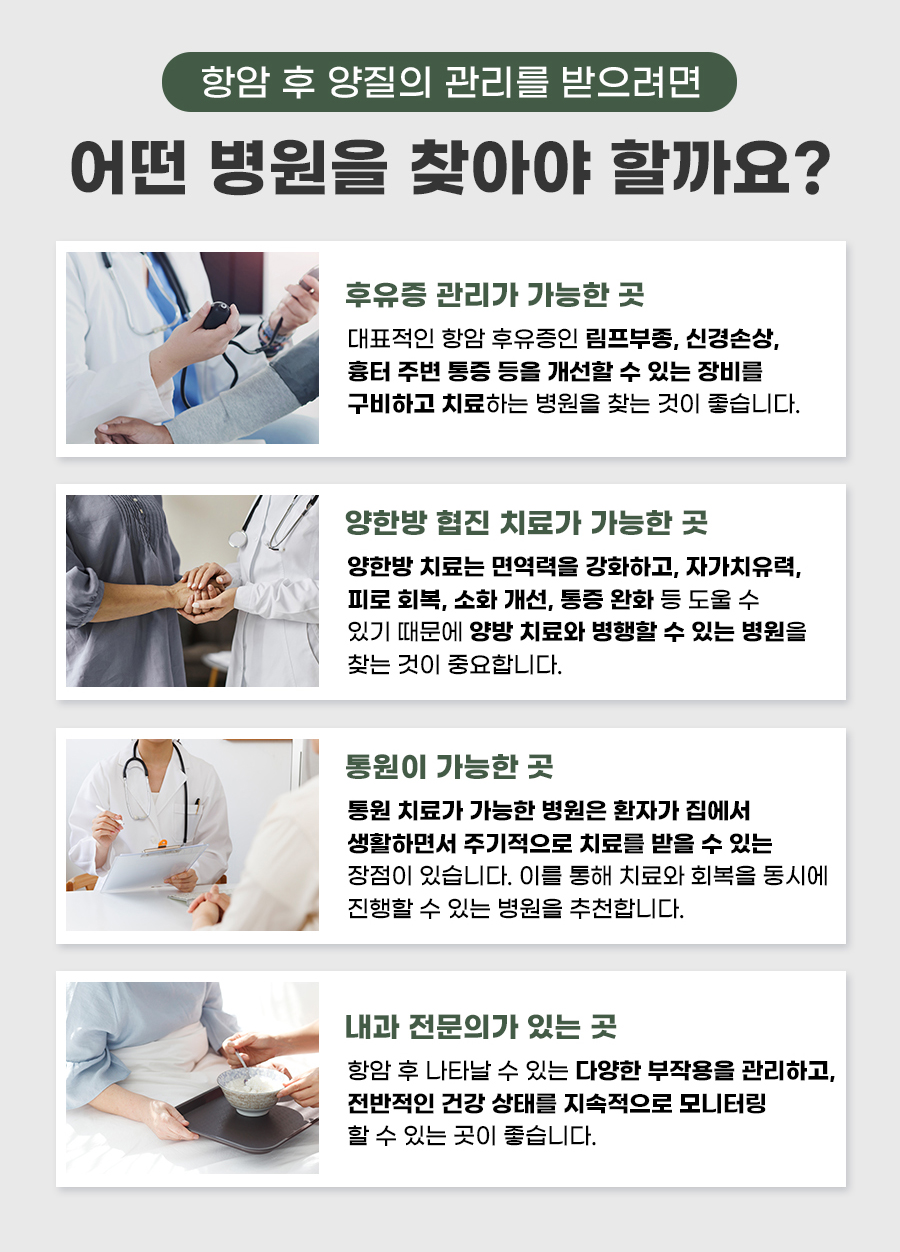
If fatigue is related to dehydration or poor intake, intravenous fluids and nutritional support can be provided. The goal is not to eliminate fatigue completely but to help you feel stable enough to manage basic daily life.
Nausea, vomiting, and appetite loss
For persistent nausea and vomiting, internal medicine specialists review your current anti-nausea medications and, if needed, communicate with your main oncology team to adjust them. Korean medicine therapies such as acupuncture and certain herbal prescriptions may be added as supportive options.
The nutrition team offers tailored meals and strategies such as:
- Small, frequent meals instead of three large ones
- Mild flavors and room-temperature foods to reduce smell-triggered nausea
- Soft foods for those with mouth or throat discomfort
Digestive problems
Chemotherapy and targeted therapy can cause diarrhea, constipation, or indigestion. During outpatient visits, internal medicine doctors assess your symptoms, review medications, and check for signs of dehydration or electrolyte imbalance.
They can recommend appropriate medications, adjust your diet, and provide intravenous fluids when necessary. Korean medicine therapies may also be used to support digestive balance, under careful supervision.
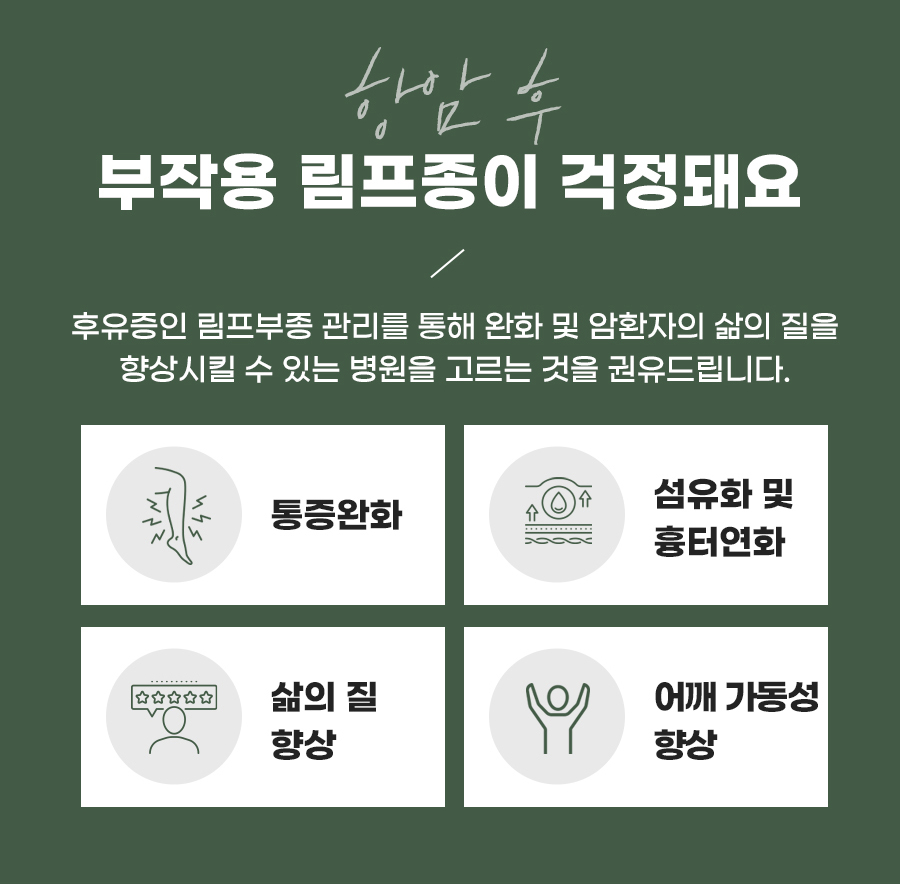
Peripheral neuropathy and pain
Tingling, numbness, or burning sensations in hands and feet can interfere with walking, sleeping, and daily tasks. The team evaluates the severity of your neuropathy, reviews your medications, and suggests strategies to protect your hands and feet.
Acupuncture and other Korean medicine therapies are often used as supportive methods to ease discomfort. Pain related to surgery, radiation, or tumor burden can also be assessed, with adjustments to pain medications coordinated with your main oncology team.
Sleep disturbance and anxiety
Insomnia and anxiety are common during cancer treatment. The quiet environment near Mudeungsan, combined with counseling-style communication and relaxation-focused programs, can help improve sleep quality.
Staff members encourage open conversations about fears and worries, and may suggest simple relaxation techniques or schedule adjustments to support a more regular sleep pattern. If needed, internal medicine specialists can review your medications, including sleep aids or anxiety treatments, in coordination with your primary doctors.
Immune suppression and infection risk
Many chemotherapy regimens lower white blood cell counts, increasing infection risk. The hospital pays close attention to early signs of infection such as fever, chills, or sudden weakness.
Patients and families receive clear guidance on:
- Which symptoms require immediate return to the tertiary hospital emergency room
- Which changes can be monitored at the convalescent hospital
- How to reduce infection risk in daily life
This careful monitoring helps catch problems early and supports safer recovery between cycles.
How it works in practice
Here is one example of how you might use this service during chemotherapy.
To understand how this model fits into real life, imagine the following scenario:
You receive chemotherapy at a tertiary hospital in Hwasun. On the day of infusion, you spend many hours at the cancer center, then go home feeling tired but stable.
Over the next two to three days, side effects peak. You feel too nauseated to eat, your energy drops, and your family is unsure whether to wait or go to the emergency room.
Instead of enduring this at home, you go to the convalescent hospital as an outpatient. There, internal medicine specialists examine you, check your vital signs, and provide intravenous fluids and medication for nausea. You also receive acupuncture to help with nausea and anxiety, and you try a small, gentle meal from the anticancer diet menu.
If your condition is still too unstable for home care, the team suggests a short-term admission of about two weeks. During this time, you rest, receive daily monitoring, integrative therapies, and nutrition support. When your strength improves and your symptoms are controlled, you are discharged home.
Throughout this process, the hospital communicates with your main oncology team. They do not change your chemotherapy plan but adjust supportive care to help you complete it as safely and comfortably as possible.
Who may consider this type of care
This outpatient and short-stay model may be suitable if you:
Are currently receiving chemotherapy, targeted therapy, or immunotherapy at a large hospital in Gwangju or nearby regions
Have been discharged after surgery or radiation but still struggle with fatigue, pain, or digestive issues
Want to continue living at home but need structured support several times a week
Have family members who are willing to help but feel overwhelmed managing side effects alone
Are worried that a standard convalescent facility may not have enough medical expertise for your situation
Every patient is different, and the hospital team will discuss your individual condition, treatment plan, and goals before recommending a care schedule.
Online consultation and pre-visit preparation
If you are considering using this hospital while receiving treatment in Korea, an online consultation can help you decide whether it fits your needs.
Before contacting the hospital, it is helpful to prepare:
- A summary of your cancer diagnosis and stage
- The name of your main hospital and oncology department
- Your current treatment regimen and schedule
- A list of your main side effects and when they tend to appear after each cycle
- Current medications, including any supplements or herbal products
During an online consultation, staff can explain how outpatient visits and short-term stays could be arranged around your chemotherapy schedule. They may also ask for copies of medical records or discharge summaries, if available, to better understand your situation.
If you are coming from overseas, you can discuss your expected length of stay in Korea, accommodation plans, and transportation to Dong-gu. The hospital is near the Mudeungsan National Park entrance and Jeungsimsa bus stop, and parking is available if you rent a car.
Expected Korea visit timeline for overseas patients
For international patients already planning to receive chemotherapy at a tertiary hospital in Korea, this is a possible timeline:
Before arrival
Arrange an online consultation with both your main oncology center and the convalescent hospital.
Share your previous medical records and treatment history.
Discuss how often you might visit the convalescent hospital and whether short-term stays are likely to be needed.
First one to two weeks in Korea
Complete initial evaluations and start or continue chemotherapy at the tertiary hospital.
Visit the convalescent hospital once to establish care, review your condition, and plan supportive measures.
During chemotherapy cycles
On chemotherapy days, receive treatment at the tertiary hospital as planned.
On the following days when side effects peak, attend outpatient visits at the convalescent hospital for monitoring, symptom control, and integrative therapies.
If needed, schedule a short-term inpatient stay of about two weeks after a particularly intense cycle.
Between cycles
Use outpatient visits for gradual strength recovery, nutrition support, and management of chronic symptoms such as neuropathy or insomnia.
Spend the rest of your time at home or at your accommodation, maintaining as normal a daily life as possible.
Before returning home
Have a final review with the convalescent hospital team.
Receive written summaries of your supportive care, which you can share with your doctors in your home country.
Discuss any recommendations for ongoing self-care and follow-up.
Aftercare and ongoing support
After each outpatient visit or short-term stay, the hospital provides guidance on what to watch for at home, when to rest, and when to seek urgent care. They may suggest simple home exercises, dietary tips, and sleep routines tailored to your situation.
Because chemotherapy side effects and physical strength can change over time, follow-up communication is important. If you remain in Korea, you can continue outpatient visits between cycles. If you return to your home country, you can keep in touch through online channels to ask general questions about self-care, while medical decisions are made with your local doctors.
Frequently asked questions
What is the main purpose of using a convalescent hospital during chemotherapy?
Instead of managing all side effects alone at home or staying in a large hospital for long periods, you can use a specialized convalescent hospital as a base for monitoring, symptom control, nutrition, and emotional support between cycles. For some people, this can shorten the time spent hesitating about whether to visit the emergency room and make it easier to keep their treatment schedule as planned.
Can I keep receiving chemotherapy at my current tertiary hospital?
Yes. The convalescent hospital does not replace your main oncology center. You continue to receive chemotherapy, targeted therapy, radiation, or surgery at your tertiary hospital. The convalescent hospital focuses on supportive care between treatments and coordinates with your oncology team when medication adjustments or urgent transfers are needed.
How often should I visit as an outpatient?
The frequency depends on your treatment schedule and how you feel after each cycle. Some patients visit two to three times during the week when side effects peak, while others come once a week for ongoing support. The internal medicine specialists will discuss your pattern of side effects and design a visit schedule that fits your needs and lifestyle.
Is integrative Korean medicine safe with chemotherapy?
At this hospital, Korean medicine therapies are used as supportive care under the supervision of internal medicine specialists. Before starting acupuncture, moxibustion, cupping, or herbal prescriptions, the team reviews your chemotherapy regimen, blood counts, and overall condition. They avoid therapies that might interfere with your main treatment and adjust plans if your status changes. It is important to inform both your oncology team and the convalescent hospital about all treatments you are receiving.
How can families stay involved in care?
Because most patients use outpatient visits or short-term stays rather than long-term admission, families can remain closely involved. They can accompany you to visits, participate in discussions with the medical team, and learn how to support you at home. At the same time, they are not left alone to manage all side effects, because professional staff are available during the most difficult periods.
Soft call to action
If you or a family member are receiving chemotherapy in Gwangju or nearby and are looking for a medically reliable place to manage side effects without long-term admission, you can consider contacting Chiu Convalescent Hospital for an online consultation. By sharing your current treatment plan and main concerns, you can explore how outpatient visits and short-term stays near Mudeungsan might fit into your overall cancer journey and help you maintain daily life with more safety and support.


댓글
댓글 쓰기