Jeonnam Outpatient Chemotherapy Care and Recovery near Mudeungsan
- 공유 링크 만들기
- X
- 이메일
- 기타 앱
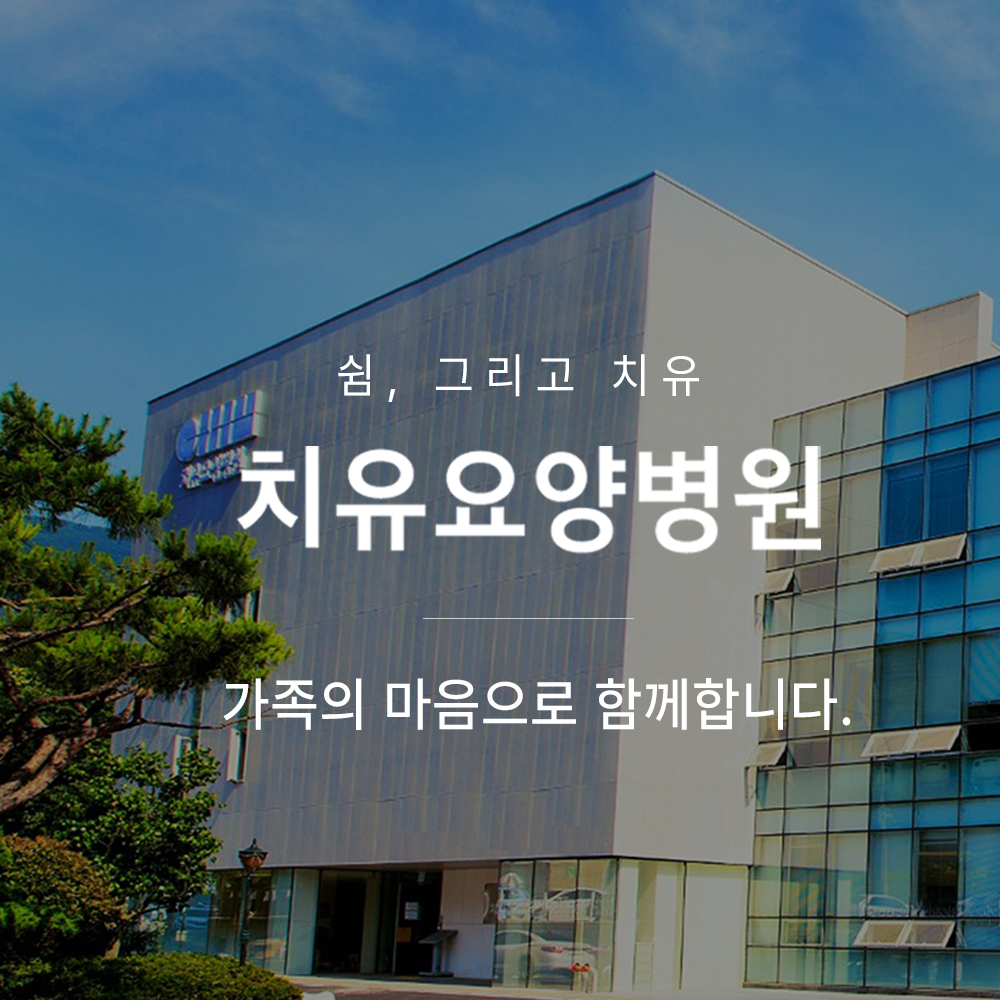
For cancer patients in the Jeonnam and Gwangju region, outpatient chemotherapy care means you continue to receive your main cancer treatment at large cancer centers, while using a nearby hospital for regular follow‑up, side‑effect management, nutritional support, and short recovery stays between treatment cycles.
This guide explains how such outpatient chemotherapy management works, who it may help, what to expect when visiting Korea, and how integrative care and a healing environment can support you during treatment.
What outpatient chemotherapy management means
In this context, outpatient chemotherapy management does not replace your main cancer treatment. Most patients receive surgery, chemotherapy, radiation, or targeted therapy at tertiary hospitals such as large university or cancer centers. After each treatment session, they return home or to temporary accommodation.
Outpatient chemotherapy management fills the gap between hospital visits. It provides a place where you regularly see clinicians for a concise clinical check (symptom review and medication reconciliation), receive side‑effect management, and get supportive therapies—such as hydration or anti‑nausea treatment—without a prolonged inpatient stay.
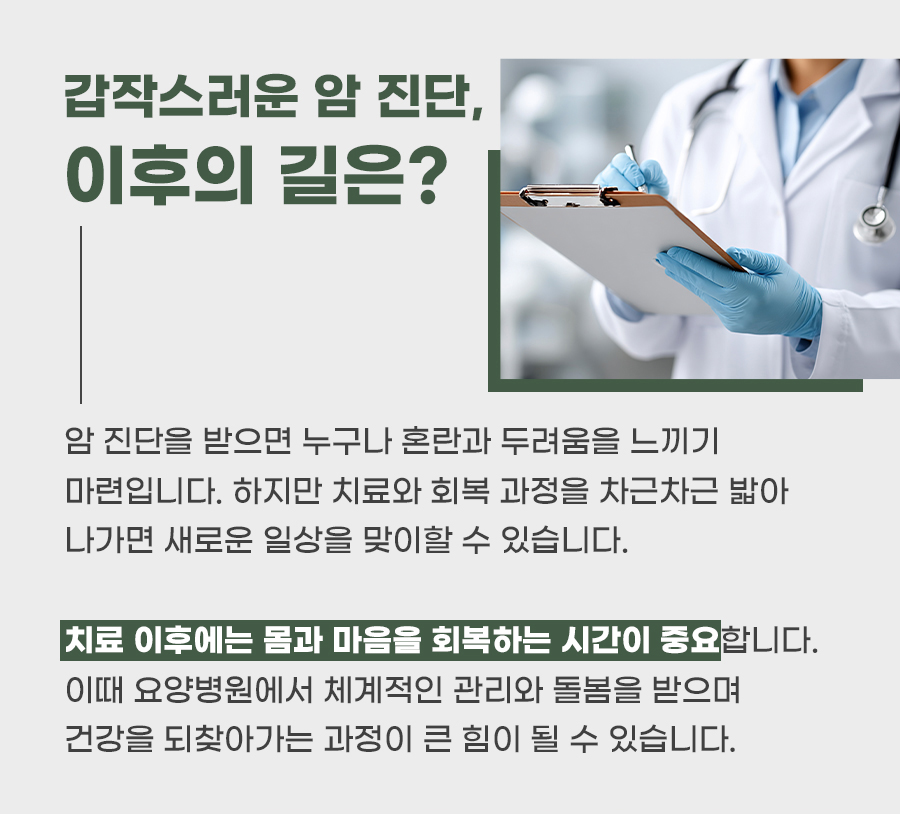
Typical services include internal medicine consultations, monitoring of blood pressure, blood sugar, and basic lab values, assessment of fatigue and appetite, and practical help with symptoms like nausea, constipation, diarrhea, or sleep problems. When needed, the team coordinates with your main oncology hospital to share information or clarify treatment plans.
Who this type of care is for
This model is designed for cancer patients and caregivers in the Jeonnam and Gwangju area who are commuting to tertiary hospitals for chemotherapy or radiation. Many patients travel regularly to large hospitals in Seoul, Gwangju, or Hwasun for their main treatment.
If you or your family member find it difficult to manage side effects at home, or if you feel unsafe without medical supervision between cycles, outpatient chemotherapy care can provide a middle ground. You remain independent and avoid long‑term institutionalization, but you are not left alone to handle symptoms and nutrition on your own.
For international patients who choose to base themselves in the Gwangju region during treatment in Korea, this kind of service can also be a practical support hub between visits to major cancer centers.
Why outpatient management matters during chemotherapy
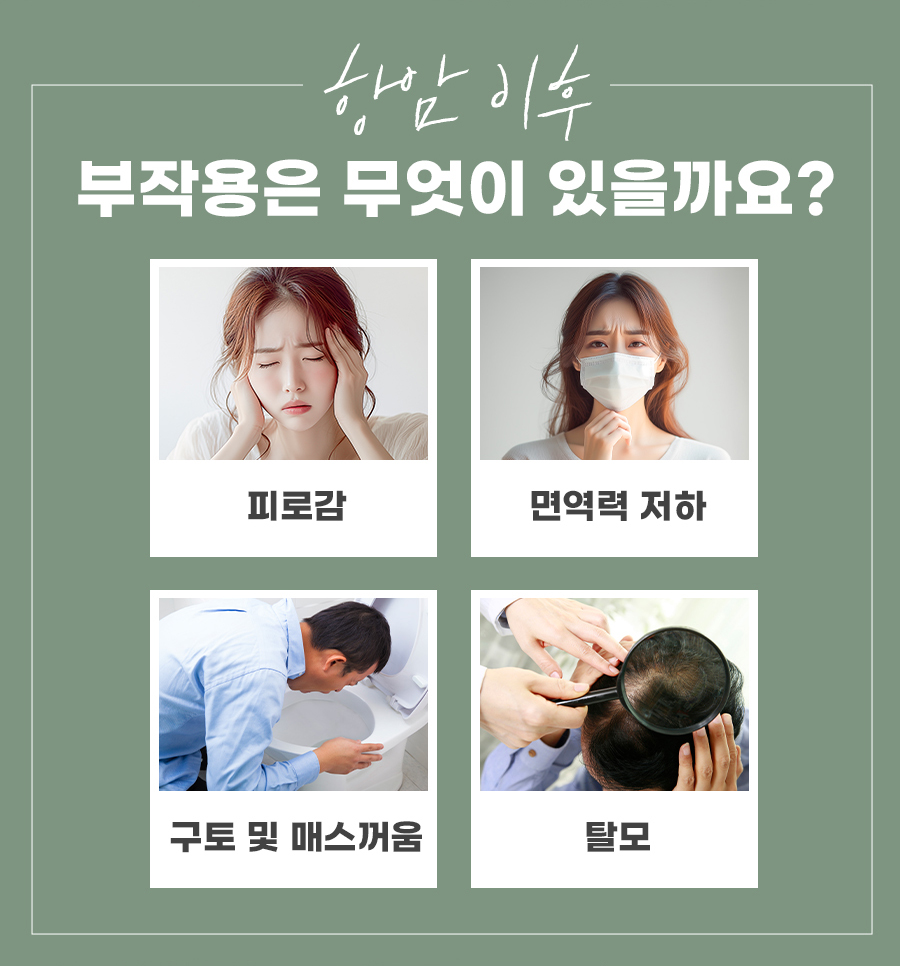
Chemotherapy and radiation can cause a wide range of side effects. Common issues include fatigue, appetite loss, weight loss or gain, digestive problems, changes in taste, sleep disturbance, and lowered immunity. Some patients also experience pain, neuropathy, or mood changes such as anxiety and low mood.
At home, it is not always easy to judge whether a symptom is mild and manageable or a warning sign that needs urgent attention. Caregivers may feel anxious about missing something important. Patients may hesitate to call their main hospital for every small concern, especially if it is far away.
Regular outpatient follow‑up in a nearby facility helps bridge this gap. Doctors can monitor trends over time, adjust supportive medications, recommend simple lifestyle changes, and quickly identify symptoms that require referral back to the primary oncology team or an emergency room.
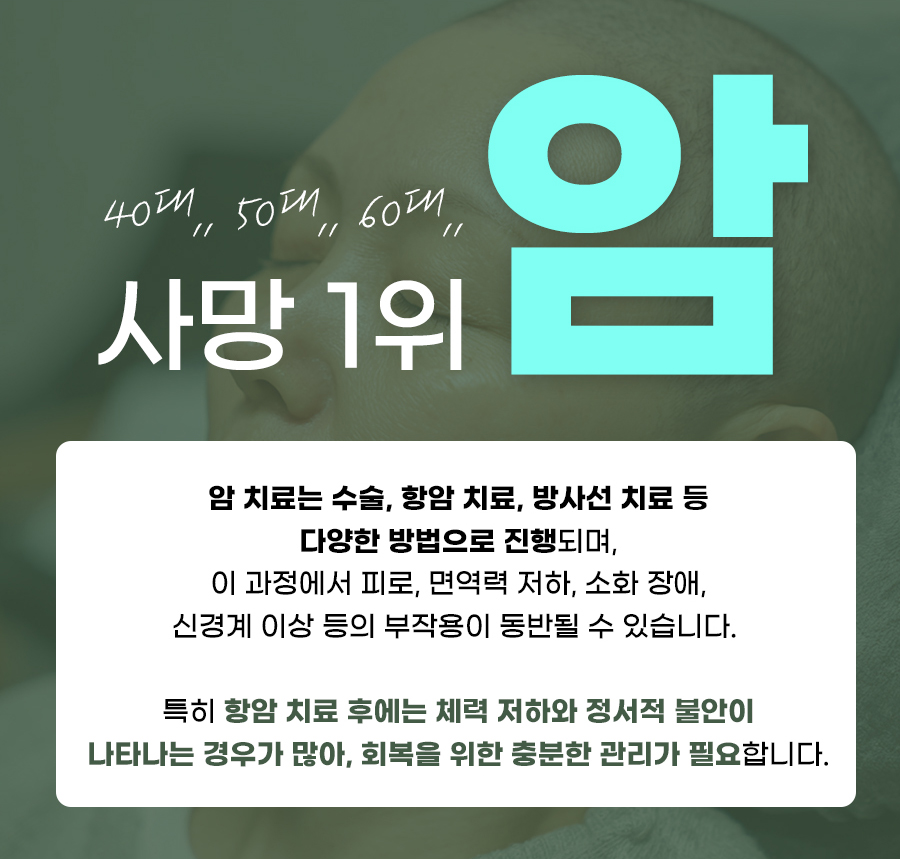
This approach can also reduce unnecessary hospital admissions. Many side effects can be controlled early with timely interventions such as hydration, anti‑nausea medication, bowel management, or nutritional support.
Regional option in Gwangju and Jeonnam
For patients in Jeonnam and Gwangju, location and accessibility are crucial. Chiu Convalescent Hospital is situated at the entrance of Mudeungsan National Park in eastern Gwangju, close to the Jeungsimsa bus stop. This makes it relatively easy to reach from various parts of the city and surrounding region.
The hospital has its own parking area, which is helpful for patients who are weak after chemotherapy and prefer to come by car or taxi. The setting near Mudeungsan offers clean air and natural surroundings, which many patients find calming compared to busy city centers.
Many patients receive their main cancer treatment at large university and cancer hospitals in Seoul, central Gwangju, or Hwasun. They then use this hospital as a regional base for recovery and side‑effect management between cycles. Staff are used to working with outside institutions and can help patients keep their records organized and their schedules coordinated.
Medical team and safety
One of the main concerns families have about convalescent hospitals is medical quality. They may worry that such facilities focus mainly on basic nursing care and have limited doctor presence.
At this hospital, medical leadership is a key feature.
In addition, an oriental medicine director works alongside the internal medicine team. This allows for a structured integrative approach, where Western and oriental medicine can be combined thoughtfully for symptom relief and quality‑of‑life support.
Although the hospital focuses on recovery and supportive care rather than primary oncology treatment, having senior internal medicine specialists on site means that changes in general condition can be recognized early. They can decide when simple outpatient measures are enough and when you should return to your main cancer center or seek emergency care.
Integrative collaboration with oriental medicine
Many patients undergoing chemotherapy ask about complementary therapies. Some hope to reduce side effects, improve energy, or cope better with pain and stress. At the same time, they worry about safety and possible interactions with their main treatment.
Here, oriental medicine is integrated under one roof with internal medicine.
Acupuncture may be used for nausea, pain, or neuropathy symptoms, while moxibustion and cupping may be applied for circulation and muscle tension. Herbal prescriptions are considered with attention to your current chemotherapy drugs and liver and kidney function, and any changes should be discussed with your primary oncology team.
Because internal medicine and oriental medicine doctors are in the same building, they can coordinate care and monitor for any unexpected reactions. This integrated structure can be reassuring for patients who are interested in complementary approaches but want them to be medically supervised.
Main outpatient programs for chemotherapy patients
Outpatient services are designed around the typical needs of patients in active treatment or early recovery.
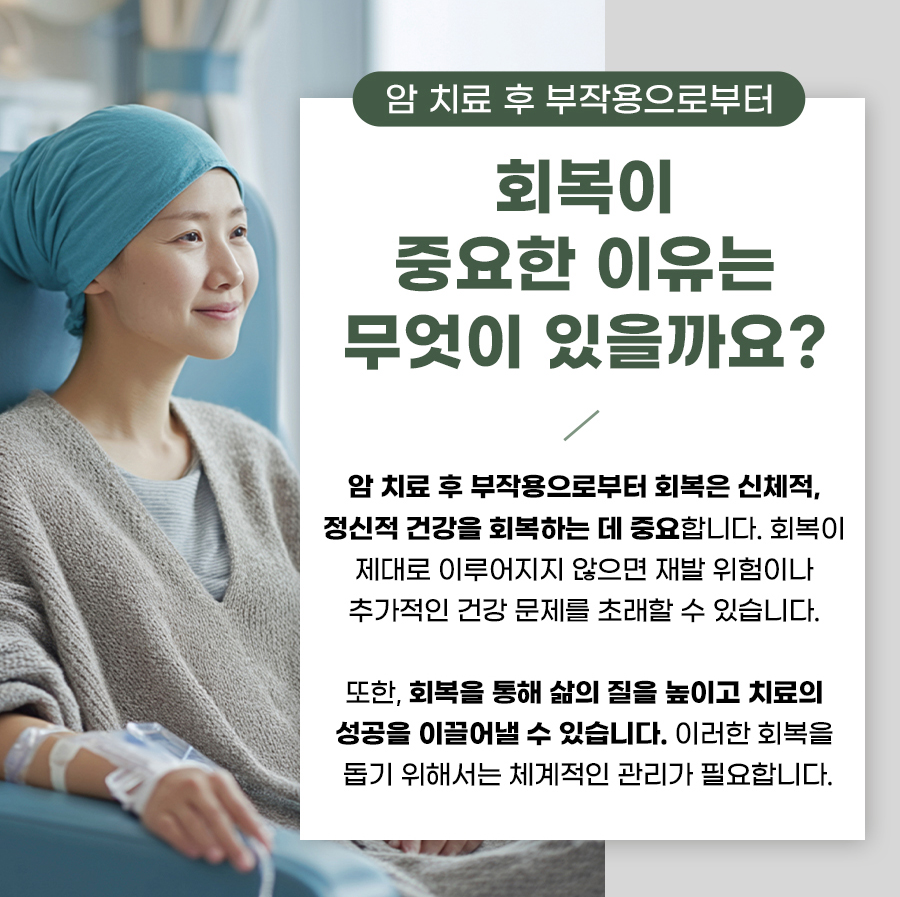
Follow‑up internal medicine consultations
Patients can schedule regular consultations with internal medicine specialists. During these visits, doctors review your recent chemotherapy or radiation sessions, check vital signs, and ask about symptoms such as fatigue, appetite, bowel habits, pain, sleep, and mood.
They may order basic blood tests, review existing lab results from your main hospital, and adjust supportive medications like anti‑nausea drugs, stomach protectants, laxatives, or pain relievers. If they identify warning signs such as fever, severe shortness of breath, or rapidly worsening pain, they will advise you to seek urgent care.
Side‑effect management and monitoring
Common chemotherapy side effects addressed in outpatient care include fatigue, appetite loss, nausea, vomiting, constipation, diarrhea, indigestion, reflux, and mouth discomfort. The team can provide practical strategies, medication adjustments, and referrals to other specialists when needed.
Regular monitoring also helps detect dehydration, weight changes, and sleep problems early. Sometimes small changes in daily routine, fluid intake, or meal timing can make a meaningful difference when guided by professionals.
Coordination with referring cancer centers
Because most patients continue to receive primary treatment at large hospitals, coordination is essential. With your consent, staff can help summarize your condition, medication list, and recent test results for your oncology team.
If a new symptom appears or a lab value changes, the internal medicine specialists may contact your main hospital for advice or recommend that you bring specific questions to your next oncology appointment. This reduces confusion and helps keep all teams aligned.
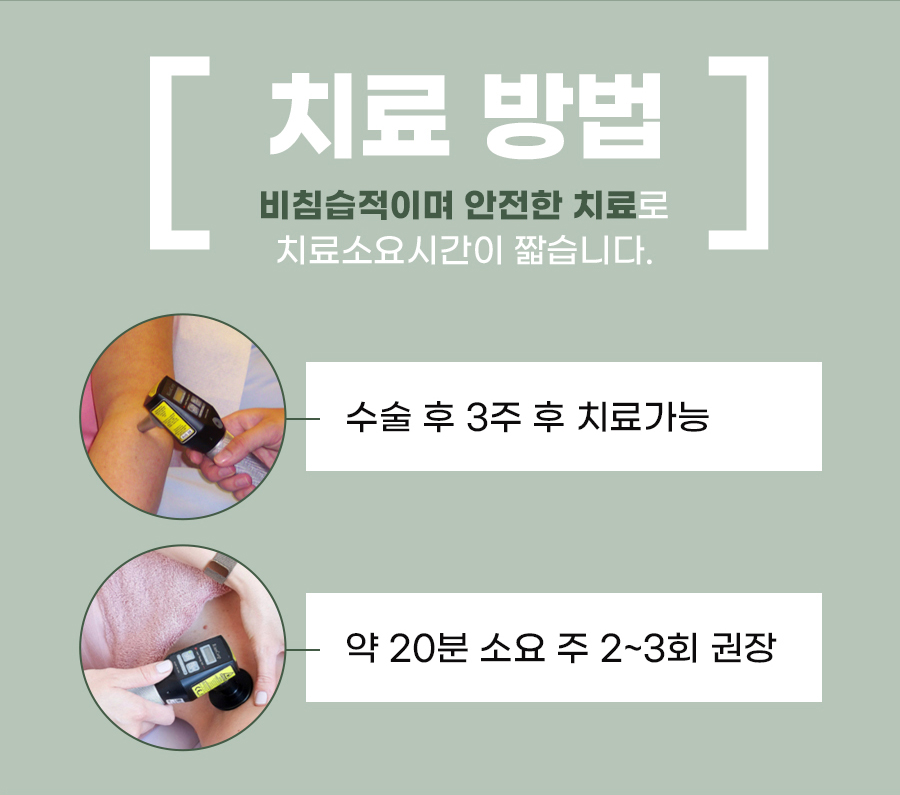
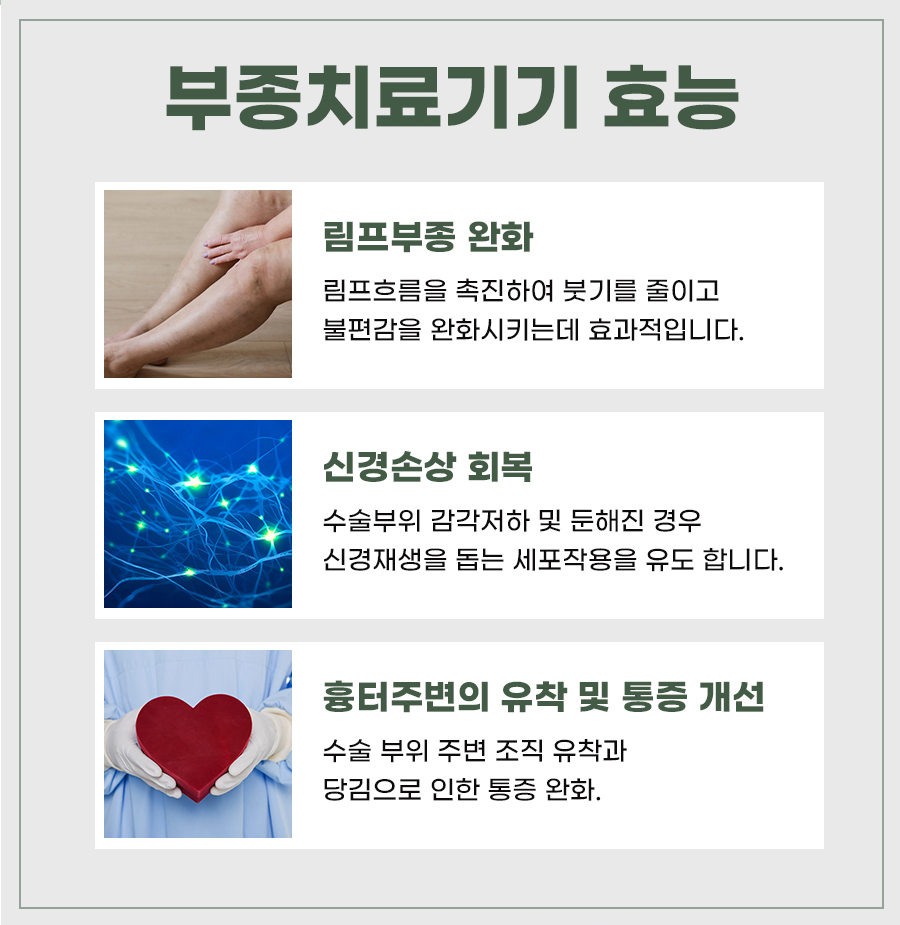
Hyperthermia as supportive therapy
If you are interested in this therapy, ask the hospital directly for details about their equipment, staff training, eligible patients, and safety information.
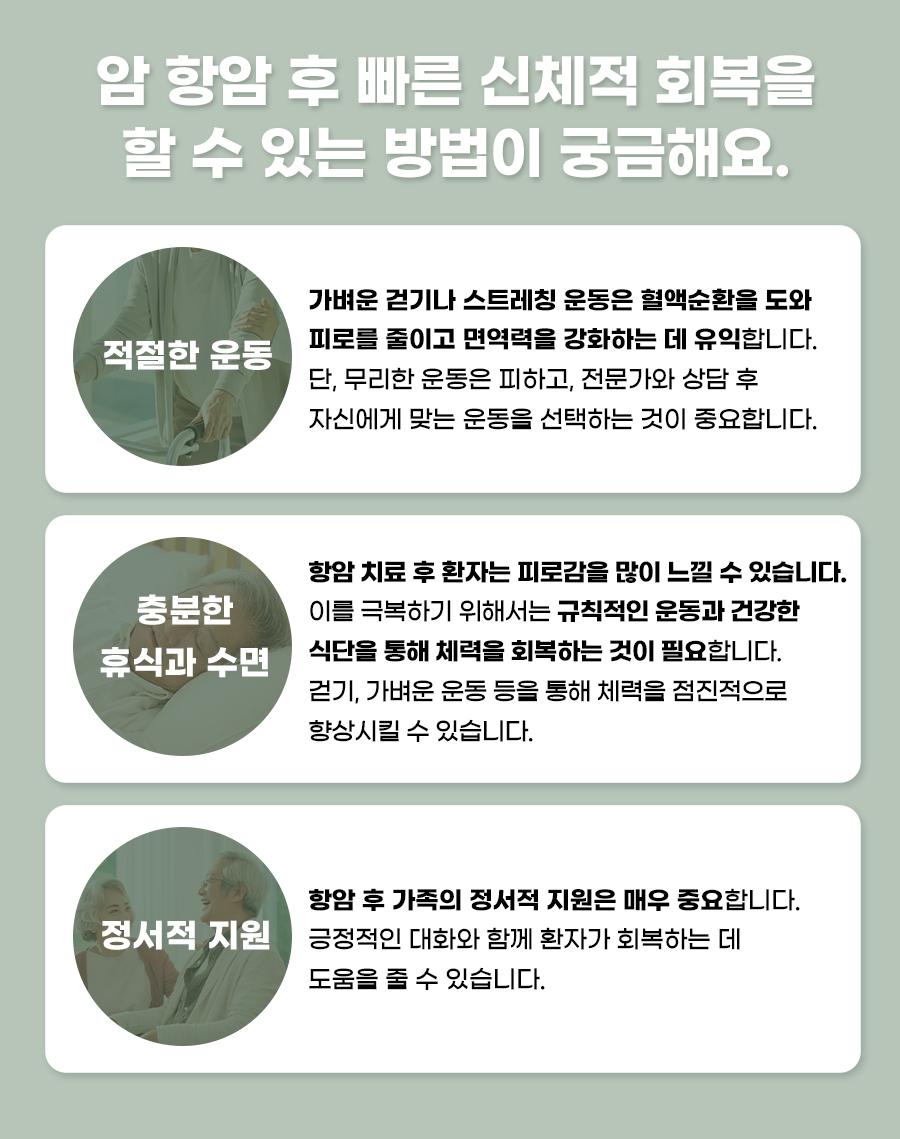
Hyperthermia is not presented as a cure for cancer. Instead, it is used as an adjunctive therapy that may support circulation, relaxation, and comfort for some patients. Educational video content is available for patients and families who want to understand how the equipment works and what to expect during a session.
Before starting hyperthermia, the internal medicine team evaluates your overall condition, current treatment plan, and any contraindications. Sessions are scheduled to avoid conflict with chemotherapy appointments and to minimize fatigue.
Nutrition and anticancer‑oriented diet
Eating well during chemotherapy can be challenging. Changes in taste, nausea, mouth sores, and early fullness often lead to reduced intake. Yet good nutrition is important for maintaining strength, supporting immunity, and coping with treatment.
Meals focus on balanced nutrition, gentle preparation methods, and ingredients that are easy to digest. For patients who struggle with appetite, small frequent meals and flexible options may be suggested.
Menus are provided to patients and families, and the hospital can share typical meal styles and dietary options on request. If you want to review current or past menu examples, contact the hospital or check their official website or patient information resources.
For international patients, staff can discuss any cultural or religious dietary needs in advance and explore possible adjustments within the hospital’s capabilities.
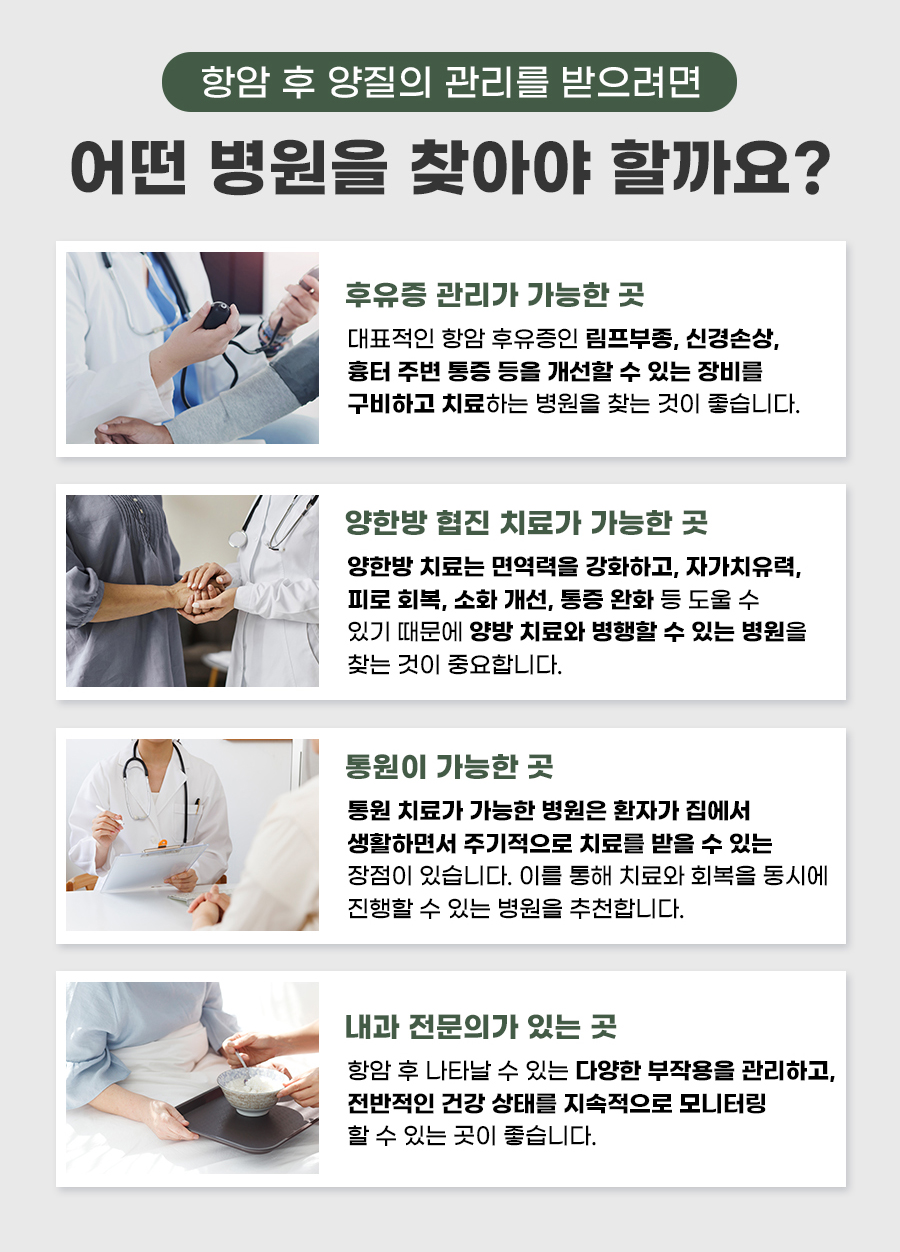
Short‑term admission as an extension of outpatient care
While the main focus is on outpatient visits, some patients benefit from short periods of inpatient recovery. Short‑term admissions may be available depending on clinical need and bed availability; lengths of stay vary by case and are arranged with the clinical team.
These stays are designed to fit between chemotherapy cycles rather than replace them. For example, a patient might receive chemotherapy at a tertiary hospital, then spend one or two weeks admitted for intensive nutrition, symptom control, integrative therapies, and rest, before returning to the main hospital for the next cycle.
This model can be especially helpful for patients who live far from major cancer centers, those who are very weak after treatment, or families who need temporary support with caregiving. The aim is to stabilize your condition and prepare you to safely continue your primary oncology plan.
Healing environment and emotional support
Beyond medical care, the environment around Mudeungsan offers a natural setting that many patients find therapeutic. The hospital is surrounded by clean air, forest views, and walking paths suitable for gentle strolls when your strength allows.
Quiet rest areas inside the building provide spaces for reading, reflection, or simply sitting with family members. Emotional support programs, such as small exhibitions or healing poetry events, are held to help patients cope with the psychological burden of cancer treatment.
These activities are not formal psychotherapy, but they can offer moments of calm, inspiration, and connection. For many patients, this kind of emotional support is an important part of overall recovery.
Who may consider outpatient chemotherapy care here
Outpatient chemotherapy management at a convalescent hospital may be appropriate if you recognize yourself in one or more of these situations:
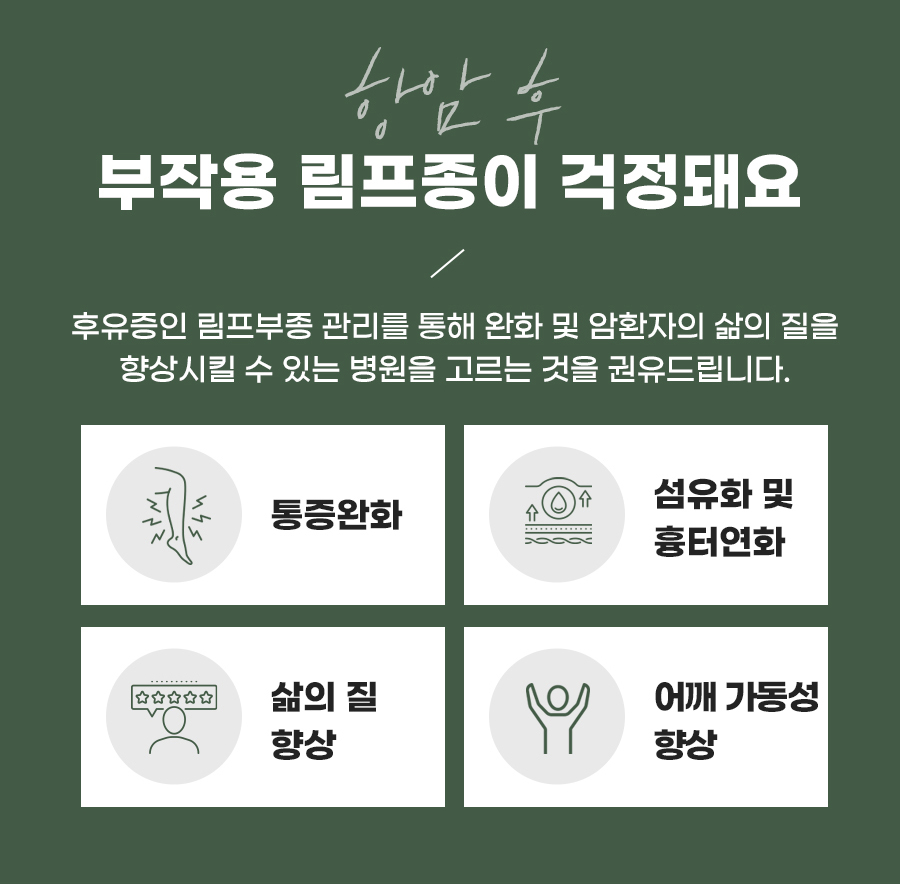
You are receiving chemotherapy or radiation at a tertiary hospital in Seoul, Gwangju, or Hwasun and find it hard to manage side effects at home between visits.
You or your caregiver feel anxious about handling symptoms alone and would like regular check‑ins with doctors closer to home.
You are losing weight or struggling to eat, and you want structured nutritional support and an anticancer‑oriented diet.
You are interested in integrative care, including oriental medicine and hyperthermia, but want these therapies to be supervised by internal medicine specialists.
You prefer short‑term, flexible stays and outpatient visits rather than long‑term institutionalization.
If you are an overseas patient planning treatment in Korea, this kind of facility can serve as a base for recovery between visits to large cancer centers, especially if you value a natural environment and integrated supportive care.
How it works with your existing oncology treatment
Supportive outpatient care should always work alongside, not instead of, your primary oncology treatment. Your main oncologist remains responsible for decisions about chemotherapy regimens, radiation plans, surgery, and targeted therapies.
At the supportive care hospital, doctors focus on your general health, symptom control, and quality of life. They do not change your main cancer drugs but may adjust supportive medications such as anti‑nausea tablets, pain relievers, or sleep aids, always considering potential interactions.
Any new complementary therapies, including herbal medicine or hyperthermia, should be discussed with your oncology team. It is important that all your doctors know what you are receiving so they can monitor safety.
Emergency symptoms such as high fever, severe chest pain, sudden shortness of breath, uncontrolled bleeding, or confusion still require immediate attention at a full emergency department. Outpatient facilities are not a substitute for emergency care.
Online consultation and pre‑visit preparation
For overseas patients or those living far from Gwangju, an online consultation can be a useful first step. Through phone or messenger channels, you can share your diagnosis, current treatment plan, and main concerns. Staff can then advise whether outpatient care, short‑term admission, or a combination might suit your situation.
Before your first visit, it is helpful to prepare:
A summary of your cancer diagnosis and stage.
A list of current medications, including chemotherapy, targeted therapies, and supplements.
Recent test results and imaging reports, if available.
Your chemotherapy schedule and the name of your primary oncology hospital.
A list of your main symptoms and questions.
Having these details ready allows the internal medicine and oriental medicine teams to understand your case quickly and coordinate appropriately with your main hospital.
Typical visit timeline for international patients in Korea
Although each case is different, a typical pattern for an overseas patient might look like this:
Before arrival: Online consultation to review your situation and tentative schedule. Sharing of medical records where possible.
Week 1: Initial visit to your main cancer center in Seoul, Gwangju, or Hwasun for evaluation and treatment planning. First chemotherapy or radiation session if appropriate.
Between cycles: Travel to Gwangju and stay near Mudeungsan. Use outpatient services at Chiu Convalescent Hospital for follow‑up, symptom management, nutrition, and integrative therapies. Consider a short two‑week admission if you need intensive support.
Subsequent cycles: Return to the main cancer center for scheduled treatments, then back to Gwangju for recovery. The supportive care team monitors your condition and communicates with your oncology hospital as needed.
End of planned treatment: Final review with both the main cancer center and the supportive care hospital. Discussion of long‑term follow‑up, lifestyle, and possible continued outpatient visits for rehabilitation and monitoring.
This schedule can be adjusted depending on your treatment plan, travel distance, and personal preferences.
Aftercare and ongoing support
After each chemotherapy cycle, your needs may change. Some patients gradually regain strength, while others experience cumulative fatigue or new side effects.
Ongoing outpatient follow‑up allows the team to adapt your care plan over time. They may shift focus from acute symptom control to longer‑term issues such as physical conditioning, sleep quality, and emotional resilience.
Even after active chemotherapy ends, some patients choose to continue periodic visits for nutritional guidance, integrative therapies, and monitoring of chronic conditions such as diabetes, hypertension, or heart disease, which can be affected by cancer treatment.
General safety and caution notes
Supportive outpatient care is not a replacement for chemotherapy, radiation, surgery, or other oncologic treatments. Decisions about your cancer treatment must be made with your oncology team at a tertiary hospital.
Always inform your oncologist about any complementary therapies you are considering, including herbal medicine, supplements, or hyperthermia. Some substances and procedures can interact with chemotherapy or affect lab results.
If you develop emergency symptoms such as high fever, severe pain, sudden shortness of breath, chest pain, confusion, or uncontrolled bleeding, go directly to an emergency room or call local emergency services. Do not rely on an outpatient facility alone in these situations.
Frequently asked questions
Who is the outpatient chemotherapy program in Jeonnam most suitable for
It is most suitable for patients who receive their main cancer treatment at large hospitals in Seoul, Gwangju, or Hwasun but live in or near the Jeonnam region. If you find it difficult to manage side effects at home, want structured nutritional support, or are interested in integrative care while continuing standard treatment, this type of program may help. It is also an option for overseas patients who plan to stay in Korea for several weeks or months and need a recovery base between hospital visits.
Does outpatient chemotherapy management replace my main oncology hospital
No. Your main oncology hospital remains responsible for diagnosing your cancer, planning your chemotherapy or radiation, and making key treatment decisions. Outpatient chemotherapy management at a convalescent hospital focuses on supportive care, symptom control, and quality of life. The two work together, with information shared as needed, but supportive care does not replace primary oncology treatment.
Can I receive oriental medicine and hyperthermia safely during chemotherapy
Many patients do receive oriental medicine treatments and hyperthermia as supportive therapies during chemotherapy, but safety depends on your individual condition and treatment plan. At this hospital, internal medicine specialists and the oriental medicine director work together to review your medications, lab results, and overall health before recommending any complementary therapies. It is important to inform your main oncologist about these treatments so they can monitor for interactions and adjust your plan if needed.
How do I arrange an outpatient visit or short‑term admission from overseas
You can start by contacting the hospital through phone or messenger channels for an online consultation. Prepare your diagnosis, treatment schedule, medication list, and recent test results if possible. The team will review your information and suggest a tentative plan, such as regular outpatient visits, a two‑week short‑term admission, or a combination. They can also advise on timing your stay around chemotherapy cycles at your main cancer center and help you understand what documents to bring when you arrive in Korea.
Soft call to action for online consultation
If you are considering chemotherapy or are already in treatment and feel you need more structured support in the Jeonnam and Gwangju area, you do not have to decide alone. An online consultation can help you understand whether outpatient chemotherapy management, integrative therapies, and short‑term recovery stays near Mudeungsan fit your situation.
Share your questions, treatment schedule, and concerns in advance, and the medical team can guide you on possible next steps so that your time in Korea is as safe and supported as possible while you continue your primary cancer care.
- 공유 링크 만들기
- X
- 이메일
- 기타 앱


댓글
댓글 쓰기