Jeonnam Outpatient Care for Chemotherapy Side Effects Near Mudeungsan
- 공유 링크 만들기
- X
- 이메일
- 기타 앱
Quick answer
For cancer patients in Jeonnam and nearby Gwangju who are receiving chemotherapy at larger cancer centers, many chemotherapy side effects can often be managed safely on an outpatient basis. Some recovery-focused hospitals and clinics in the region may emphasize short-stay recovery programs and combine internal medicine with various supportive services. Services and treatment options vary by facility; contact the specific hospital or your oncology team to confirm what is available.
Treatment overview: outpatient support for chemotherapy side effects
Outpatient care for chemotherapy side effects in Jeonnam and Gwangju is designed to work alongside your main oncology team, not to replace it. Most patients continue to receive chemotherapy at tertiary hospitals in Jeonnam or Seoul, and visit a recovery-focused hospital in Gwangju for symptom control, supportive care, and short rest.
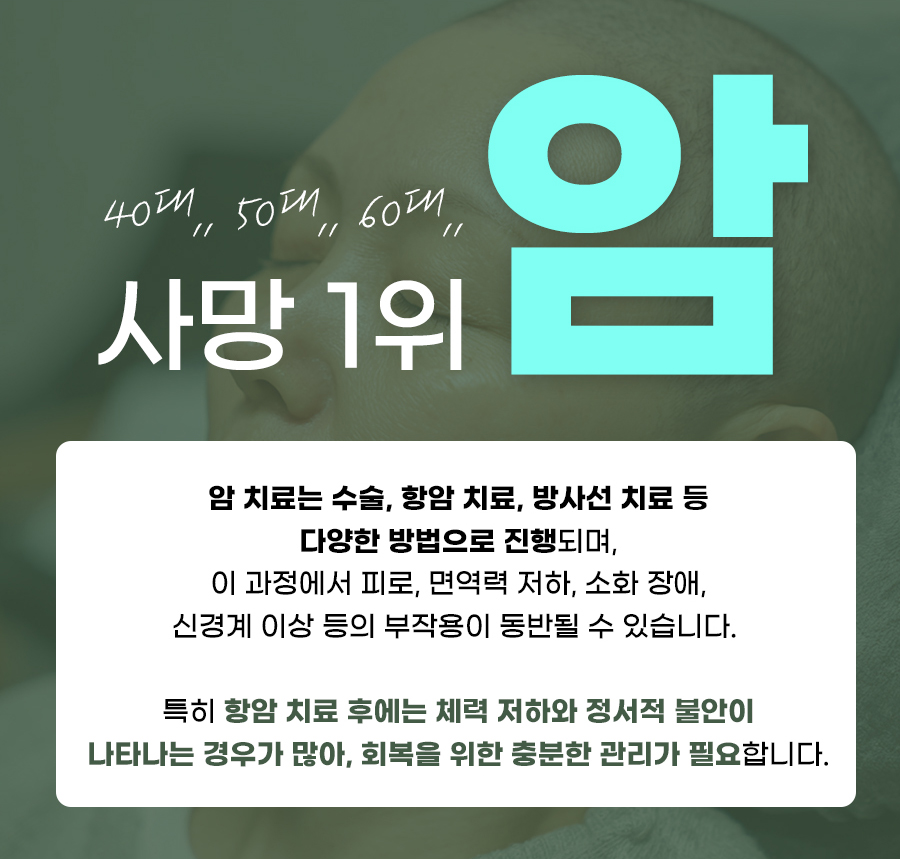
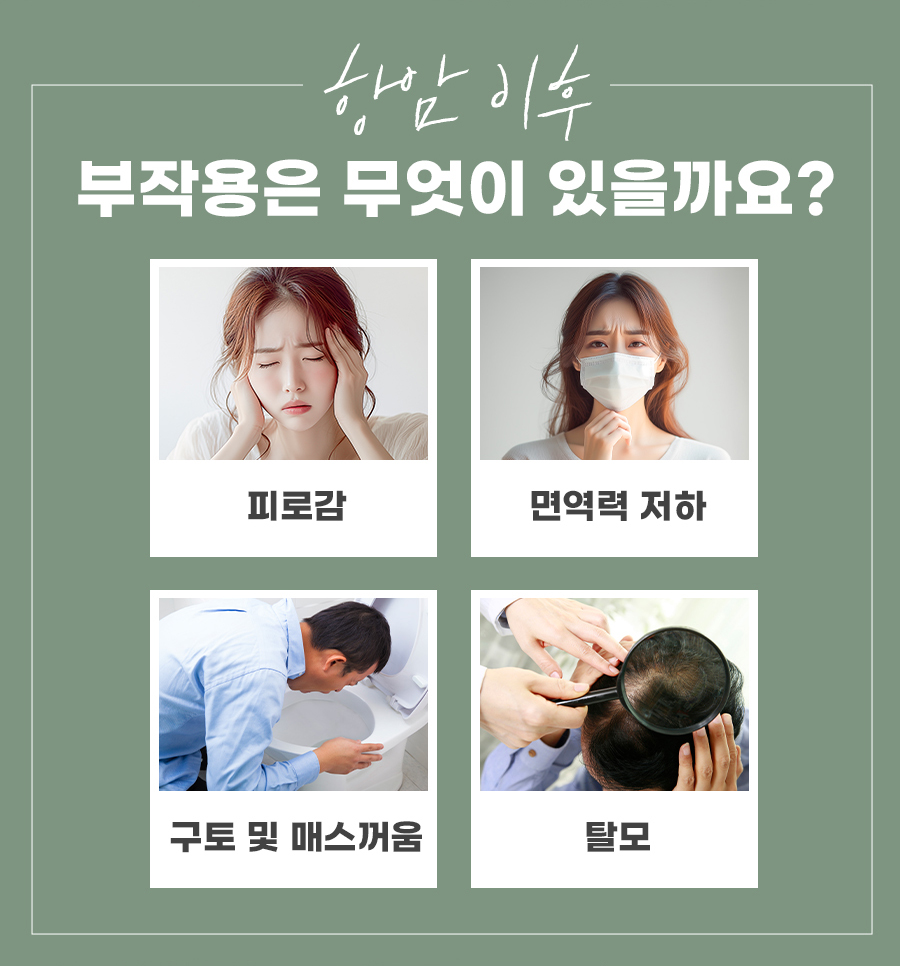
Typical side effects addressed include fatigue and weakness, nausea and vomiting, loss of appetite and weight loss, indigestion and bowel changes, peripheral neuropathy such as tingling or numbness in hands and feet, insomnia and restless sleep, mood changes, anxiety, and low mood, and general immune weakness and frequent minor infections.
Because these symptoms often fluctuate between chemotherapy cycles, outpatient care is usually organized around your chemotherapy schedule. You may visit a few days after each infusion, or whenever side effects become difficult to manage at home.
Integrative internal medicine and Korean medicine support
Many recovery-focused hospitals in this area use a combined approach. Internal medicine doctors monitor overall condition, vital signs, blood tests, and medication safety. Some centers report offering integrative Korean medicine services—such as acupuncture or herbal prescriptions—as supportive care in selected cases, but availability and approaches vary. Any herbal or complementary therapies should be reviewed by a qualified clinician for possible interactions with chemotherapy or other medications.
stipation, diarrhea, reflux, or gastritis related to chemotherapy.
Any herbal or integrative treatment should be checked carefully against your chemotherapy drugs to avoid interactions, so it is important that the team communicates with your oncology center and reviews your medication list.
Adjunctive hyperthermia cancer therapy
Because suitability and safety depend on individual medical factors, discuss hyperthermia thoroughly with your treating oncologist and the providing facility, and ensure documented safety checks and any required approvals before proceeding.
In an outpatient setting, hyperthermia sessions are usually scheduled between chemotherapy cycles or on days when your blood counts and general condition are stable. Before starting, the team typically reviews your cancer type, stage, treatment plan, and recent imaging or lab results. During the session, your temperature, heart rate, and blood pressure are monitored. After the session, you rest in a recovery area and the staff checks for dizziness, dehydration, or unusual discomfort.
Because evidence and protocols for hyperthermia can vary by cancer type, it is important to discuss this option with your main oncology team. Overseas patients should bring or send treatment summaries and imaging reports so the local team can decide whether hyperthermia is suitable and safe in their situation.
Short-stay recovery programs near Mudeungsan
Not every patient needs full hospitalization, but sometimes a single day is not enough to recover from severe fatigue, nausea, or sleep disturbance. For this reason, some centers near Mudeungsan National Park offer short-stay recovery programs.
These programs may last from one to several nights and are focused on rest, symptom control, and gentle physical and mental recovery. Being close to a natural environment like Mudeungsan can be calming, and many patients appreciate the quieter atmosphere compared to a busy tertiary hospital.
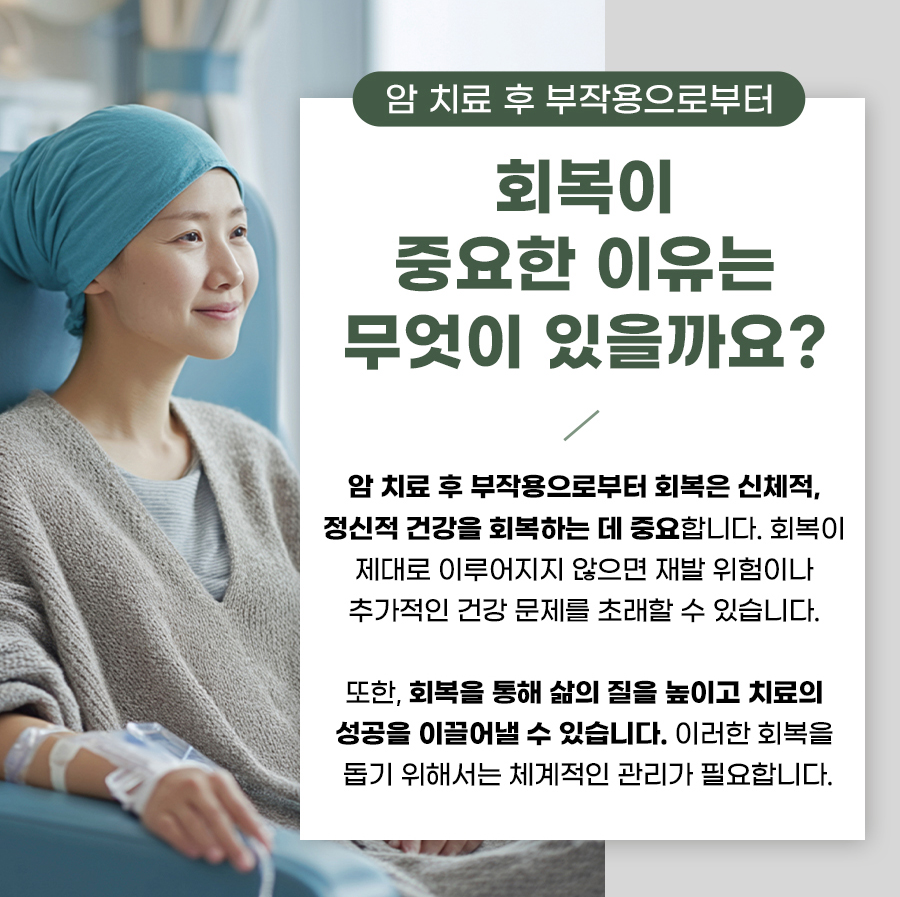
A typical short-stay program may include daily medical check-ups by internal medicine staff, medication review and adjustment, intravenous hydration or nutrition support if needed, scheduled acupuncture or integrative sessions, optional hyperthermia therapy if indicated, light movement or stretching guidance, and simple relaxation or breathing exercises.
Because these stays are usually short, they are easier to fit between chemotherapy cycles. For overseas patients, a short-stay program can also serve as a transition period after intensive treatment in a major cancer center in Seoul, before flying home.
Who may consider Jeonnam outpatient care for chemotherapy side effects
This type of outpatient and short-stay care may be suitable for several groups of patients.
Patients receiving chemotherapy at tertiary hospitals in Jeonnam or Seoul who feel that side effects between cycles are difficult to manage at home, but who do not require full hospitalization.
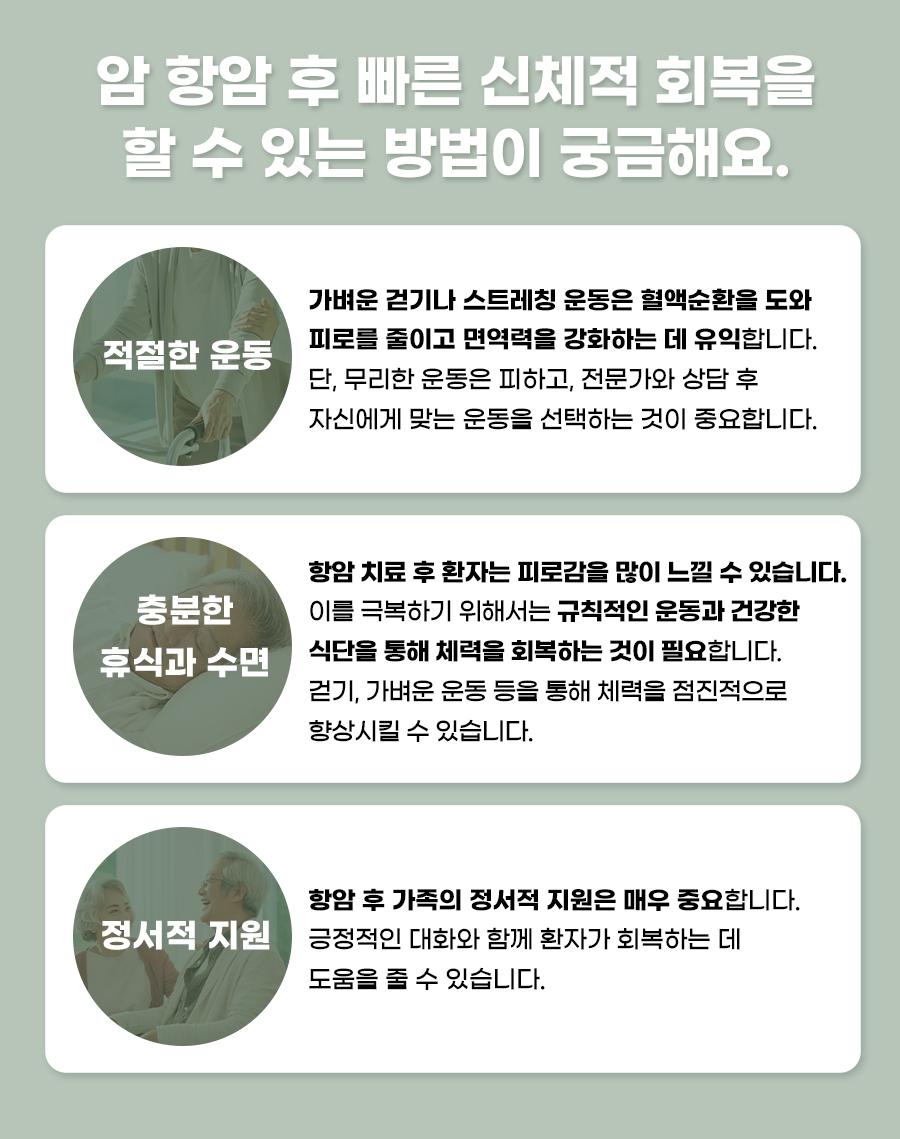
Patients whose family caregivers are exhausted or live far from the main cancer center, and who need a more accessible support base in Gwangju or Jeonnam.
Overseas patients staying in Korea for several months for cancer treatment who want structured support between chemotherapy sessions, including integrative options.
Patients who value a calmer, more natural environment near Mudeungsan for rest and mental recovery, while still having access to medical monitoring.
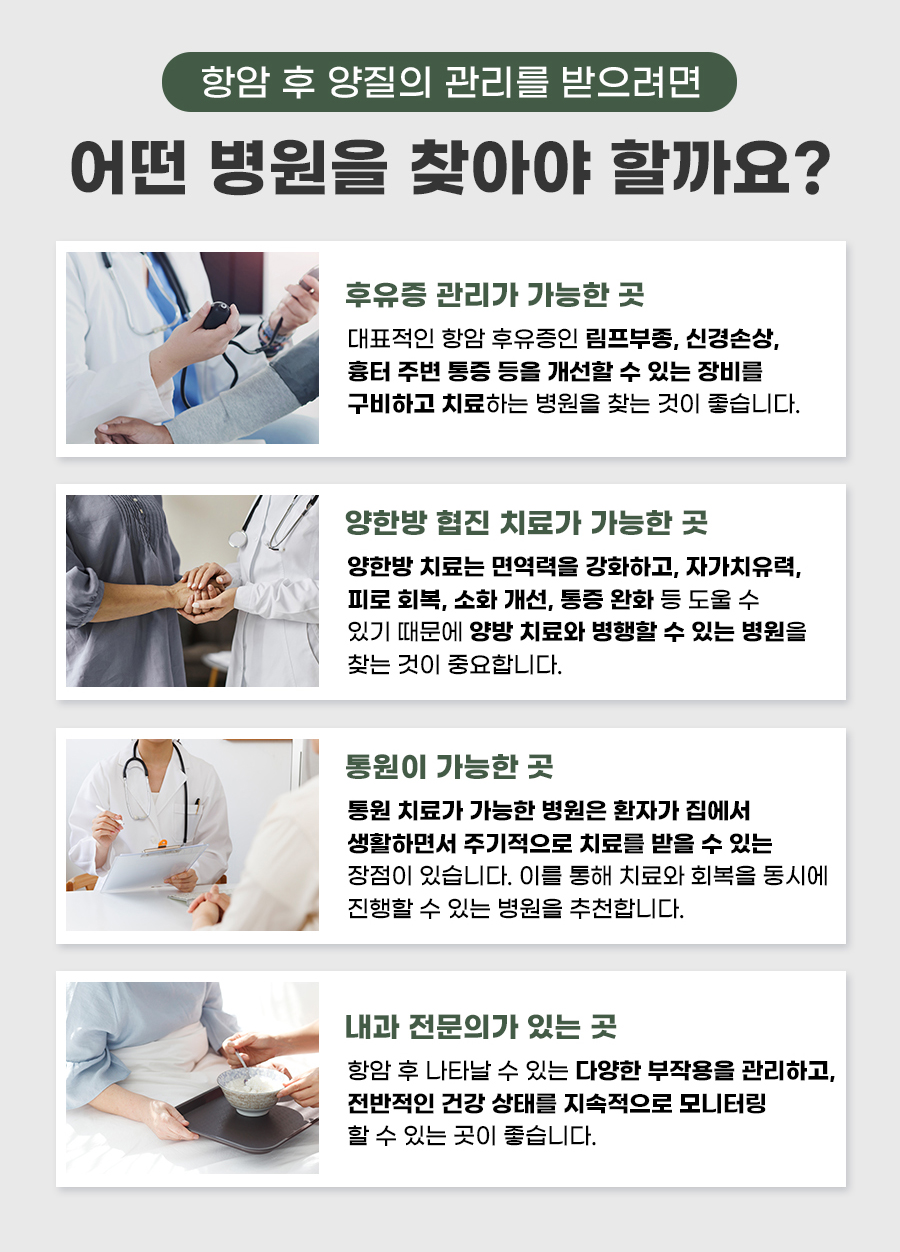
However, not everyone is a candidate for outpatient management. If you have uncontrolled pain or severe infection, are at high risk of acute complications, or need urgent interventions, you may require admission to a tertiary hospital. The decision should always be made together with your main oncology team.
Online consultation and pre-visit preparation for overseas patients
If you are considering coming to Gwangju or Jeonnam for outpatient care during chemotherapy, it is helpful to start with an online consultation. This allows the medical team to understand your situation and check whether the services they provide match your needs and safety requirements.
Before the online consultation, prepare the following documents in English or with a translated summary: recent oncology reports including diagnosis, stage, and pathology; your current chemotherapy regimen, including drug names, doses, and schedule; recent blood test results, especially blood counts, liver and kidney function; imaging reports such as CT, MRI, or PET-CT summaries; a list of all medications and supplements you are taking, including any herbal products; and a brief history of your main side effects so far, including when they started and what has helped.
During the online consultation, you can discuss which side effects are most troubling, your current energy level and daily routine, any previous experience with integrative or traditional medicine, your travel plans and how long you can stay in Korea, and whether you are interested in adjunctive hyperthermia therapy.
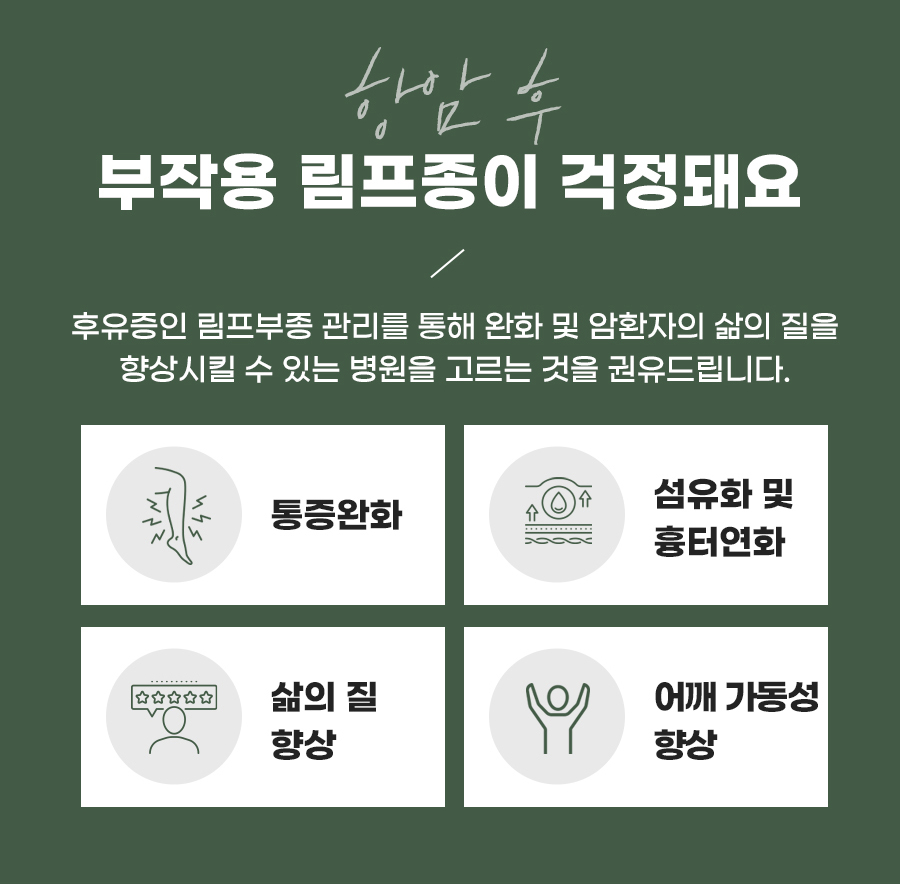
It is useful to prepare a checklist of questions, such as:
- How will you coordinate with my main oncologist in my home country or in Seoul?
- Which side effects can you realistically help manage on an outpatient basis?
- How often would you recommend visits between chemotherapy cycles?
- Is hyperthermia therapy appropriate for my cancer type and current treatment?
- What kind of accommodation is available nearby, and is there support for family members?
Expected Korea visit timeline for chemotherapy side effect care
Each patient’s plan will differ, but the following is a general outline of how an overseas patient might structure a visit to Gwangju and Jeonnam for outpatient support.
Before arrival, you complete online consultation, send medical records, and receive a preliminary plan. You coordinate dates with your chemotherapy schedule at your main cancer center. You also arrange accommodation in or near Dong-gu, Gwangju, close to the hospital and Mudeungsan entrance.
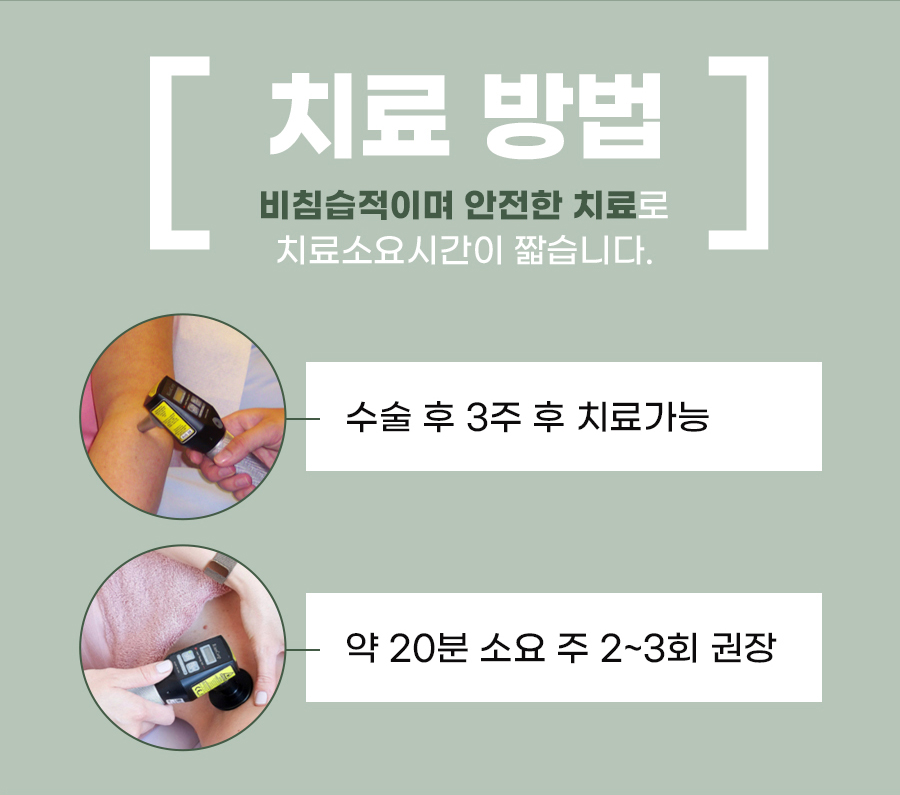
On arrival in Korea, you may have an in-person assessment at the recovery-focused hospital, including a detailed consultation, physical examination, and review of your latest lab results. The team confirms the plan for outpatient visits, any short-stay periods, and possible hyperthermia sessions. If needed, they may request additional blood tests or imaging.
During your stay, you attend scheduled outpatient visits shortly after each chemotherapy session or when side effects peak. Visits may include medical review, medication adjustment, intravenous hydration, acupuncture or integrative sessions, and optional hyperthermia. If your condition is more fragile, you may stay one or two nights for closer monitoring and rest.
Between visits, you rest at your accommodation, take gentle walks if possible in the Mudeungsan area, and follow dietary and self-care guidance provided by the team. You maintain communication with your main oncologist, sharing any important changes.
Before returning home, you have a final consultation to summarize your response to supportive care, update your medication list, and receive written recommendations for your local medical team. If you plan to return to Korea for further cycles, you can tentatively schedule future visits.
Aftercare and ongoing support
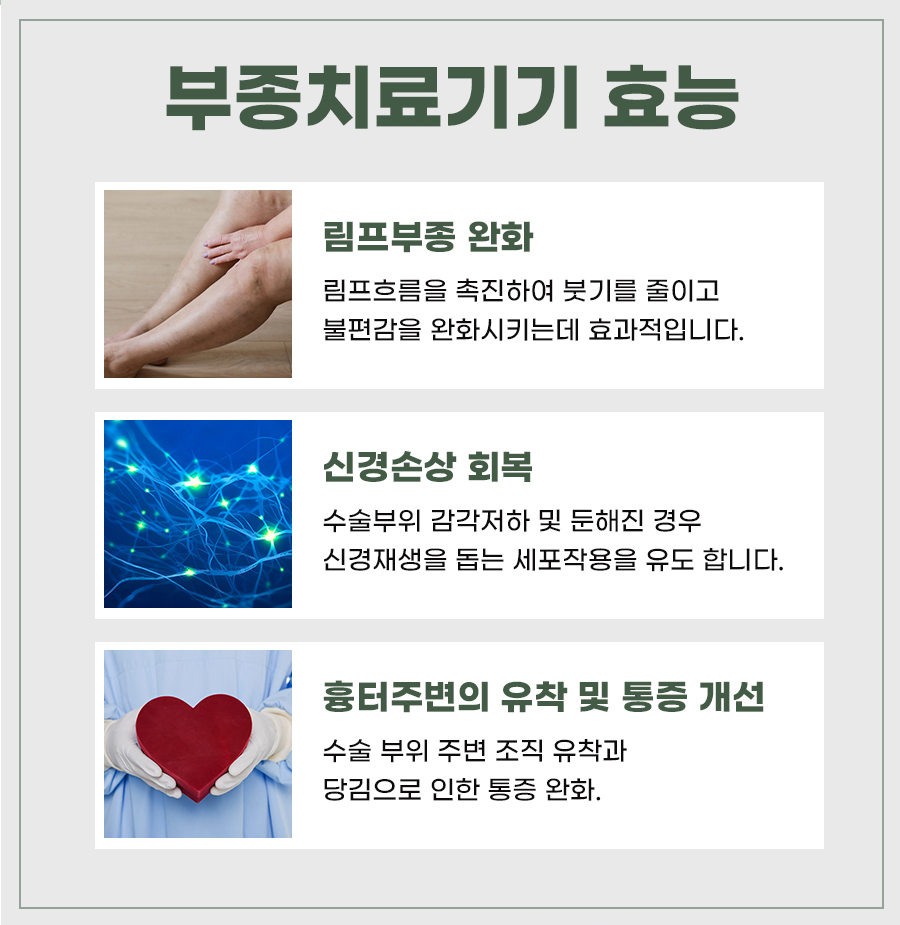
After you leave Korea or return to your main cancer center, ongoing support focuses on continuity and safety. The recovery-focused hospital can provide a written summary of your outpatient care, including treatments received, response, and any concerns, which you can share with your oncologist.
If needed, some centers offer follow-up online consultations to adjust supportive measures, answer questions about side effects, and help you prepare for future chemotherapy cycles. They may also give you self-care guidelines, such as tips for managing nausea at home, simple stretching or breathing exercises for fatigue and insomnia, and dietary suggestions to support digestion and appetite.
Because chemotherapy responses vary widely between individuals, it is important to stay flexible. If side effects become more severe or new symptoms appear, you should contact your main oncology team promptly rather than relying solely on outpatient supportive care.
Questions to ask before choosing a Jeonnam outpatient program
When comparing options in Gwangju and the wider Jeonnam region, it is helpful to look beyond location and cost. Consider asking each hospital:
How do you communicate with my main oncology team, and can you share records in English?
What is your experience in managing chemotherapy side effects for international patients?
Which integrative therapies do you offer, and how do you check for interactions with chemotherapy drugs?
What are the typical schedules and durations of hyperthermia sessions, and how do you monitor safety during treatment?
Do you provide short-stay beds or rooms if I am too weak to return to my accommodation on the same day?
Is there support for language interpretation during consultations and treatments?
You may want to write these questions down before contacting each hospital. During initial calls or emails, you can compare how clearly they answer, how transparent they are about what they can and cannot do, and how willing they are to coordinate with your existing medical team. This process can help you feel more confident in your choice.
Frequently asked questions
What chemotherapy side effects can usually be managed on an outpatient basis?
Many common side effects can be supported safely without full hospitalization, including mild to moderate nausea, appetite loss, constipation or diarrhea, fatigue, mild neuropathy, and sleep disturbance. Outpatient clinics can provide medication adjustment, intravenous fluids, and integrative therapies to ease these symptoms. However, severe symptoms such as high fever, uncontrolled vomiting, sudden shortness of breath, or chest pain require urgent evaluation at a tertiary hospital or emergency department.
Is adjunctive hyperthermia therapy safe for all cancer patients?
Hyperthermia therapy is not suitable for everyone. Its safety and potential benefit depend on your cancer type, stage, treatment plan, and general health. Patients with certain heart conditions, uncontrolled infections, or very low performance status may not be good candidates. Before starting hyperthermia, the medical team should review your records and discuss the plan with your main oncologist. Continuous monitoring during sessions and careful adjustment of treatment intensity are important for safety.
Can I combine integrative Korean medicine with my chemotherapy?
In many cases, integrative Korean medicine can be used alongside chemotherapy as supportive care, but it must be done carefully. Some herbs and supplements can interact with chemotherapy drugs or affect liver metabolism. It is essential to provide a full list of everything you are taking and to allow the team to communicate with your oncologist. Treatment should be individualized, and you should avoid starting new herbal products on your own during chemotherapy without medical advice.
How long should I plan to stay in Gwangju or Jeonnam for outpatient support?
The ideal length of stay depends on your chemotherapy schedule and overall condition. Some overseas patients plan to stay for one or two cycles, which may mean several weeks in Korea, with outpatient visits between infusions. Others come for a shorter period, such as a two to three week recovery phase after intensive treatment in Seoul. During online consultation, you can discuss your travel limitations, and the team can suggest a realistic timeline that balances medical benefit with practical considerations.
Soft call to action for online consultation
If you are receiving chemotherapy and finding it difficult to manage side effects on your own, especially if you are staying in or near Jeonnam and Gwangju, it may be helpful to explore structured outpatient support.
Before making any travel decisions, consider arranging an online consultation. Share your medical records, explain your current challenges, and ask detailed questions about what kind of support is realistically available. With clear information and a coordinated plan, outpatient care in Jeonnam can become a practical part of your overall cancer treatment journey, helping you focus not only on fighting the disease but also on maintaining daily comfort and quality of life.
- 공유 링크 만들기
- X
- 이메일
- 기타 앱


댓글
댓글 쓰기