Jeonnam outpatient care for chemotherapy side effects near Mudeungsan
- 공유 링크 만들기
- X
- 이메일
- 기타 앱
Direct answer summary
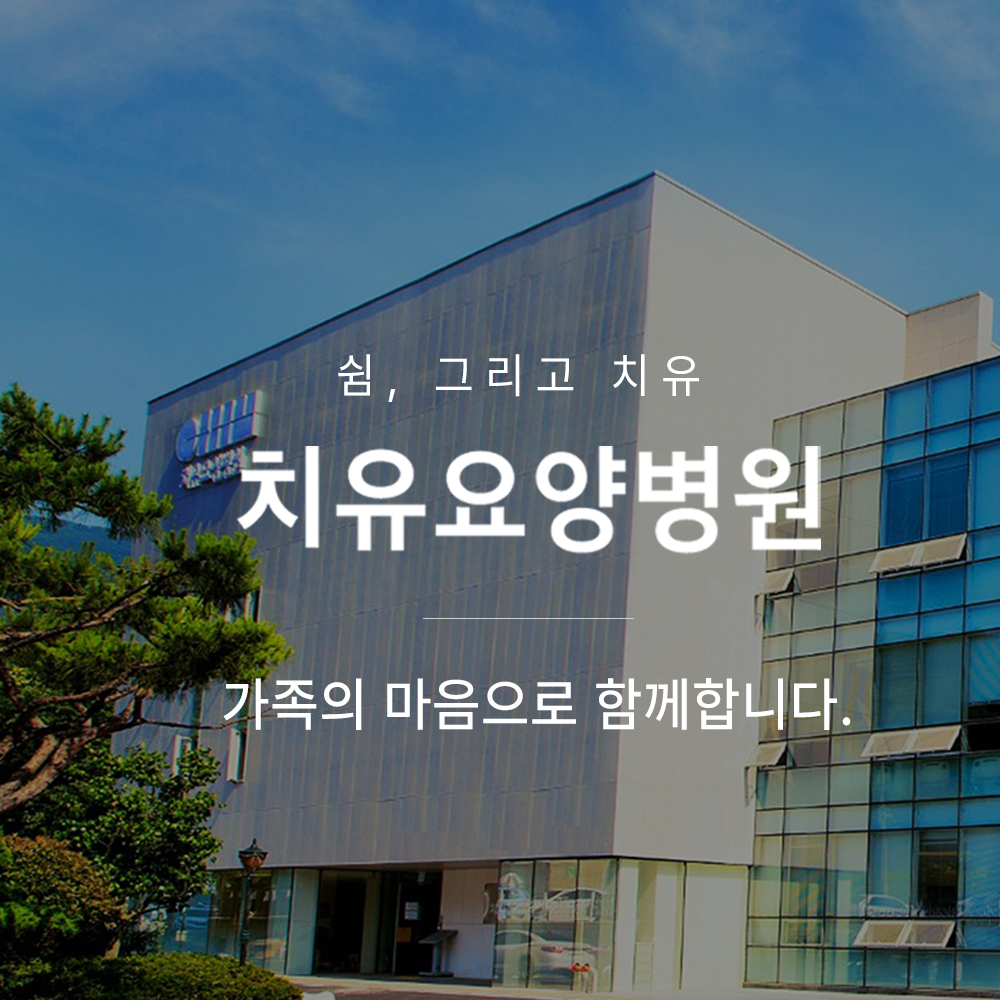
In Gwangju Dong-gu, near the entrance to Mudeungsan National Park, there is a convalescent hospital model where you can visit as an outpatient or stay for a short period between chemotherapy cycles.
This guide explains how such outpatient care for chemotherapy side effects works in practice, who may consider it, how to prepare from overseas, what a typical visit timeline to Korea looks like, and what to expect after you return home.
What outpatient care for chemotherapy side effects means in Jeonnam
Outpatient care for chemotherapy side effects in Jeonnam refers to a model where you continue your main cancer treatment at a tertiary hospital, while visiting a nearby convalescent hospital on specific days for supportive care.
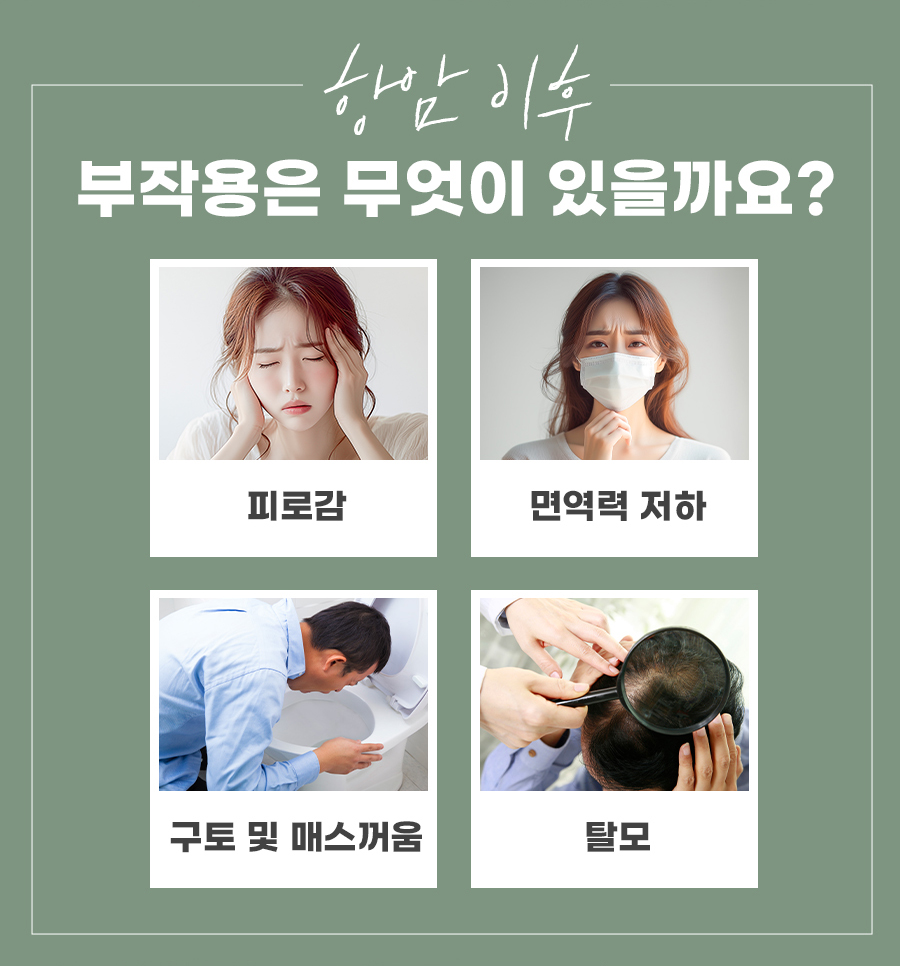
Instead of being admitted for weeks or months, many patients come for a few hours at a time. During these visits, the medical team focuses on easing symptoms such as nausea, vomiting, loss of appetite, fatigue, neuropathy, digestive problems, and sleep disturbance. They also monitor your general condition and adjust supportive medications where appropriate.
In Gwangju Dong-gu, at the entrance to Mudeungsan National Park, Chiu Convalescent Hospital offers outpatient and short-stay supportive care. The hospital describes itself as a recovery base for patients who have undergone surgery, chemotherapy, or radiation at major cancer centers in the region and in Seoul.
How this support fits with your main cancer treatment
Your main oncologist at a tertiary hospital remains responsible for your chemotherapy plan and cancer control. Outpatient care in Jeonnam does not replace this role.
Instead, the convalescent hospital team focuses on what happens between chemotherapy sessions. For example, you may:
Visit a few days after chemotherapy to control nausea and digestive issues.
Come once or twice a week for acupuncture or moxibustion to help with fatigue and neuropathy.
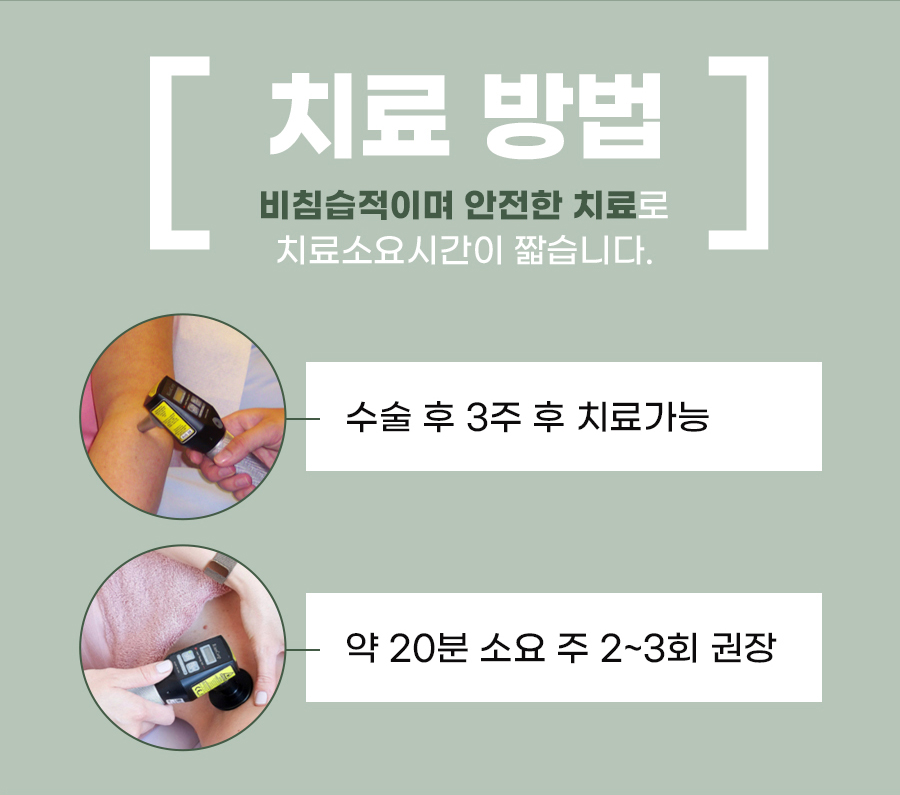
Schedule hyperthermia sessions as an adjunctive therapy, if your oncology team agrees.
Meet with staff for nutrition counseling and to adjust your diet according to your current condition.
When needed, the internal medicine specialists can communicate with your main oncology team, sharing information about your side effects, lab results available in a convalescent setting, and overall recovery status. This coordination helps keep your care consistent and safe.
Who may consider outpatient care between chemotherapy cycles
This model is suitable for many types of cancer patients who are already under active treatment at a tertiary hospital. It can be considered if you:
Receive chemotherapy or targeted therapy and experience persistent side effects such as fatigue, nausea, or poor appetite.
Live in Jeonnam, Gwangju, or nearby regions and want to reduce travel time for supportive care.
Prefer to stay at home or in a nearby guesthouse rather than being admitted for long periods.
Need a short period of more intensive support between chemotherapy cycles, then plan to return home or to your main treating hospital.
Overseas patients may also consider this option if they are in Korea for a period of treatment or follow-up and wish to stay in a quieter environment while managing side effects. The location near Mudeungsan offers a calm setting that can be less stressful than staying in a large city center.
Medical team and safety at the convalescent hospital
One of the main concerns families have about convalescent hospitals is the medical standard. Medical care is overseen by internal medicine specialists who have held leadership positions at university hospitals; this level of experience may reassure patients who are accustomed to university hospital standards.
These internal medicine specialists monitor your general condition, check vital signs, review medications, and order appropriate tests that can be done in a convalescent environment. They pay attention to blood counts, hydration status, and organ function as appropriate, and they can adjust supportive medications such as anti-nausea drugs, pain control, and sleep aids.
A Korean medicine director with experience in multiple Korean medicine and convalescent hospitals works together with the internal medicine team. This creates an integrative model where Western internal medicine and Korean medicine are delivered in one facility, with communication between the teams.
This structure is important for safety. It means that any Korean medicine treatment, such as herbal prescriptions or acupuncture, is considered in the context of your current chemotherapy, blood counts, and organ function.
Outpatient and short-term programs for side-effect management
In Jeonnam outpatient care for chemotherapy side effects is organized into flexible programs rather than long-term admission.
Typical outpatient visit patterns
Patients often visit:
On specific weekdays for acupuncture, moxibustion, or cupping to help with fatigue, neuropathy, or digestive discomfort.
In the days immediately after chemotherapy for intravenous fluids, anti-nausea medication adjustment, and observation.
Every one or two weeks for check-ups with internal medicine specialists, review of symptoms, and nutrition counseling.
On scheduled days for hyperthermia therapy, if this is part of their supportive plan.
Each visit usually lasts from one to several hours, depending on the combination of services. Afterward, patients return home or to their accommodation.
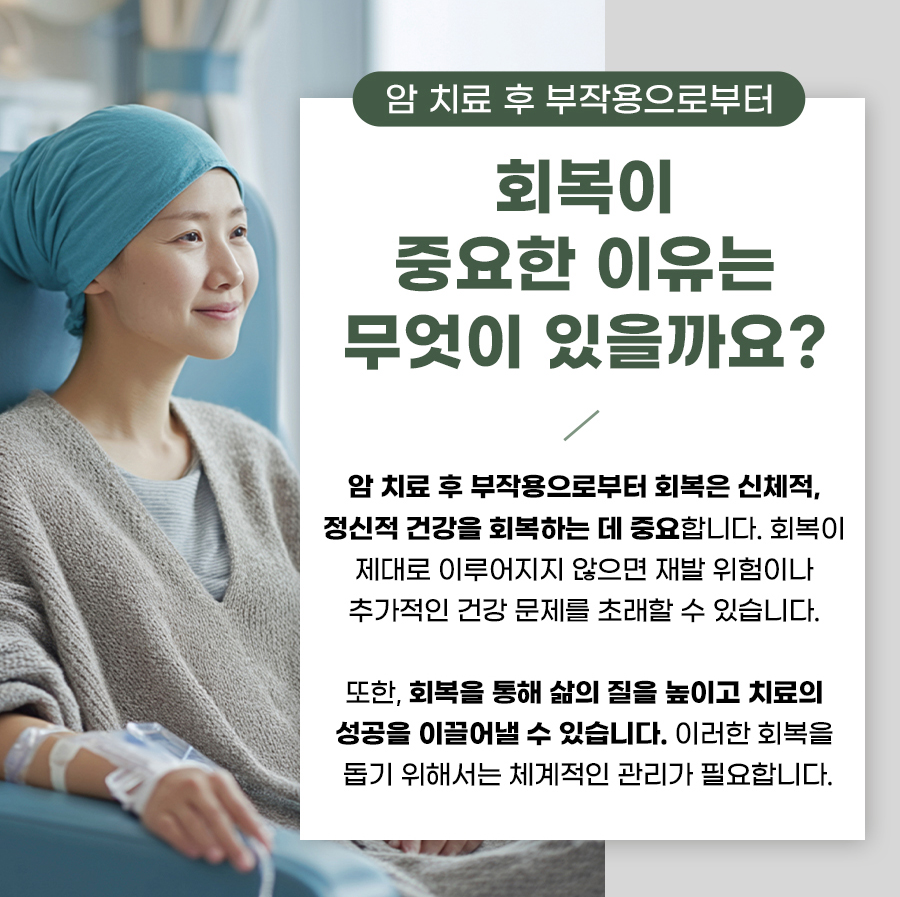
Short-term admission between cycles
For some patients, a short stay of about two weeks between chemotherapy cycles is helpful. This is not a long-term nursing home style admission. Instead, it is a focused period to:
Recover strength after an intensive chemotherapy session.
Stabilize eating patterns and digestive function.
Receive repeated integrative treatments such as acupuncture, herbal support, and hyperthermia.
Allow close monitoring by internal medicine specialists when side effects are more intense.
After this period, patients usually return home or go back to their main treating hospital for the next chemotherapy cycle. Families often find this less burdensome than indefinite admission, because it has a clear time frame and goal.
Integrative Western and Korean medicine approach
In this setting, integrative care means that Western internal medicine and Korean medicine are used together to support your body.
Western internal medicine support
The internal medicine team focuses on:
Medication adjustment for nausea, pain, and sleep.
Fluid therapy for dehydration or poor oral intake.
Nutritional support, including oral supplements and guidance on meal patterns.
Monitoring of blood counts and organ function as appropriate to a convalescent setting.
Assessment of neuropathy, dizziness, and other chemotherapy-related issues.
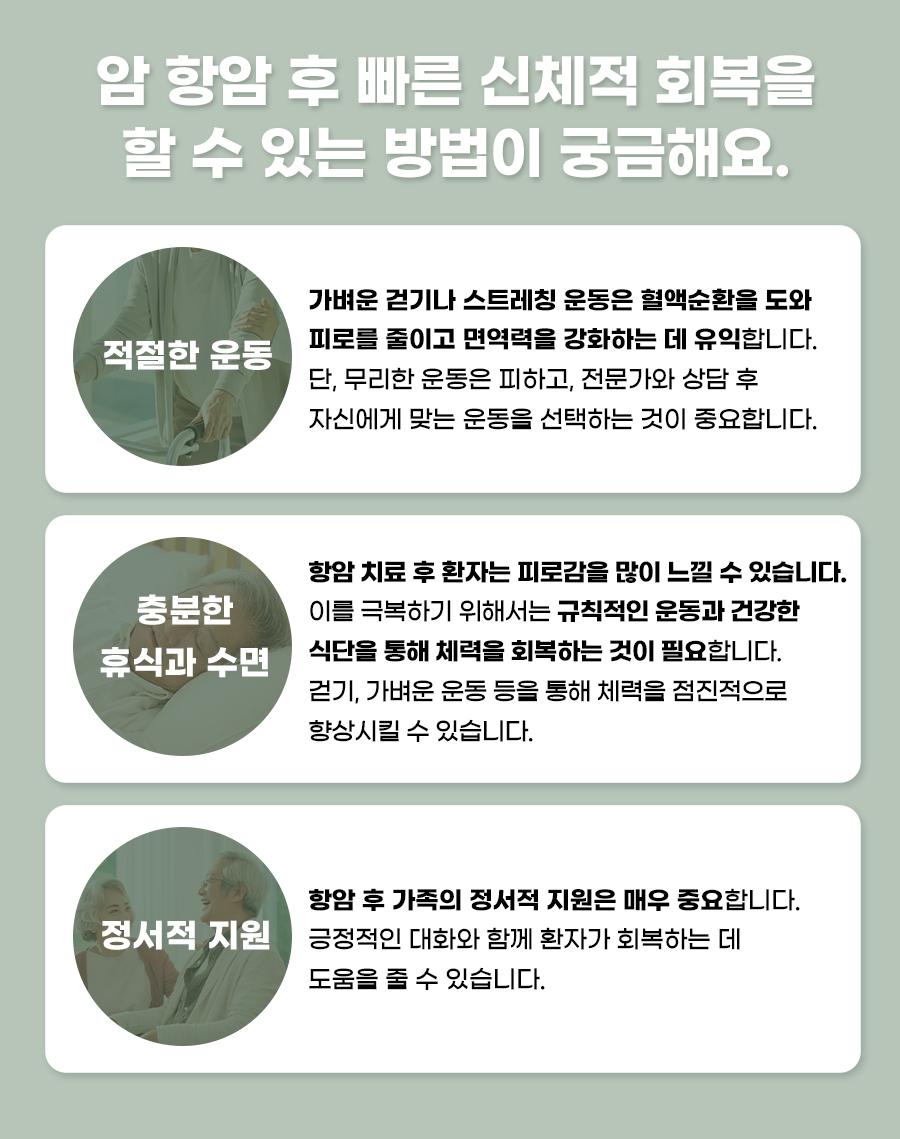
They also help evaluate whether certain symptoms may require you to return to your main hospital earlier than planned.
Korean medicine options
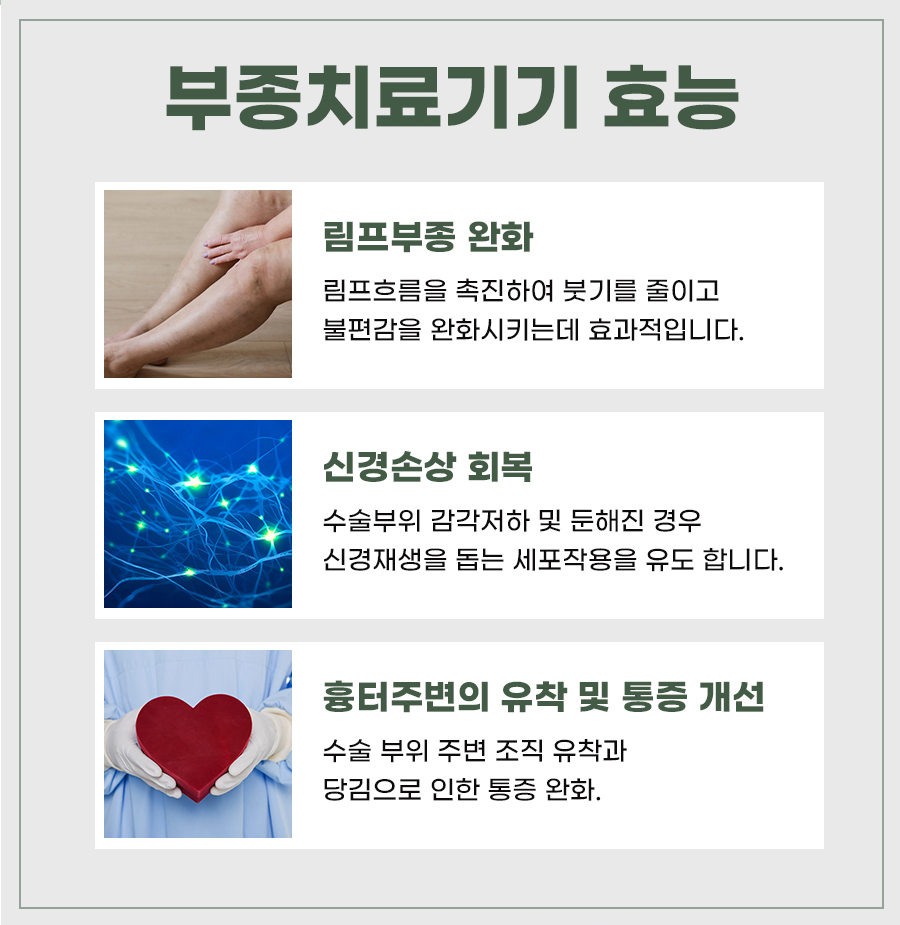
Under the supervision of a licensed Korean medicine doctor, patients may be offered complementary therapies. The evidence for benefits varies by therapy, and patients should discuss potential risks, timing, and interactions with their oncologist and Korean medicine practitioner before starting any treatment.
Moxibustion and cupping to support circulation and warmth in weak areas.
These therapies aim to ease discomfort and support recovery, not to replace chemotherapy or other standard cancer treatments. Before starting herbal medicine, the team considers your liver and kidney function, blood counts, and current drug regimen.
It is used as an adjunctive therapy, not a replacement for chemotherapy, surgery, or radiation.
Hyperthermia sessions are usually scheduled on specific days. The goal is to provide local or regional heating under controlled conditions. Patients often combine hyperthermia with other supportive measures such as acupuncture and nutrition counseling on the same day, depending on their strength.
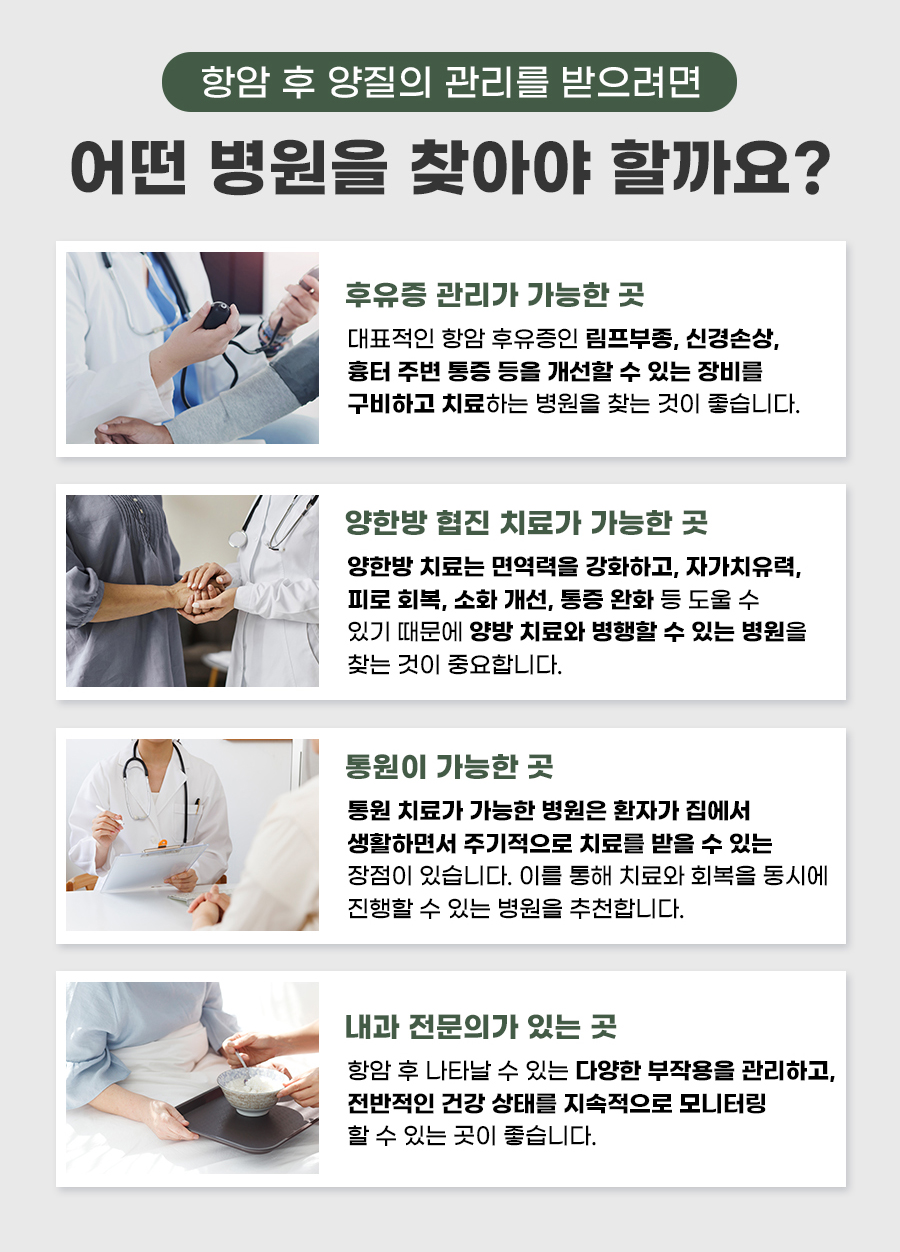
Cancer nutrition and diet therapy
Nutrition is a central part of outpatient care for chemotherapy side effects in Jeonnam. Many patients struggle with appetite loss, taste changes, nausea, and weight loss.
At the convalescent hospital, a structured anti-cancer diet and healing meal plan is provided for inpatients and short-stay patients. Meals are designed to be gentle on the stomach, balanced in nutrients, and adapted to the common needs of patients undergoing chemotherapy.
For outpatients, nutrition counseling can help you adjust meals at home. Topics may include:
How to eat small, frequent meals when appetite is low.
Which foods are easier to digest during chemotherapy.
Hydration strategies when nausea is present.
How to modify traditional dishes to be lighter yet nourishing.
Natural healing environment near Mudeungsan
Location matters when you are dealing with chemotherapy fatigue and stress. This convalescent hospital is located at the entrance of Mudeungsan National Park in Gwangju Dong-gu, within the broader Jeonnam medical catchment area.
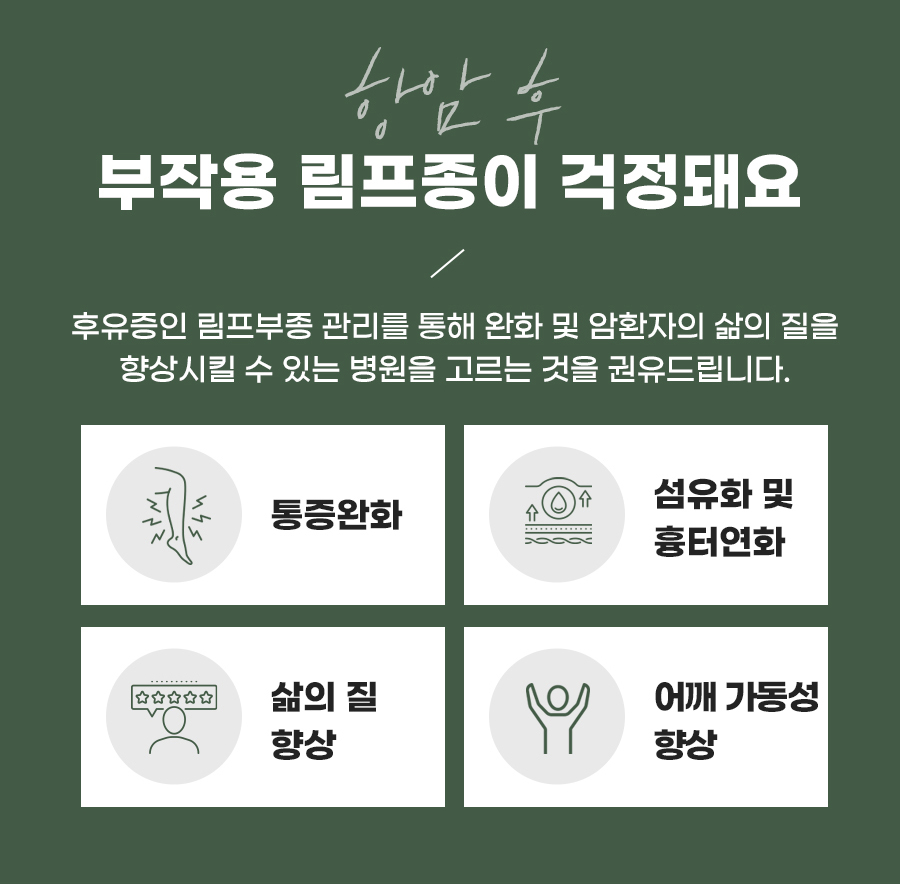
The surrounding environment includes clean mountain air, cypress forests that release phytoncides, and clear valley walking paths. Gentle walking trails are suitable for light exercise, which can help with circulation, mood, and sleep.
Within the hospital grounds, there are quiet healing rooms, emotional rest areas, and walking routes. Patients can sit by windows with mountain views, rest in calm spaces, or take short walks as their strength allows.
Emotional and cultural programs, such as small poetry or art events, are sometimes organized to support mental well-being. These activities are not intense; they are designed to provide gentle stimulation and a sense of normal life during a long treatment journey.
Who this Jeonnam model is especially helpful for
Cancer patients and families in Jeonnam, Gwangju, and nearby regions may find this model helpful if they:
Travel regularly to Hwasun Chonnam National University Hospital, Chonnam National University Hospital, or other tertiary centers for chemotherapy.
Need a calm place to recover between sessions without moving far from their main hospital.
Prefer outpatient or short-stay options rather than committing to long-term hospitalization.
Value integrative care that combines Western internal medicine with Korean medicine.
Overseas patients staying in Korea for treatment may also appreciate the combination of medical oversight, integrative therapies, and a natural environment close to a national park.
Online consultation and pre-visit preparation for overseas patients
If you are considering Jeonnam outpatient care for chemotherapy side effects from overseas, an online consultation is the safest first step. While each hospital has its own system, you can generally expect the following process.
Information to prepare
Before your online consultation, it is helpful to prepare:
Recent medical records, including diagnosis, stage, and treatment plan from your main hospital.
A list of chemotherapy drugs, targeted therapies, or immunotherapies you are receiving, with dates and cycles.
Recent blood test results, especially liver, kidney, and blood counts.
A summary of your main side effects, their severity, and what medications you are currently using for symptom control.
Any known allergies or past reactions to medications or herbal products.
You may be asked to send these documents in advance so that the internal medicine specialists and Korean medicine doctor can review them before speaking with you.
Questions to ask during online consultation
During the online consultation, you can ask practical questions such as:
Which outpatient services are suitable for my current condition.
Whether short-term admission between cycles is recommended.
How often I should plan to visit for acupuncture, hyperthermia, or nutrition counseling.
What kind of monitoring is possible in a convalescent setting and when I should go directly to a tertiary hospital.
How integrative treatments will be coordinated with my main oncology team.
This discussion helps set realistic expectations and ensures that your supportive care plan is aligned with your main cancer treatment.
Expected Korea visit timeline for outpatient or short-stay care
The exact schedule will depend on your chemotherapy cycle and travel plans, but a typical pattern for an overseas patient might look like this.
Arrival and initial assessment
You arrive in Korea and settle in Gwangju or a nearby area. Within the first few days, you visit the convalescent hospital for an initial assessment. The internal medicine specialists review your records, perform a physical examination, and discuss your symptoms and goals.
If you are planning a short-term admission, this may begin soon after the assessment. If you prefer outpatient care only, your first integrative treatment sessions may start on the same day or within a few days.
Support between chemotherapy cycles
If you are receiving chemotherapy at a tertiary hospital in Korea, you might:
Have chemotherapy at the tertiary hospital.
Move to the convalescent hospital for a short stay of about two weeks, focusing on recovery and side-effect management.
Return to the tertiary hospital for the next chemotherapy cycle.
Alternatively, if you are not receiving active chemotherapy in Korea but are recovering from previous treatment, you may simply follow an outpatient schedule of several visits per week for a few weeks.
Pre-departure review
Before you return to your home country, a final review with the internal medicine team can summarize your progress, current medications, and recommendations for ongoing self-care. You can request a summary document to share with your main oncologist at home.
Aftercare and follow-up once you return home
After you leave Korea, your main oncology team continues to lead your cancer treatment. However, some aspects of the Jeonnam outpatient care model can be continued at home.
You may:
Share the discharge summary and supportive care recommendations with your local doctors.
Continue gentle diet adjustments and meal patterns that worked well for you.
Practice light exercise and breathing techniques learned during your stay.
Seek local practitioners for acupuncture or similar therapies, if your oncologist agrees.
Some convalescent hospitals can offer periodic online follow-up consultations to review your condition, though any major decisions about chemotherapy or new medications should be made with your main oncology team.
Frequently asked questions
Is outpatient care for chemotherapy side effects in Jeonnam safe if I am already treated at a tertiary hospital
Outpatient supportive care in Jeonnam is designed to work alongside your main treatment, not to replace it. At this convalescent hospital, internal medicine specialists with university hospital leadership experience oversee care, and a Korean medicine doctor provides integrative therapies in coordination with them. Safety depends on clear communication of your current treatment and regular contact with your main oncology team, so sharing up-to-date records is important.
Can I use hyperthermia and Korean medicine instead of chemotherapy
Hyperthermia and Korean medicine treatments offered in this setting are adjunctive therapies. They are intended to support symptom relief and recovery, not to replace chemotherapy, surgery, or radiation. Decisions about starting, stopping, or changing chemotherapy should always be made with your main oncologist at a tertiary hospital.
How long do I need to stay if I want short-term admission between chemotherapy cycles
Short-term admission programs are usually around two weeks, focused on recovery between chemotherapy sessions. The exact length can vary depending on your condition, travel schedule, and the timing of your next cycle. Some patients alternate between short stays and outpatient visits, while others use only outpatient care. This should be discussed during your initial or online consultation.
What kind of side effects can be helped through outpatient care in Jeonnam
Common chemotherapy-related problems that may be supported include nausea, vomiting, loss of appetite, fatigue, neuropathy, digestive issues such as constipation or diarrhea, and sleep disturbance. Integrative care can also help with anxiety and emotional stress. However, severe or sudden symptoms such as high fever, uncontrolled pain, or heavy bleeding require urgent evaluation at a tertiary hospital or emergency department.
Soft call to action for online consultation
If you or a family member are receiving chemotherapy at a major cancer center and are looking for Jeonnam outpatient care for chemotherapy side effects, it may be helpful to explore a structured supportive-care base near Mudeungsan. An online consultation with the team at Chiu Convalescent Hospital can clarify whether outpatient visits, short-term admission, or a combination of integrative therapies is suitable for your situation.
By preparing your medical records and questions in advance, you can use this consultation to design a realistic, safe plan that supports your recovery between chemotherapy cycles while respecting the treatment decisions of your main oncology team.
- 공유 링크 만들기
- X
- 이메일
- 기타 앱


댓글
댓글 쓰기