Jeonnam outpatient cancer treatment and integrative recovery near Mudeungsan
- 공유 링크 만들기
- X
- 이메일
- 기타 앱
For patients and families in the Jeonnam region, outpatient cancer treatment usually means this: you continue to receive surgery, chemotherapy, and radiation at large university hospitals or cancer centers, while visiting a nearby convalescent hospital on an outpatient basis for symptom control, recovery support, and integrative therapies. This approach does not replace your main anti-cancer treatment. Instead, it aims to help you cope better with side effects, fatigue, nutrition, and emotional stress between visits to your main oncology team.
In Gwangju, near the entrance to Mudeungsan National Park in the Jeungsimsa area, Chiu Convalescent Hospital offers this kind of outpatient and short-stay cancer recovery support. Led by experienced internal medicine specialists, the facility works as a recovery hub that cooperates with major tertiary hospitals in Gwangju and Hwasun.
What outpatient cancer treatment means in Jeonnam
In the Jeonnam area, most active cancer treatment is concentrated in tertiary hospitals such as large university hospitals and regional cancer centers. These centers provide surgery, chemotherapy, radiation therapy, and targeted or immunotherapy according to international guidelines.
However, many patients find that once they leave the tertiary hospital after a treatment session, they still struggle with pain, nausea, sleep problems, weakness, or emotional distress at home. Family members may feel unsure how to support them day to day.
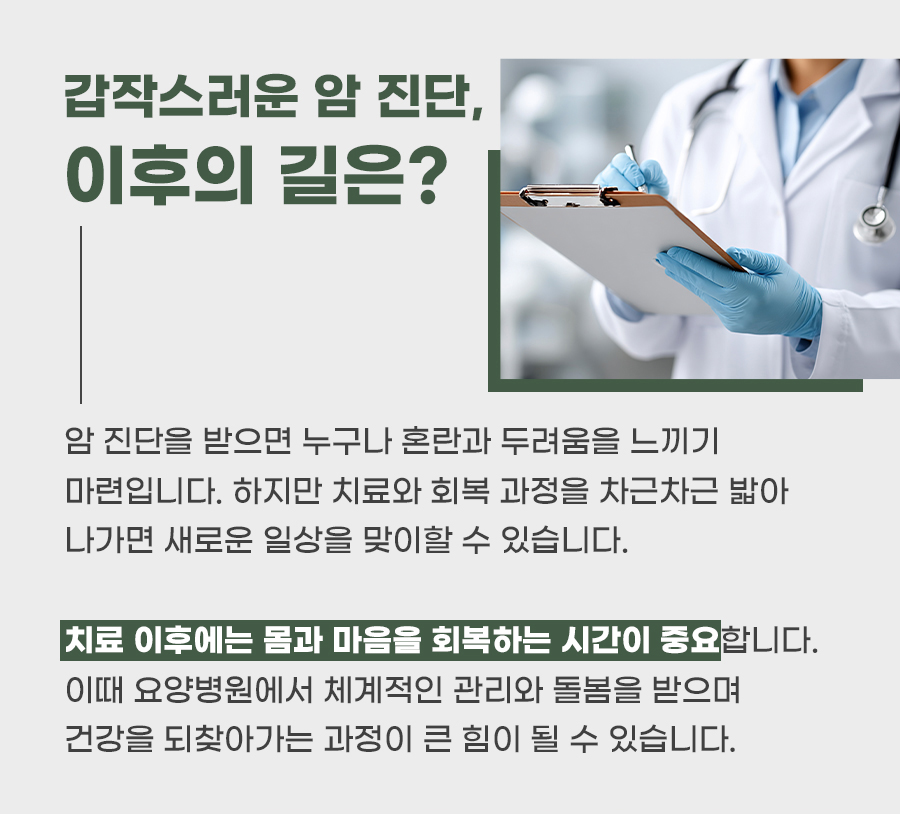
Outpatient cancer care at a convalescent hospital is designed to fill this gap. Patients continue their main treatment at their usual tertiary hospital, but they can visit a specialized convalescent facility as outpatients to receive:
- Symptom management and monitoring between chemotherapy or radiation sessions
- Support for fatigue, appetite loss, digestive problems, neuropathy, and insomnia
- Guidance on nutrition and an anti-cancer diet
- Integrative therapies such as acupuncture or hyperthermia, when appropriate
- Emotional and mental health support in a calm environment
This model is particularly useful for patients living in Jeonnam who travel regularly to Gwangju or Hwasun for treatment. Instead of going straight home after a demanding hospital visit, they can schedule outpatient supportive care nearby on the same day or on separate days.
Medical leadership and safety in a convalescent setting
Many cancer patients and families worry that convalescent hospitals may not be medically equipped for complex conditions. At this facility in Gwangju, the medical team is led by two internal medicine specialists who previously served as presidents of a university hospital.
This leadership is important for several reasons:
They are familiar with how tertiary hospitals manage chemotherapy, targeted therapy, and radiation.
They understand which symptoms require urgent referral back to a tertiary center.
They can coordinate supportive care so that it does not interfere with your main oncology treatment.
They can review your test results, medication list, and treatment schedule from your main hospital and adjust supportive measures accordingly.
For cancer patients who still need close monitoring, this helps reduce the fear that moving into a convalescent environment means a lower standard of care. Instead, the facility positions itself as an extension of the medical system, focusing on recovery and quality of life while respecting the treatment plan set by your oncology team.
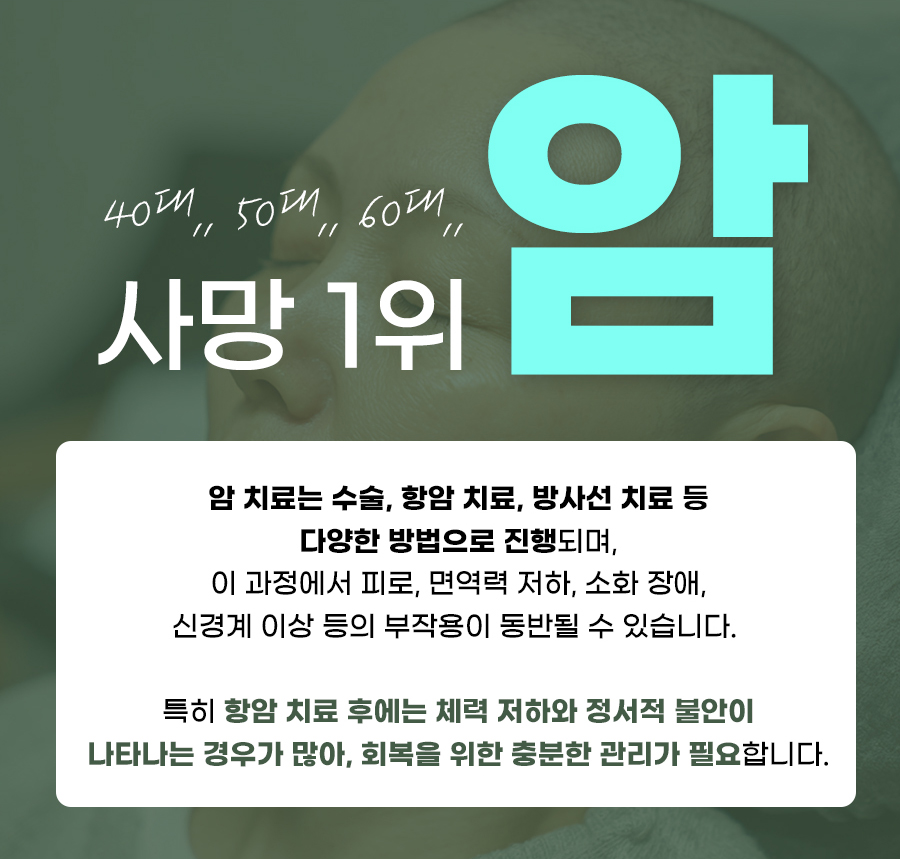
Outpatient program line-up for cancer patients
The outpatient services for cancer patients are structured so that you do not have to be admitted long-term to benefit. Typical components include:
Outpatient visits for symptom management
During a regular outpatient visit, the internal medicine team will:
Review your current chemotherapy or radiation schedule
Ask about recent side effects such as nausea, vomiting, neuropathy, diarrhea or constipation, insomnia, or pain
Check vital signs and general condition
Adjust supportive medications such as anti-nausea drugs, pain control, or sleep aids when appropriate
Decide whether additional tests or referral back to your tertiary hospital are needed
Coordination with existing oncology treatment plans
The facility does not change or stop chemotherapy, targeted therapy, or radiation that has been planned by your main oncology team. Instead, staff members:
Record your treatment schedule from the tertiary hospital
Plan outpatient supportive sessions on days that fit your energy level
Communicate with your main hospital when necessary, especially if new symptoms appear
Ensure that any complementary therapies are timed safely around chemotherapy or radiation
Access to integrative therapies without long-term admission
Many patients would like to try integrative options but do not want to commit to long-term admission. At this facility, you can access certain therapies in an outpatient format, such as:
- Acupuncture and moxibustion for nausea, neuropathy, or sleep problems
- Cupping and other traditional techniques to ease muscle tension and fatigue
- Herbal medicine, when appropriate, with monitoring by internal medicine specialists
- High-frequency hyperthermia sessions as an adjunct to standard care
This structure allows you to come for specific treatments, then return home the same day.
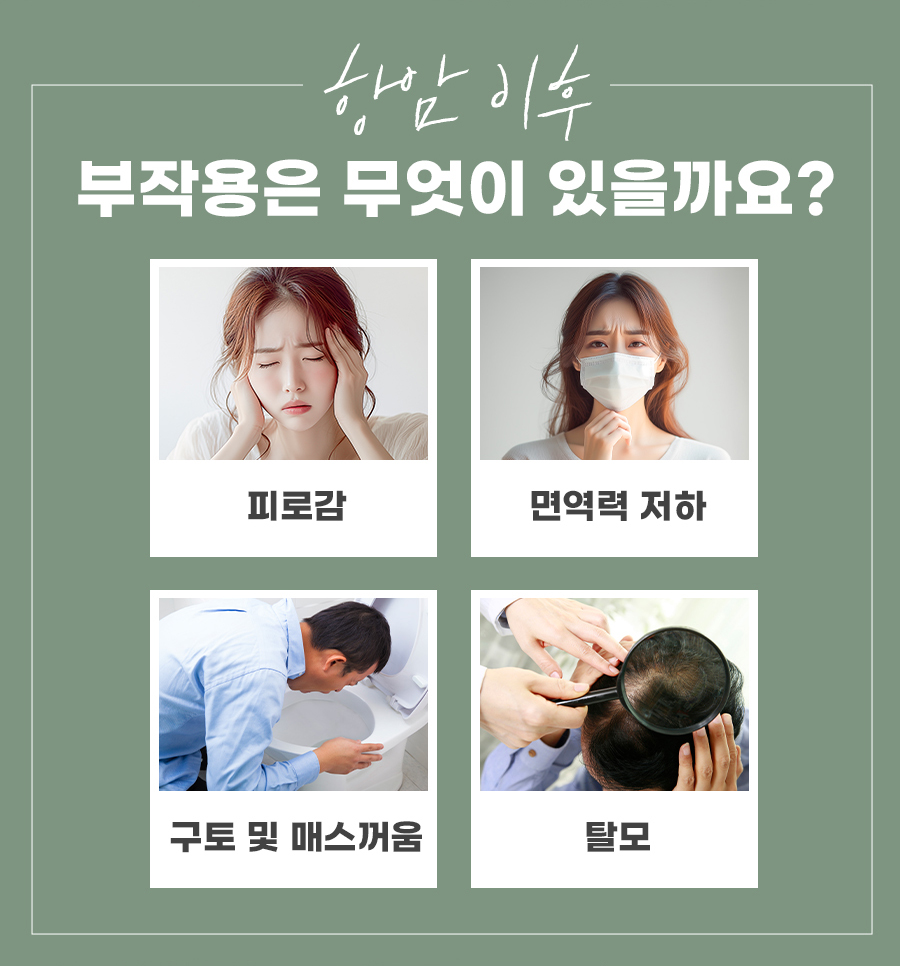
Integrative approach: Western internal medicine and traditional medicine together
A key feature of this hospital is the collaboration between Western internal medicine specialists and a traditional medicine doctor in one facility. This integrative model is designed to support patients who want broader options while maintaining medical safety.
Acupuncture and related therapies
Acupuncture, moxibustion, and cupping may be considered for:
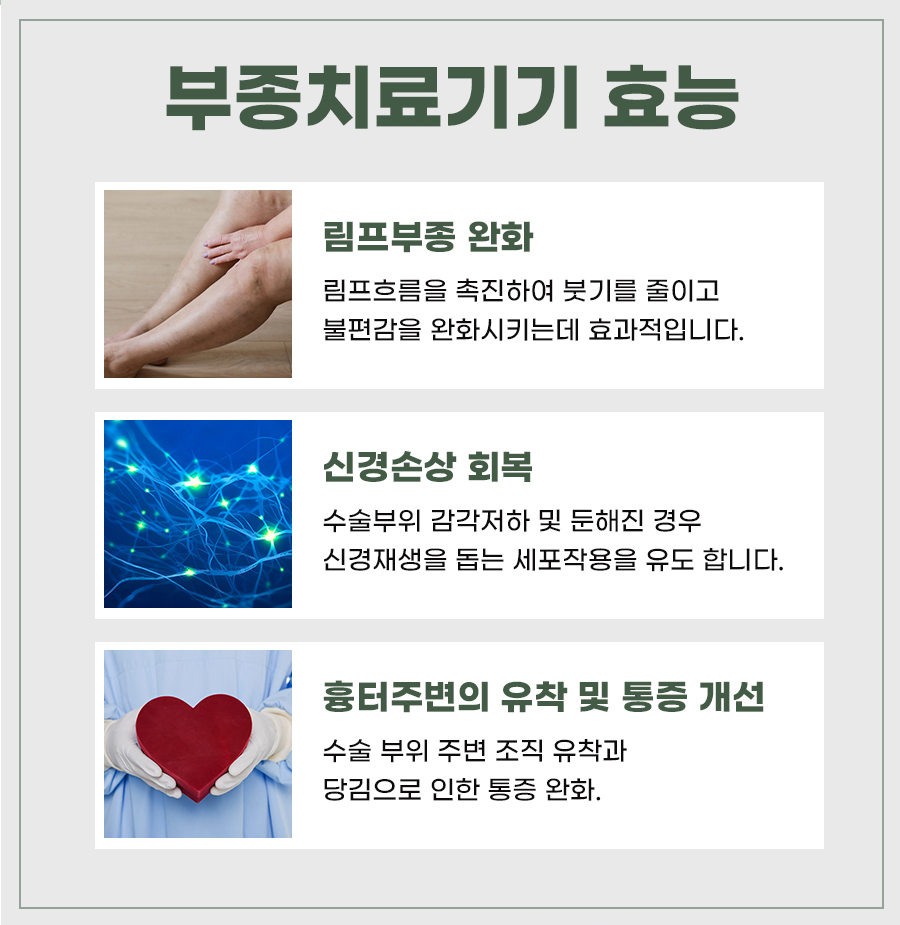
- Chemotherapy-related nausea and vomiting
- Peripheral neuropathy such as tingling or burning in hands and feet
- Digestive issues like bloating, constipation, or diarrhea
- Insomnia, anxiety, or general restlessness
Because internal medicine specialists are on site, they can review your blood counts, liver and kidney function, and medication list before you start these therapies. This helps reduce the risk of interactions or complications.
Herbal medicine under medical supervision
Some patients are interested in herbal formulas to support appetite, digestion, or energy levels. At this facility, any herbal medicine is prescribed by a traditional medicine doctor, but internal medicine specialists remain involved to:
- Check for possible interactions with chemotherapy or targeted drugs
- Monitor laboratory results over time
- Adjust or stop herbs if liver or kidney function changes
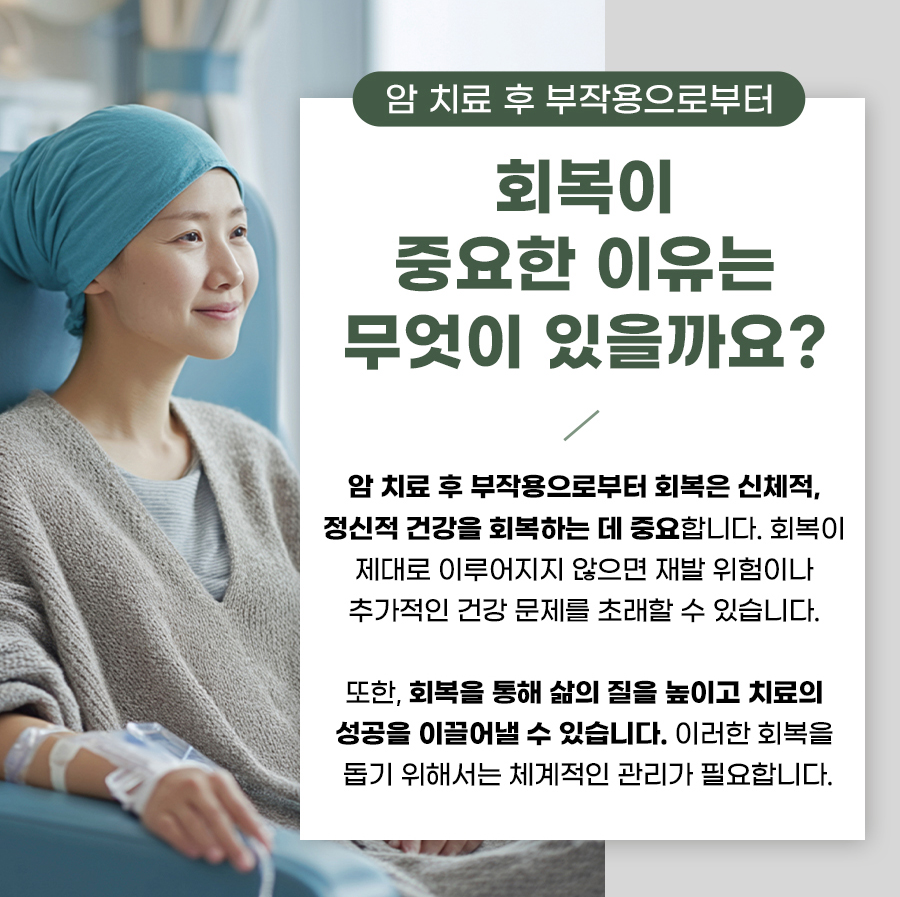
Patients are encouraged to inform their main oncology team about any herbal medicine they are taking.
High-frequency hyperthermia as an outpatient option
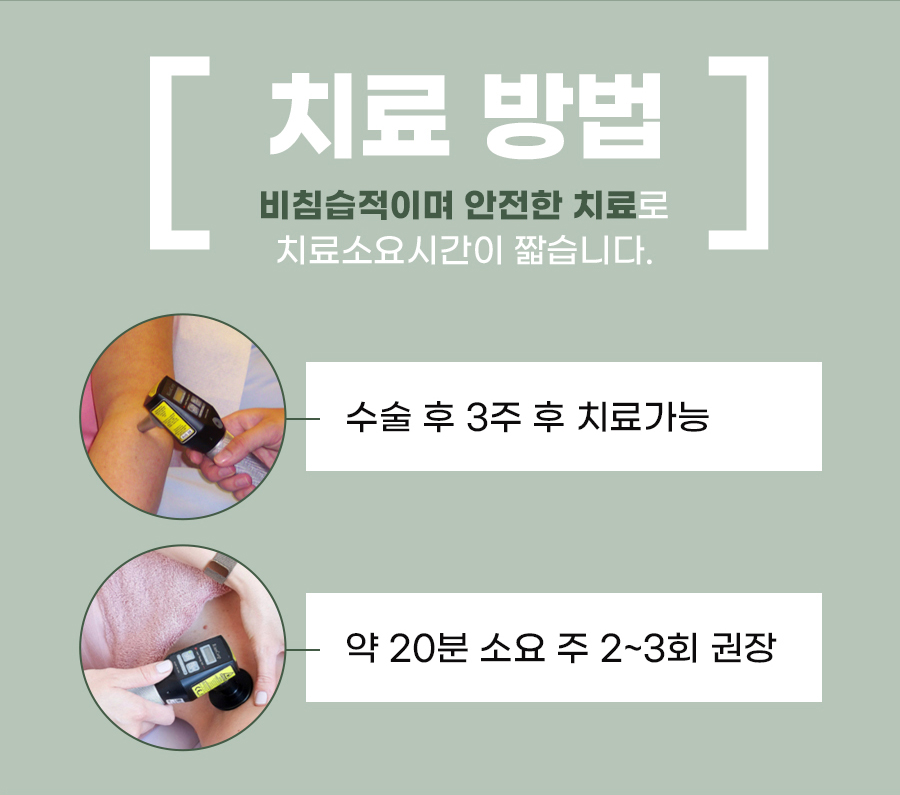
High-frequency hyperthermia is one of the available outpatient modalities. In simple terms, it is a treatment that uses high-frequency energy to gently heat deep tissues in a targeted area of the body.
The goals of hyperthermia may include:
Supporting local blood flow in the treated area
Helping oxygen and nutrients reach tissues more effectively
Potentially enhancing the sensitivity of cancer cells to chemotherapy or radiation, when used in parallel with standard treatments
At this facility, hyperthermia is typically provided alongside ongoing treatment at a tertiary hospital, not as a stand-alone cure. Sessions are scheduled so they do not interfere with chemotherapy or radiation appointments.
The hospital offers explanatory video content online to help patients and families understand what to expect from hyperthermia, how the machine works, and what a session looks like. However, they do not claim guaranteed results, and decisions about whether hyperthermia is appropriate are made individually after consultation.
Nutrition and diet therapy for cancer patients
Nutrition is a central part of the outpatient cancer program. Many patients experience appetite loss, taste changes, or digestive discomfort during treatment. A structured diet plan can make a meaningful difference in energy levels and recovery.
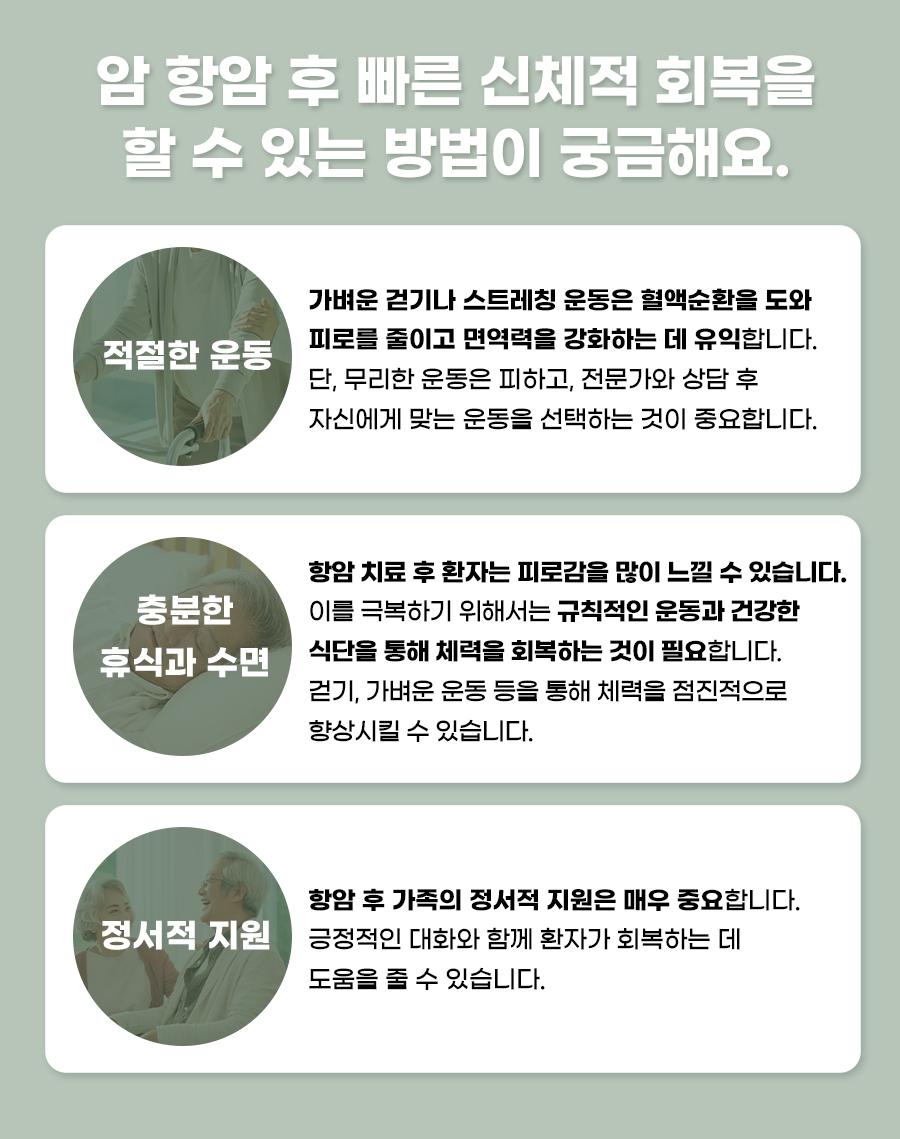
Nutrition principles to support patients during cancer treatment
The facility emphasizes basic principles such as:
- Balanced meals with adequate protein to support muscle mass
- Abundant vegetables and fruits, adjusted for each patient’s digestive tolerance
- Whole grains and healthy fats, when appropriate
- Limiting overly processed foods and excessive sugar
- Adjusting texture and seasoning for patients with mouth sores or swallowing difficulties
Dedicated healing meal plan
For patients who are admitted short-term or who stay for day programs, the hospital provides a dedicated healing meal plan. Families often worry about food quality in convalescent settings. To address this, the hospital:
- Posts daily meal photos on its website
- Has accumulated hundreds of meal posts over time
- Shows actual examples of breakfast, lunch, and dinner plates
This transparency helps families see the consistency and variety of the meals, and can be reassuring when deciding on a facility.
Environment and location advantages near Mudeungsan
The hospital is located in Gwangju, at the entrance of Mudeungsan National Park near the Jeungsimsa bus stop. For Jeonnam residents, this offers several practical and therapeutic advantages.
Clean natural surroundings
The area is known for:
- Cypress forests with fresh, clean air
- Walking trails along clear mountain streams
- Seasonal scenery that changes from green summers to colorful autumn leaves
For outpatients, this means that after a treatment session, they can take gentle walks on nearby paths, breathe fresh air, and spend quiet time in nature. Light physical activity and time outdoors can support mood, sleep, and overall recovery.
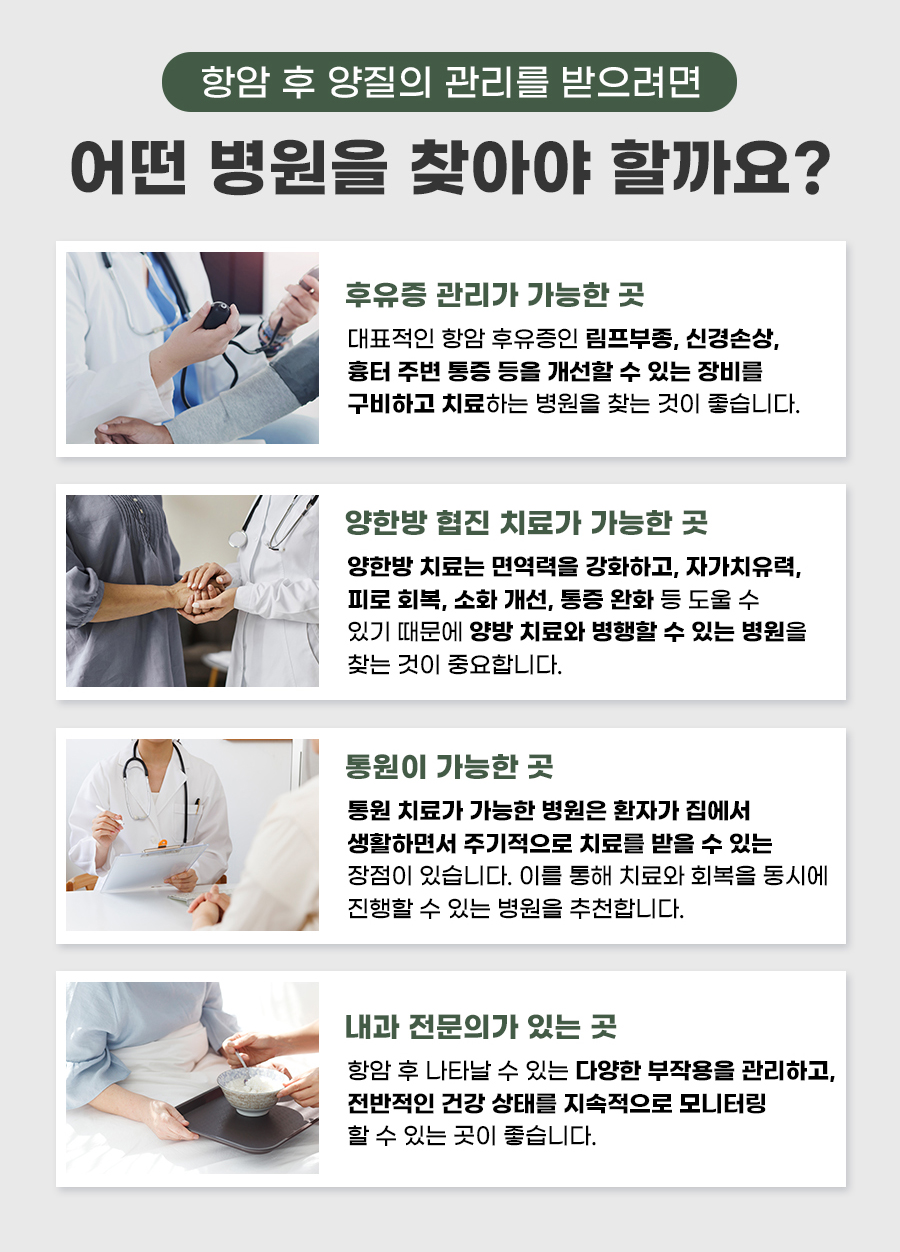
Convenient access and parking
Because the facility is in the Jeungsimsa area at the national park entrance, it is accessible by public transport and car. There is parking available for patients and families who drive.
This makes it a realistic option for those receiving treatment at major hospitals in Gwangju and Hwasun. Patients can plan their day so that they attend a chemotherapy session at a tertiary hospital, then move to the convalescent facility for supportive care, or schedule outpatient visits on separate days according to their energy.
Short-term admission combined with outpatient care
Many people believe that once you enter a convalescent hospital, you cannot easily leave. This facility actively challenges that stereotype by offering flexible short-stay models.
Example: two-week intensive recovery program
A typical pattern might look like this:
A patient undergoing chemotherapy at a university hospital feels increasingly weak and struggles at home. The family arranges a two-week short-term admission at the convalescent facility. During those two weeks, the patient receives daily supportive care: nutrition-focused meals, integrative therapies, gentle exercise, and symptom management. The patient continues to attend scheduled chemotherapy sessions at the main hospital; families should coordinate appointment and transport logistics with both hospitals and confirm details directly. After the two-week period, the patient returns home but continues to visit the facility as an outpatient for follow-up and selected therapies.
This model allows patients to use the hospital as a recovery hub at specific times, rather than as a permanent residence.
Role as a recovery hub cooperating with tertiary hospitals
The hospital positions itself as a partner to nearby tertiary centers, not a competitor. Many patients continue their surgery, chemotherapy, or radiation at:
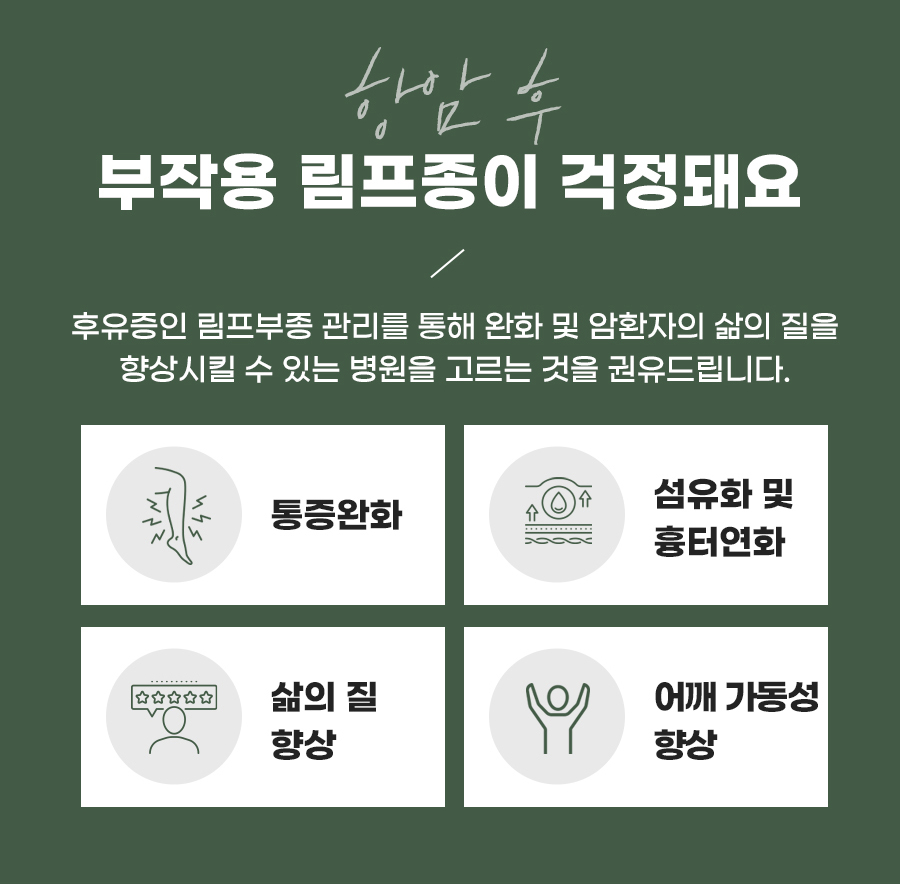
Large university hospitals in Gwangju
A regional cancer center in Hwasun or nearby
At the same time, they rely on the convalescent facility for:
- Monitoring of general condition between cycles
- Supportive medications for symptom relief
- Integrative therapies such as acupuncture or hyperthermia
- Nutrition and emotional support
Any changes to chemotherapy, targeted therapy, or radiation schedules remain the responsibility of the tertiary hospital. The convalescent team focuses on quality of life, safety, and recovery.
Emotional and mental health support
Cancer treatment affects the mind as much as the body. Anxiety, fear of recurrence, depression, and sleep disturbance are common.
At this facility, emotional support is woven into the environment and programs:
Healing spaces and quiet rest areas where patients and caregivers can sit, read, or simply breathe
Cultural or emotional programs such as poetry exhibitions or small cultural events
Opportunities for gentle social interaction with others in similar situations
These elements help patients and families cope with the emotional weight of cancer, especially during long treatment journeys.
Who may consider Jeonnam outpatient cancer treatment here
This kind of outpatient and short-stay model may be suitable if you:
Are receiving or have recently completed surgery, chemotherapy, or radiation at a tertiary hospital in Gwangju or Hwasun
Feel that managing symptoms and fatigue at home is becoming difficult
Want integrative therapies but prefer a medically supervised environment
Live in the Jeonnam region and need a facility that is easy to access by car or public transport
Prefer a natural environment with access to walking paths and fresh air
Every patient’s situation is different, so a direct consultation is important before deciding on any program.
Online consultation and pre-visit preparation
If you are considering outpatient cancer care at this facility, the first step is usually an online or phone consultation.
What to prepare before contacting the hospital
To make the initial consultation more effective, it helps to prepare:
- A summary of your diagnosis and stage, if known
- The name of your main oncology hospital and department
- Your current treatment plan, including chemotherapy drugs, targeted therapies, or radiation schedule
- A list of medications and supplements you are currently taking
- Information about any previous side effects or complications
You can often share this information by phone, online messenger, or email before your first visit. This allows the medical team to review your case and suggest appropriate options.
Questions you may want to ask
Patients and families often find it helpful to write down questions before contacting the hospital, such as:
- How can outpatient supportive care fit around my current chemotherapy schedule?
- Which integrative therapies might be suitable for my condition?
- Is short-term admission recommended, or is outpatient care enough?
- How often would I need to visit, and how long is each session?
- What should I bring to my first visit?
Expected visit timeline for overseas or distant patients
Although this facility mainly serves domestic patients in Jeonnam, some overseas patients or those from other regions may also be interested.
A typical timeline might look like this:
Before travel
- Online consultation to review your diagnosis and current treatment
- Sharing of medical records, medication lists, and recent test results
- Preliminary plan for outpatient sessions or a short-stay program
Arrival in Korea or Gwangju
In-person assessment with the internal medicine specialists
Physical examination and review of your latest oncology reports
Fine-tuning of your supportive care plan, including integrative therapies and nutrition
During your stay or series of visits
Regular outpatient sessions for symptom management, hyperthermia, or traditional therapies as agreed
Monitoring of your condition and communication with your main oncology team when needed
Opportunities for gentle walks and rest in the Mudeungsan area
Before returning home
- Summary of the supportive care you received
- Recommendations for continued self-care, nutrition, and follow-up
- Guidance on how to share information with your home oncology team
Aftercare and ongoing support
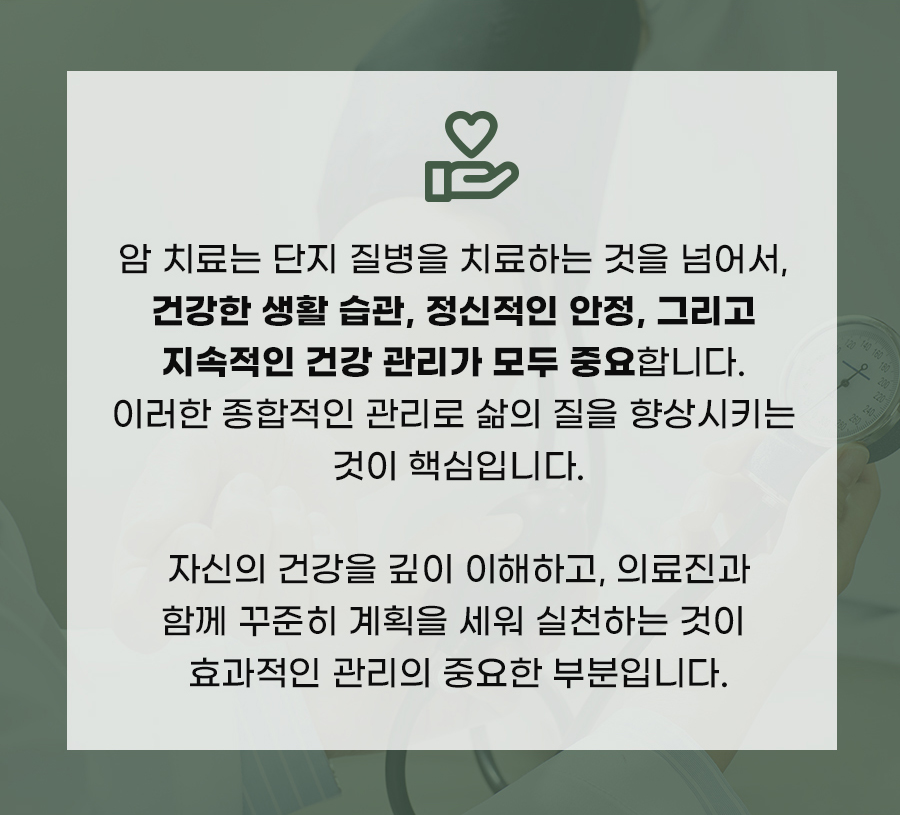
After your initial program or series of outpatient visits, ongoing care may include:
- Scheduled follow-up outpatient visits for symptom monitoring
- Adjustments to nutrition and lifestyle recommendations
- Additional integrative therapy sessions when appropriate
- Remote contact by phone or messenger for simple questions or appointment changes
The hospital encourages patients to maintain close communication with their main oncology team and to report any new symptoms promptly.
Safety and realistic expectations
It is important to have clear expectations about what outpatient cancer care at a convalescent hospital can and cannot do.
What it can do
- Help manage side effects and improve comfort between chemotherapy or radiation sessions
- Support physical strength, appetite, and sleep
- Provide emotional and environmental support in a calm, natural setting
- Offer integrative therapies under medical supervision
What it cannot do
Replace surgery, chemotherapy, radiation, targeted therapy, or immunotherapy prescribed by your oncology team
Guarantee cure or prevent recurrence
Make changes to your main anti-cancer regimen without coordination with your tertiary hospital
Any complementary or traditional treatments should always be discussed with your main oncology team. The convalescent hospital’s role is to support, not to override, your primary cancer treatment plan.
Practical information and consultation hours
General consultation hours are typically on weekdays and Saturday, with Sunday and public holidays closed. As schedules can change, patients are advised to confirm the latest hours directly with the hospital.
Inquiries and reservations can usually be made by phone or through an online messenger channel. When you contact the hospital, staff can guide you on:
- Available outpatient programs and short-stay options
- Required documents for your first visit
- Transportation and parking details
Frequently asked questions
Can I receive outpatient supportive care while continuing chemotherapy at my main hospital?
Yes. The outpatient programs at this facility are designed to be combined with ongoing chemotherapy, radiation, or targeted therapy at your main tertiary hospital. The medical team will review your treatment schedule and coordinate supportive care around it. Any decisions about changing or stopping chemotherapy remain with your primary oncology team.
What should I bring to my first outpatient visit?
For your first visit, it is helpful to bring recent medical records from your main hospital, including discharge summaries, chemotherapy protocols, and recent test results if available. You should also bring a list of all medications and supplements you are taking. Comfortable clothing is recommended, especially if you plan to receive therapies such as acupuncture or hyperthermia.
Is high-frequency hyperthermia safe to combine with chemotherapy?
High-frequency hyperthermia is often used as an adjunct to standard treatments, but suitability depends on your individual condition, treatment stage, and overall health. Before starting hyperthermia, the internal medicine specialists will review your medical history, current chemotherapy regimen, and recent tests. They will discuss potential benefits and limitations with you and, when needed, coordinate with your main oncology team.
How long is a typical outpatient session?
The length of an outpatient visit varies depending on which services you receive. A simple symptom management consultation may take around 20 to 30 minutes. If you add integrative therapies such as acupuncture or hyperthermia, the total time can extend to one to two hours. Staff will explain the expected duration when you make an appointment so you can plan your day.
Soft call to action
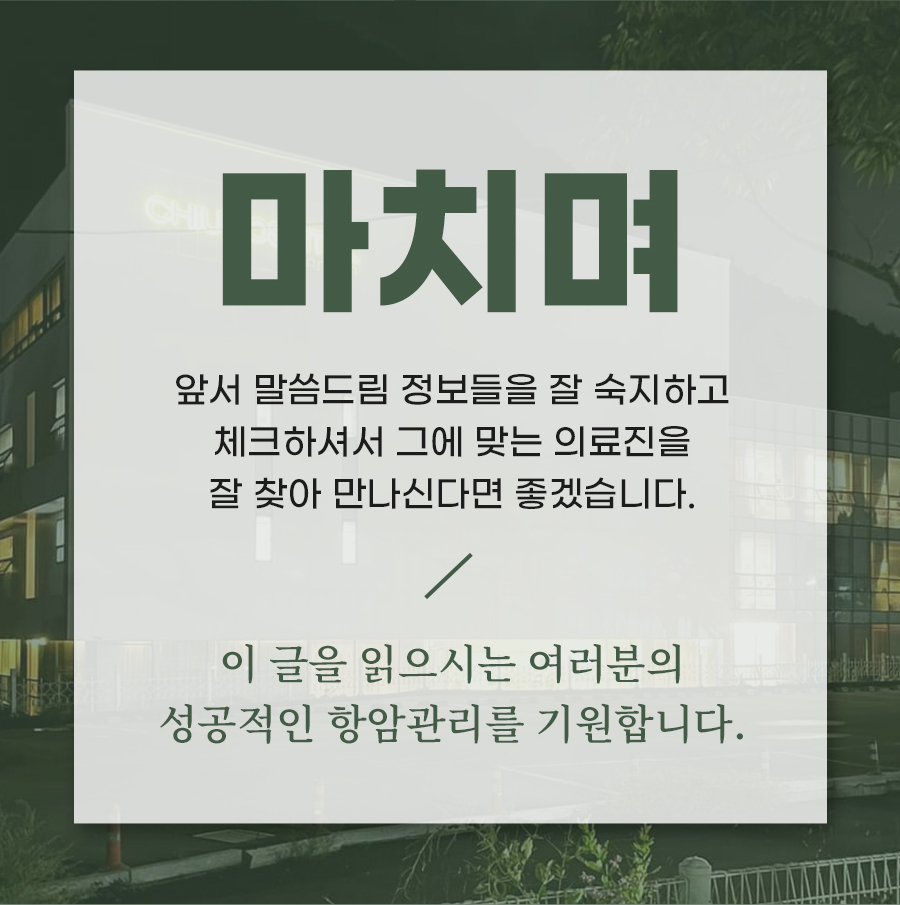
If you or a family member in the Jeonnam region are looking for outpatient cancer treatment support near major hospitals in Gwangju and Hwasun, this convalescent facility near Mudeungsan may be one option to consider. An online or phone consultation can help you understand how outpatient and short-stay programs could fit with your existing treatment plan.
You are encouraged to contact the hospital directly with your medical information and questions, and to discuss any potential supportive care with your main oncology team so that everyone can work together for your safety and recovery.
- 공유 링크 만들기
- X
- 이메일
- 기타 앱


댓글
댓글 쓰기