Jeonnam Oncothermia Outpatient Treatment near Mudeungsan
- 공유 링크 만들기
- X
- 이메일
- 기타 앱
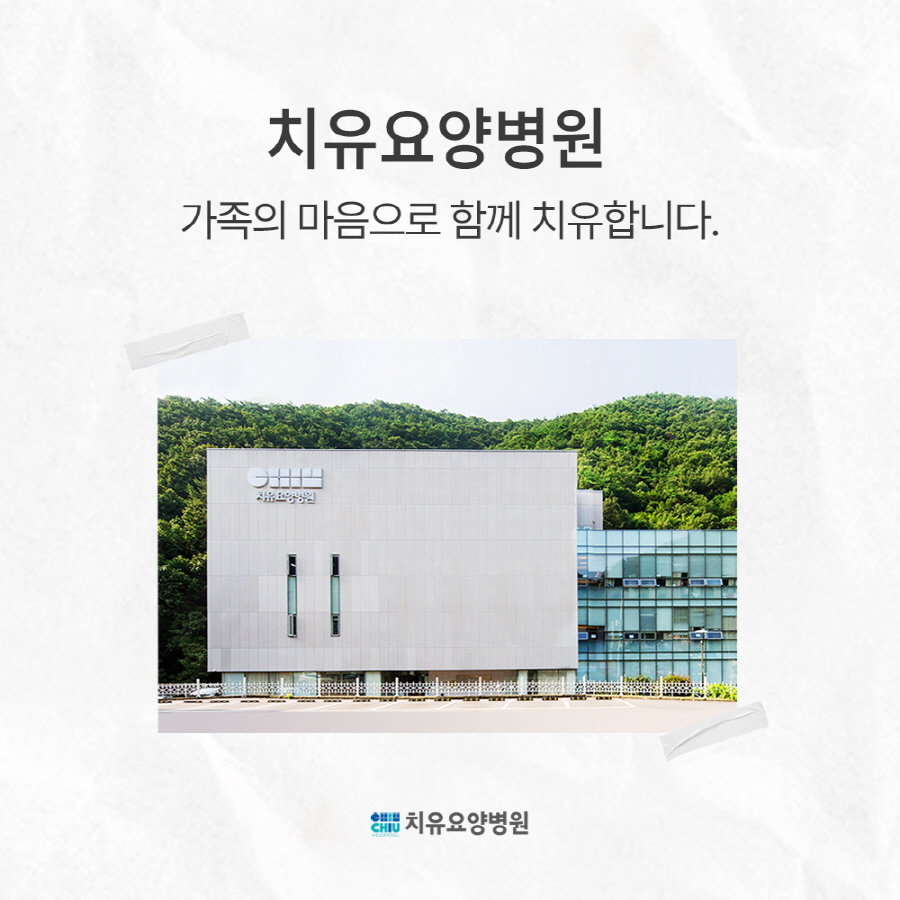
For cancer patients living in Jeollanam‑do or Gwangju, Chiu Convalescent Hospital offers an outpatient oncothermia program that can be scheduled while you continue main treatment at a tertiary hospital. Oncothermia is described by providers as a form of radiofrequency hyperthermia intended to warm the tumor area from outside the body. Chiu presents the therapy as adjunctive to standard cancer treatments such as surgery, chemotherapy, and radiation; whether a session is invasive or requires admission depends on the device and clinical plan—confirm specifics with the hospital.
In the Gwangju and Jeonnam region, Chiu Convalescent Hospital offers an outpatient oncothermia program at the entrance of Mudeungsan National Park in Dong‑gu, close to Jeungsimsa bus stop, with its own parking. tal.
This guide explains what oncothermia is, who may consider it, how outpatient programs usually work, how to prepare for a visit to Korea, and what to check when choosing a hospital.
What is oncothermia and how is it used in cancer care
Oncothermia is a form of localized deep hyperthermia that uses radiofrequency energy to warm tumor tissue to a controlled therapeutic temperature. Instead of heating the whole body, it focuses on a specific area where the tumor or lesion is located.
During treatment, a device delivers radiofrequency energy through applicators placed on the skin. Providers describe oncothermia as a localized radiofrequency hyperthermia intended to warm the tumor area; evidence and proposed mechanisms vary, so discuss expected effects and scientific evidence with your clinical team.
In simple terms, oncothermia aims to stress cancer cells with heat while trying to protect normal tissue. The local warming may influence blood flow, cell membranes, and the tumor micro‑environment. In many countries, it is used as an adjunctive therapy, meaning it is added to standard treatments such as chemotherapy or radiation, not used instead of them.
Chiu presents oncothermia as a non‑surgical outpatient procedure; whether an incision or anesthesia is required depends on the clinical plan—confirm with the hospital. Session length varies by clinic and protocol, so check the expected treatment time with Chiu Convalescent Hospital. Many patients are able to rest on a treatment bed while staff monitor comfort and vital signs.
It is important to understand that oncothermia is not a stand‑alone cure for cancer. It may help support symptom control, quality of life, and the effect of standard treatments in some patients, but results vary and no cure can be guaranteed.
Jeonnam oncothermia outpatient treatment: who is it for
Outpatient oncothermia in Jeonnam and Gwangju is generally considered for cancer patients who can travel to the clinic regularly and do not require intensive inpatient monitoring.
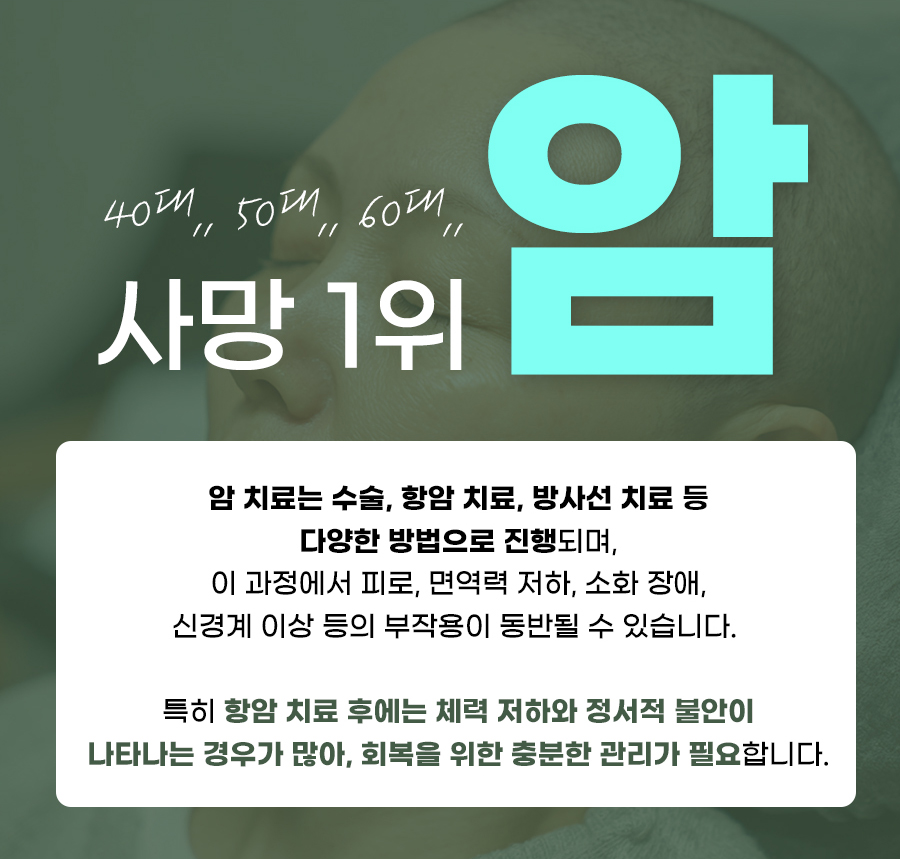
Typical candidates include patients with solid tumors who are:
Receiving chemotherapy or radiation at a tertiary hospital and looking for supportive care between cycles.
Experiencing fatigue, pain, appetite loss, or general weakness during or after standard treatment.
Recently discharged from a major cancer center and wanting a regional base for recovery closer to home.
Living in Jeollanam‑do or Gwangju and commuting to large hospitals in Seoul or Hwasun, but wishing to reduce long‑distance travel for every supportive treatment.
Oncothermia may be considered after surgery, during chemotherapy, between radiation sessions, or after the completion of primary treatment, depending on the overall plan. Some patients use it during periods when long‑term admission is not desired or not necessary.
However, not everyone is suitable for oncothermia. The decision must be made individually after a medical evaluation by a qualified physician. Factors such as tumor type and location, general health, heart function, implanted devices, and current medications all need to be reviewed.
How an oncothermia outpatient program usually works
For international patients or residents in Jeonnam and Gwangju, an outpatient oncothermia program usually follows a clear step‑by‑step flow.
First consultation and assessment
At the first visit, the medical team reviews your cancer diagnosis, pathology reports, imaging results, and treatment history. They will ask about your current symptoms, medications, and any other health conditions such as heart disease or diabetes.
If you are coming from a tertiary hospital such as Samsung Medical Center, Chosun University Hospital, Chonnam National University Hwasun Hospital, Chonnam National University Hospital, or Bundang Seoul National University Hospital, it is helpful to bring recent discharge summaries, chemotherapy protocols, and radiology reports.
The doctor then decides whether oncothermia is appropriate and safe in your case. If needed, additional tests may be requested or your primary oncologist may be contacted for coordination.
Planning session frequency and duration
If oncothermia is recommended, the team will discuss a schedule with you. Many programs suggest several sessions per week at the beginning, then adjust based on your response, energy level, and travel distance. Each session often lasts less than one hour, although the total time in the clinic may be longer when including preparation and rest.
Monitoring during each visit
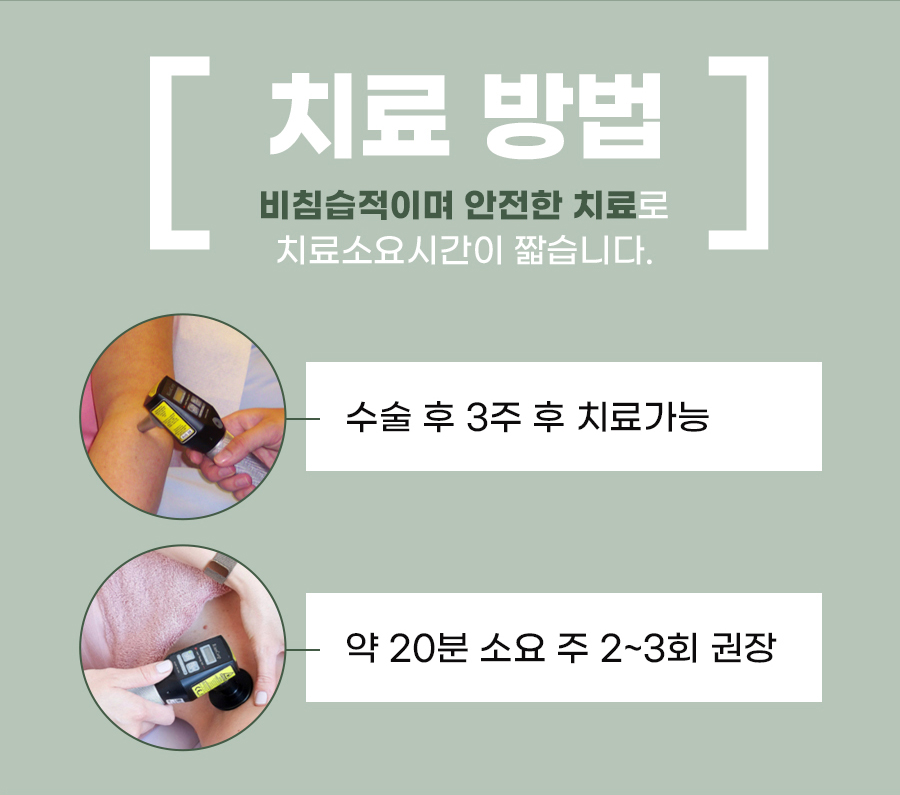
On treatment days, staff usually check your vital signs and general condition before starting. You lie on a treatment bed while the applicator is placed over the target area. During the session, they monitor temperature, skin condition, and how you feel. If you experience discomfort, the intensity can be adjusted.
After the session, you may rest briefly. Most patients can return home or to their accommodation the same day. Your main cancer treatment continues at your primary cancer center, and the outpatient oncothermia program is coordinated around that schedule.
Oncothermia at a convalescent hospital: what to check
Many families are unsure about receiving cancer‑related care in a convalescent hospital because they worry about lower medical standards. At the same time, they often want a calmer environment and easier access than a large tertiary hospital can offer.
Choosing a convalescent hospital in Jeonnam or Gwangju for oncothermia requires careful checking of several points.
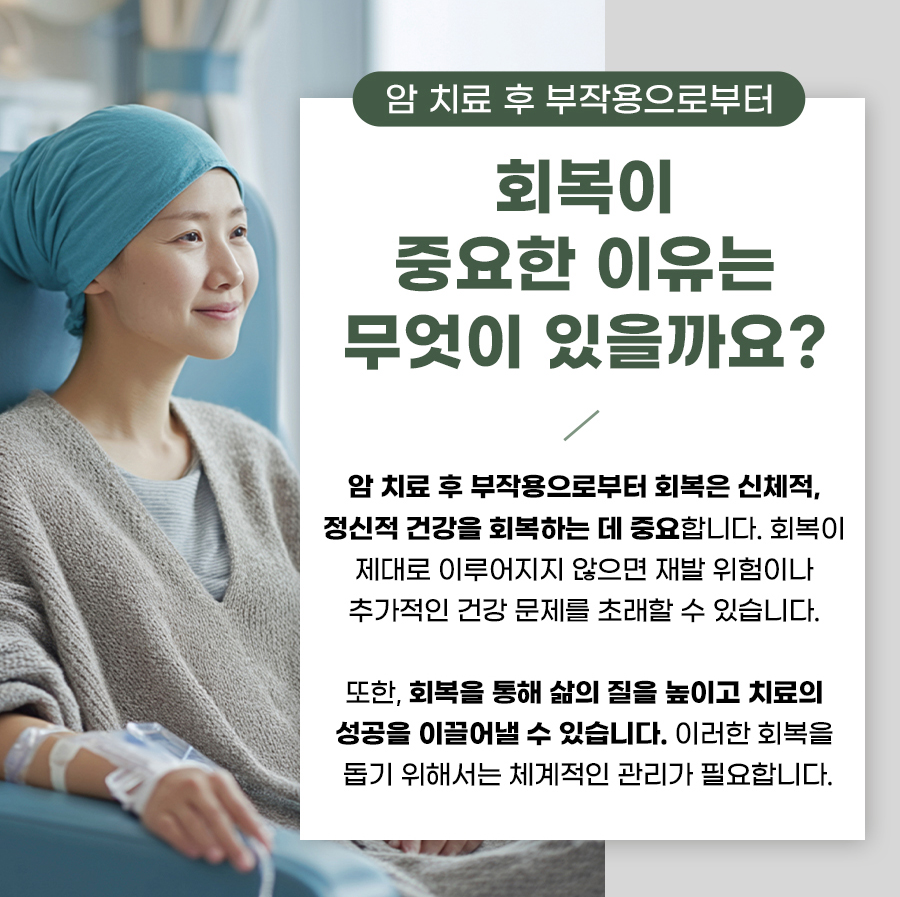
Medical staff and experience
Confirm that there are internal medicine specialists with experience in managing patients with cancer‑related conditions, including complications such as anemia, infections, or nutritional problems. At Chiu Convalescent Hospital, two internal medicine specialists previously served as presidents of a university hospital (Chosun University Hospital), which is relatively uncommon in a convalescent setting and may provide reassurance about clinical experience.
Realistic explanation of oncothermia
The facility should clearly explain that oncothermia is an adjunctive therapy. Be cautious if anyone claims guaranteed cures, complete prevention of recurrence, or dramatic results for all patients. Ask for a balanced explanation of possible benefits and limitations.
Cooperation with tertiary hospitals
If your main treatment is at a tertiary center such as Samsung Medical Center or Chonnam National University Hwasun Hospital, ask Chiu Convalescent Hospital what formal arrangements (referral pathways, information‑sharing, emergency transfer procedures) exist with your primary center. Do not assume guaranteed operational agreements—confirm specifics with both hospitals.
Supportive services
Cancer recovery often requires more than one device or treatment. Check whether the hospital offers nutritional counseling, physical activity guidance, and emotional support programs. These services can make your outpatient oncothermia sessions part of a broader supportive‑care plan rather than a stand‑alone procedure.
Features of the oncothermia outpatient program at Chiu Convalescent Hospital
Chiu Convalescent Hospital is located at the entrance of Mudeungsan National Park in Dong‑gu, Gwangju, near Jeungsimsa bus stop, with its own parking lot. This location makes it accessible for patients living in Gwangju and Jeollanam‑do, and also for those commuting from other regions who want a quiet recovery base.
Medical team background
The hospital’s internal medicine team includes two specialists who previously served as presidents of Chosun University Hospital, a major university hospital in the region. This background can help reduce anxiety for families who are hesitant about convalescent hospitals and want reassurance that complex cancer‑related conditions can be monitored carefully.
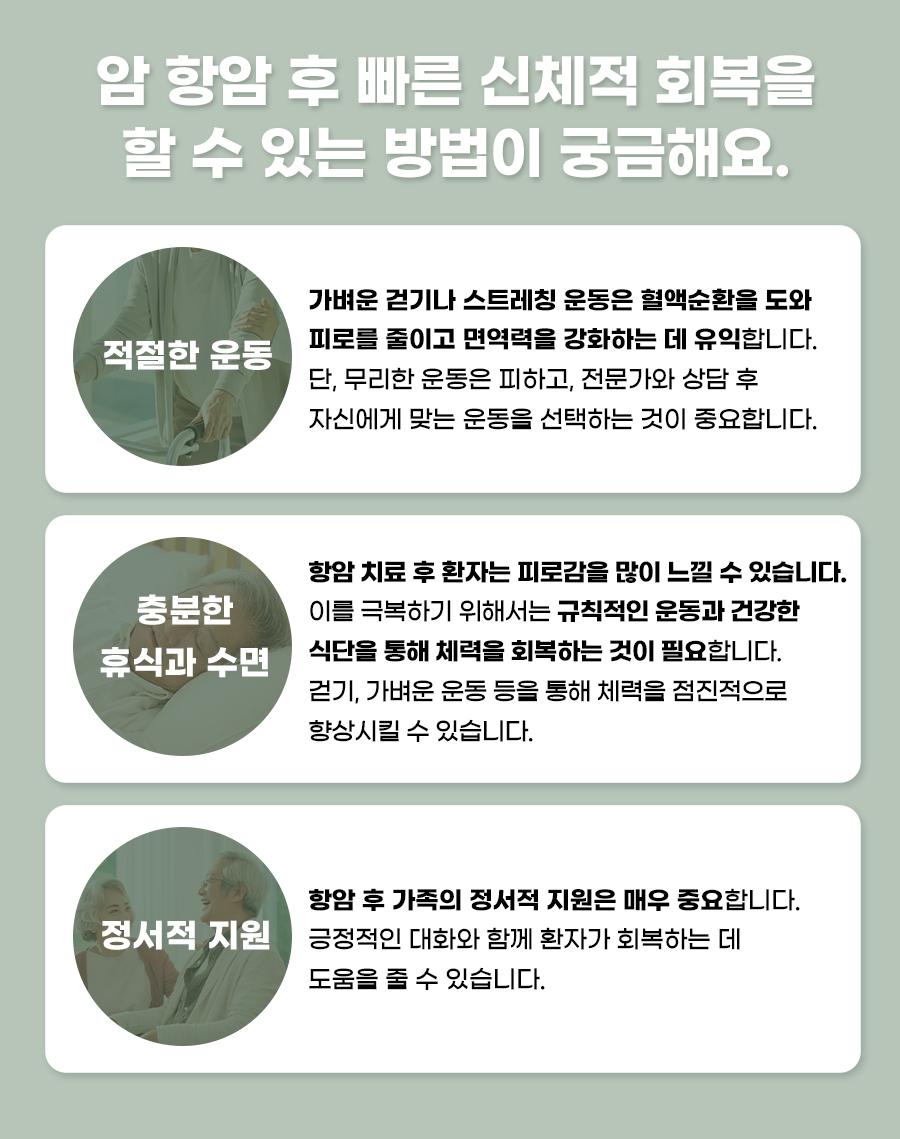
In addition, there is a Korean medicine doctor on site, allowing cooperative care between Western and Korean medicine under one roof. This can be useful for patients interested in acupuncture, herbal support, or moxibustion as part of symptom management.
Outpatient oncothermia structure
Oncothermia here is provided as part of an outpatient treatment line‑up, separate from long‑term admission. Patients can visit only for sessions and return home the same day. For those who find frequent commuting difficult or need closer observation, a short‑term admission program, for example around two weeks, can be combined with outpatient sessions.
Sessions are usually scheduled within regular clinic hours on weekdays and Saturdays. The hospital is closed on Sundays and public holidays, so treatment plans are arranged around this schedule.
Regional recovery base
Chiu Convalescent Hospital positions itself as a recovery and supportive‑care base for these patients, especially those living in Jeonnam and Gwangju who prefer to rest and receive supportive therapies closer to home between major hospital visits.
Supportive care around oncothermia: diet, Korean medicine, and environment
Nutrition and healing diet
Cancer treatment often affects appetite, digestion, and body weight. At Chiu Convalescent Hospital, there is a focus on anti‑cancer dietary therapy and a gentle healing diet. Daily menus are posted with photos on the hospital website so that patients and families can see what is being served.
Meals are designed to be balanced and easy to digest, with attention to protein, fresh vegetables, and appropriate seasoning. This can be particularly helpful for patients who have difficulty eating after chemotherapy or surgery and need support to maintain strength.
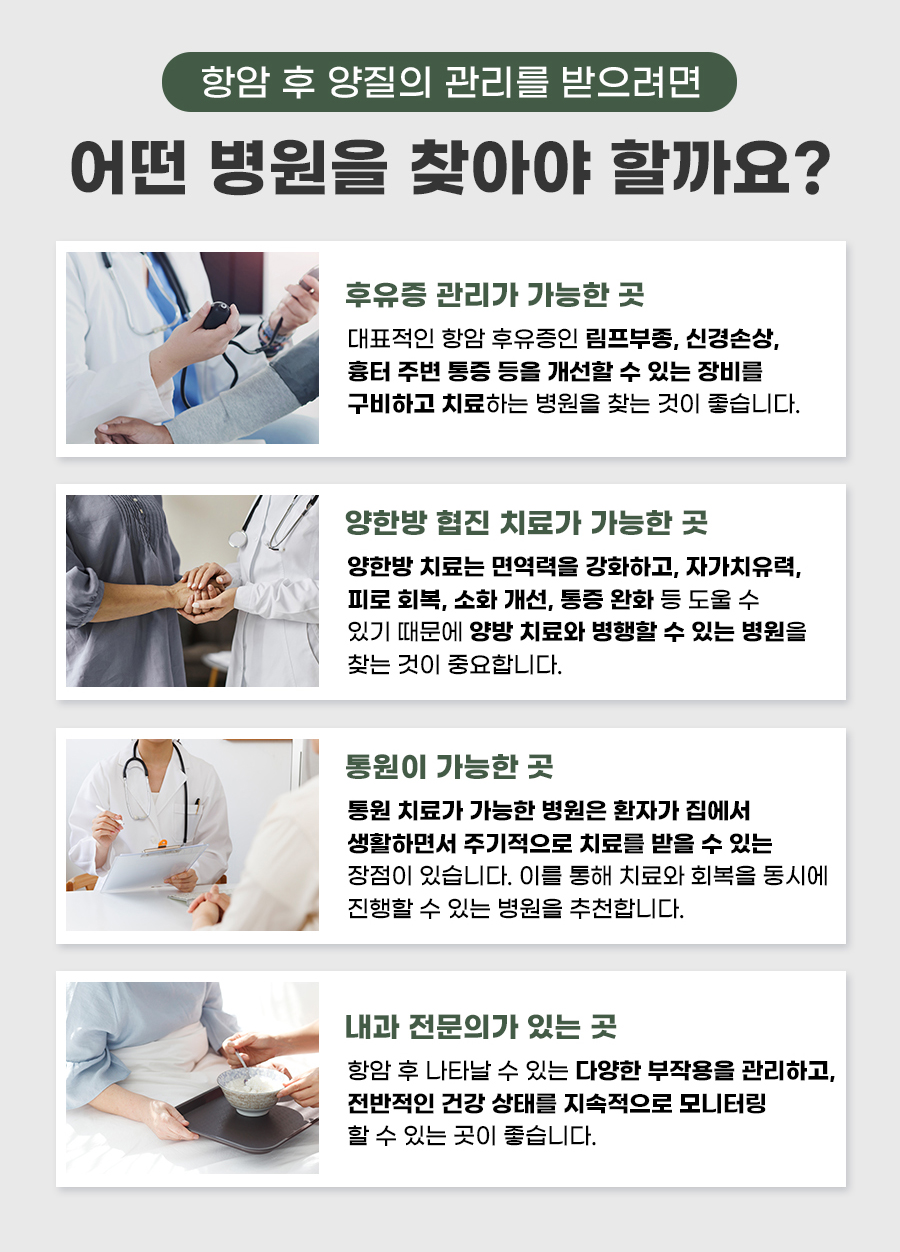
Cooperative Western and Korean medicine
Some patients are interested in combining Western medical care with Korean medicine approaches. Under supervision, treatments such as acupuncture, moxibustion, cupping, and herbal medicine may be used to help manage symptoms like nausea, neuropathy, digestive problems, or sleep disturbance.
Any such treatments should be coordinated with your overall cancer plan. The medical team reviews your chemotherapy drugs, blood counts, and liver and kidney function before recommending herbal or physical therapies, to reduce the risk of interactions or side effects.
Healing environment near Mudeungsan
The hospital’s location at the entrance of Mudeungsan National Park offers a natural healing environment. There are forest paths, clean air, and a nearby valley that can support gentle walking and relaxation between treatments.
Within the hospital, there are rest areas and healing spaces designed for quiet time, reading, or light stretching. Emotional support programs, such as poetry exhibitions or similar cultural activities, are sometimes provided to help patients cope with anxiety, sadness, or fear related to cancer.
Short‑term admission plus outpatient oncothermia: an alternative to long‑term stays
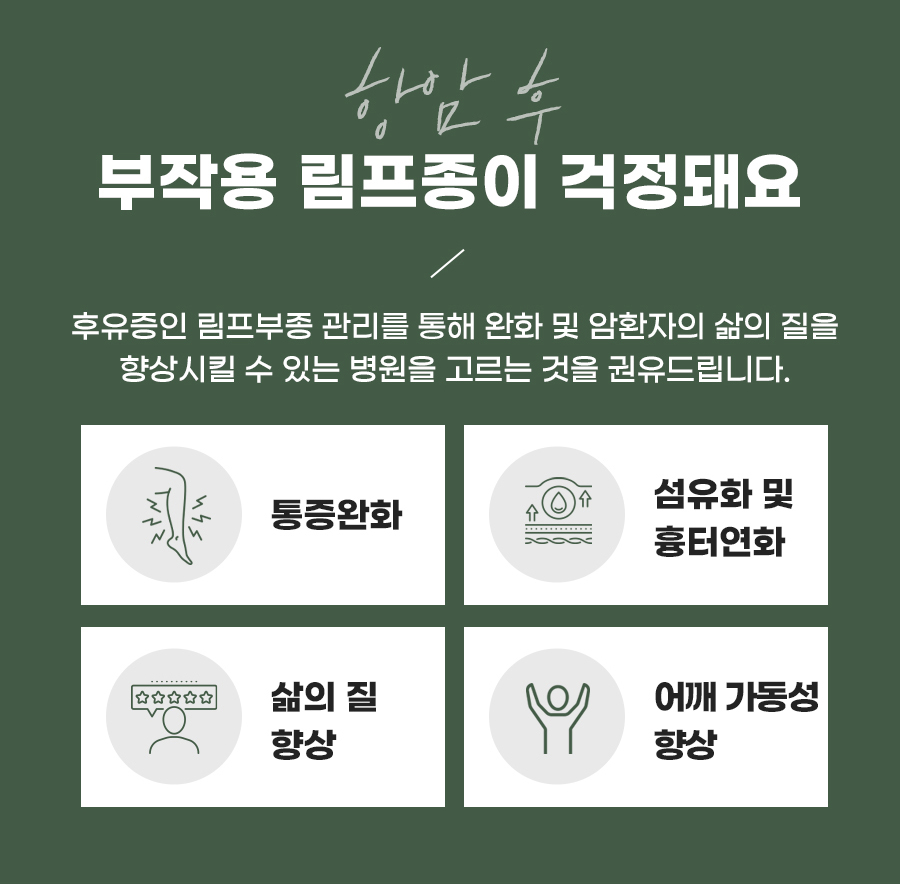
Many families associate convalescent hospitals with long‑term stays, which can feel overwhelming or unnecessary for patients who are still relatively independent. A short‑term admission model offers a different option.
In a two‑week short‑term admission program, patients can receive more concentrated supportive care, including oncothermia sessions, diet therapy, rest, and coordinated Korean medicine treatments. This allows the medical team to observe how the patient responds, adjust medications, and stabilize symptoms.
After this focused period, if the patient’s condition allows and commuting is manageable, they can switch to pure outpatient visits for continued oncothermia and follow‑up. This flexible approach can be helpful for families who are hesitant about long‑term admission but still want structured support beyond what is possible at home.
Safety, expectations, and cautions for oncothermia
Oncothermia is not a stand‑alone cure for cancer. It is used as an adjunctive therapy that may help support standard treatments and symptom management in some patients. Expectations should remain realistic.
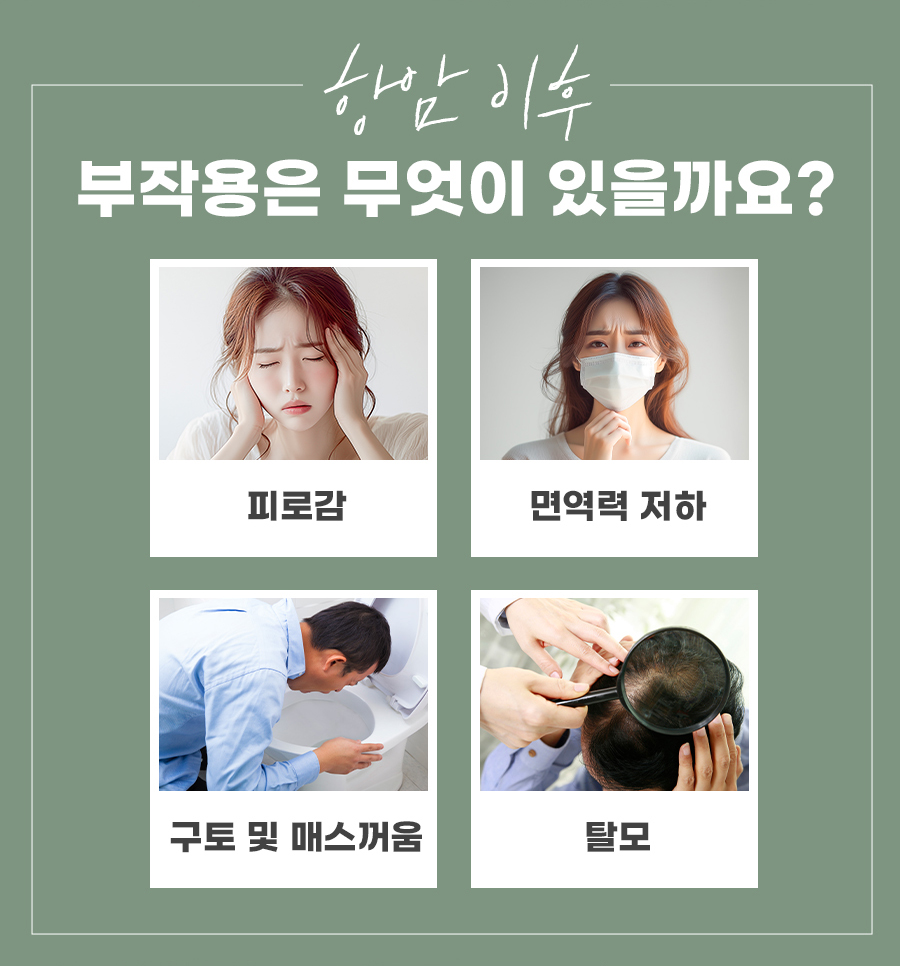
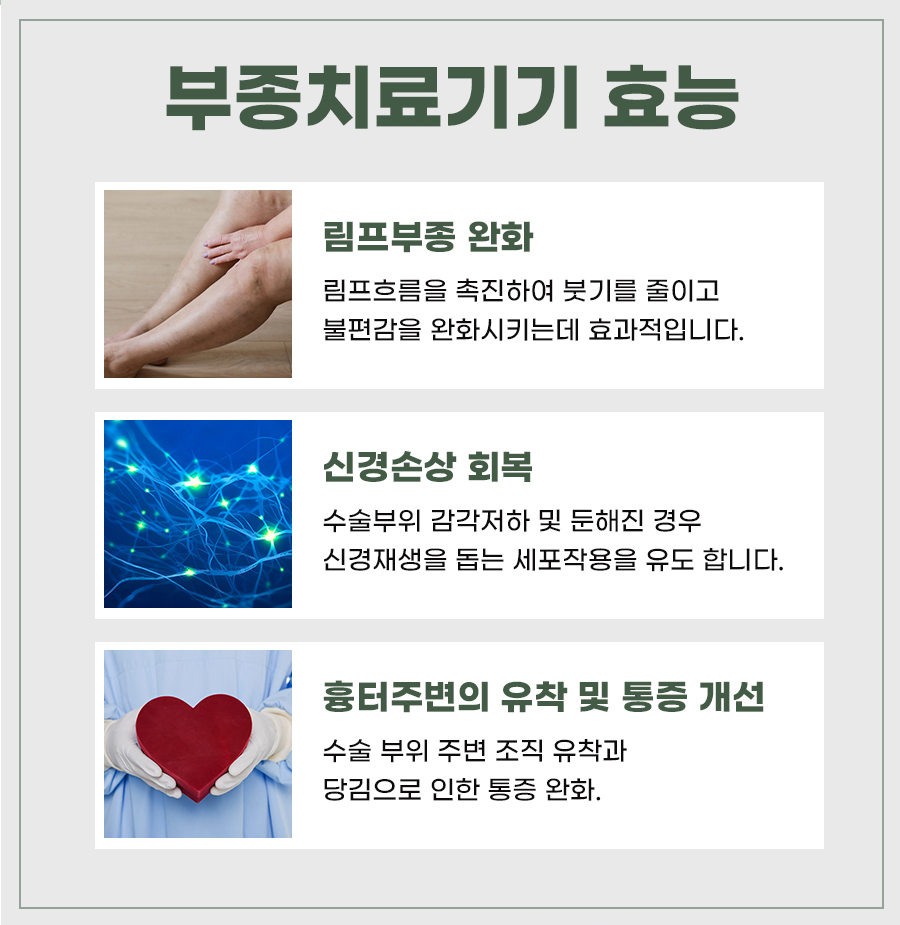
Possible minor side effects include local warmth, redness of the skin in the treated area, temporary fatigue, or mild discomfort from lying still. Serious complications are uncommon but can occur, especially in patients with fragile health, so careful monitoring is important.
It is essential that oncothermia does not delay or replace surgery, chemotherapy, radiation, or other standard therapies recommended by your primary oncologist. All treatment plans should be coordinated. Before starting oncothermia, inform the team about all medications, implanted devices such as pacemakers, and any previous reactions to hyperthermia or radiation.
Patients are encouraged to bring medical records and test results to the first consultation. This helps the doctor understand your current situation and design a safe, appropriate plan.
Who may consider Jeonnam oncothermia as an overseas patient
For overseas patients, Jeonnam and Gwangju can be an option if you are looking for a quieter environment than central Seoul while still having access to tertiary hospitals within reasonable travel distance.
You may consider this region if you:
Plan to receive or have already received major surgery or chemotherapy at a large Korean hospital and now want a supportive‑care phase.
Prefer a natural environment near mountains and forests for recovery.
Want to combine Western medical monitoring with Korean medicine and structured diet therapy.
Need outpatient or short‑term admission options rather than long‑term hospitalization.
Online consultation and pre‑visit preparation
Before traveling to Korea, an online consultation can help you understand whether oncothermia in Jeonnam is suitable for you and how to plan your stay.
For an effective online consultation, prepare the following:
Recent medical reports in English, including diagnosis, stage, and treatment history.
Pathology reports and imaging summaries if available.
A list of current medications and supplements.
Information about any implanted devices, such as pacemakers or metal implants.
During the online meeting or email exchange, you can ask:
Whether your type and stage of cancer are generally considered for oncothermia.
How many sessions might be reasonable during your planned stay.
Whether short‑term admission or pure outpatient care is recommended.
What other supportive programs are available during your visit.
Expected Korea visit timeline for oncothermia in Jeonnam
Every patient’s plan is individual, but an example timeline for an overseas visitor might look like this:
Arrival and first week
Arrival in Korea and transfer to Gwangju or the Jeonnam area.
First in‑person consultation at the hospital, including review of records and any necessary tests.
Start of oncothermia sessions, often several times per week.
Adjustment of diet, rest schedule, and any Korean medicine treatments.
Second week
Continuation of oncothermia sessions according to the plan.
Monitoring of symptoms, weight, sleep, and overall energy.
Light walking or relaxation in the Mudeungsan area if your condition allows.
Preparation of a summary report for your primary oncologist at home.
Departure and follow‑up
Final consultation to review your response and discuss further plans.
Return home with written recommendations for your local doctors.
Possible online follow‑up consultations to discuss ongoing supportive care.
Some patients may choose a longer stay, while others may combine a short Jeonnam program with further treatment in Seoul or another city. The exact schedule should always be tailored to your health status and main treatment plan.
Aftercare and ongoing support
After you complete a cycle of oncothermia sessions, ongoing care remains important. This may include:
Regular follow‑up with your primary oncologist for imaging and blood tests.
Continued attention to nutrition, physical activity, and sleep.
Psychological support or counseling if you experience anxiety or depression.
If you live in or near Jeonnam or Gwangju, you may continue outpatient visits for periodic oncothermia or other supportive treatments, depending on your doctor’s advice. Overseas patients can stay in contact through online consultations to discuss new symptoms or questions.
Frequently asked questions
What is oncothermia and how is it different from general hyperthermia?
Oncothermia is a type of local deep hyperthermia that uses radiofrequency energy to selectively warm tumor tissue. General hyperthermia often aims to raise the temperature of a larger body area or even the whole body, while oncothermia focuses on a specific region. The goal is to create controlled heat stress in the tumor environment while trying to protect surrounding healthy tissue. Both approaches are considered adjunctive therapies and are usually combined with standard cancer treatments.
Can I receive oncothermia as an outpatient while continuing chemotherapy at a tertiary hospital?
In many cases, yes. Outpatient oncothermia is often scheduled between chemotherapy cycles or on days when you are not receiving infusion treatment. The key is close coordination between the convalescent hospital and your primary cancer center. Before starting, your medical team will review your blood counts, organ function, and treatment schedule to reduce the risk of overlapping side effects or excessive fatigue.
How often do patients usually receive oncothermia sessions?
The frequency varies depending on your diagnosis, physical strength, and travel distance. Some patients start with several sessions per week for a few weeks, then adjust based on how they feel and how their main treatment is progressing. Your doctor will propose a schedule during the first consultation, and it can be modified if you experience fatigue or other issues.
Is oncothermia painful or does it require anesthesia?
Oncothermia is generally non‑invasive and does not require anesthesia. During treatment, you may feel warmth in the targeted area and pressure from the applicator on the skin. Most patients tolerate this well, but if the heat feels too strong or uncomfortable, the staff can adjust the settings. You should always tell the team immediately about any pain, dizziness, or breathing difficulty during the session.
Who should avoid oncothermia treatment?
Oncothermia may not be suitable for patients with certain implanted electronic devices such as some pacemakers, or for those with severe heart problems, uncontrolled infections, or very poor general condition. It may also be avoided in areas with open wounds or severe skin disease. A thorough medical evaluation is required before starting, and your doctor will explain if any of your conditions make oncothermia unsafe.
What should I bring to my first oncothermia consultation in Jeonnam?
Bring your passport and identification, recent medical records in English, pathology and imaging reports, a list of medications and supplements, and any allergy information. If you have a treatment summary from hospitals such as Samsung Medical Center, Chosun University Hospital, Chonnam National University Hwasun Hospital, Chonnam National University Hospital, or Bundang Seoul National University Hospital, include that as well. Comfortable clothing and a written list of questions for the doctor are also helpful.
Can I combine oncothermia with Korean medicine treatments and diet therapy?
Yes, many patients choose to combine oncothermia with Korean medicine and specialized diet therapy, especially in a setting where Western and Korean medicine teams work together. However, all treatments should be coordinated under medical supervision. Herbal medicines, acupuncture, and moxibustion need to be checked against your chemotherapy drugs and lab results to reduce the risk of interactions or side effects.
Is long‑term admission required, or can I use a short‑term or outpatient program only?
Long‑term admission is not always necessary. Some patients use only outpatient oncothermia while living at home or in nearby accommodation. Others choose a short‑term admission of around two weeks to receive concentrated supportive care and then switch to outpatient visits. The choice depends on your physical condition, family support, and travel distance. Your doctor can help you decide which option is most practical and safe.
Soft call to action for online consultation
If you are considering Jeonnam oncothermia outpatient treatment and would like to know whether it fits your situation, you can start with an online consultation. By sharing your medical records in advance, the team can give more personalized guidance on possible schedules, short‑term admission options, and how to coordinate with your primary cancer center.
This article is for general information only and does not replace individual medical advice. Treatment decisions should always be made in direct consultation with qualified healthcare professionals who are familiar with your full medical history.
- 공유 링크 만들기
- X
- 이메일
- 기타 앱


댓글
댓글 쓰기