Jeonnam Oncothermia at a Gwangju Cancer Recovery Hospital for Cancer Patients and Families
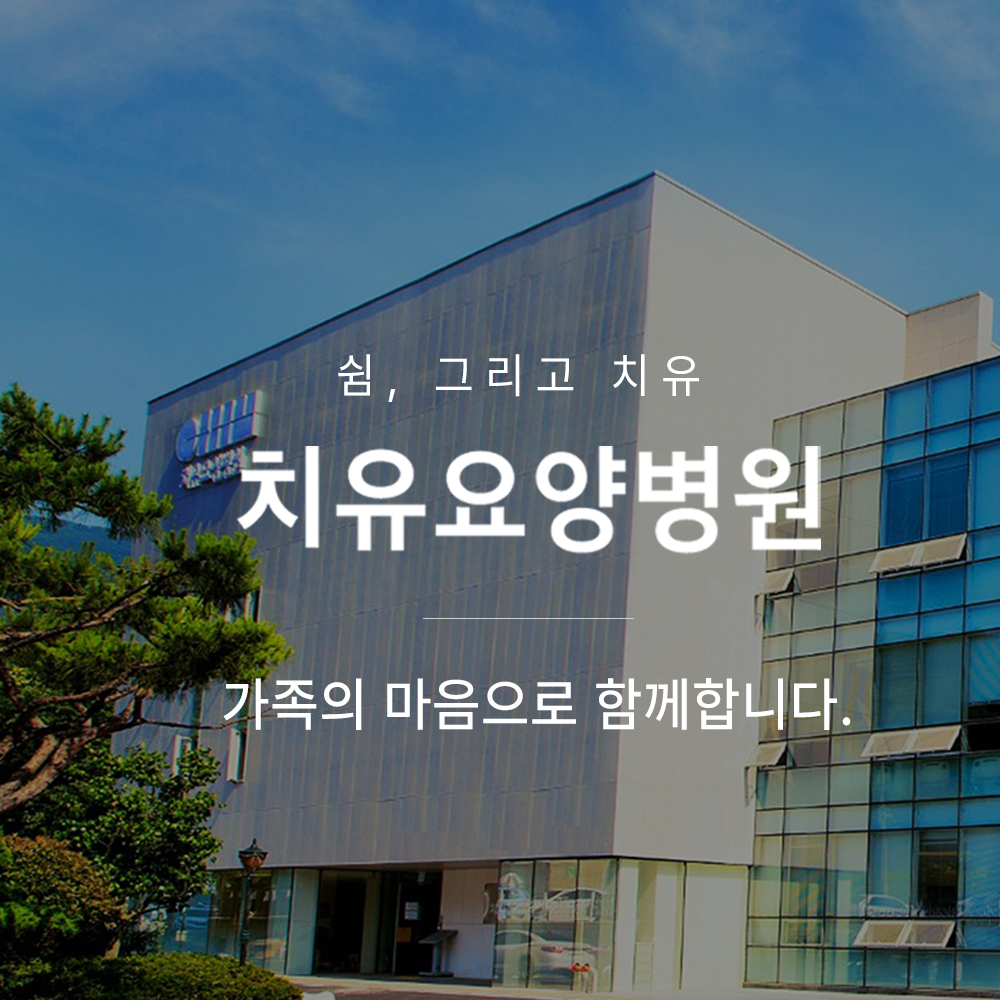
For patients in Jeonnam and the wider Honam region who are searching for Jeonnam Oncothermia, it is possible to receive radiofrequency hyperthermia cancer treatment in a convalescent hospital setting in Gwangju. This hospital does not perform major cancer surgery. Instead, it focuses on inpatient and outpatient cancer recovery, working as a base for patients who have already received surgery, chemotherapy, or radiation at large tertiary hospitals.
Oncothermia is offered as a supportive, non-surgical treatment alongside internal medicine management, Korean medicine therapies, and therapeutic nutrition, in a quiet natural environment near Mudeungsan National Park.
Overview of Oncothermia for Jeonnam patients
Oncothermia is a type of hyperthermia cancer treatment that uses radiofrequency energy to gently and selectively heat tumor regions. The goal is to raise the temperature of cancer tissue in a controlled way, which may weaken cancer cells and help other treatments such as chemotherapy or radiation work more effectively.
It is important to understand that Oncothermia is usually not a stand-alone cure. It is used as part of a broader cancer care plan designed at a main cancer center. In the Jeonnam area, many patients receive their primary treatment at large hospitals such as national university hospitals or major cancer centers. After surgery, chemotherapy, or radiation, they may need a place to recover, manage side effects, and continue supportive treatments like Oncothermia.
In this context, a convalescent hospital in Dong-gu, Gwangju offers Oncothermia within an integrative program. Patients can stay as inpatients, join a two-week short-term admission, or visit as outpatients for scheduled sessions.
Role of the convalescent hospital in cancer recovery
This hospital is designed as a recovery and supportive care base, not as a primary cancer surgery center. whom previously served as presidents of a university hospital.
For families who want a calm recovery setting but still expect careful internal medicine care, this structure means that test results, medications, and monitoring are coordinated by specialists within the hospital.
The hospital works in collaboration with major tertiary hospitals in the region. Patients typically continue to see their main oncologist or surgeon at the original center for decisions about chemotherapy, radiation, or follow-up scans. The convalescent hospital then focuses on recovery, symptom control, and supportive therapies like Oncothermia, Korean medicine treatments, and nutrition.
Integrative medical team and collaboration
One of the strengths of this setting is the combination of Western internal medicine and Korean medicine under one roof.
Internal medicine leadership
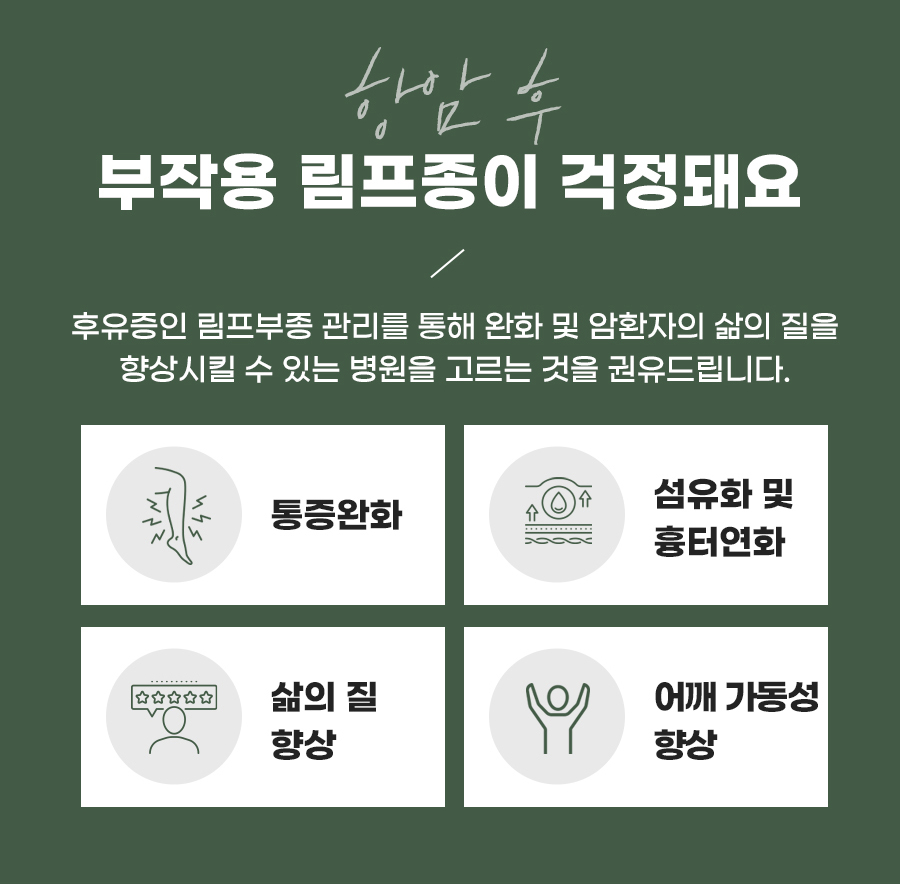
Two internal medicine specialists with doctoral-level training and experience as former university hospital presidents supervise care. Their role includes managing chronic conditions such as diabetes, hypertension, heart disease, and respiratory problems that often coexist with cancer. They also handle common cancer-related issues like anemia, infections, thrombosis risk, and medication interactions.
This level of internal medicine support is especially important for patients who are still receiving chemotherapy or targeted therapy at a tertiary hospital. Adjusting medications, monitoring lab results, and responding quickly to changes in condition can help make Oncothermia and other supportive treatments safer.
Korean medicine collaboration
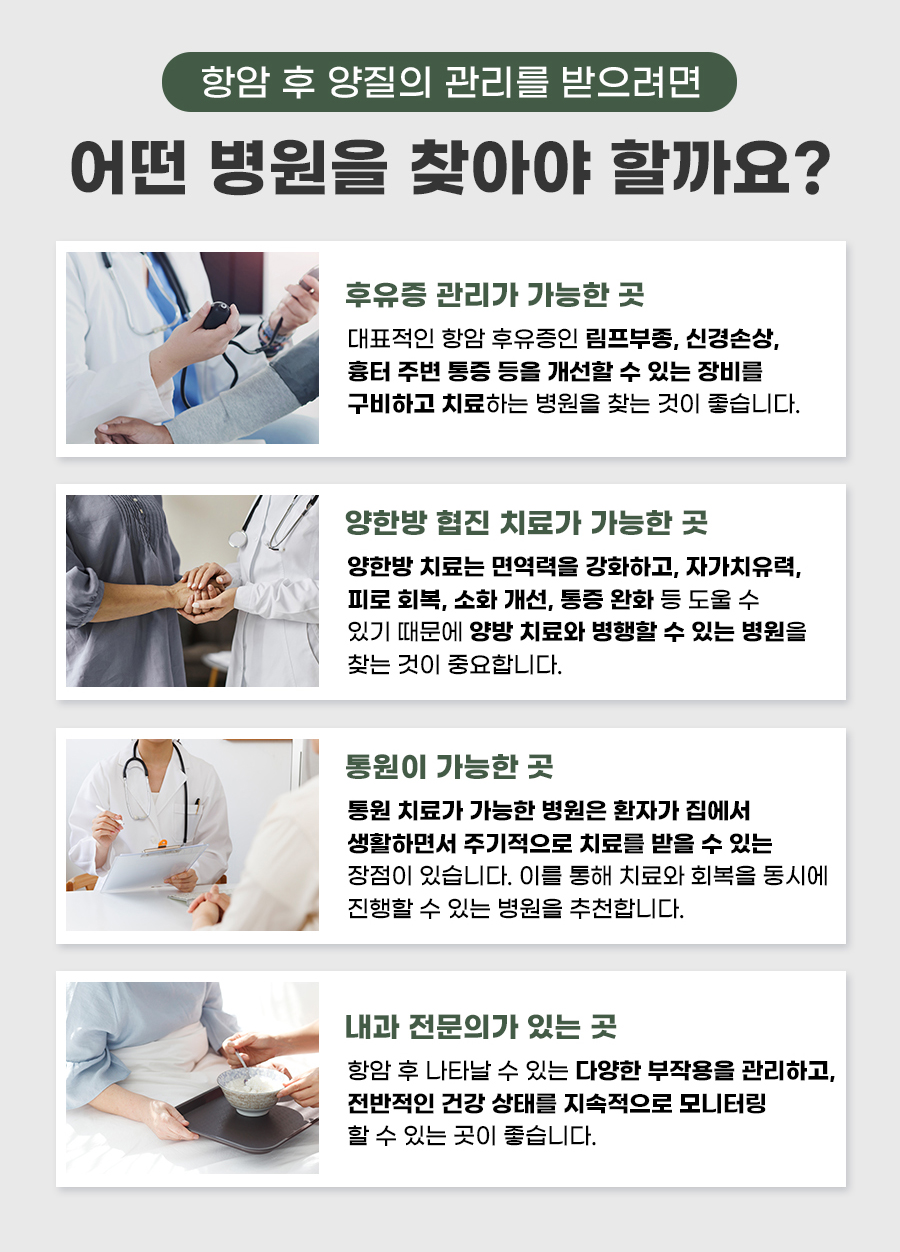
A Korean medicine director provides acupuncture, moxibustion, cupping, and herbal medicine. These therapies are used to support symptom relief and functional recovery, especially for:
- Fatigue and low energy after chemotherapy or radiation
- Digestive issues such as nausea, poor appetite, or constipation
- Peripheral neuropathy, including numbness or tingling in hands and feet
- Sleep problems and anxiety related to ongoing treatment and uncertainty
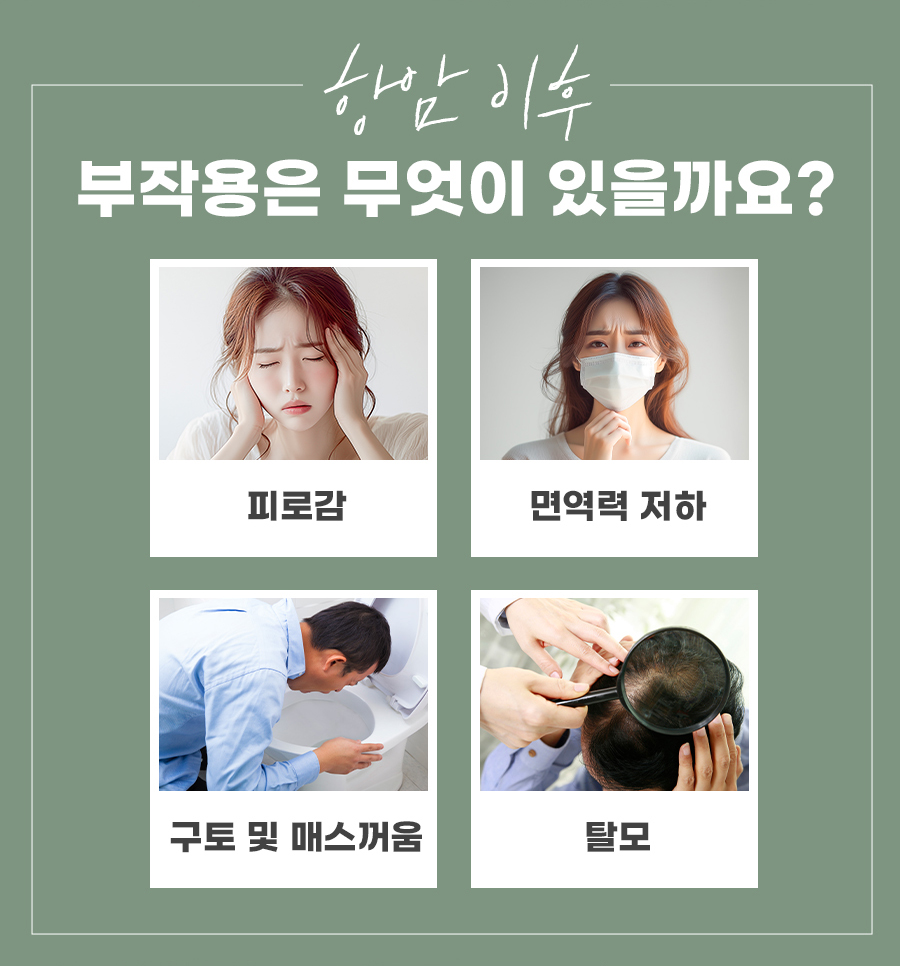
When symptoms remain uncomfortable, patients can add Korean medicine treatments while continuing standard drugs. Treatment plans are adjusted individually, and patients are encouraged to discuss any herbal medicines or supplements with the internal medicine team to avoid interactions with chemotherapy or other drugs.
Oncothermia treatment explained
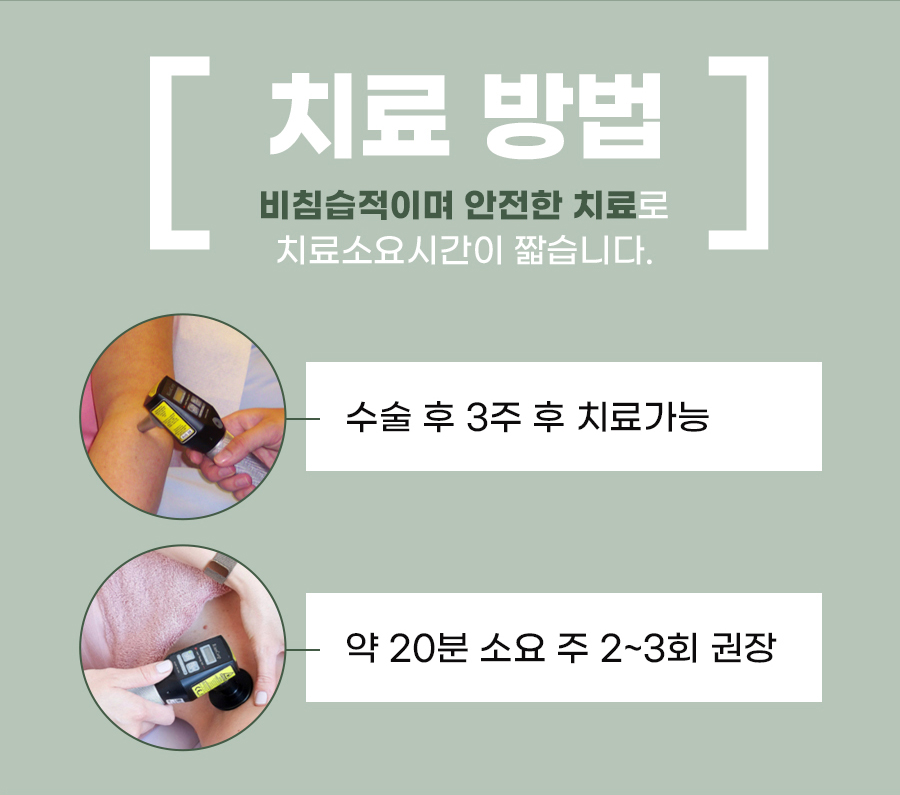
Oncothermia is a form of radiofrequency hyperthermia. During a session, a device delivers controlled radiofrequency energy to a targeted area of the body where tumor tissue is located. The energy creates deep heating in the tumor region while trying to protect surrounding healthy tissue as much as possible.
Potential goals of Oncothermia include:
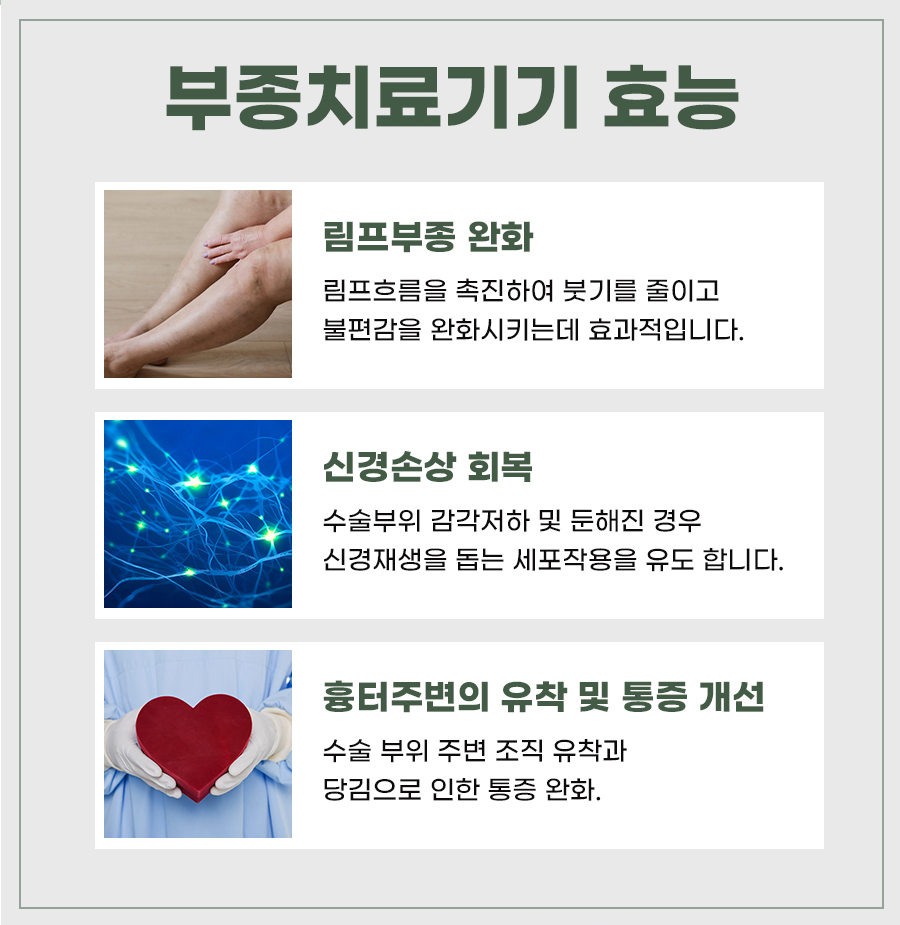
Raising the temperature of tumor tissue to make cancer cells more sensitive to chemotherapy or radiation
Supporting blood flow and oxygenation in the treated area
Providing an additional local treatment option without surgery
The hospital provides explanatory video content about its hyperthermia cancer treatment. These videos help patients and families understand how the device works, what to expect during a session, and how Oncothermia fits into the overall cancer care plan. For international patients, these materials can be a useful first step before deciding whether to travel.
Oncothermia is typically scheduled in coordination with the patient’s main cancer center. For example, sessions may be planned between chemotherapy cycles or alongside radiation therapy, depending on the oncologist’s recommendations.
Who may consider Jeonnam Oncothermia in Gwangju
Patients from Jeonnam and the wider Honam region may consider this option if they:
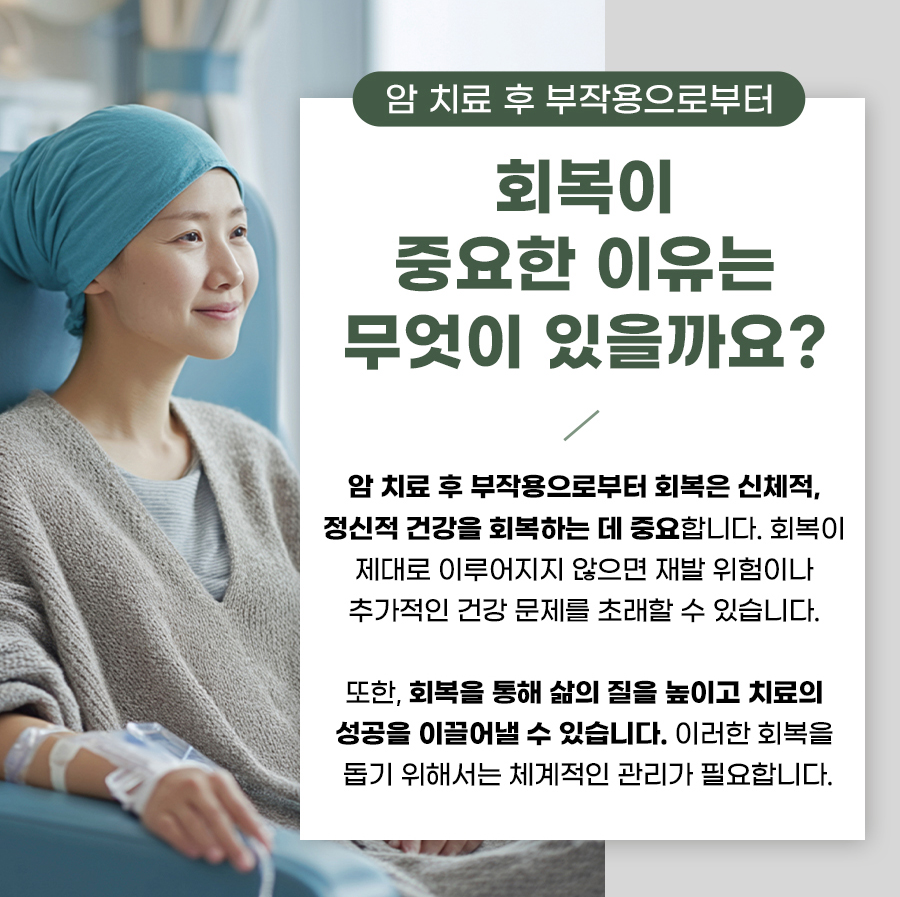
Are receiving or have recently completed surgery, chemotherapy, or radiation at a major tertiary hospital
Want a structured recovery environment with medical supervision rather than going directly home
Are interested in adding radiofrequency hyperthermia as a supportive treatment, with the agreement of their main oncology team
Need help managing fatigue, appetite loss, sleep problems, or neuropathy during or after treatment
Prefer a quieter, nature-based setting instead of a busy urban hospital for the recovery phase
Oncothermia may be considered for various solid tumors, depending on the primary oncologist’s judgment. It is not suitable for every case, and its role should always be discussed with the main cancer center to ensure it does not interfere with standard treatment.
Programs and care formats
Inpatient cancer recovery care
Patients who need more intensive support can be admitted as inpatients. During an inpatient stay, Oncothermia sessions are scheduled around the patient’s systemic treatment plan from their main cancer center. Internal medicine specialists monitor vital signs, lab tests, and medications, while Korean medicine and nutrition teams support symptom relief and recovery.
Two-week short-term admission program
A distinctive feature is a two-week short-term admission program. This is designed to challenge the common idea that convalescent hospitals are only for indefinite, long-term stays.
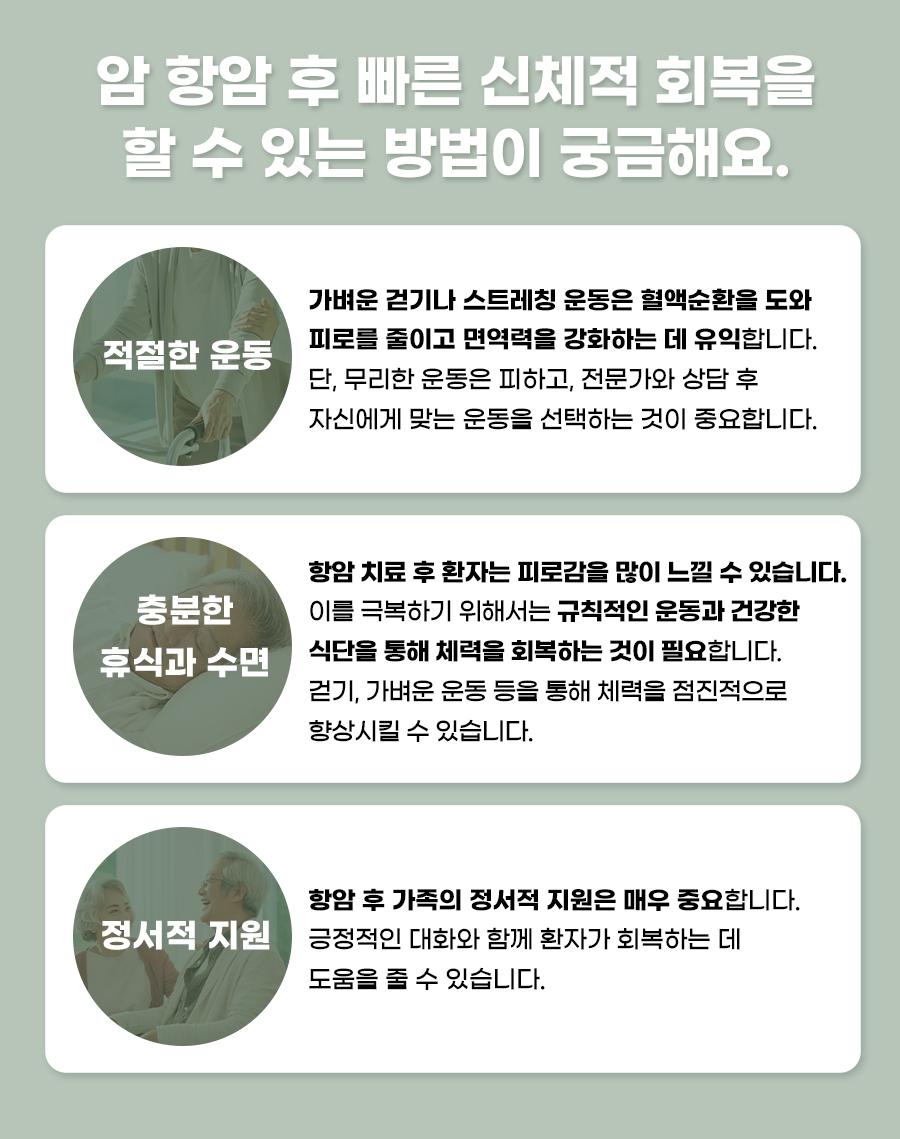
The two-week program is suitable for patients who:
- Want focused recovery after a chemotherapy cycle or surgery
- Need structured rest, nutrition, and symptom management for a set period
- Would like to receive several Oncothermia sessions within a defined schedule
By having a clear timeframe, patients and families can plan travel, work, and caregiving more easily. It can also be a trial period to see whether longer inpatient recovery might be helpful.
Outpatient day-visit treatment
For local patients who live in or near Gwangju or Jeonnam and are able to commute, outpatient Oncothermia is also available. Patients come to the hospital for scheduled sessions and integrative therapies, then return home the same day.
Outpatient care may be appropriate for those who:
- Are relatively stable and do not need 24-hour nursing care
- Have strong family support at home
- Prefer to maintain daily routines while adding supportive treatment
Therapeutic diet and anti-cancer nutrition
Nutrition is a key part of the program. The hospital offers a therapeutic diet designed for cancer recovery, focusing on balanced meals, adequate protein, and gentle preparation methods that are easier to digest.
One notable point is that daily menus are transparently posted online over hundreds of days. This allows patients and families to see the consistency and quality of the diet before admission. International patients can review the menus in advance when planning their stay.
Diet plans can be adjusted for individual needs, such as low-sodium meals, soft diets, or specific restrictions recommended by the main cancer center.
Healing environment near Mudeungsan National Park
The hospital is located in Dong-gu, Gwangju, at the entrance to Mudeungsan National Park, near a local temple bus stop, with its own parking facilities. This location offers a combination of accessibility and natural surroundings.
The environment includes:
- Clean mountain air that supports breathing and relaxation
- Cypress forests that many people find simply refreshing
- Clear valley walking paths suitable for gentle exercise
Healing rooms, quiet rest areas, and walking paths connect directly to mountain trails. Patients can take short walks, practice breathing exercises, or simply sit and look at the forest.
Emotional and cultural support programs
To support patients during and after treatment, the hospital offers emotional and cultural programs alongside physical treatments like Oncothermia.
Activities may include healing poetry exhibitions and small-scale cultural events. These programs aim to help patients process their experiences, find comfort in art and words, and regain a sense of connection.
Beyond medical safety and symptom control, these programs help patients talk about worries, find small routines that feel meaningful, and stay connected to their own goals during treatment.
Position in the Jeonnam and Gwangju cancer care network
For patients from Jeonnam, this Gwangju-based hospital serves as a bridge between large tertiary hospitals and home. It collaborates with major cancer centers in the region, including national university hospitals and other large institutions.
Typical patient flow may look like this:
- Diagnosis and main treatment plan at a tertiary hospital
- Surgery, chemotherapy, or radiation at that center
- Transfer or referral to the convalescent hospital for recovery, Oncothermia, integrative care, and rest
- Regular follow-up visits back at the tertiary hospital as needed
Because Gwangju is a central city in the Honam region, patients from Jeonnam can access the urban medical network of Gwangju while also staying close to the natural environment of Mudeungsan National Park.
Practical information for overseas patients
The hospital’s English name is Chiu Convalescent Hospital. It is located in Dong-gu, Gwangju, at the entrance to Mudeungsan National Park, near a local temple bus stop, with parking available.
Services include:
- Inpatient cancer recovery
- Two-week short-term admission programs
- Outpatient day-visit treatment
- Oncothermia (radiofrequency hyperthermia cancer treatment)
- Integrative Korean and Western medicine
- Therapeutic diet and anti-cancer nutrition
- Emotional and cultural support programs
Operating hours are weekdays and Saturday daytime, with closure on Sundays and public holidays. Contact is available by phone and messaging channels. Online channels include a blog with program details and a video board explaining treatments such as Oncothermia.
Online consultation and pre-visit preparation
For international patients, the first step is usually an online consultation. Before contacting the hospital, it is helpful to prepare the following:
Recent medical records, including diagnosis, pathology reports, and treatment summaries from your main cancer center
A list of current medications, including chemotherapy, targeted therapy, and any supplements
Information about allergies and major past medical history
Your goals for visiting Korea, such as number of weeks available, interest in Oncothermia, and need for inpatient or outpatient care
During online consultation, you can ask:
Whether Oncothermia is appropriate for your diagnosis and stage, in coordination with your main oncologist
How treatment sessions would be scheduled around your existing chemotherapy or radiation plan
What type of room and facilities are available for international patients
What language support is available for non-Korean speakers
Sending documents in advance allows the internal medicine team to review your case and suggest a realistic plan before you book flights.
Expected Korea visit timeline
For overseas patients coming for Oncothermia and recovery, a typical 2‑week stay might look like this:
- Before arrival: Share medical records and imaging results in advance and confirm the Oncothermia schedule.
- Day 1–2: In‑person consultation, basic evaluations, and finalizing the treatment and recovery plan.
- Day 3–12: Oncothermia sessions and supportive care according to the plan, with adjustments as needed.
- Last 1–2 days: Review of progress, discharge planning, and guidance for follow‑up after returning home.
Although each case is different, a typical visit for Oncothermia and recovery might follow this general timeline:
Arrival and initial assessment
Arrival in Gwangju and transfer to the hospital
Initial consultation with internal medicine specialists, review of documents, physical examination, and basic tests
Meeting with the Korean medicine director and nutrition team to discuss integrative care
Treatment and recovery period
- Start of Oncothermia sessions according to the schedule agreed with your main cancer center
- Participation in Korean medicine therapies for symptom relief
- Therapeutic meals and gentle exercise in the mountain environment
- Use of healing rooms, rest areas, and emotional support programs
For the two-week short-term program, this phase is focused and structured, with a clear end date. For longer stays, the schedule can be adjusted based on your condition and response.
Pre-departure and follow-up
Final check-up with internal medicine specialists
Written summary of care provided, which you can share with your main oncologist at home
Discussion of ongoing self-care, diet, and any recommended follow-up visits or online consultations
Aftercare and going home
After returning home, it is important to continue follow-up with your main cancer center. Oncothermia and recovery care do not replace standard oncology treatment. Instead, they are meant to support it.
You may consider:
Sharing all records from the Gwangju stay with your oncologist
Continuing any recommended lifestyle or diet changes discussed during your admission
Monitoring for changes in symptoms and reporting them promptly to your local medical team
Some patients may choose to return for another short-term admission or outpatient Oncothermia, depending on their treatment plan and travel possibilities. In such cases, online consultation can help decide the timing and structure of a repeat visit.
Frequently asked questions
What is the main purpose of Oncothermia in this hospital setting
The main purpose of Oncothermia here is to serve as a supportive, local treatment that may enhance the effect of systemic therapies such as chemotherapy or radiation, as guided by your main cancer center. It is not used as a replacement for standard oncology treatment and is provided together with internal medicine management, Korean medicine, and therapeutic nutrition.
Is this hospital a primary cancer surgery center
No. This hospital is a convalescent and recovery facility, not a primary cancer surgery center. Major operations, chemotherapy protocols, and radiation plans are handled by large tertiary hospitals. The role of the convalescent hospital is to provide a safe, medically supervised environment for recovery, Oncothermia, and symptom management after or between those treatments.
Who oversees my care during admission
Care is overseen by two internal medicine specialists with doctoral degrees, both of whom previously served as presidents of a university hospital. They manage medical issues such as chronic diseases, treatment side effects, and complications. A Korean medicine director provides acupuncture, moxibustion, cupping, and herbal medicine. Nutrition and nursing teams support daily care, and all services are coordinated to match your overall cancer treatment plan.
Can patients from outside Korea use these services
Yes, overseas patients can use these services, but advance preparation is essential. You should first consult with your main oncologist to confirm whether travel and Oncothermia are appropriate for your condition. Then, you can contact the hospital via phone or messaging channels, share your medical records, and discuss a proposed schedule. Language support and practical arrangements should be clarified during this process.
Soft call to action
If you are considering Jeonnam Oncothermia as part of your cancer recovery and would like a quiet, medically supervised environment near Mudeungsan National Park, you can start by arranging an online consultation. Sharing your medical information in advance allows the team to suggest whether inpatient, short-term admission, or outpatient care would be most suitable for you.
This information is intended to support, not replace, discussions with your own doctors. Always consult your primary oncology team before making decisions about additional treatments or international travel for medical care.


댓글
댓글 쓰기