Jeonnam nursing home options for cancer recovery near Gwangju
- 공유 링크 만들기
- X
- 이메일
- 기타 앱
Direct answer for people searching Jeonnam nursing home
If you are comparing Jeonnam nursing home options for a parent or family member, you'll generally choose between two facility types: long‑term nursing homes that focus on daily care for older adults, and convalescent hospitals that provide more medical monitoring and rehabilitation. In the Jeonnam–Gwangju area, some convalescent hospitals emphasize recovery after serious illness and offer inpatient, short‑term, and outpatient programs that sit between home care and major hospital treatment. To make the choice more practical, ask these prioritized questions: What level and frequency of medical monitoring does the facility provide? What intensity and goals of rehabilitation are available, and how are they measured? How will the facility coordinate with the patient’s existing specialists or tertiary hospital? What medical services (e.g., IV therapy, oxygen, wound care) can be provided on site? What are typical staffing levels and visit policies? What are the expected discharge criteria and timelines? These concrete factors help match a facility to your family member’s medical and daily‑care needs.
Some convalescent hospitals near Mudeungsan National Park describe themselves as focused on cancer recovery and offer programs positioned between home care and university hospitals.
What a Jeonnam nursing home or convalescent hospital usually offers
In Korea, the term nursing home is often used broadly for facilities that provide long term care, but there is an important distinction:
A general nursing home mainly offers help with daily living: meals, bathing, mobility assistance, and basic nursing for older adults or people with chronic disabilities. Medical staff are usually present, but on a more limited level.
A convalescent hospital provides a higher level of medical oversight. These hospitals usually have physicians on site, can manage multiple chronic diseases, and offer rehabilitation, symptom control, and end of life support.
In the Jeonnam region, families typically look for the following services when they search for a nursing home or convalescent hospital:
Long term care for older adults who cannot live safely at home.
Rehabilitation after stroke, fractures, or surgery.
Chronic disease management for conditions such as heart disease, diabetes, or respiratory disease.
Palliative and end of life support for patients with advanced illness.
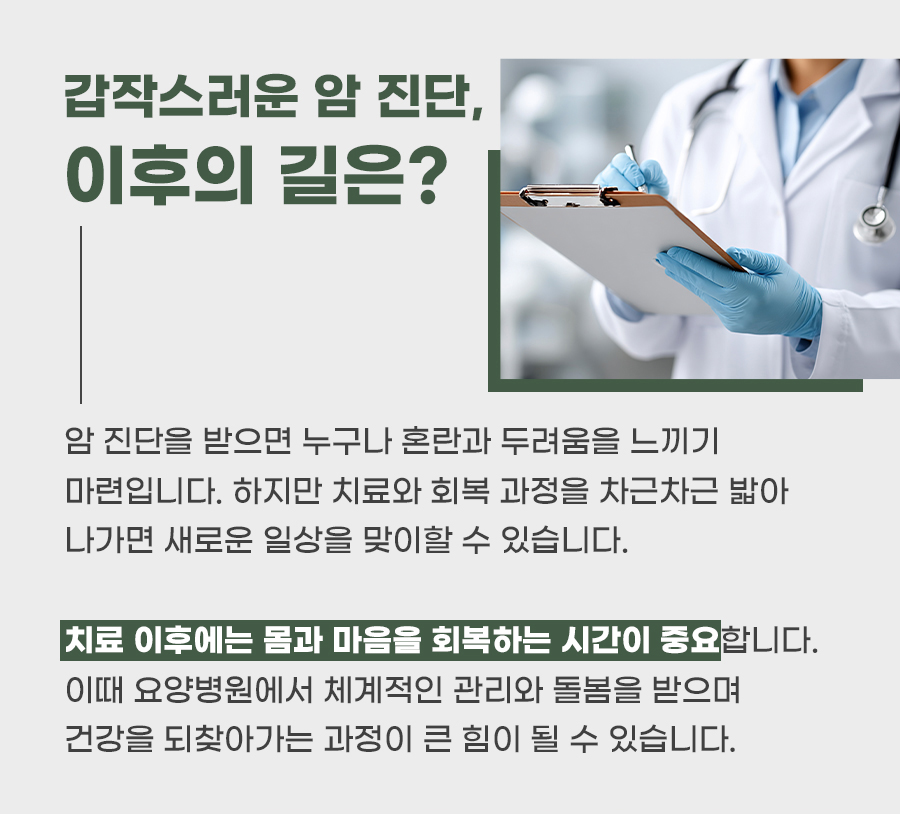
For cancer patients, convalescent hospitals that are used as a bridge between home and tertiary hospitals can be especially important. They can help with recovery after surgery, between chemotherapy cycles, or during and after radiation therapy.
Why many Jeonnam families consider Gwangju based convalescent hospitals
For residents of Jeonnam, Gwangju is a realistic and often convenient choice. Many tertiary hospitals that provide cancer surgery, chemotherapy, and radiation are located in or near Gwangju and Hwasun. After intensive treatment, some patients are not ready to return directly home, but they also do not need to stay in a large university hospital.
Convalescent hospitals in Gwangju can serve as a base for recovery. They are close enough to major cancer centers for follow up visits, yet offer a quieter environment and more focus on daily life, nutrition, and symptom control.
Medical staff background and why it matters
When choosing a Jeonnam nursing home or convalescent hospital, the qualifications of the medical team are a key point. Families often worry that nursing homes may not have enough medical expertise to handle complex conditions such as cancer combined with heart disease, diabetes, or digestive problems.
This kind of academic and clinical background is not common in the convalescent and nursing home category and can help reduce anxiety for families who are used to the standard of care at tertiary hospitals. It means that monitoring of chronic conditions, interpretation of test results, and adjustment of medications are handled by physicians with extensive internal medicine experience.
This combination can be useful for patients who want both conventional medical management and supportive Korean medicine therapies.
Location and natural healing environment near Mudeungsan
Environment is another important factor when comparing Jeonnam nursing home options. Noise, air quality, and access to nature can all influence a patient’s mood, sleep, and willingness to move.
Chiu Convalescent Hospital is located in Gwangju, near the entrance of Mudeungsan National Park, close to the Jeungsimsa bus stop. The area is known for its clean air, cypress forest, and valley walking paths. On site parking is available for families who visit by car.
The surrounding cypress forest releases phytoncides, natural substances from trees that many people find refreshing. Patients and caregivers can use nearby walking trails for gentle daily exercise and mental relaxation, as allowed by their physical condition. The quiet surroundings create a setting that is suited to rest and recovery, especially for those who feel overwhelmed by the pace of large city hospitals.
Cancer focused recovery care and main service lines
Unlike many nursing homes that mainly focus on general geriatric long term care, Chiu Convalescent Hospital is oriented toward convalescent and recovery care for cancer patients. This includes people who have completed surgery, are between chemotherapy cycles, or are undergoing or finishing radiation therapy.
Inpatient cancer recovery care
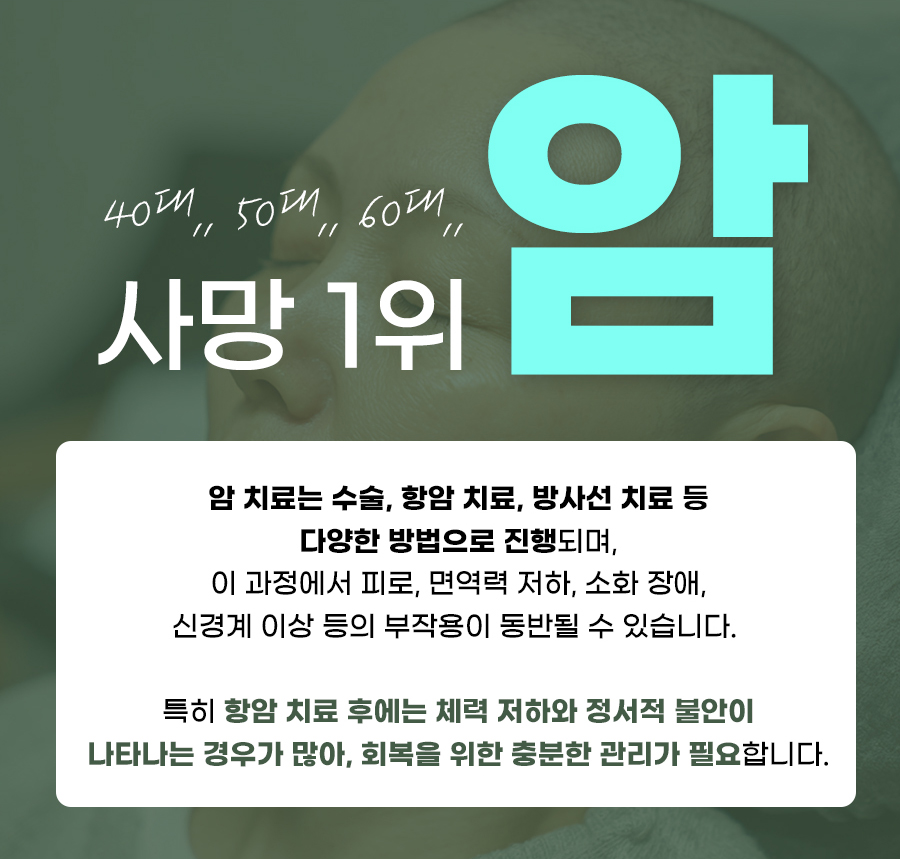
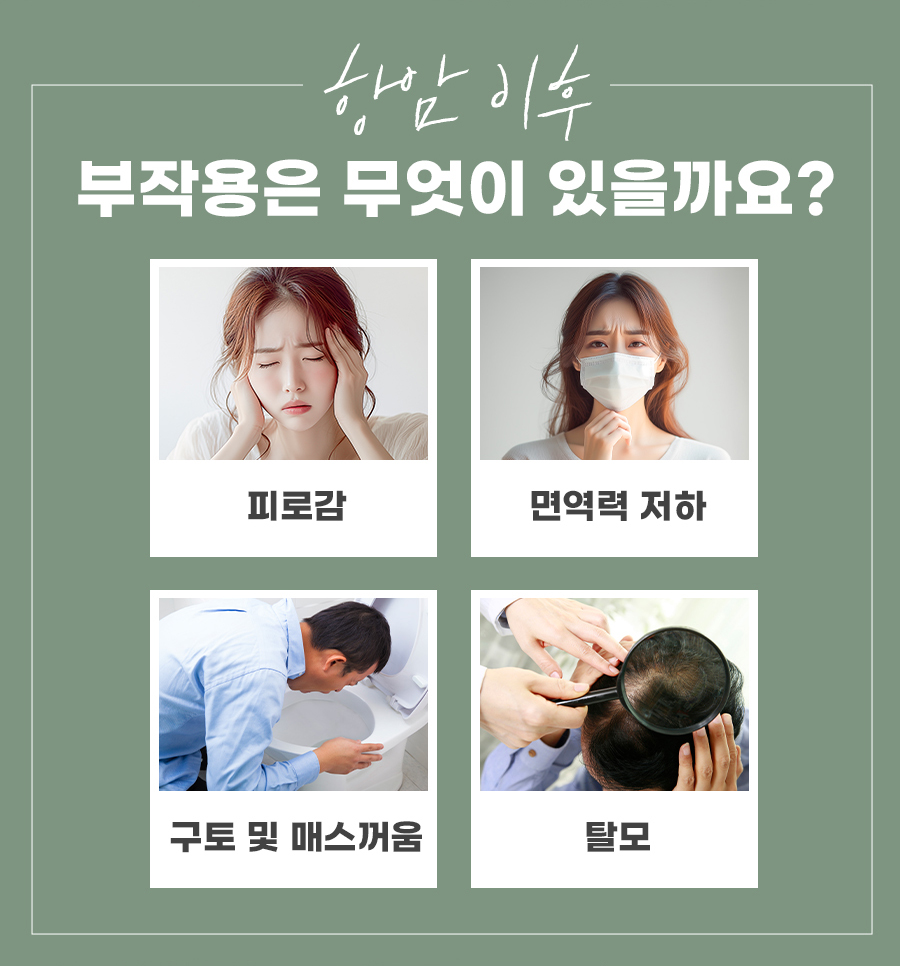
Inpatient care is designed for patients who need continuous monitoring and support. Internal medicine specialists oversee symptom control, such as pain, nausea, shortness of breath, or digestive problems. They also manage chronic conditions that often accompany cancer, such as high blood pressure, heart disease, or diabetes.
Nutritional support is a central part of inpatient care. Many cancer patients struggle with appetite loss, taste changes, or weight loss. Structured meal plans are used to support recovery while considering each patient’s medical status and preferences.
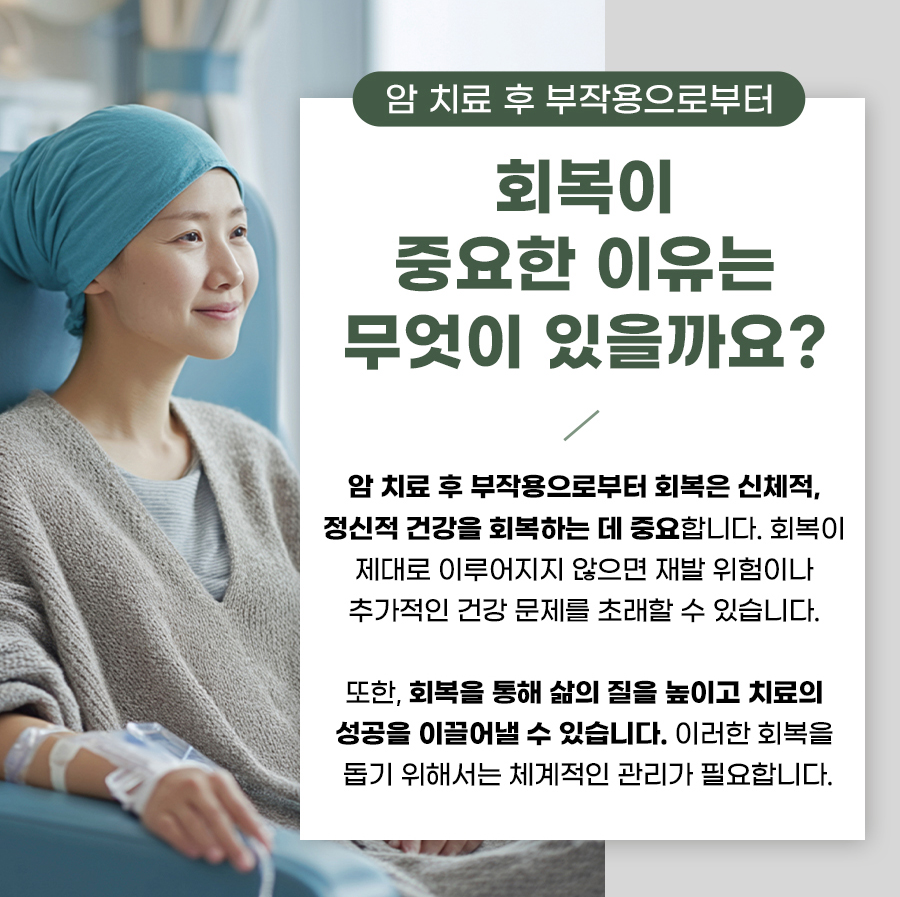
Two week short term admission program
Some families hesitate to choose a nursing hospital because they fear that once a patient is admitted, it will be difficult to leave. To address this concern,
This program is suitable for patients who need a limited period of intensive rest and management after surgery, chemotherapy, or radiation. The goal is to stabilize symptoms, support nutrition, and help the patient regain strength before returning home or moving to the next treatment step.
Short term admission is reservation based, and availability can vary by month. Families can discuss the expected admission date, goals of care, and discharge plan in advance.
Outpatient treatment program
Not all patients need or want inpatient care. For those who live at home in Jeonnam or Gwangju but require regular follow up, symptom management, or supportive therapies, outpatient programs are available.
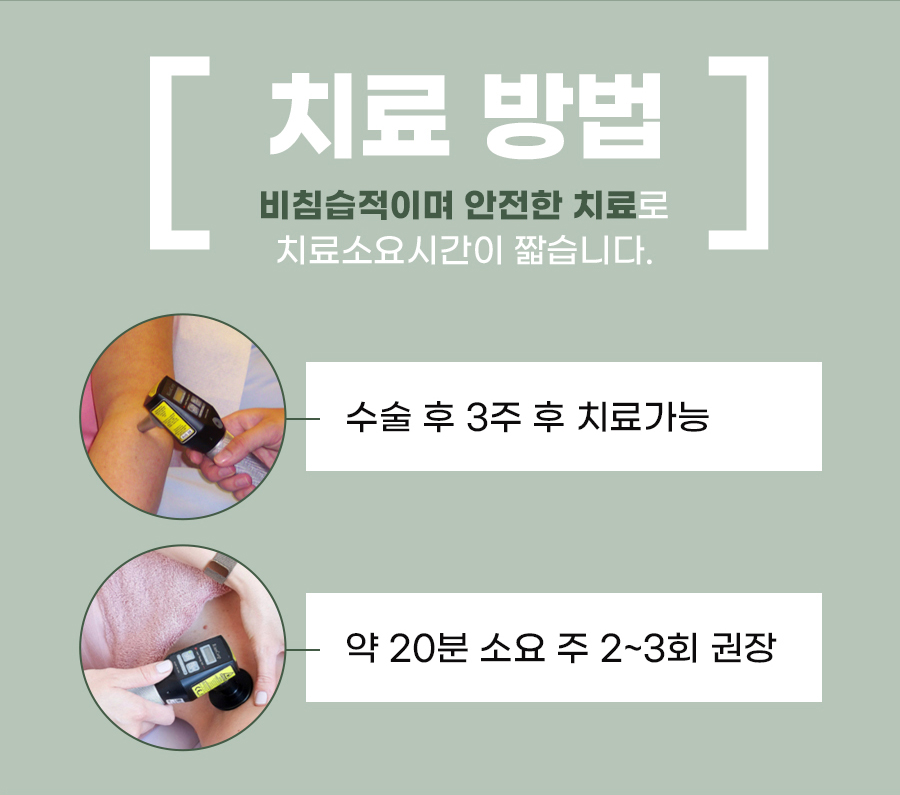
Outpatient visits can include internal medicine consultations, monitoring of blood tests and vital signs, adjustment of medications, and supportive treatments such as high frequency hyperthermia therapy or Korean medicine sessions. This approach allows patients to stay at home while still receiving structured support.
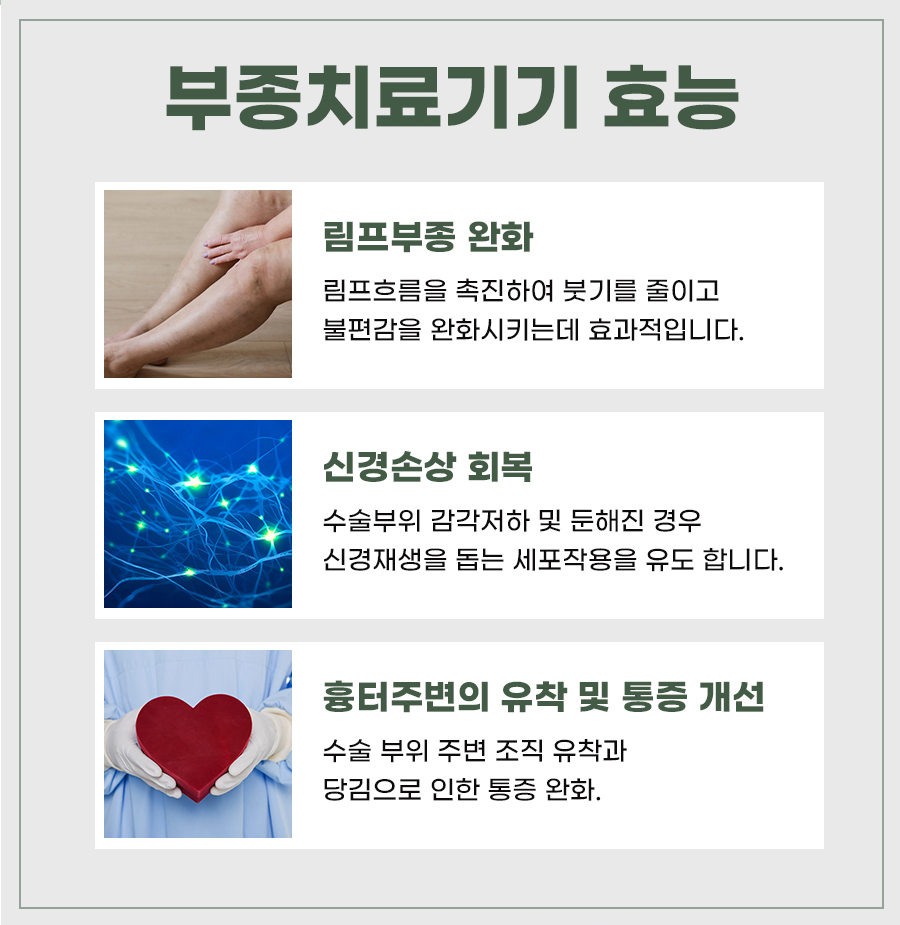
High‑frequency hyperthermia: some centers offer this as a complementary therapy, but high‑quality evidence of clinical benefit is limited. Patients should discuss any hyperthermia treatment with their oncology team before considering it.
It involves applying controlled heat to the body or specific areas to support circulation and may help with symptom relief for some patients.
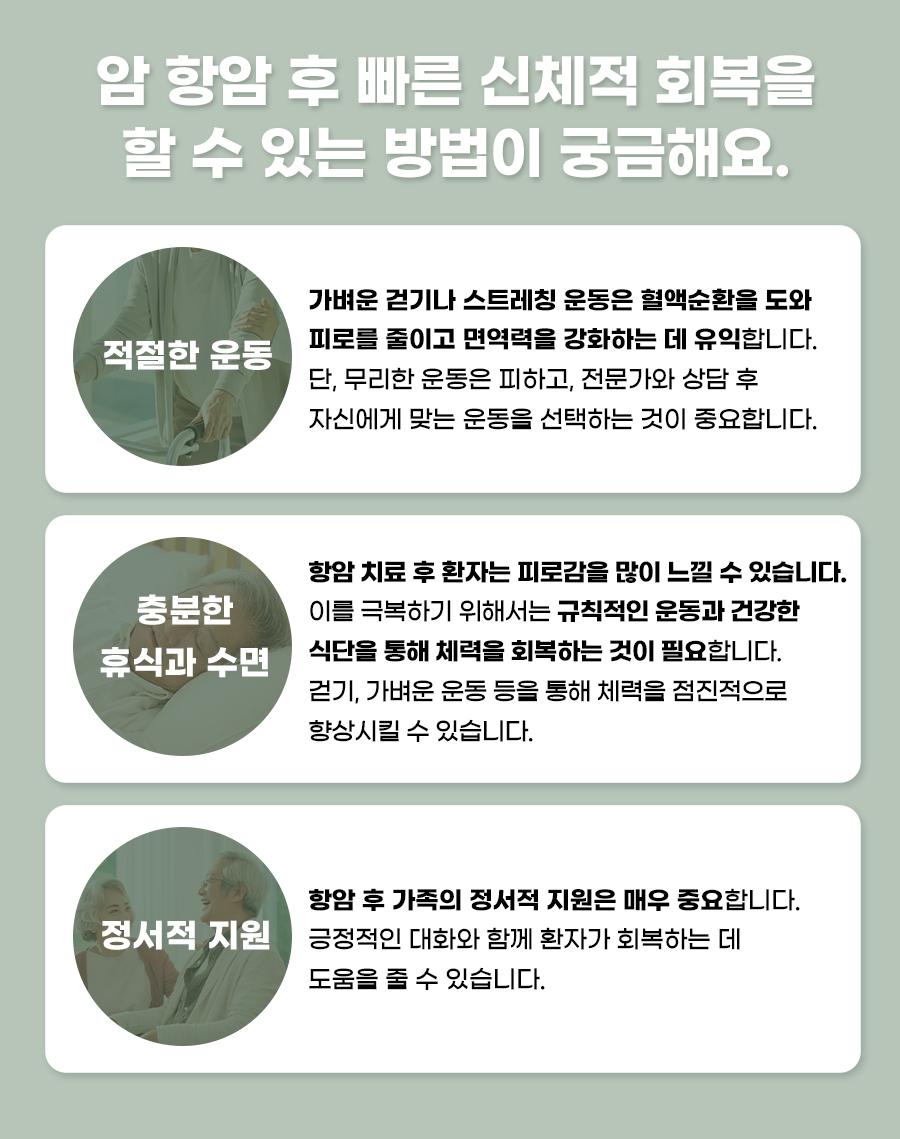
The hospital provides explanatory video content to help patients and families understand how this therapy is used, what to expect during sessions, and how it fits with existing treatment plans from university hospitals. It is not a replacement for surgery, chemotherapy, or radiation, but can be part of a broader supportive care strategy.
Western–Korean cooperative care
One feature that distinguishes some Jeonnam accessible convalescent hospitals from general nursing homes is the availability of Western–Korean cooperative care.
The hospital reports that internal medicine specialists and a Korean medicine doctor work together and that modalities such as acupuncture, moxibustion, cupping, and herbal medicine may be used. Some patients report symptomatic relief from these therapies, but the clinical evidence varies; consult the treating oncologist before starting complementary treatments.
- Acupuncture
- Moxibustion
- Cupping
- Herbal medicine
While Western medicine focuses on monitoring internal diseases, adjusting medications, and responding to acute changes, Korean medicine can provide additional support for comfort and quality of life.
For families, this integrated approach can be convenient because they do not need to move between multiple facilities to access both types of care.
Nutrition and daily life care
Food quality is one of the most common concerns for families choosing a Jeonnam nursing home. They often ask whether meals are appropriate for cancer patients, elderly people with chronic diseases, or those with specific dietary restrictions.
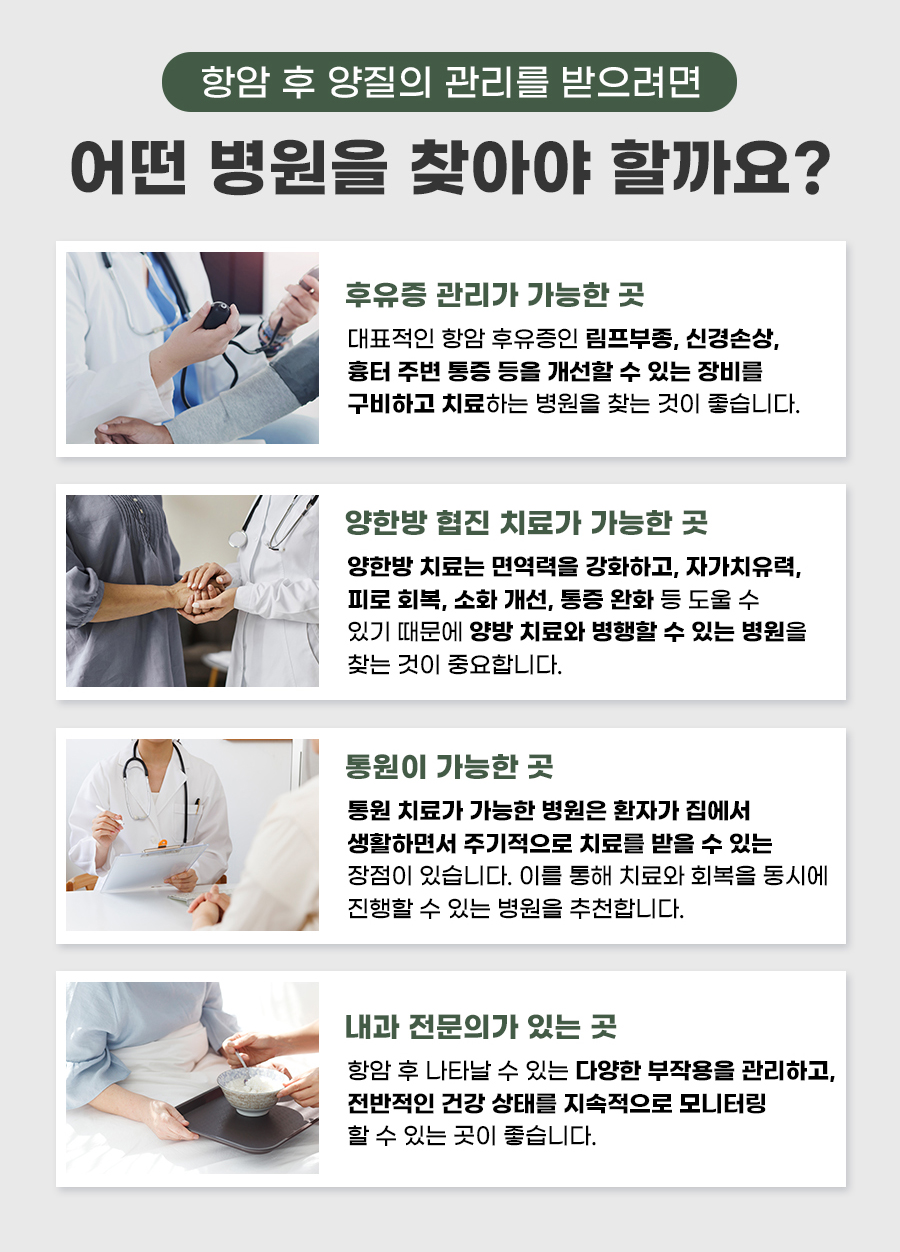
Chiu Convalescent Hospital emphasizes a structured anti cancer diet and healing meal plans. Menus are designed to be gentle on digestion while providing adequate protein, vitamins, and calories according to each patient’s condition.
The hospital publishes daily meal photos on its website as a transparency measure. This creates a large, growing archive families can review over time to see typical meals rather than relying only on sample pictures.
Daily life care also includes assistance with bathing, mobility, and personal hygiene, as well as regular vital sign checks and medication administration. The goal is to create a routine that supports both physical stability and emotional comfort.
Emotional and mental support
Cancer treatment and long term illness affect not only the body but also the mind. Feelings of anxiety, sadness, and isolation are common for both patients and family members.
Within the facility, healing spaces, rest areas, and quiet rooms are prepared to allow patients to reflect, read, or simply rest in a calm environment. Cultural activities, such as poetry exhibitions or similar small scale events, are used to provide emotional stimulation and comfort.
The hospital’s philosophy is to treat patients with a family mindset and to help them bloom again in their later years. This means paying attention not only to lab results and medications, but also to the patient’s dignity, preferences, and emotional needs.
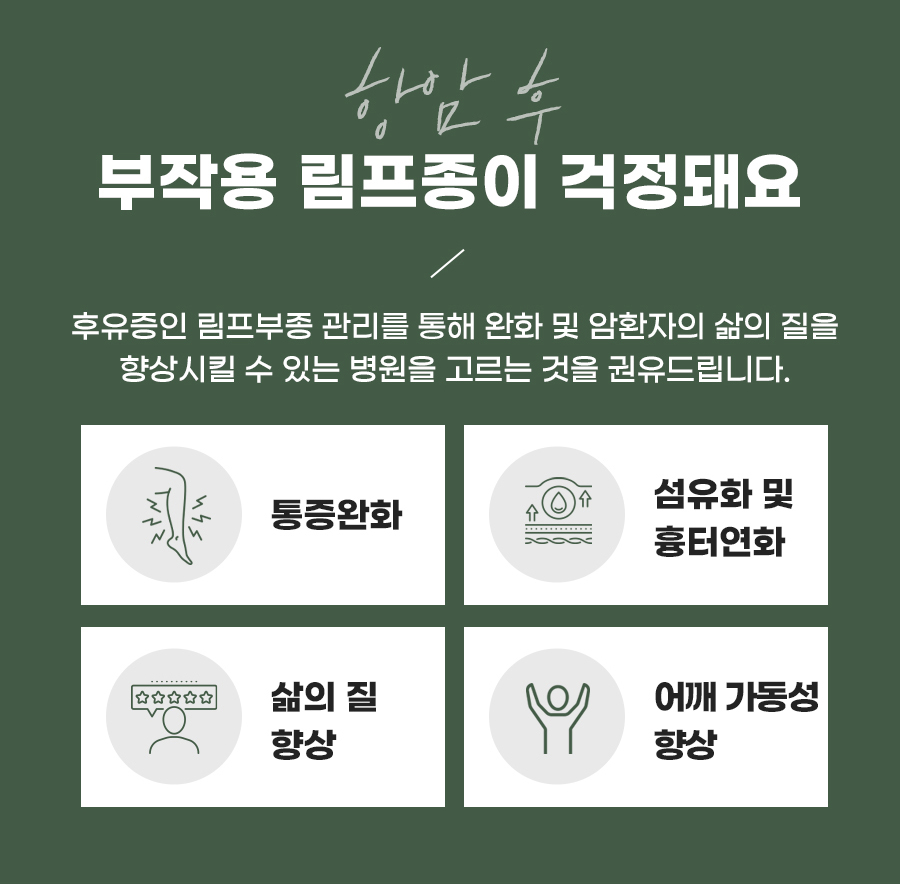
Collaboration with tertiary hospitals
Many cancer patients in Jeonnam receive their main treatment at large tertiary hospitals. These include institutions such as Samsung Medical Center, Chosun University Hospital, Hwasun Chonnam National University Hospital, Chonnam National University Hospital, and Bundang Seoul National University Hospital.
Chiu Convalescent Hospital positions itself as a bridge between these centers and the patient’s home. It does not replace tertiary cancer treatment. Instead, it provides a place for rest, monitoring, and supportive care closer to the patient’s community.
Coordination may include sharing medical summaries, aligning supportive therapies with the oncologist’s plan, and arranging schedules so that outpatient visits to tertiary hospitals can be managed with less stress. This can be particularly important for patients who are fatigued from repeated chemotherapy cycles or who have mobility issues.
Practical information for families in Jeonnam
For families in Jeonnam, access and logistics are important when considering a Gwangju based convalescent hospital.
Location and access
Chiu Convalescent Hospital is located in Gwangju, near the entrance of Mudeungsan National Park and close to the Jeungsimsa bus stop. This location is reachable by public transportation and by car from many parts of Jeonnam. On site parking is available for visitors.
Consultation channels and operating hours
Families can usually contact the hospital by phone or through a KakaoTalk channel for initial inquiries, reservation of consultations, and questions about admission. Weekday and Saturday consultation hours are provided, with a lunch break in the middle of the day. The hospital is closed on Sundays and public holidays, so non urgent visits need to be scheduled on operating days.
Short term admission reservations
For the two week short term admission program and other planned admissions, reservations are required. Availability can vary depending on the month and current occupancy. It is advisable to contact the hospital in advance, share the patient’s current treatment schedule, and discuss the preferred admission period.
What to look for in a Jeonnam nursing home
When you compare Jeonnam nursing home and convalescent hospital options, it can be helpful to use a simple checklist. Important points include:
Medical staff qualifications
Check whether the facility has specialists in internal medicine, experience with oncology patients, and staff who are comfortable managing multiple chronic diseases. Ask about the background of key physicians, including training, previous hospital roles, and areas of focus.
Coordination with tertiary hospitals
If the patient is being treated at a tertiary hospital, confirm how the nursing home or convalescent hospital coordinates care. Ask whether they can review discharge summaries, follow the oncologist’s recommendations, and help schedule follow up visits.
Environment and facilities
Visit the facility if possible. Observe the noise level, cleanliness, and smell. Check whether there is access to nature, such as gardens or nearby walking paths. Ask about room types, shared versus private rooms, and visiting policies.
Rehabilitation, pain control, and emotional support
Ask what rehabilitation services are available, such as physical therapy or occupational therapy. Confirm how pain is assessed and managed. Inquire about emotional support programs, cultural activities, or quiet spaces for rest.
Nutrition and meal management
Request sample menus or look for records of actual meals served. Ask how the facility adapts diets for cancer patients, people with diabetes, or those with swallowing difficulties. Clarify whether nutritionists are involved in planning.
Length of stay options
Confirm whether the facility can accommodate short term, mid term, and long term stays. For example, you may want a two week intensive recovery period after chemotherapy, followed by a return home, or you may be considering longer term care.
Chiu Convalescent Hospital can serve as an example of a facility that meets many of these criteria, particularly for cancer focused convalescent care with strong internal medicine leadership and access to nature.
Online consultation and pre visit preparation for overseas patients
For overseas patients considering cancer recovery care in Korea, an online consultation is often the first step. Before contacting a facility such as Chiu Convalescent Hospital, it is helpful to prepare the following:
Recent medical records, including diagnosis, surgery reports, chemotherapy or radiation schedules, and imaging summaries.
A list of current medications and doses.
Information about allergies and previous treatment side effects.
Your goals for the stay, such as rest between treatment cycles, nutritional support, or symptom control.
During an online consultation, you can discuss whether inpatient, short term, or outpatient care is most appropriate. You can also ask about the estimated length of stay, expected daily routine, and how the hospital will coordinate with your primary oncologist.
Expected Korea visit timeline for convalescent care
While each case is different, a typical timeline for an overseas patient seeking convalescent care in Korea may look like this:
Pre arrival phase
Online consultation with the hospital to review medical records and clarify goals.
Coordination with your primary oncologist in your home country or in Korea.
Confirmation of admission dates and room type, if inpatient care is planned.
Arrival and initial assessment
Arrival in Korea and transfer to the hospital.
Initial medical assessment by internal medicine specialists, including physical examination and review of test results.
Discussion of a personalized care plan, including nutrition, symptom management, and any supportive therapies such as high frequency hyperthermia or Korean medicine.
Convalescent period
Daily monitoring of symptoms and vital signs.
Regular meals according to the structured diet plan.
Optional gentle exercise using nearby walking paths, if appropriate.
Scheduled outpatient visits to tertiary hospitals, if you are continuing active cancer treatment.
Discharge and follow up
Preparation of a discharge summary and recommendations for ongoing care.
Online or in person follow up consultations as needed.
Coordination with your home country medical team regarding next steps.
Aftercare and returning home
After returning home, ongoing communication with the hospital can help support continuity of care. You may receive guidance on how to maintain nutrition, manage fatigue, and monitor for warning signs that require medical attention.
If you plan to return to Korea for future treatment cycles, you can discuss how to align convalescent stays with your chemotherapy or radiation schedule. This can help reduce stress and make logistics more predictable for both patients and family caregivers.
Frequently asked questions about Jeonnam nursing homes and convalescent hospitals
Difference between a general nursing home and a convalescent hospital
A general nursing home focuses mainly on daily living support for older adults, such as meals, bathing, and basic nursing. Medical staff may visit periodically, but on site physician coverage is often limited. A convalescent hospital has physicians on site, can manage multiple chronic diseases, and offers more structured rehabilitation and symptom control. For cancer patients or those with complex conditions, a convalescent hospital is often more suitable than a general nursing home.
Is short term admission possible for cancer patients
Yes, short term admission is possible at some convalescent hospitals that serve the Jeonnam–Gwangju area. At Chiu Convalescent Hospital, there is a two week short term admission program designed for patients who need intensive rest and management for a limited period after surgery, chemotherapy, or radiation. This helps break the stereotype that entering a nursing hospital means a permanent stay. Admission is reservation based, so it is important to plan ahead.
How does coordination with tertiary hospitals usually work
Coordination typically involves sharing medical summaries, aligning supportive care with the oncologist’s plan, and scheduling follow up visits. Many patients receive their main cancer treatment at tertiary centers such as Samsung Medical Center, Chosun University Hospital, Hwasun Chonnam National University Hospital, Chonnam National University Hospital, or Bundang Seoul National University Hospital. A convalescent hospital like Chiu Convalescent Hospital acts as a bridge, providing rest and monitoring between these visits, not as a replacement for the tertiary hospital.
What should families from outside Gwangju consider about distance and visits
Families from other parts of Jeonnam should consider travel time, visiting frequency, and transportation options. Gwangju is generally accessible by car and public transport, and the hospital’s location near Mudeungsan National Park offers on site parking. If you plan to visit frequently, check the visiting hours and any restrictions. For some families, being closer to a tertiary hospital and having a calm environment for the patient outweighs the extra travel time compared with a facility closer to home.
Soft call to action for online consultation
If you are an overseas patient or a family member considering a Jeonnam nursing home or convalescent hospital for cancer recovery, an online consultation can help clarify whether a facility like Chiu Convalescent Hospital matches your needs. By sharing your medical records and goals in advance, you can receive guidance on suitable programs, expected timelines, and practical arrangements for a stay in Korea.
This article is for general information only and does not replace professional medical advice. Treatment decisions should always be made in consultation with qualified medical staff who understand the individual patient’s condition.
- 공유 링크 만들기
- X
- 이메일
- 기타 앱


댓글
댓글 쓰기