Jeonnam Integrative Korean Medicine Cancer Convalescent Hospital Guide for Overseas Patients
Introduction
Cancer patients and their families across Jeollanam-do and Gwangju often seek a place to rest between treatments such as surgery, chemotherapy, or radiation. They typically need medical monitoring, symptom relief, and nutritious meals, and many prefer a quiet, natural setting rather than a busy urban hospital.
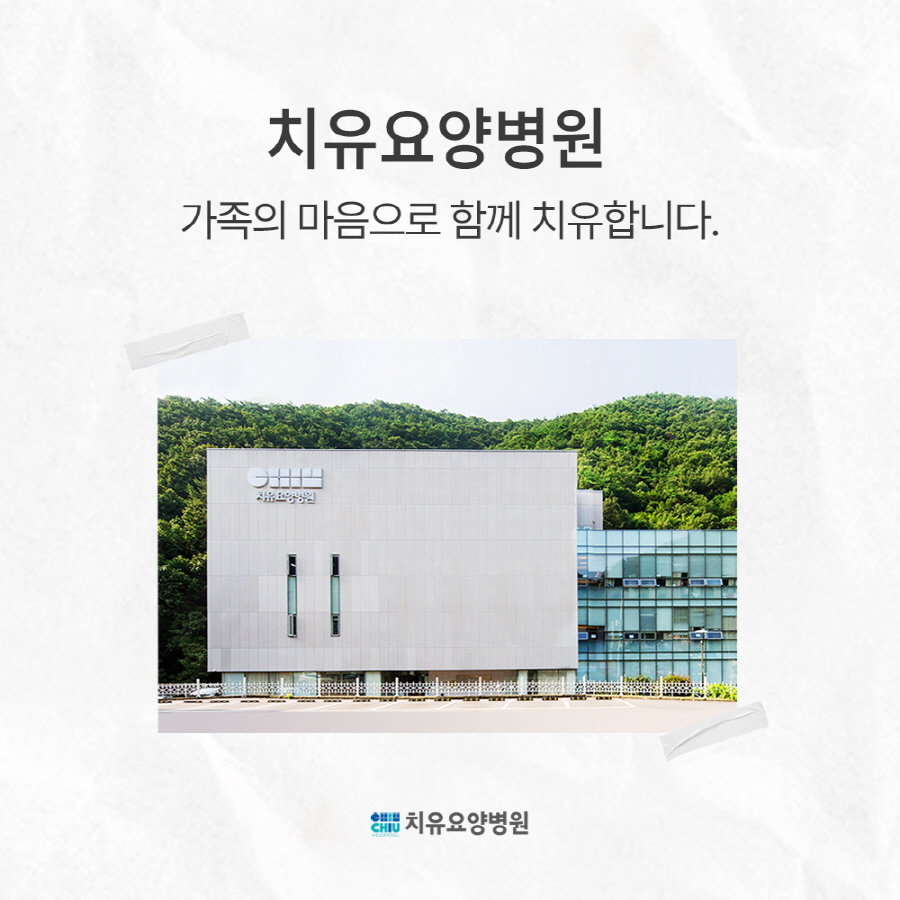
Near the entrance to Mudeungsan National Park in Dong-gu, Gwangju, there is a cancer-focused convalescent hospital that combines Western internal medicine with Korean medicine, high-frequency hyperthermia therapy, nutritional care, and nature-based rehabilitation. Chiu Convalescent Hospital positions itself as a recovery base for patients treated at major tertiary hospitals in Jeonnam and Seoul, offering both short-term inpatient stays and outpatient programs.
Direct answer summary
For international and out-of-town patients looking for a Jeonnam-area integrative Korean medicine cancer convalescent hospital, this center in Dong-gu, Gwangju provides:
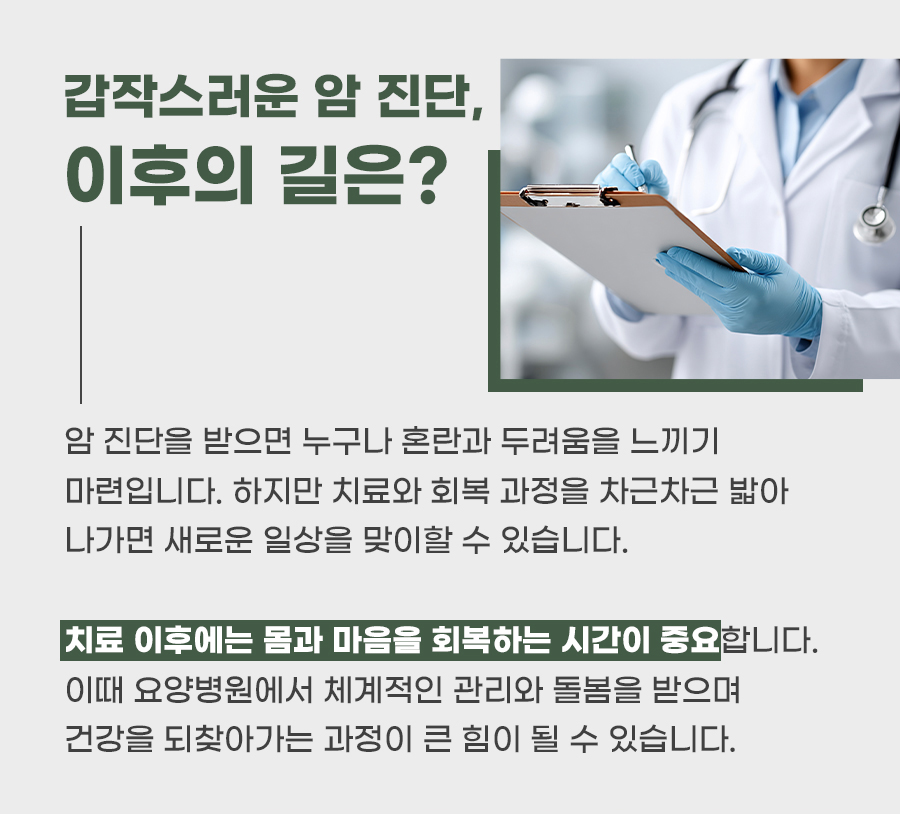
A cancer-focused convalescent setting, led by two internal medicine specialists who previously served as presidents of a university hospital, working together with an experienced Korean medicine director.
Structured options including inpatient cancer recovery care, a 2-week short-term admission program, and outpatient integrative cancer support.
Supportive therapies such as high-frequency hyperthermia, acupuncture, moxibustion, cupping, herbal medicine, and individualized anti-cancer nutrition.
Emotional healing programs and a nature-based rehabilitation environment at the entrance to Mudeungsan National Park.
It does not replace surgery, chemotherapy, or radiation at tertiary centers. Instead, it functions as a supportive-care base before, between, and after those treatments.
Treatment overview
This cancer convalescent center focuses on recovery and supportive care rather than primary cancer treatment. Patients usually come after receiving surgery, chemotherapy, or radiation at large hospitals in Gwangju, Hwasun, or Seoul. The medical team then helps them manage side effects, rebuild strength, and stabilize daily life.
Western internal medicine specialists are on site to monitor vital signs, manage chronic conditions, and coordinate with tertiary hospitals. At the same time, Korean medicine is used to support digestion, sleep, fatigue, and pain. High-frequency hyperthermia is available as a non-invasive adjunctive therapy. Nutrition therapy and emotional healing programs complete the integrative approach.
Why medical leadership matters
Many families hesitate to choose a convalescent hospital because they worry about low medical standards. The hospital states that two internal medicine specialists with senior leadership experience are involved in patient care and hospital management.
They hold doctoral degrees in medicine and have overseas training experience at a heart center in Germany and a gastroenterology center in Canada. Their background supports careful decision-making, safe monitoring of complex patients, and smooth communication with tertiary hospitals.
Alongside them, a Korean medicine director with a Korean medicine college degree and membership in professional societies for constitutional medicine and pharmacopuncture oversees integrative treatments. This combination allows Western internal medicine and Korean medicine to be delivered in a coordinated way within one facility.
Inpatient cancer recovery care
Inpatient cancer recovery care is designed for patients who need more than simple rest at home, but who do not require the intensive environment of an acute tertiary hospital. Typical situations include the period right after surgery, the recovery days between chemotherapy cycles, or the weeks after radiation.
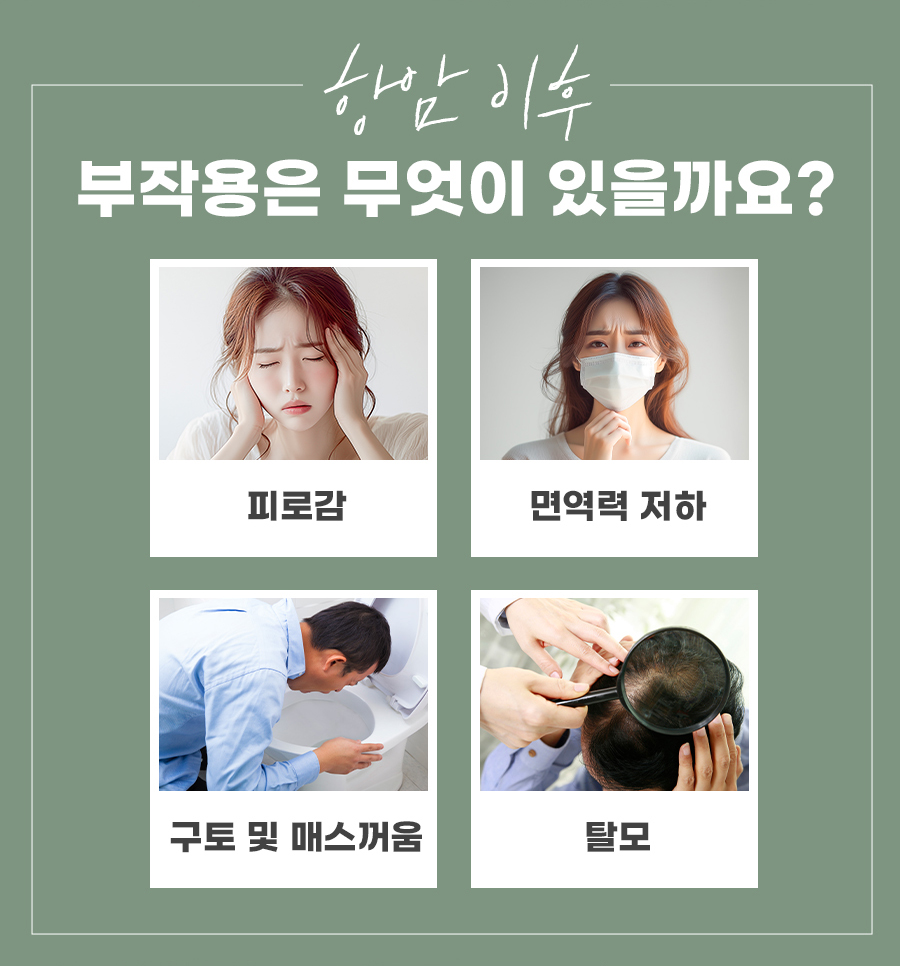
The focus is on managing fatigue, appetite loss, digestive problems, pain, sleep disturbance, and emotional distress. Internal medicine specialists review medications, monitor lab results where appropriate, and watch for complications. Korean medicine and hyperthermia may be added to support symptom relief, depending on the individual case.
Nurses and staff assist with daily activities, rehabilitation walks, and basic exercise. The goal is to help patients regain enough strength and stability to safely return home or continue their next step of oncology treatment.
Two-week short-term admission program
Many people believe that once you enter a convalescent hospital, you may end up staying for months. This hospital actively breaks that stereotype with a structured 2-week short-term admission program.
The program is suitable for patients who need a focused recovery period between chemotherapy cycles, those who want to rebuild strength before or after major surgery, and patients who live far from tertiary hospitals and need a safe place for observation and supportive care.
Short-term admissions are operated on a reservation basis. The hospital announces monthly or seasonal booking periods, such as “October short-term admission reservations in progress.” This clear schedule helps families plan their cancer treatment timeline. Many patients come with a defined goal, stay for the planned two weeks, and then return to their primary oncology center for the next step.
Outpatient integrative cancer support
Not every patient needs or wants inpatient care. For local residents in Gwangju and nearby Jeonnam cities, the outpatient program allows them to live at home while still receiving structured supportive care.
Outpatient services may include integrative symptom management consultations, high-frequency hyperthermia sessions, Korean medicine treatments such as acupuncture or herbal prescriptions, and nutritional and lifestyle counseling. This is particularly helpful for patients who feel unsteady after chemotherapy but are not sick enough to be hospitalized.
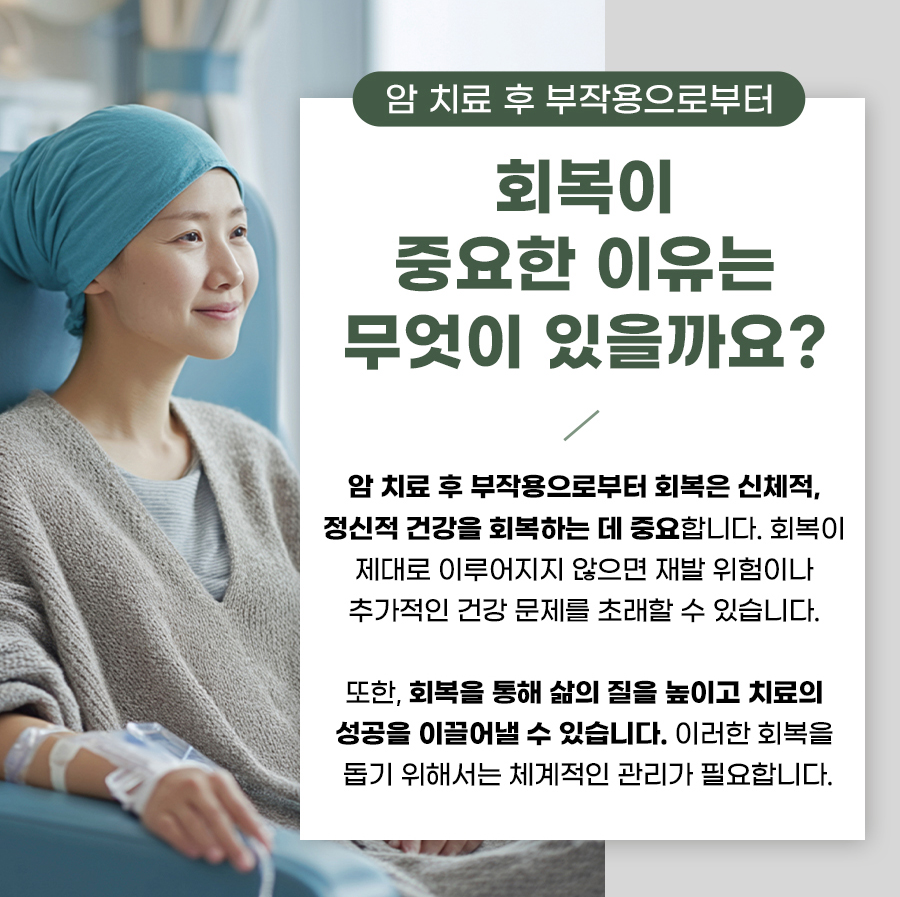
Because Western internal medicine and Korean medicine are both available on site, outpatient visits can address multiple aspects of health in a single trip. Patients can discuss sleep, digestion, neuropathy, and mood in one place, and the team can adjust supportive treatments accordingly.
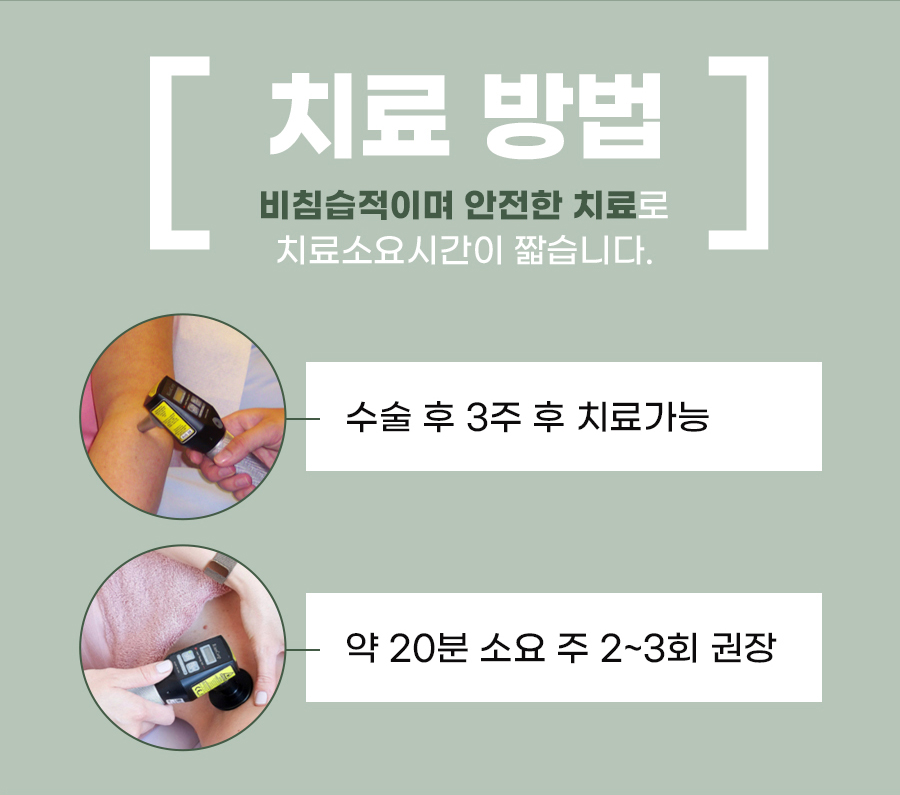
High-frequency hyperthermia — the hospital reports offering this as an adjunctive treatment. Evidence for clinical benefit is mixed, and patients should consult their oncology team before pursuing it. Possible considerations include local tissue heating and interactions with implanted electronic devices; the hospital reports that it screens patients for suitability and discusses indications and contraindications with treating physicians. It is presented as a complement to, not a replacement for, standard oncology treatments.
During a session, energy is applied to raise the temperature of specific tissues within a safe range. Some patients use hyperthermia to support blood circulation, reduce certain types of discomfort, or as part of a broader integrative plan. The hospital provides explanatory video content on its YouTube channel so patients and families can better understand the procedure, its goals, and its limitations.
Before starting hyperthermia, the internal medicine team reviews the patient’s overall condition, recent imaging or reports from the tertiary hospital, and current medications. This helps determine whether the therapy is appropriate and how it should be integrated into the wider care plan.
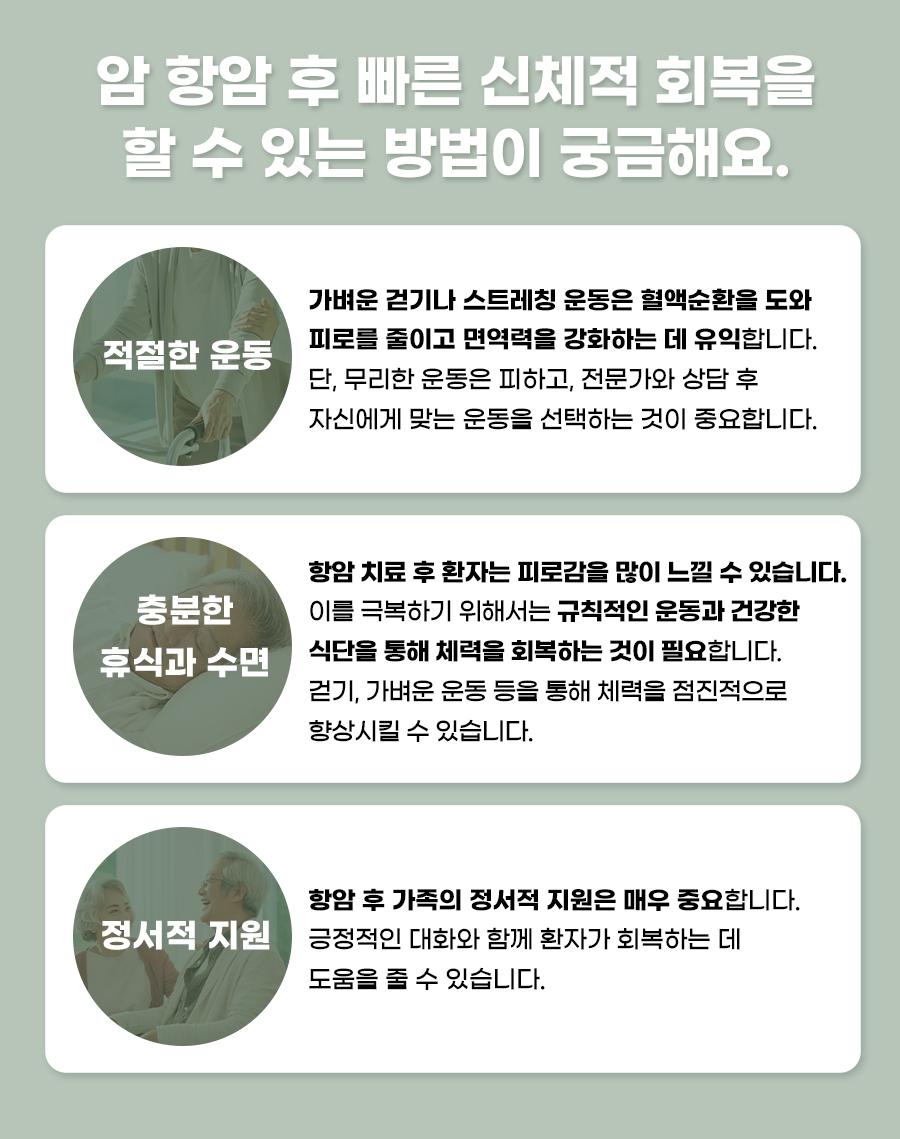
Integrative Western and Korean medicine
One of the main reasons patients choose this center is the coordinated use of Western internal medicine and Korean medicine. Rather than offering each separately, the hospital’s internal medicine specialists and Korean medicine director work together.
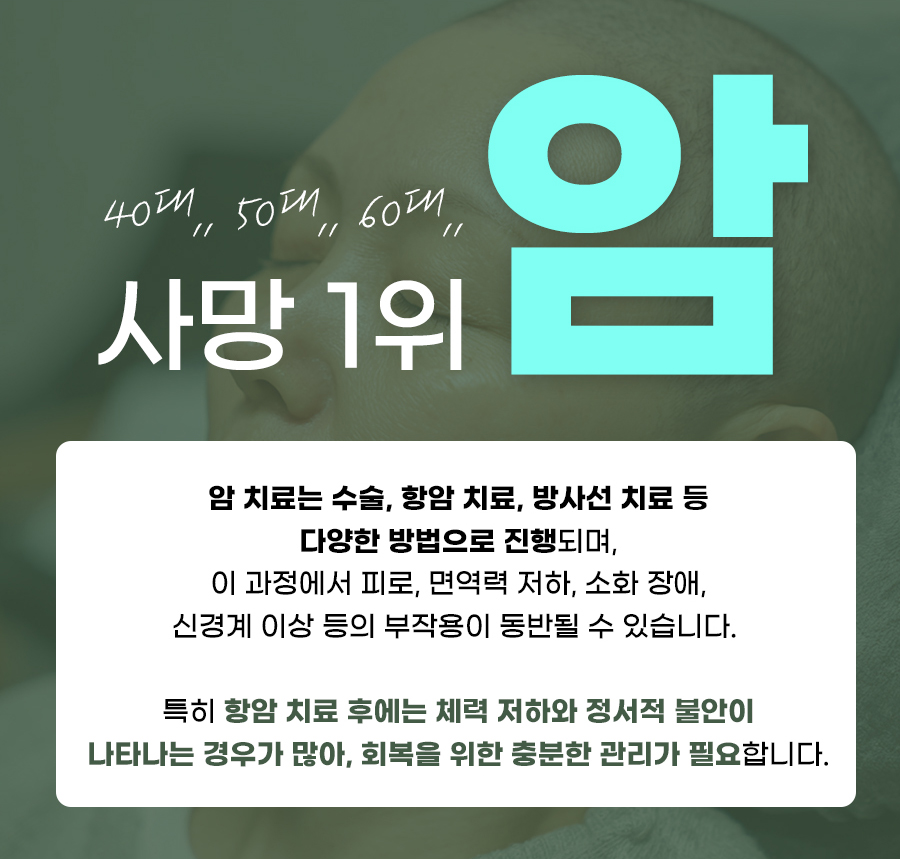
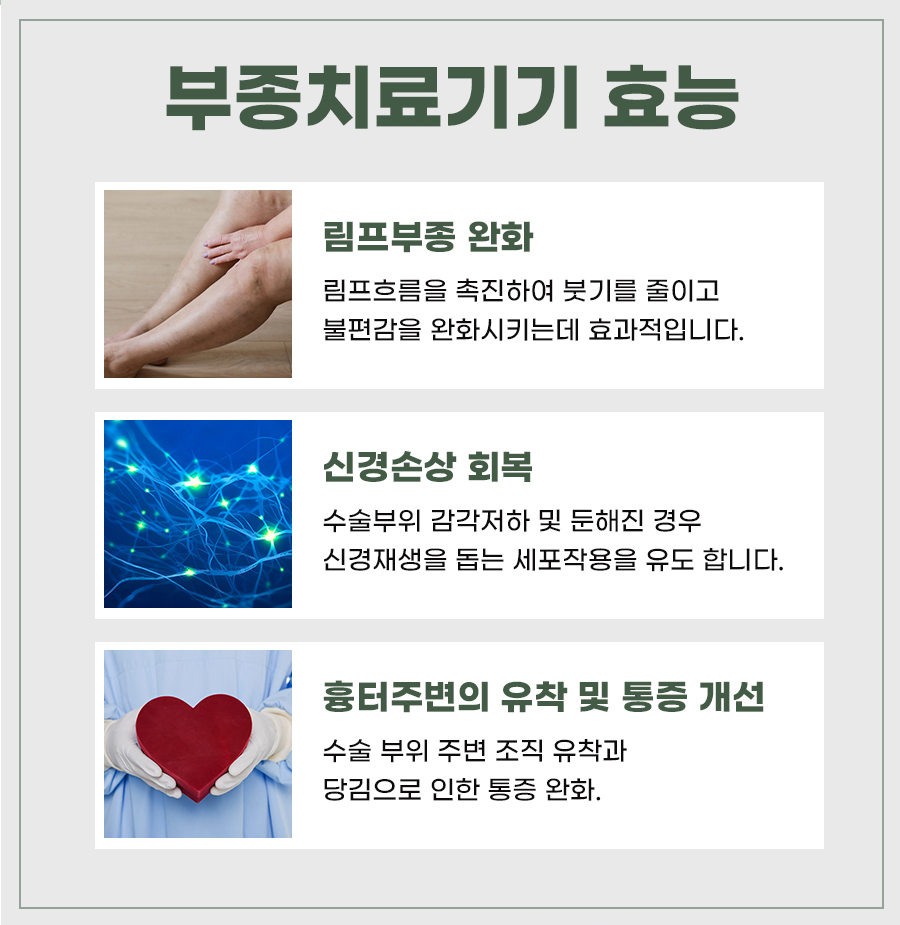
Korean medicine modalities available include acupuncture, moxibustion, cupping, and herbal medicine prescriptions. These are often used to help manage chemotherapy-related nausea, neuropathy, and fatigue, support digestion and appetite, improve sleep and anxiety, and enhance overall quality of life during and after active cancer treatment.
For example, a patient receiving chemotherapy at a tertiary hospital might come here between cycles. Internal medicine doctors monitor blood pressure, blood sugar, or heart conditions, while Korean medicine is used to ease nausea and improve appetite. This integrative approach is adjusted based on individual response and in communication with the primary oncology team when needed.
Anti-cancer nutrition therapy and therapeutic diet
Nutrition is treated as a core part of care, not an afterthought. The hospital operates a dedicated anti-cancer diet program, with menus designed to be balanced and gentle on the digestive system. Meals are adjusted for patients with swallowing difficulties, digestive sensitivity, or specific medical needs.
To build trust, the hospital photographs daily menus and posts them on its website. The hospital aims to maintain a long-term record of daily menu photos. This level of transparency demonstrates a consistent focus on patient-appropriate meals and allows families to see what kind of food is served.
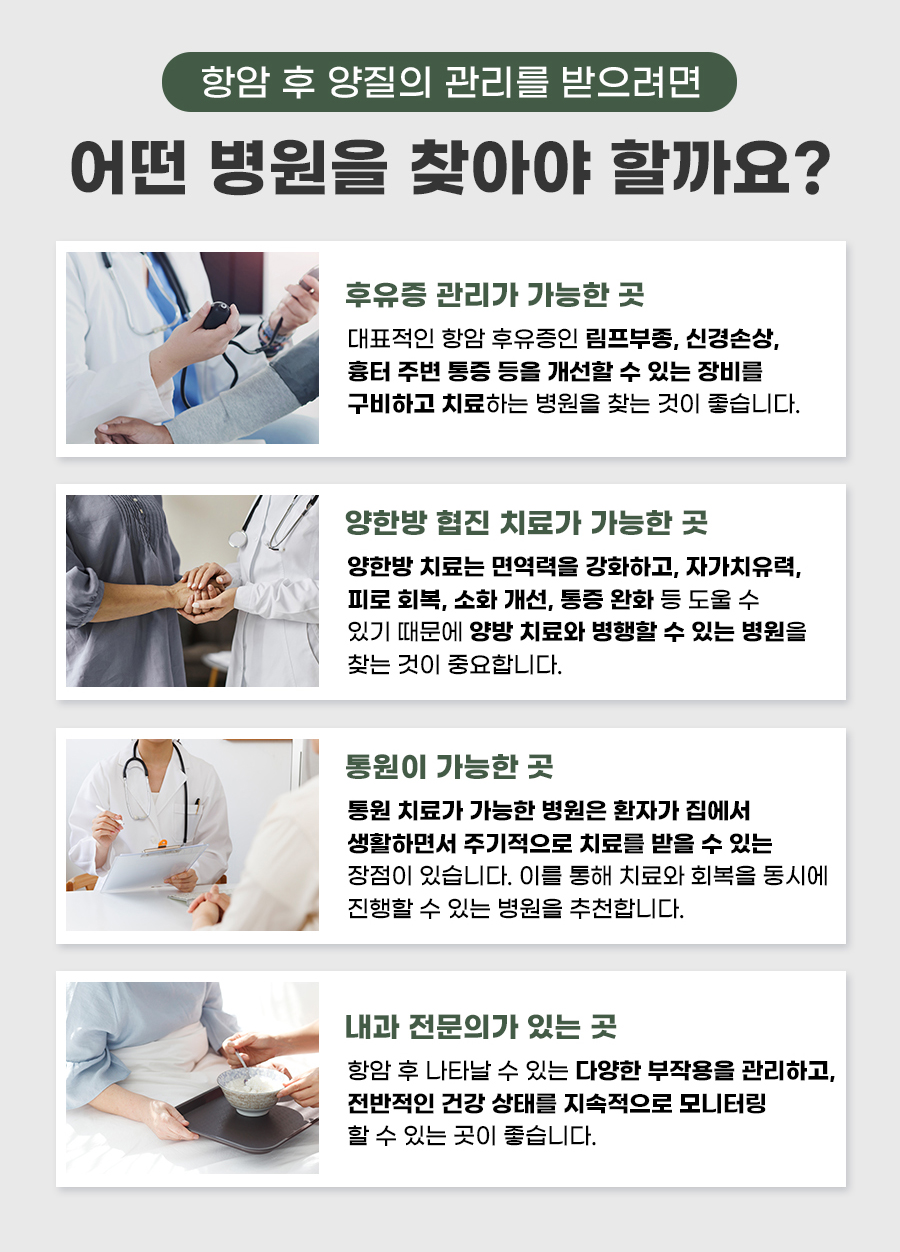
Dietitians and medical staff work together to tailor nutrition plans. For instance, a patient with poor appetite after chemotherapy may receive smaller, more frequent meals with mild flavors, while someone recovering from surgery might need a high-protein diet that is still easy to digest. Overseas patients can also discuss food preferences and restrictions in advance during online consultation.
Emotional and spiritual healing programs
Cancer affects not only the body but also emotions and spirit. The hospital includes healing spaces such as quiet rooms, rest areas, and a dedicated “healing space” concept where patients can sit, read, or simply breathe in a calm environment.
Emotional support activities may include a healing poetry exhibition and other small programs announced in hospital notices. These are designed to reduce anxiety and depression, and to give patients and families a gentle way to process the emotional burden of cancer.
While these programs are not a substitute for formal psychiatric care when needed, they offer an accessible first step for many people who feel overwhelmed. Staff can also help guide patients to additional mental health resources if necessary.
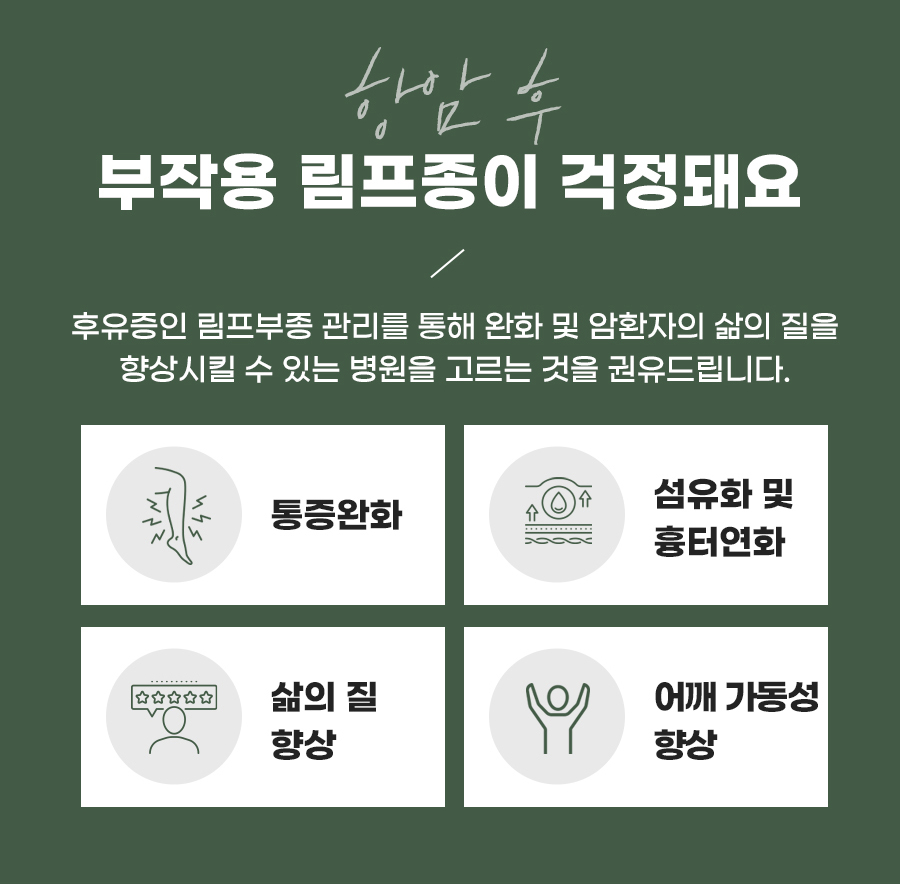
Nature-based rehabilitation environment
The hospital’s location is one of its strongest advantages. It sits near the entrance of Mudeungsan National Park, close to a local temple bus stop. The surrounding area offers clean mountain air, cypress forests rich in phytoncides, clear valley streams, and walking paths.
Patients can take gentle walks on nearby trails as part of daily rehabilitation, under appropriate medical guidance. For some, a short walk along a forest path becomes a daily routine that helps with breathing, mood, and sleep. Compared to urban hospitals with limited outdoor space, this nature-based environment can make recovery feel less like a medical stay and more like a healing retreat.
Who may consider this hospital
This Jeonnam-area cancer convalescent center may be suitable for:
Patients who have undergone surgery, chemotherapy, or radiation at tertiary hospitals such as Hwasun Chonnam National University Hospital, Chosun University Hospital, Chonnam National University Hospital, Samsung Medical Center in Seoul, or Seoul National University Bundang Hospital, and who now need a place to recover.
Individuals experiencing fatigue, appetite loss, digestive issues, neuropathy, sleep disturbance, or emotional distress related to cancer or its treatment.
Families who prefer integrative care that includes both Western internal medicine and Korean medicine in one place.
Patients who want flexible, time-limited stays such as a 2-week program, rather than long-term institutionalization.
Local residents who can commute for outpatient integrative support, hyperthermia sessions, and nutritional counseling.
As always, suitability depends on each person’s medical condition. Decisions about surgery, chemotherapy, and radiation remain with the primary oncology team at the tertiary hospital.
Connection with tertiary hospitals and patient journeys
The hospital reports collaborating with major tertiary and university hospitals, including Samsung Medical Center, Chosun University Hospital, Hwasun Chonnam National University Hospital, Chonnam National University Hospital, and Seoul National University Bundang Hospital.
A typical patient journey might look like this:
Diagnosis and main treatment at a tertiary hospital, such as surgery or chemotherapy.
Transfer or referral to the cancer convalescent center for a 2-week short-term admission to recover, manage side effects, and rebuild strength.
Return to the tertiary hospital for the next cycle of chemotherapy or follow-up imaging.
Between cycles, use of outpatient services at the convalescent hospital for symptom management, hyperthermia, and Korean medicine support.
Throughout this process, the convalescent hospital does not replace standard oncology treatments. Instead, it functions as a supportive-care base that helps patients tolerate and complete their main treatment plan more comfortably.
Online consultation and pre-visit preparation
For overseas patients or those living far from Gwangju, an online consultation is a practical first step. During this process, you can share medical documents and ask detailed questions about programs and schedules.
To prepare for an online consultation, it is helpful to gather:
Recent discharge summaries from your tertiary hospital.
Latest imaging reports or summaries (CT, MRI, PET, if available).
Chemotherapy or radiation schedules.
Current medication list, including supplements and herbal products.
Information about allergies and major past medical history.
You may also want to prepare a list of questions, such as:
- Is a 2-week short-term admission appropriate for my current condition?
- How will my primary oncologist and the convalescent hospital communicate?
- Which supportive therapies are recommended in my case, and which are not?
- What kind of diet can I expect, and can it be adjusted for my cultural or religious needs?
- What language support is available for international patients?
- Expected Korea visit timeline
For international patients, a typical visit timeline might be as follows. This can vary depending on your health status and your primary oncology schedule.
Before travel: Online consultation with the hospital, sharing medical documents and confirming whether inpatient or outpatient care is recommended. Tentative booking of a 2-week program or outpatient schedule.
Arrival in Korea: Arrival in Gwangju or a nearby city, transfer to the hospital in Dong-gu near Mudeungsan National Park. Initial in-person assessment by internal medicine specialists and the Korean medicine director, review of your documents, and confirmation of your care plan.
First few days: Adjustment to the environment, start of therapeutic diet, gentle rehabilitation walks, and initial Korean medicine treatments or hyperthermia sessions if indicated.
Middle of stay: More structured daily routine, including medical monitoring, symptom management, emotional healing activities, and nature-based rehabilitation.
Last days: Review of progress, preparation for return home or for the next step at a tertiary hospital, summary documents for your primary oncologist, and discussion of ongoing outpatient or home-based care.
Aftercare and follow-up
After you leave the hospital, your main oncology treatment continues at your chosen tertiary center. The convalescent hospital can provide summary reports for your oncologist, including information about supportive therapies used, response to treatment, and any recommendations for ongoing nutrition or symptom management.
For patients who live in or near Gwangju, follow-up outpatient visits can be arranged for continued integrative care. For overseas patients, some follow-up may be done via online consultation, focusing on lifestyle, nutrition, and symptom questions, while medical decisions remain with your local doctors.
Frequently asked questions
Is this hospital a replacement for chemotherapy or surgery?
No. This hospital does not replace standard oncology treatments such as surgery, chemotherapy, or radiation. Those decisions and procedures remain with your primary oncology team at tertiary hospitals. The convalescent hospital focuses on recovery, side-effect management, and quality of life before, between, and after those treatments.
Once I enter, do I have to stay long-term?
Not necessarily. The hospital specifically offers a 2-week short-term admission program to provide focused recovery without long-term institutionalization. Many patients book a defined 2-week period tied to their chemotherapy schedule or post-surgery recovery, then return home or to their tertiary hospital. Longer stays may be discussed individually, but they are not mandatory.
Is it safe to combine Western and Korean medicine?
At this hospital, Western internal medicine and Korean medicine are provided in a coordinated way. Internal medicine specialists and the Korean medicine director review each patient’s condition, medications, and treatment plan. They aim to avoid conflicts and focus on supportive care. However, every patient is different, so it is important to share your full medication list and discuss any concerns with the medical team.
Who is not suitable for this hospital?
Patients who need emergency care, intensive care, or complex surgery are better served at tertiary hospitals. Also, individuals expecting guaranteed cure or survival benefits from integrative or hyperthermia therapies may have unrealistic expectations. This hospital is best suited for those who understand that its role is supportive and who are already under the care of an oncology team.
Location and access
The hospital is located in Dong-gu, Gwangju, near the entrance to Mudeungsan National Park and close to a local temple bus stop. The area is accessible by car, with parking available, and can be reached from major Gwangju hospitals and from Hwasun by road.
For international patients, it is usually easiest to arrive via a major airport such as Incheon or Muan, then transfer by domestic flight, train, or bus to Gwangju. The hospital staff can provide basic guidance on routes, though detailed travel arrangements are usually made by patients or their families.
Soft call to action
If you or your family member is receiving cancer treatment at a tertiary hospital and you are looking for a Jeonnam-area integrative Korean medicine cancer convalescent hospital with structured short-term and outpatient programs, you may consider contacting Chiu Convalescent Hospital.
An online consultation can help you understand whether inpatient recovery care, a 2-week short-term admission, or outpatient integrative support is appropriate for your situation. By sharing your medical information in advance, you can receive more precise guidance and plan your visit to Korea or Gwangju with greater confidence.
This article is for general information only and does not replace professional medical advice. Treatment decisions should always be made in consultation with your primary oncology team and the medical staff who examine you in person.


댓글
댓글 쓰기