Jeonnam integrative cancer care outpatient treatment options near Mudeungsan
- 공유 링크 만들기
- X
- 이메일
- 기타 앱
Direct answer summary
In the Jeonnam region, outpatient integrative cancer care typically combines conventional internal medicine support with Korean medicine, nutritional guidance, and emotional care, while coordinating with your main cancer treatment at a tertiary hospital. For patients receiving chemotherapy, surgery, or radiation at larger hospitals (Hwasun, central Gwangju, or others), these services can serve as a recovery base between treatment sessions.
This guide explains what integrative cancer outpatient care is, who it may suit, how a typical visit to Korea could look, and what to check when choosing a facility in the Jeonnam area.
What is integrative cancer outpatient care in Jeonnam
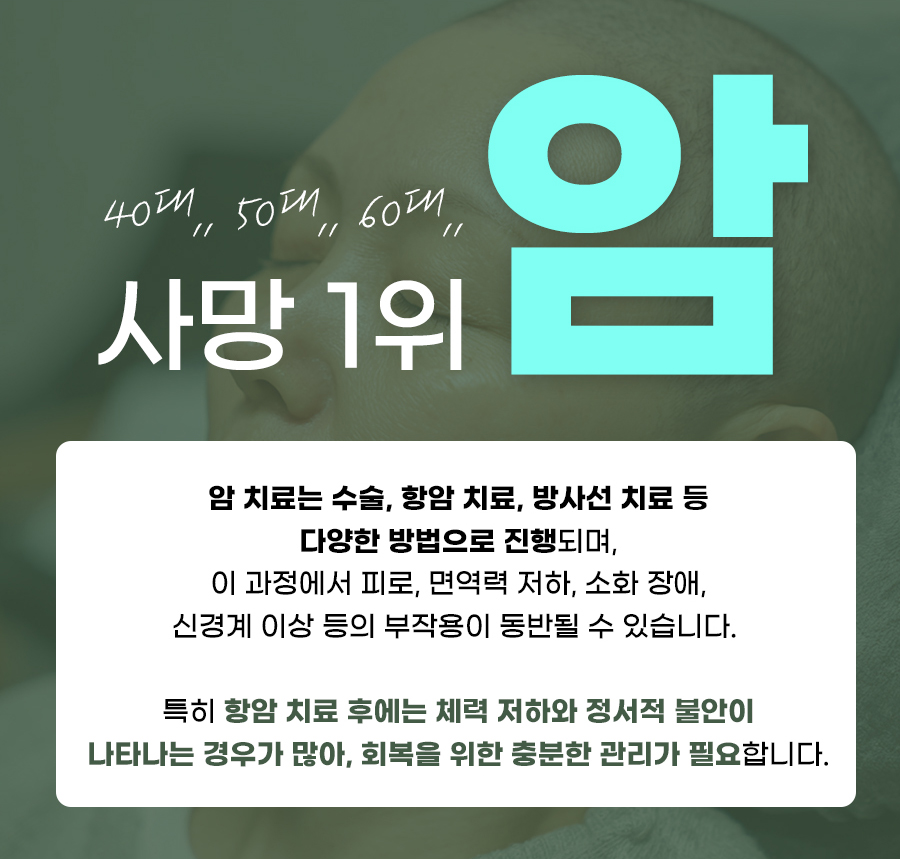
Conventional medicine support is usually led by internal medicine specialists. They focus on monitoring your general condition, managing chronic diseases, checking blood tests, adjusting medications, and helping to control symptoms such as pain, shortness of breath, or digestive problems.
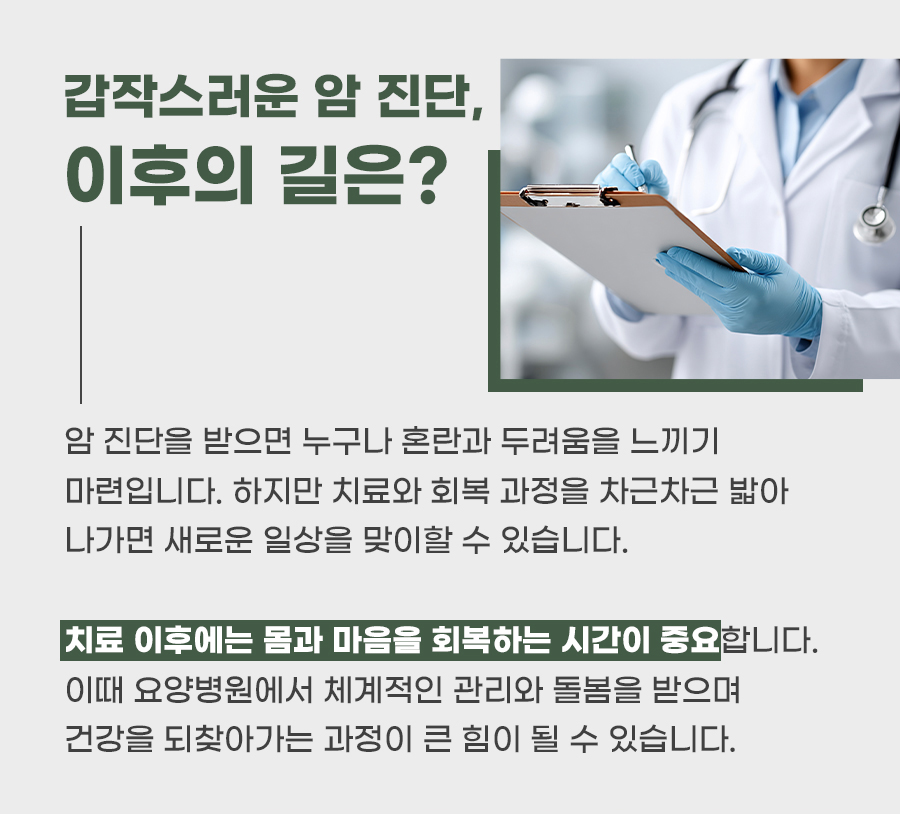
Complementary methods can include Korean medicine (such as acupuncture, moxibustion, cupping, and herbal prescriptions), nutritional therapy with anti-cancer dietary planning, and emotional or environmental support. These are used alongside, not instead of, chemotherapy, radiation, or surgery.
For many patients in Gwangju and Jeonnam, the main cancer treatment is done at large centers like Hwasun Chonnam National University Hospital or major university hospitals in Gwangju and Seoul. After each treatment cycle, patients return home, where they may feel tired, nauseated, anxious, or weak, with limited structured support.
Integrative outpatient care aims to fill this gap. The goal is to help you recover strength between cycles, maintain appetite and sleep, manage side effects, and stay as active and independent as possible in daily life.
How the outpatient model works at a convalescent hospital
Many people think of convalescent hospitals only as long-term or end-of-life facilities. In Jeonnam, however, some convalescent hospitals now offer outpatient and short-stay programs specifically for cancer patients.
At Chiu Convalescent Hospital in Dong-gu, Gwangju, the model is to act as a recovery base while you continue your main oncology treatment at a tertiary hospital. You can visit for day treatments, or stay for a short period such as two weeks, then return home and continue with outpatient follow-up.
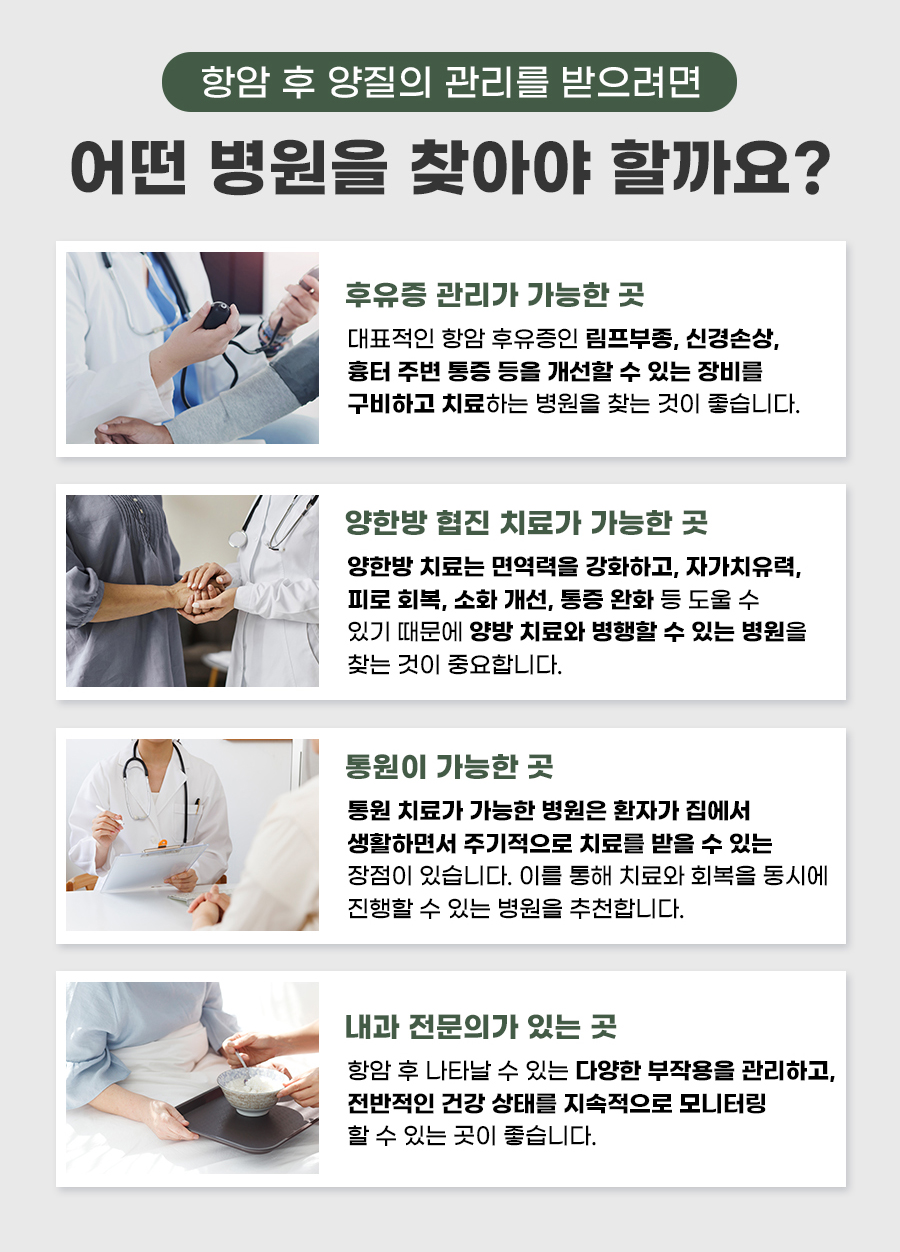
Outpatient visits may include a medical consultation with an internal medicine specialist, symptom assessment, blood pressure and vital sign checks, adjustment of medications, and planning of supportive treatments such as hyperthermia, acupuncture, or nutritional counseling.
Short-stay programs are designed for patients who need more intensive recovery for a limited time. For example, after a difficult chemotherapy cycle or surgery, you might stay for around two weeks to focus on rest, symptom control, and rehabilitation, then go back to living at home. This breaks the stereotype that once you enter a convalescent hospital, you cannot easily leave.
Because the hospital collaborates with tertiary centers, patients can schedule their chemotherapy or radiation at a large hospital and use the convalescent hospital as a quiet place to recover between sessions, especially if they live in Gwangju or the wider Jeonnam region.
Specific integrative services for cancer outpatients
High-frequency hyperthermia cancer treatment
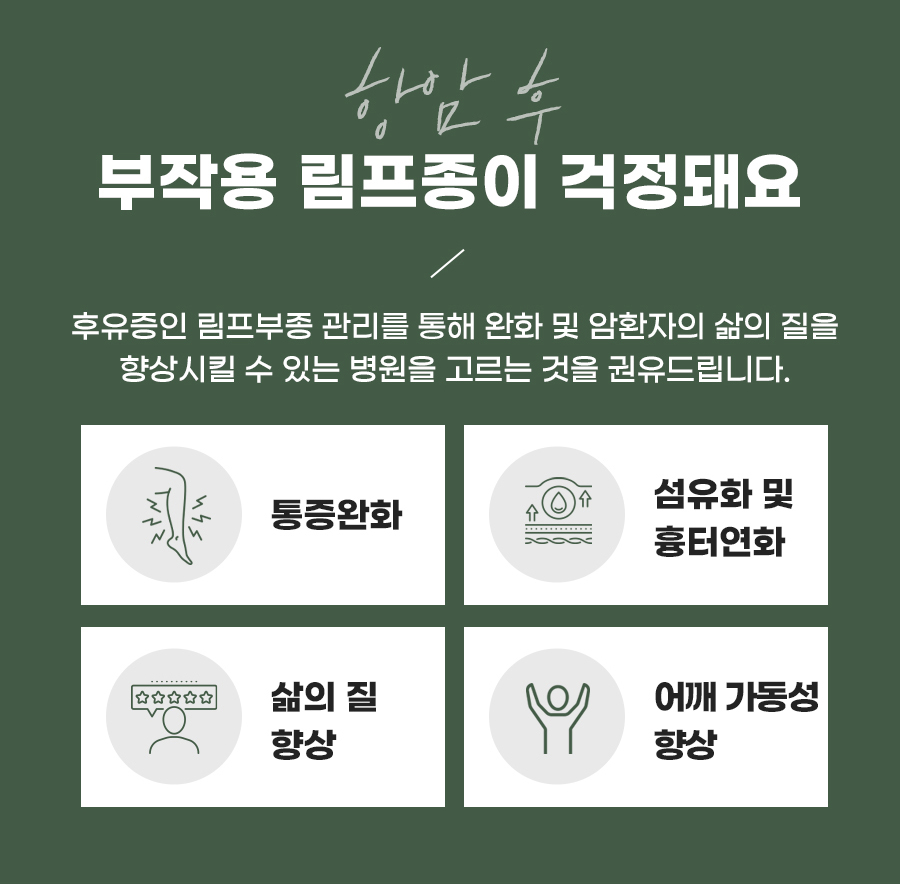
High-frequency hyperthermia is a non-surgical technique that uses electromagnetic energy to raise temperature in targeted tissues. Some integrative cancer programs may offer it as an adjunct to conventional oncology treatments, but it is not a substitute for standard cancer therapy. Evidence on its benefits and indications varies, and it is important to discuss potential risks, contraindications, and compatibility with your current treatment plan with your oncologist before considering this therapy.
The general concept is to raise the temperature in a focused region, which may help improve blood circulation, support metabolism in the treated area, and sometimes help with pain relief. Sessions are usually done on an outpatient basis. Patients lie on a treatment bed while the device delivers controlled energy to the selected area. Each session typically takes a set amount of time, and a series of sessions may be planned according to your condition and tolerance.
For international patients, it is important that hyperthermia is coordinated with your main oncology team, especially if you are receiving chemotherapy or radiation. The internal medicine specialists at the convalescent hospital can help monitor your overall response and discuss timing with your primary oncologist when needed.
Collaborative care with Korean medicine
Another key part of integrative outpatient care in Jeonnam is the collaboration between internal medicine specialists and a Korean medicine doctor working in the same facility.
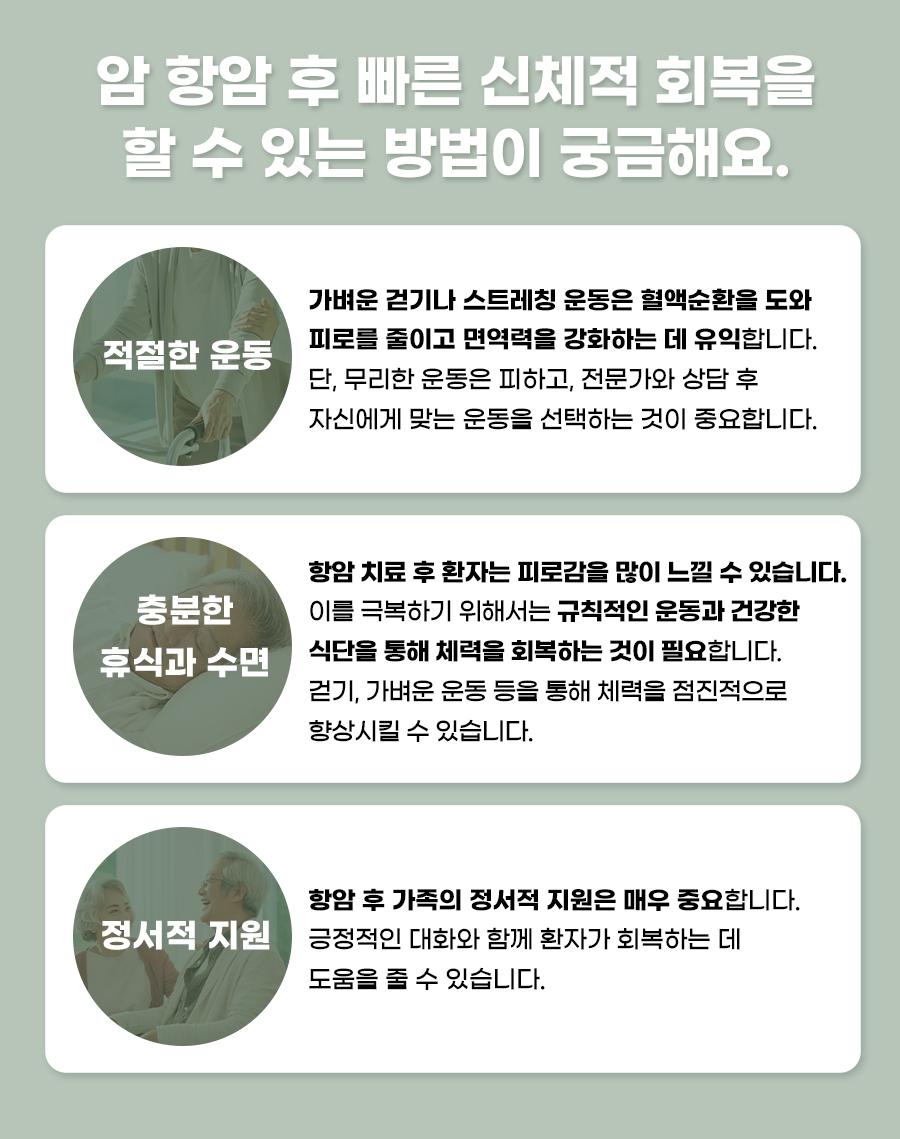
Acupuncture can be used to help manage nausea, neuropathy, insomnia, and general fatigue related to chemotherapy. Thin needles are placed at specific points, and sessions are usually short and repeatable.
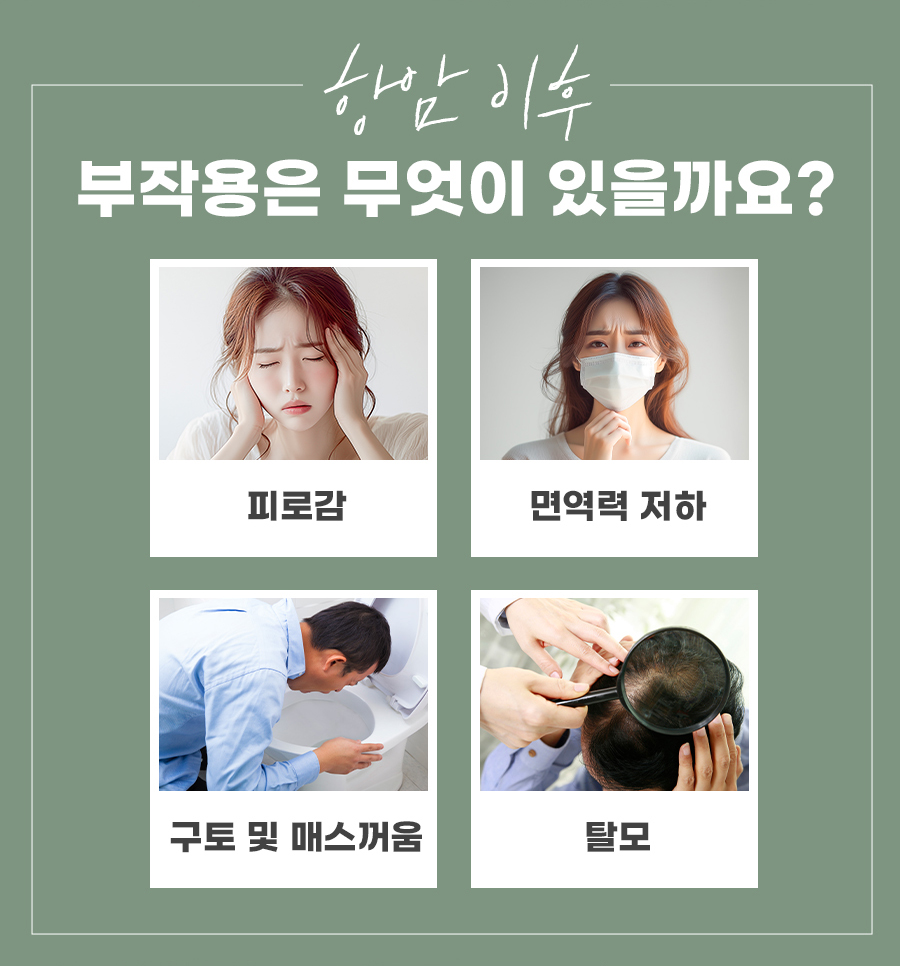
Moxibustion uses gentle heat from burning moxa near the skin to warm certain points, which some patients find helpful for digestive issues, cold intolerance, or general weakness.
Cupping applies suction cups to the skin, which may help with muscle tension and circulation in some patients.
Herbal medicine prescriptions are tailored to the individual, with the aim of supporting digestion, energy, or sleep. Because herbs can interact with chemotherapy or other medications, having a Korean medicine doctor and internal medicine specialists in the same hospital allows for real-time discussion and safer planning.
Nutritional and anti-cancer diet support
Nutrition is a central part of integrative cancer care. Many patients struggle with appetite loss, taste changes, constipation, or diarrhea during treatment. A structured meal plan designed for cancer patients can reduce stress for both patients and caregivers.
In many convalescent hospitals, meals are planned with attention to digestibility, balanced nutrients, and minimizing irritation for sensitive stomachs. Some facilities provide sample menus or nutritional information online so families can see typical meal content and better understand the dietary approach used during a recovery stay.
For outpatient visitors, nutritional counseling can help you adapt similar principles at home. This might include guidance on small frequent meals, protein sources that are easier to digest, methods to maintain hydration, and ways to adjust food textures for swallowing difficulties.
Emotional and environmental support
Cancer treatment affects not only the body but also emotions and mental health. Anxiety, low mood, and sleep disturbances are common.
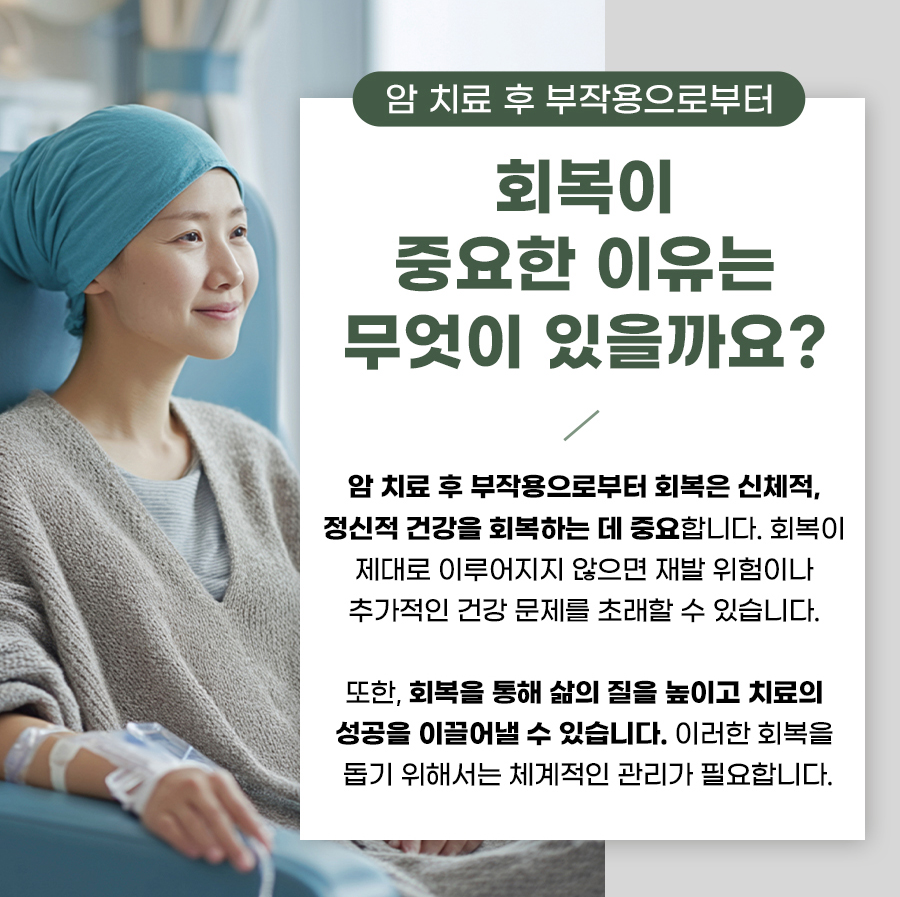
The physical environment of the hospital can make a difference. Located at the entrance of Mudeungsan National Park in Dong-gu, Gwangju, the hospital benefits from clean air, views of the mountains, and access to forest and valley walking paths.
Healing spaces, quiet rest areas, and gentle walking routes allow patients to spend time in nature between treatments. Light walking, when approved by your medical team, can support mood, circulation, and physical conditioning.
Some programs also include small cultural or art-based healing activities. These are not medical treatments, but they can help reduce stress, provide a sense of normality, and support emotional recovery.
Medical staff and safety considerations
For many families, a key concern is whether a convalescent hospital can safely care for a cancer patient who is undergoing complex treatments.
The medical team is led by experienced internal medicine specialists. That clinical experience can help ensure chronic conditions, treatment side effects, and potential complications are monitored by physicians familiar with hospital-based care.
Having an in-house Korean medicine doctor can facilitate discussion between Western and Korean medicine practitioners. When formal coordination mechanisms are in place — for example, multidisciplinary meetings or shared medical records — this arrangement may help reduce fragmented care and improve communication among providers.
However, integrative care is safest when it is coordinated with your main oncology team at the tertiary hospital. Before starting any new supplements or herbal medicine, you should inform your oncologist and ask whether there are any known interactions with your chemotherapy or targeted therapy.
Who may consider Jeonnam integrative cancer outpatient care
Integrative outpatient care in the Jeonnam region may be suitable for:
Patients who are currently undergoing chemotherapy, radiation, or surgery at a tertiary hospital and want structured support between treatment cycles while still living at home.
Patients who have recently completed intensive treatment and feel fatigue, appetite loss, sleep problems, pain, or anxiety, but do not require full long-term admission.
Patients and caregivers living in Gwangju or Jeonnam who would benefit from regular monitoring of symptoms, guidance on diet and activity, and access to supportive therapies such as hyperthermia or acupuncture.
Patients who may combine a short-term admission (for example, a two-week intensive recovery period) with ongoing outpatient follow-up visits.
For overseas patients, this model can also be adapted. You might schedule a short stay in Korea for a focused recovery period, then continue online follow-up and coordinate with your local oncologist at home.
Online consultation and pre-visit preparation for international patients
If you are considering coming to Jeonnam for integrative cancer outpatient care, an online consultation is usually the first step.
Before your consultation, prepare the following:
A summary of your cancer diagnosis, including type, stage, and date of diagnosis.
Recent medical reports from your main oncology team, including imaging summaries, pathology reports, and chemotherapy or radiation protocols.
A list of all current medications and supplements, including doses and schedules.
Information about any side effects you are experiencing, such as nausea, neuropathy, insomnia, pain, constipation, or shortness of breath.
Details about your daily life: how far you can walk, whether you need help with personal care, and any specific goals you have (for example, improving appetite, reducing fatigue, or preparing for the next chemotherapy cycle).
During the online consultation, you can discuss:
Whether outpatient visits or a short-stay program would be more appropriate for your situation.
Which integrative services are recommended for you, such as hyperthermia, acupuncture, or nutritional counseling.
How your schedule in Korea can be coordinated with your treatment plan at your home hospital.
Language support, including whether interpretation is available in your language during consultations and treatments.
Expected Korea visit timeline for integrative outpatient care
Each patient’s plan will be different, but a typical timeline for an overseas visitor might look like this:
Before travel
You complete an online consultation and share your medical records. The team in Gwangju reviews your case and suggests a draft schedule, including possible short-stay dates and outpatient sessions.
Arrival in Korea
You arrive in Korea and travel to Gwangju, usually by domestic flight or high-speed train from Seoul. The hospital in Dong-gu is accessible by car or taxi, with parking available, and is near a major bus stop at the entrance to Mudeungsan National Park.
Initial assessment
On your first visit, the internal medicine specialist performs a detailed assessment, reviews your records, and may order basic blood tests. You also meet the Korean medicine doctor and nutrition staff if integrative therapies are planned.
Short-stay or series of outpatient visits
If you choose a short-stay program, you may stay for around two weeks. During this time, you receive scheduled hyperthermia sessions, Korean medicine treatments, healing meals, and time for rest and gentle walking.
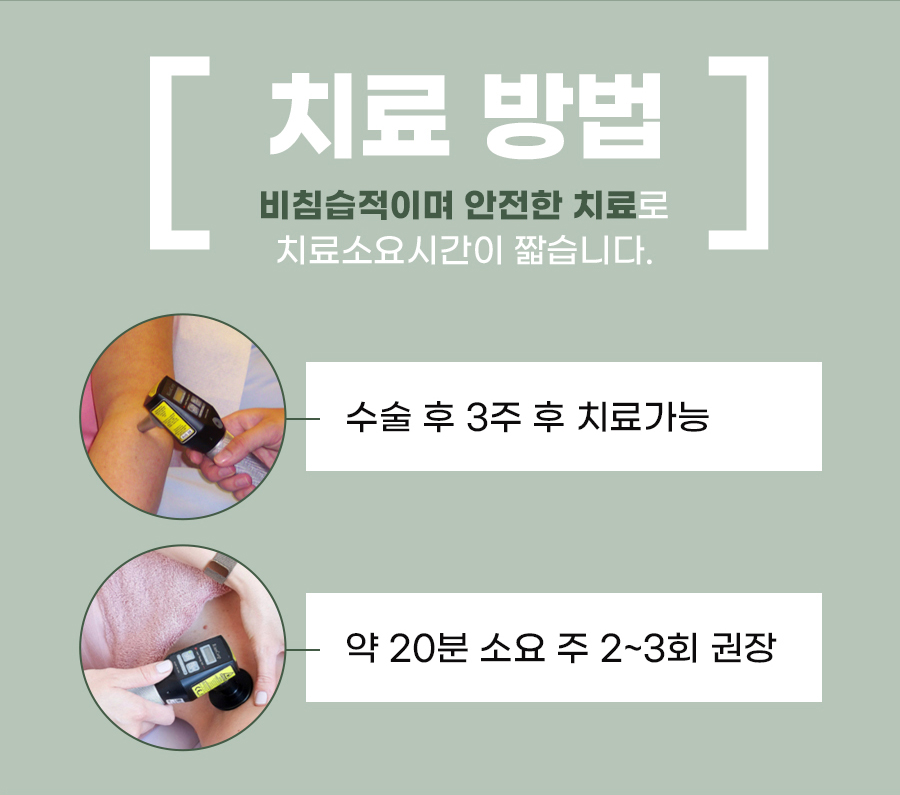
If you choose pure outpatient care, you visit on specific weekdays or Saturday daytime for treatments and consultations, then return to your accommodation.
Follow-up and preparation for return home
Before you leave Korea, the team summarizes your progress, provides recommendations for diet and activity at home, and prepares a report you can share with your main oncology team. You may arrange online follow-up consultations to adjust your plan as needed.
Aftercare and ongoing support
After you return home, aftercare focuses on maintaining the gains you made during your time in Jeonnam and adapting them to your local environment.
You may continue gentle exercise routines, breathing exercises, and dietary patterns introduced during your stay. If you found specific Korean medicine treatments helpful, you can discuss with your local providers whether similar approaches are available and safe in your country.
Online follow-up consultations can be used to:
Review your current symptoms and energy levels.
Adjust lifestyle and diet recommendations based on new treatment cycles or changes in your condition.
Discuss whether another short visit to Korea might be useful at a later stage.
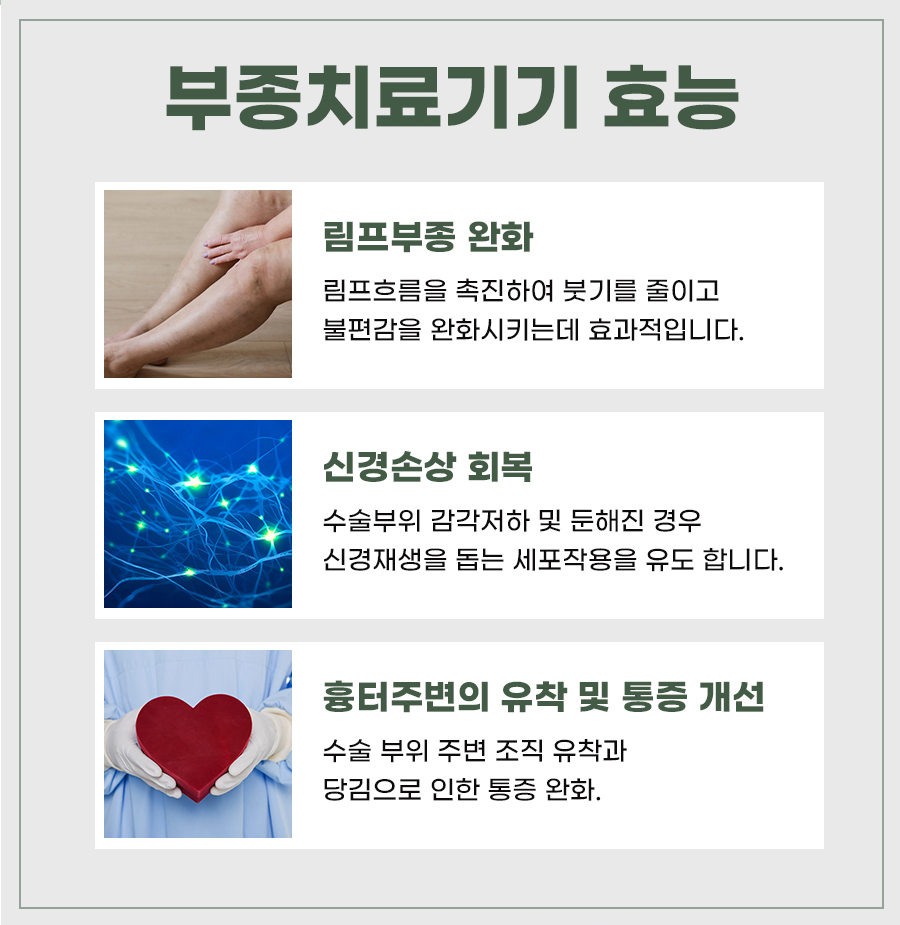
Throughout, it is important to keep your main oncology team informed about any integrative treatments you are using, including herbal medicines and supplements.
How to choose an integrative cancer outpatient program in Jeonnam
When comparing options in the Jeonnam region, consider the following points.
Medical team
Check whether the facility has internal medicine specialists or other doctors familiar with cancer patients and treatment side effects.
Ask how closely the team communicates with tertiary hospitals such as Hwasun Chonnam National University Hospital or major centers in Gwangju and Seoul.
Integration with your main treatment
Confirm that the program is designed to work alongside, not replace, your main oncology treatment. Ask how they handle communication with your oncologist, and how they manage potential interactions between herbal medicine and chemotherapy.
Services available on an outpatient basis
Ask which therapies are available without full admission. This may include high-frequency hyperthermia, acupuncture, moxibustion, cupping, herbal medicine consultations, nutrition counseling, psychological support, and exercise guidance.
Environment and accessibility
Consider how easy it is to travel from your accommodation or main hospital to the facility. The location at the entrance of Mudeungsan National Park offers a quiet, natural environment with forest and valley walking trails, which can be helpful for rest and gentle activity.
Check parking availability, public transport access, and whether the building is suitable for patients with mobility issues.
Operating hours and communication
Most outpatient services in this setting operate on weekdays and Saturday daytime, and are closed on Sundays and public holidays. Plan your schedule accordingly.
Ask whether you can contact the hospital by phone or messaging app for appointment coordination, quick questions, or symptom updates.
Practical checklist before you inquire
Before contacting a Jeonnam integrative cancer outpatient program, it can help to prepare a short checklist:
Your current treatment plan and schedule at your main hospital.
Your main symptoms and what you hope to improve.
Any specific integrative therapies you are interested in (for example, hyperthermia or acupuncture).
Questions about accommodation, language support, and transportation.
By having these points ready, your first consultation can be more efficient and tailored to your situation.
Frequently asked questions
What is the main purpose of integrative cancer outpatient treatment in Jeonnam
The main purpose is to support patients who are already receiving standard cancer treatment at tertiary hospitals by helping them manage side effects, recover strength, and maintain daily life between hospital visits. Integrative outpatient care combines internal medicine monitoring with Korean medicine, nutrition, and emotional support in a coordinated way, without replacing chemotherapy, radiation, or surgery.
Who is a good candidate for outpatient integrative care instead of full admission
Good candidates are patients who feel unwell from treatment side effects but are still able to live at home or in temporary accommodation. This includes people with fatigue, appetite loss, sleep problems, pain, or anxiety who do not require intensive inpatient care. Some patients may choose a short-stay program, such as two weeks, followed by outpatient visits, rather than long-term admission.
Is high-frequency hyperthermia safe to combine with chemotherapy
Safety depends on your overall condition, the type of cancer, and your current treatment. It is important that the internal medicine specialist and your main oncologist coordinate the timing and frequency of sessions. You should always inform your oncology team about any hyperthermia treatment you receive.
How can overseas patients start the process for integrative cancer care in Gwangju or Jeonnam
Overseas patients usually begin with an online consultation. You send your medical records, list of medications, and a summary of your symptoms and goals. The team then suggests whether outpatient visits or a short-stay program would be more suitable, and helps you plan a realistic schedule around your main treatment. Communication can continue online after you return home, so your integrative care remains aligned with your ongoing oncology treatment.
Soft call to action for online consultation
If you or a family member are receiving cancer treatment and are looking for a supportive base in the Gwangju–Jeonnam area, an integrative outpatient program near Mudeungsan may be worth exploring. By sharing your medical information in advance, you can receive a tailored plan that fits alongside your main oncology care and supports your quality of life during treatment.
- 공유 링크 만들기
- X
- 이메일
- 기타 앱


댓글
댓글 쓰기