Jeonnam Immune Management Outpatient Treatment Near Mudeungsan
Direct summary for overseas patients
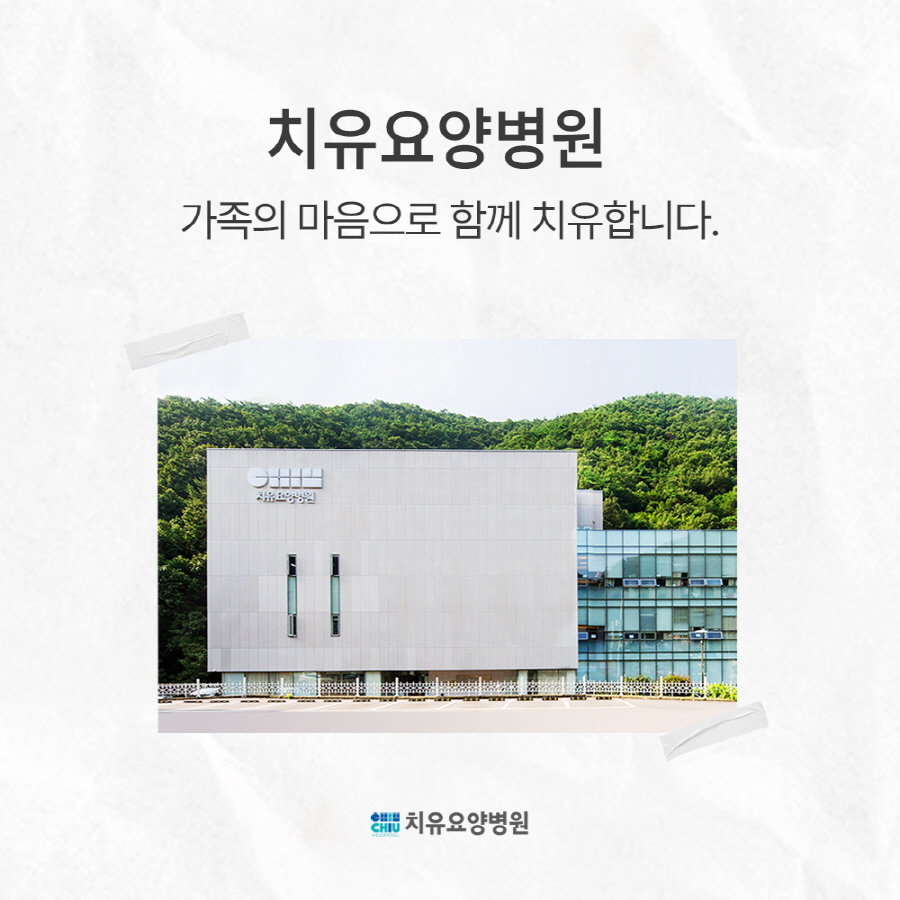
In the Jeonnam and Gwangju region, immune management outpatient treatment is a medically supervised support program for cancer and chronic disease patients who wish to continue living at home while receiving regular care to support immunity, manage fatigue, and cope with side effects. At Chiu Convalescent Hospital, this service is provided by experienced internal medicine and oriental medicine clinicians in a calm setting near the entrance of Mudeungsan National Park.
This guide explains what the program involves, who may benefit, how to prepare from overseas, what a typical visit to Korea may look like, and how follow-up and aftercare are handled.
What immune management outpatient treatment means
Immune management outpatient treatment is a structured medical program for patients who do not need to be admitted long term, but still require professional support while undergoing or recovering from major treatments.
Instead of staying in hospital, you visit on scheduled days for several hours, receive tailored therapies and consultations, and return home or to your accommodation the same day. The focus is on supporting your body so that you can better tolerate surgery, chemotherapy, radiation, or long-term medication, and gradually regain strength for daily life.
In this context, immune management includes:
Support for immune balance through careful monitoring, nutrition, and selected therapies
Management of fatigue, weakness, and sleep disturbance
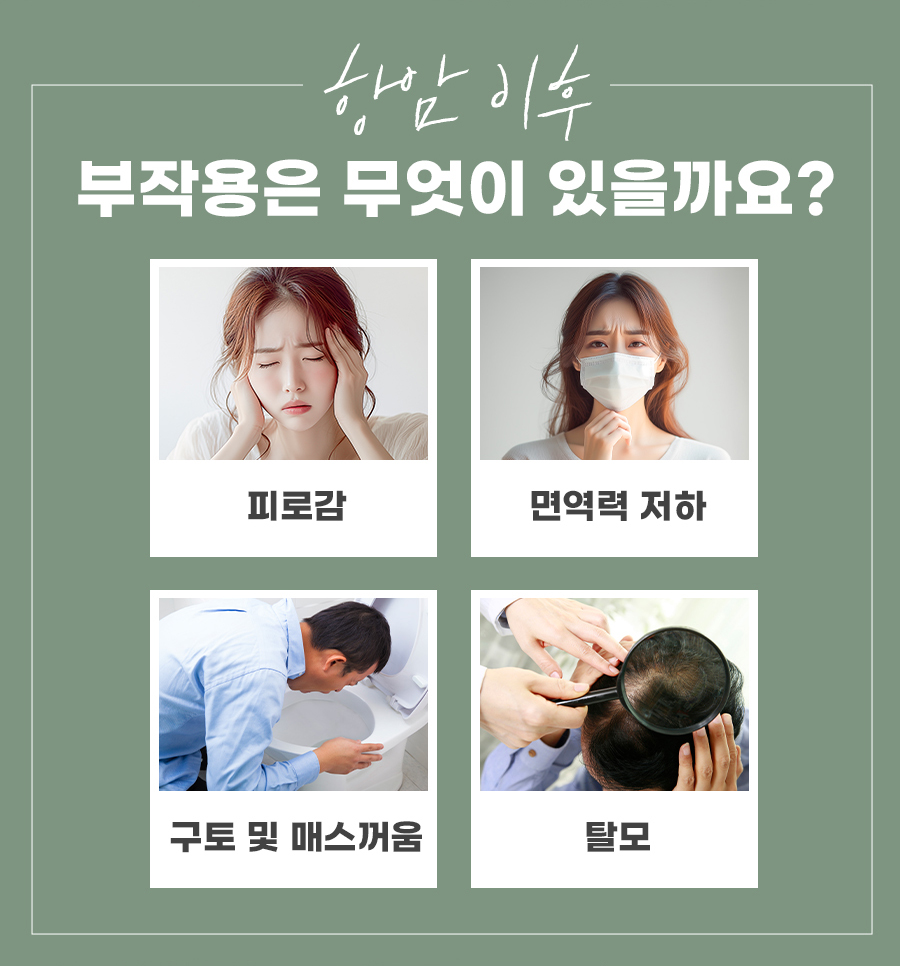
Relief of common side effects such as nausea, digestive problems, neuropathy, and pain
Emotional and psychological support to reduce stress and anxiety
Guidance on daily routines, activity levels, and diet that match your current condition
Why immune management matters during and after cancer treatment
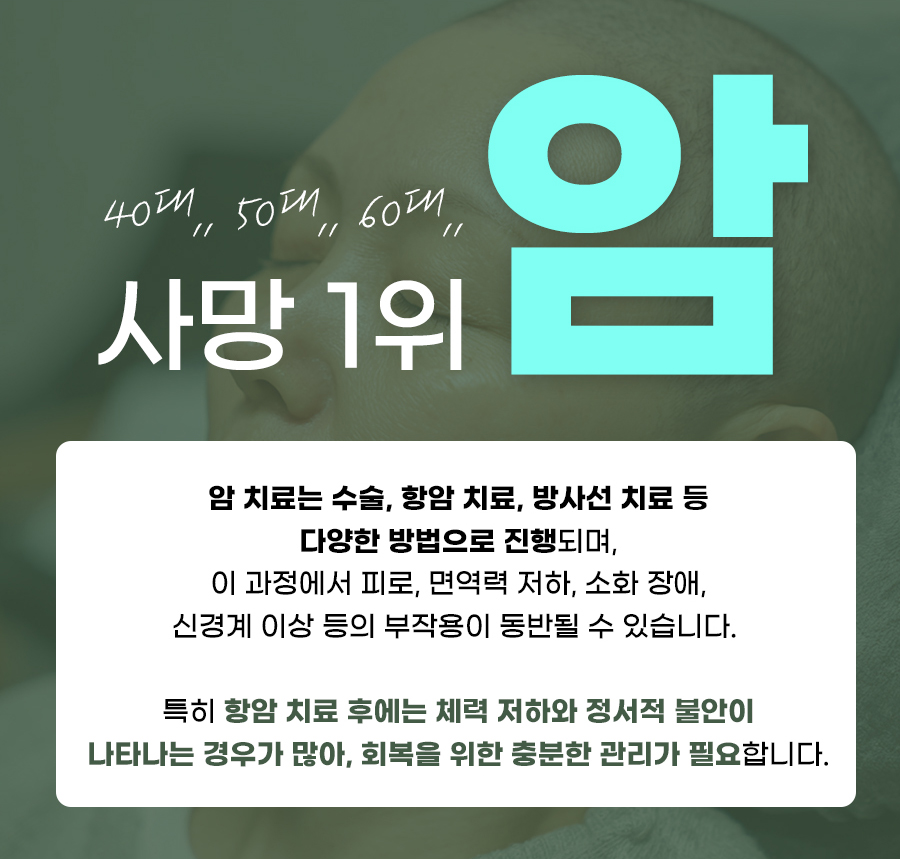
Cancer treatment often places a heavy burden on the immune system and on overall stamina. Surgery can temporarily weaken the body and increase the need for rest and nutrition. Chemotherapy and radiation may reduce white blood cell counts, affect digestion, disturb sleep, and cause long-lasting fatigue.
For many patients, the main question is not only how to treat the cancer, but how to stay strong enough to complete the recommended treatment plan and maintain daily life. Repeated trips to tertiary hospitals, long waiting times, and hospital stays can also increase stress and anxiety.
Immune-supportive outpatient care aims to fill the gap between major treatment cycles. By monitoring your condition, adjusting supportive therapies, and helping you manage side effects, the program can help you:
- Maintain better appetite and digestion
- Preserve muscle strength and mobility
- Manage pain and discomfort more effectively
- Support emotional stability and sleep quality
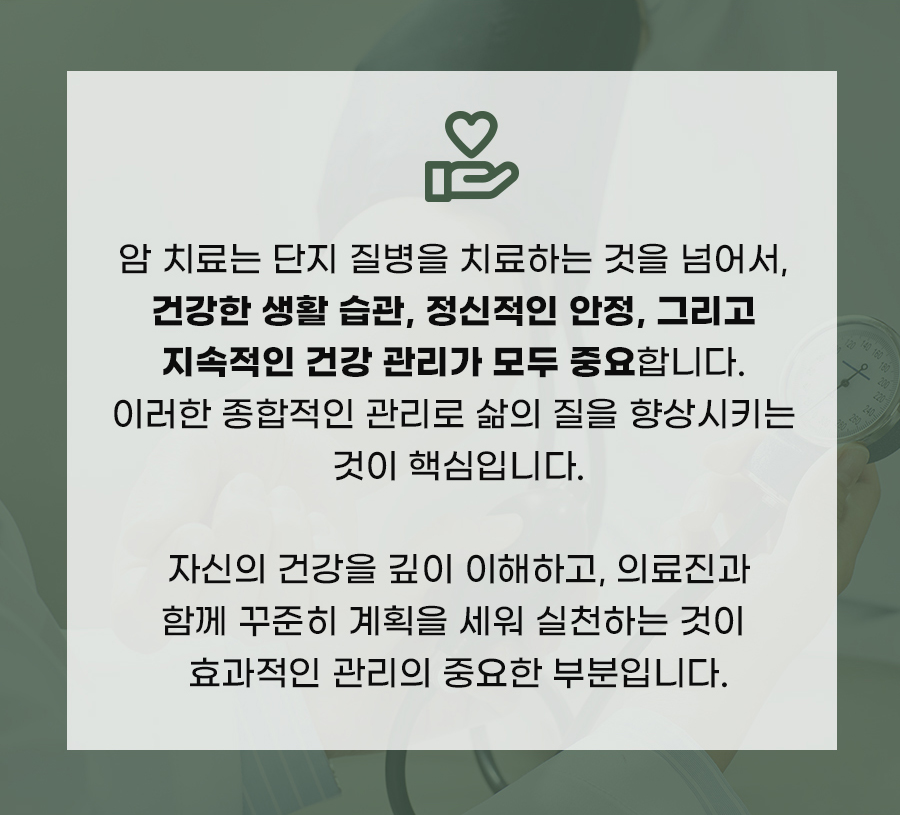
While no supportive program can guarantee outcomes, many patients and families feel more secure when they have a dedicated place to focus on recovery and immune balance alongside their main oncology care.
Medical leadership and safety
Chiu Convalescent Hospital is introduced as a convalescent hospital specialized in cancer patient recovery.
th issues, such as heart disease, diabetes, liver problems, or digestive complications from treatment.
For international patients, this leadership means:
Your condition is evaluated by doctors used to managing serious and complicated cases
Treatment plans are based on your existing diagnoses, medication list, and recent test results
There is ongoing monitoring with blood tests and clinical assessment, not just symptom-based care
Any changes in your condition can be recognized early and, when needed, you can be referred back to a tertiary hospital
Because this is a convalescent setting with strong internal medicine leadership, the program aims to combine the safety and structure of hospital-based care with the calmer atmosphere of a recovery-focused facility.
Integrated Western and oriental medicine approach
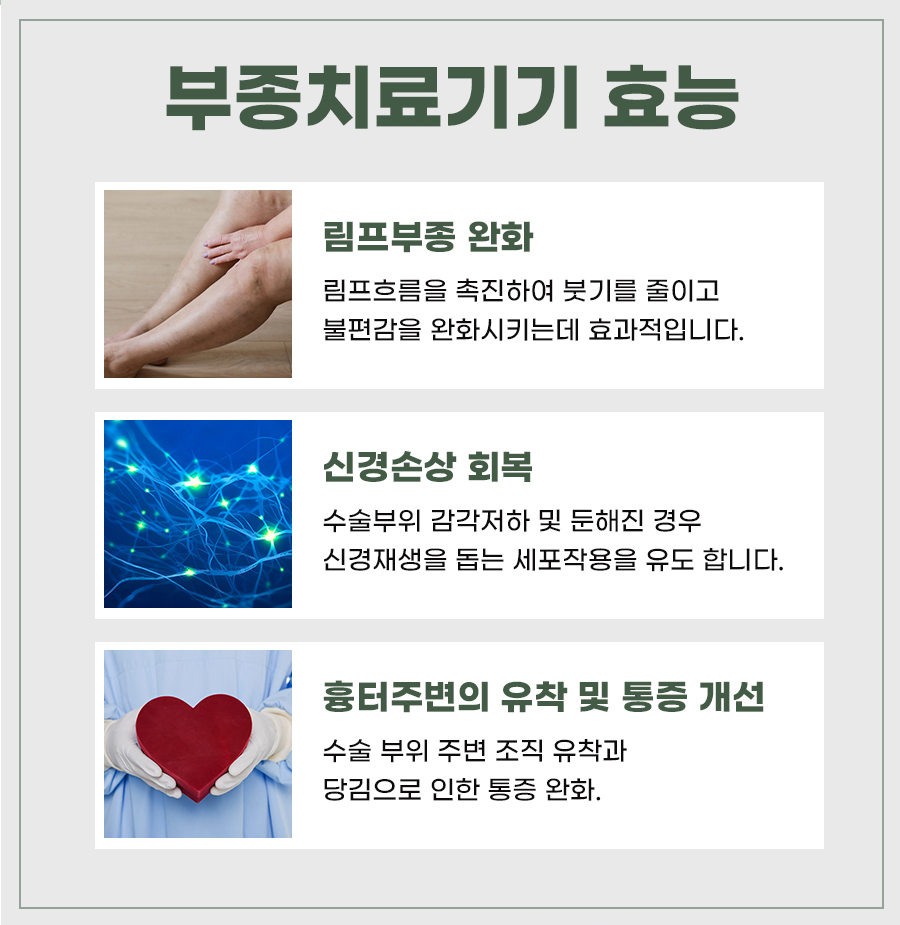
Another characteristic of this program is the collaboration between internal medicine specialists and an oriental medicine director. The goal is not to replace standard cancer treatment, but to use selected oriental therapies to support symptom relief and quality of life.
Depending on your condition and preferences, the following may be included in your outpatient plan:
Acupuncture to help with neuropathy, pain, nausea, or sleep problems
Moxibustion for warmth and circulation support in patients who feel cold or weak
Cupping in selected cases for muscle tension and circulation
Herbal therapies may be considered and are used cautiously. All herbal plans are reviewed by the hospital's medical team and coordinated with your primary oncologist; organ function and potential interactions with chemotherapy or other medications are evaluated before starting.
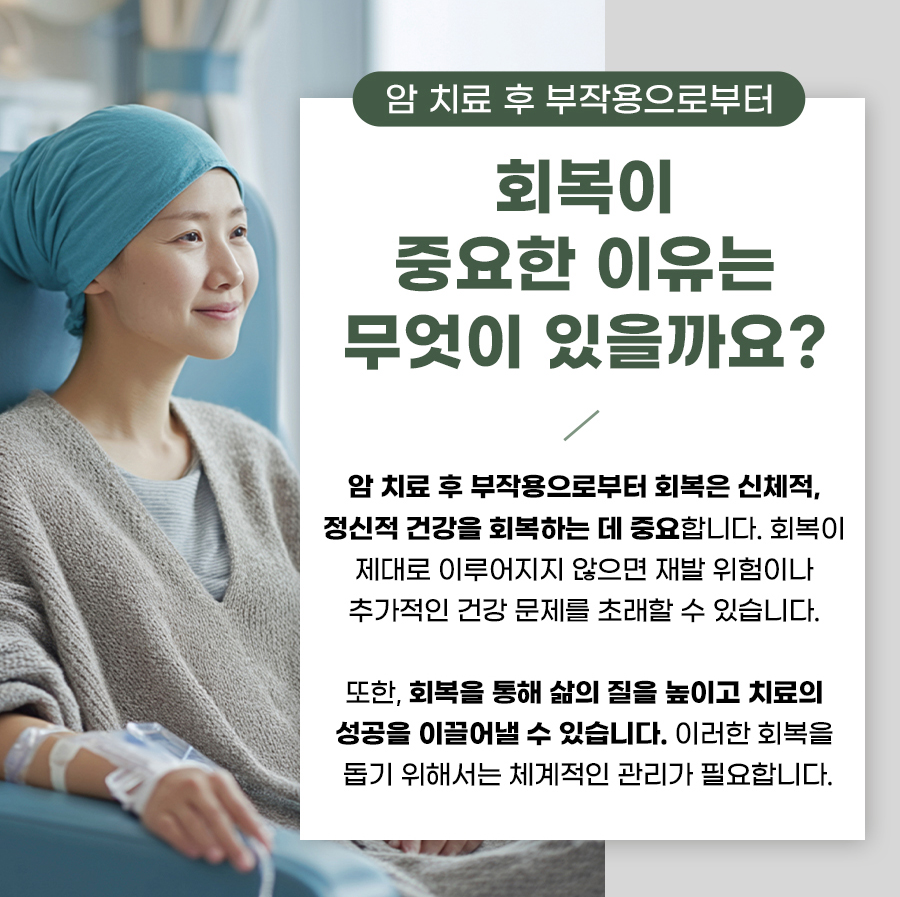
All such therapies are coordinated with your internal medicine team. Before starting any oriental medicine, the doctors will review your current oncology treatment, blood tests, and organ function. If there is any concern about safety or interactions, therapies are adjusted or avoided.
This integrated model is particularly helpful for patients who experience:
- Chemotherapy-induced neuropathy in hands or feet
- Chronic digestive problems such as bloating, nausea, or poor appetite
- Insomnia or fragmented sleep
- Anxiety, tension, or chronic pain that is not fully relieved by medication
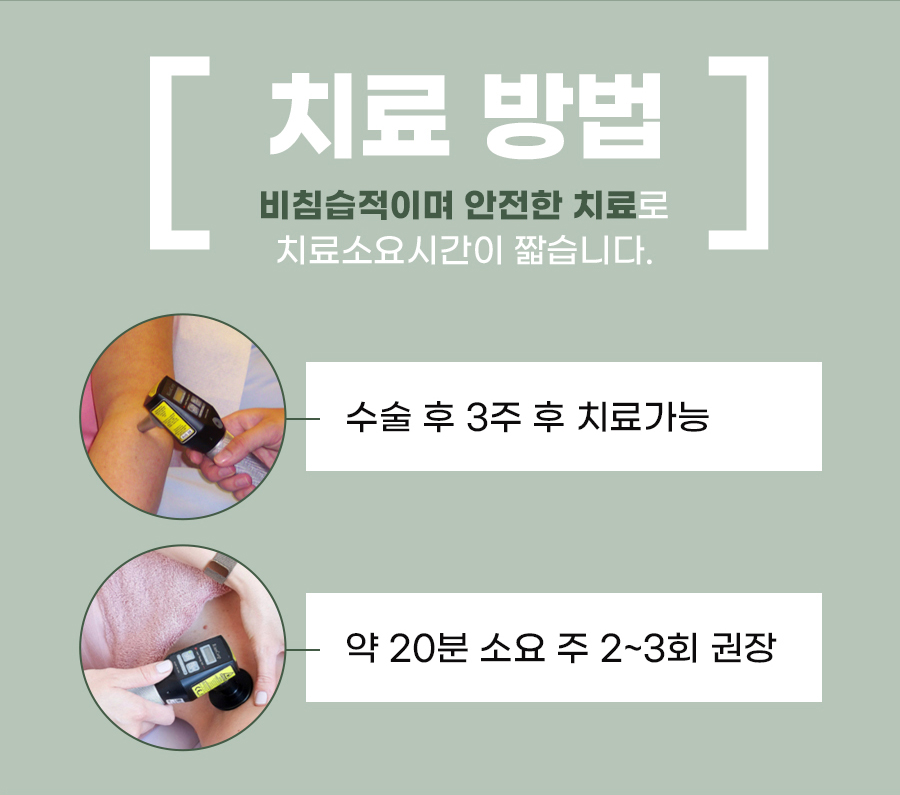
High-frequency hyperthermia cancer treatment
Hyperthermia may be considered as one option in some outpatient immune management plans. This therapy involves applying controlled heat to specific body regions; availability and clinical use depend on device availability and an individual clinical assessment.
The aim is not to replace surgery, chemotherapy, or radiation, but to support them. Hyperthermia is used by some clinicians as an adjunct in selected cases; evidence and indications vary, and it should be discussed with your treating oncologist as part of a coordinated care plan.
In practical terms, a hyperthermia session usually involves lying comfortably while a device delivers heat to the selected region for a set period. The intensity and duration are adjusted to your condition, and your vital signs are monitored. Not every patient is a candidate; suitability is decided after consultation, review of your imaging and oncology plan, and discussion of potential benefits and limitations.
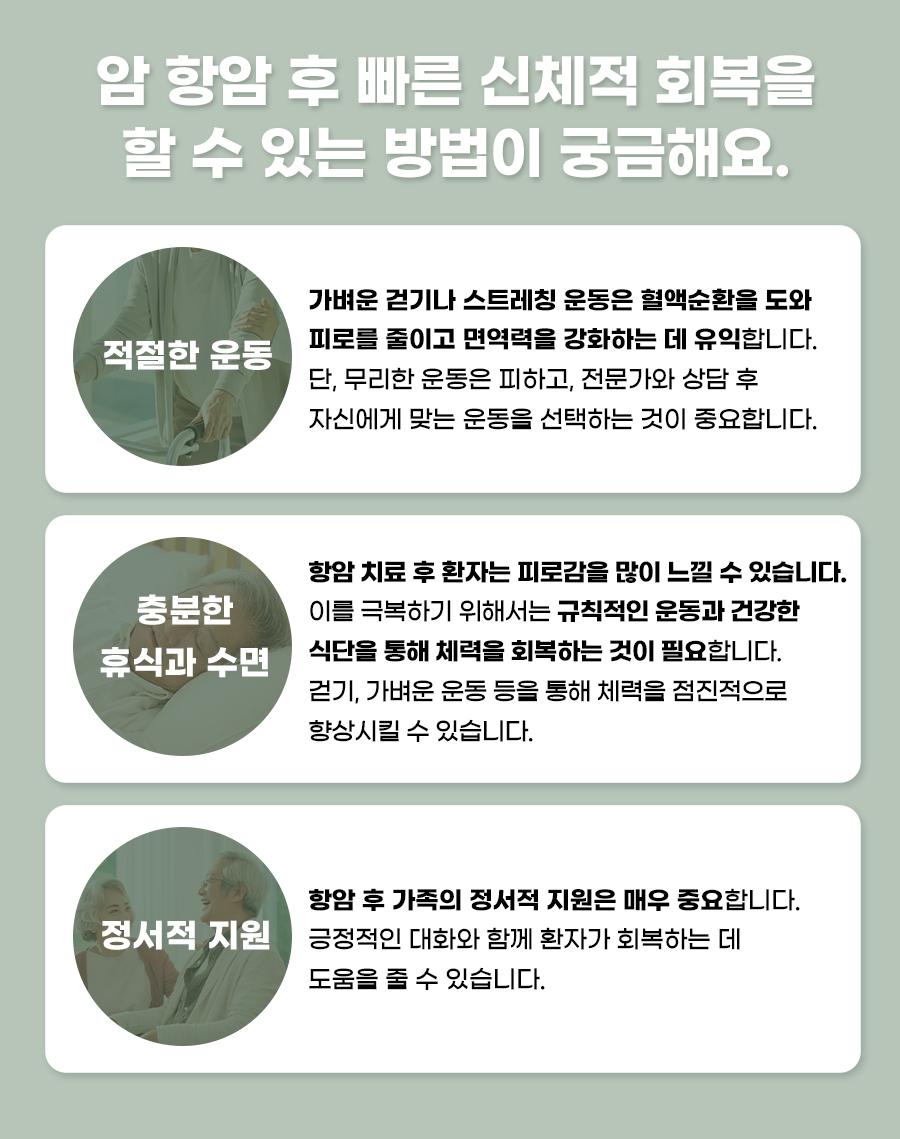
Nutritional and anti-cancer diet guidance
Nutrition is a core part of immune management. Many cancer and chronic disease patients struggle with appetite loss, taste changes, weight loss, or, in some cases, weight gain and metabolic issues.
This openness is meant to build trust and show the seriousness with which nutrition is treated.
For outpatient visitors, nutritional care may include:
Assessment of your current weight, dietary habits, and lab results
Personalized advice on meal composition, portion sizes, and timing
Guidance on how to adjust your diet when you feel nauseated, constipated, or have diarrhea
Suggestions for simple, realistic meal plans you or your caregiver can follow at home or in a hotel
The focus is not on strict or extreme diets, but on practical, balanced meals that support immune function, maintain muscle mass, and respect your cultural and personal preferences as much as possible.
Emotional healing and stress management
Long-term illness affects not only the body but also the mind. Anxiety about test results, fear of recurrence, and the emotional weight on family members can all influence immune function and recovery.
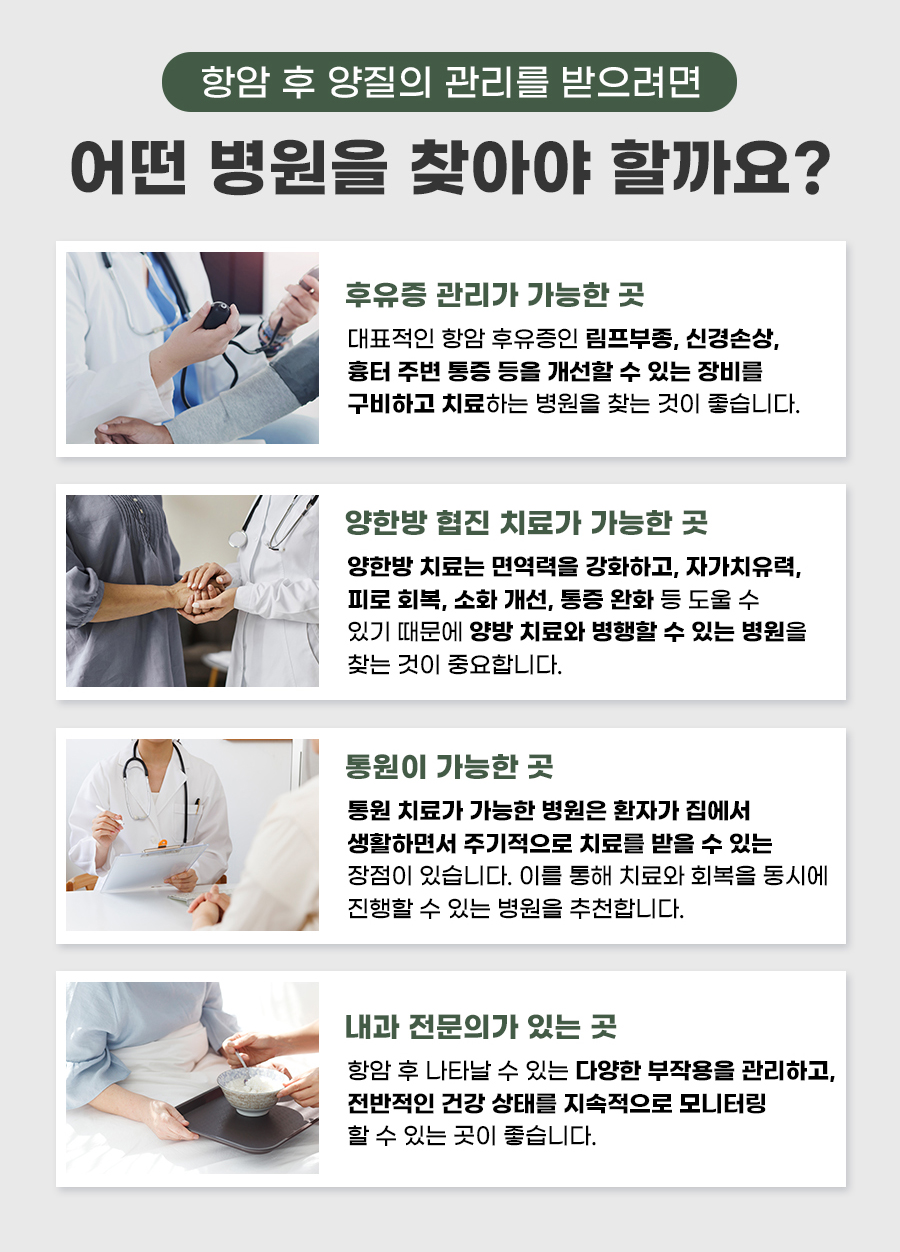
To address this, the program includes emotional and healing elements such as:
Quiet healing spaces within the hospital
Poetry exhibitions and art displays that offer moments of reflection
Gentle activities and counseling focused on acceptance, hope, and realistic planning
These may seem small, but many patients find that having a calm place to breathe, walk, and think between hospital visits makes a meaningful difference in how they cope.
Integration with tertiary hospitals in Jeonnam and beyond
The outpatient immune management program is designed to work alongside your main oncology or chronic disease treatment at tertiary hospitals. Some patients travel from larger tertiary centers in the region to participate in the program.
Typical patterns include:
Patients who receive chemotherapy or radiation at a tertiary hospital, then schedule immune management sessions on days between treatment cycles
Patients who have completed surgery and initial treatment and now need structured support to rebuild strength and manage lingering side effects
Patients with chronic internal medicine conditions who see their main specialist at a university hospital but want a quieter base for regular immune-supportive care
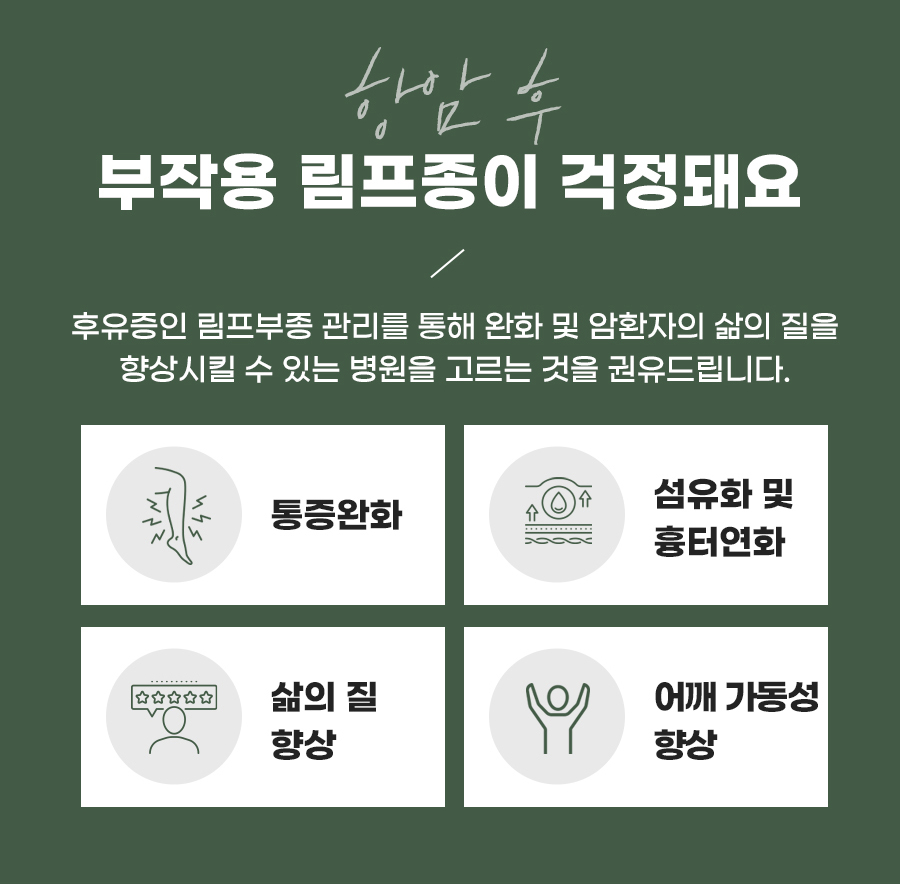
Communication with your primary oncologist or specialist is encouraged. You can bring discharge summaries, medication lists, imaging reports, and recent blood test results. With your consent, the team can prepare medical summaries in English or Korean that you can share with your main treatment center to keep everyone informed.
Location and natural healing environment
The hospital is located in Gwangju Metropolitan City, Dong-gu district, at the entrance of Mudeungsan National Park, near the Jeungsimsa bus stop. This location offers several advantages for immune recovery:
Clean air and a natural setting at the foot of the mountain
Forest paths and walking trails suitable for gentle walks before or after outpatient sessions
A quieter atmosphere than busy city centers, which can help reduce stress and noise exposure
For patients and families traveling by car, there is convenient parking. For those using public transport, access from Gwangju and surrounding Jeonnam areas is straightforward, making it practical for repeated outpatient visits.
Who may consider this program
The immune management outpatient program may be suitable for:
Cancer patients currently undergoing chemotherapy or radiation who feel exhausted, immunocompromised, or anxious, but do not require full-time admission
Patients who have recently completed surgery or active treatment and want structured support to regain daily strength
Individuals with chronic internal medicine conditions, such as heart disease, diabetes, or chronic liver and digestive problems, whose immunity and stamina have declined
Family caregivers who want a medically reliable place to receive guidance and support for their loved one without committing to long-term hospitalization
It can be especially helpful if you:
Live in Jeonnam or Gwangju and travel to large hospitals for main treatment, but prefer to rest and recover closer to home
Want professional monitoring of your condition between major treatment cycles
Prefer a natural, calm environment rather than a busy acute care ward
For those who need more intensive support than outpatient visits can provide, a two-week short-term admission program is available. However, the central focus here is on outpatient care that fits around your existing life and treatment schedule.
Online consultation and pre-visit preparation
If you are considering traveling from overseas for immune management outpatient treatment, an online consultation is a useful first step. This helps the team understand your situation and determine whether the program is appropriate for you.
Before an online consultation, prepare the following:
Diagnosis details: type and stage of cancer or chronic disease, date of diagnosis
Treatment history: surgeries, chemotherapy regimens, radiation schedules, and any other major treatments you have received
Recent test results: blood tests, imaging reports, pathology reports, and any relevant specialist letters
Current medications: including chemotherapy, targeted therapy, hormone therapy, anticoagulants, and supplements
Allergies and previous adverse reactions to treatments
During the online consultation, you can discuss:
Your main symptoms and concerns (fatigue, pain, sleep, digestion, mood)
Your goals for the visit (for example, better tolerance of chemotherapy, help with neuropathy, structured recovery after treatment)
Possible therapies that may be included in your plan, and any that you prefer to avoid
The expected length and frequency of outpatient sessions during your stay in Korea
After reviewing your information, the team can suggest a tentative schedule and explain what can realistically be addressed during your visit.
Expected Korea visit timeline
The exact timeline will depend on your condition and travel schedule, but a typical pattern for an overseas patient might look like this:
Day 1–2: Arrival and initial assessment
- Arrival in Gwangju or nearby city
- Rest at your accommodation
- First visit to the hospital for registration and comprehensive consultation
- Review of medical documents, physical examination, and basic blood tests
- Discussion of your goals and confirmation of your outpatient plan
Day 3–10: Outpatient immune management sessions
Scheduled visits several times per week (for example, three to five sessions over 7–10 days)
Each visit may include a combination of internal medicine consultation, high-frequency hyperthermia if indicated, oriental medicine therapies, nutritional counseling, and use of healing spaces
Time before or after sessions to walk along nearby forest paths or rest in quiet areas
Ongoing adjustment of your plan based on how you respond
Day 11–14: Final review and planning for return
Final consultation to review progress and discuss ongoing self-care at home
Preparation of a medical summary you can share with your primary oncologist
Guidance on how often to repeat immune management visits, whether in Korea or in your home country
Some patients may choose a shorter stay focused on assessment and a few key sessions, while others may plan longer stays or return visits between treatment cycles. The schedule is flexible and individualized.
Aftercare and follow-up once you return home
After you return to your home country, ongoing care is usually shared between your local oncology or internal medicine team and the Korean program.
Aftercare may include:
A written summary of your outpatient course, including therapies used and recommendations
Diet and lifestyle guidelines tailored to your condition
Suggestions for local therapies or services that can continue supporting your recovery
Optional online follow-up consultations to review new test results, adjust recommendations, and answer questions
It is important to keep your primary oncologist fully informed. Any changes in your medication or new symptoms should be discussed with them first. The immune management program is designed to support, not replace, your main treatment plan.
Frequently asked questions
Is immune management outpatient treatment safe to combine with chemotherapy or radiation?
In many cases, yes, but safety always comes first. Before starting, the internal medicine specialists review your current treatment schedule, blood counts, organ function, and medication list. Therapies that might interfere with your oncology plan are avoided or modified. You are encouraged to inform your primary oncologist about any supportive treatments you receive.
Will this program cure my cancer or replace my main treatment?
No. Immune management outpatient treatment is not a cure and does not replace surgery, chemotherapy, radiation, or other standard treatments. Its role is to support your body, help manage side effects, and improve your ability to complete and tolerate your main treatment plan. All potential benefits are described as support or possible improvement, not guarantees.
How often do I need to come for outpatient sessions?
Frequency depends on your condition, travel schedule, and goals. Local patients may visit once or several times per week over a longer period. Overseas patients often concentrate sessions into a one- to two-week stay, with multiple visits during that time. After your initial assessment, the team will suggest a realistic schedule and adjust it based on how you feel.
Can family caregivers participate or receive guidance?
Yes. Family caregivers are welcome to attend consultations, ask questions, and learn how to support you at home. They can receive practical advice on meal preparation, activity planning, and emotional support. Many families find that having clear guidance reduces their own anxiety and helps them feel more confident in daily care.
Soft call to action for online consultation
The outpatient program at the foot of Mudeungsan is designed to work alongside your existing treatment, not replace it.
Before making any travel decisions, consider arranging an online consultation. By sharing your medical history and goals in advance, you can receive clear information about whether this program suits your situation, what to expect during a visit to Korea, and how immune-supportive outpatient care might fit into your overall treatment journey.


댓글
댓글 쓰기