Jeonnam Gynecologic Cancer Radiation Therapy: Recovery and Supportive Care in Gwangju
- 공유 링크 만들기
- X
- 이메일
- 기타 앱
Direct answer summary
Women in the Jeonnam and Gwangju region who receive radiation therapy for gynecologic cancers often travel repeatedly to large cancer centers and feel exhausted, both physically and emotionally. Planning where and how to recover is as important as planning the radiation itself. In Gwangju, near Mudeungsan National Park, there are convalescent and recovery-focused hospitals that provide medically supervised rest, symptom management, integrative Korean–Western medicine care, and short-term inpatient or outpatient programs coordinated with tertiary cancer centers. These services do not replace surgery, chemotherapy, or radiation, but help you get through treatment more safely and comfortably.
Introduction
If you are receiving radiation therapy for cervical, endometrial, ovarian, vulvar, or vaginal cancer in the Jeonnam–Gwangju area, you may be wondering how to manage fatigue, bowel changes, pain, and anxiety between sessions or after treatment ends.
Many women find that the hardest part is not only the radiation itself, but the long treatment period, repeated travel to university hospitals, and the feeling of being too weak to go straight home. This guide explains what gynecologic cancer radiation therapy involves, common side effects, and how a cancer-focused convalescent hospital near Mudeungsan can support your recovery, including options suitable for overseas patients coming to Korea.
What gynecologic cancer radiation therapy involves
Overview of gynecologic cancers
Gynecologic cancers are cancers that start in a woman’s reproductive organs.
Cervical cancer begins in the cervix, the lower part of the uterus that opens into the vagina. Radiation is often a main treatment when the cancer is locally advanced, or used together with chemotherapy.
Endometrial (uterine) cancer begins in the lining of the uterus. Surgery is usually the first treatment, and radiation may be added afterward to reduce the risk of local recurrence.
Ovarian cancer starts in the ovaries. Surgery and chemotherapy are the main treatments, but radiation may be used in selected situations, for example for symptom control in a specific area.
Vulvar cancer affects the external genital area. Depending on the stage, radiation can be used before or after surgery, or as a main treatment when surgery is not possible.
Vaginal cancer starts in the vagina. Radiation, often combined with chemotherapy, is a key treatment, sometimes together with brachytherapy.
When radiation therapy is considered
Radiation therapy uses high-energy beams to damage cancer cells in a targeted area. In gynecologic cancers, it is used in several ways.
As definitive treatment: For many women with locally advanced cervical or vaginal cancer, radiation combined with chemotherapy is the main treatment instead of surgery.
As adjuvant (postoperative) therapy: After surgery for endometrial, cervical, or vulvar cancer, radiation may be recommended to lower the chance of the cancer coming back in the pelvis.
As palliative treatment: When cure is not possible, radiation can help relieve pain, bleeding, pressure, or other symptoms to improve quality of life.
In the Jeonnam–Gwangju region, radiation therapy is usually planned and delivered at large cancer centers or university hospitals. Overseas patients typically receive their main oncologic treatment at these tertiary centers and then look for a nearby place to rest and recover.
Types of radiation used for gynecologic cancers
External beam radiation therapy
External beam radiation therapy is the most common type. A machine outside the body directs radiation beams to the pelvis or other target area. Treatment is usually given five days a week for several weeks. Each session is short, but the overall course can be long and tiring.
Brachytherapy
For some cervical, vaginal, or endometrial cancers, brachytherapy (internal radiation) is added. A small radiation source is placed inside the vagina or uterus for a limited time. This allows a high dose to the tumor area while reducing exposure to nearby organs.
Goals of radiation therapy
Local tumor control: To shrink or destroy cancer cells in the treated area.
Reducing recurrence risk: After surgery, radiation can lower the chance of the cancer returning in the pelvis.
Symptom relief: In advanced or recurrent disease, radiation can relieve pain, bleeding, discharge, or pressure.
Because these treatments are complex, they are handled by radiation oncology teams at major hospitals. However, these centers may not be designed for longer-term rest or rehabilitation, which is why many patients look for a separate recovery facility.
Typical treatment pathway in Jeonnam–Gwangju
Diagnosis and staging at a tertiary hospital, including imaging and biopsy.
Decision on surgery, chemotherapy, and radiation sequence by a multidisciplinary team.
Radiation planning and simulation, followed by daily external beam sessions, sometimes with chemotherapy.
Follow-up visits for monitoring response and side effects.
During this journey, some patients stay at home and travel daily, while others, especially those from distant parts of Jeonnam or from overseas, look for a convalescent hospital in Gwangju where they can stay between sessions.
Common side effects and why supportive care matters
Acute side effects during or shortly after radiation
Fatigue: Many women feel unusually tired, even if each radiation session is short. Travel time and emotional stress add to this.
Nausea and appetite loss: Pelvic radiation and combined chemotherapy can upset the stomach and reduce appetite.
Diarrhea and bowel changes: The intestines can become irritated, causing loose stools, cramping, or urgency.
Bladder irritation: You may feel burning when urinating or need to urinate more often.
Skin changes: The skin in the pelvic area can become red, sensitive, or slightly darkened.
Vaginal symptoms: Dryness, discharge, or discomfort during pelvic exams can occur.
Pelvic pain: Some women feel aching or pressure in the lower abdomen or pelvis.
Longer-term issues after radiation
Bowel habit changes: Some patients experience ongoing loose stools, constipation, or gas.
Urinary frequency: Needing to urinate more often, especially at night.
Sexual function concerns: Vaginal dryness, tightness, or discomfort can affect intimacy. Some women worry about body image and relationships.
Early menopause: In certain cases, radiation to the pelvis can affect ovarian function, leading to menopausal symptoms like hot flashes and mood changes.
Emotional distress: Fear of recurrence, anxiety before follow-up scans, and sadness or irritability are very common.
Why systematic supportive care is important
Managing these side effects requires proactive, ongoing care rather than occasional advice. These practical steps can help patients stay on treatment, reduce complications, and preserve daily functioning.
In the Jeonnam–Gwangju region, many patients and families look for a place where internal medicine specialists, nurses, and rehabilitation staff can regularly check bowel and bladder symptoms, adjust medications, support sleep, and coordinate with the main oncology team.
Recovery and supportive care needs after radiation
Why patients seek convalescent care in Jeonnam
Long treatment periods: Pelvic radiation often lasts several weeks. Daily travel from rural areas of Jeonnam can be exhausting.
Caregiver burden: Family members may need to take time off work or travel long distances to provide support.
Need for a quiet environment: After each session, many patients want a calm, nature-friendly place to rest rather than going back to a busy city center.
Medical monitoring: Patients with chronic conditions such as diabetes, hypertension, or heart disease need careful monitoring because cancer treatment can affect these conditions.
Key elements of good post-radiation supportive care
Internal medicine supervision: Doctors familiar with complex internal medicine issues can manage diarrhea, dehydration, electrolyte imbalance, and chronic disease control.
Pain and symptom control: Regular assessment of pain, bowel and bladder function, sleep, and mood, with appropriate medications and non-drug approaches.
Nutritional support: Dietitians or experienced staff can adjust meals for nausea, diarrhea, or constipation and help maintain weight and strength.
Gentle physical activity: Light stretching, walking, and simple exercises help prevent deconditioning and support circulation.
Mental health and emotional support: Counseling, group activities, and a supportive environment can reduce anxiety and depression.
Coordination with oncology team: Sharing treatment summaries, medication lists, and symptom changes with your main cancer center is essential for safety.
A cancer-focused convalescent hospital near Mudeungsan
Location and environment
In Gwangju, near the entrance of Mudeungsan National Park around the Jeungsimsa area, there is a convalescent hospital that focuses on recovery and supportive care for cancer patients, including those undergoing or having completed radiation therapy for gynecologic cancers.

The location offers clean air, forest paths, and gentle walking trails. For many patients, being able to walk slowly among trees, sit in quiet rest areas, and see the mountains from the ward provides a sense of calm and helps with emotional healing.
Medical staff and safety
The medical team includes experienced internal medicine physicians, which can reassure families concerned about clinical oversight in a recovery-focused facility.
This experience is helpful when managing complex gastrointestinal issues like radiation-related diarrhea, abdominal pain, or nutritional problems.
Some facilities include a Korean medicine practitioner and may offer integrative therapies such as acupuncture, moxibustion, cupping, or herbal medicine; availability varies by institution. Evidence, indications, and safety differ across modalities, so patients should confirm which services are offered locally and discuss any complementary treatments with their oncology team to check for potential interactions or contraindications.
A local convalescent hospital in Gwangju is one example of a facility designed to support cancer patients during and after intensive treatments.
Programs for gynecologic cancer radiation patients
Inpatient cancer recovery care
Patients who are in the middle of or have just finished pelvic radiation can be admitted for rest, monitoring, and symptom management.
Internal medicine specialists can:
Adjust medications for diarrhea, constipation, abdominal pain, or bladder irritation.
Monitor blood tests, hydration status, and nutritional markers.
Manage chronic conditions such as diabetes, hypertension, or heart disease that may be affected by cancer treatment.
Coordinate with the radiation oncology team to report side effects and receive updated instructions.
Nurses experienced with cancer patients can help with skin care in the radiation field, perineal hygiene, and safe use of vaginal moisturizers or dilators when recommended.
Two-week short-term admission program
Many people think convalescent hospitals are only for long-term stays. To change this perception, some facilities offer a structured two-week short-term admission program.
This model is useful for gynecologic cancer patients who:
Have just completed a cycle of radiation or chemoradiation and feel too weak to go straight home.
Need a defined period to stabilize bowel habits, regain appetite, and adjust medications.
Plan to return to work or daily responsibilities and want a focused recovery period first.
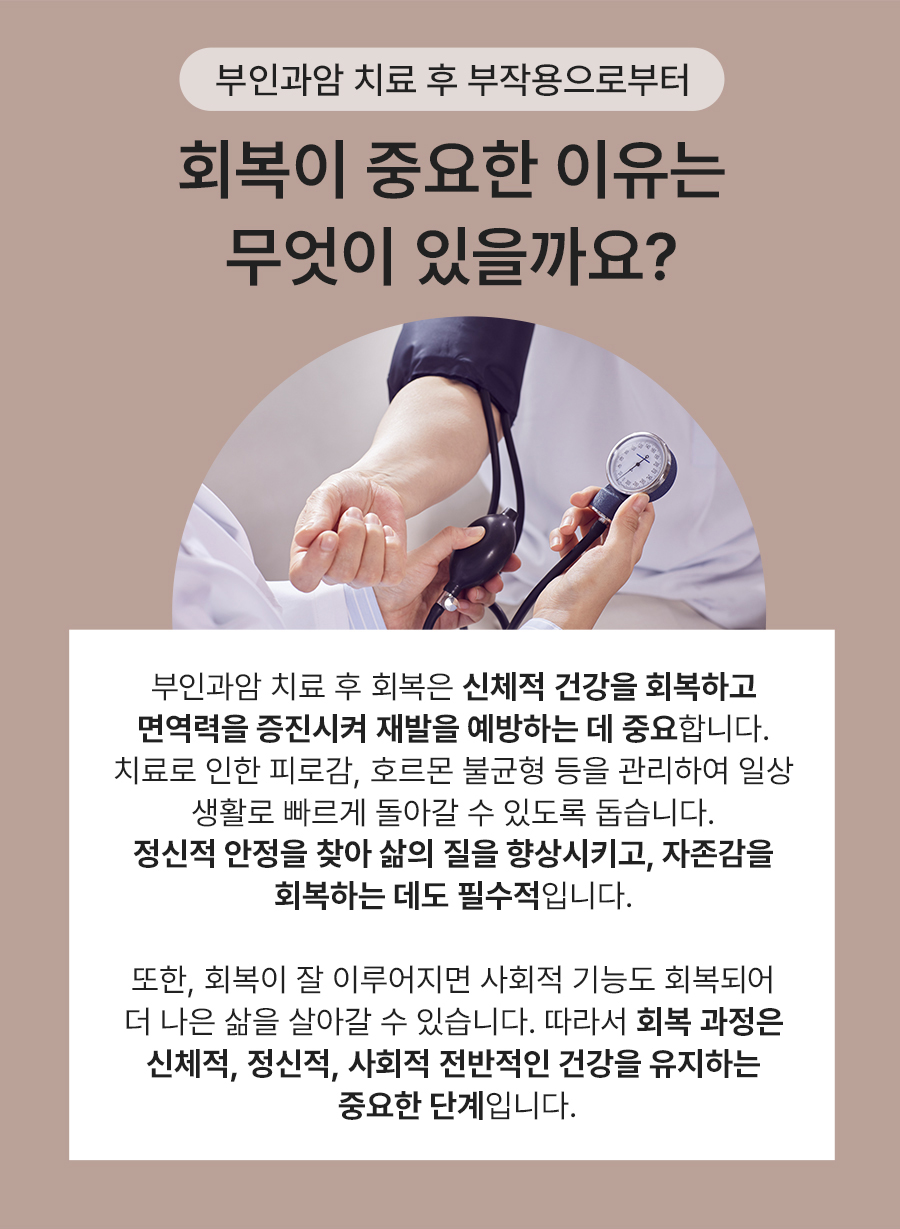
During these two weeks, patients typically receive daily medical checks, tailored meals, gentle exercise, integrative treatments if appropriate, and emotional support programs.
Outpatient and day-care style support
For patients living in Gwangju or nearby areas of Jeonnam, outpatient or day-care style programs are available.
You can continue receiving radiation at a tertiary hospital while visiting the convalescent hospital for:
Symptom review and internal medicine consultations.
Integrative Korean–Western medicine treatments such as acupuncture.
Nutritional counseling and meal planning.
Simple rehabilitation exercises and relaxation programs.
This approach is convenient for those who prefer to sleep at home but still want structured support.
Integrative Korean–Western medicine approach
Collaboration between internal medicine specialists and the Korean medicine doctor allows a more comprehensive view of symptoms.
Moxibustion and cupping can be considered for fatigue or muscle tension in selected patients.
Herbal medicine is prescribed carefully, with attention to possible interactions with chemotherapy, hormonal therapy, or other drugs.
Patients are encouraged to discuss any planned herbal or complementary treatment with their main oncology team, especially during active radiation or chemotherapy, to ensure safety.
Hyperthermia cancer treatment
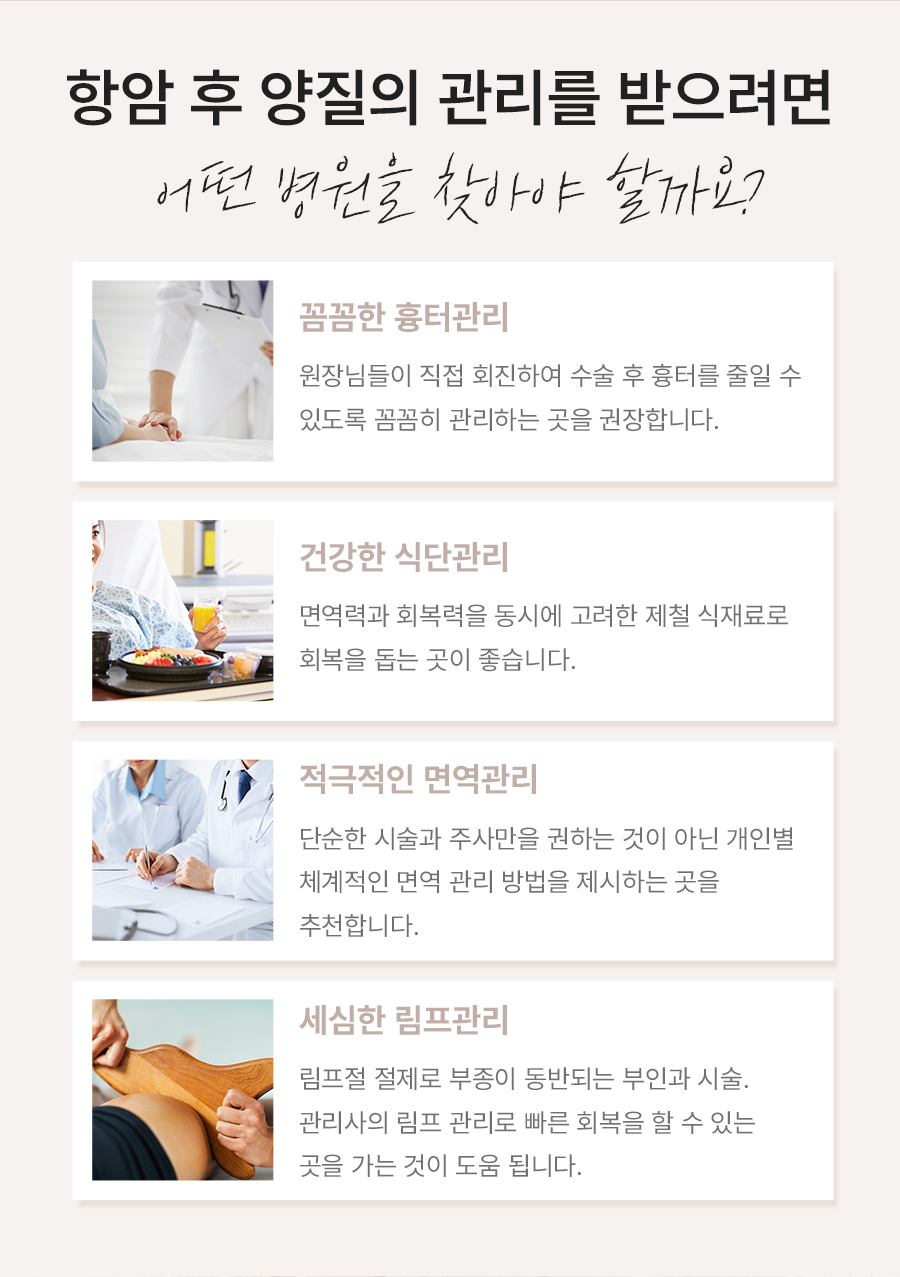
It is used as an adjunct to standard treatments, with the aim of supporting symptom control and quality of life. It is not a replacement for surgery, chemotherapy, or radiation, and it is not presented as a cure. Decisions about hyperthermia should be made in consultation with your oncology team.
Nutrition and diet during and after pelvic radiation
For gynecologic cancer radiation patients, key points include:
Easily digestible meals: During periods of diarrhea or nausea, soft, low-fat, and mildly seasoned foods are easier to tolerate.
Adequate protein and calories: Protein from fish, eggs, tofu, and lean meats supports healing and muscle strength. Sufficient calories prevent unwanted weight loss.
Hydration: Drinking enough water and suitable fluids helps prevent dehydration, especially when bowel movements are frequent.
Fiber adjustment: Some patients need lower-fiber foods during severe diarrhea, then gradually increase fiber as symptoms improve. Others with constipation may need more fiber and fluids.
Diet is adjusted individually, considering cultural preferences and medical conditions such as diabetes.
Healing environment and emotional support
Healing spaces inside the hospital, such as quiet lounges, small gardens, and rest areas with views of Mudeungsan, offer places to relax between treatments.
Walking paths connected to the mountain area allow gentle daily walks, which can improve mood, sleep, and appetite.
Emotional and cultural programs, such as small exhibitions, music events, or art activities, help patients express feelings, reduce anxiety, and cope with fear of recurrence.
Counseling or supportive conversations with staff are available for patients and family members who feel overwhelmed.
Collaboration with tertiary hospitals
This collaboration includes:
Sharing discharge summaries, radiation plans, and medication lists.
Contacting the main oncologist when new symptoms appear or treatment changes are needed.
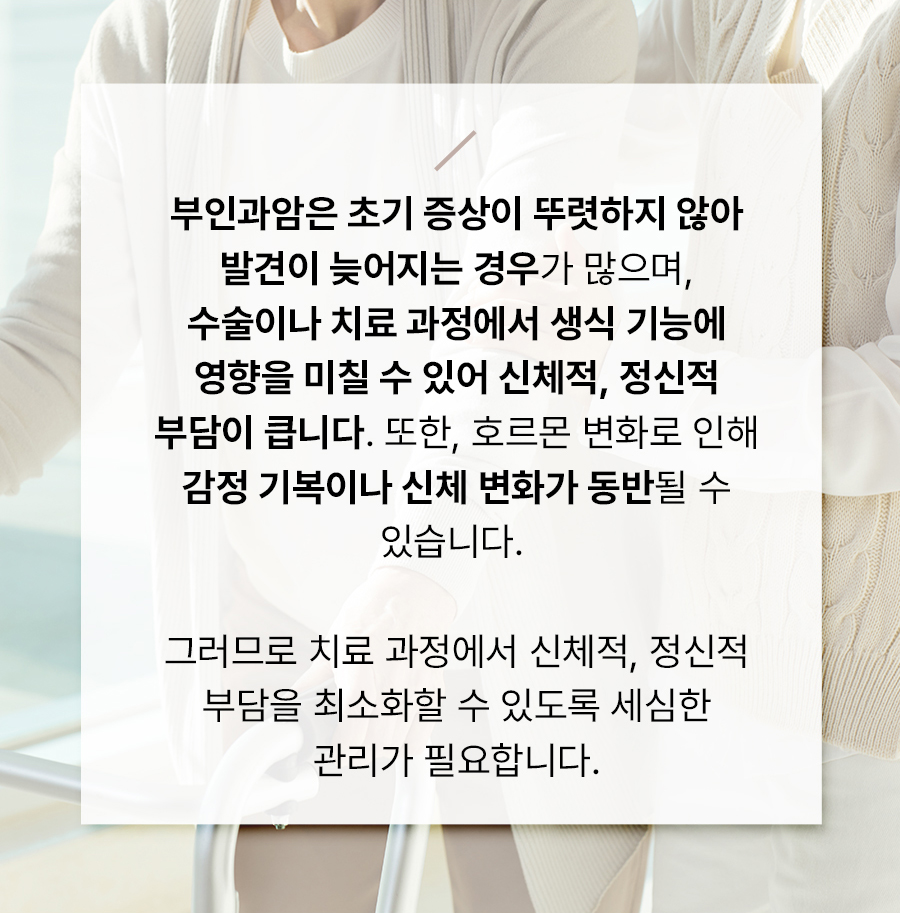
Arranging transport schedules so that inpatients can attend radiation sessions or follow-up visits on time.
It is important to understand that the convalescent hospital does not replace surgery, chemotherapy, or radiation. Instead, it serves as a recovery base where patients can rest between treatments or after completing them, with medical supervision.
Who may consider this type of facility
Patients from Jeonnam receiving radiation at distant tertiary hospitals who need a place to stay near Gwangju.
Overseas patients who come to Korea for gynecologic cancer treatment and want a medically supervised environment rather than staying alone in a hotel or guesthouse.
Patients who feel too weak to go directly home after radiation or surgery and want structured nursing and medical support.
Families who worry about managing side effects at home, especially when there are other chronic diseases.
How to prepare for online consultation and admission
Online consultation and pre-visit preparation
Before coming to Korea or before transferring from a tertiary hospital, an online consultation can help plan your stay.
Prepare the following for an online consultation:
Recent medical records, including pathology reports and imaging summaries.
Radiation therapy plan or summary, including treatment dates and target areas.
List of current medications, including supplements and herbal products.
Information about allergies and past medical history.
A brief description of current symptoms: pain, bowel issues, urinary problems, sleep, appetite, mood.
During the consultation, ask about:
Available programs (inpatient, two-week short stay, outpatient).
Language support for overseas patients.
How the hospital communicates with your main oncology team.
Estimated length of stay and what is included in the care plan.
Expected Korea visit timeline for overseas patients
While each case is different, a typical timeline might look like this:
Before arrival: Online consultation with the convalescent hospital and the main cancer center. Sharing of medical records and treatment plan.
Week 1–6: Main gynecologic cancer treatment at a tertiary hospital in Gwangju or another city (surgery, chemotherapy, radiation, or a combination). Some patients stay at the convalescent hospital during this period, traveling to the cancer center for daily radiation.
Two-week recovery block: After completing a major phase of treatment, patients may choose a two-week short-term admission at the convalescent hospital to stabilize symptoms, improve nutrition, and regain strength.
Follow-up and return home: After the intensive recovery period, patients either return home or continue with outpatient follow-up. Some overseas patients may schedule one more follow-up visit before leaving Korea.
Aftercare and long-term follow-up
After you leave the convalescent hospital, ongoing follow-up with your main oncology team remains essential.
You may receive:
Regular pelvic exams and imaging to monitor for recurrence.
Hormonal or targeted therapy, depending on cancer type and stage.
Guidance on sexual health, fertility concerns, and menopausal symptoms.
Advice on exercise, diet, and weight management.
The convalescent hospital can provide discharge summaries and recommendations that you can share with doctors in your home country.
FAQ
When is the best time to stay at a convalescent hospital during radiation therapy?
Some patients choose to stay during the entire course of pelvic radiation, especially if they live far from the cancer center. Others prefer to stay only during the most intensive weeks or immediately after completing treatment. The best timing depends on your distance from the hospital, support at home, and how severe your side effects are. An online consultation can help decide the most suitable period.
Is integrative Korean–Western medicine safe during radiation and chemotherapy?
Integrative care can be safe when carefully coordinated. Non-drug methods like acupuncture are often easier to combine with standard treatments. Herbal medicines must be chosen very carefully because some can interact with chemotherapy or affect liver and kidney function. Always inform both your Korean medicine doctor and your oncologist about all supplements and herbs you are taking.
What should I bring when I am admitted for recovery after gynecologic cancer radiation?
Bring your identification, insurance details if applicable, and all recent medical records, including radiation summaries and medication lists. Pack comfortable clothing, non-slip indoor shoes, personal toiletries, and any devices you use at home (such as a blood pressure monitor or glucose meter). It is also helpful to bring a written list of your current symptoms and questions for the medical team.
How is care coordinated between the convalescent hospital and the tertiary cancer center?
With your consent, the convalescent hospital requests and reviews your medical records from the tertiary center. Internal medicine specialists communicate with your oncologist when new symptoms appear, when test results change, or when treatment adjustments are needed. Appointment schedules for radiation or follow-up visits are considered when planning your daily routine and transport.
Soft call to action for online consultation
If you are an overseas patient or a resident of Jeonnam or Gwangju preparing for gynecologic cancer radiation therapy, you do not have to plan your recovery alone. A cancer-focused convalescent hospital near Mudeungsan can provide structured, medically supervised support before, during, and after treatment.
Consider arranging an online consultation to discuss your diagnosis, treatment schedule, and recovery needs. By sharing your medical records and concerns in advance, you and the medical team can design a realistic plan that supports both effective cancer treatment and quality of life.
- 공유 링크 만들기
- X
- 이메일
- 기타 앱


댓글
댓글 쓰기