Jeonnam Cancer Patient Convalescent Hospital Guide for Overseas Families
- 공유 링크 만들기
- X
- 이메일
- 기타 앱
Direct answer summary
th major cancer centers; and 3) review inpatient and outpatient program options, daily schedules, and the on-site environment for rehabilitation and rest. Useful questions to ask during an inquiry: "Which oncologists or internal medicine specialists will oversee care?", "Can you describe recent referrals to tertiary cancer centers?", and "Can I review sample program schedules and meal plans?" In Dong-gu, Gwangju, a local convalescent hospital provides combined internal medicine and supportive-care options with short- and long-term admission and outpatient services for patients from Gwangju and the wider Jeonnam region; contact the facility directly to confirm current services and eligibility.
Overview of cancer-focused convalescent care in the Jeonnam region
For many international patients treated at large cancer centers in Korea, the next question is where to recover safely between surgery, chemotherapy, or radiation cycles. Returning straight to a hotel or home can feel risky, especially when fatigue, pain, or side effects are strong. This is where a cancer-focused convalescent hospital in the Jeonnam area can play an important role.
A convalescent hospital does not replace your main oncologist. Instead, it provides day-to-day monitoring, symptom relief, rehabilitation-style support, and a calm environment where both patients and families can rest. For overseas families, it can also serve as a stable base near nature while still being connected to major hospitals.
What to look for in a Jeonnam cancer convalescent hospital
When comparing convalescent hospitals in Gwangju and Jeollanam-do, it helps to use a clear checklist. This can reduce stress and make discussions with your oncology team and family more objective.
Medical leadership and staff level
Families often worry that long-term care or convalescent facilities may not have strong medical staff. For cancer patients, internal medicine specialists with real experience in complex cases are especially important.
This level of leadership is uncommon in convalescent settings and can be reassuring if you are concerned about complications or sudden changes in condition.
The hospital publishes profiles of its medical leadership on its official website. For specific claims about individual physicians' past appointments, leadership roles, or overseas training, consult those official physician profiles or request CVs or primary documentation from the hospital to verify the details.
Profiles for other senior physicians are likewise available through the hospital's official channels. For accurate information on each director's clinical specialty, previous positions, and any international training, please refer to the hospital's published biographies or ask the facility to provide supporting documentation.
For cancer patients, this combination can mean safer management of complications, more appropriate decisions about tests and medications, and better judgment on when a patient should be transferred back to an acute-care hospital. It can also support clearer communication with your main oncology team.
Cooperation with tertiary hospitals
Many patients receiving cancer treatment in Korea move between a tertiary hospital and a convalescent facility. Smooth cooperation between the two is essential.
Patients should ask the facility to clarify the nature of those relationships — for example, whether they are formal MOUs, written referral agreements, shared-staff arrangements, or informal clinical networks — and request written confirmation or examples of recent coordinated referrals.
For you as an overseas patient, this can translate into practical benefits: easier sharing of medical records, supportive care that follows your main oncologist’s plan, and quicker arrangements if you need to return to the tertiary hospital for tests or urgent treatment.
Integrative care options
Cancer patients often need more than medication. Side effects such as nausea, neuropathy, sleep disturbance, anxiety, and digestive problems can be difficult to manage alone. Facilities that combine Western internal medicine with oriental medicine and supportive therapies may offer a broader range of options.
At this hospital, internal medicine specialists and an oriental medicine director work together. Oriental medicine modalities such as acupuncture, moxibustion, cupping, and herbal medicine are offered as supportive care. These are not positioned as cures for cancer, but as adjuncts to help patients cope with side effects and improve comfort.
Environment and healing atmosphere
The physical environment matters. Patients recovering from chemotherapy or major surgery are often sensitive to noise, pollution, and crowded city streets.
Although it is in Gwangju, it is positioned as a recovery base for patients from the broader Jeonnam region, especially those treated at nearby cancer centers.
The area is known for clean air, cypress forests rich in phytoncides, and clear valley streams. Gentle walking paths and nature trails can be used for short walks, breathing exercises, and guided outdoor activities when the patient’s condition allows. Inside the hospital, quiet healing rooms, rest areas, and spaces for conversation with family support emotional recovery.
Flexible admission and care models
A common concern is that convalescent hospitals are only for very long stays. For cancer patients who may still be working, studying, or traveling, flexibility is important.
This convalescent hospital offers several models: inpatient cancer recovery care, a two-week short-term admission program, and outpatient or day-care style programs. This allows families to choose the level of support that fits their medical needs, schedule, and budget.
Inpatient cancer recovery care
Inpatient care is suitable for patients who need continuous monitoring and structured support after surgery, chemotherapy, or radiation, or between treatment cycles. Typical needs include severe fatigue, nutritional issues, pain, sleep problems, and emotional distress.
In an inpatient setting, nurses and doctors can observe changes in condition, adjust medications, and respond quickly if symptoms worsen. For overseas families, this can be more reassuring than leaving a loved one alone in a hotel or serviced apartment.
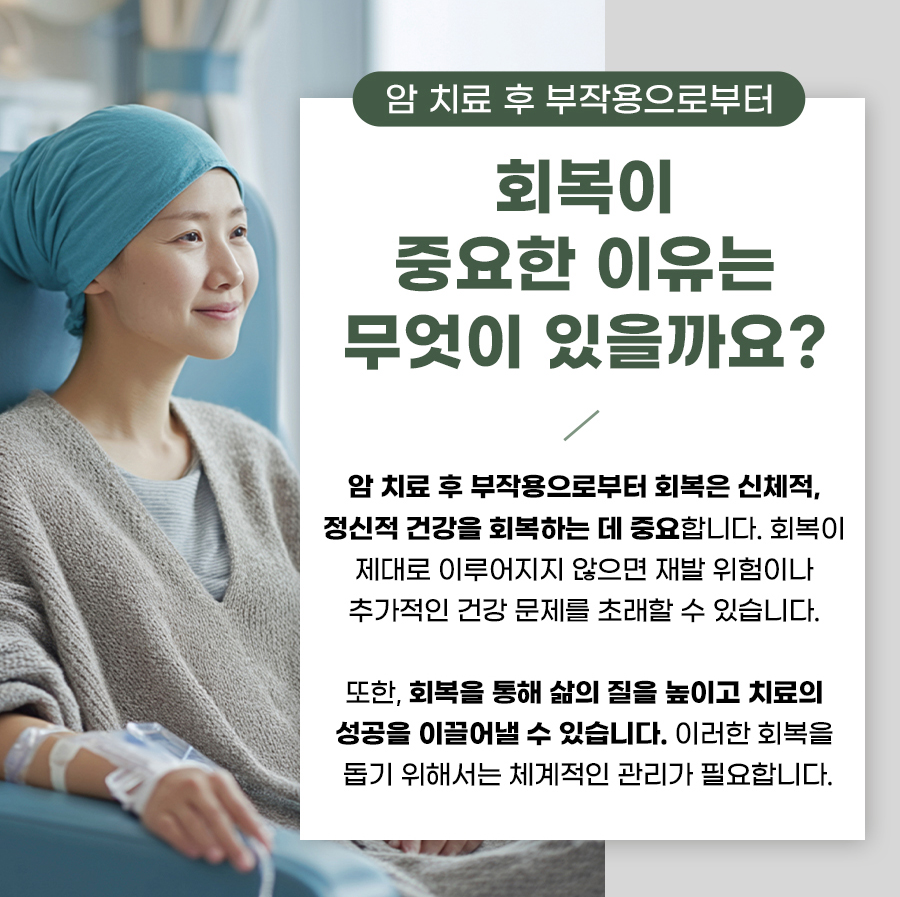
Two-week short-term admission program
A distinctive feature of this hospital is a two-week short-term admission program. This breaks the common stereotype that convalescent hospitals are only for long-term residents.
Use cases include a planned two-week recovery period after a chemotherapy cycle, a rest period after major surgery before flying home, or a trial stay to see if convalescent care is suitable for the patient. The program is reservation-based and often offered as a limited-time booking, for example in monthly or seasonal reservation periods.
For international patients, this can fit neatly into a treatment schedule: tertiary hospital treatment, followed by a two-week recovery stay in a quieter environment, then follow-up and return home.
Outpatient and day-care style programs
Not every patient needs full admission. Some live in Gwangju or Jeonnam and prefer to stay at home but still want regular supportive care.
Outpatient and day-care style programs at this facility allow patients to visit for scheduled sessions. These may include symptom management, integrative treatments such as acupuncture or moxibustion, and monitoring of general condition between visits to the main cancer center.
For overseas patients staying in nearby accommodation or with family, this model can provide a balance between independence and professional support.
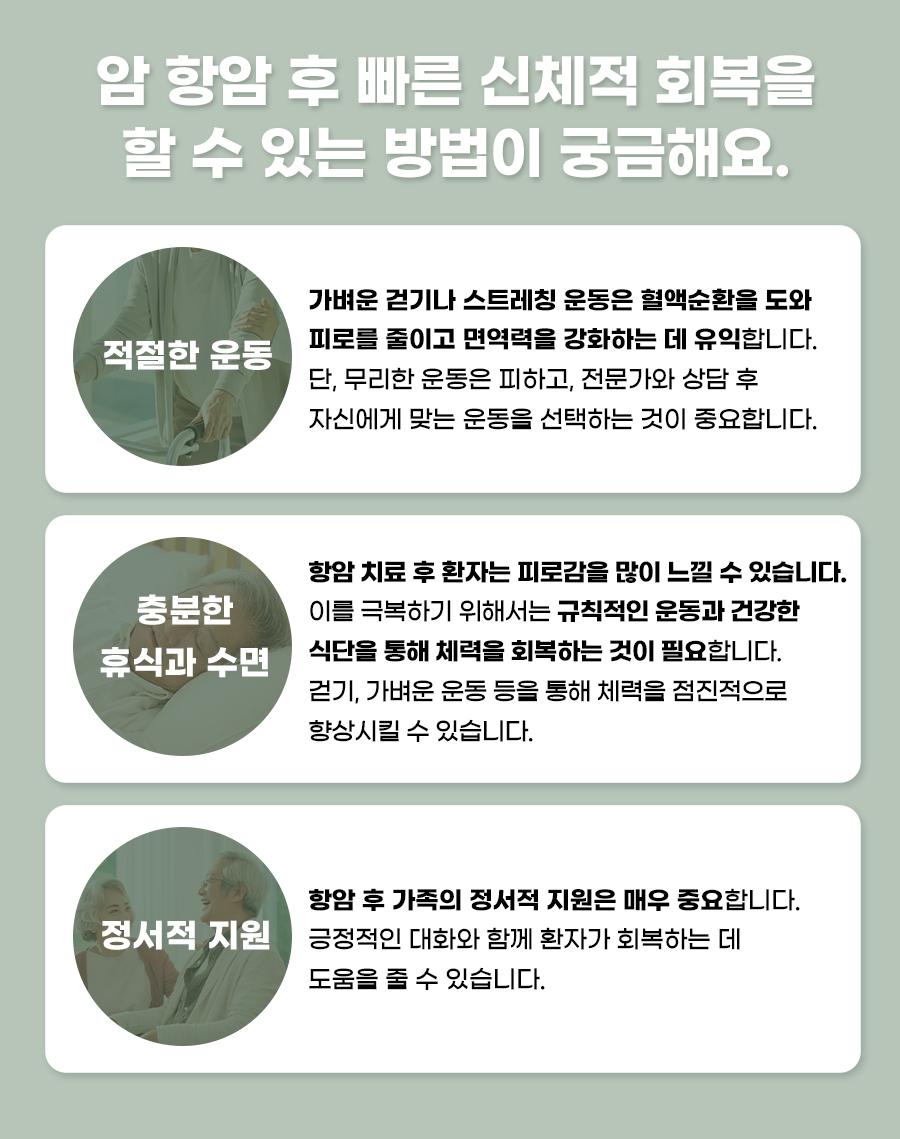
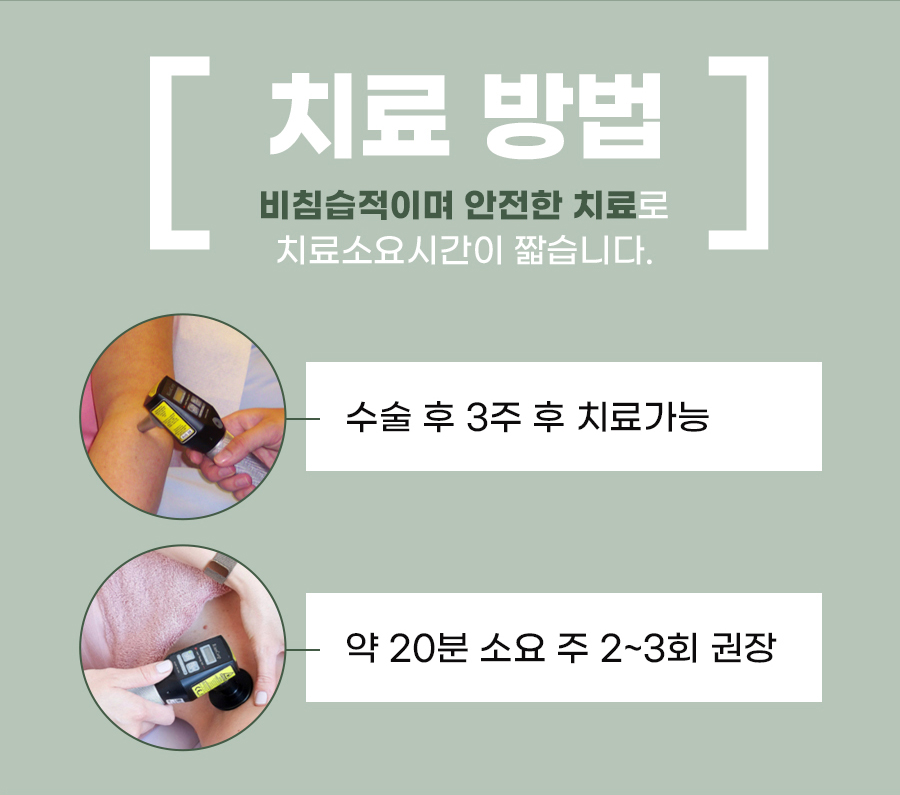
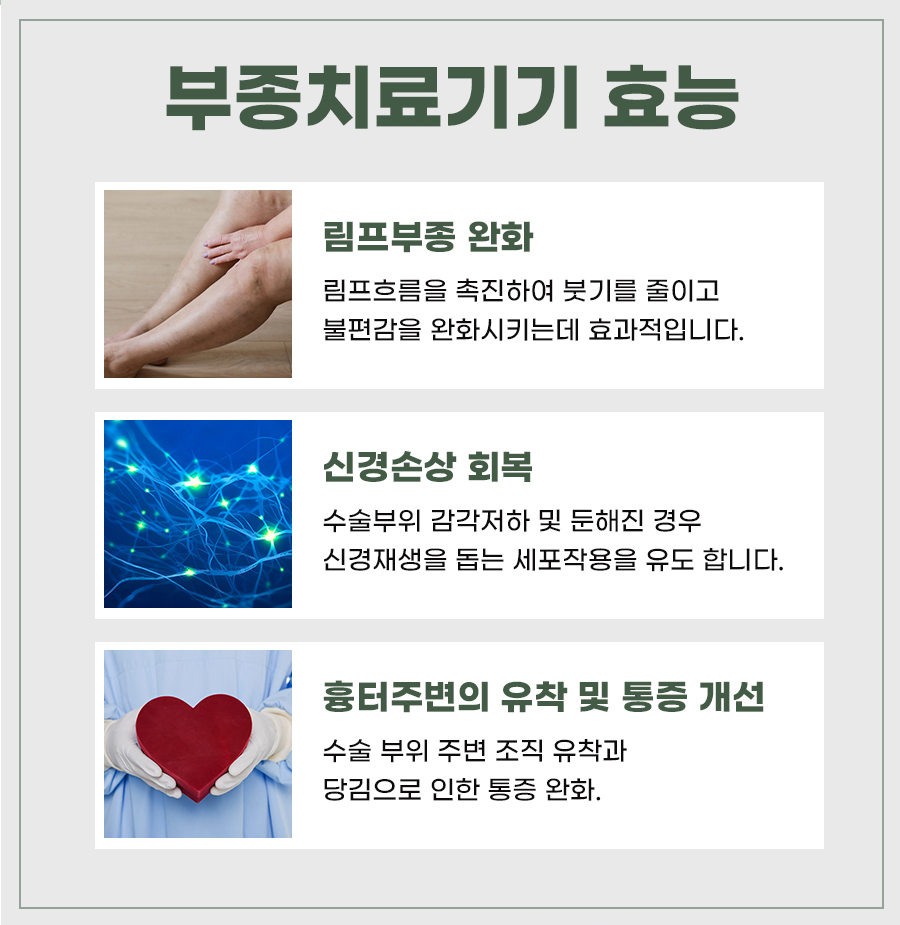
High-frequency hyperthermia (offered as part of supportive care)
The hospital offers high-frequency hyperthermia as one supportive-care modality. Evidence for hyperthermia as an adjunct to chemotherapy or radiation is mixed and varies by cancer type and clinical context. Patients should discuss potential benefits, risks, contraindications, and alternatives with their treating oncologist and ask the facility for peer-reviewed references or guideline statements if they are considering this therapy.
In simple terms, this is a device that delivers controlled heat to tumor regions or surrounding tissues.
Hyperthermia is often used as an adjunct to chemotherapy or radiation, not as a replacement. The goal is to support conventional treatment by affecting tumor cells and blood flow in ways that may enhance the impact of standard therapies.
This facility offers explanatory video content about hyperthermia on its own video channel. Families can watch these materials in advance to understand the procedure, how long sessions last, and what sensations patients may feel during treatment.
Integrative Western and oriental medicine model
One of the hospital’s characteristics is its integrative model. Internal medicine specialists oversee Western-style monitoring, medications, and test decisions, while the oriental medicine director provides treatments such as acupuncture, moxibustion, cupping, and herbal prescriptions.
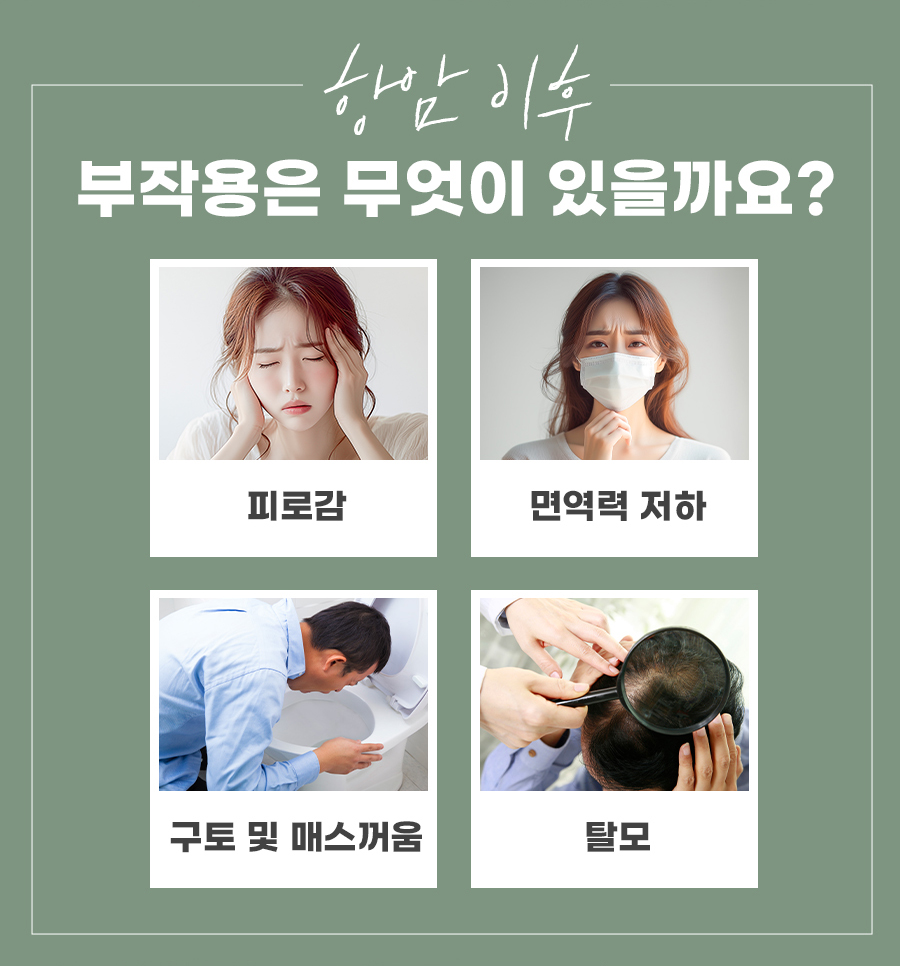
This approach is framed as supportive care. For example, acupuncture or herbal formulas may be considered for nausea, neuropathy, digestive discomfort, sleep problems, or anxiety that arise during or after chemotherapy. Western medical staff monitor vital signs, lab results, and interactions with existing medications.
For families, having both approaches under one roof can be convenient. You do not need to move between separate clinics, and communication between practitioners happens within the same facility.
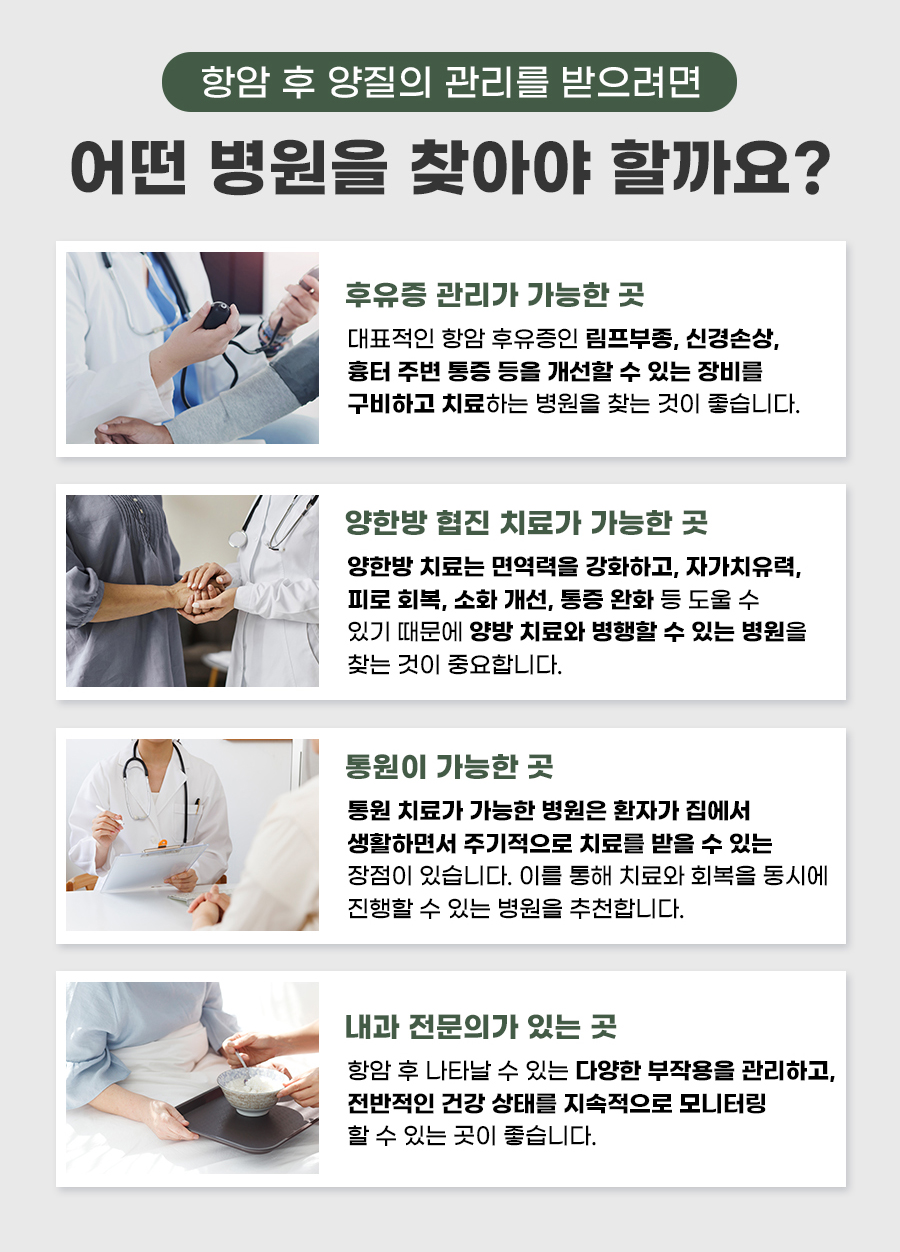
Nutrition and therapeutic diet
Nutrition is a central part of recovery for cancer patients. Appetite loss, taste changes, and digestive issues are very common after chemotherapy or major surgery.
The hospital provides anticancer-oriented dietary support and a dedicated healing meal plan. The facility posts daily menu photos on its website as part of an online menu archive; for exact archive length and current menu examples, consult the hospital's official menu page.
For overseas families who cannot always be at the bedside, this is helpful. You can check what your loved one is actually eating, discuss preferences, and ask staff to adjust textures or ingredients when medically appropriate. Patients with specific dietary restrictions can consult with staff about alternatives.
Healing environment and emotional support
Cancer treatment is not only physical. Fear, sadness, and uncertainty can be overwhelming, especially when far from home.
The location at the entrance of Mudeungsan National Park offers a natural healing backdrop. Cypress forests, fresh mountain air, and clear streams create a setting that encourages slow walks, quiet reflection, and gentle exercise.
Inside, the hospital provides healing rooms and rest areas designed for emotional relaxation. Cultural and emotional programs, such as poetry exhibitions and similar healing-themed events, help patients and families process their feelings and find meaning during treatment and recovery.
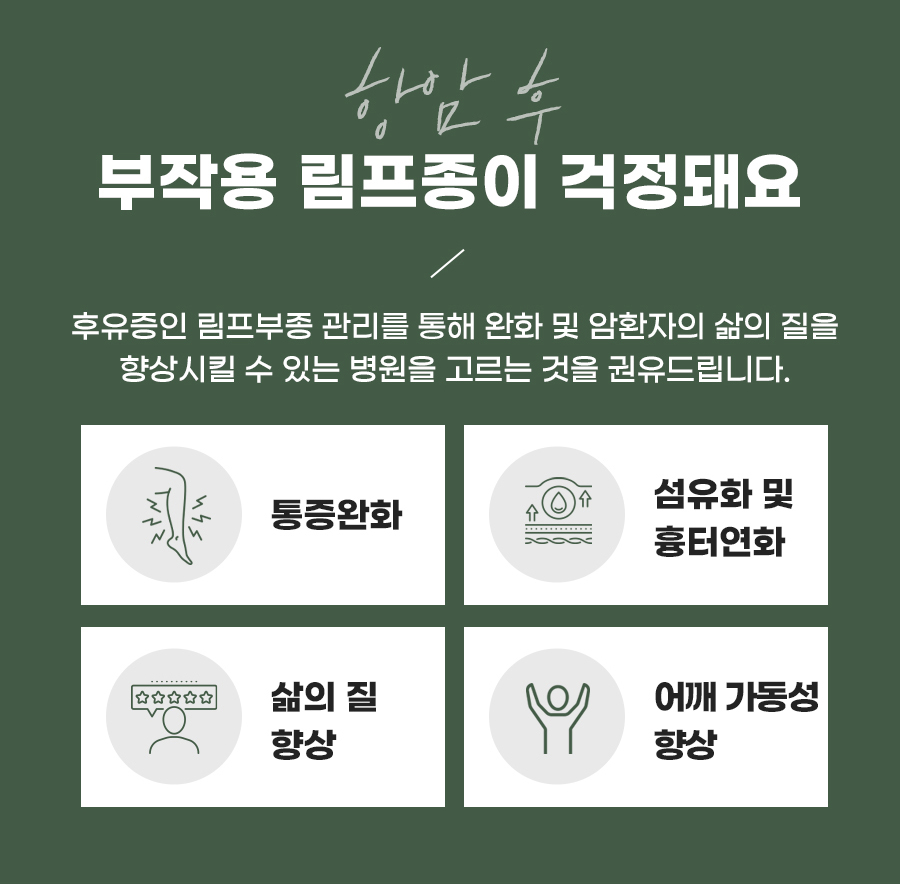
For international patients, these programs can provide a sense of calm and structure in an unfamiliar country.
How to choose a Jeonnam cancer convalescent hospital: practical checklist
When you start contacting facilities, it can be useful to prepare a written checklist. This helps you ask the same questions at each hospital and compare answers clearly.
Key points to confirm include the presence of internal medicine specialists, experience with cancer patients, and whether any doctors have university hospital leadership backgrounds. Ask specifically how they handle sudden deterioration, what their transfer protocol is, and which tertiary hospitals they cooperate with.
Check whether they have clear links with the cancer center where you or your family member is being treated. Ask if they can share records, follow your oncologist’s orders, and coordinate appointments.
Review available programs: do they offer short-term admission, outpatient options, and integrative supportive therapies? Clarify whether hyperthermia, acupuncture, or herbal medicine are available, and how they are supervised.
Assess the environment by asking for photos or video tours of patient rooms, common areas, and nearby walking paths. Confirm if there are quiet spaces for family visits and whether nature walks are realistic for someone in your condition.
For nutrition, ask if they have a structured therapeutic diet, how they handle special diets, and whether menus are shared in advance. For emotional support, ask about counseling, cultural programs, and family support services.
Chiu Convalescent Hospital can serve as one example that meets many of these criteria, but it is still important to compare several options and discuss them with your main oncology team.
Online consultation and pre-visit preparation for overseas patients
Before traveling to Korea or transferring from a tertiary hospital, an online or remote consultation is strongly recommended.
You can usually contact the hospital by phone or a messaging channel for initial questions and reservations. For more detailed planning, staff may ask you to send medical records such as recent discharge summaries, imaging reports, chemotherapy protocols, and a current medication list.
Prepare a short summary of the patient’s condition in English, including cancer type and stage, main treatments received, current symptoms, allergies, and any special needs such as mobility aids or dietary restrictions. If you have a caregiver traveling with you, note their contact details as well.
It is also helpful to prepare a list of questions before the online consultation. Examples include how they coordinate with your main cancer center, what kind of room options are available, how hyperthermia or integrative treatments are scheduled, and what languages staff can communicate in.
Expected Korea visit timeline for convalescent care
Each patient’s plan will be different, but a typical timeline for an overseas cancer patient might look like this.
First, treatment at a tertiary hospital such as surgery, chemotherapy, or radiation. Your oncologist then suggests a period of recovery before the next treatment cycle or before returning home.
Second, you or your family contact a convalescent hospital in the Jeonnam region, such as the facility near Mudeungsan National Park, to discuss admission dates and program options. You confirm whether you need a two-week short-term stay, a longer admission, or outpatient visits.
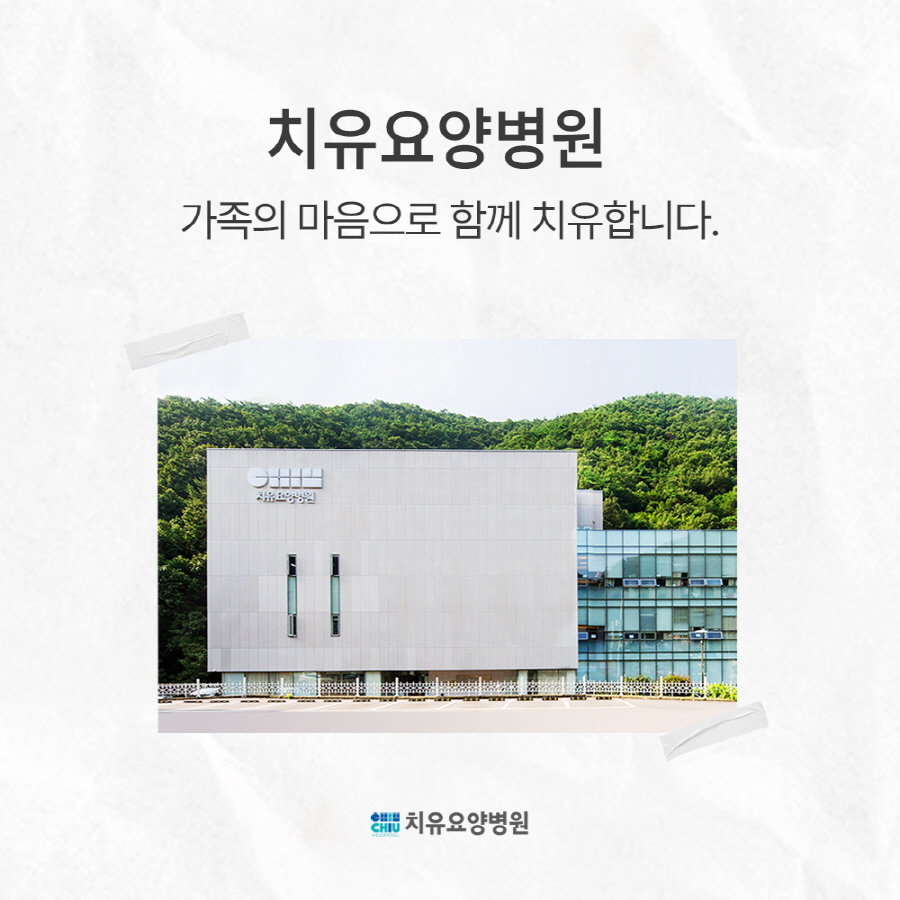
Third, you transfer to the convalescent hospital by medical transport or private car. The hospital is located in Dong-gu, Gwangju, near Jeungsimsa bus stop, with parking available, making it accessible from nearby cancer centers.
Fourth, during your stay, internal medicine specialists and nursing staff monitor your condition, manage symptoms, and adjust supportive treatments. If appropriate, you may receive high-frequency hyperthermia sessions and integrative oriental medicine treatments. You participate in gentle walks, rest in healing spaces, and follow the therapeutic diet.
Fifth, before discharge, staff help you plan the next step: returning to the tertiary hospital, flying home, or continuing with outpatient visits. They can provide summaries of your stay to share with your main oncologist.
Aftercare and returning home
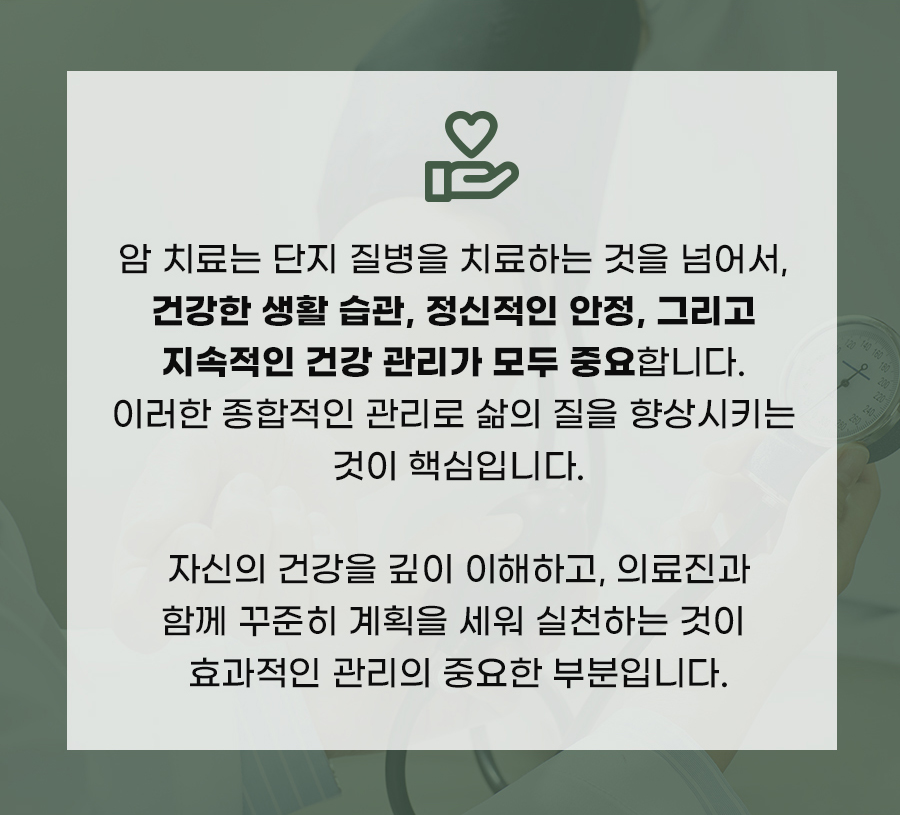
After leaving the convalescent hospital, ongoing care will usually continue with your primary oncologist in your home country or at a Korean tertiary hospital.
Ask the convalescent hospital to provide a clear discharge summary, including medications, recent test results, and any recommendations for rehabilitation, nutrition, or symptom management. Keep contact details in case your doctor at home needs clarification.
If you found certain supportive treatments helpful, such as specific dietary approaches, acupuncture, or exercise routines, discuss with your local medical team how to continue them safely. Not all treatments available in Korea will be available in your country, but similar approaches may exist.
Frequently asked questions
Who should consider a Jeonnam cancer convalescent hospital?
A Jeonnam-area convalescent hospital can be suitable for cancer patients who have completed or are between surgery, chemotherapy, or radiation cycles and need a safe place to recover. It is especially relevant for those treated at large cancer centers in or near Jeollanam-do who feel that going directly home or to a hotel is too risky or exhausting.
Patients who need help with fatigue, pain, nutrition, sleep, or emotional distress, and families who want medical staff nearby at all times, may benefit from this type of facility.
Does a convalescent hospital replace my main oncologist?
No. A convalescent hospital does not replace your primary oncologist or cancer center. Your main cancer treatment plan, including chemotherapy protocols and major decisions about surgery or radiation, remains with your oncology team.
The role of the convalescent hospital is to provide day-to-day monitoring, symptom control, integrative supportive care, and a healing environment between major treatments. Staff coordinate with your oncologist and refer you back to tertiary care if your condition requires it.
What kinds of treatments are offered besides basic nursing care?
In addition to standard nursing and internal medicine management, some cancer-focused convalescent hospitals offer high-frequency hyperthermia, integrative oriental medicine treatments such as acupuncture, moxibustion, cupping, and herbal medicine, and structured nutrition programs.
At the facility introduced in this guide, these services are provided as supportive or adjunctive care. They are not presented as stand-alone cures for cancer but as ways to help manage side effects and improve quality of life during recovery.
How can overseas patients arrange admission or a short-term stay?
Overseas patients can usually start the process by contacting the hospital via phone or a messaging app for an initial consultation. You will be asked to share medical records and a summary of your current condition so the team can assess whether the facility is appropriate for your needs.
For the two-week short-term admission program, advance reservation is important because places may be limited and offered in specific periods. The hospital’s blog and online channels often provide updated information on available dates and program details.
Soft call to action for online consultation
If you are considering a Jeonnam cancer convalescent hospital for yourself or a family member, it may help to discuss your situation with a facility that works closely with major cancer centers and offers flexible recovery programs.
A convalescent hospital in Dong-gu, Gwangju, near the entrance to Mudeungsan National Park, accepts inquiries by phone and online messaging. Through an online consultation you can share your treatment history, ask about inpatient, short-term, or outpatient options, and decide whether recovery-focused care fits your plans in Korea. Contact the facility directly to confirm hours, admission criteria, and any required documentation.
This article is intended for general information only and does not replace professional medical advice. Individual situations vary, and all decisions about cancer treatment and recovery care should be made in consultation with qualified medical professionals.
- 공유 링크 만들기
- X
- 이메일
- 기타 앱


댓글
댓글 쓰기