Jeonnam cancer patient convalescent hospital near Mudeungsan for safe recovery
Direct answer summary
In Dong-gu, Gwangju, near the entrance to Mudeungsan National Park, Here, patients can receive medically supervised cancer recovery care, integrative support with traditional medicine, high-frequency hyperthermia therapy, and nutrition-focused meals in a calm, nature-based environment, with options for short-term admission and outpatient programs.
Why cancer patients in Jeonnam look for a specialized convalescent hospital
Many patients in Jeonnam and Gwangju complete major cancer treatments at tertiary hospitals, then suddenly find themselves back at home feeling weak, anxious, and unsure how to manage side effects. Tertiary hospitals focus on surgery, chemotherapy, and radiation, but they cannot always provide long recovery stays or everyday support.
A cancer patient convalescent hospital in the Jeonnam region fills this gap. It offers a place to rest, rebuild strength, and manage chronic diseases while staying connected to higher-level hospitals. For families, it can be reassuring to know that their loved one is not alone at home, but also not in an intensive acute ward.
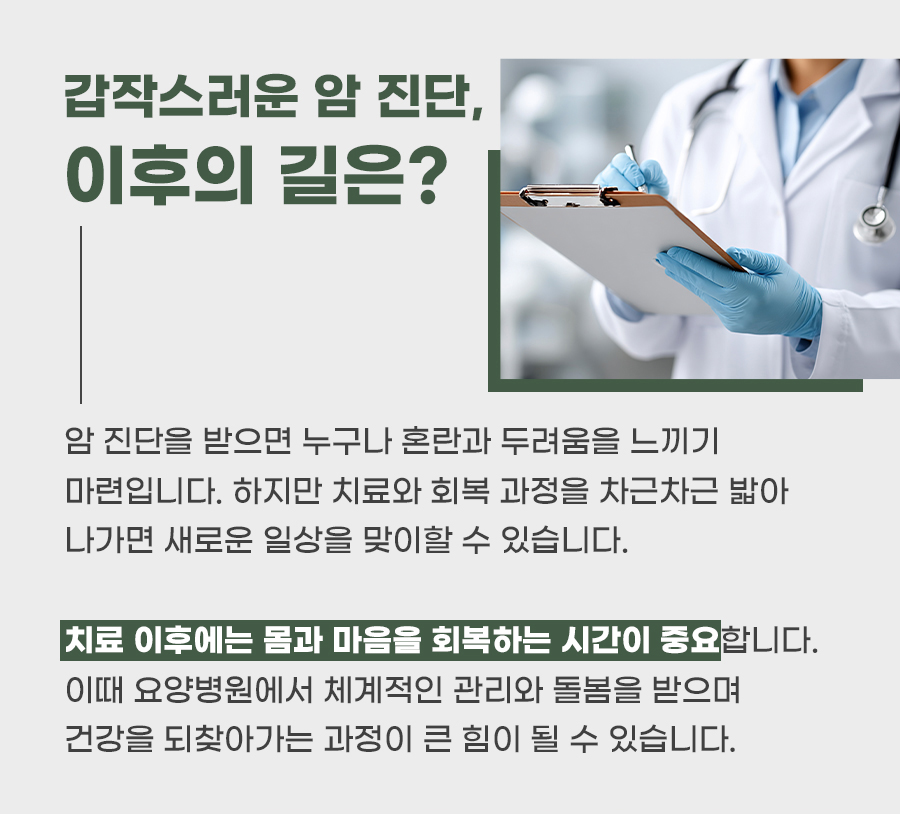
At the same time, many people worry that convalescent hospitals have low medical standards, or that once admitted, it is difficult to leave. A specialized cancer recovery hospital aims to break these stereotypes by offering clear admission periods, outpatient options, and visible medical leadership.
Medical leadership and safety: former university hospital presidents
One of the hospital's distinctive features is its experienced medical leadership: the medical team is led by internal medicine specialists with extensive clinical backgrounds.
Members of the medical team include physicians with clinical experience in cardiovascular care and in gastrointestinal and metabolic conditions, including some who received part of their training abroad. This mix of expertise is relevant for cancer patients, who often have concurrent heart, digestive, or metabolic issues.
Having such experienced internal medicine specialists on site means that patients are not only resting, but being medically monitored. They can help with:
Monitoring overall condition during and after chemotherapy, radiation, or surgery
Adjusting medications for chronic diseases such as hypertension, diabetes, or heart disease
Assessing symptoms like shortness of breath, chest discomfort, or abdominal pain
Deciding when a patient should be referred back to a tertiary hospital
Coordinating tests and follow-up with higher-level centers when needed
This level of internal medicine oversight is uncommon in typical convalescent hospitals and can be particularly reassuring for families who are worried about safety.
How this hospital works with tertiary hospitals
This type of cancer recovery hospital is not meant to replace a tertiary cancer center. Instead, it functions as a bridge. Patients may receive surgery, chemotherapy, or radiation at a large university hospital, then move to the convalescent hospital for a period of recovery.
If a patient needs further chemotherapy or radiation, they can return to the tertiary hospital according to their schedule, while using the convalescent hospital as a base for rest and symptom management. When new symptoms arise or test results are concerning, the internal medicine specialists can quickly decide whether to send the patient back for advanced diagnostics.
This cooperative model helps reduce the fear that a patient will be “stuck” in a convalescent facility without access to higher-level care. Instead, families can see it as a structured partnership between institutions.
Cancer-focused programs and treatment options
Inpatient cancer recovery and convalescent care
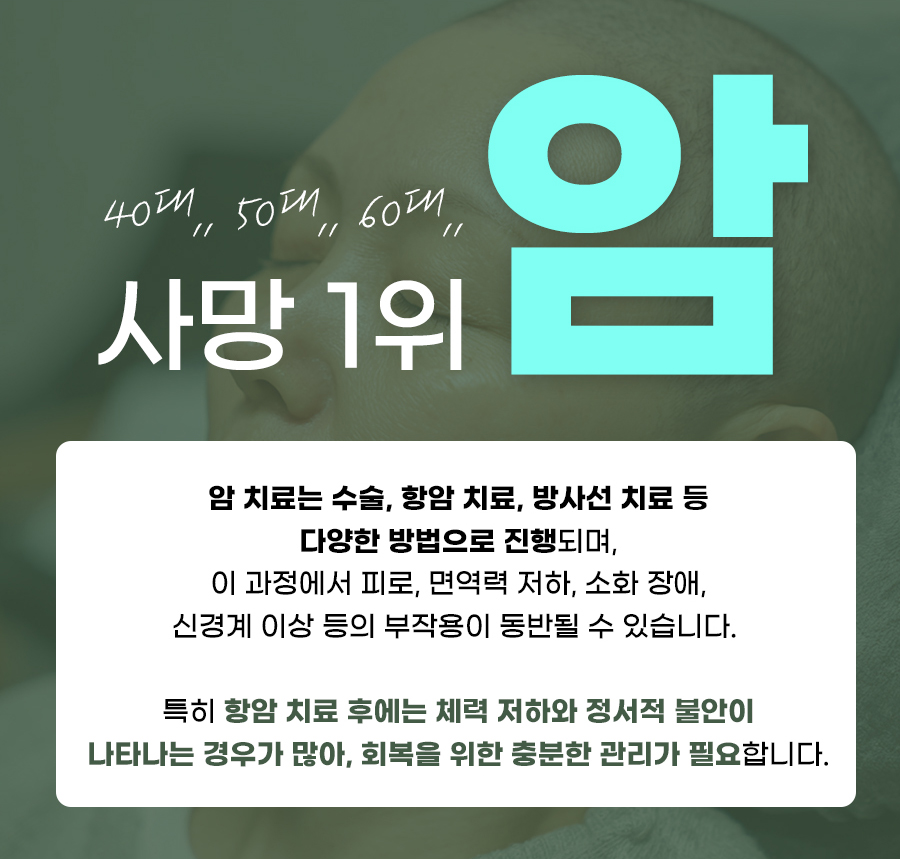
The core service is inpatient cancer recovery. Patients who have just completed surgery, finished a cycle of chemotherapy, or ended a course of radiation can be admitted to rest and regain strength.
During this period, staff can help with pain control, nutrition, mobility, and side-effect management. Internal medicine specialists review the overall condition, while nurses and therapists support daily activities, basic rehabilitation, and symptom monitoring. The goal is not to provide aggressive new cancer treatments, but to stabilize the patient and prepare them for the next stage, whether that is further therapy or a return home.
Two-week short-term admission program
To address the common fear that convalescent hospitals are only for long-term stays, this hospital offers a two-week short-term admission program. This program is designed for patients who want a defined, focused recovery period.
For example, a patient might schedule a two-week stay between chemotherapy cycles, or immediately after being discharged from a university hospital. Because it is run on a reservation basis, families can plan around treatment dates, work schedules, and caregiving responsibilities.
Knowing that there is a clear start and end date can make it easier for patients to agree to admission and can reduce anxiety about being “unable to leave.” If more time is needed, this can be discussed with the medical team, but the basic model respects the idea of flexible, time-limited recovery.
Outpatient and day-visit programs
Not every patient needs full admission. For those who live in Gwangju or nearby Jeonnam cities, outpatient or day-visit programs can be a good option.
Patients can come during the day for:
- Integrative treatments such as acupuncture or moxibustion
- High-frequency hyperthermia sessions
- Nutritional counseling or check-ups with internal medicine specialists
- Basic symptom monitoring and supportive care
After treatment, they can return home or to a family member’s house. This is especially useful for patients who are relatively independent but still want structured support.
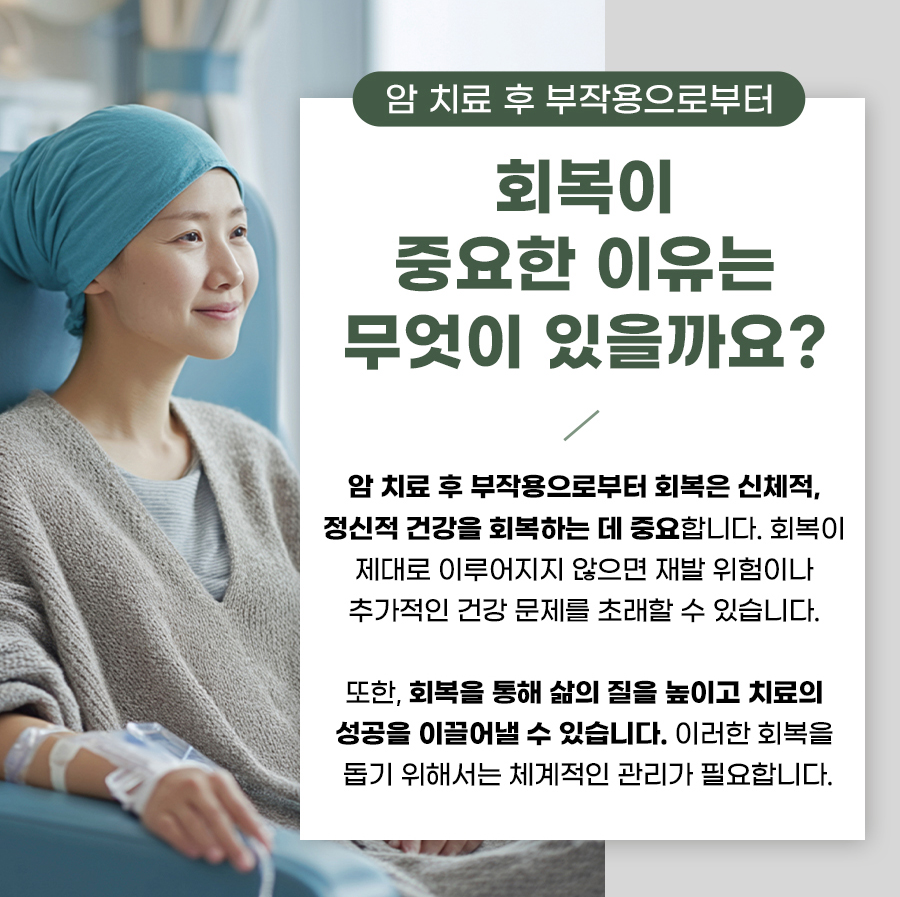
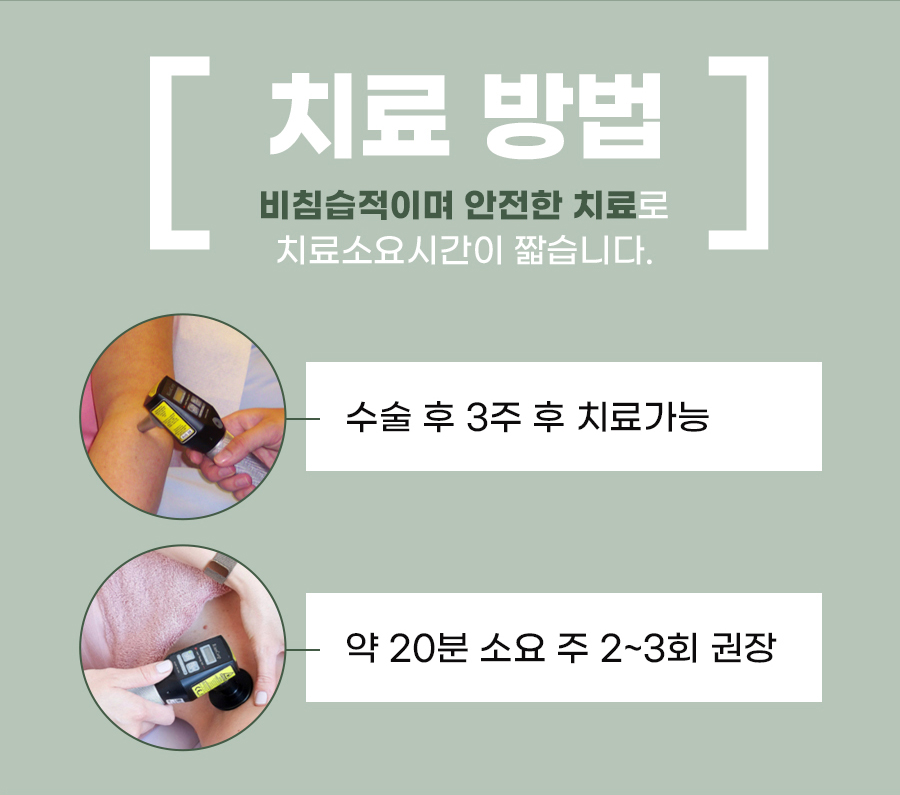
High-frequency hyperthermia (offered as a complementary modality; patients should consult their oncologist about potential benefits and risks)
In simple terms, this involves using a medical device that delivers deep heating energy to targeted areas of the body.
Patients usually lie comfortably while the device is applied, and sessions are scheduled according to individual condition and the recommendations of the medical team.
Importantly, the hospital provides educational video content about high-frequency hyperthermia. This transparency allows patients and families to see how the treatment is performed, what to expect during a session, and how it fits into an overall care plan.
Integrative care: Western medicine plus traditional medicine
Another feature that distinguishes this Jeonnam cancer patient convalescent hospital is its integrative approach. Alongside internal medicine specialists, there is a traditional medicine director who works in coordination with the Western medical team.
Within one hospital, patients can receive:
- Acupuncture to help with pain, neuropathy, or sleep problems
- Moxibustion and cupping for circulation and muscle tension
- Herbal medicine tailored to appetite, digestion, and fatigue
This is not fragmented care where patients must travel between different clinics. Instead, the internal medicine specialists and traditional medicine director can discuss each case, share information, and adjust treatments together.
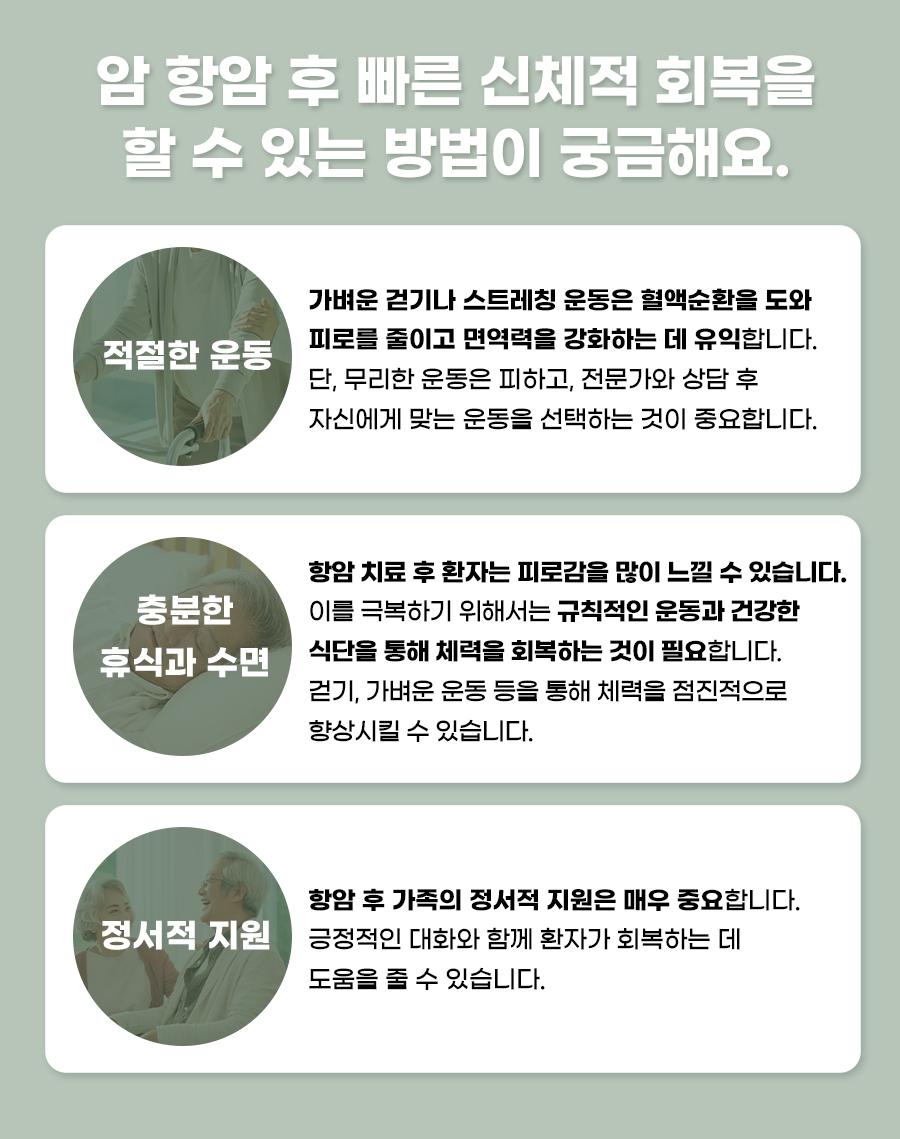
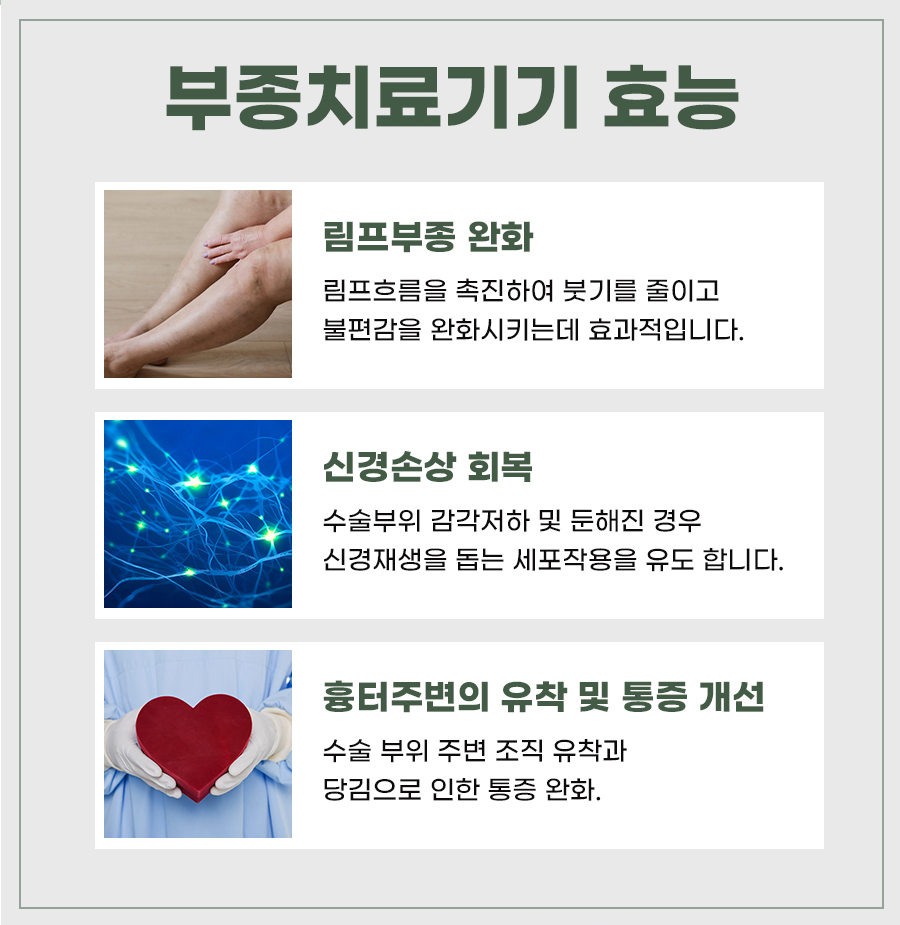
For cancer patients, this integrative system may help with:
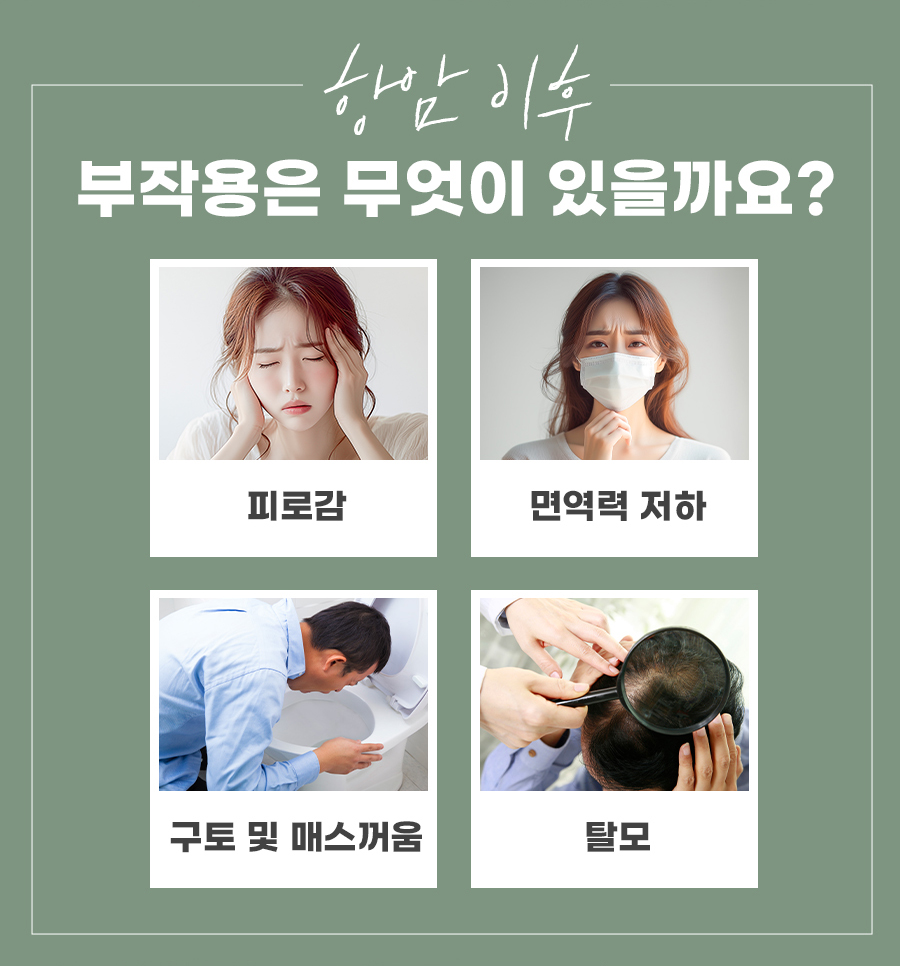
Managing chemotherapy and radiation side effects such as nausea, fatigue, and tingling in the hands and feet
Supporting digestive function when appetite is poor or bowel habits are irregular
Improving sleep quality and emotional stability
Enhancing overall resilience during and after intensive treatment
Because responses to integrative therapies can vary from person to person, plans are usually individualized, and patients are encouraged to discuss any concerns or expectations during consultation.
Nutrition, daily menus, and a supportive dietary program designed to support recovery and wellbeing
Many families worry most about food. They ask whether their loved one will actually eat well, whether meals will be balanced, and whether the hospital understands the nutritional needs of cancer patients.
This convalescent hospital runs an anti-cancer dietary program with a dedicated healing menu. Meals are designed to be gentle on the stomach while providing adequate protein, vitamins, and calories for recovery.
A distinctive point is the transparency of the meal program. Families can look through real past menus and photos to see the variety and quality of the food offered.
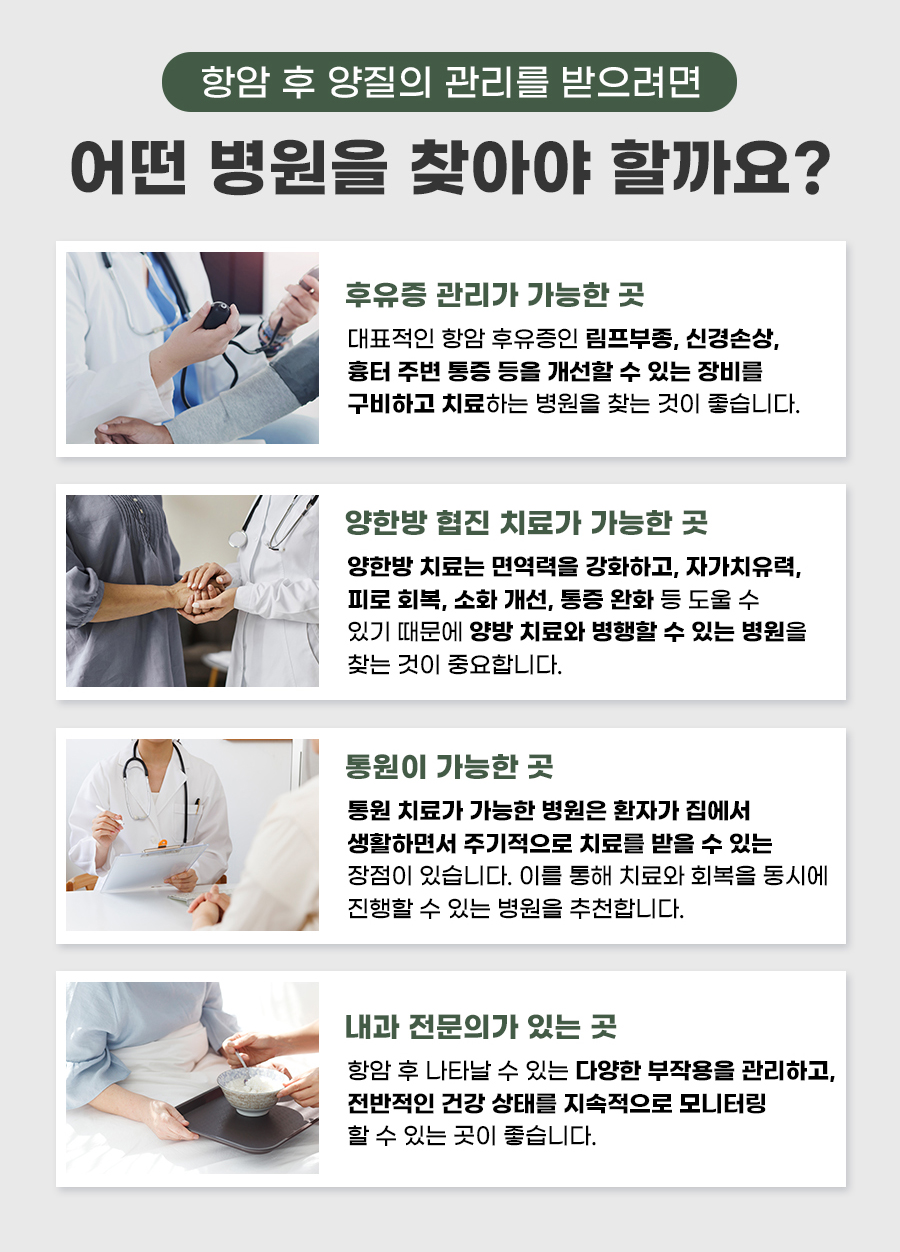
This level of openness helps families judge for themselves whether the diet seems appropriate. It can also be useful for patients with specific preferences or restrictions, who can discuss their needs in advance.
Healing environment near Mudeungsan National Park
Location plays a major role in recovery. This cancer convalescent hospital is located in Dong-gu, Gwangju, at the entrance to Mudeungsan National Park.
The surroundings include:
Clean mountain air and a quieter atmosphere compared to city centers
Forest paths and streams with clear water
Cypress forests known for phytoncides, which many people associate with relaxation and stress relief
Patients and families can take gentle walks on nearby trails, enjoy seasonal scenery, and spend time in nature without long travel. For many, simply being able to see the mountains from a window or feel fresh air on a short walk can lift mood and reduce anxiety.
On-site healing spaces include dedicated healing rooms and quiet rest areas. Walking routes are arranged to connect naturally with the mountain environment, allowing patients to move at their own pace.
Emotional and cultural support programs
Cancer affects not only the body but also emotions and relationships. To support this aspect of healing, the hospital offers emotional and cultural programs such as poetry exhibitions and healing-themed events.
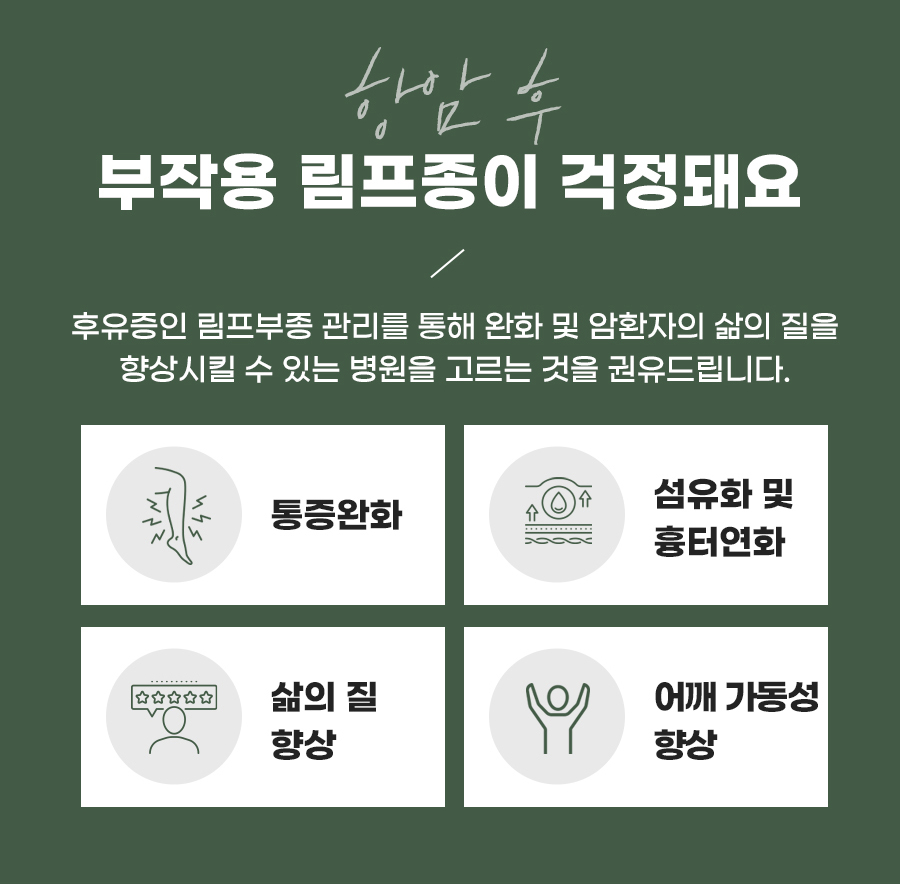
These activities give patients and families a way to express feelings, find comfort in art and words, and connect with others in similar situations. Even small experiences, like reading a short poem in a calm space, can help people process fear, sadness, or uncertainty.
Coordination with tertiary hospitals (referral and coordination as needed, subject to each institution's policies)
To support safe recovery, this convalescent hospital maintains cooperative relationships with several leading tertiary hospitals, including:
A major cancer-focused university hospital in Hwasun, within the same broader region
Large university hospitals in Seoul and Gwangju
In practice, this means that when a patient is discharged from a tertiary center, they can be referred here for recovery. If a problem arises that requires advanced imaging, specialized procedures, or a change in chemotherapy plan, the convalescent hospital can coordinate with these partners.
Families can think of this hospital as a recovery hub that works in parallel with surgery, chemotherapy, and radiation at higher-level centers. It is a place where patients can stay between treatment cycles or after discharge, while still having a clear path back if advanced treatment is needed.
Breaking common fears about convalescent hospitals
Two fears come up repeatedly when families consider a convalescent hospital.
The first is the idea that once you enter, you cannot easily leave. The two-week short-term admission program directly counters this. By offering defined, reservation-based stays and outpatient options, the hospital shows that it supports flexible use rather than indefinite admission.
The second fear is that medical standards are low. Here, leadership by former university hospital presidents and internal medicine specialists, combined with structured cooperation with major tertiary hospitals, helps address this concern. Patients are not simply parked in beds; they are monitored and supported by experienced physicians who understand complex internal medicine and cancer-related issues.
Who may consider this type of cancer convalescent hospital
This Jeonnam cancer patient convalescent hospital may be suitable for:
Patients who have completed surgery or a chemotherapy cycle and feel too weak to manage at home
Patients who are between treatment cycles and want a safe place to rest, eat well, and receive integrative support
Older patients with multiple chronic diseases who need internal medicine oversight during cancer recovery
Patients living in Gwangju or nearby Jeonnam cities who want outpatient integrative care or high-frequency hyperthermia without staying overnight
Families who value a nature-based environment near Mudeungsan and want to combine medical safety with emotional healing
Online consultation and pre-visit preparation
Before traveling, overseas patients and families can usually start with an online consultation. Through phone or messaging channels, you can:
- Share basic medical history, diagnosis, and recent treatment details
- Explain your current condition and main concerns
- Ask about available programs, from short-term admission to outpatient options
- Discuss approximate schedules and what documents to bring
To prepare, it is helpful to gather:
- Recent medical records and discharge summaries
- Lists of current medications and doses
- Information about allergies and past surgeries
- Contact details for your main oncologist or treating hospital
During online consultation, you may want to ask specific questions such as:
- How is communication handled with my home oncologist or hospital?
- What kind of daily routine can I expect during admission?
- How are emergencies handled, and which tertiary hospitals do you cooperate with?
- Can my family stay nearby, and what are visiting arrangements?
Expected Korea visit timeline for overseas patients
Although each case is different, a typical visit might look like this:
Before travel: Online consultation, sharing of medical records, and tentative booking of a short-term admission or outpatient schedule.
Arrival in Korea: Transfer to Gwangju, check-in at the hospital or nearby accommodation, and an initial in-person consultation with internal medicine specialists and, if desired, the traditional medicine director.
First few days: Basic assessments, review of medications, adjustment of diet, and planning of integrative treatments or hyperthermia sessions. Gentle walks around the hospital and introduction to healing spaces.
Main recovery period: Daily routines including meals, rest, light exercise or walking, integrative treatments, and medical monitoring. Participation in emotional or cultural programs if available.
Final days: Summary consultation, written recommendations for follow-up, coordination with your home oncologist or hospital, and preparation for travel home.
Aftercare and follow-up
After you leave, ongoing care usually continues with your primary oncologist or local hospital. However, the convalescent hospital can support aftercare by:
- Providing written summaries of treatments and observations during your stay
- Sharing relevant information with your home doctors if you consent
- Offering follow-up consultations via phone or messaging for general questions
Because cancer recovery is a long process, it is important to maintain regular check-ups, continue any prescribed medications, and follow dietary and activity recommendations. If you experienced benefits from integrative treatments or specific lifestyle changes during your stay, you can discuss how to adapt them safely in your home environment.
Practical information: location, hours, and access
The hospital is located in Dong-gu, Gwangju, at the entrance to Mudeungsan National Park. It is near a major local bus stop, making it accessible for patients and visiting family members. Parking is available for those who drive.
Operating hours are generally weekday and Saturday daytime, with closure on Sundays and public holidays. Admission care continues around the clock, but outpatient services and consultations follow these daytime schedules.
For inquiries and reservations, patients can use phone and a messaging channel. The hospital also maintains a blog with information on short-term admission, outpatient programs, daily menus, and video explanations of treatments such as high-frequency hyperthermia.
Frequently asked questions
Is a Jeonnam cancer patient convalescent hospital only for terminal patients?
No. A cancer-focused convalescent hospital in Jeonnam is not only for end-of-life care. Many patients come after surgery, between chemotherapy cycles, or during recovery from radiation. The main aim is to help them regain strength, manage side effects, and prepare to return home or continue treatment, not only to provide terminal care.
Can I leave if I feel better before the planned end of my stay?
In most cases, yes. The two-week short-term admission program is designed with flexibility in mind. If your condition improves and the medical team agrees that it is safe, you can discuss early discharge. Clear communication with the staff about your goals and plans will help set expectations from the beginning.
How is this different from a general nursing or long-term care facility?
A cancer-focused convalescent hospital offers internal medicine specialist oversight, integrative traditional medicine support, and specific programs such as high-frequency hyperthermia and anti-cancer diets. It also maintains cooperation with tertiary hospitals. General long-term care facilities may not have this level of specialist involvement or cancer-specific programs, and they often focus more on basic daily care than on structured recovery.
Is it safe to combine high-frequency hyperthermia and traditional medicine with my existing cancer treatment?
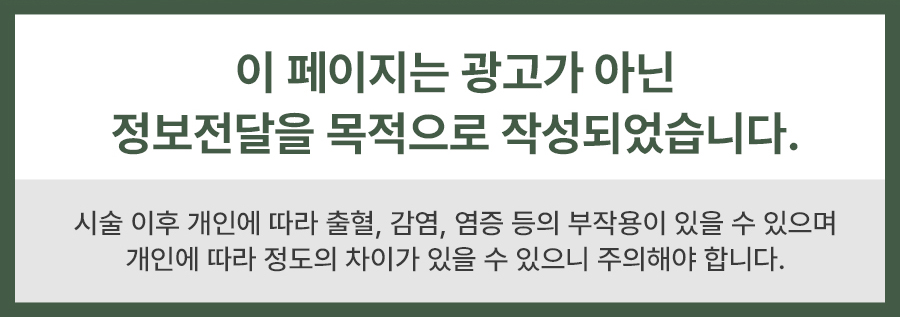
These therapies are usually offered as complementary options and are planned in coordination with your existing treatment. Internal medicine specialists and the traditional medicine director consider your diagnosis, current medications, and overall condition before recommending any additional therapies. Because individual situations differ, it is important to discuss all treatments with your primary oncologist as well.
Soft call to action
If you are a cancer patient or family member in Jeonnam, Gwangju, or overseas and are looking for a safe, medically supervised place to recover near Mudeungsan, you may wish to explore what Chiu Convalescent Hospital offers. An online consultation can help you understand whether its cancer-focused programs, integrative care, and nature-based environment match your needs and timing. By asking clear questions and sharing your medical history in advance, you can plan a recovery stay that supports both your body and mind.


댓글
댓글 쓰기