Jeonnam Breast Cancer Lymphedema Care Near Mudeungsan
- 공유 링크 만들기
- X
- 이메일
- 기타 앱
Direct answer summary
If you are a breast cancer survivor from Jeonnam or Gwangju and you notice swelling, heaviness, or tightness in one arm, hand, breast, or chest, you may be worried about lymphedema. While it may not be fully reversible, early detection, daily self-care, and professional support help many women manage symptoms and continue their daily activities.
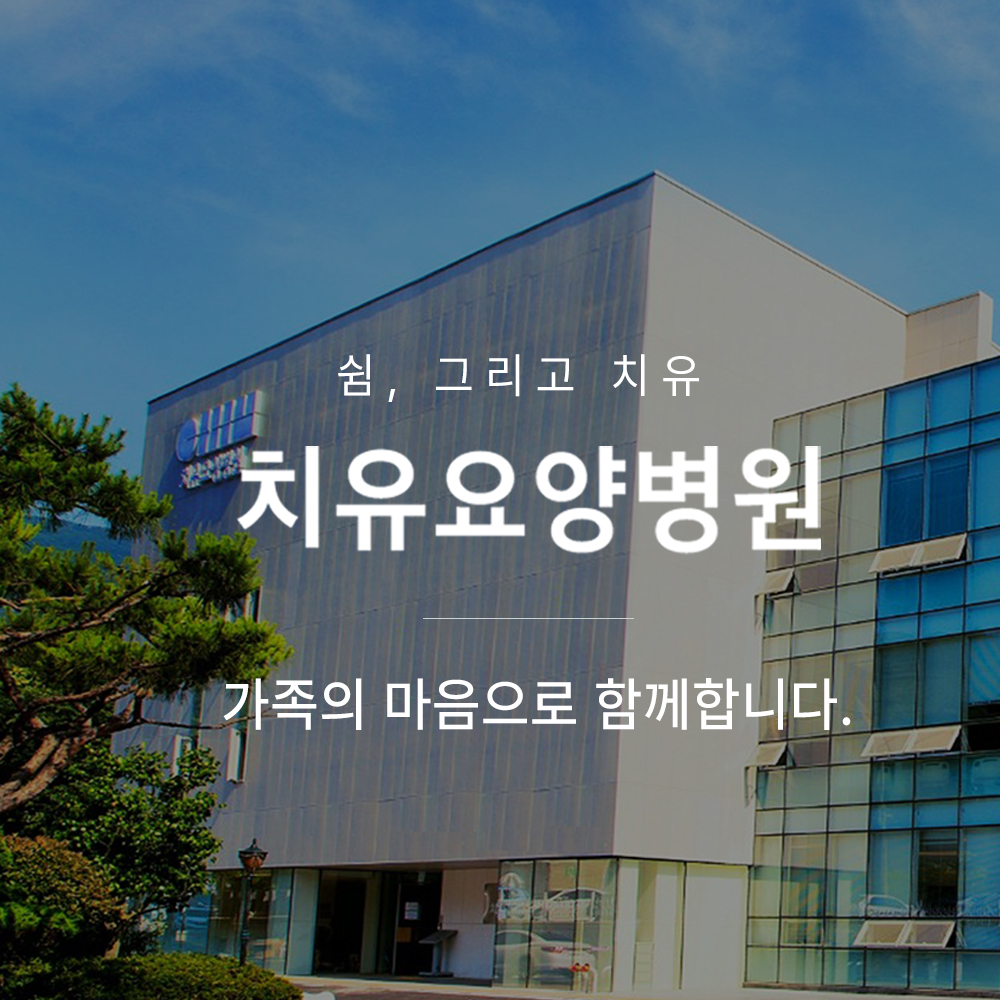
For some patients, a convalescent hospital in Dong-gu, Gwangju — for example, Chiu Convalescent Hospital near Mudeungsan National Park — can be a place to recover after surgery, chemotherapy, or radiation. These facilities do not replace the primary cancer treatment center; they can provide rehabilitation, symptom management, and emotional support, typically in coordination with the patient's oncology team.
What is breast cancer related lymphedema
Breast cancer related lymphedema is long-term swelling that can occur after treatment for breast cancer. It usually affects one side of the body, most often the arm and hand on the side where lymph nodes were removed or where radiation was given. Some women also notice swelling in the breast, chest wall, or underarm area.
The lymphatic system is a network of vessels and nodes that drains fluid and helps fight infection. When lymph nodes are removed during surgery, or damaged by radiation, lymph fluid may not drain properly. Over time, this fluid can build up in nearby tissues and cause swelling, heaviness, and discomfort.
Lymphedema can appear soon after surgery, but it can also develop months or even many years later, long after active treatment has finished. This delayed timing is one reason many women in Jeonnam and Gwangju search for information when new swelling appears.
Causes and risk factors
The most common causes of breast cancer related lymphedema include removal of lymph nodes in the armpit area, radiation therapy to the underarm or chest, and scarring around lymph vessels. These treatments are often necessary to control cancer, but they can change how lymph fluid flows.
Other factors can increase the risk or make swelling worse. These include weight gain after treatment, lack of regular movement, sudden heavy use of the affected arm, infections in the arm or hand, and sometimes trauma such as cuts, burns, or insect bites.
Not every woman who has lymph nodes removed will develop lymphedema, and some women with only a few nodes removed may still develop it. Because there is no perfect way to predict who will be affected, it is important for all breast cancer survivors to know the early signs.
Typical symptoms to watch for
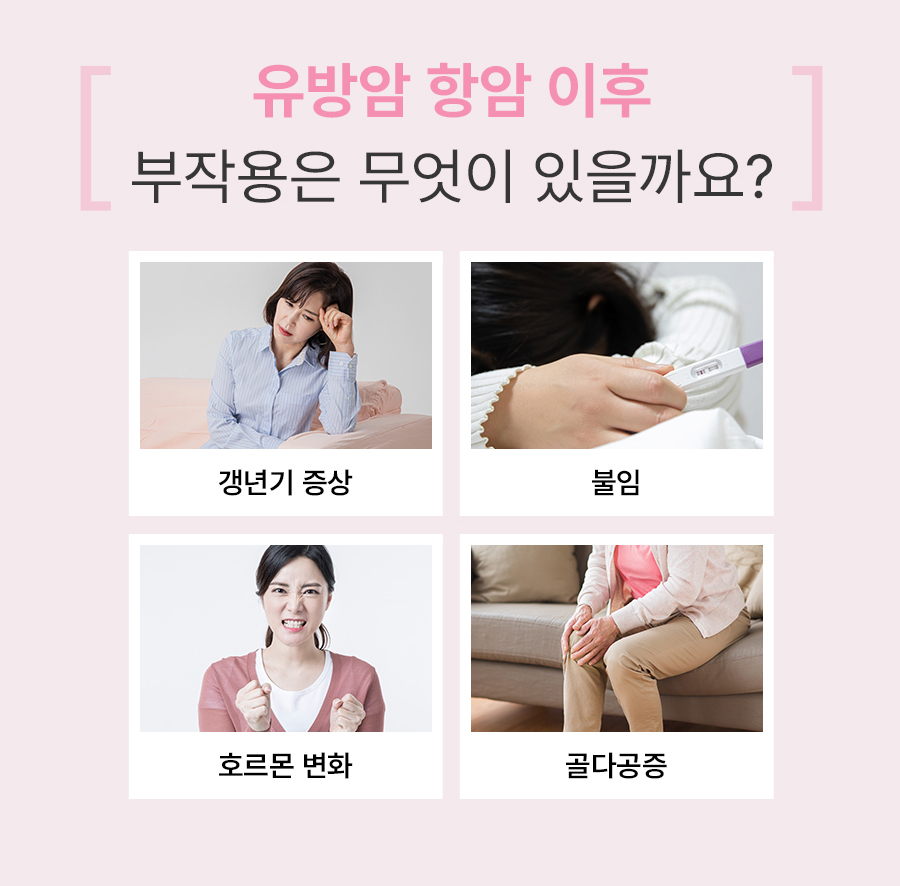
Early signs of lymphedema are often subtle. You may notice a feeling of heaviness or tightness in one arm or hand, or a sense that your sleeve or bra feels tighter on one side. Rings, watches, or bracelets may suddenly feel snug.
As swelling becomes more visible, you might see that one arm looks larger than the other, or that the skin looks stretched or slightly shiny. Some women notice reduced range of motion in the shoulder, elbow, or wrist, making it harder to reach overhead or behind the back.
Over time, if lymphedema is not managed, the skin can become thicker or firmer, and the swelling may feel harder rather than soft. Discomfort, aching, or a feeling of fullness can interfere with sleep and daily activities.
Why early detection matters
Early, mild lymphedema is usually easier to control. At this stage, careful self-care, compression garments, and guided exercises can often reduce swelling and prevent it from progressing.
If lymphedema is ignored for a long time, the fluid can lead to tissue changes called fibrosis. The arm or chest may feel firm or woody, and the swelling may respond less to treatment. Severe lymphedema can limit movement, increase the risk of skin infections, and affect body image and confidence.
For women in Jeonnam and Gwangju, recognizing early symptoms and discussing them promptly with your oncology or rehabilitation team can make a big difference in long-term comfort and function.
Standard management and what you can do
Lifestyle and self-care
Maintaining a healthy body weight can reduce pressure on the lymphatic system. A balanced diet rich in vegetables, fruits, whole grains, and adequate protein supports overall recovery after breast cancer treatment.
Gentle daily exercise is essential. Simple range-of-motion movements for the shoulder, elbow, and wrist, as well as walking, can help lymph flow. Elevating the arm on pillows when resting and avoiding long periods of complete inactivity are also helpful.
Skin care is very important. Keep the skin clean and moisturized, protect it from cuts and burns, and use gloves when gardening or doing housework that could cause small injuries.
Rehabilitation and physical therapy
Many patients benefit from working with therapists who understand lymphedema. Common techniques include manual lymph drainage, which is a gentle massage method designed to encourage lymph fluid to move toward healthy drainage areas.
Compression bandaging or compression sleeves and gloves are often used to maintain reduced swelling after manual drainage. These garments should be properly fitted and used according to professional guidance.
Supervised exercise programs can teach safe stretching and strengthening, breathing exercises, and posture training. Good posture and shoulder mobility are especially important after breast surgery and radiation.
Medical monitoring and symptom control
Regular follow-up with your oncology and rehabilitation teams helps adjust your care plan over time. They can monitor for signs of infection, such as redness, warmth, pain, or fever, and check for any changes that might require imaging or further tests.
Pain, discomfort, and sleep problems may be managed with medications, relaxation techniques, or complementary therapies when appropriate. Psychological support, including counseling or support groups, can help with anxiety, depression, or body image concerns related to breast surgery and lymphedema.
How a convalescent hospital in Gwangju can support Jeonnam patients
After surgery, chemotherapy, or radiation at a large university hospital or cancer center, many patients feel too weak to return directly to full daily life. A convalescent hospital in Dong-gu, Gwangju can serve as a bridge between acute hospital care and home.
decisions about surgery, radiation, and systemic therapy.
Some families find reassurance in care delivered by a multidisciplinary team, but patients should confirm specific staff qualifications and roles directly with the facility.
Integrative care for side effects and lymphedema self-care
Breast cancer survivors often deal with more than just swelling. Fatigue, neuropathy, digestive problems, poor appetite, and sleep disturbance can make it harder to follow daily lymphedema care routines.
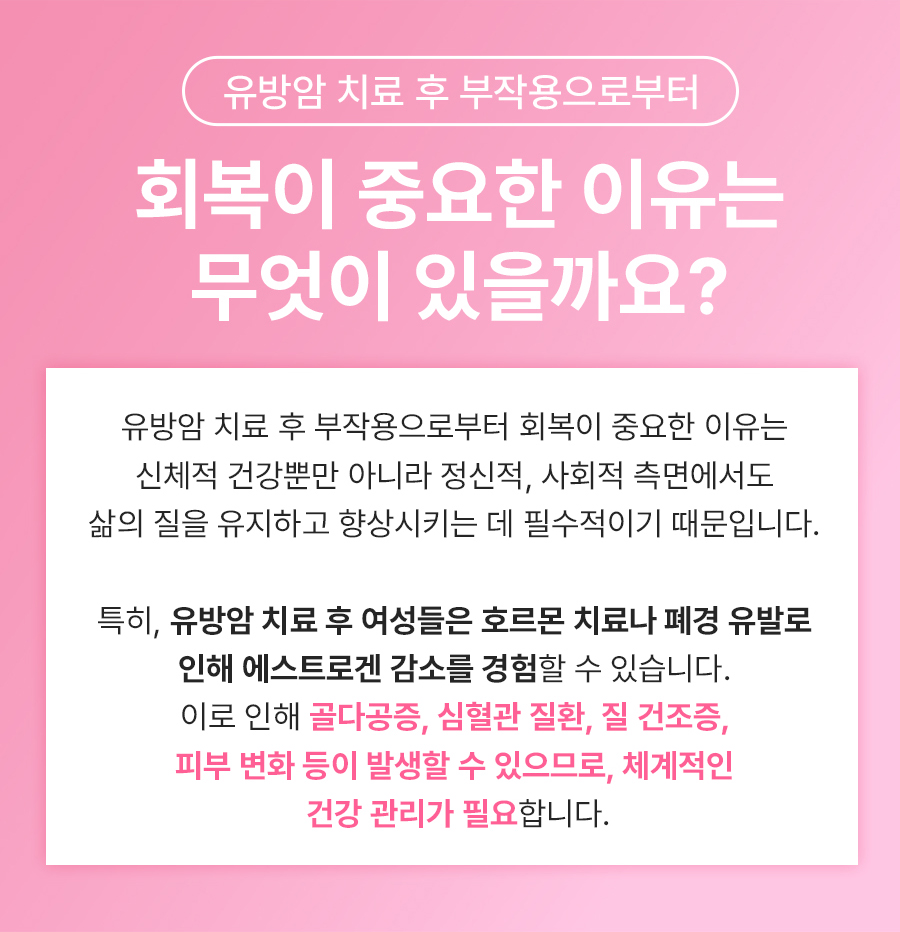
At this type of facility, internal medicine and oriental medicine practitioners may work together. Some patients use complementary therapies such as acupuncture, moxibustion, cupping, and herbal medicine alongside Western medical care; evidence for symptom benefit varies. Patients should discuss potential risks, benefits, and interactions with their oncology team before starting these therapies. When symptoms are better managed, patients often find it easier to exercise regularly, maintain a stable weight, and keep up with compression and skin care.
Programs that may suit lymphedema patients
Inpatient cancer recovery care allows patients to stay for a period after discharge from a tertiary hospital. During this time, they can receive help with nutrition, gentle exercise, and symptom monitoring while learning practical self-care skills for lymphedema.
A two-week short-term admission program can be especially useful for women who need intensive rest and supervised activity but do not want long-term institutionalization.
Outpatient day-care style treatment is an option for those living in Gwangju or nearby Jeonnam who prefer to stay at home but want regular supportive care. They may come during the day for therapies, consultations, and group activities, then return home in the evening.
Healing environment near Mudeungsan National Park
The location at the entrance of Mudeungsan National Park offers a natural advantage. Forested walking trails and clean valley streams provide a calm atmosphere and fresh air, which can support mood and sleep.
Gentle walking on safe paths, guided by an individualized plan, can help with gradual physical conditioning. For lymphedema patients, exercise should be introduced slowly and supervised, especially if there has been recent surgery or radiation. The goal is to build strength and stamina without overloading the affected arm.
Quiet rest areas, healing spaces, and small cultural or poetry events can help patients process body image changes after breast surgery and chronic swelling. Emotional and spiritual support is an important part of long-term adaptation to life after breast cancer.
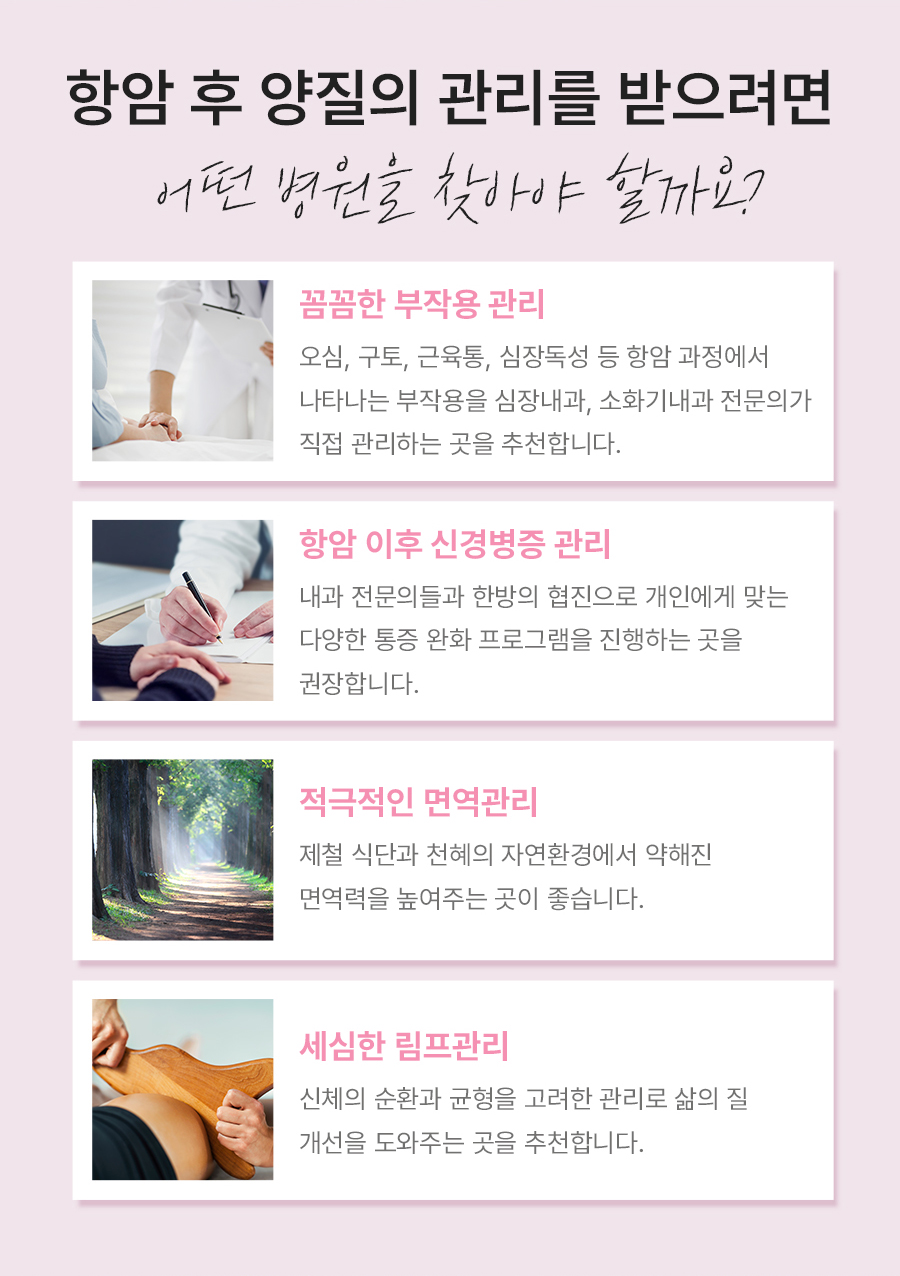
Nutrition and transparent healing meals
Balanced, nutrient-rich meals support lymphedema management and overall recovery. Some patients find that having clear information about meal options helps them feel more confident about what they are eating; ask the facility for details about their menus and nutritional approach.
Meals typically emphasize vegetables, whole grains, appropriate protein, and controlled salt and sugar. For women trying to manage weight as part of lymphedema care, structured meals can reduce the stress of planning and cooking while recovering.
Safety, cooperation, and regional context
Many breast cancer patients in Jeonnam and Gwangju receive surgery, chemotherapy, and radiation at large university hospitals or a national cancer center. After these intensive treatments, some move to a convalescent hospital for recovery, symptom control, and ongoing support.
Cooperation with major tertiary hospitals, including shared information and referral pathways, helps ensure that recovery care is aligned with the original oncology plan. If any new or rapidly worsening swelling, redness, fever, or sudden pain appears, it is important to seek urgent evaluation at a hospital with imaging and oncology services to rule out infection or recurrence.
Decisions about surgery, radiation, and systemic therapies such as chemotherapy, hormone therapy, or targeted therapy remain with the primary oncology team. The role of the convalescent hospital is to support recovery, manage symptoms, and help maintain quality of life.
Who may consider this type of facility
Patients from Jeonnam or Gwangju who have completed breast cancer surgery and initial treatment but feel too weak to return directly to full work or home responsibilities may benefit from a period of structured recovery.
Women who notice early signs of lymphedema and want supervised rest, exercise education, and lifestyle adjustment can use a short stay to learn proper techniques and routines. This can be especially helpful if access to specialized rehabilitation is limited in their hometown.
Caregivers who cannot provide 24-hour care at home but want a medically supervised, nature-friendly environment rather than an acute hospital ward may also find this option suitable. It can reduce caregiver stress while ensuring that the patient receives regular monitoring and support.
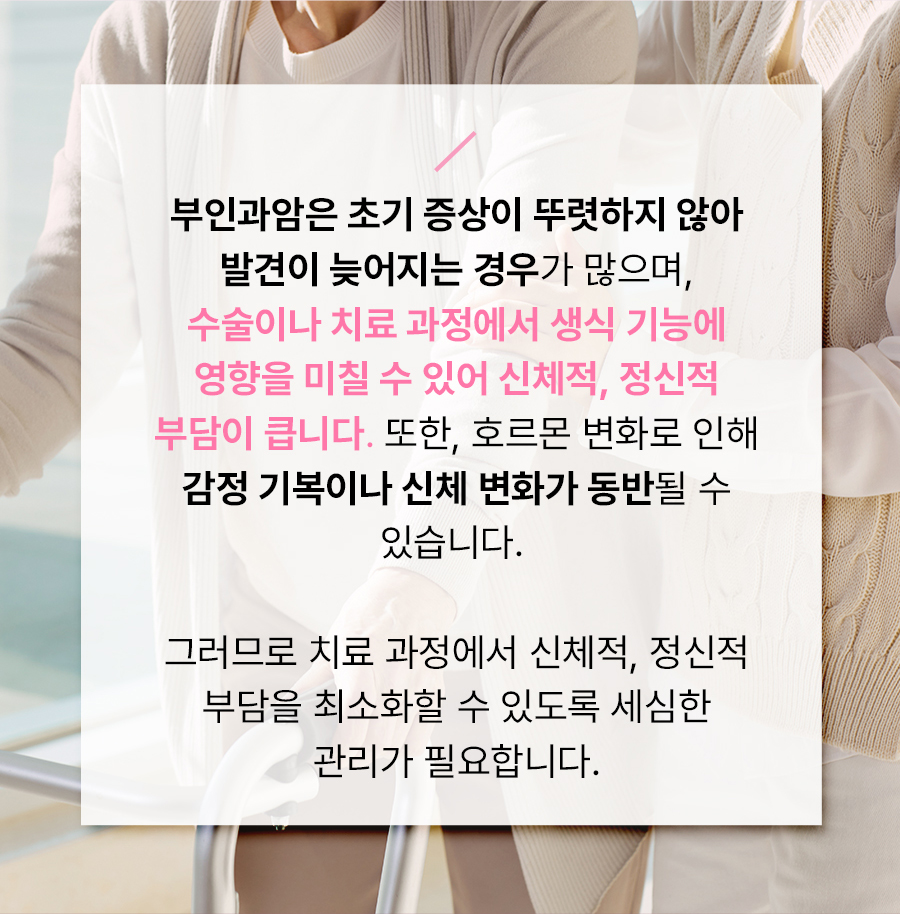
Online consultation and pre-visit preparation for overseas patients
For international patients considering recovery care in Korea, an online consultation is a practical first step. Before contacting the hospital, it helps to prepare a brief summary of your medical history, including diagnosis, surgery type, lymph node procedures, radiation fields, and current medications.
If possible, gather copies of recent medical reports, imaging summaries, and a letter from your primary oncology team. Translating key documents into English can speed communication. You can also prepare a list of your main symptoms, such as swelling, pain, fatigue, sleep problems, or mobility limitations.
During online consultation, you may be asked about your current level of independence, any compression garments you use, and previous rehabilitation experiences. Sharing clear photos of the affected arm or chest may sometimes be helpful, but this should be done only through secure channels recommended by the hospital.
Expected Korea visit timeline
For overseas patients, a typical visit for recovery and lymphedema support might follow several stages.
First, you complete an online consultation and share medical records. The team then suggests whether inpatient recovery, a two-week short-term stay, or day-care style visits would be most appropriate.
Second, you arrange travel to Korea, usually arriving in Gwangju via domestic flight or high-speed train from a major international airport. On admission day, an initial assessment is performed, including internal medicine evaluation, review of oncology history, and physical examination of the affected limb and surgical area.
Third, over the following days, you begin a personalized program. This may include gentle exercise sessions, manual techniques if indicated, compression education, nutrition counseling, and integrative oriental medicine treatments for fatigue or other side effects, according to your condition and preferences.
Finally, before discharge, the team reviews your progress and provides a home care plan. This usually includes exercise instructions, skin care guidance, warning signs to watch for, and recommendations for follow-up with your local oncology and rehabilitation providers.
Aftercare and returning home
After returning home, consistent self-care remains essential. Continue wearing compression garments as advised, performing daily exercises, and protecting the skin of the affected arm or chest.
Keep regular appointments with your local oncology and rehabilitation teams. If your swelling pattern changes, or if you notice redness, warmth, or fever, seek medical attention promptly.
Some patients may maintain contact with the Korean convalescent hospital through periodic online follow-up, sharing updates and asking questions about exercise or symptom changes. This can provide reassurance while you continue care in your own country.
FAQ about Jeonnam breast cancer lymphedema
What are the earliest signs of breast cancer related lymphedema
Early signs often include a feeling of heaviness, tightness, or fullness in one arm, hand, or chest area. You may notice that rings, watches, or sleeves feel tighter on one side, even if the difference is not yet visible. Mild swelling that seems to come and go, especially after a long day or in hot weather, can also be an early sign. If you notice these changes, it is wise to mention them to your oncology or rehabilitation team as soon as possible.
Is exercise safe if I have lymphedema after breast cancer
In most cases, gentle, progressive exercise is not only safe but recommended. Movement helps lymph fluid circulate and supports overall recovery. However, it is important to start slowly, avoid sudden heavy lifting with the affected arm, and follow a program designed by professionals familiar with lymphedema. In a convalescent hospital setting, exercise plans are individualized and supervised, especially in the early stages.
How long does breast cancer related lymphedema last
Lymphedema is usually considered a long-term or chronic condition. Once it develops, the tendency for swelling often remains, even if symptoms improve with treatment. Many women are able to keep swelling mild and stable for years through regular self-care, compression, and periodic professional support. The focus is on control and maintaining function, rather than expecting the condition to disappear completely.
When should I seek urgent medical help for swelling after breast cancer treatment
You should seek urgent medical evaluation if swelling suddenly increases, or if the affected area becomes red, warm, and painful, especially if you also have a fever or feel unwell. These can be signs of infection, such as cellulitis, which requires prompt treatment. Rapid changes in swelling or new, unexplained pain should also be checked to rule out cancer recurrence or blood clots. In such cases, a hospital with imaging and oncology services is the appropriate place for assessment.
Soft call to action for online consultation
If you are a breast cancer survivor from Jeonnam, Gwangju, or overseas and are worried about lymphedema or feeling too weak to return directly to everyday life, you do not have to manage everything alone. Consider arranging an online consultation with a recovery-focused convalescent hospital in Dong-gu, Gwangju, such as Chiu Convalescent Hospital, to discuss whether inpatient recovery, short-term admission, or day-care style support might suit your situation.
Prepare your questions, gather your medical records, and take the first step toward a structured plan for managing swelling, rebuilding strength, and supporting your quality of life after breast cancer treatment.
- 공유 링크 만들기
- X
- 이메일
- 기타 앱


댓글
댓글 쓰기