Jeollanam-do convalescent hospital options for cancer recovery near Mudeungsan
- 공유 링크 만들기
- X
- 이메일
- 기타 앱
Direct answer for families searching in Jeollanam-do
Looking for a convalescent hospital in Jeollanam-do? Families typically want university-hospital–level medical oversight together with a restful, natural setting. In the Gwangju–Jeonnam area, some recovery hospitals—including facilities near Mudeungsan National Park in Dong‑gu, Gwangju—combine experienced internal medicine leadership, integrative inpatient/outpatient recovery programs, and short-term stays (for example, two-week programs) to support post-surgery or post-chemotherapy recovery.
This guide explains what a convalescent hospital is, how it differs from a general or tertiary hospital, how to choose a Jeollanam-do convalescent hospital for cancer patients, and how one example facility near Mudeungsan operates short-term admission and outpatient programs that may be suitable for international patients.
What is a convalescent hospital for cancer patients
A convalescent hospital is a medical facility that focuses on recovery, long-term care, and symptom management rather than high-intensity surgery or emergency treatment. For cancer patients, it can serve as a bridge between home and a tertiary cancer center.
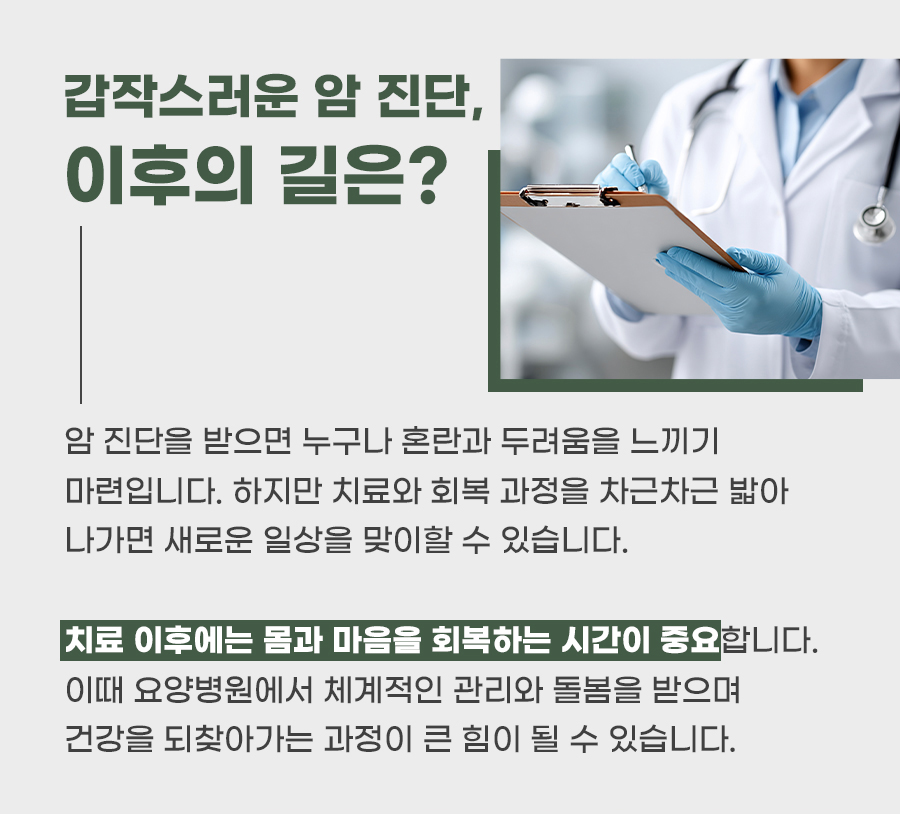
In Jeollanam-do and the wider Honam region, many patients receive their main cancer treatment at large hospitals in Gwangju, other Jeonnam cities, or Seoul. After surgery or during chemotherapy and radiation, they may feel too weak to manage at home but do not need to stay in a tertiary hospital bed. A convalescent hospital can provide ongoing monitoring, medication management, nutrition, and supportive therapies in this period.
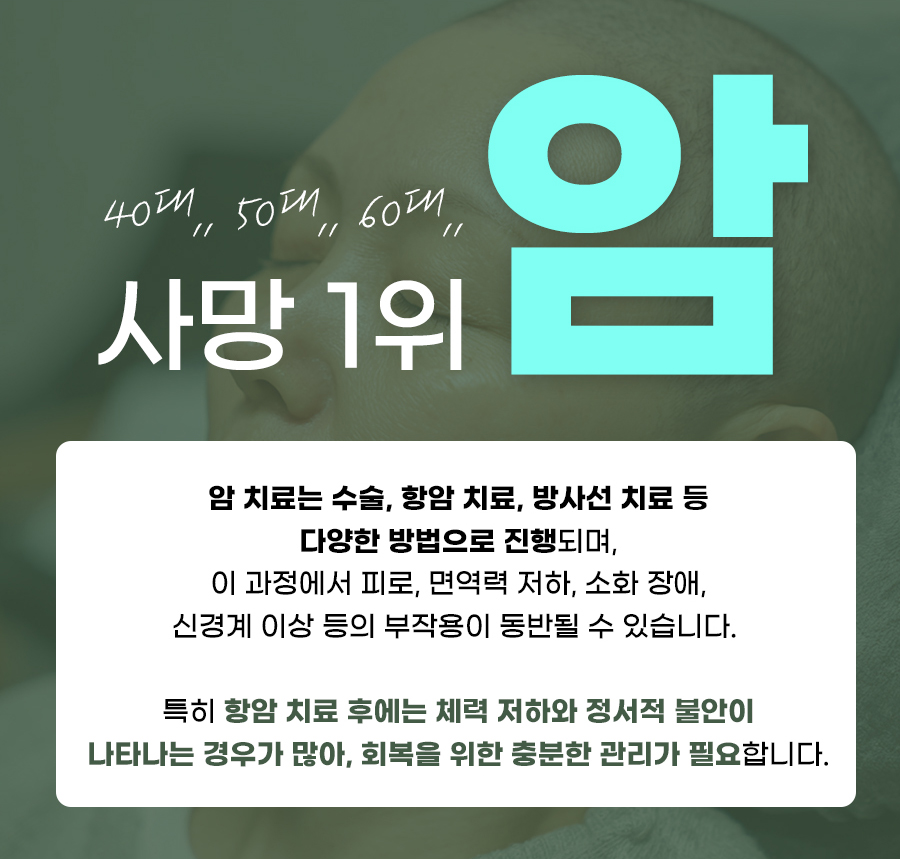
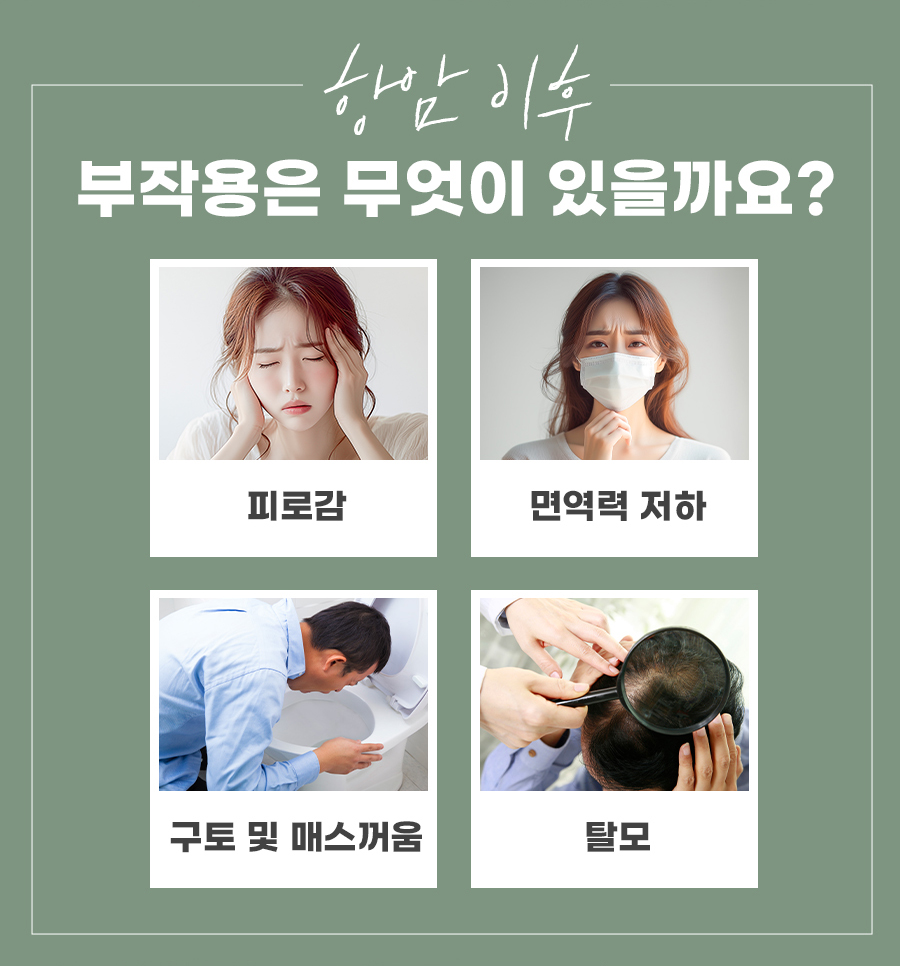
Unlike a general hospital, a convalescent hospital usually focuses on stable patients who still need medical supervision, rehabilitation, and daily care. For cancer patients, this often means managing side effects such as fatigue, nausea, pain, appetite loss, sleep problems, and emotional stress, while continuing follow-up visits at the main cancer center.
Why the choice of Jeollanam-do convalescent hospital matters after cancer treatment
After major cancer treatment, patients are often physically and emotionally vulnerable. The wrong environment can lead to unnecessary complications, poor nutrition, or delayed detection of problems.
Key reasons why the choice matters include:
Safe monitoring of complex conditions
Cancer patients often have multiple issues at once: weakened immunity, anemia, heart or lung problems, diabetes, or kidney issues. An internal medicine team with experience in chemotherapy side effects and chronic diseases can recognize early warning signs and adjust medications safely.
Coordination with tertiary hospitals
Most patients continue to visit a tertiary cancer center for chemotherapy, radiation, or follow-up scans. Ask whether the hospital can coordinate schedules and prepare medical summaries, and whether it can assist with transport arrangements or family-support logistics if those services are available.
Quality of life and emotional recovery
Beyond medical safety, recovery is influenced by sleep quality, nutrition, fresh air, gentle exercise, and emotional support. A facility near nature, such as the entrance of Mudeungsan National Park, can offer walking paths, quiet rest areas, and cultural programs that help patients regain a sense of normal life.
Example: a cancer-focused convalescent hospital near Mudeungsan
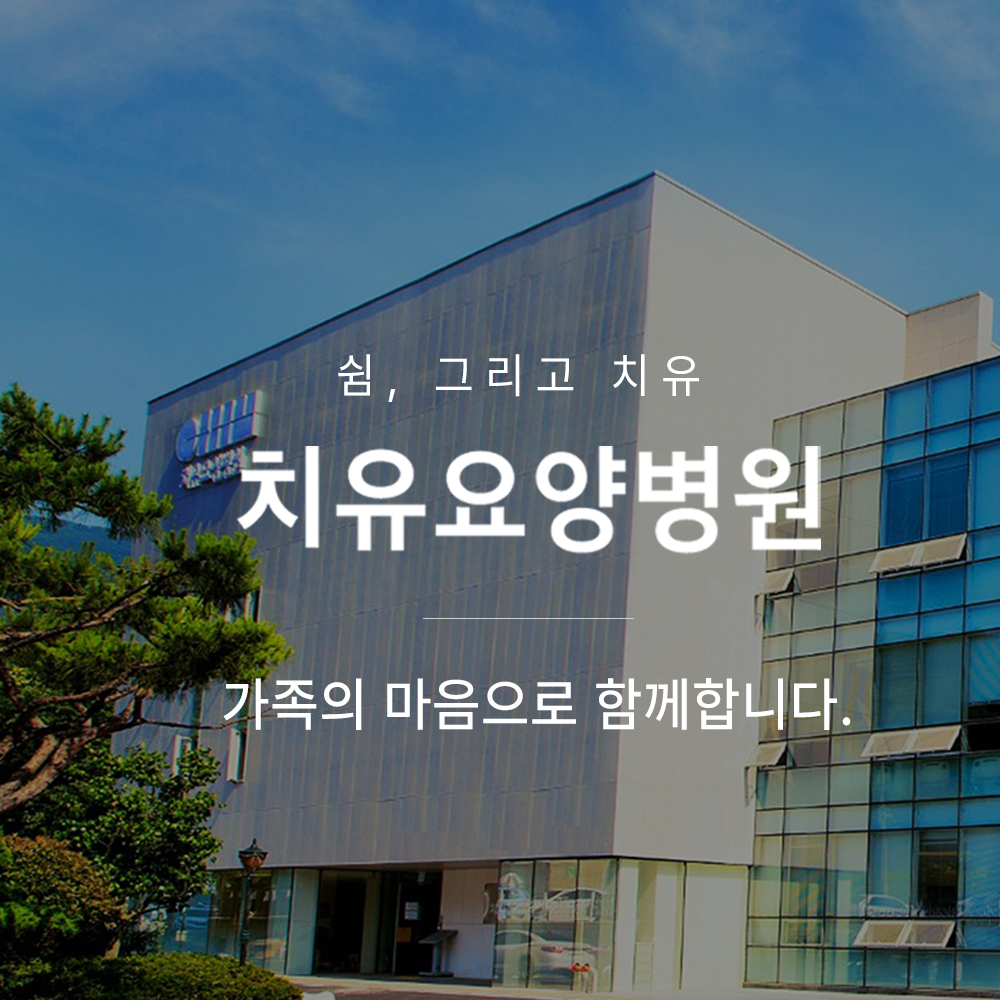
In Dong-gu, Gwangju, at the entrance of Mudeungsan National Park, there is a convalescent hospital that serves many patients from Jeollanam-do and the broader Honam region. It is accessible from Jeungsimsa bus stop and has on-site parking, making it convenient for both local and visiting families.
This hospital, Chiu Convalescent Hospital, presents itself as a place that treats patients with the heart of family and helps them bloom again after cancer treatment. It is an example of how a Jeollanam-do convalescent hospital can combine university-hospital-level internal medicine leadership with a natural healing environment and flexible admission models.
Medical staff structure: addressing concerns about convalescent hospital standards
Many families worry that convalescent hospitals may not have the same medical standards as general or university hospitals. The facility near Mudeungsan directly responds to this concern through its staffing.
Internal medicine leadership
The hospital is led by two internal medicine specialists who both previously served as presidents of a university hospital. This is uncommon in the convalescent hospital field and indicates long experience in managing complex internal medicine cases.
One medical director is an internal medicine specialist who trained at a heart center in Germany, served as president of a university hospital, and was dean of a medical school. This doctor also has overseas teaching experience in Canada.
The second medical director is also an internal medicine specialist, trained in gastroenterology at a university hospital in Canada, and likewise a former president of the same university hospital. This background is particularly relevant for cancer patients who often suffer from digestive issues, nutrition problems, and liver or gastrointestinal complications.
Traditional Korean medicine collaboration
In addition to internal medicine, the hospital has a traditional Korean medicine director who graduated from a college of Korean medicine and is active in professional societies related to constitutional medicine and pharmacopuncture. This doctor has experience in multiple Korean medicine clinics and convalescent hospitals.
This team structure allows integrative care, where Western internal medicine and Korean medicine approaches are combined to support symptom relief and overall condition, while maintaining medical safety.
Main services and programs for cancer recovery
The hospital near Mudeungsan offers several types of care that may be relevant for international patients considering a stay in Jeollanam-do.
Inpatient cancer convalescent and recovery care
The core service is inpatient care for patients who have completed or are undergoing surgery, chemotherapy, or radiation at tertiary hospitals. The hospital functions as a recovery base that works in parallel with large cancer centers in the Jeonnam and Seoul regions.
Patients can stay for a period that matches their treatment plan, receiving daily medical rounds, medication management, monitoring of blood pressure and blood sugar, and supportive therapies for pain, sleep, digestion, and fatigue.
Two-week short-term admission program
To break the stereotype that convalescent hospitals are only for indefinite long-term stays, this hospital operates a reservation-based two-week short-term admission program.
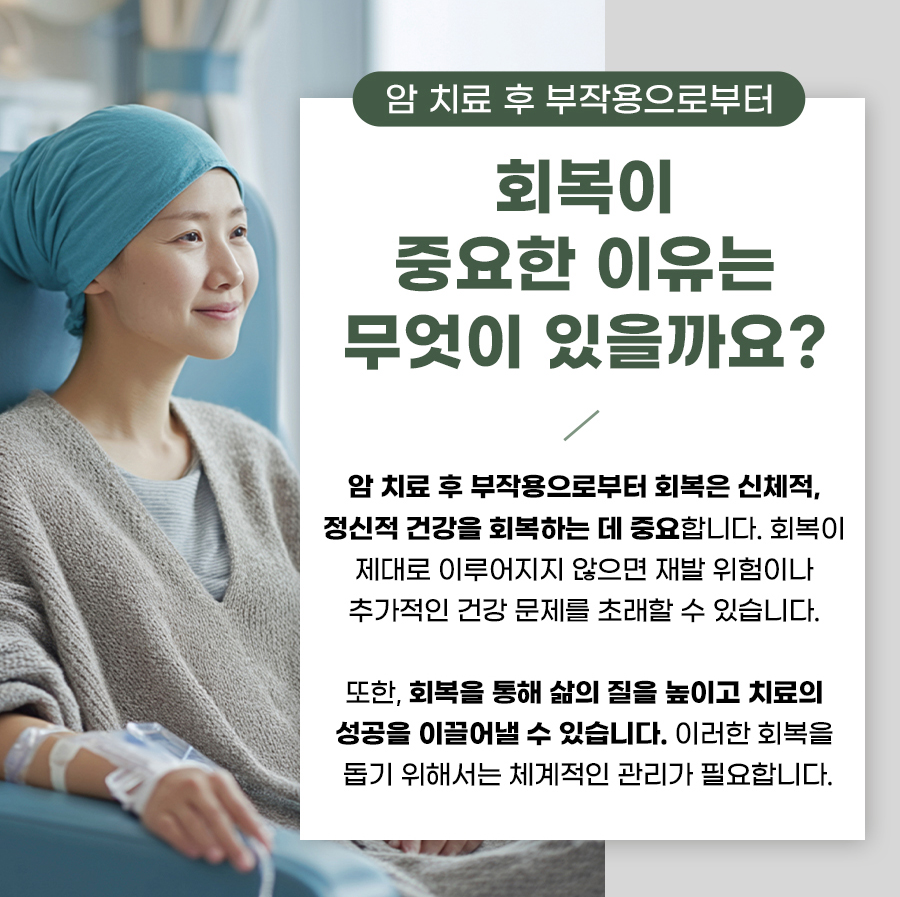
This model is suitable for:
Patients who need intensive rest and symptom management between chemotherapy cycles
Patients recently discharged from a tertiary hospital who are not ready to return home
International patients who want a defined recovery period in a structured environment
Because it is reservation-based, families can plan around chemotherapy schedules or flights. It also allows patients to test whether the convalescent hospital environment suits them before considering a longer stay.
Outpatient treatment program
For patients living near Gwangju or staying in the region for an extended time, the hospital offers outpatient care. This is useful for those who do not require admission but want regular supportive treatment, such as symptom management, integrative therapies, or follow-up after a previous inpatient stay.
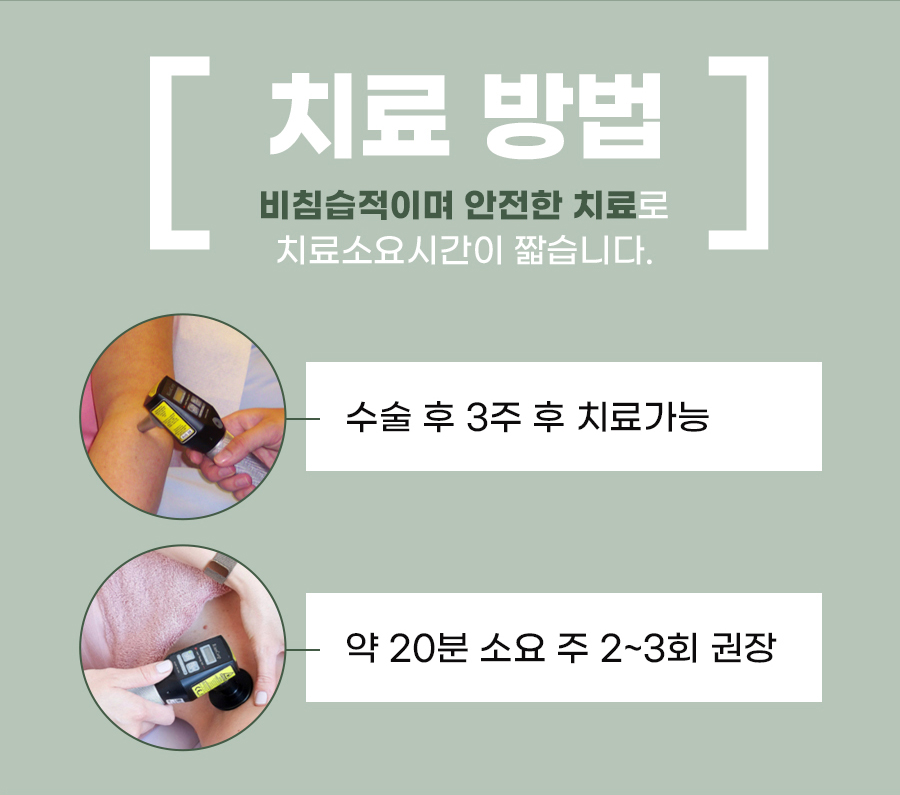
High-frequency hyperthermia cancer treatment
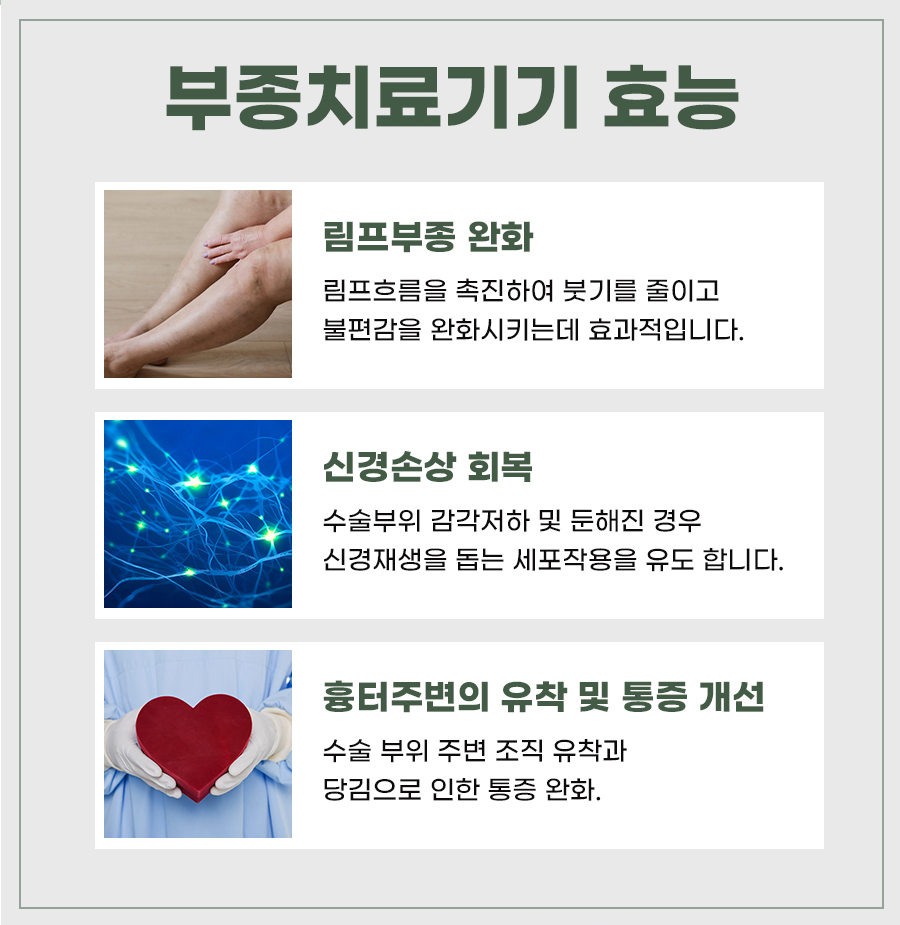
The hospital provides local hyperthermia therapy using a high-frequency device. Hyperthermia aims to apply controlled heat to tumor areas to support cancer treatment strategies. While it is not a replacement for surgery, chemotherapy, or radiation, some patients use it as part of an integrative approach.
The hospital offers explanatory video content about this treatment on its own online channel, which can help international patients understand the procedure, session length, and what to expect.
Integrative Western and Korean medicine care
A distinctive feature is the collaboration between internal medicine specialists and the Korean medicine doctor. For cancer patients, this integrative approach can include:
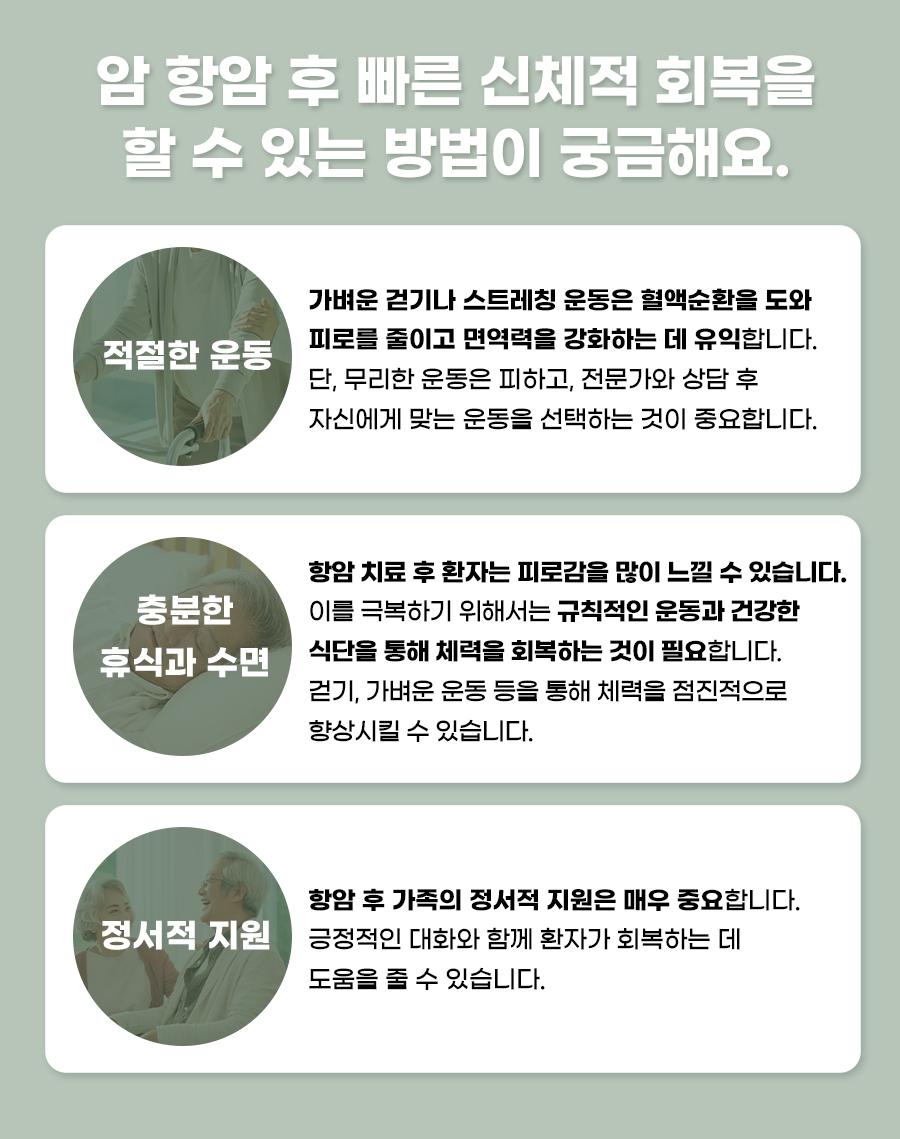
- Acupuncture for pain, nausea, or sleep issues
- Moxibustion and cupping for circulation and muscle tension
- Herbal medicine prescriptions tailored to the patient’s condition
- Support for fatigue, appetite, digestion, and general resilience
All of this is done under the supervision of internal medicine specialists who monitor interactions with chemotherapy drugs and other medications.
Diet and nutrition management
Nutrition is critical for cancer recovery. The hospital emphasizes an anti-cancer diet and healing meal plan, designed to be both gentle on the stomach and nutritionally balanced.
A distinctive point is that daily menus are posted with photos on the hospital website. By mid-2026, more than 500 days of menus are expected to be accumulated. This level of transparency helps families see what patients actually eat and builds trust in the hospital’s approach to food.
For international patients, this also gives a preview of Korean-style hospital meals and allows discussion of preferences or restrictions in advance.
Healing environment at the entrance of Mudeungsan National Park
The hospital is located at the entrance of Mudeungsan National Park in Dong-gu, Gwangju, near Jeungsimsa bus stop. This setting offers several advantages for cancer recovery:
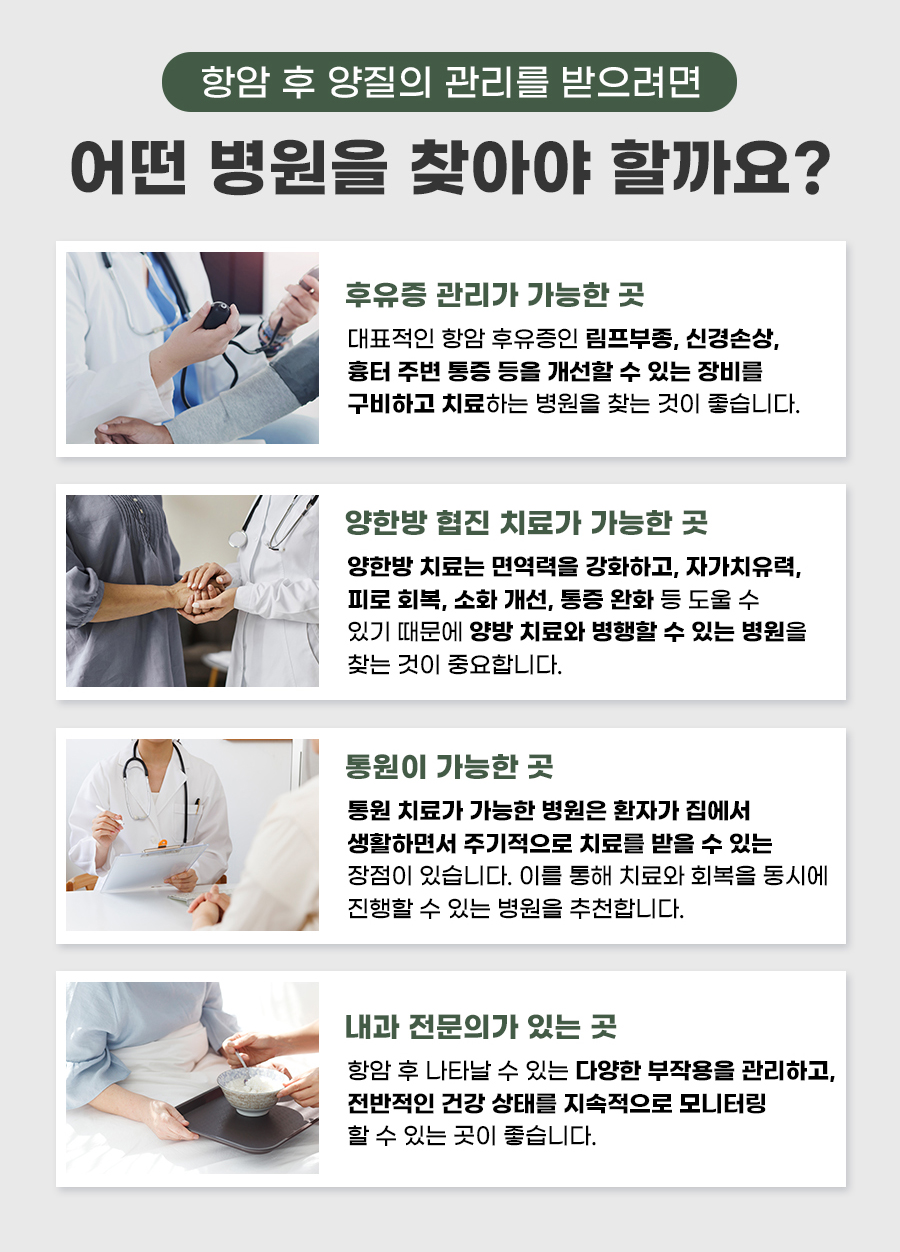
- Clean air and cypress forests rich in phytoncides
- Clear valley walking trails suitable for gentle exercise
- On-site healing spaces and quiet rest areas
- Walking paths connected to Mudeungsan trails for patients and family members
In addition to nature, the hospital organizes emotional support programs such as poetry exhibitions and similar cultural activities. These can help patients process their experience of illness and rediscover personal interests beyond treatment.
Role as a recovery hub with nearby tertiary hospitals
On its website, the hospital displays the logos of major tertiary hospitals in Seoul and the Jeonnam region. While this is not presented as a formal partnership claim, it reflects the reality that many patients use this convalescent hospital before, between, or after treatment at these higher-level institutions.
For example, a patient might:
Receive chemotherapy at a national cancer center in the region
Stay at the convalescent hospital for two weeks to recover and manage side effects
Return to the cancer center for the next treatment cycle
This hub model can be particularly convenient for Jeollanam-do residents who would otherwise have to travel back and forth between home and distant hospitals while feeling unwell.
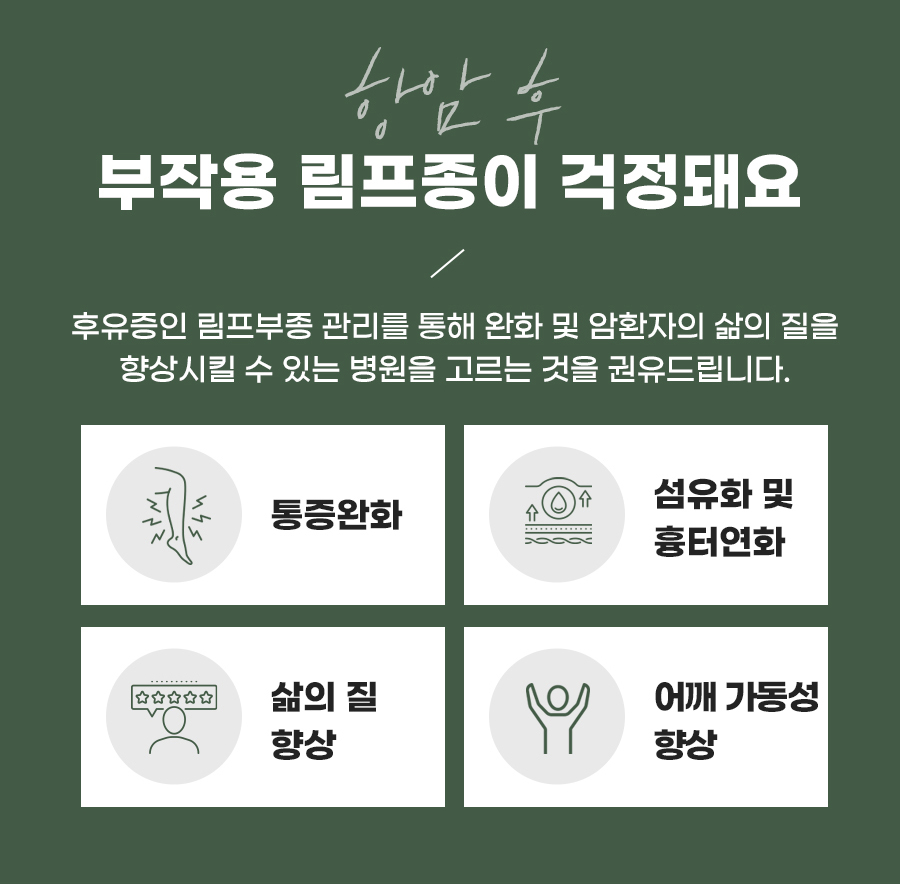
How to choose a Jeollanam-do convalescent hospital for cancer recovery
When comparing options in Jeollanam-do, consider the following points.
Medical staff
Check whether internal medicine specialists are on site and what their backgrounds are. For cancer patients, it is helpful if doctors have experience with:
- Chemotherapy side effects
- Chronic diseases such as diabetes, hypertension, or heart disease
- Complications like infections, blood clots, or organ dysfunction
In the example near Mudeungsan, the presence of two former university hospital presidents as internal medicine specialists is a strong signal of experience in complex cases.
Treatment system and programs
Ask what specific programs the hospital offers for cancer patients. Useful questions include:
Do you provide integrative care with Korean medicine for fatigue, pain, and digestion?
Is high-frequency hyperthermia or other specialized therapy available?
Are there structured cancer recovery programs with defined goals and timelines?
Admission model and flexibility
Not all convalescent hospitals offer short-term stays. If you want a defined period, such as two weeks, confirm:
Whether a short-term admission program exists
How to make a reservation and current waiting times
How the hospital coordinates with chemotherapy or radiation schedules at tertiary hospitals
Location and environment
For Jeollanam-do residents and international visitors, accessibility and surroundings both matter. Consider:
Distance from major cities like Gwangju
Availability of parking and public transport access (such as Jeungsimsa bus stop)
Proximity to natural areas like national parks, forests, and walking trails
Nutrition and daily life Recovery is influenced by everyday details. Ask:
- How meals are planned for cancer patients
- Whether menus are disclosed transparently, for example through daily photos
- What room types are available and how many beds per room
- Family visitation policies and available rest areas
- Presence of emotional support or cultural programs
Cooperation with higher-level hospitals
Finally, check how the convalescent hospital communicates with tertiary hospitals. Questions to ask include:
- How do you share medical information with the main cancer center?
- Can you help arrange appointments or transport for chemotherapy days?
- How do you handle emergencies that require transfer to a higher-level hospital?
Who may consider a Jeollanam-do convalescent hospital near Mudeungsan
A convalescent hospital in this region may be suitable if:
You or your family member has completed cancer surgery and needs a safe place to regain strength
You are undergoing chemotherapy or radiation and want a recovery base between sessions
You live in Jeollanam-do or the Honam region and want easier access than staying in Seoul
You value a natural environment and integrative care combining Western and Korean medicine
You prefer a defined short-term stay rather than an open-ended long-term admission
International patients who appreciate nature, quiet surroundings, and structured support may find the Mudeungsan area particularly appealing.
Online consultation and pre-visit preparation
Before traveling to Korea, it is helpful to arrange an online consultation with the hospital. The facility near Mudeungsan offers contact via phone and KakaoTalk channel for inquiries and reservations. Their Naver blog provides information on short-term admission and outpatient programs, while a YouTube channel explains treatments such as hyperthermia.
To prepare, you can:
Collect medical records from your current hospital, including diagnosis, treatment history, recent imaging reports, and medication lists
Prepare a summary of current symptoms and concerns (pain, sleep, appetite, mobility, mood)
Clarify your goals for the stay: rest, symptom management, nutrition, preparation for further treatment, or all of these
Ask about available language support or whether you need a local coordinator or interpreter
Expected Korea visit timeline for a short-term admission
Each patient’s schedule will be different, but a typical two-week short-term admission at a Jeollanam-do convalescent hospital near Mudeungsan might look like this:
- Before arrival
- Online consultation and sharing of medical records
- Confirmation of admission dates and room type
- Planning of airport transfer and transport to Gwangju
- Day 1–2
- Admission assessment with internal medicine specialists
- Initial evaluation by the Korean medicine doctor if integrative care is planned
- Nursing assessment of daily living needs and risk factors
- Introduction to the meal plan and walking paths
- Day 3–10
- Daily medical rounds and symptom monitoring
- Hyperthermia sessions if indicated and agreed
- Acupuncture, moxibustion, or herbal medicine as appropriate
- Gentle walks on nearby trails, rest in healing spaces, participation in cultural activities
- Regular communication with your primary cancer center if needed
- Day 11–13
- Adjustment of medications and nutrition based on progress
- Planning for discharge, including home care advice or next hospital visits
- Preparation of medical summaries and records for your main oncology team
- Day 14
- Final check-up
- Discharge and transfer to the airport, hotel, or another medical facility
Aftercare and follow-up
After you leave the convalescent hospital, ongoing care usually continues with your main cancer center or local doctors. However, the hospital near Mudeungsan can still support you by:
They may provide translated or English-language discharge summaries if arranged in advance; confirm language support during pre-visit consultation
Offering follow-up questions via phone or KakaoTalk for a limited period
Sharing diet and lifestyle recommendations based on their anti-cancer meal program
If you plan to return to Korea for further treatment cycles, you can discuss in advance how to align future short-term admissions with your schedule.
Frequently asked questions about Jeollanam-do convalescent hospitals for cancer patients
Who is suitable for a Jeollanam-do convalescent hospital after cancer treatment
A Jeollanam-do convalescent hospital is suitable for patients who are medically stable but still need supervision and support. This includes people recovering from cancer surgery, those between chemotherapy or radiation cycles, and patients who feel too weak to manage daily life at home. It is not intended for emergency situations or complex surgeries, but for recovery, symptom control, and quality-of-life support.
How long do patients usually stay in a convalescent hospital near Mudeungsan
Length of stay varies. Some patients choose a two-week short-term admission program to rest between treatment cycles or after discharge from a tertiary hospital. Others may stay longer if they have ongoing care needs or live far from major cancer centers. The exact duration should be discussed with both the convalescent hospital and your main oncology team, based on your condition and treatment schedule.
How is care coordinated with tertiary hospitals in Seoul or Jeonnam
The convalescent hospital typically requests your medical records and treatment plan from the tertiary hospital and may communicate with your oncologist as needed. When you have scheduled chemotherapy or follow-up scans, the convalescent hospital can help you prepare, adjust medications, and arrange timing so that you can travel safely. In emergencies or if your condition worsens, they can arrange transfer to a higher-level hospital.
What should I ask during the first consultation with a Jeollanam-do convalescent hospital
During the first consultation, it is helpful to ask about the medical staff’s experience with cancer patients, especially internal medicine specialists. You can also ask which programs are available for symptom management, whether integrative Korean medicine care is offered, and how nutrition is handled. In addition, confirm admission options (short-term vs long-term), room types, visiting policies, and how they coordinate with your main cancer center. If you are coming from overseas, ask about language support and assistance with local logistics.
Soft call to action for online consultation
If you are considering a Jeollanam-do convalescent hospital for cancer recovery, especially in the Gwangju–Mudeungsan area, it may help to start with an online consultation. By sharing your medical history, treatment schedule, and personal preferences, you can find out whether a short-term admission or outpatient program fits your needs and how the hospital can coordinate with your existing oncology team. Using the hospital’s phone line, KakaoTalk channel, Naver blog, and YouTube resources, you can gather information in advance and plan a stay that supports both safety and healing in a natural environment.
- 공유 링크 만들기
- X
- 이메일
- 기타 앱


댓글
댓글 쓰기