Immune Management Outpatient Treatment in Gwangju: Supportive Cancer Care at Chiu Convalescent Hospital
- 공유 링크 만들기
- X
- 이메일
- 기타 앱
Direct answer summary
Immune management outpatient treatment in Gwangju is a medically supervised supportive care program for cancer patients who are living at home or staying short term in Korea, while continuing their main cancer treatment at large tertiary hospitals. At Chiu Convalescent Hospital in Dong gu, near the entrance of Mudeungsan National Park, patients can receive structured follow up care to support immune function, manage side effects, and recover strength without long term hospitalization.
This guide explains what this outpatient program looks like in practice, who may benefit, how it works alongside major cancer centers, and what international patients can expect before, during, and after a visit to Gwangju.
What immune management outpatient treatment means
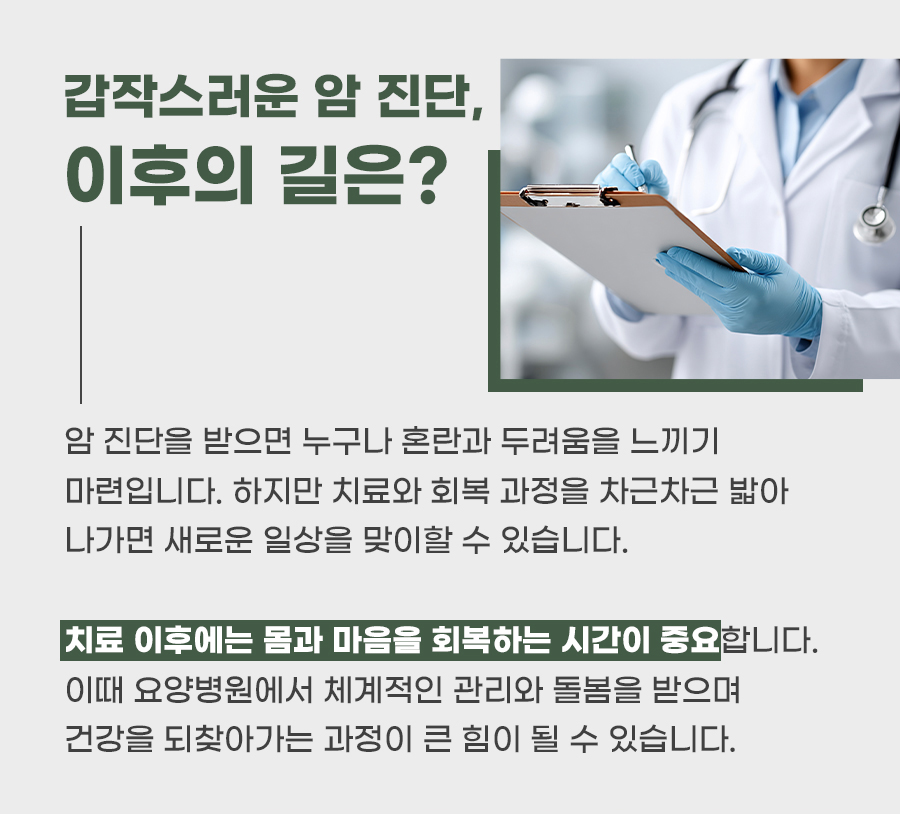
In this context, immune management outpatient treatment is not a new cancer cure or a replacement for chemotherapy, surgery, or radiation. It is a supportive care model designed for people who are already under the care of an oncology team at a tertiary hospital.
The main goals are to help patients
Support immune function during or after intensive cancer therapy
Reduce treatment related side effects such as fatigue, digestive problems, sleep disturbance, and neuropathy
Improve physical strength and daily functioning so that patients can continue standard cancer treatment with fewer interruptions
Stabilize nutrition, hydration, and weight
Address emotional stress and anxiety related to cancer
Care is delivered through scheduled outpatient visits rather than long term admission. Patients come to the hospital for consultations, monitoring, and supportive therapies, then return to their accommodation or home the same day.
Who this program is for
Immune management outpatient treatment in Gwangju is mainly aimed at adult cancer patients who
Are currently receiving chemotherapy, targeted therapy, immunotherapy, or radiation at tertiary hospitals in Korea
Recently completed surgery or a course of chemotherapy or radiation and are in the recovery phase
Experience fatigue, low stamina, poor appetite, sleep problems, or recurrent minor infections
Need structured support between treatment cycles but do not require intensive inpatient oncology care
It can be suitable for international patients who
Travel to Korea for cancer treatment at major centers such as Samsung Medical Center, Chosun University Hospital, Chonnam National University Hospital, Hwasun Chonnam National University Hospital, or Seoul National University Bundang Hospital
Would like a quieter recovery base in Gwangju between hospital visits
Prefer to avoid long term admission but still want regular medical supervision and integrative supportive therapies
Patients with unstable vital signs, uncontrolled infection, or acute complications usually need direct care at a tertiary hospital rather than a convalescent setting. Suitability is always decided after medical evaluation.
A convalescent hospital with strong internal medicine leadership
Many families worry that convalescent hospitals may have limited medical capacity. Chiu Convalescent Hospital in Gwangju is unusual because its medical team is led by two internal medicine specialists who previously served as presidents of a university hospital.
For patients and caregivers, this means
Internal medicine specialists are directly involved in assessment, monitoring, and coordination with oncology teams at tertiary hospitals
There is a higher level of experience in handling complex internal medicine issues that often accompany cancer, such as diabetes, cardiovascular disease, or chronic infections
Decisions about supportive therapies, including integrative options, are made within a clear medical framework
In addition, the hospital has a Korean medicine director. This allows Western internal medicine and Korean medicine to cooperate under one roof, offering integrative care while still prioritizing safety and communication with the main oncology team.
Main components of the outpatient immune management program
Medical consultations and monitoring
Each outpatient course usually begins with a consultation by an internal medicine specialist. During this visit, the doctor will
Review the patient’s diagnosis, stage, and current treatment plan from the tertiary hospital
Check recent test results if available, such as blood counts, liver and kidney function, and inflammatory markers
Ask about current symptoms, side effects, and daily functioning
Perform a physical examination and basic vital sign check
Based on this assessment, the doctor may
Order additional lab tests if needed
Adjust supportive medications such as pain relievers, anti nausea drugs, sleep aids, or medications for digestive issues
Advise on safe timing of supportive therapies around chemotherapy or radiation sessions
Symptom and side effect management
Common issues addressed in immune management outpatient care include
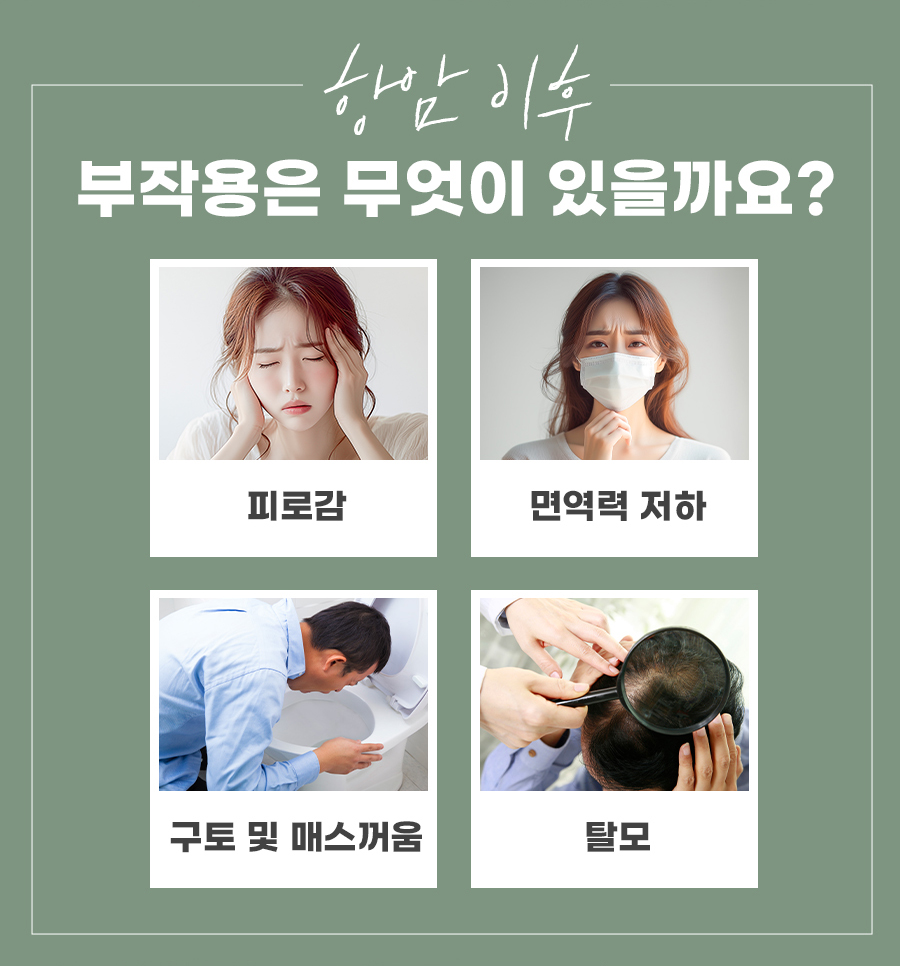
- Severe fatigue and weakness after chemotherapy
- Loss of appetite, nausea, constipation, or diarrhea
- Peripheral neuropathy symptoms such as tingling or numbness in hands and feet
- Sleep disturbance and anxiety
- Mild infections or frequent colds in immunocompromised patients
The goal is not to eliminate every symptom, but to keep side effects manageable so that patients can continue their main cancer treatment and maintain a better quality of life.
Integrative Western and Korean medicine
At Chiu Convalescent Hospital, internal medicine and Korean medicine cooperate to provide integrative supportive care. For suitable patients, outpatient immune management may include
Acupuncture to help with fatigue, neuropathy, nausea, or sleep problems
Moxibustion or cupping for certain types of pain or stiffness
Herbal medicine prescribed by the Korean medicine director, after checking for possible interactions with chemotherapy or other drugs
All integrative therapies are framed as adjunctive. They are not intended to replace standard cancer treatments. Before starting any herbal medicine or procedure, the team will
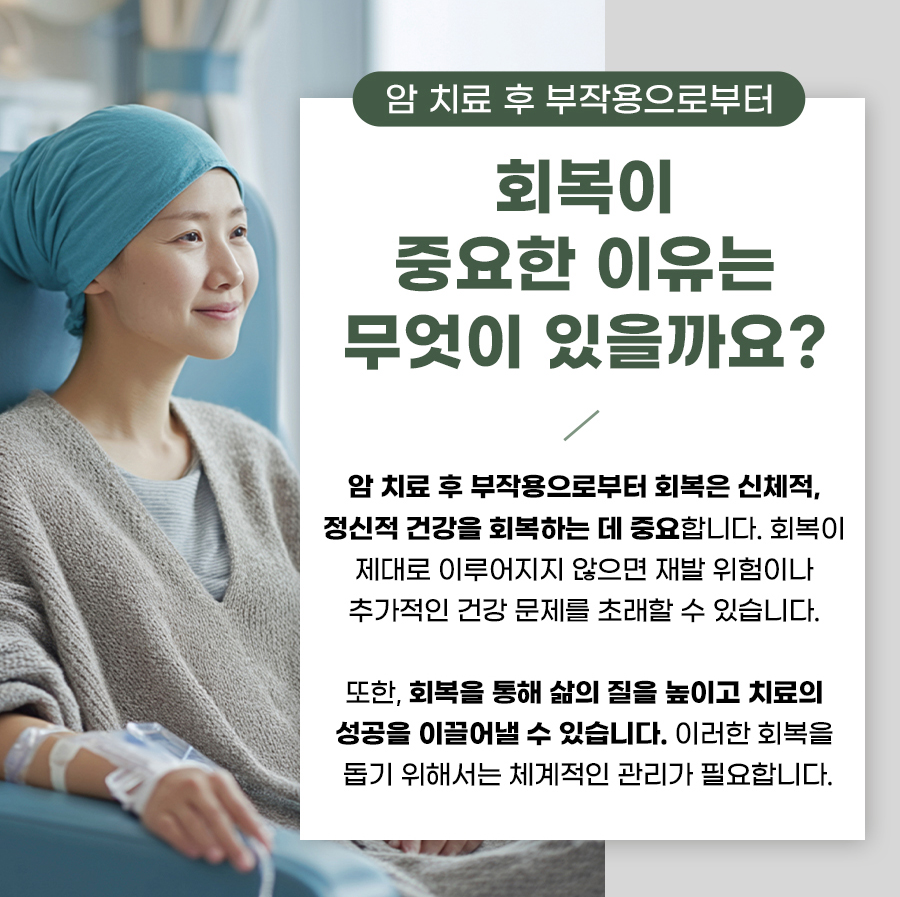
- Review the patient’s current medication list
- Consider liver and kidney function
- Coordinate with the patient’s primary oncologist when needed
Patients are encouraged to inform their oncology team about all supportive treatments they receive, and to bring treatment summaries or medication lists to each visit.
Nutrition and immune support
Nutrition is a central part of immune management. Many cancer patients struggle with poor appetite, taste changes, or digestive discomfort, which can weaken the immune system and delay recovery.
Chiu Convalescent Hospital emphasizes dietary support for patients during and after cancer treatment, focusing on balanced, minimally processed foods.
Anti cancer oriented dietary therapy, with a focus on balanced, minimally processed foods
A transparent therapeutic meal program, where daily menus are publicly posted with photos so patients and families can see what is being served
Individual counseling on how to eat during chemotherapy or after surgery, including portion size, protein intake, and safe food handling
Guidance on hydration and electrolyte balance
For outpatient visitors, nutritional counseling can be combined with a medical consultation. Patients can discuss
Which foods are easier to tolerate during specific treatments
How to manage weight loss or weight gain
Which supplements may be safe, and which should be avoided due to potential interactions with chemotherapy or targeted therapy
Environment and mental health support
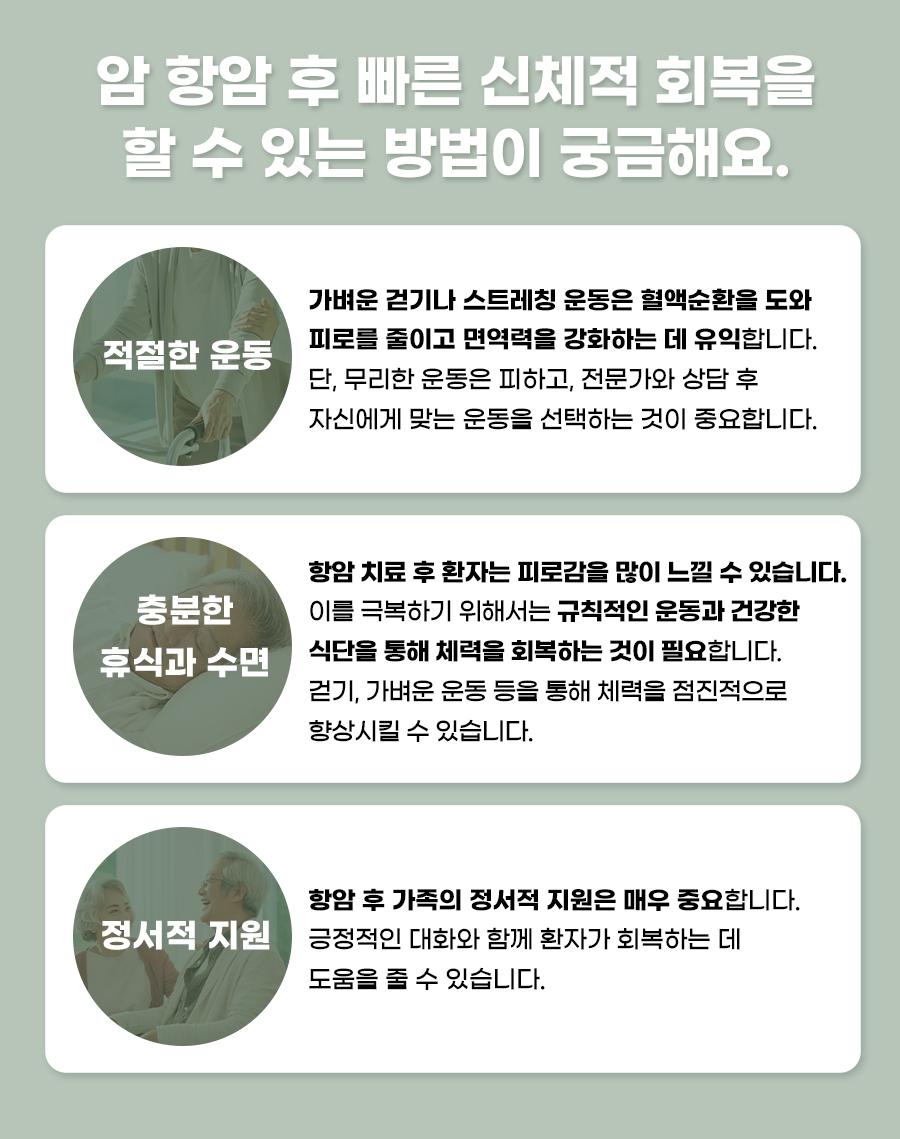
The hospital is located at the entrance of Mudeungsan National Park in Gwangju, near Jeungsimsa bus stop. This setting offers
Clean air and a quieter atmosphere compared to central city hospitals
Forest paths and walking trails suitable for gentle exercise, depending on the patient’s condition
Natural scenery that can help reduce stress and mental fatigue
Even for patients who only come as outpatients, the environment can be part of their healing routine. A typical visit might include
A short walk on a nearby trail before or after the consultation, if the patient’s stamina allows
Time in rest areas or healing spaces designed for relaxation
Participation in emotional support activities such as poetry reading, art based programs, or quiet reflection spaces
Because mental health and immune function are closely linked, reducing stress and supporting emotional well being are considered important parts of the overall program.
Short term admission as an option
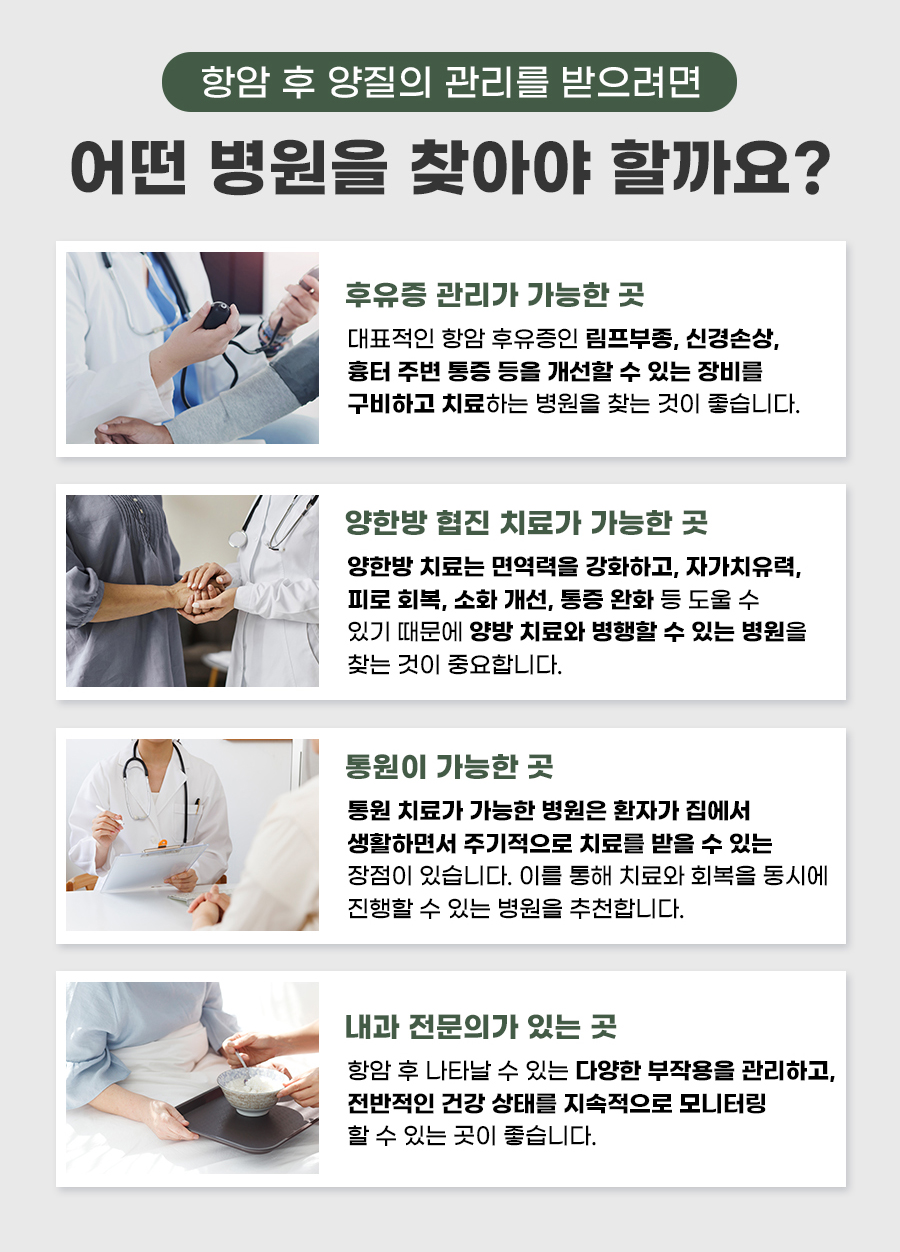
While the focus is outpatient care, some patients may reach a point where outpatient visits alone are not enough. For these cases, Chiu Convalescent Hospital offers a short term admission program, often around two weeks.
Short term admission may be considered when
Fatigue after chemotherapy is so severe that basic self care at home is difficult
There is a need for closer monitoring of hydration, nutrition, or blood counts
The patient needs more intensive rehabilitation or rest in a supervised setting
This model helps counter the common fear that entering a convalescent hospital means not being able to leave. The aim is to stabilize the patient, support recovery, and then return them to outpatient status and their usual living environment as soon as it is medically appropriate.
Relationship with tertiary hospitals: Chiu Convalescent Hospital positions itself as a local recovery base for patients treated at major tertiary centers and accepts patients who receive primary oncology care at those institutions. This phrasing reflects a supportive recovery role and does not imply formal clinical co-management unless such agreements are explicitly confirmed.
Chiu Convalescent Hospital positions itself as a recovery base that works alongside major cancer centers in Gwangju and other regions. Many patients receive their main oncology treatment at
- Samsung Medical Center
- Chosun University Hospital
- Chonnam National University Hospital
- Hwasun Chonnam National University Hospital
- Seoul National University Bundang Hospital
Outpatient immune management is planned around these schedules. For example
A patient may receive chemotherapy at a tertiary hospital, then spend the following week in Gwangju focusing on immune support, nutrition, and symptom management
Appointments are arranged so that they do not interfere with essential oncology visits
If concerning symptoms appear during an outpatient visit, the internal medicine team can advise whether urgent evaluation at the tertiary hospital is necessary
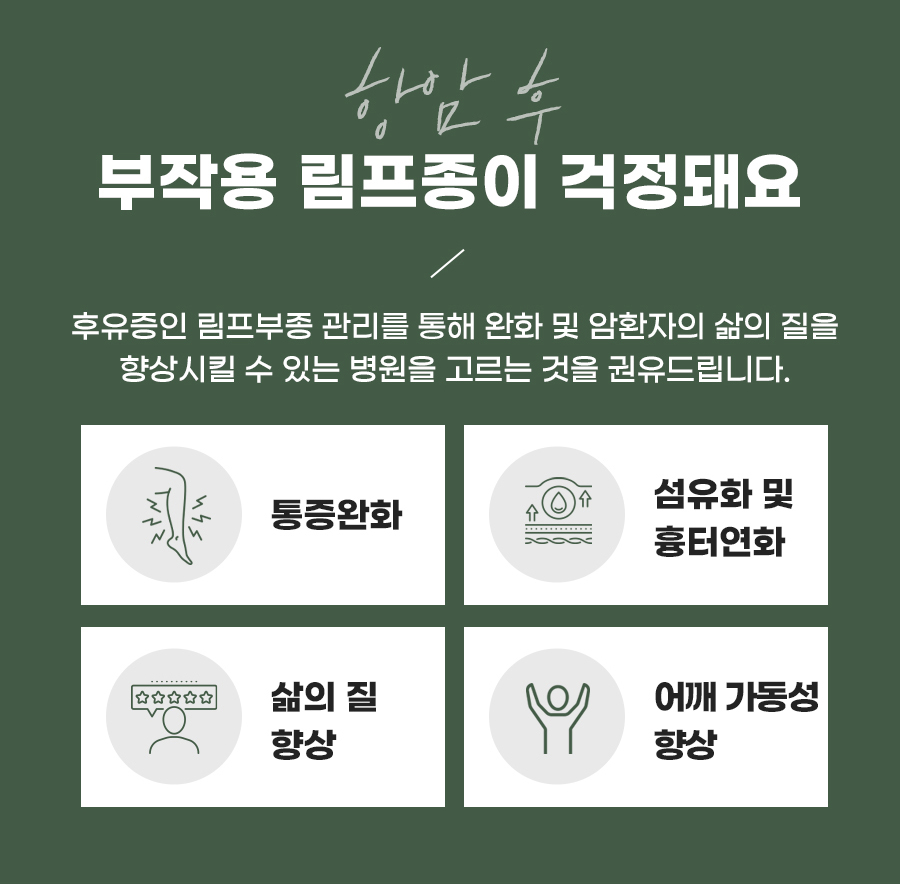
This collaborative approach aims to reduce treatment interruptions, help patients arrive at each chemotherapy or radiation session in the best possible condition, and provide a stable base for recovery between hospital visits.
Typical outpatient visit flow for international patients
For overseas patients, a typical immune management outpatient visit in Gwangju may follow this pattern.
Pre visit contact
Initial contact is usually made by phone or messaging channel. During this stage, staff can
Confirm the patient’s basic diagnosis and current treatment location
Explain what services are available on an outpatient basis
Suggest what medical documents to bring, such as recent discharge summaries, lab results, and medication lists
Provide information about consultation hours and how to reach the hospital from central Gwangju
First in person visit
On the day of the visit, the process may include
Registration and basic questionnaires about medical history and current symptoms
Consultation with an internal medicine specialist, including review of documents from the tertiary hospital
Physical examination and vital signs
Discussion of immune status, lifestyle, sleep, and nutrition
Planning of supportive therapies that are safe and appropriate for the patient’s current treatment phase
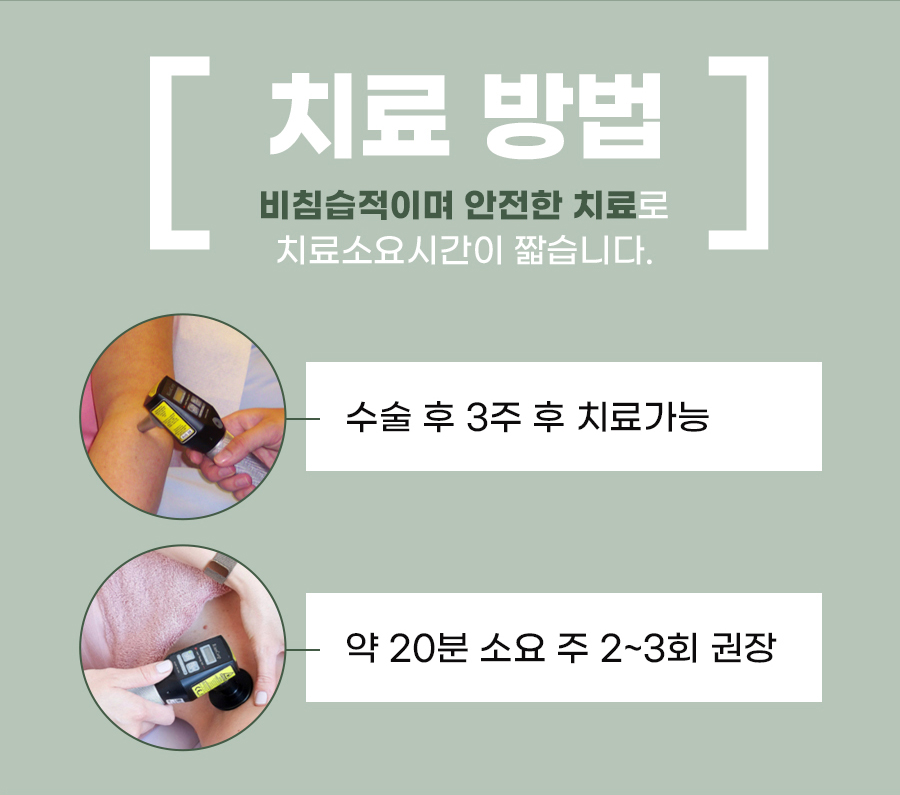
If integrative therapies such as acupuncture or nutritional counseling are recommended, some of these may be provided on the same day, depending on scheduling and the patient’s condition.
Follow up and scheduling
Before leaving, patients will usually receive
A summary of the day’s findings and recommendations
A plan for follow up visits, often timed around chemotherapy or radiation cycles
Guidance on warning signs that require immediate attention at a tertiary hospital
For international patients, the team can help coordinate visit dates to fit within the overall Korea treatment schedule and travel plans.
Online consultation and pre visit preparation
While final medical decisions are made only after in person evaluation, online or remote consultation can help you prepare.
Before your first visit, it is helpful to
Prepare a summary of your cancer diagnosis, including type, stage, and date of diagnosis
Collect recent medical documents, such as pathology reports, imaging summaries, blood test results, and treatment protocols
List all medications and supplements you are currently taking, including doses and schedules
Note any allergies or previous adverse reactions to medications or herbal products
Write down your main concerns and goals for immune management, such as improving fatigue, sleep, appetite, or mood
During an online inquiry, you can ask practical questions about
- How often you may need to visit as an outpatient
- Whether short term admission might be useful in your case
- What kind of integrative therapies are commonly used for your symptoms
- How to coordinate appointments with your main hospital schedule
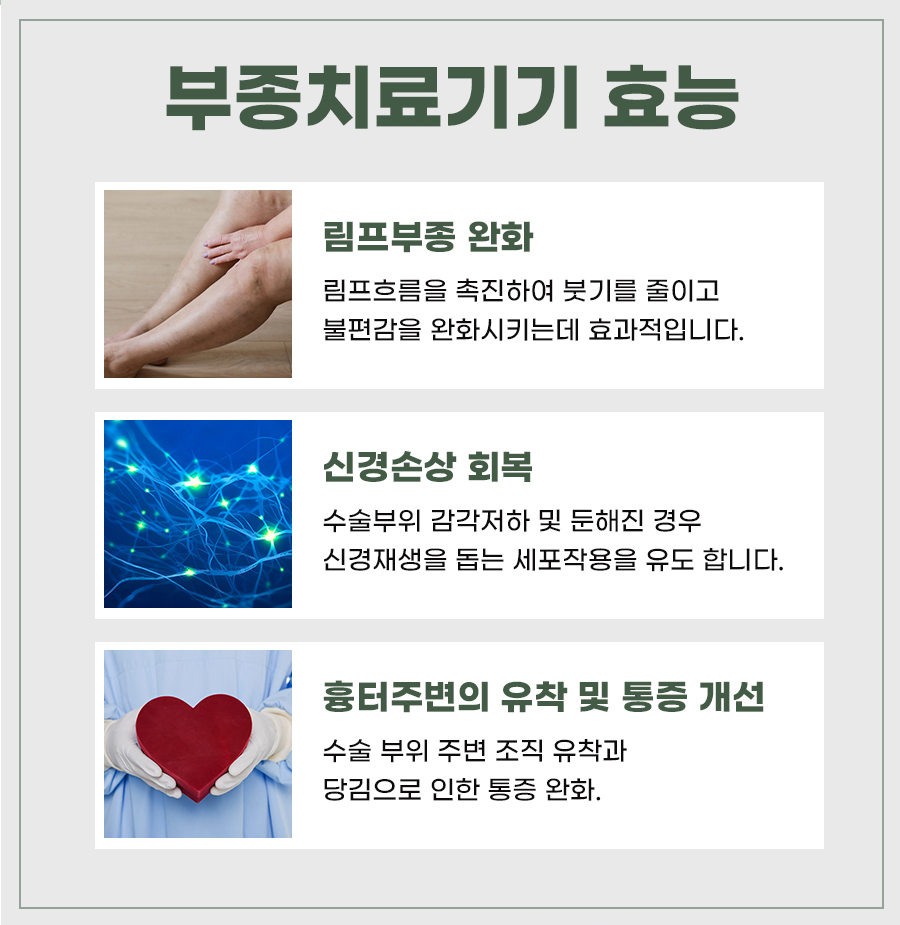
Expected Korea visit timeline for immune management
The exact timeline varies, but many international patients follow a pattern similar to this.
First week in Korea
Initial evaluation at a tertiary hospital or continuation of an existing treatment plan
First outpatient immune management consultation at Chiu Convalescent Hospital
Basic supportive therapies such as acupuncture, nutritional counseling, and medication adjustment
Following weeks
Regular outpatient visits once or twice a week, depending on treatment intensity and travel distance
Short term admission of about two weeks if fatigue is severe or if closer monitoring is needed
Scheduled rest days with light walking in the Mudeungsan area and time for emotional support activities
Before returning home
Final outpatient review to summarize progress and current status
Written recommendations for local follow up care in your home country
Advice on how to maintain nutrition, sleep, and activity levels after leaving Korea
Aftercare and ongoing support
After you return home or move on to the next stage of treatment, ongoing care is usually managed by your local oncology team. However, the principles you learn during immune management outpatient treatment in Gwangju can continue to guide your daily life.
Key aftercare elements include
- Continuing a balanced, individualized diet that supports your immune system
- Maintaining gentle physical activity appropriate for your stamina
- Applying relaxation techniques or creative activities that help with stress
- Monitoring for side effects and reporting them promptly to your local doctors
- Being cautious with new supplements or alternative therapies, and discussing them with your medical team first
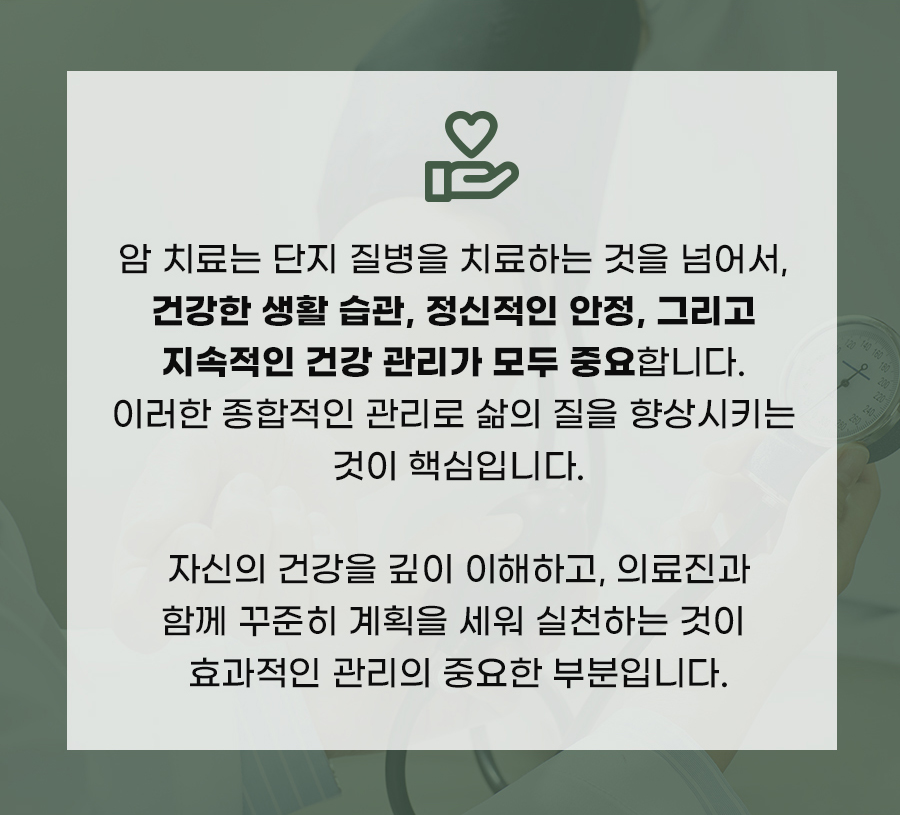
In some cases, follow up questions can be handled through remote communication, but any new or serious symptoms should be evaluated in person by a local physician.
Safety and limitations
It is important to understand the limits of immune management outpatient treatment.
This program does not cure cancer and must not replace surgery, chemotherapy, radiation, or other evidence based treatments recommended by your oncologist.
Supportive therapies, including acupuncture and herbal medicine, may not be suitable for every patient. Decisions are made individually after medical evaluation.
Some supplements and herbs can interact with chemotherapy or targeted therapy. Always share a full list of what you are taking.
If you develop acute symptoms such as high fever, sudden shortness of breath, chest pain, or severe bleeding, you should seek urgent care at a tertiary hospital or emergency department.
Practical information for Gwangju residents and visitors
Location
Chiu Convalescent Hospital is located in Dong gu, Gwangju Metropolitan City, near the entrance of Mudeungsan National Park and close to Jeungsimsa bus stop. The area is easily accessible by public transport, and on site parking is available for those arriving by car.
Consultation hours
Typical consultation hours are on weekdays and may include Saturday sessions, which can be convenient for working patients or those traveling from other regions. Exact hours can change, so it is best to confirm by phone or messaging before your visit.
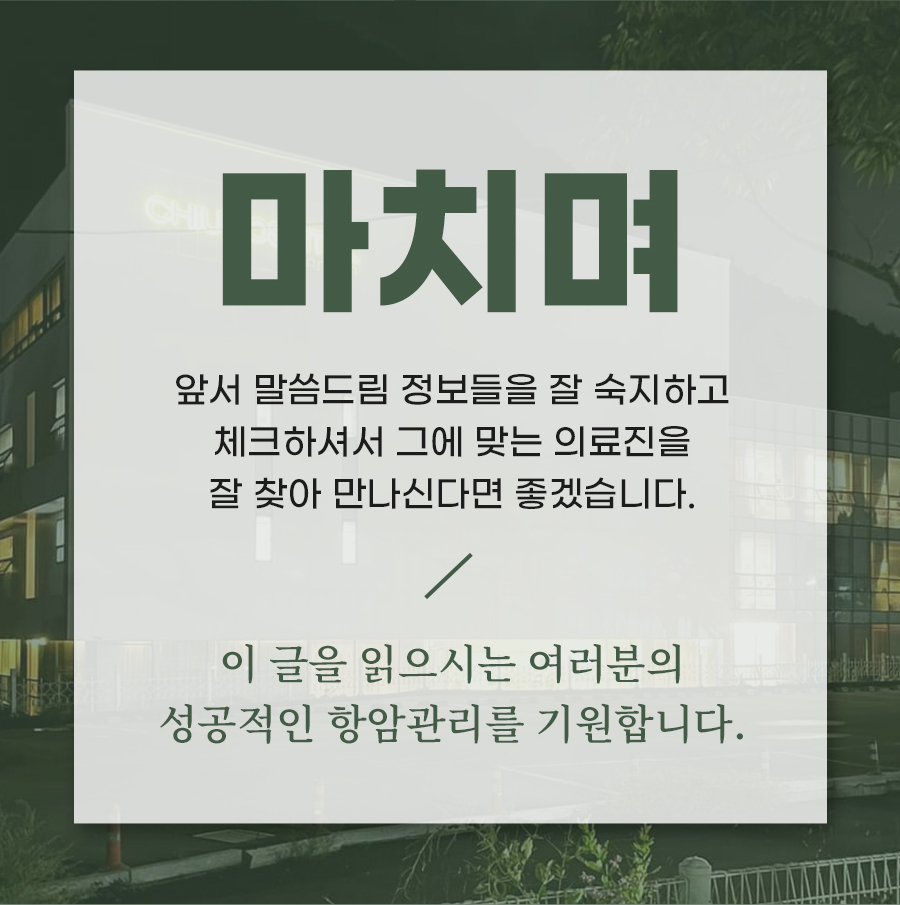
Access and logistics
From central Gwangju, you can reach the hospital by bus to Jeungsimsa stop, followed by a short walk. For international patients, staff can provide guidance in advance on the easiest routes and approximate travel times.
FAQ about immune management outpatient treatment in Gwangju
Who is eligible for immune management outpatient treatment at Chiu Convalescent Hospital?
Most adult cancer patients who are medically stable and already receiving or have recently completed treatment at a tertiary hospital can be considered. This includes patients undergoing chemotherapy, radiation, targeted therapy, or recovering after surgery. The internal medicine team will assess your overall condition, comorbidities, and current medications to decide whether outpatient immune management is appropriate and which therapies are safe for you.
Does this outpatient program replace my main cancer treatment?
No. Immune management outpatient treatment is strictly supportive and adjunctive. It is designed to work alongside your main cancer treatment, not to replace it. You should continue to follow the treatment plan set by your primary oncologist at your main hospital. Any changes to your cancer drugs or schedule should be decided by your oncology team, with input from the internal medicine specialists at Chiu Convalescent Hospital when needed.
How often do I need to visit, and how long does each visit take?
The frequency of visits depends on your condition, treatment phase, and travel distance. Some patients come once a week between chemotherapy cycles, while others may visit less often for maintenance support. A typical first visit, including consultation and initial supportive therapies, may take a few hours. Follow up visits are often shorter but can vary if you receive integrative treatments or detailed nutritional counseling on the same day.
What should I prepare before my first visit as an international patient?
Before your first visit, prepare a folder with your recent medical records, including diagnosis, staging, treatment summaries, and lab results. Make a complete list of all medications and supplements you take, including herbal products and over the counter items. Write down your main concerns and goals, such as improving fatigue, appetite, or sleep. If possible, ask your main hospital to provide a brief summary in English. Bringing this information will help the internal medicine team in Gwangju understand your situation quickly and plan safe, tailored supportive care.
Soft call to action
If you or a family member are receiving cancer treatment in Korea and are looking for structured, medically supervised support without long term hospitalization, immune management outpatient treatment in Gwangju may be worth considering. Chiu Convalescent Hospital offers a combination of internal medicine expertise, integrative therapies, nutritional guidance, and a healing natural environment near Mudeungsan.
You can start by arranging an online or phone consultation to discuss your situation, confirm whether outpatient care or short term admission is suitable, and plan the best timing around your existing hospital schedule. With careful coordination, supportive care in Gwangju can become a stable base for maintaining strength and quality of life throughout your cancer journey.
- 공유 링크 만들기
- X
- 이메일
- 기타 앱


댓글
댓글 쓰기