High Frequency Hyperthermia Treatment for Gastrointestinal Cancer in Korea
- 공유 링크 만들기
- X
- 이메일
- 기타 앱
Direct answer summary
High frequency hyperthermia for gastrointestinal cancer is a non‑invasive treatment that gently heats the area around a tumor using high frequency electromagnetic energy. It is used together with standard cancer treatments such as surgery, chemotherapy, targeted therapy, immunotherapy, and radiation, not instead of them. In a convalescent hospital setting in Gwangju, Korea, this therapy is offered under internal medicine specialists with university hospital leadership backgrounds, combined with Korean medicine, nutritional care, and a healing natural environment near Mudeungsan National Park.
Overview of gastrointestinal cancers
Gastrointestinal cancers include malignancies of the digestive tract and related organs. This group covers cancers of the esophagus, stomach, small intestine, colon, rectum, liver, pancreas, and biliary tract. These organs are responsible for swallowing, digesting food, absorbing nutrients, and processing toxins.
Most patients receive their main cancer treatment at large tertiary hospitals. Depending on the cancer type and stage, this may involve surgery to remove the tumor, chemotherapy, targeted therapy, immunotherapy, and radiation therapy. Often, several of these are combined over months or even years.
While these treatments are important for controlling or removing cancer, they can be physically and emotionally demanding. Many patients experience fatigue, weight loss, poor appetite, digestive discomfort, nausea, pain, lowered immunity, and difficulty maintaining daily life. After major surgery or intensive chemotherapy, recovery can be slow, and families may worry about how to support the patient between hospital visits.
In this context, some patients look for supportive therapies that may help with symptom relief, quality of life, and recovery without interfering with their main oncology treatment. High frequency hyperthermia is one such option.
What high frequency hyperthermia treatment is
High frequency hyperthermia for cancer uses high frequency electromagnetic energy to raise the temperature of tissues in a specific area of the body. The goal is to warm the tumor region and surrounding tissues to a controlled, therapeutic temperature, usually a few degrees above normal body temperature.
No incisions or injections are needed for the hyperthermia itself.
Hyperthermia is usually given as a series of repeated sessions. The schedule can vary, for example several times per week or weekly, depending on the individual plan and how it is combined with chemotherapy or radiation.
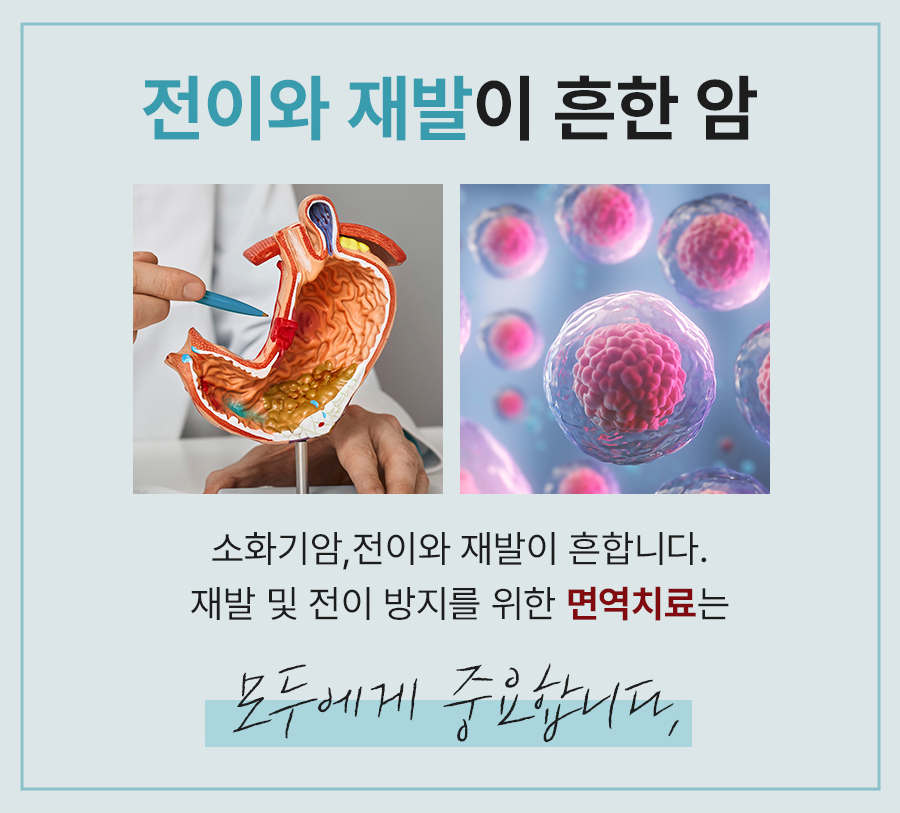
Researchers have proposed several theoretical mechanisms for how local hyperthermia may support cancer care.
However, responses to hyperthermia vary between patients and cancer types. It is important to understand that this treatment is considered complementary and supportive. It is not a stand‑alone cure for cancer and should be used under specialist supervision as part of a broader treatment plan.
How hyperthermia is applied to gastrointestinal cancers
For gastrointestinal cancers, high frequency hyperthermia is usually targeted to the abdominal or pelvic region, depending on where the primary tumor or metastases are located. For example, the applicator may be positioned over the upper abdomen for stomach, liver, or pancreatic cancers, or lower down for colorectal or pelvic lesions.
The realistic goals of hyperthermia in this setting are supportive rather than curative. Possible aims include helping to relieve local discomfort or pain, supporting circulation and tissue recovery during or after chemotherapy or radiation, and in some cases helping patients tolerate ongoing hospital treatments better by addressing some of the physical strain.
Sessions are generally designed to keep the heat within a safe, controlled range. Patients are monitored for their comfort and vital signs. Some feel a deep warmth or mild sweating; if the sensation becomes too strong, the settings can be adjusted.
Hyperthermia is not suitable for everyone. People with certain implanted electronic devices, severe heart conditions, uncontrolled infections, or very poor general condition may not be good candidates. Careful assessment by an internal medicine specialist is needed to decide whether this treatment is appropriate and how it should be timed with chemotherapy, targeted therapy, immunotherapy, or radiation.
Chiu Convalescent Hospital as a supportive cancer care base
Chiu Convalescent Hospital is an oncology-focused convalescent hospital in Gwangju, located at the entrance of Mudeungsan National Park in Dong‑gu, near Jeungsimsa bus stop, with on-site parking. It functions as a recovery and supportive care facility for cancer patients, including some who receive their primary cancer treatment at larger tertiary hospitals.
Their hospital-based experience helps reassure families who may worry about the level of medical care in a convalescent setting.
A Korean medicine doctor also works on site, allowing cooperative care between Western internal medicine and Korean medicine. This combination is used to support patients with complex needs during and after cancer treatment.
How high frequency hyperthermia is integrated into care
At this convalescent hospital, high frequency hyperthermia is integrated into several types of programs designed for cancer patients, especially those with gastrointestinal cancers.
Inpatient cancer recovery care
Some patients choose full inpatient admission. This is often suitable for those who are recovering from major surgery, struggling with severe fatigue or weight loss, or living far from their main cancer hospital. During an inpatient stay, hyperthermia can be combined with close medical monitoring, nutritional support, physical activity guidance, and Korean medicine therapies.
Two‑week short‑term admission program
To break the stereotype that convalescent hospitals are only for long‑term stays, the hospital offers a two‑week short‑term admission program. This can be useful for patients who want a focused period of recovery, for example between chemotherapy cycles, after a hospital discharge, or during a planned break from intensive treatment.
Within this two‑week window, high frequency hyperthermia sessions can be scheduled alongside other supportive therapies. The goal is to stabilize nutrition, manage symptoms, and help patients regain strength before returning home or back to their main oncology hospital.
Outpatient and day‑visit treatment
For patients who prefer to live at home or who are actively receiving chemotherapy or radiation at tertiary hospitals, outpatient hyperthermia is available. Patients can visit the hospital for scheduled sessions and then return home the same day.
This option can be suitable for those who are relatively stable but want additional supportive care, such as hyperthermia, acupuncture, or nutritional counseling, without changing their main treatment center.
Typical care process for overseas patients
For international patients considering high frequency hyperthermia in Korea, the hospital usually follows a structured process.
First, an online or remote consultation is arranged. Patients or family members are asked to share medical records from their main cancer hospital, such as pathology reports, surgery summaries, chemotherapy or radiation plans, imaging reports, and recent blood tests. These documents help the internal medicine specialists understand the diagnosis, stage, and current treatment status.
Next, the specialists review whether hyperthermia appears appropriate and safe. They consider the cancer type and location, prior surgeries, current medications, implanted devices, heart and kidney function, and overall physical condition. If hyperthermia is suitable, they discuss possible schedules, such as how many sessions might be planned during a two‑week stay or how to align outpatient sessions with chemotherapy cycles.
When patients arrive in Korea, an in‑person consultation and physical examination are performed before starting treatment. Vital signs, pain levels, digestive symptoms, and nutritional status are assessed. Based on this, the team may adjust the initial plan.
During each hyperthermia session, staff monitor the patient’s comfort, skin condition over the treatment area, and vital signs. After the session, patients rest and are observed for any unusual symptoms. Over time, the medical team reviews how the patient is responding and whether the schedule or intensity should be modified.
Combined Western and Korean medicine support
A key feature of this hospital is the cooperative approach between internal medicine and Korean medicine. For many gastrointestinal cancer patients, side effects of chemotherapy and targeted therapy can include nausea, vomiting, neuropathy, digestive issues, insomnia, and anxiety.
Under medical supervision, acupuncture may be used to help with nausea, neuropathic discomfort, or sleep problems. Moxibustion and cupping can be applied in selected cases for circulation and muscle tension, while herbal medicine may be considered to support digestion or appetite. All of these are adjusted according to the patient’s condition and current medications to reduce the risk of interactions.
These methods are positioned as supportive, not as replacements for evidence‑based oncology treatment. The internal medicine specialists and Korean medicine doctor discuss each case and coordinate care so that hyperthermia, Korean medicine, and Western medical management work together as safely as possible.
Nutrition and daily life support
Gastrointestinal cancer patients often struggle with eating and maintaining weight. The hospital places emphasis on anti‑cancer dietary support and gentle, healing meals. Menus are designed to be easy on the digestive system while providing adequate calories and nutrients.
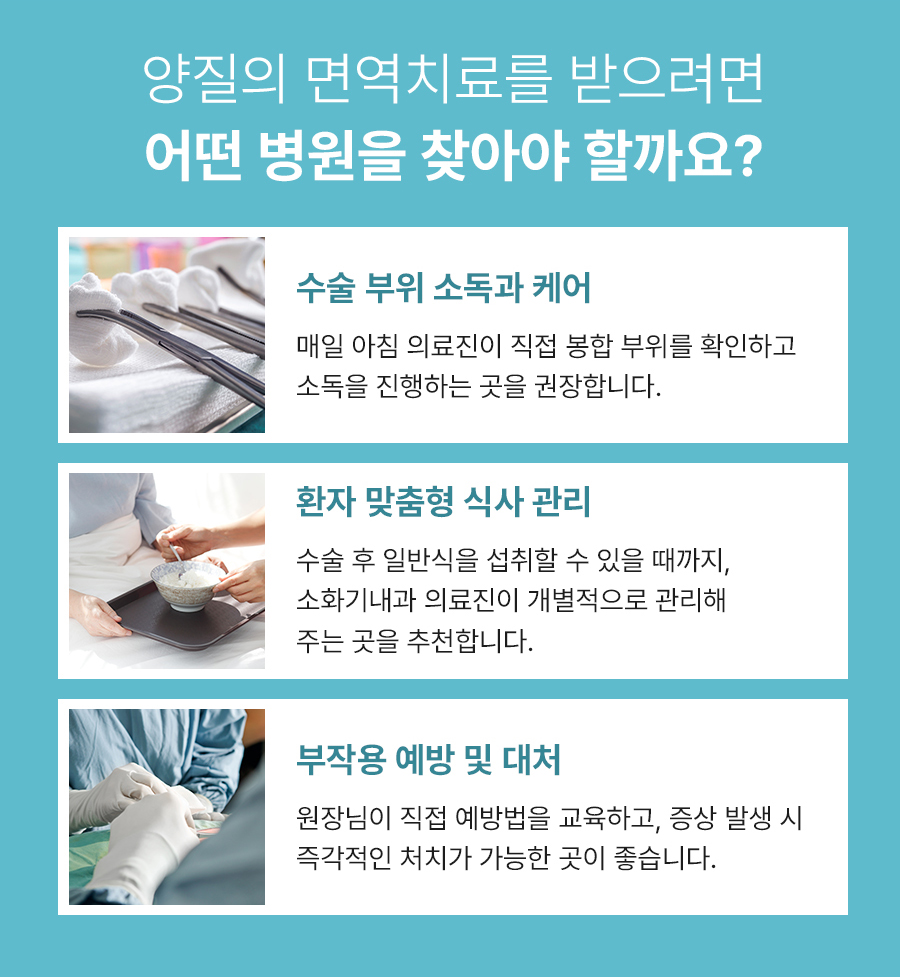
To offer transparency, daily meal photos are regularly posted on the hospital website. This allows families, including those overseas, to see what patients are actually eating and to understand the style of nutrition support provided.
Beyond food, the environment itself is part of the healing approach. The hospital is located at the entrance of Mudeungsan National Park, with clean air, forest paths, and valley walking trails nearby. Patients who are able can take short walks in nature, which may help with mood and physical recovery.
Inside the hospital, there are dedicated healing spaces and rest areas designed for quiet time, reading, or gentle social interaction. Emotional and cultural programs, such as poetry exhibitions or similar events, are occasionally held to support mental well‑being. For patients and families dealing with the stress of gastrointestinal cancer, these small experiences can be meaningful.
Positioning with major tertiary hospitals
ospital.
The convalescent hospital does not replace these institutions. Instead, it functions as a complementary recovery and supportive care center. Patients may go to a tertiary hospital for surgery, chemotherapy, radiation, or advanced imaging, and then use the convalescent hospital as a base for rest, hyperthermia sessions, nutritional support, and integrative care.
This arrangement can be especially helpful for patients who live far from major cities or who find it difficult to manage at home between treatments. Families can feel more comfortable knowing that internal medicine specialists with university hospital leadership experience are overseeing care in a quieter, recovery‑focused environment.
Practical information and access
The hospital is located at the entrance of Mudeungsan National Park in Dong‑gu, Gwangju, near Jeungsimsa bus stop, with parking available for those arriving by car. This makes it accessible both for local residents and for patients coming from other regions or overseas.
Services include inpatient cancer recovery care, two‑week short‑term admission programs (usually reservation‑based), and outpatient supportive treatments such as high frequency hyperthermia. Communication channels typically include phone, a messaging service, a blog with information on short‑term admission and outpatient programs, and video explanations about hyperthermia and other supportive therapies.
Who may consider high frequency hyperthermia in Korea
Overseas patients who might consider high frequency hyperthermia at this type of facility include those with stomach, colorectal, liver, pancreatic, biliary, or other gastrointestinal cancers who:
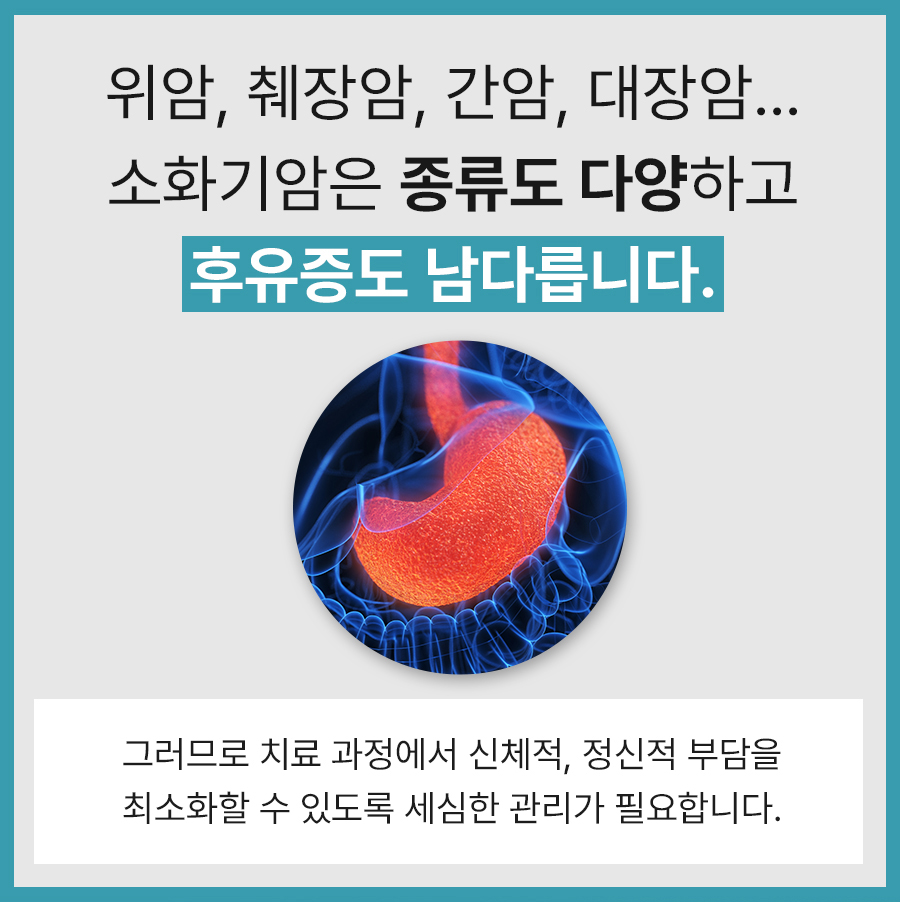
Have completed major surgery and want structured recovery support.
Are undergoing chemotherapy or radiation and are looking for additional symptom‑focused care under medical supervision.
Have difficulty maintaining nutrition or daily life at home and would benefit from a temporary inpatient program.
Prefer a setting where Western internal medicine and Korean medicine are coordinated, with access to nature and emotional support programs.
Before making a decision, patients should discuss the idea of hyperthermia with their main oncology team to confirm that it does not conflict with their current treatment plan.
Online consultation and pre‑visit preparation
For international patients, an online consultation is usually the first step. To make this efficient, it is helpful to prepare the following in advance:
Diagnosis and stage of cancer.
Pathology report and any molecular or genetic test results.
Surgery reports, including dates and type of operation.
Chemotherapy, targeted therapy, or immunotherapy regimens, with start dates, cycles, and any side effects experienced.
Radiation therapy details, if applicable.
Recent imaging reports, such as CT, MRI, or PET scans.
Recent blood test results, including liver and kidney function.
List of current medications and supplements.
During the online consultation, patients and families can ask about the realistic goals of hyperthermia in their specific case, how it would be scheduled with ongoing treatments, what to expect during sessions, and what other supportive services are available.
Expected Korea visit timeline
Although individual plans differ, a typical visit for high frequency hyperthermia and supportive care might look like this:
Before travel: Online consultation, sharing of medical records, and preliminary decision on whether inpatient, two‑week short‑term admission, or outpatient care is most suitable.
Arrival in Korea: In‑person consultation, physical examination, and confirmation of the treatment plan. Discussion of hyperthermia schedule, Korean medicine options, and nutritional support.
Treatment period: Regular hyperthermia sessions (for example, several times per week), daily medical monitoring, integrative therapies such as acupuncture if appropriate, and participation in gentle physical and emotional support activities.
Discharge and return home: Summary of care provided, recommendations for follow‑up with the main oncology team, and guidance on lifestyle, nutrition, and possible future visits if needed.
Aftercare and ongoing communication
After returning home, patients continue their main oncology follow‑up at their local or tertiary hospital. The convalescent hospital can often provide a summary of the hyperthermia sessions and supportive care given, which patients can share with their oncologists.
If necessary, follow‑up questions can be handled through online communication channels. Some patients may plan another short‑term stay in the future, for example during a break in chemotherapy or after another surgery, depending on their condition and the advice of their oncology team.
Safety, expectations, and decision‑making
High frequency hyperthermia is not a guaranteed cure for gastrointestinal cancer and should never be chosen instead of surgery, chemotherapy, targeted therapy, immunotherapy, or radiation recommended by an oncologist. It is best understood as one part of a broader supportive care plan aimed at symptom relief, quality of life, and recovery support.
Before starting hyperthermia, patients should:
Discuss the plan with their main oncology team.
Bring or send all relevant medical records for review.
Ask about realistic goals and possible risks in their individual case.
Inform the team about any implanted devices, heart conditions, or other serious illnesses.
Treatment plans, including hyperthermia, are individualized based on cancer type, stage, prior treatments, and overall health. Some patients may benefit from a combination of hyperthermia, Korean medicine, nutritional support, and a healing environment, while for others, a different approach may be more appropriate.
Frequently asked questions
What is the main purpose of high frequency hyperthermia for gastrointestinal cancer?
The main purpose is to provide supportive care around the tumor area, not to replace standard cancer treatments. By gently heating the abdominal or pelvic region, hyperthermia aims to improve local blood flow, support recovery of surrounding tissues, and potentially help patients tolerate chemotherapy or radiation better. It is used as an adjunctive therapy with realistic goals focused on symptom relief and quality of life.
Is high frequency hyperthermia painful or dangerous?
Most patients feel a deep warmth during the session, which is usually tolerable. The treatment is non‑invasive and does not involve surgery or injections. However, like any medical procedure, it is not completely free of risk. If the heat is too strong, there can be discomfort or, rarely, skin irritation. People with certain implanted devices or severe heart problems may not be suitable candidates. Careful assessment and monitoring by an internal medicine specialist help reduce risks.
Can I receive hyperthermia while I am on chemotherapy or radiation?
In some clinical settings, hyperthermia is used alongside chemotherapy or radiation as an adjunctive treatment. Evidence about added benefit is mixed and can vary by cancer type and individual circumstances. Discuss the potential risks, benefits, and timing with your oncology team to determine if it is appropriate for your case.
However, the timing and frequency must be carefully coordinated with your oncology team. Before starting hyperthermia in Korea, you should discuss it with your main oncologist and share your current treatment schedule with the convalescent hospital so they can design a safe plan.
How do I know if this convalescent hospital is suitable for me as an overseas patient?
Suitability depends on your medical condition, treatment stage, and personal preferences. This hospital may be appropriate if you are receiving or have completed treatment for a gastrointestinal cancer, want medically supervised supportive care including hyperthermia, and value a setting where internal medicine specialists with university hospital leadership experience work together with a Korean medicine doctor. An online consultation is the best way to review your case, ask detailed questions, and decide whether an inpatient stay, two‑week program, or outpatient visits in Korea match your needs.
If you or a family member are considering high frequency hyperthermia as a supportive option in Korea, an online consultation can help clarify whether this approach fits your situation. Please note that hyperthermia is an adjunctive therapy; clinical evidence for survival benefit is limited or mixed, and suitability depends on individual factors. Decisions should be made in consultation with your primary oncology team.
By sharing your medical records and treatment history in advance, the medical team can provide individualized guidance on possible programs, expected benefits, and limitations. This allows you to plan any visit to Korea more confidently, in coordination with your main oncology hospital at home.
- 공유 링크 만들기
- X
- 이메일
- 기타 앱

댓글
댓글 쓰기