High Frequency Hyperthermia Outpatient Treatment in Jeonnam: A Practical Guide for International Cancer Patients
- 공유 링크 만들기
- X
- 이메일
- 기타 앱
Direct answer summary
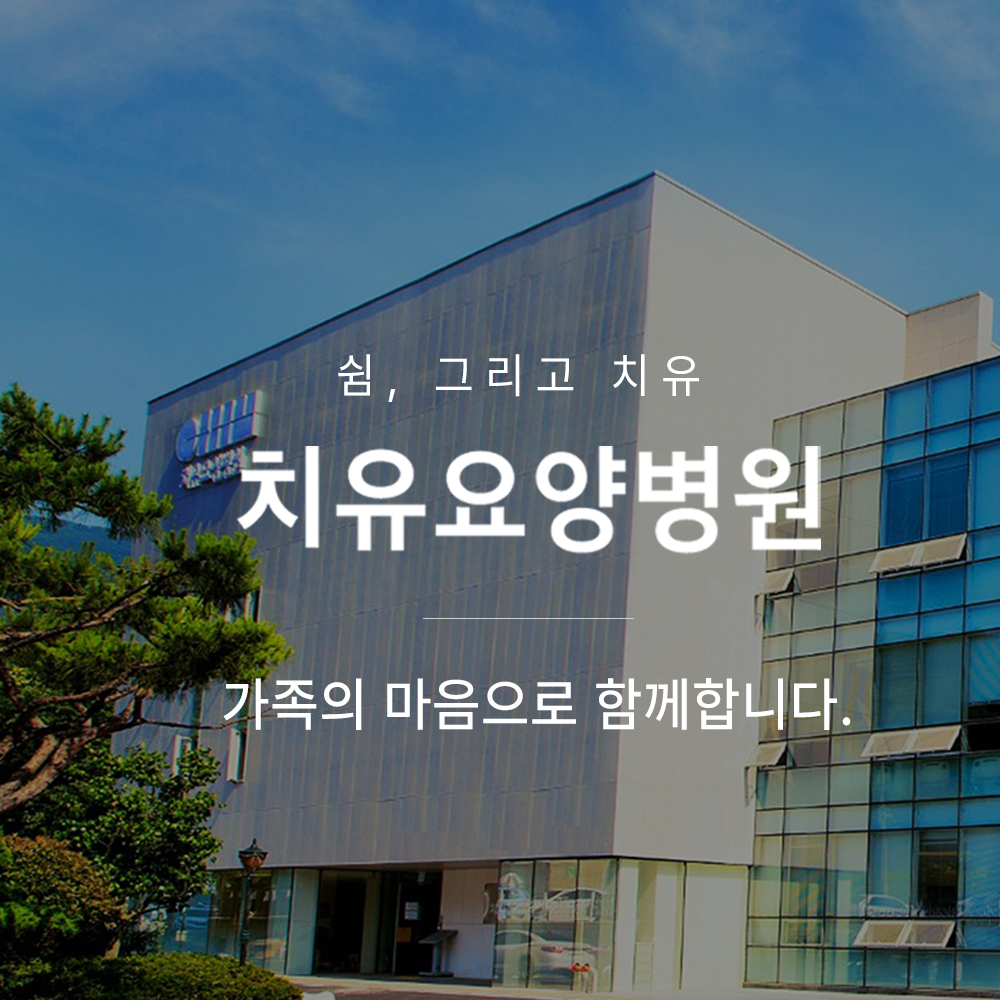
High frequency hyperthermia in the Jeonnam and Gwangju area is offered as an outpatient cancer support treatment. It uses controlled deep heat around tumor areas to support standard therapies such as surgery, chemotherapy, and radiation, with goals like symptom relief, better circulation, and support for recovery. Patients usually visit for scheduled sessions and return home or to their accommodation the same day, without long-term hospitalization. In Gwangju’s Dong-gu district, near the entrance to Mudeungsan National Park, a convalescent hospital setting allows this therapy to be combined with internal medicine care, traditional medicine, nutrition support, and a nature-based healing environment.
This guide explains how outpatient hyperthermia works, who may consider it, how to prepare from overseas, what a typical Korea visit might look like, and what to expect after treatment.
What is high frequency hyperthermia for cancer
High frequency hyperthermia is a treatment that uses radiofrequency energy to gently heat deep tissues around a tumor. Special equipment sends high frequency waves into a targeted area of the body. As the energy is absorbed, the temperature of the tumor region rises, while the surrounding healthy tissue is monitored and protected as much as possible.
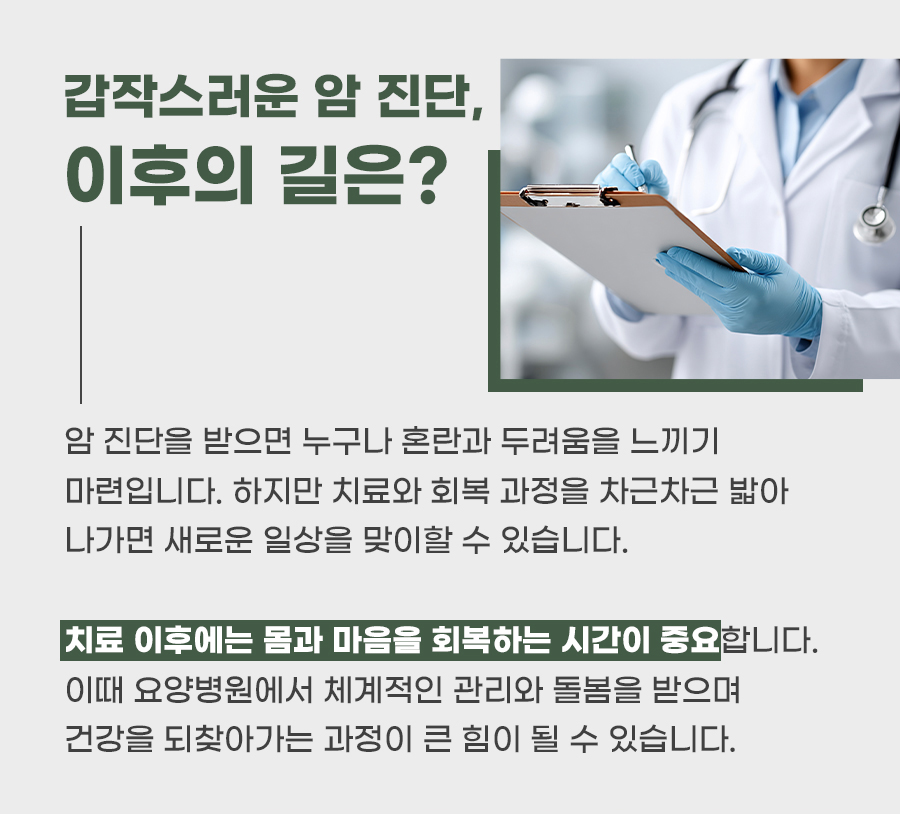
Unlike external heat packs or spa treatments, medical hyperthermia aims to reach deeper layers. The temperature is usually kept in a range that can influence cancer cells and blood flow without burning the skin. During a session, you lie on a treatment bed or table while applicators are placed over the area being treated. Staff monitor your comfort, skin condition, and vital signs.
Hyperthermia is generally used as an additional therapy, not a stand-alone cancer cure. It is often combined with:
Surgery, as part of recovery and symptom management after an operation.
Chemotherapy, with the idea that better blood flow in the tumor region may help drug delivery.
Radiation therapy, because heat can sometimes make cancer cells more sensitive to radiation.
Typical goals include easing pain or discomfort, improving circulation, and supporting recovery or helping patients tolerate ongoing standard treatments. Any effects on the immune system are still under study and not established. Many patients describe the sensation as warm or hot, but it should not be sharply painful. If you feel too much heat, you can tell the staff and they can adjust the settings or stop the session.
As with any medical treatment, there are safety limits. Hyperthermia is not suitable for everyone, especially people with certain heart conditions, implanted electronic devices, or very poor general health. A careful medical evaluation is essential before starting.
Outpatient hyperthermia for Jeonnam and Gwangju patients
Outpatient treatment means you come to the hospital or clinic for a session and return home or to your accommodation the same day. You do not stay overnight unless you choose a short-term admission program.
For cancer patients in the Jeonnam and Gwangju area, this can be especially practical. Many people receive their main cancer treatment at large tertiary hospitals, for example in Hwasun or central Seoul. After strong chemotherapy or radiation, traveling long distances or staying far from home can be exhausting.
Schedule hyperthermia sessions between chemotherapy cycles.
Receive symptom-focused care closer to home while still following the main treatment plan at a tertiary hospital.
Reduce travel time and physical burden compared with repeated long-distance trips.
Because hyperthermia often requires multiple sessions, convenient access matters. The location in Gwangju’s Dong-gu district, near the entrance to Mudeungsan National Park and Jeungsimsa bus stop, allows patients from the wider Jeonnam region to come by car or public transport. On-site parking makes repeated visits easier for families who drive.
Some patients living in Jeonnam choose to:
Continue their primary cancer treatment at a large cancer center.
Use outpatient hyperthermia and recovery programs in Gwangju on days when they are not receiving chemotherapy or radiation.
Return home each day to stay with family, rather than being admitted for long periods.
This model can be suitable for people who want to maintain as much of their daily life as possible while still receiving structured supportive care.
Medical team and safety considerations
One concern many cancer patients have about convalescent hospitals is whether the medical standards are high enough for complex conditions. At Chiu Convalescent Hospital, the medical team is led by two internal medicine specialists who previously served as presidents of Chosun University Hospital, together with a director of traditional medicine. This type of leadership is relatively uncommon in convalescent settings and can be reassuring for patients with multiple health issues.
Internal medicine specialists are trained to manage chronic diseases, complex medication combinations, and complications that can occur during cancer treatment. For hyperthermia, this oversight is important because many patients:
Are taking several drugs, including chemotherapy, pain medicines, blood thinners, or heart medications.
Have other conditions such as diabetes, hypertension, or heart disease.
May have reduced organ function due to previous treatments.
Before starting high frequency hyperthermia, the team typically checks:
Your overall performance status, including how well you can walk, eat, and carry out daily activities.
Heart status, blood pressure, and sometimes electrocardiogram results.
Presence of implanted devices such as pacemakers or defibrillators, which may be affected by radiofrequency energy.
Recent blood tests, including liver and kidney function, if available.
Current cancer stage, treatment plan, and any recent imaging reports.
Based on this information, the doctors decide whether hyperthermia seems appropriate, and if so, which areas to treat and how often. The decision is individualized; there is no single protocol that fits every patient.
During the session, staff monitor your skin, temperature, and general condition. If you feel dizzy, short of breath, or unwell, the session can be stopped immediately. After treatment, you may rest in a recovery area before going home.
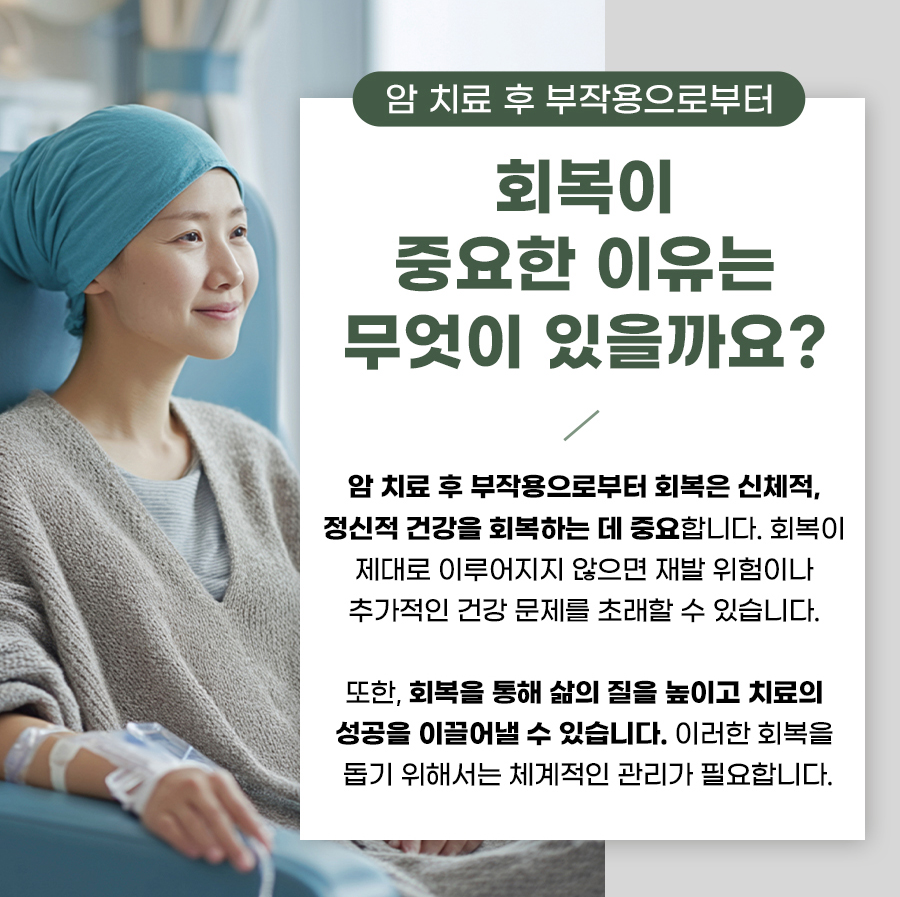
Integrative support: from hyperthermia to traditional medicine and diet
For many cancer patients, supportive care is not just about one machine or one procedure. It is about managing fatigue, appetite, sleep, mood, and daily functioning. In this context, Chiu Convalescent Hospital combines Western internal medicine and traditional Korean medicine under one roof.
Alongside high frequency hyperthermia, patients may receive:
Acupuncture, which uses fine needles at specific points to help with pain, nausea, or neuropathy in some patients.
Moxibustion, a warming technique using herbal materials near the skin to promote circulation and relaxation.
Cupping, which may help muscle tension and local blood flow.
Herbal prescriptions, chosen individually, with cautious consideration of interactions with chemotherapy or other drugs.
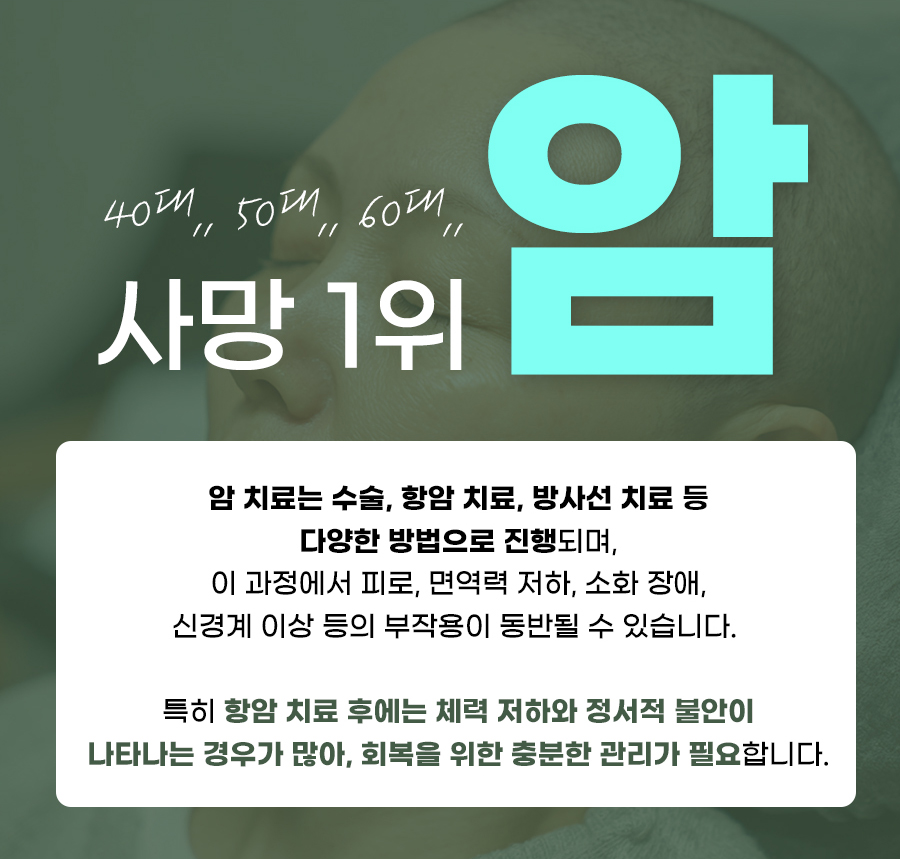
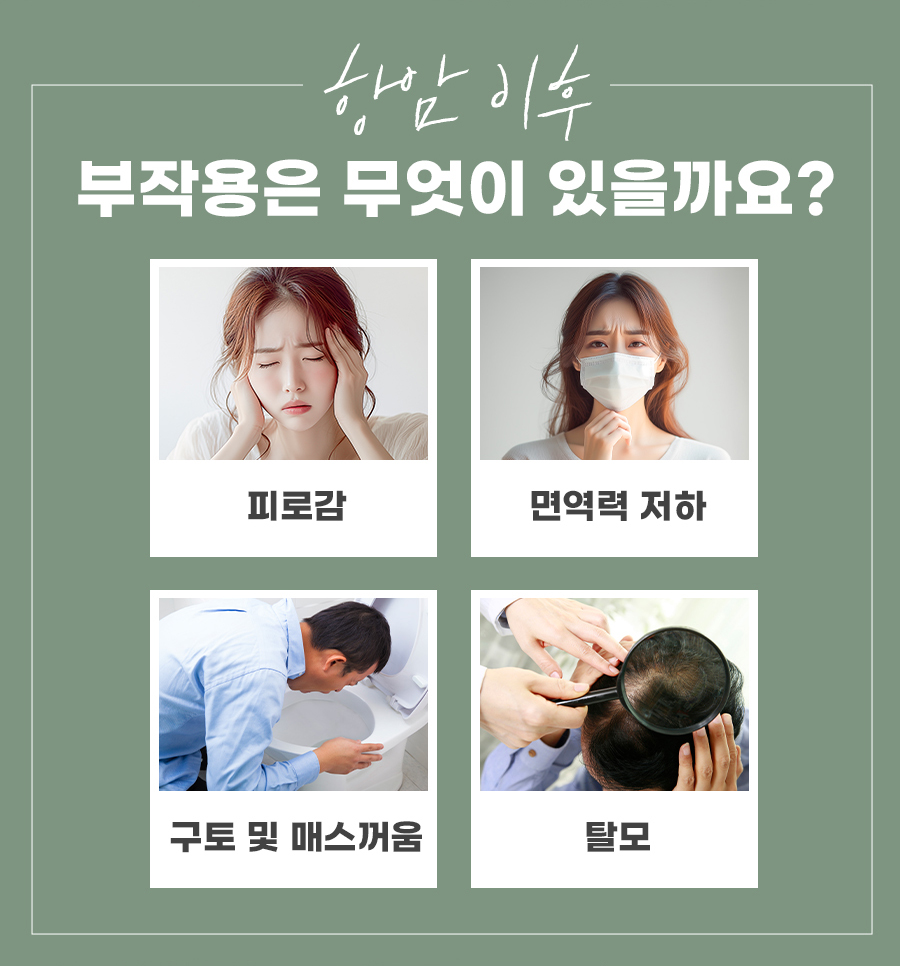
These approaches are used as supportive measures, not as replacements for standard cancer therapy. The aim is to ease side effects such as:
Fatigue and low energy.
Digestive issues like nausea, poor appetite, or constipation.
Peripheral neuropathy, such as tingling or numbness in hands and feet.
Sleep disturbance and anxiety.
Nutrition is another key pillar. The hospital runs an anti-cancer diet program and a healing menu, with daily menus transparently posted online. Meals are planned to be gentle on the digestive system while providing balanced nutrients, with attention to fresh ingredients and reduced use of overly processed foods. For international patients, this can be discussed in advance so that dietary preferences or restrictions are considered as much as possible.
Emotional and mental support is also part of the environment. The hospital offers healing spaces such as quiet reading corners, small exhibitions like poetry displays, and areas for rest and reflection. Patients coming for outpatient hyperthermia can often spend some time in these spaces before or after sessions, which may help reduce stress and support mental well-being.
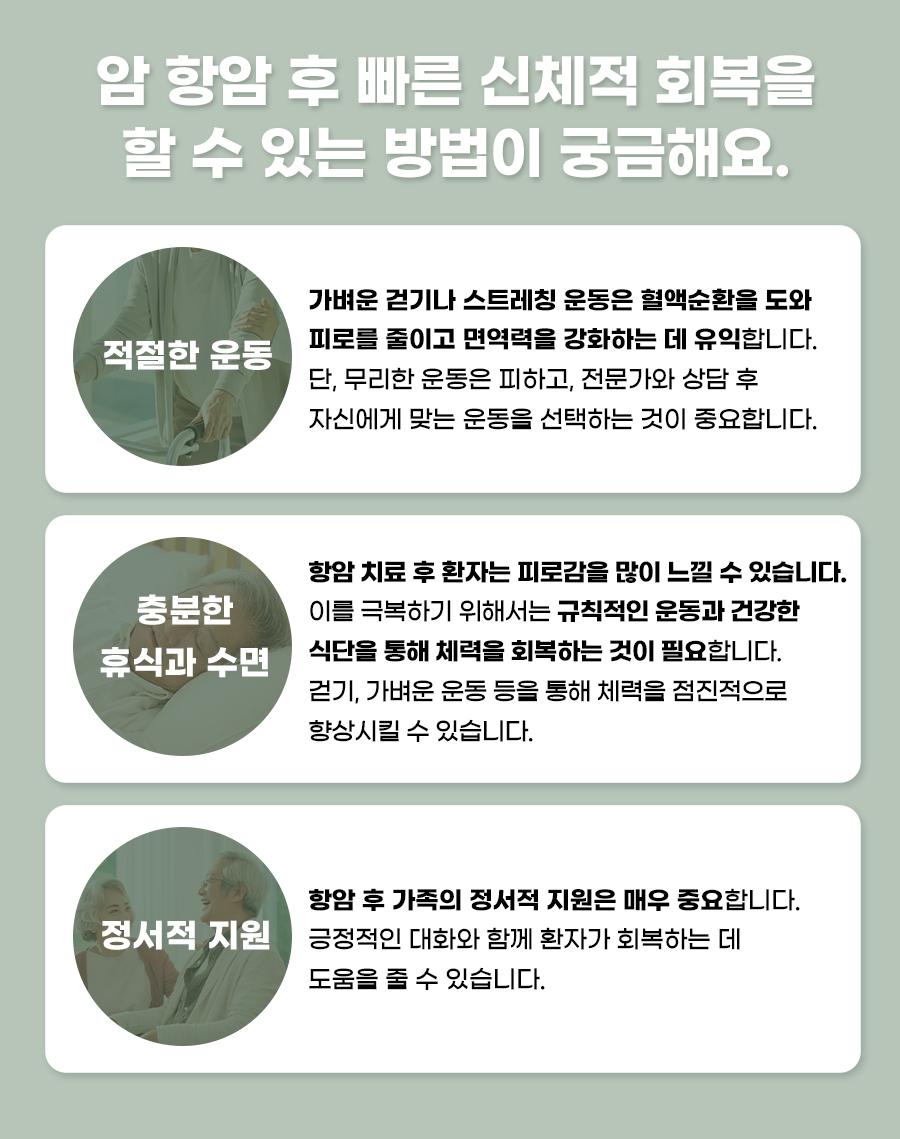
Healing environment at the foot of Mudeungsan
The physical environment can strongly influence how patients feel during cancer treatment. The hospital is located at the entrance to Mudeungsan National Park, near Jeungsimsa, an area known for forested hills, clean air, and valley trails.
For patients who are able to walk, gentle strolls on nearby forest paths can be part of a daily routine. Short, slow walks in nature may help with:
Stress reduction and emotional relief.
Better sleep quality.
Light physical activity to maintain muscle strength and circulation.
Even for those who cannot walk far, simply seeing trees, mountains, and changing light from the hospital windows can provide a different atmosphere from a busy city center. Families who accompany the patient may also benefit from the calm surroundings while they wait.
From a practical point of view, the location is still within Gwangju city, with access by bus and car. On-site parking is available, which is important for repeated outpatient visits, especially for those feeling weak after chemotherapy. Patients from other parts of Jeonnam can drive in for sessions and return home on the same day if their condition allows.
Short-term admission and outpatient programs
Many people think convalescent hospitals are only for long-term stays where patients rarely leave. In contrast, the model here includes both structured outpatient programs and a two-week short-term admission option.
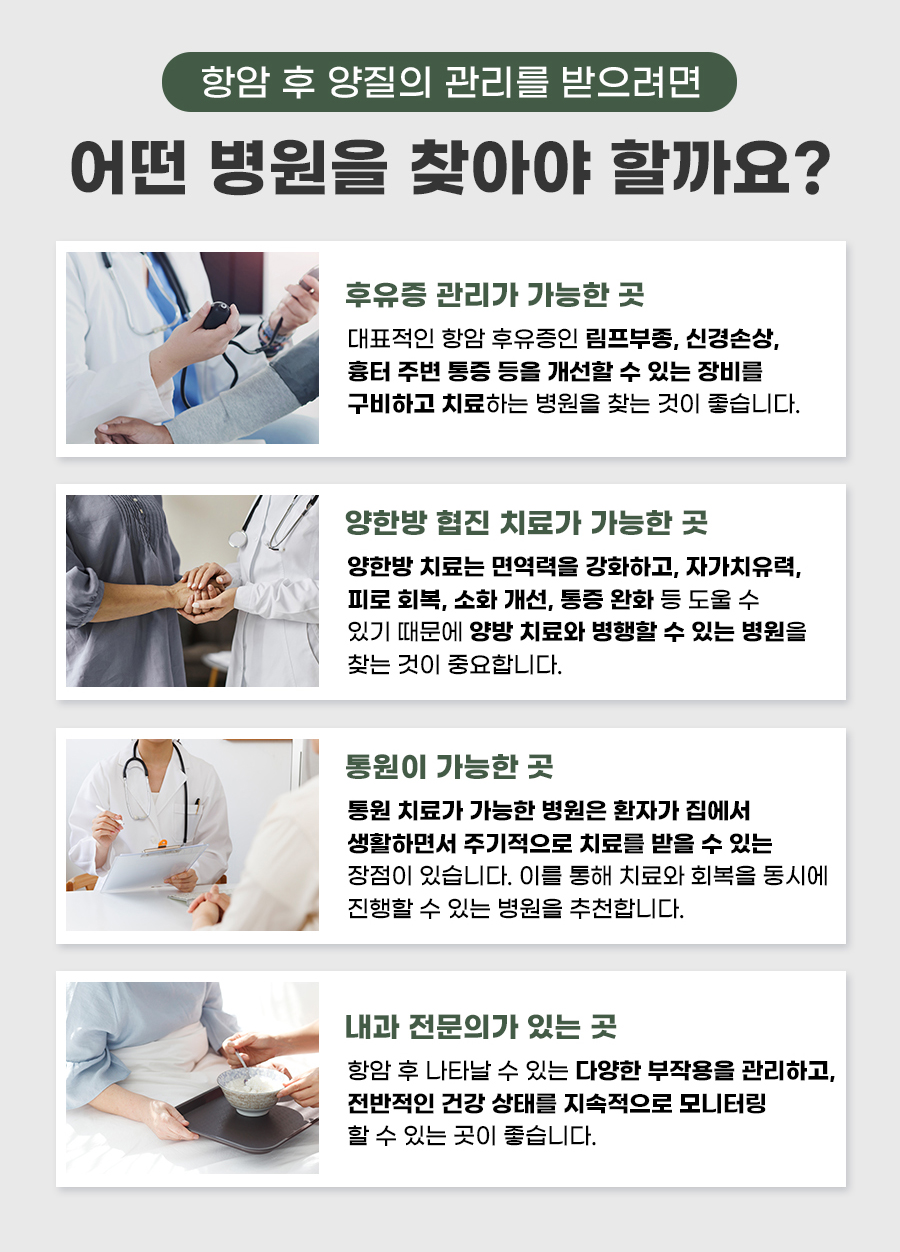
Short-term admission can be useful in situations such as:
You have just finished a round of intensive chemotherapy or radiation and feel too weak to manage at home, but do not need acute care at a tertiary hospital.
You want to combine several hyperthermia sessions, integrative treatments, and nutrition support in a focused period.
You live far from Gwangju and daily commuting would be too tiring.
A common pattern is:
Two-week admission with regular hyperthermia sessions, internal medicine monitoring, traditional treatments, and diet program.
After discharge, continued outpatient hyperthermia once or several times per week, depending on your schedule and condition.
Because bed numbers and machine schedules are limited, advance reservation is usually necessary, especially for patients coming from overseas. When you contact the hospital, you can ask about:
Current availability for the two-week program.
How many hyperthermia sessions are typically planned during that time.
Whether you can adjust the schedule to fit your flights and main hospital appointments.
Who may consider outpatient hyperthermia in Jeonnam
Outpatient high frequency hyperthermia may be considered by:
Patients currently receiving chemotherapy or radiation at a tertiary hospital who want additional supportive care between cycles.
Patients who have completed initial treatment and are focusing on symptom control, recovery, and quality of life.
Individuals who live in Jeonnam or nearby regions and prefer to stay close to home rather than travel repeatedly to distant centers.
Before deciding, it can help to think through a few points:
Current cancer stage and treatment plan: Hyperthermia is usually considered as an adjunct, so your main oncology team’s plan remains central.
Distance from Gwangju: Can you travel comfortably to Dong-gu for repeated sessions, or would a short-term admission be more realistic?
Support at home: Do you have family or caregivers who can accompany you, especially if you feel weak after chemotherapy?
Ability to lie still: Sessions require you to lie on a bed for a set period; severe pain or breathing problems may make this difficult.
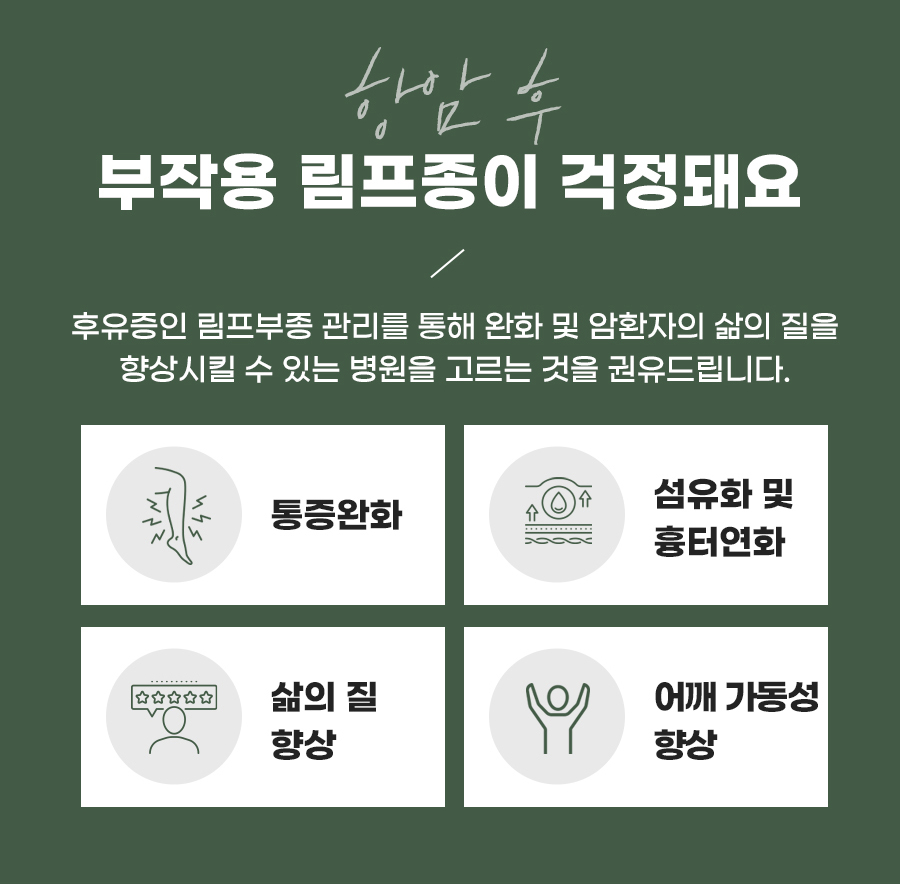
It is important to coordinate with your main oncology team. Ideally, you should:
Inform your oncologist that you are considering hyperthermia.
Ask if there are any specific concerns based on your cancer type, treatment drugs, or current condition.
Bring or send recent medical records to the convalescent hospital so that the internal medicine specialists can review them before planning treatment.
Online consultation and pre-visit preparation
For overseas patients, an online or remote consultation is a practical first step. This can usually be done by phone, email, or messenger apps. During this stage, you can:
Describe your diagnosis, stage, and main treatments so far.
Share scanned copies or photos of key documents such as pathology reports, imaging summaries, and recent blood tests.
Explain your goals, for example pain relief, improved energy, or support during chemotherapy.
Discuss your planned travel dates and how long you can stay in Korea.
To prepare, it is helpful to gather:
A summary letter from your main oncologist, if possible.
List of all medications and supplements you are currently taking, with doses.
Information about implanted devices, such as pacemakers or ports.
Any history of heart disease, severe lung disease, or serious infections.
You may also want to prepare a list of questions, such as:
- How many hyperthermia sessions are realistic during my stay?
- Can I receive hyperthermia while on my current chemotherapy regimen?
- What kind of side effects should I watch for?
- Is short-term admission recommended in my case, or is pure outpatient care enough?
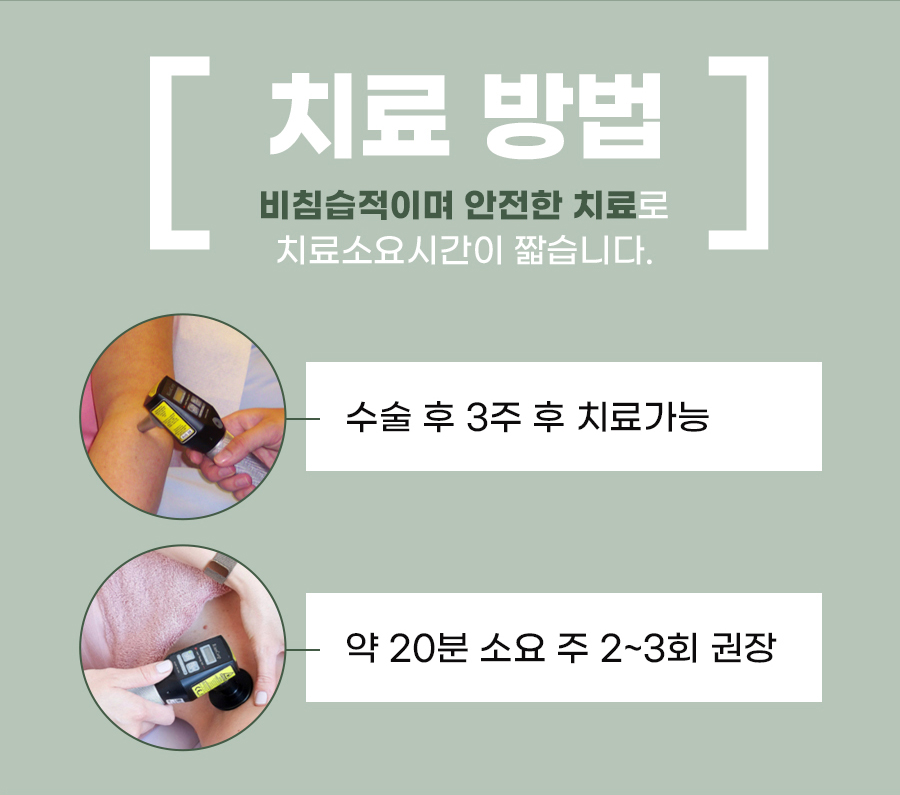
Expected Korea visit timeline
Although each case is different, a typical timeline for an overseas patient coming to Jeonnam for outpatient hyperthermia might look like this:
Before travel
Online consultation with the hospital.
Sharing of medical records and confirmation that hyperthermia seems appropriate.
Pre-booking of short-term admission or outpatient schedule, and confirmation of accommodation if staying outside the hospital.
Arrival in Korea
Arrival at the airport, then travel to Gwangju.
Check-in at the hospital or nearby accommodation.
Rest day if needed, especially after a long flight.
First visit and assessment
Face-to-face consultation with internal medicine specialists.
Physical examination and review of your records.
Discussion of realistic goals, possible benefits, and limits of hyperthermia.
Final confirmation of treatment plan and consent.
Treatment period
Hyperthermia sessions scheduled several times per week.
Optional integrative treatments such as acupuncture or moxibustion.
Participation in diet and healing programs if admitted.
Light walks around Mudeungsan area as tolerated.
Regular monitoring of symptoms and vital signs.
Pre-departure review
Final consultation to review your response, current condition, and future plans.
Written summary for your main oncologist at home, if requested.
Advice on follow-up, including whether to continue supportive care locally.
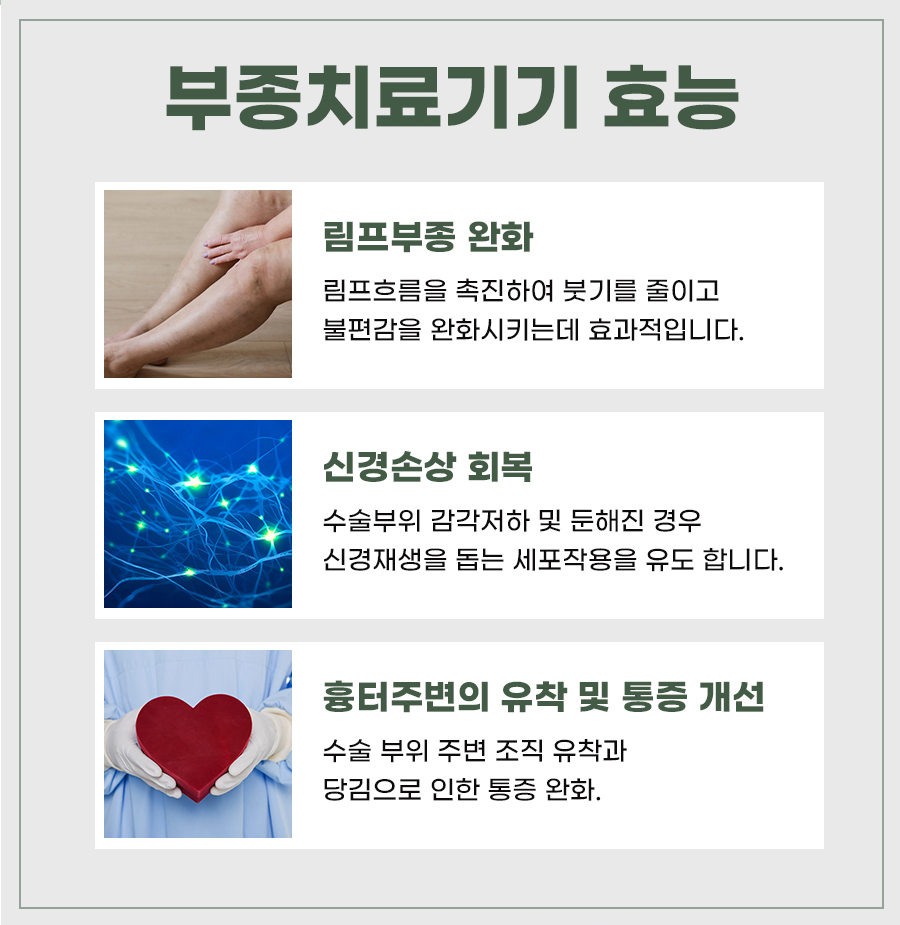
Aftercare and going home
After returning home, it is important to:
Update your main oncology team about the treatments you received in Korea.
Share any written summaries or reports from the convalescent hospital.
Monitor for any delayed side effects such as unusual fatigue, skin changes, or worsening pain, and report them promptly.
Recovery time varies by patient and overall condition; some people experience minimal downtime while others may need more rest. Your clinical team will advise on activity restrictions and timing. Because cancer and its primary treatments can affect energy and mood, planning some extra rest days after travel is often advisable.
If you experienced benefits such as reduced pain or better sleep, you can discuss with your local doctors whether other supportive options are available near your home. Even if hyperthermia is not accessible locally, aspects like nutrition, gentle exercise, and stress management can often be continued.
How to decide if outpatient hyperthermia is right for you
When making a decision, it may help to use a simple checklist:
Medical fit: Has a specialist reviewed your case and confirmed that hyperthermia is medically reasonable for your cancer type and general condition?
Logistics: Can you manage travel to Gwangju and repeated visits or a two-week stay, considering your physical strength and family situation?
Goals: Are your expectations focused on symptom relief, quality of life, and support for ongoing treatment, rather than a guaranteed cure?
Coordination: Is your main oncology team informed and supportive, or at least aware, of your plan?
If you can answer positively to most of these questions, an in-depth consultation at the hospital may be the next step. During that visit, you can refine your plan and decide whether to proceed.
Visiting the clinic: hours and contact
Outpatient clinics typically operate on weekdays, with additional hours on Saturday. Sundays and public holidays are usually closed. Because schedules can change, it is best to confirm current clinic hours directly before you travel.
When you come for your first consultation, remember to bring:
Passport and identification.
All relevant medical records and imaging reports, preferably with English summaries if available.
Medication list, including doses and schedules.
Contact details for your main oncology team, in case coordination is needed.
Parking is available on site, which is convenient if you or your family are driving. For those using public transport, the hospital is located near Jeungsimsa bus stop at the entrance to Mudeungsan National Park.
Frequently asked questions
Is high frequency hyperthermia painful, and how long does each outpatient session take?
Most patients feel warmth or heat in the treated area, but not sharp pain. If the heat becomes uncomfortable, you can tell the staff and they will adjust the settings or pause the session. A typical outpatient session, including preparation and rest time, often takes around one to one and a half hours, though the exact heating time may be shorter.
Can I receive hyperthermia while I am on chemotherapy or radiation at another hospital?
In many cases, yes. Hyperthermia is often used as a supportive therapy alongside chemotherapy or radiation. However, the timing and frequency need to be planned carefully. Your main oncology team and the internal medicine specialists at the convalescent hospital should coordinate to avoid conflicts with your primary treatment schedule and to monitor for side effects.
How often do I need to come for outpatient hyperthermia sessions in the Jeonnam region?
The number and frequency of sessions depend on your diagnosis, treatment goals, and overall strength. Some patients may come two to three times per week for a period, while others may follow a different schedule. During your initial consultation, the medical team will propose a plan and adjust it based on how you respond and how easily you can travel.
Is outpatient hyperthermia suitable for all types and stages of cancer?
No, it is not suitable for everyone. Certain cancer types, very advanced stages with severe organ failure, or patients with specific heart conditions or implanted devices may not be good candidates. That is why an individualized assessment by experienced internal medicine specialists is essential. The focus is on safety and realistic expectations, not on applying the treatment to every case.
What should I prepare or avoid on the day of a hyperthermia session?
You will usually be advised to eat a light meal rather than coming with an empty stomach or being overly full. Comfortable clothing is recommended, and you may be asked to remove metal accessories in the treatment area. Drinking enough water is often encouraged, unless you have fluid restrictions. The staff will give you specific instructions based on your condition and medications.
Can family members stay with the patient during short-term admission or while waiting for outpatient treatment?
Policies vary, but in general, family members can accompany patients to the hospital and wait in designated areas. For short-term admission, visiting hours and overnight stay rules depend on hospital policy and infection control measures. It is best to ask in advance so that your family can plan their travel and accommodation accordingly.
Soft call to action
If you are an international patient or caregiver considering high frequency hyperthermia outpatient treatment in the Jeonnam and Gwangju area, an online consultation can help you understand whether this approach fits your medical situation and travel plans. By sharing your records and questions in advance, you can receive a more personalized explanation of possible schedules, safety considerations, and support programs before you decide to come to Korea.
This article is for general information only and does not replace a personal consultation with qualified medical professionals. Treatment decisions should always be made after direct discussion with your healthcare team.
- 공유 링크 만들기
- X
- 이메일
- 기타 앱


댓글
댓글 쓰기