High frequency hyperthermia for gynecologic cancer in a Gwangju convalescent hospital
- 공유 링크 만들기
- X
- 이메일
- 기타 앱
Direct answer summary
High frequency hyperthermia uses controlled radiofrequency energy to raise the temperature of tumor tissue. For gynecologic cancers such as cervical, endometrial, and ovarian cancer, it can be used on the pelvis and lower abdomen as a supportive therapy alongside—rather than instead of—surgery, chemotherapy, or radiation.
What is high frequency hyperthermia for gynecologic cancer
High frequency hyperthermia is a form of medical hyperthermia that uses specialized equipment to deliver high frequency energy into the body. tatus.
hemotherapy or radiation, but this must always be coordinated with your main oncology team.
For gynecologic cancers, the typical treatment field is the pelvic region, lower abdomen, or other areas where lesions or metastases are present, as decided by the medical team. The intention is not to replace surgery, chemotherapy, or radiation, but to support symptom control, general condition, and quality of life during a long treatment journey.
How a typical hyperthermia session works
Before your first session, the medical staff review your diagnosis, recent imaging and lab results, current medications, and treatment schedule from your main hospital. They check your vital signs, ask about symptoms such as pain, nausea, or fatigue, and confirm any implanted devices or metal hardware you may have.
For the procedure itself, you lie comfortably on a treatment bed. The staff position applicators or electrodes over the target area, such as the lower abdomen or pelvis, and adjust cushions and blankets so that you can relax. The device is then set to deliver high frequency energy to the chosen depth and area. The heat builds gradually, and the team adjusts the settings based on your feedback and their monitoring.
A session usually lasts several tens of minutes, depending on your individual plan. During this time, staff check in regularly, observe your skin, and monitor vital signs when needed. After the session, you may rest for a short period while the team confirms that you feel stable and comfortable.
What patients usually feel and possible side effects
Most patients describe a sensation of warmth or deep heat in the treated area. Some feel sleepy or relaxed during the session. Mild temporary discomfort, a feeling of heaviness, or slight redness of the skin can occur. Some patients report feeling a bit more tired than usual for a short time after treatment.
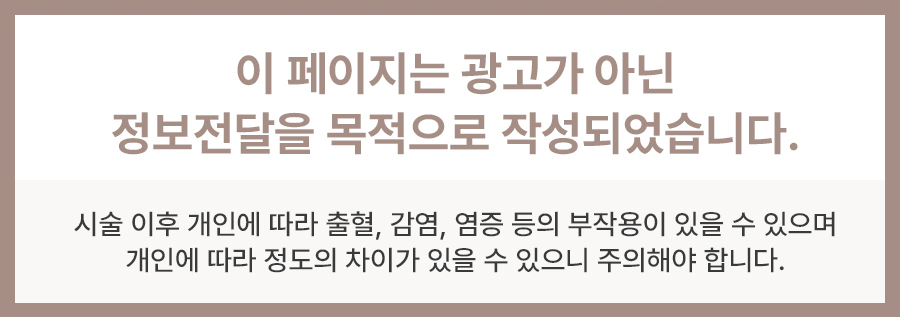
All medical procedures carry risks, and hyperthermia is no exception: reported complications vary depending on patient health, the device used, and clinical technique. If you experience sharp pain, burning, dizziness, nausea, shortness of breath, or any other unusual symptom during or after a session, notify staff immediately so they can adjust settings, pause, or stop the treatment and provide appropriate care.
Who may consider high frequency hyperthermia
High frequency hyperthermia is generally considered for women with gynecologic cancers who are already receiving evidence-based treatment at a tertiary hospital. Typical candidates include patients who have completed surgery and are undergoing chemotherapy or radiation, or those who are between treatment cycles and need a place to rest and recover.
Patients who are staying in a cancer-focused convalescent hospital between hospital visits may receive hyperthermia as part of a broader supportive program that includes nutrition, physical activity within their limits, and integrative therapies. The aim is to help maintain strength, manage symptoms, and support daily functioning.
Suitability is always individualized. Internal medicine specialists review your cancer type and stage, current treatment plan, blood counts, organ function, and general condition. They also consider your goals, such as relief from pelvic discomfort, fatigue, or appetite loss. Coordination with your main cancer center is important, especially concerning the timing of hyperthermia around chemotherapy or radiation.
Who needs caution or may not be suitable
There are situations where hyperthermia may not be recommended or may require special caution. Patients with severe heart or lung disease, uncontrolled infections, or unstable vital signs may not be good candidates. The presence of certain implanted devices or metal hardware in the treatment field can limit the use of high frequency energy or require adjusted settings.
Pregnancy and very advanced frailty are also reasons to be cautious. In these cases, the medical team may focus on other forms of supportive care instead. It is essential to understand that hyperthermia is not a miracle cure and should never be used as a reason to delay, reduce, or stop surgery, chemotherapy, or radiation that your oncology team recommends.
How hyperthermia fits into overall cancer care
High frequency hyperthermia should be viewed as one piece of a larger cancer care plan. Your main treatment for gynecologic cancer remains at a tertiary hospital, where you receive surgery, chemotherapy, radiation, or targeted therapies based on international guidelines.
Between these treatments, many patients need a place where they can rest, rebuild strength, and manage side effects. A cancer-focused convalescent hospital can serve as a recovery base. You may travel to a large university or cancer center in the region for your main treatment days, then stay at the convalescent hospital for daily life, monitoring, and supportive therapies such as hyperthermia.
In this model, hyperthermia is used to support circulation, comfort, and general condition, while nutrition, gentle physical activity, and emotional support help you cope with the long course of cancer treatment. The convalescent hospital team keeps in contact with your main oncology team when needed, sharing information and adjusting supportive care according to your main treatment schedule.
Integrative care in a Gwangju convalescent hospital
The facility emphasizes clinical oversight and coordination with patients’ oncology providers to support medical needs during recovery.

These options are available when clinically appropriate, but patients and their oncology teams should discuss potential benefits, risks, and any possible interactions before starting such therapies.
Nutrition is another important pillar. The hospital emphasizes anti-cancer dietary principles and shares daily meal photos on its website, so families can see the type of food being served. Meals are planned to be gentle on the digestive system while providing balanced nutrients, which is especially important for patients who struggle with appetite or taste changes during chemotherapy.
Healing environment near Mudeungsan National Park
The hospital is located at the entrance of Mudeungsan National Park in Dong-gu, Gwangju, near the Jeungsimsa bus stop. This setting offers clean air, forest trails, and valley paths that can be used for gentle walks when your condition allows. Being able to see trees, mountains, and flowing water from windows or during short walks can be calming for many patients.
The natural surroundings are considered part of the healing environment. There are spaces for quiet rest, reading, or conversation with family. The hospital also uses poetry, art displays, and other small healing programs to support emotional well-being. For many patients, having a calm, nature-connected place to stay between hospital treatments can make the treatment journey feel more manageable.
Programs: inpatient, short-term admission, and outpatient
The hospital offers several formats to match different needs. Inpatient cancer recovery care is available for patients who need continuous support, monitoring, and help with daily activities. This is often chosen by those who live far from large hospitals or who feel too weak to manage at home between chemotherapy cycles.
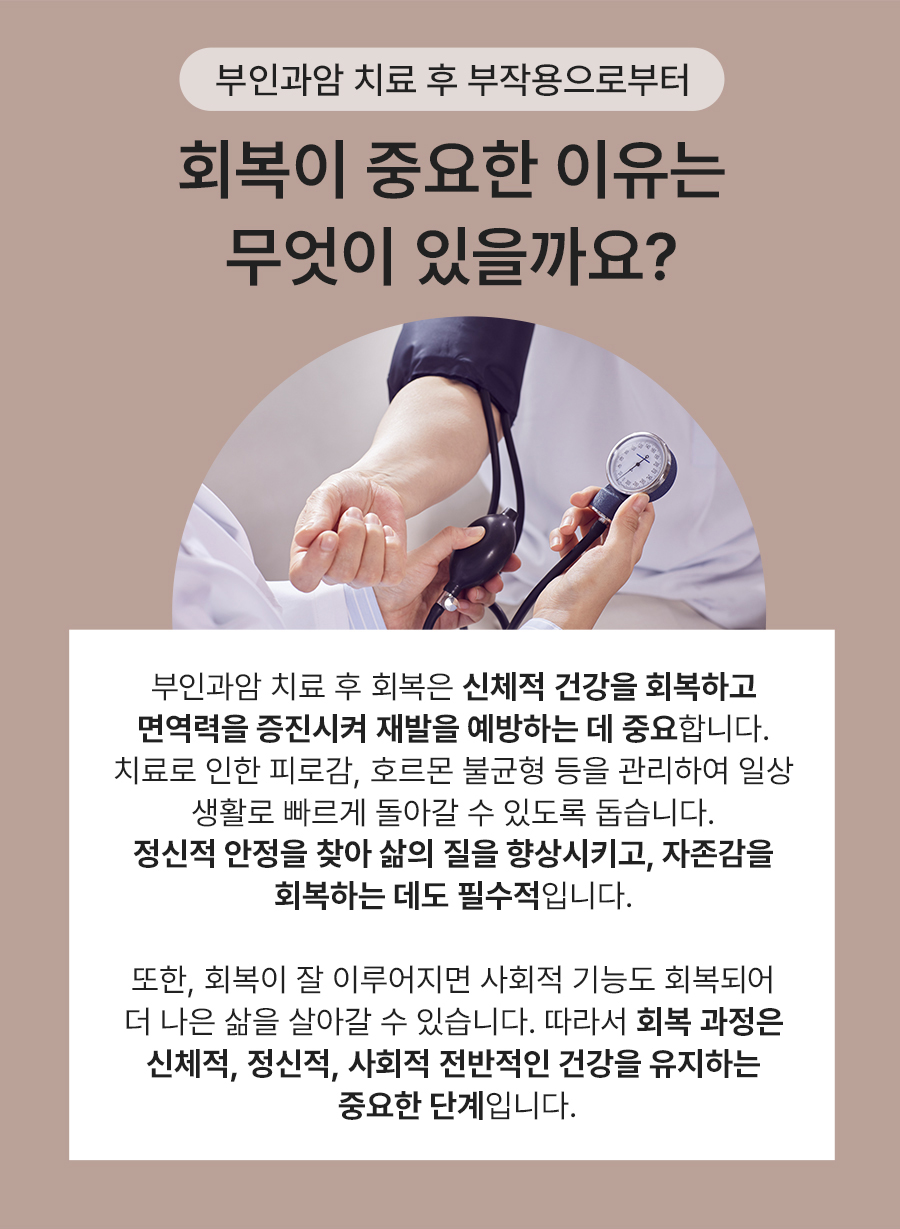
A two-week short-term admission program is designed for patients who want structured recovery without committing to a long stay. This can be useful after a major surgery or during a break in chemotherapy, giving you time to focus on rest, nutrition, and supportive therapies like hyperthermia. This program also helps break the stereotype that convalescent hospitals are only for long-term stays.
For patients who live nearby or who are between hospital treatments but prefer to stay at home, outpatient programs are available. In this case, you may visit the hospital for hyperthermia sessions and other supportive care during weekday and Saturday daytime hours, then return home afterward.
Online consultation and pre-visit preparation
If you are an overseas patient or living in another region of Korea, an online consultation can be a practical first step. Before contacting the hospital, it is helpful to prepare certain information so that the medical team can understand your situation quickly.
You may want to gather your most recent diagnosis report, surgery notes if available, chemotherapy or radiation schedule, and a list of current medications and supplements. It is also useful to note any implanted devices, such as pacemakers or metal implants, and any allergies or major past illnesses.
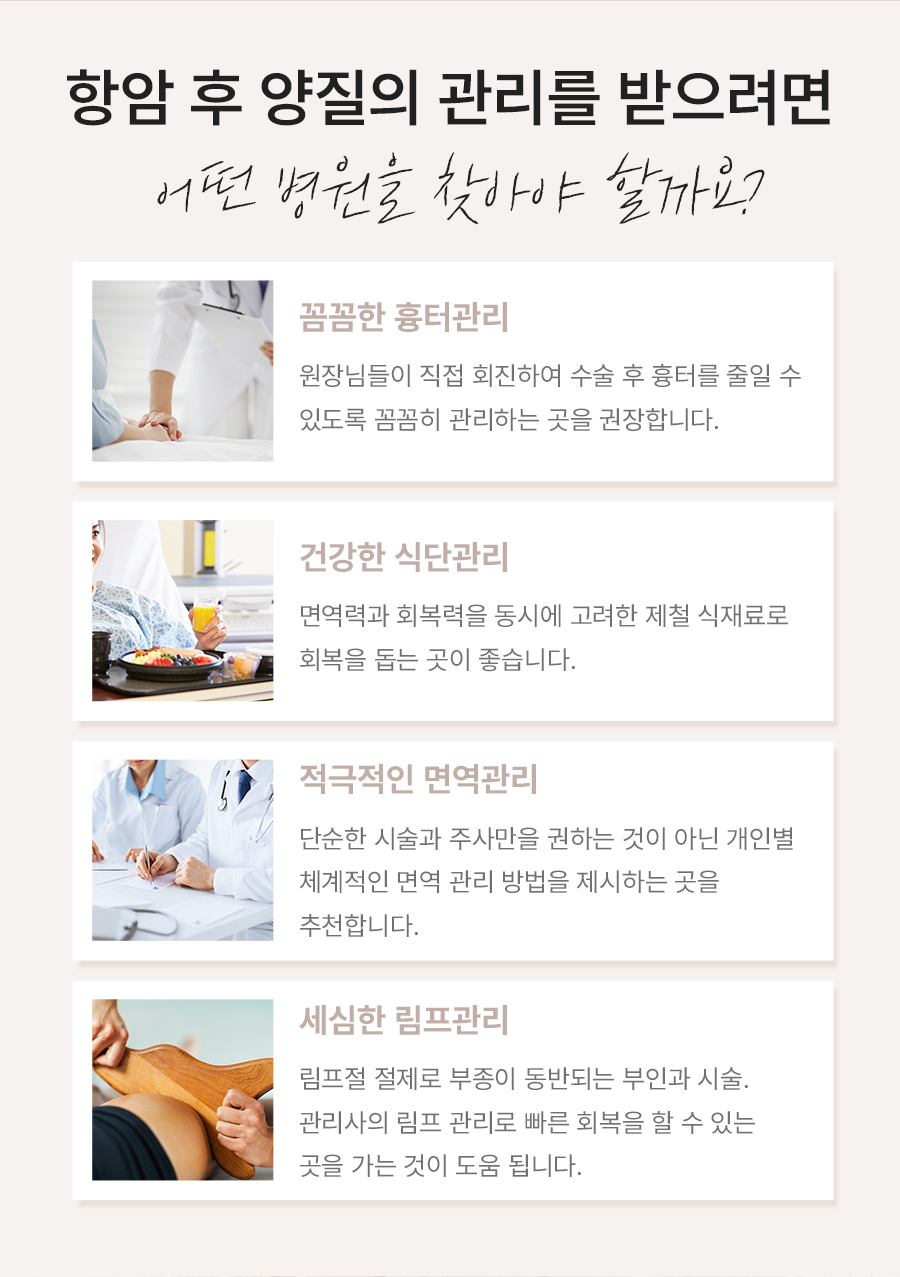
During the online consultation, you can ask about whether high frequency hyperthermia might be considered in your case, how it would be scheduled around your main hospital treatments, and what kind of program (inpatient, short-term, or outpatient) might fit you best. The staff can explain what documents they need, how to arrange admission dates, and what to bring when you come.
Expected Korea visit timeline for overseas patients
For international patients, a typical visit that includes hyperthermia as part of convalescent care might follow a rough sequence. First, you would have an online or phone consultation to share your medical information and discuss suitability. The hospital team may ask for translated reports or contact your main oncology center, with your permission, to clarify details.
Once you are accepted for a program, you can plan your travel to Gwangju. The hospital is accessible from major Korean cities by train or bus, and then by local transport to the Jeungsimsa bus stop. On arrival, there is an admission assessment, including a review of your documents, physical examination, and basic tests if needed.
During your stay, hyperthermia sessions are scheduled according to your condition and main treatment timetable. You may also receive integrative care, nutritional support, and participate in gentle activities within your limits. At the end of your stay, the team prepares a summary that you can share with your main oncology team back home.
Aftercare and going home
After you complete a period of hyperthermia and supportive care, the focus shifts to maintaining stability and comfort at home or in your next treatment setting. The medical team can explain what changes to watch for, such as new pain, fever, or changes in appetite or energy, and when to contact a doctor.
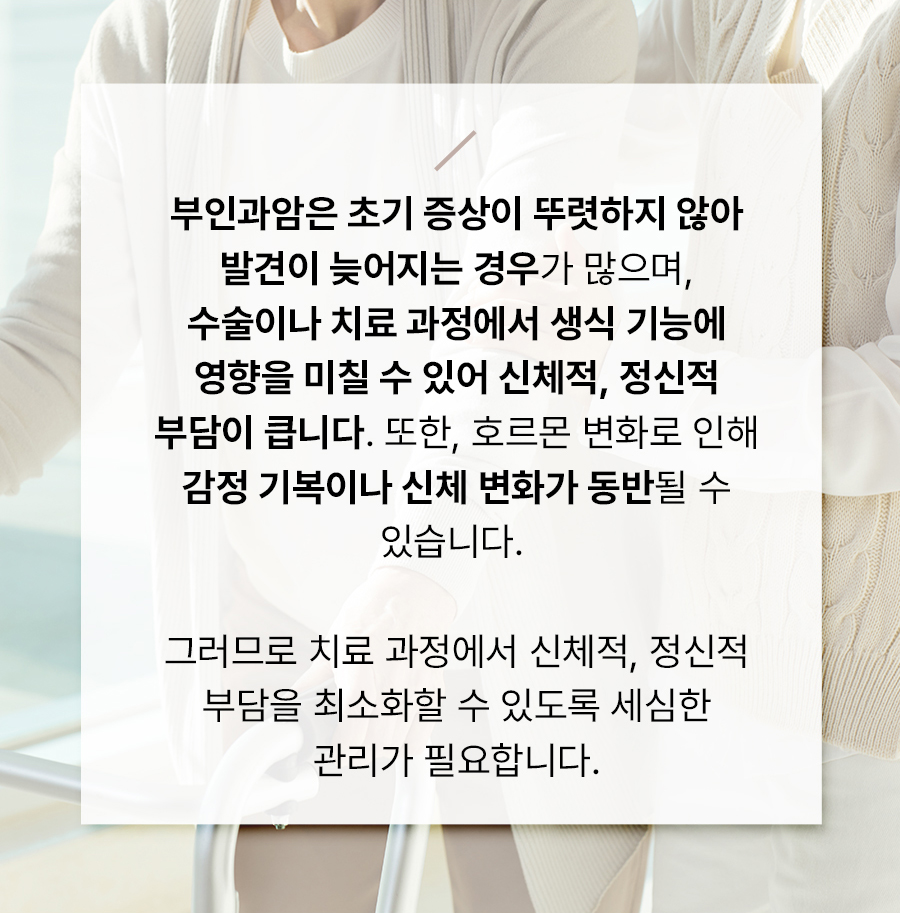
They may provide guidance on diet, hydration, light activity, and sleep habits that can support your recovery. If you plan to continue hyperthermia or other supportive therapies in another country, it is helpful to keep all treatment records and share them with your new providers. Ongoing communication with your main oncology team remains essential, as they are responsible for your overall cancer treatment plan.
Safety, evidence, and realistic expectations
Limited research has explored hyperthermia as an adjunctive treatment in oncology, and findings are mixed. Results appear to vary by cancer type, stage, and treatment combination, and there is not conclusive evidence that hyperthermia alone produces a guaranteed cure or consistent survival benefit. Discuss the current evidence and whether hyperthermia is appropriate for your situation with your oncology team.
In this hospital, hyperthermia is presented as a supportive option aimed at symptom relief, comfort, and quality of life. All sessions are planned and monitored by physicians and trained staff. Treatment plans are individualized and can be adjusted or stopped if you do not tolerate them well.
You should always inform your primary oncologist about any hyperthermia or integrative treatments you plan to receive. This helps avoid conflicts with chemotherapy schedules, imaging, or other procedures, and allows your oncology team to give informed advice about your overall plan.
Practical information: location, hours, and contact
The hospital is located in Dong-gu, Gwangju, at the entrance to Mudeungsan National Park, near the Jeungsimsa bus stop. On-site parking is available for patients and families who travel by car. The surrounding area offers forest walking trails and valley paths that can be used for gentle exercise when you feel able.
Service hours are generally weekday daytime and Saturday daytime, with closure on Sundays and public holidays. For specific hours, it is best to confirm by phone or through the hospital’s messaging channel.
The hospital maintains a blog with information about short-term admission and outpatient programs, including daily meal photos and explanations of treatments such as high frequency hyperthermia. A video channel is also available, where staff explain how various therapies are performed and how they fit into cancer recovery care.
Frequently asked questions
Is high frequency hyperthermia painful for gynecologic cancer patients
Most patients feel warmth or deep heat in the treated area rather than sharp pain. Some may experience mild discomfort or a feeling of heaviness, especially at higher temperatures. If you feel pain, burning, or strong discomfort, you should tell the staff immediately so they can adjust the settings or pause the treatment. The goal is to keep the session tolerable and safe.
Can hyperthermia replace chemotherapy, radiation, or surgery
Hyperthermia is not intended to replace standard cancer treatments. For gynecologic cancers, surgery, chemotherapy, and radiation remain the main evidence-based therapies. Hyperthermia is used as an adjunctive option to support circulation, comfort, and possibly the response to these treatments. Decisions about your main cancer therapy should always be made with your primary oncology team.
How many hyperthermia sessions will I need
The number of sessions varies widely depending on your diagnosis, treatment goals, and how you tolerate the therapy. Some patients receive several sessions over a two-week short-term admission, while others may have a longer course as part of an extended inpatient stay or outpatient program. The internal medicine specialists will discuss a personalized plan with you after reviewing your case.
Is high frequency hyperthermia safe for older or frail patients
Age alone does not automatically exclude someone from hyperthermia, but frailty, severe heart or lung disease, unstable vital signs, or other serious conditions may limit its use. For older or frail patients, the medical team will carefully weigh potential benefits against risks and may choose lower intensity sessions or focus on other supportive measures. A thorough assessment and ongoing monitoring are essential.
Soft call to action for online consultation
If you or a family member is living with cervical, endometrial, ovarian, or another gynecologic cancer and are considering supportive options such as high frequency hyperthermia in Korea, you can start by arranging an online consultation with the Gwangju convalescent hospital. Sharing your diagnosis, current treatment plan, and concerns allows the medical team to explain whether this approach might fit your situation and how it can be coordinated with your main oncology care. Taking this step can help you make a calm, informed decision about whether a nature-based, integrative recovery environment with hyperthermia is right for your next stage of treatment.
- 공유 링크 만들기
- X
- 이메일
- 기타 앱


댓글
댓글 쓰기