Gynecologic cancer recovery near Mudeungsan in Gwangju for Jeonnam patients (Jeonnam gynecologic cancer care)
- 공유 링크 만들기
- X
- 이메일
- 기타 앱
Direct answer summary
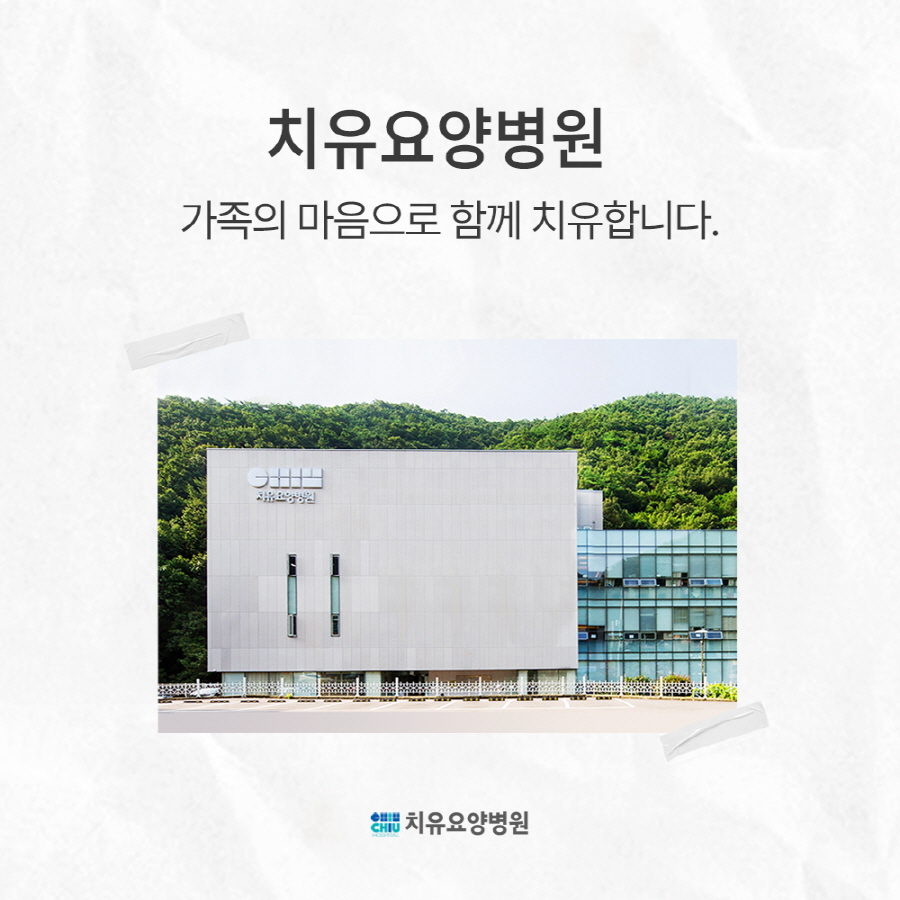
For women in Jeollanam-do receiving gynecologic cancer care at major hospitals, it is possible to continue surgery, chemotherapy, and radiation at your main cancer center while using a specialized convalescent hospital in Gwangju as a recovery base. Located near the entrance of Mudeungsan National Park, this hospital provides symptom management, rehabilitation to restore strength, and programs aimed at maintaining quality of life. Services include internal medicine care, an integrative approach combining Western and Korean medicine, nutritional support, and emotional support programs; adjunctive therapies such as hyperthermia may also be available. It is not a primary cancer treatment center but a partner that supports patients before, between, and after treatments at their main hospital.
Introduction: A recovery base for gynecologic cancer in Jeollanam-do
Being diagnosed with a gynecologic cancer such as cervical, endometrial, ovarian, or vulvar cancer is overwhelming. Many women in Jeollanam-do travel to large cancer centers or university hospitals for surgery, chemotherapy, and radiation. The treatment itself is demanding, and the travel and hospital stays can be exhausting for both patients and families.
Between these intensive treatments, there is often a gap. Some patients are discharged home while still very weak. Others worry about staying alone in case a problem arises. Family members may want to help but feel unsure how to manage nausea, poor appetite, insomnia, or mood changes.
A convalescent hospital in Gwangju, located near the entrance of Mudeungsan National Park, offers an alternative. It serves as a recovery and supportive care base for gynecologic cancer patients from Jeollanam-do and the wider Honam region. Here, the focus is on safe monitoring, symptom relief, and gradual recovery, not on performing cancer surgery or chemotherapy.
Why recovery and supportive care matter in gynecologic cancer
Gynecologic cancer treatment is rarely a single event. It is usually a journey that includes surgery, chemotherapy, radiation, hormone therapy, or a combination of these. Each step can leave the body and mind tired.
Common difficulties include severe fatigue, nausea and vomiting, constipation or diarrhea, neuropathy in the hands and feet, sleep disturbance, hot flashes, anxiety, and depressed mood. Many women also face changes in body image, early menopause, or loss of fertility, which can be emotionally heavy.
Supportive care aims to make this journey more manageable. It does not replace surgery, chemotherapy, or radiation. Instead, it helps you tolerate those treatments better, maintain strength, and preserve as much daily quality of life as possible. For many patients, having a structured place to rest and recover between hospital visits makes it easier to continue treatment without giving up.
Who may consider this convalescent hospital
This convalescent hospital in Gwangju is suitable for women with gynecologic cancers who:
- Need focused recovery after surgery, chemotherapy, or radiation and are too weak to go straight home.
- Are experiencing side effects such as fatigue, nausea, digestive problems, neuropathy, insomnia, anxiety, or low mood.
- Need a safe place to stay between treatment cycles at large hospitals in Jeollanam-do or Gwangju.
- Do not need intensive care unit–level treatment but want professional monitoring instead of staying alone at home.
- Have older age or chronic conditions such as hypertension, diabetes, or heart disease and want careful internal medicine management during recovery.
It can also ease the burden on family caregivers. Instead of trying to manage complex symptoms at home, families can share the responsibility with a medical team that understands cancer-related issues and can decide when to refer back to a tertiary hospital if needed.
Medical leadership and safety at this convalescent hospital
Many people worry that convalescent hospitals may have weak medical oversight or focus only on long-term stays. This hospital has a different structure.
Their clinical experience is intended to inform the hospital's approach to medical decision-making.
The medical staff includes a Western-trained internal medicine team and a Korean medicine director who work together. This combination allows more nuanced management of both cancer-related side effects and chronic conditions.
For gynecologic cancer patients, internal medicine expertise is especially important. Many patients are older or have other health problems such as high blood pressure, diabetes, or heart disease. Chemotherapy and radiation can affect blood counts, liver function, kidney function, digestion, and cardiovascular status. Having experienced internists on site supports reliable monitoring and timely decisions about when to adjust medications, when to perform tests, and when to transfer back to a tertiary hospital.
Role as a partner to tertiary cancer centers
This convalescent hospital does not perform cancer surgery, chemotherapy, or radiation. Those treatments are usually done at tertiary hospitals such as large cancer centers or university hospitals, including facilities in Hwasun and other parts of the region.
Instead, the hospital functions as a recovery and supportive care base before, between, and after those treatments. For example, a woman may have surgery at a university hospital, then transfer to this convalescent hospital for a defined recovery period before going home. Another patient may receive chemotherapy at a cancer center, then stay here between cycles to manage side effects and maintain strength.
For gynecologic cancer patients in Jeollanam-do, this can be particularly helpful. You can receive advanced cancer treatment at your main hospital while recovering in a quieter, nature-rich environment near Mudeungsan, still within the Gwangju–Jeonnam medical network. The goal is cooperation, not competition, with tertiary hospitals.
Main programs for gynecologic cancer patients
Inpatient cancer recovery care
Inpatient care is designed for patients who need more than outpatient visits but do not require intensive care. The focus is on rest, symptom control, nutritional support, and gentle physical activity.
During an inpatient stay, internal medicine specialists regularly monitor your condition. They review vital signs, lab results when needed, and the course of your symptoms. This helps identify issues such as dehydration, infection, or worsening chronic diseases early.
The hospital is not a hospice-only facility. It also serves patients who are in active treatment and want to maintain or regain strength so that they can continue chemotherapy or radiation at their main hospital. The aim is to support treatment continuity and daily comfort, not to signal that treatment is ending.
Two-week short-term admission program
The hospital offers a reservation-based two-week short-term admission option for patients seeking a focused recovery period. Availability and specific terms may vary; confirm program details, eligibility, and booking with the hospital in advance.
The two-week model is suitable for patients who want a defined recovery period after surgery or a chemotherapy cycle. Typical situations for gynecologic cancer patients include:
- Immediately after discharge from a tertiary hospital, before returning home.
- During a break between chemotherapy cycles, to recover strength and manage side effects.
- When family caregivers are temporarily unable to provide full-time care at home.
The program is reservation-based, allowing you to plan admissions around your treatment schedule. For example, you might schedule chemotherapy at your main hospital, then reserve a two-week stay here starting the day after discharge. This predictability can reduce stress for both patients and families.
Outpatient day treatment programs
For women who live in or near Gwangju and do not need inpatient care, the hospital offers outpatient options. You can visit during the day for specific supportive treatments and then return home.
Outpatient services may include high-frequency hyperthermia sessions, Korean medicine treatments such as acupuncture or moxibustion, and nutritional counseling. This can be useful for patients who are relatively stable but still need structured support to manage side effects, maintain appetite, and cope with fatigue.
High-frequency hyperthermia (adjunctive therapy — discuss with your oncologist)
High-frequency hyperthermia is one of the hospital’s supportive treatments. In simple terms, it uses high-frequency energy to gently raise the temperature of certain body regions or the whole body within a safe range.
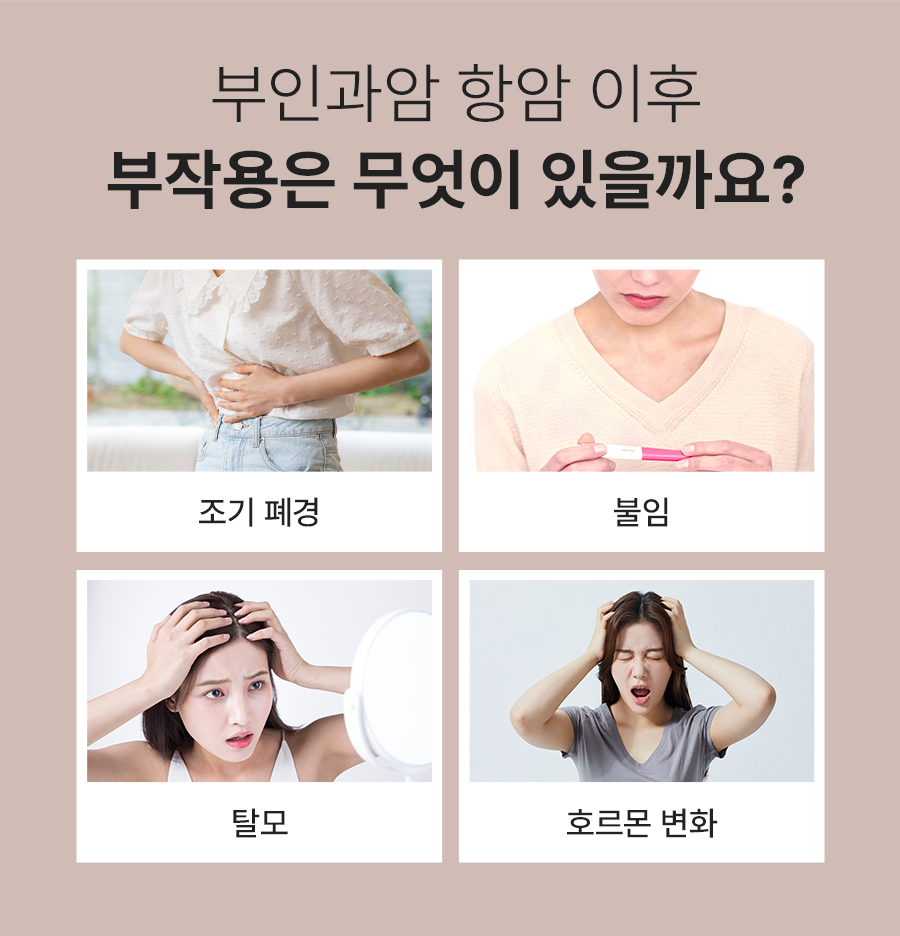
Some patients also report feeling a sense of warmth and relaxation during sessions.
The hospital provides educational video content about high-frequency hyperthermia, so patients and families can see how the equipment is used, what a session looks like, and what to expect in terms of duration and sensations. This transparency can help reduce anxiety before trying a new therapy.
Coordinated Western and Korean medicine
A distinctive aspect of this hospital is the coordinated use of Western internal medicine and Korean medicine. The two approaches are not used in isolation, but in communication with each other.
Western medicine focuses on monitoring vital signs, managing chronic diseases, adjusting medications, interpreting lab results, and responding to acute problems such as infections or severe side effects.
Korean medicine approaches may include acupuncture, moxibustion, herbal prescriptions, and other traditional methods. For gynecologic cancer patients, these may help with pain, neuropathy, hot flashes, digestive discomfort, insomnia, and anxiety. They may also support appetite and energy levels.
Because internal medicine specialists and the Korean medicine director work together, they can pay attention to safety and interactions, especially for patients on chemotherapy or multiple medications. This coordinated approach aims to provide symptom relief without conflicting with your main cancer treatment plan.
Nutritional and anti-cancer diet therapy
Nutrition is a major concern for many gynecologic cancer patients. Poor appetite, taste changes, nausea, and digestive issues can make eating difficult. Families often feel unsure what foods are appropriate.
The site regularly posts menus over time, reflecting the hospital's effort to provide transparency about patient meals.
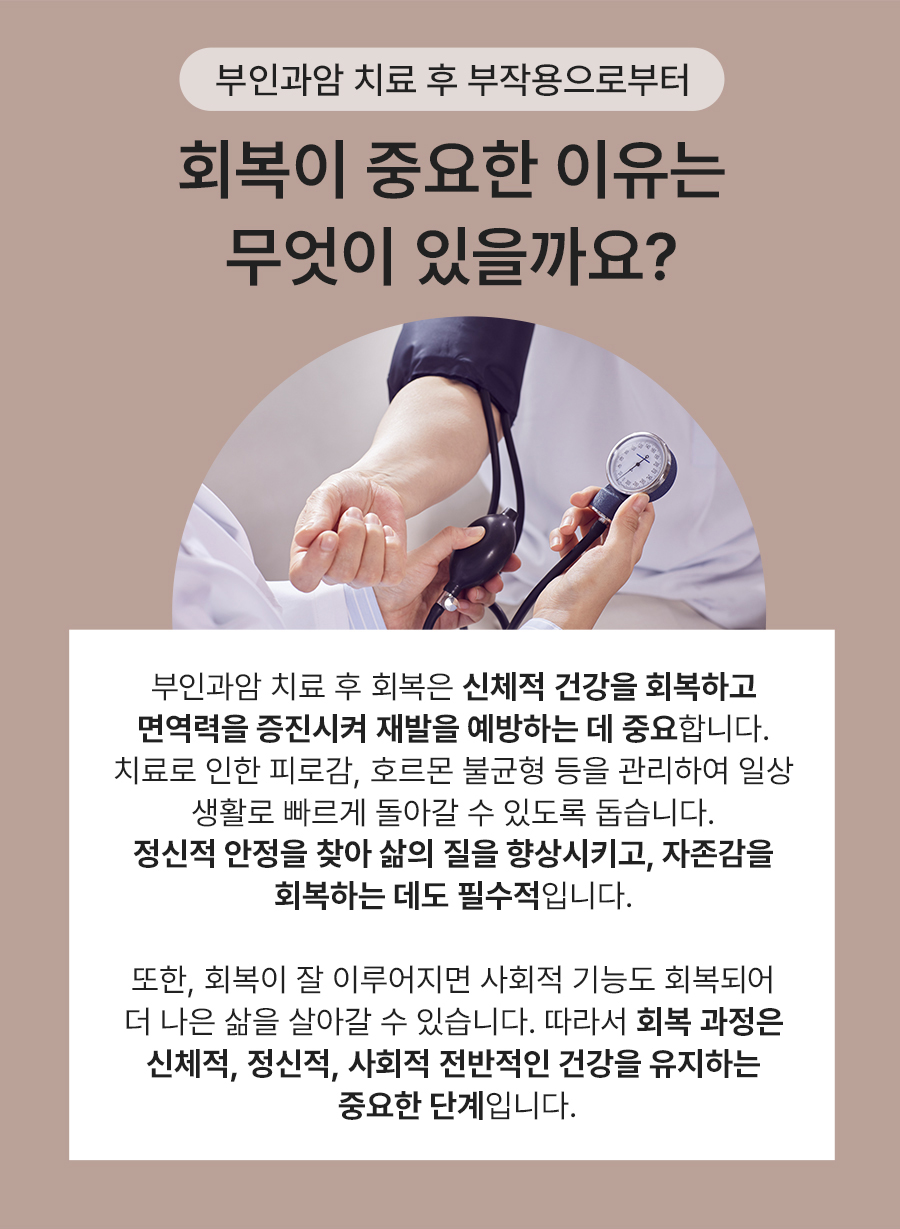
The general principles of the diet include balanced meals with adequate protein, a variety of vegetables, and whole foods. Meals are adjusted as much as possible to individual tolerances during and after chemotherapy. The aim is to support immune function, maintain body weight and muscle mass, and make eating a more pleasant experience.
For international patients, this can also be an opportunity to experience Korean-style meals adapted for cancer recovery, with clear information about ingredients and preparation.
Emotional and environmental healing
Location is part of the treatment environment. This convalescent hospital is situated near the entrance of Mudeungsan National Park, with clean air, forest paths, and a mountain stream atmosphere.
Patients can walk on nearby trails suitable for gentle exercise, which can help with mood, sleep, and physical recovery. Even short daily walks in a quiet natural setting can provide a sense of calm and control during a difficult time.
Inside the hospital, there are quiet spaces for rest and reflection. Programs such as poetry exhibitions or other cultural activities are held to provide emotional comfort and mental stimulation.
For women with gynecologic cancers, who may be dealing with body image changes, early menopause, or fertility loss, this kind of environment can be especially meaningful. A calm, nature-rich setting combined with gentle cultural programs can help patients process their emotions and gradually regain a sense of self.
Online consultation and pre-visit preparation for overseas patients
If you are considering coming from overseas to Korea for gynecologic cancer treatment and recovery, it is important to understand the role of this hospital. Chiu Convalescent Hospital is not where you would receive your main cancer surgery or chemotherapy. Instead, it can serve as your recovery base before, between, or after treatments at a tertiary cancer center in Korea.
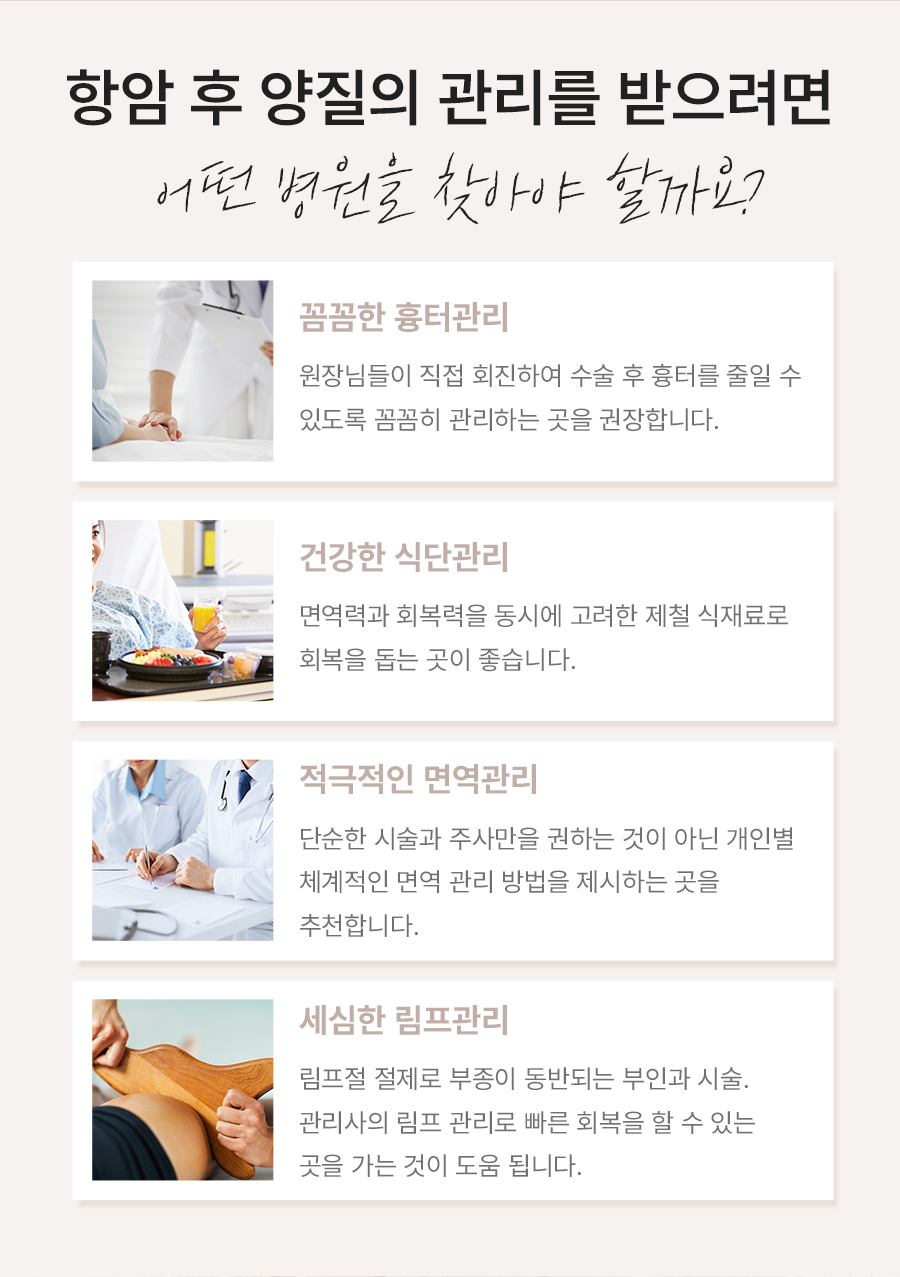
Before you travel, an online consultation is recommended. During this process, you can:
- Share your diagnosis, staging, and treatment plan from your home country.
- Clarify whether you plan to receive primary cancer treatment in Korea, and if so, at which tertiary hospital.
- Discuss whether you need inpatient recovery, a two-week short-term stay, or mainly outpatient supportive care.
- Ask about available programs such as hyperthermia, Korean medicine, and nutritional support.
To prepare, gather the following documents and information:
- Recent medical reports including pathology results, imaging summaries, and treatment records.
- A medication list, including doses and any supplements or herbal products you are taking.
- Information about allergies and past medical history, especially heart disease, diabetes, or kidney problems.
- Contact details for your primary oncologist or gynecologic cancer specialist in your home country.
Sending these documents in advance helps the medical team understand your situation and coordinate with tertiary hospitals in Korea if needed.
Expected Korea visit timeline for recovery support
Your exact timeline will depend on whether you are also receiving primary treatment in Korea, but a typical pattern for overseas patients using this hospital as a recovery base might look like this:
- Arrival and initial assessment: After arriving in Korea, you visit your main cancer center or gynecologic oncology department for evaluation and treatment planning. Once your primary treatment schedule is set, you come to the convalescent hospital for an initial assessment by the internal medicine team and Korean medicine director.
- Primary treatment phase: You undergo surgery, chemotherapy, or radiation at the tertiary hospital. The convalescent hospital team stays informed about your treatment dates and expected side effects.
- Recovery stay: After discharge from the tertiary hospital, you transfer to the convalescent hospital for a planned period, often around two weeks, depending on your condition. During this time, you receive symptom management, nutritional support, and integrative therapies.
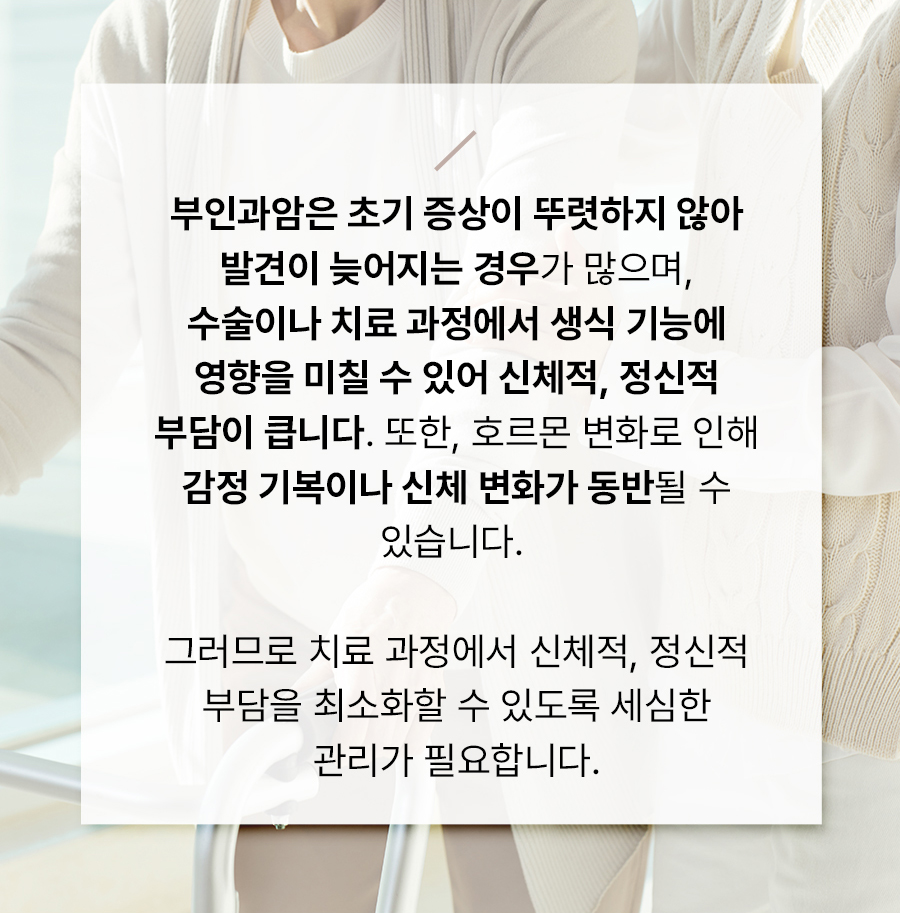
- Follow-up and adjustment: Based on your response, the team may suggest additional short stays between chemotherapy cycles or outpatient visits for hyperthermia, acupuncture, or nutritional counseling.
- Return home: Before you return to your home country, the hospital can prepare a summary of your recovery course and supportive treatments, which you can share with your local oncologist.
Aftercare and ongoing support
After you leave the hospital, whether to go home within Korea or abroad, ongoing care remains important. The hospital encourages patients to:
- Continue follow-up with their main oncologist or gynecologic cancer specialist.
- Maintain a balanced diet and gentle physical activity as tolerated.
- Monitor for new or worsening symptoms and seek medical advice promptly.
For overseas patients, some follow-up can be done through online consultations, focusing on lifestyle, nutrition, and symptom questions. However, any decisions about changing cancer treatment should be made with your primary oncologist.
Practical information for patients and families
The hospital is located in Gwangju, at the foot of Mudeungsan National Park, near a major bus stop and with parking available. This makes it accessible for patients coming from various parts of Jeollanam-do who want both a nature-friendly environment and access to the city’s medical network.
Weekday and Saturday clinic hours are available, with closure on Sundays and public holidays. For exact times, it is best to check directly with the hospital.
You can make inquiries and reservations by telephone or through a messaging app channel. The hospital also maintains an online blog and video channels where you can view program details, information about short-term admissions, and daily meal photos from the anti-cancer diet program.
How to choose a recovery hospital for gynecologic cancer in Jeollanam-do
When comparing convalescent hospitals in Jeollanam-do or Gwangju, consider the following points:
- Medical staff background: Check whether there are internal medicine specialists with experience at tertiary hospitals and whether the leadership has strong clinical experience.
- Experience with cancer patients: Ask if the hospital has structured programs for cancer recovery, not only general elderly care.
- Transparency: Look for open information about meals, daily schedules, and treatment programs. Regularly updated menus and program descriptions are good signs.
- Cooperation with tertiary hospitals: Confirm that the hospital is used to working with major cancer centers and university hospitals and understands referral procedures.
- Environment: Consider access to nature, quiet surroundings, and safe walking paths. For many patients, a calm environment supports emotional recovery.
- Flexibility: Ask whether short-term admission and outpatient options are available, not just long-term stays. A clear two-week program can be very practical.
This convalescent hospital near Mudeungsan is one example that meets many of these criteria, especially in terms of medical leadership, integrative programs, and transparency. However, every patient’s situation is different, and it is important to discuss options with your medical team.
FAQ
Can this hospital replace my main cancer hospital for gynecologic cancer treatment?
No. This convalescent hospital does not replace your main cancer hospital. Surgery, chemotherapy, and radiation for gynecologic cancers are usually performed at tertiary hospitals such as large cancer centers and university hospitals. The role of this hospital is to support you before, between, and after those treatments by focusing on recovery, symptom relief, and quality of life.
Is high-frequency hyperthermia a cure for gynecologic cancer?
High-frequency hyperthermia is not a stand-alone cure for gynecologic cancer. It is used as a supportive therapy that may help improve blood flow, support immune function, and potentially enhance the effect of standard treatments when used together. It should always be considered an adjunct to, not a replacement for, surgery, chemotherapy, or radiation recommended by your oncologist.
Can I stay for only two weeks, or do I have to be admitted long term?
You can stay for only two weeks. The hospital offers a reservation-based two-week short-term admission program specifically designed for patients who want a defined recovery period. Longer stays are possible if needed, but there is no requirement for long-term admission. Many gynecologic cancer patients use the two-week model after surgery or between chemotherapy cycles.
Is this hospital suitable for international patients coming to Korea?
Yes, international patients can use this hospital as a recovery and supportive care base, especially if they are receiving primary cancer treatment at a tertiary hospital in Korea. However, it is important to understand that this is not a primary cancer treatment center. Overseas patients should arrange an online consultation in advance, share their medical records, and coordinate with both their home-country oncologist and the Korean cancer center where they plan to receive surgery or chemotherapy.
Soft call to action for online consultation
If you or a family member are facing gynecologic cancer and are looking for a safe, structured place to recover in Jeollanam-do or Gwangju, you do not have to make the decision alone. You can contact the hospital for an online consultation, share your current treatment plan, and discuss whether inpatient recovery, a two-week short-term stay, or outpatient programs would fit your situation.
By planning your recovery base as carefully as your main cancer treatment, you can support your body and mind through each step of the journey and give yourself more space to focus on healing day by day.


댓글
댓글 쓰기