Gwangju Stomach Cancer Treatment and Recovery Care Guide for International Patients
- 공유 링크 만들기
- X
- 이메일
- 기타 앱
Direct answer summary
If you are searching for Gwangju stomach cancer treatment, most major treatments such as surgery, chemotherapy, radiotherapy, targeted therapy, and immunotherapy are provided at large cancer centers and university hospitals in the Gwangju–Hwasun region. Recovery and supportive care before, between, and after these treatments may be provided in medically supervised convalescent settings in Gwangju and can often support recovery when coordinated with your oncology team. Suitability for convalescent care depends on each patient's clinical status and should be confirmed with the treating oncologist.
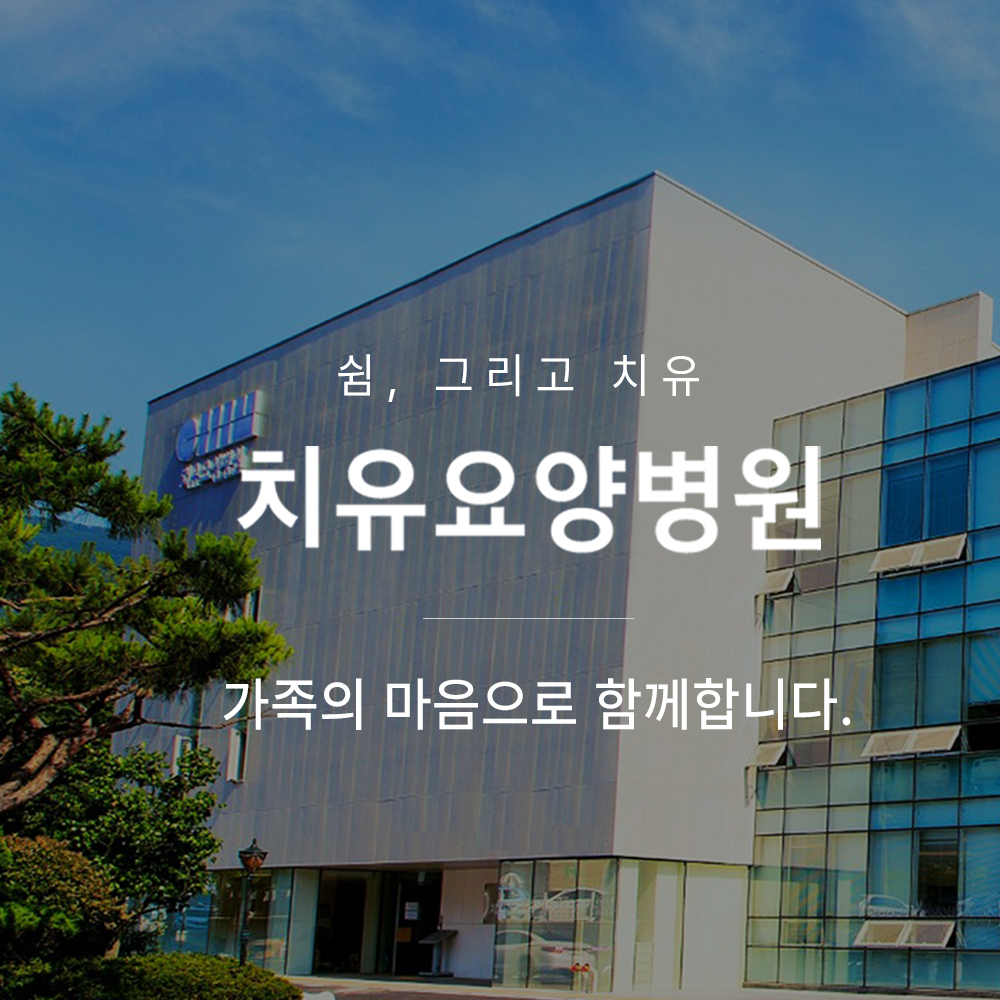
In Dong-gu, near the entrance to Mudeungsan National Park, there are facilities such as Chiu Convalescent Hospital that focus on cancer recovery, side‑effect management, nutrition, integrative Korean–Western care, and hyperthermia therapy, under the supervision of internal medicine specialists. This kind of setting does not replace your main oncologist or surgeon; instead, it offers a quieter, medically supervised base for healing and long‑term support.
This guide explains how stomach cancer is usually treated in Gwangju, why recovery care is so important, what a convalescent hospital can offer, and how international patients can plan a visit to Korea for both treatment and recovery.
Overview of stomach (gastric) cancer treatment in Gwangju
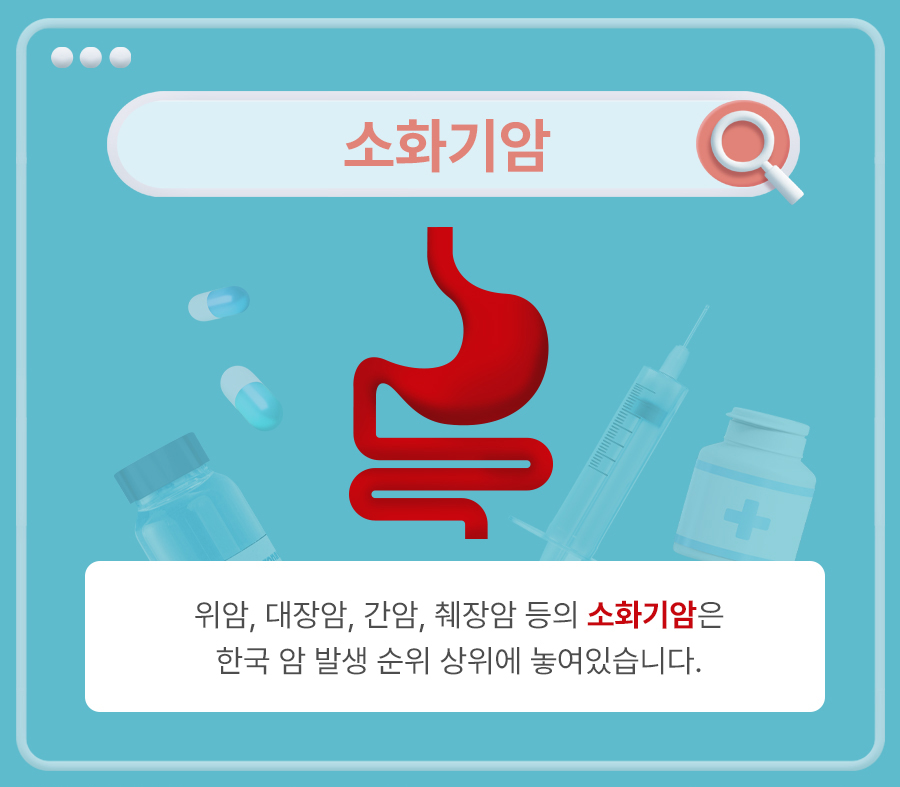
Stomach, or gastric, cancer is a digestive cancer that starts in the lining of the stomach. Many patients first notice vague symptoms such as indigestion, discomfort in the upper abdomen, feeling full quickly, loss of appetite, weight loss, anemia, or fatigue. Because these signs are non‑specific, diagnosis often requires endoscopy and biopsy.
In Korea, including Gwangju, stomach cancer treatment follows international guidelines. For very early cancers limited to the inner layers of the stomach, endoscopic resection may be possible. This is done at tertiary hospitals with experienced endoscopy teams.
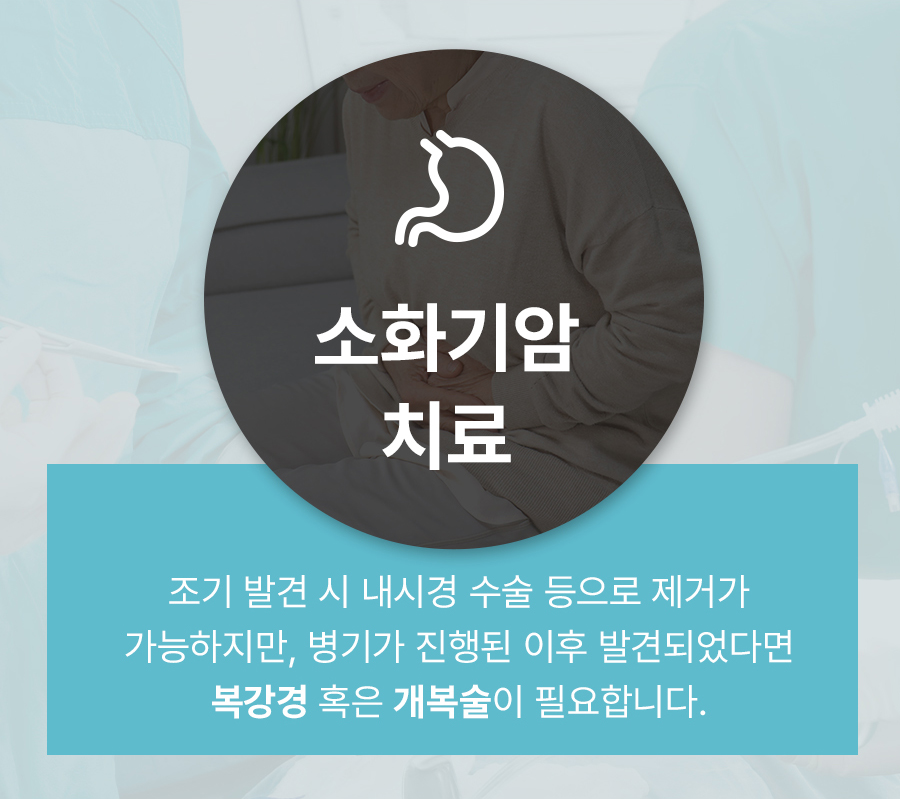
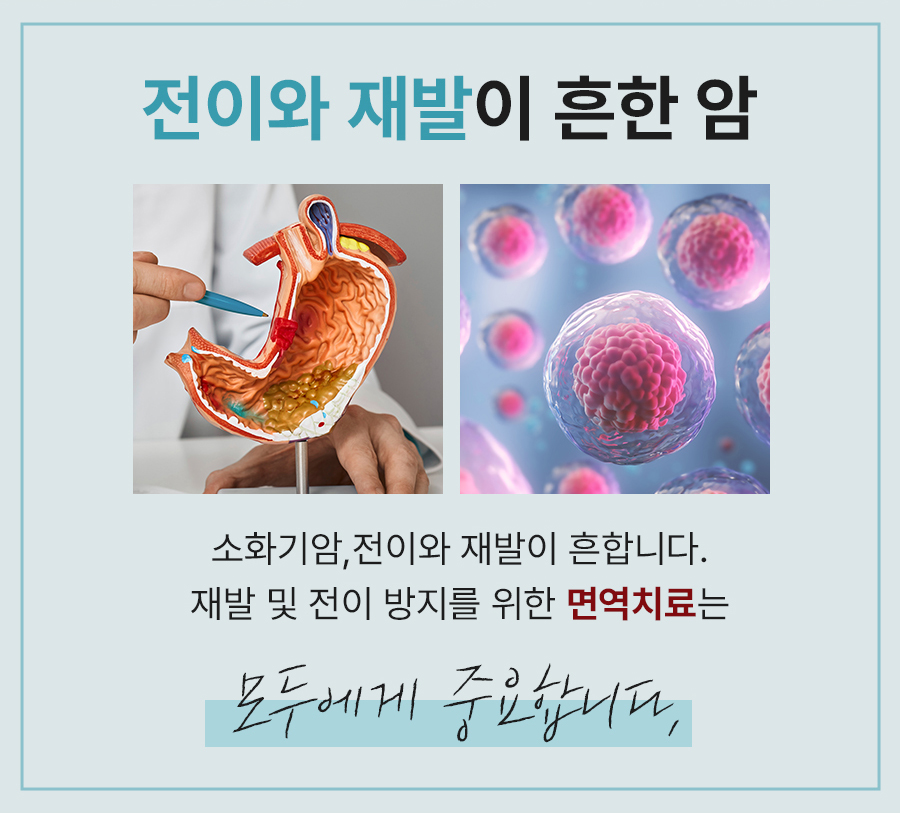
For more advanced but still operable disease, surgery is usually the main curative treatment. This may be a partial gastrectomy, where part of the stomach is removed, or a total gastrectomy, where the whole stomach is removed, often with lymph node dissection. After surgery, many patients receive adjuvant chemotherapy to reduce the risk of recurrence. For advanced or metastatic disease, chemotherapy, targeted therapy, and immunotherapy may be used with palliative intent, sometimes combined with radiotherapy.
In the Gwangju–Hwasun area, these treatments are typically provided at large university hospitals and cancer centers. These centers have specialized gastric cancer surgeons and oncology teams. Convalescent hospitals, by contrast, focus on recovery, symptom control, and quality of life around these main treatments.
Why recovery and supportive care matter in stomach cancer
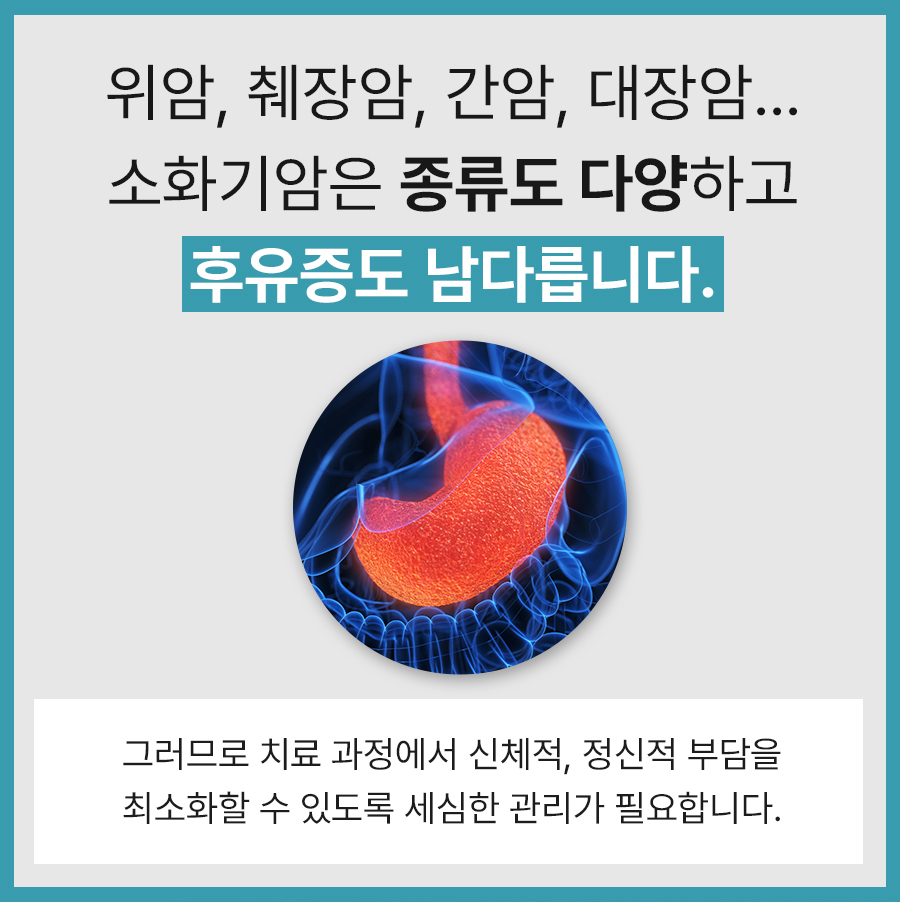
Stomach cancer treatment is often physically and emotionally demanding. Even when surgery and chemotherapy go well, patients can experience significant side effects and functional changes.
After stomach cancer surgery, common issues include pain, poor appetite, early satiety, reflux, dumping syndrome, nausea, diarrhea, constipation, weight loss, and nutritional deficiencies such as low iron or vitamin B12. Many patients feel weak, dizzy, or fatigued when trying to walk or eat. Emotional distress, anxiety about recurrence, and sleep problems are also frequent.
Chemotherapy can add further side effects: nausea and vomiting, diarrhea or constipation, neuropathy in the hands and feet, low blood counts, increased infection risk, and general weakness. These problems may continue even during breaks between chemotherapy cycles.
Structured recovery care in a calm environment can help patients and families cope with these challenges. In a specialized convalescent hospital, staff can monitor for complications, adjust medications, support nutrition, guide safe physical activity, and provide emotional support. Close communication with the main oncology team ensures that any worrying change is addressed quickly.
What a convalescent hospital in Gwangju can do for stomach cancer patients
In the Korean medical system, a convalescent hospital is a medical facility designed for medium‑ to long‑term care, rehabilitation, and symptom management. For stomach cancer patients, it can serve as a bridge between intensive treatment at a tertiary hospital and daily life at home.
Some convalescent hospitals in Gwangju are organized specifically around cancer care. They admit patients who have just undergone surgery, are between chemotherapy cycles, or have completed active treatment but still need monitoring and support. These hospitals can provide regular doctor visits, nursing care, lab tests, and symptom management in a quieter setting than a large cancer center.
For patients treated at major hospitals in Gwangju or Hwasun, transferring to a nearby convalescent hospital can reduce travel time and allow family members to visit more easily. It also offers a stable base for international patients who may not have local relatives in Korea. The goal is not to replace oncologists or surgeons but to extend their care into daily life.
Internal medicine specialists and medical leadership
Families often worry that convalescent hospitals may offer only basic care. In some facilities near Mudeungsan National Park, however, internal medicine specialists with university hospital leadership backgrounds oversee patient management. At Chiu Convalescent Hospital, for example,
This level of medical leadership is unusual for a convalescent hospital and can reassure patients who have complex conditions. Experienced internal medicine specialists can carefully monitor post‑surgical status, including vital signs, lab tests, and nutritional markers. They can also manage chronic illnesses such as diabetes, hypertension, or heart disease, which may affect how well a patient tolerates chemotherapy or recovers from surgery.
Importantly, these doctors can assess when symptoms require urgent transfer back to a tertiary hospital. The hospital's website displays logos of tertiary centers such as Samsung Medical Center, Chosun University Hospital, Chonnam National University Hospital, Hwasun Chonnam National University Hospital, and Bundang Seoul National University Hospital; Chiu Convalescent Hospital can assist with referrals or arranging transfers to higher‑level hospitals when needed. These arrangements are intended to support continuity of care and help maintain a consistent treatment plan under the supervision of the treating oncology team.
Integrative Korean–Western supportive care for gastric cancer
Integrative care means combining evidence‑based Western medicine with carefully selected traditional Korean medicine techniques to support symptom relief and quality of life. For stomach cancer patients, this approach can be especially helpful during recovery.
Under medical supervision, treatments such as acupuncture, moxibustion, cupping, and herbal medicine may be used to ease symptoms like nausea, vomiting, neuropathy, insomnia, anxiety, and digestive discomfort. Some patients find that acupuncture helps with chemotherapy‑related nausea or nerve pain, while gentle moxibustion may support warmth and circulation.
Herbal medicine must be used with particular caution in cancer patients. It should only be prescribed by qualified practitioners who understand potential interactions with chemotherapy, targeted drugs, and other medications. In a coordinated program, the oriental medicine director works closely with internal medicine specialists to adjust formulas, avoid harmful combinations, and time treatments appropriately around chemotherapy cycles.
It is important to understand that these integrative methods are supportive. They are not a cure for stomach cancer and should never replace surgery, chemotherapy, or other standard treatments recommended by your oncologist. Instead, they aim to help you feel more comfortable and maintain strength during and after treatment.
Hyperthermia therapy in stomach cancer care
Radiofrequency hyperthermia is a supportive treatment that uses controlled heat to target tumor areas or the whole body. Special equipment delivers radiofrequency energy to raise the temperature of tissues in a precise, monitored way. The idea is that mild heating may improve blood flow, enhance drug delivery, and support symptom control.
For stomach cancer patients, hyperthermia is sometimes used as an adjunct to chemotherapy or radiotherapy, not as a stand‑alone treatment. In a convalescent hospital setting, it may be offered to patients who have completed or are between chemotherapy cycles, with the approval of their main oncology team.
Current evidence suggests that hyperthermia may help some patients, but it is not a guaranteed or universal solution. It should always be performed with proper medical supervision and equipment, and in close communication with the hospital that is directing your cancer treatment. Before starting hyperthermia, international patients should share their full medical records and chemotherapy schedule so that the team can decide if and when it is appropriate.
Nutrition and therapeutic meals after stomach cancer treatment
Nutrition is one of the central issues after stomach cancer surgery. With a smaller or absent stomach, food passes more quickly into the small intestine, and digestion changes significantly. Patients are at risk of deficiencies in iron, vitamin B12, folate, and other nutrients. Rapid shifts in blood sugar can cause dumping syndrome, with symptoms such as sweating, dizziness, palpitations, and diarrhea after meals.
A stomach cancer recovery diet usually focuses on small, frequent meals rather than three large meals a day. Soft, easily digestible foods are preferred, especially in the early weeks after surgery. Adequate protein is essential for wound healing and maintaining muscle mass, so meals often include fish, eggs, tofu, lean meat, or dairy products, adjusted to each patient’s tolerance.
Sugar and high‑fat foods must be managed carefully to reduce dumping symptoms and reflux. Drinking large amounts of fluid with meals is often discouraged; instead, patients may be advised to sip liquids between meals.
Some specialized convalescent hospitals in Gwangju prepare therapeutic meals designed specifically for cancer patients. They may publish daily menus and photos of meals to show families the quality, portion size, and balance of nutrition. Dietitians or experienced staff can adjust meals based on each patient’s weight, lab results, appetite, and side effects. For international patients, staff can also explain which dishes are mild and suitable for sensitive digestion.
Healing environment and emotional support near Mudeungsan
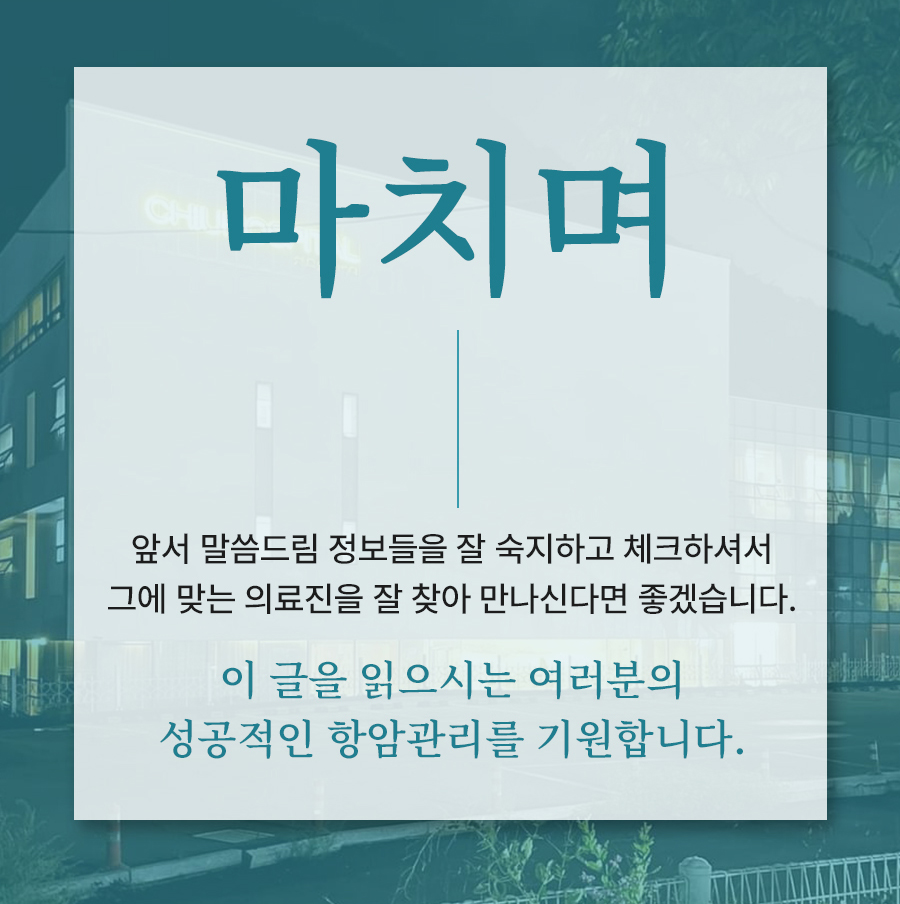
Environment plays a powerful role in recovery. The entrance area of Mudeungsan National Park in Dong‑gu, Gwangju, offers clean air, forest scenery, and a quieter atmosphere compared to busy city centers. For stomach cancer patients, gentle walks along forest trails or beside valley streams can help rebuild stamina, improve appetite, and support sleep.
Convalescent hospitals in this area often encourage patients to use nearby walking paths as part of their rehabilitation, always within safe limits and under guidance. Even short, slow walks can make a difference in mood and circulation.
Emotional support is just as important as physical care. Some facilities organize healing programs such as small group activities, art or poetry displays, music, or relaxation sessions. These programs give patients and families a way to express feelings, share experiences, and maintain hope during a challenging time. For international patients, staff may be able to provide basic English support or help arrange interpretation; please confirm available language services during your online consultation.
Short‑term admission and outpatient options
Many people think of convalescent hospitals only as long‑term facilities, but some in Gwangju now offer flexible models tailored to cancer patients. One example is a two‑week short‑term admission program. In this model, a patient might transfer from a tertiary hospital soon after surgery for an intensive recovery period focused on nutrition, pain control, physical conditioning, and emotional support.
After chemotherapy cycles, a similar short stay can help stabilize side effects, adjust medications, and rebuild strength before the next treatment. For patients who live in or near Gwangju, outpatient programs are another option. They can visit regularly for hyperthermia sessions, integrative treatments, or nutritional counseling without full admission.
This flexibility is especially useful for stomach cancer patients who want structured support but do not need or desire long‑term hospitalization. International patients may combine a short inpatient stay with follow‑up outpatient visits during their time in Korea.
Cooperation with tertiary hospitals in and around Gwangju
Effective cooperation with major cancer centers is essential for safe stomach cancer care. When a convalescent hospital maintains close relationships with university hospitals and national cancer centers, it becomes easier to share medical records, imaging results, and treatment plans.
In practice, this means that your recovery team can quickly contact your surgeon or oncologist if new symptoms appear. If you need follow‑up imaging, endoscopy, or a change in chemotherapy, the convalescent hospital can help arrange appointments and transfers. In emergencies, a clear pathway for rapid transfer to a higher‑level hospital is critical.
Some convalescent hospitals in Gwangju cooperate with large centers in both the Gwangju–Hwasun region and the Seoul area. This network can be particularly valuable for international patients who may receive initial treatment at a famous center in Seoul and then prefer to recover in a calmer environment in Gwangju.
Who may consider Gwangju for stomach cancer treatment and recovery
International patients might consider Gwangju if they are planning to undergo stomach cancer surgery or chemotherapy in Korea and want a quieter place for recovery, or if they have already completed major treatment elsewhere and are looking for structured rehabilitation and integrative care.
Patients with early‑stage stomach cancer may spend less time in a convalescent setting, focusing mainly on diet adjustment and gradual return to activity. Those with more advanced disease or ongoing chemotherapy may benefit from longer or repeated stays to manage symptoms and maintain quality of life.
Patients with additional health issues such as diabetes, heart disease, or kidney problems may also find value in having internal medicine specialists oversee their recovery in coordination with their oncology team.
Online consultation and pre‑visit preparation
Before traveling to Korea, it is wise to arrange an online consultation with the hospital or convalescent facility you are considering. Many centers can review your medical records in advance and propose a tentative plan.
To prepare, gather the following documents in English if possible: pathology reports, endoscopy reports, imaging results, operation notes, chemotherapy regimens and dates, current medication list, allergy information, and a summary letter from your oncologist. Having these ready will help the Korean team understand your situation quickly.
During the online consultation, you can discuss whether you are a candidate for surgery or other treatments in Korea, how long you may need to stay, what kind of recovery support is available, and estimated timelines. You can also ask about language support, accommodation options for family, and costs.
Expected Korea visit timeline for stomach cancer care
The exact timeline depends on your diagnosis and treatment plan, but a typical pathway for an international stomach cancer patient might look like this:
Arrival and initial evaluation: 3 to 7 days for consultations, repeat imaging or endoscopy if needed, and finalizing the treatment plan at a tertiary hospital.
Surgery and acute hospital stay: about 7 to 14 days in the main cancer center, depending on the complexity of surgery and early recovery.
Transfer to convalescent hospital: 2 to 4 weeks of focused recovery in a facility near Mudeungsan, with therapeutic meals, physical rehabilitation, integrative care, and close monitoring.
Chemotherapy cycles: if adjuvant chemotherapy is planned, you may return to the tertiary hospital for each cycle and stay at the convalescent hospital between cycles, or receive day‑care chemotherapy while staying in Gwangju.
Follow‑up and return home: after completing the main phase of treatment or a defined recovery period, you can return to your home country with a summary of care and recommendations for local follow‑up.
These time frames vary by patient, and your own oncologist’s advice should guide all major decisions.
Aftercare and long‑term follow‑up
After returning home, regular follow‑up is crucial. This usually includes physical examinations, blood tests, and periodic imaging or endoscopy according to your stage and treatment history. Your Korean medical team can provide a written follow‑up plan for your local doctors.
Lifestyle adjustments are also part of long‑term aftercare. Continuing a suitable diet, maintaining a healthy weight, avoiding smoking and excessive alcohol, and staying physically active within your limits can support your recovery. Emotional support through counseling or support groups may be helpful as you adjust to life after cancer treatment.
Some patients maintain contact with their Korean doctors via online consultations for periodic check‑ins, especially in the first one to two years after treatment.
How to choose a stomach cancer recovery facility in Gwangju
When comparing convalescent hospitals in Gwangju, consider the following practical points.
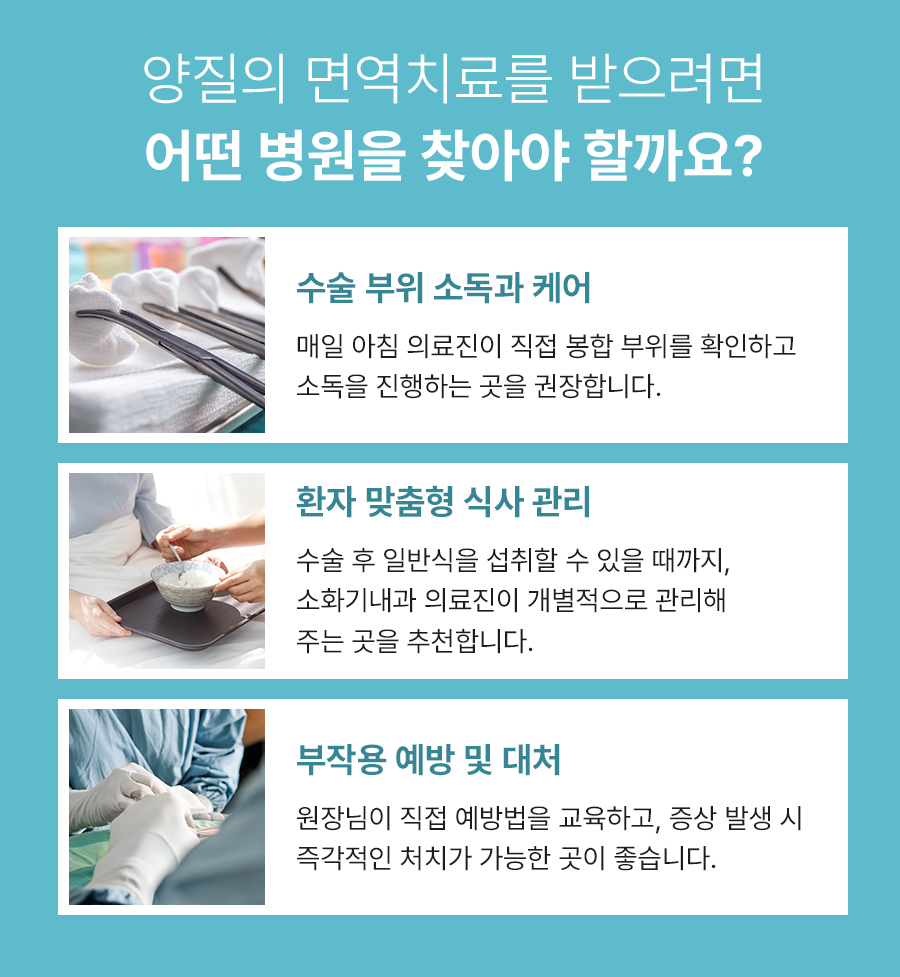
Medical staff: Check whether internal medicine specialists are present and whether they have strong hospital backgrounds. Ask about their experience with cancer and digestive cancer patients.
Cooperation and communication: Confirm that the facility cooperates with major cancer centers and has a clear process for emergency transfer. Ask how they share information with your main oncologist.
Programs and equipment: Look for structured cancer recovery programs such as short‑term admission and outpatient options. Ask if radiofrequency hyperthermia is available and how it is supervised.
Integrative care: If you are interested in Korean traditional medicine, ask whether acupuncture, moxibustion, cupping, and herbal medicine are offered in a coordinated way with Western medical care.
Nutrition: Request sample menus or photos of therapeutic meals. Ask how they adjust food for stomach cancer patients and how they handle allergies or special preferences.
Environment and support: Consider whether the location is quiet and suitable for rest and walking. Ask about emotional support programs, group activities, or cultural events.
Practical aspects: Check accessibility from main cancer hospitals in Gwangju and Hwasun, visiting policies for family, parking availability, and communication channels such as phone, email, or messaging apps.
Questions to ask your doctor before transferring to a convalescent hospital
Before moving from a tertiary cancer center to a convalescent hospital, it is helpful to discuss these questions with your surgeon or oncologist:
Is my current condition stable enough for transfer, and what specific things should the convalescent team monitor?
What are the main risks or complications I should watch for in the next few weeks?
How often should I return to the main hospital for follow‑up visits, imaging, or chemotherapy?
Are hyperthermia or integrative treatments appropriate in my case, and are there any therapies I should avoid?
Who should the convalescent hospital contact at the main center if my condition changes?
Safety, expectations, and when to seek urgent care
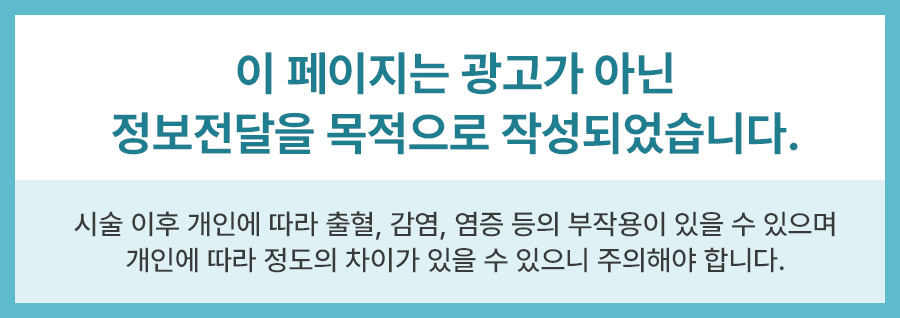
Convalescent and integrative care are supportive. They do not replace surgery, chemotherapy, radiotherapy, targeted therapy, or immunotherapy when these are recommended by your oncology team. Any additional therapy, including hyperthermia and herbal medicine, should be discussed with your main doctors.
While staying in a convalescent hospital or at home, certain warning signs require immediate hospital evaluation. These include high fever or chills, severe or worsening abdominal pain, persistent vomiting, inability to keep liquids down, black or bloody stools, sudden shortness of breath, chest pain, confusion, or rapid deterioration in general condition. In these situations, you should seek emergency care at a tertiary hospital without delay.
Frequently asked questions
Can I receive both stomach cancer surgery and recovery care in Gwangju?
Yes, many patients undergo surgery and chemotherapy at large university hospitals in the Gwangju–Hwasun region and then move to a nearby convalescent hospital for recovery. The exact combination depends on your diagnosis and your oncologist’s recommendations. It is important that your treatment and recovery teams communicate closely.
Is hyperthermia therapy safe for all stomach cancer patients?
Hyperthermia is not suitable for everyone. Its safety depends on your overall health, tumor location, prior treatments, and current medications. A thorough evaluation by internal medicine specialists and consultation with your oncologist are necessary before starting. Even when used, it should be considered a supportive option, not a primary treatment.
How long should I stay in a convalescent hospital after stomach cancer surgery?
The ideal length of stay varies. Some patients benefit from a two‑week intensive recovery program, while others may need a longer period, especially if they have significant weight loss, weakness, or other medical issues. Your surgical team and the convalescent hospital doctors can help you decide based on your progress.
Can my family stay nearby while I recover in Gwangju?
In the Dong‑gu area near Mudeungsan National Park, there are various accommodation options for family members, from guesthouses to small hotels. Many convalescent hospitals also have visiting areas and parking, making it easier for relatives to spend time with you. It is a good idea to ask the hospital for local accommodation recommendations before you travel.
Soft call to action for online consultation
If you are considering Gwangju for stomach cancer treatment and recovery, an online consultation can help you understand whether this approach fits your situation. By sharing your medical records in advance, you can receive guidance on possible treatment paths, recovery programs, and expected timelines.
Facilities such as Chiu Convalescent Hospital near Mudeungsan National Park work in cooperation with major cancer centers to support international patients. You can contact the hospital’s international or consultation desk to discuss your needs, language support, and practical arrangements. Careful planning with both your local oncologist and the Korean medical team will help you make safe, informed decisions about your stomach cancer journey.
- 공유 링크 만들기
- X
- 이메일
- 기타 앱


댓글
댓글 쓰기