Gwangju stomach cancer chemotherapy recovery and supportive care at Mudeungsan
If you or a family member is receiving chemotherapy for stomach cancer in or near Gwangju and you are looking for a safe, comfortable place to rest, Chiu Convalescent Hospital offers short-term inpatient and outpatient recovery programs. Patients continue their main treatment at tertiary cancer centers, while using this hospital as a recovery base for side-effect management, nutrition support, integrative Western–Korean medicine, and adjunctive hyperthermia therapy. Located at the entrance to Mudeungsan National Park in Dong-gu, Gwangju, near Jeungsimsa bus stop, it combines specialist-led medical care with a calm natural environment.
Overview of stomach cancer chemotherapy recovery in Gwangju
Many stomach cancer patients in the Gwangju region receive surgery, chemotherapy, or radiation at large hospitals such as Chosun University Hospital, Chonnam National University Hospital, Hwasun Chonnam National University Hospital, Samsung Medical Center, or Bundang Seoul National University Hospital. These centers focus on diagnosis and active cancer treatment.
However, the periods between chemotherapy cycles can be very challenging. Patients may struggle with nausea, loss of appetite, fatigue, insomnia, and anxiety. Families often feel that going straight home or staying in a general convalescent hospital does not provide enough specialist monitoring or structured support.
Chiu Convalescent Hospital is designed to fill this gap. It does not replace surgery or chemotherapy at major cancer centers. Instead, it serves as a medically supervised recovery base where internal medicine specialists and a Korean medicine director work together to help patients manage side effects, protect their general health, and regain strength.
Who this is for
This kind of supportive care is especially suitable for several groups of people.
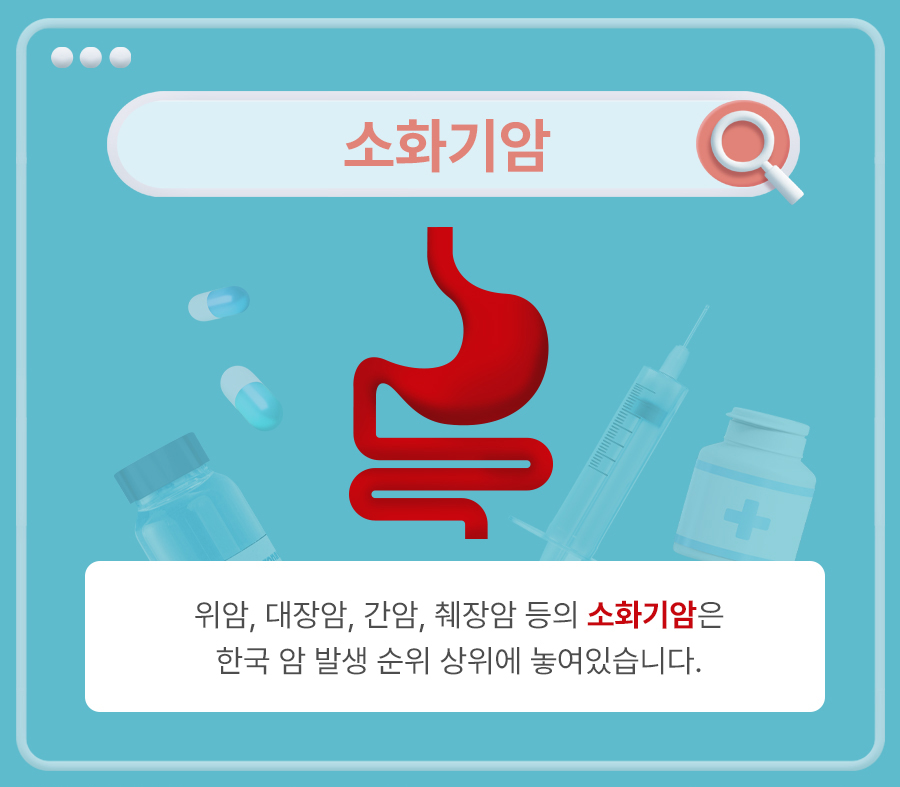
It is for patients with stomach cancer who are currently receiving or scheduled for chemotherapy at tertiary hospitals in or around Gwangju. Some patients travel long distances to reach centers such as Hwasun Chonnam National University Hospital, and commuting from home during chemotherapy cycles can be exhausting.
It is also for families who worry that general convalescent hospitals may not have enough internal medicine expertise to safely care for someone on chemotherapy. When blood counts are low or side effects are severe, families want the reassurance that experienced internal medicine specialists are overseeing the patient’s condition.
Patients who feel too weak to commute from home during chemotherapy cycles may choose a short inpatient stay in a healing environment. A defined two-week admission around a chemotherapy session can provide time for rest, nutrition support, and gradual recovery.
Finally, it is for people who want more than just a bed. Many families look for structured nutritional care, emotional support, gentle activity, and integrative therapies that can ease discomfort and improve quality of life.
Medical team and safety level
Chiu Convalescent Hospital is a cancer-focused convalescent hospital staffed by experienced internal medicine physicians. The facility emphasizes medical support for patients recovering from cancer treatment.
This background directly addresses a common concern: that convalescent hospitals may have lower medical standards than tertiary centers. Here, the medical team is used to managing complex internal medicine issues, monitoring patients on chemotherapy, and communicating with higher-level hospitals when needed.
In addition, pport where appropriate.
The role of this hospital is not to replace surgery, chemotherapy, or radiation at tertiary centers. Instead, it focuses on safe, medically supervised recovery and supportive care between or after those treatments, always respecting the treatment plan set by the main oncology team.
A recovery base connected to major cancer centers
Many patients at Chiu Convalescent Hospital receive their main cancer treatment at large hospitals such as Samsung Medical Center, Chosun University Hospital, Chonnam National University Hospital, Hwasun Chonnam National University Hospital, and Bundang Seoul National University Hospital.
For patients treated at Hwasun Chonnam National University Hospital and other Gwangju-region centers, this hospital can serve as a convenient nearby recovery base. After chemotherapy, instead of going straight home or staying in a general facility, patients can transfer here for a period of focused recovery.
Coordination with higher-level hospitals is arranged as needed to support continuity of care. Typically, a patient’s primary oncology team retains responsibility for the main treatment plan, while Chiu Convalescent Hospital provides daily care, symptom management, and communicates with the oncology team when concerns arise. Patients should confirm specific communication and transfer procedures with their cancer specialists and the hospital.
Programs for stomach cancer chemotherapy patients
Chiu Convalescent Hospital offers several program types designed specifically for patients undergoing chemotherapy for stomach cancer.
Inpatient cancer recovery care allows patients to be admitted for focused rest and monitoring during or after chemotherapy cycles. During admission, the team observes general condition, hydration, appetite, sleep, and bowel function, and provides supportive therapies as needed.
This breaks the stereotype that convalescent hospitals are only for long-term or end-of-life care. Patients can plan a two-week stay around a chemotherapy cycle to manage fatigue, appetite loss, and immune weakness, then return home if their condition allows.
For local patients who can safely stay at home, there is an outpatient program. Patients visit regularly for supportive treatments, consultations with internal medicine and Korean medicine, and adjunctive therapies such as hyperthermia. This is suitable for those who want structured support but do not need full admission.
All these programs are designed to work alongside, not instead of, hospital-based chemotherapy. The chemotherapy schedule and medication plan remain under the control of the tertiary hospital, while Chiu Convalescent Hospital focuses on day-to-day recovery.
Support for chemotherapy side effects and symptom control
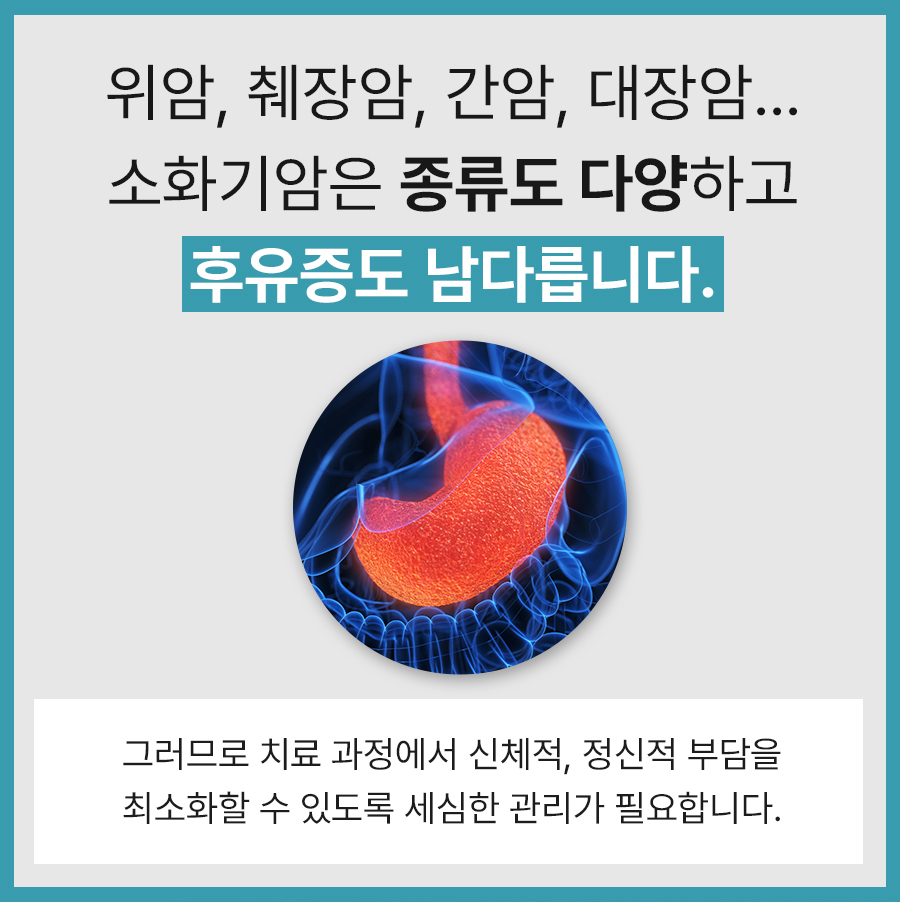
Stomach cancer chemotherapy commonly causes a range of physical and emotional symptoms. These may include nausea, vomiting, poor appetite, weight loss, diarrhea or constipation, abdominal discomfort, fatigue, insomnia, and anxiety.
Internal medicine specialists at Chiu Convalescent Hospital monitor vital signs such as blood pressure, pulse, and temperature, and review lab results when available from the main hospital. They pay close attention to hydration status, nutritional intake, and overall condition to catch deterioration early.
Symptom management is approached integratively. Medications can be used as needed for nausea, pain, bowel issues, or sleep. The hospital’s Korean medicine services may include therapies such as acupuncture, moxibustion, cupping, and individualized herbal prescriptions as supportive measures. Evidence for these modalities varies, and their use is individualized; patients should discuss potential benefits, risks, and possible interactions with their oncology team before starting complementary treatments.
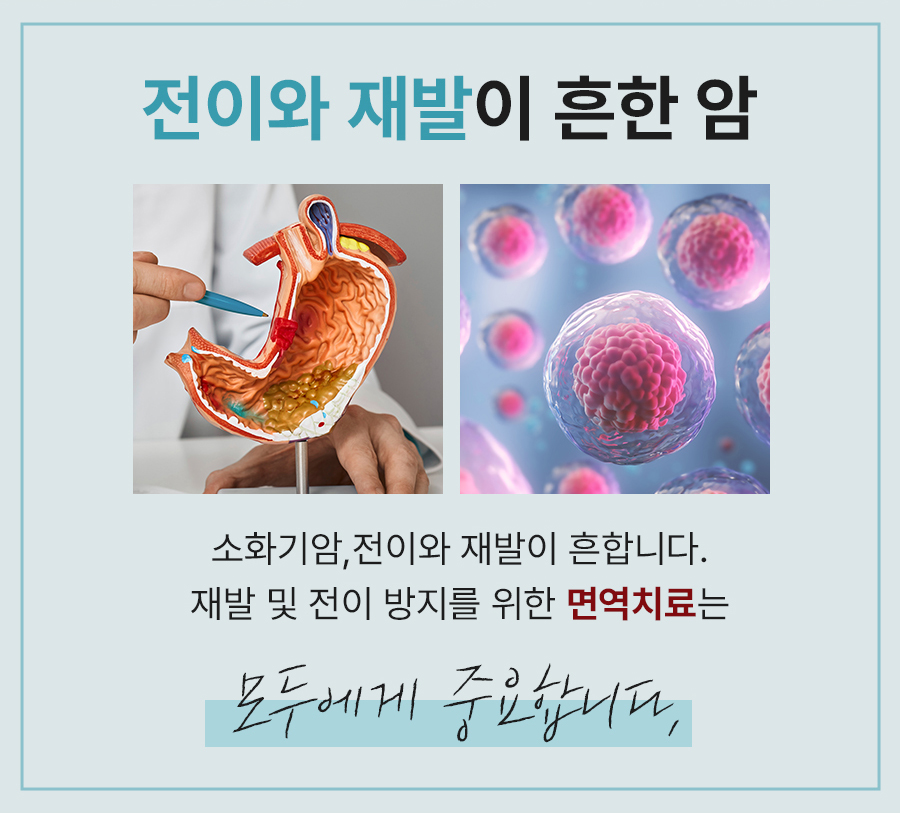
All Korean medicine interventions are chosen with awareness of the patient’s chemotherapy regimen and liver and kidney function. This coordinated approach helps reduce the risk of drug–herb interactions and ensures that supportive therapies remain safe.
Hyperthermia cancer treatment as an adjunct
Chiu Convalescent Hospital may consider adjunctive supportive modalities on a case-by-case basis. Some centers offer thermal or hyperthermia-based therapies as non-invasive supportive approaches, but availability, specific devices, indications, and supporting evidence vary. Patients should ask the hospital for details about any adjunctive therapy, including device type, clinical rationale, and safety information, and discuss these with their oncology team.
In simple terms,
Hyperthermia at this hospital is provided with clear explanation materials and video content so that patients and families understand what to expect, how long a session lasts, and what they may feel during treatment.
Decisions about using hyperthermia are made case by case. The team considers the patient’s cancer stage, current chemotherapy regimen, overall strength, and any contraindications. It is always positioned as an adjunct to standard care, not a replacement for chemotherapy, surgery, or radiation.
Integrative Western–Korean medicine approach
One of the strengths of Chiu Convalescent Hospital is that internal medicine specialists and a Korean medicine director work together in a single facility. This integrated system is particularly valuable for managing chemotherapy side effects.
For example, a patient with stomach cancer who is experiencing severe nausea and neuropathy in the hands and feet may receive anti-nausea medication and pain control from the internal medicine team, while also receiving acupuncture aimed at reducing nausea and neuropathic symptoms.
A patient suffering from coldness, fatigue, and poor appetite may benefit from moxibustion to warm the body and herbal support to aid digestion, alongside careful adjustment of Western medications and nutritional strategies.
Throughout this process, the team pays attention to potential drug–herb interactions. The goal is not to cure stomach cancer with Korean medicine, but to reduce discomfort, support the body’s resilience, and improve quality of life during and after chemotherapy.
Nutritional care and anti-cancer diet support
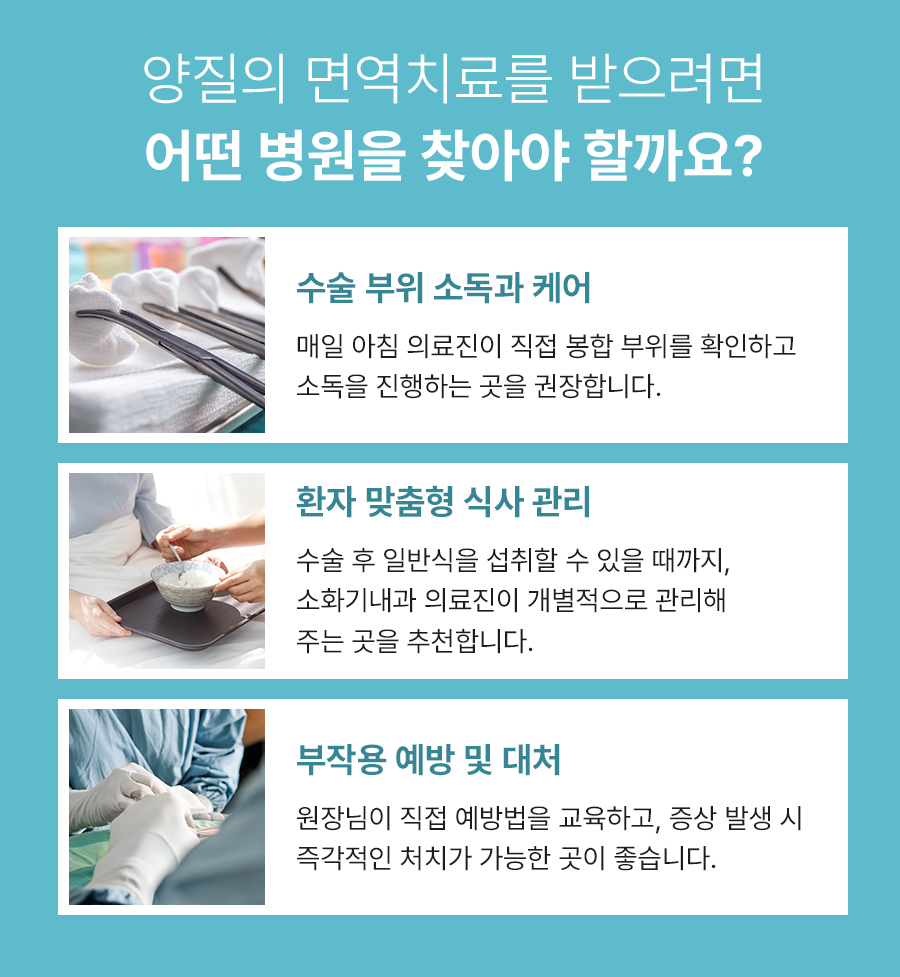
Nutrition is a major challenge for stomach cancer patients, especially after surgery or during chemotherapy. Many patients have reduced stomach capacity, feel full quickly, or experience digestive sensitivity.
Chiu Convalescent Hospital provides structured anti-cancer dietary support tailored to these needs. The general approach includes small, frequent meals rather than large portions, gentle and easily digestible foods, and a balance of protein and calories to prevent weight loss.
Seasoning is kept moderate to avoid irritating the stomach, and cooking methods are chosen to be light yet appetizing. The nutrition team pays attention to each patient’s tolerance, adjusting textures and ingredients as needed.
To increase transparency, the hospital regularly posts meal photos on its website. Families can see what kind of food patients receive, which helps reassure them that their loved one is getting thoughtful, appropriate meals rather than generic institutional food.
Healing environment at the foot of Mudeungsan
Location and environment are especially important for patients undergoing chemotherapy. Chiu Convalescent Hospital is located at the entrance to Mudeungsan National Park in Dong-gu, Gwangju, near Jeungsimsa bus stop, with on-site parking for family visitors.
The surroundings include clean air, cypress forests that release natural phytoncides, and clear valley walking paths. These features support gentle exercise and mental relaxation. Patients who feel up to walking can enjoy safe, gradual strolls rather than being confined indoors.
Inside the hospital, there are dedicated healing spaces such as quiet rest areas and corners for emotional support programs. Activities like poetry exhibitions or similar cultural displays can help patients and families process their emotions and find moments of calm.
This combination of natural scenery and thoughtful indoor spaces is well suited to the needs of chemotherapy patients, who often benefit from a calm atmosphere, access to nature, and safe walking routes.
Short-term admission and outpatient model
Many families worry that once a patient enters a convalescent hospital, it will be difficult to leave. Chiu Convalescent Hospital actively works against this image by operating clear short-term admission programs and flexible outpatient options.
Patients can schedule a two-week short stay around specific chemotherapy cycles. For example, a patient may receive chemotherapy at a tertiary hospital, then transfer to Chiu Convalescent Hospital for two weeks of rest, nutritional support, and symptom management, and then return home if stable.
Outpatient programs are available for those who do not need or want full admission. Patients can visit for integrative treatments, hyperthermia sessions, nutritional counseling, and follow-up consultations while continuing to live at home or in nearby accommodation.
This flexible model encourages patients and families to see the hospital as a resource that can be used at different points along the treatment journey, not as a final destination.
Online consultation and pre-visit preparation
For overseas patients or families living far from Gwangju, an online consultation is a practical first step. Before contacting the hospital, it is helpful to prepare some basic information.
You may wish to gather recent medical records from your main oncology hospital, including diagnosis details, surgery reports if any, chemotherapy regimen, and the latest lab results. Having a summary in English or with clear numbers and dates will help the team understand your situation.
During online consultation, you can discuss whether you are considering short-term inpatient care, outpatient visits, or both. It is also useful to mention your main concerns, such as severe nausea, weight loss, insomnia, or anxiety, so that the staff can explain which services may help.
Families can ask about room types, meal plans, language support, and how coordination with the main cancer hospital will work. If you are coming from overseas, you can also ask about the best way to schedule your stay around your chemotherapy dates.
Expected Korea visit timeline for overseas patients
An overseas patient planning to use Chiu Convalescent Hospital as a recovery base while receiving chemotherapy in Korea might follow a timeline like this.
First, arrange an online consultation with both the tertiary cancer center and Chiu Convalescent Hospital. Confirm your chemotherapy schedule, expected length of stay in Korea, and any visa or insurance requirements.
Next, plan your arrival in Korea a few days before your first or next chemotherapy session. Stay near the tertiary hospital for initial consultations and treatment. After chemotherapy, transfer to Chiu Convalescent Hospital for a planned short-term admission, for example two weeks.
During the stay, the team will monitor your condition, manage side effects, provide integrative treatments, and support your nutrition and activity. If outpatient hyperthermia or Korean medicine sessions are included, these will be scheduled according to your strength.
Before returning home or moving to another city, you will have a discharge consultation. The staff can summarize your recovery progress and provide information for your local doctors. If you plan to return to Korea for further chemotherapy cycles, you can discuss future short-term admissions or outpatient visits.
Aftercare and continuing support
After leaving Chiu Convalescent Hospital, ongoing care continues with your main oncology team. The hospital’s role is to support you during a specific recovery period, but the benefits of improved nutrition, better-managed symptoms, and emotional support can carry over into later treatment stages.
If you live in Korea, you may continue to use outpatient services for integrative care, hyperthermia sessions, or nutritional counseling. For overseas patients, follow-up can be done through online consultations where you share updates from your local doctors.
It is important to remember that every patient’s condition is different. Some may need repeated short-term admissions, while others may only need one stay. The medical team will help you decide what is appropriate based on your strength, treatment plan, and personal preferences.
Frequently asked questions
Can this hospital replace chemotherapy or surgery for stomach cancer?
No. Chiu Convalescent Hospital does not replace chemotherapy, surgery, or radiation. Those treatments are provided at tertiary cancer centers such as university hospitals. This hospital’s role is to offer supportive, recovery-focused care between or after those treatments, helping patients manage side effects and maintain strength.
Is it safe for a chemotherapy patient to stay in a convalescent hospital?
Safety depends on the level of medical supervision. Vital signs, symptoms, and lab results (when available) are monitored, and any serious changes can trigger transfer back to a tertiary center if needed.
What kind of side effects can be helped with integrative care?
Common stomach cancer chemotherapy side effects such as nausea, vomiting, poor appetite, constipation or diarrhea, abdominal discomfort, fatigue, insomnia, and anxiety may be eased with a combination of medications, nutritional adjustments, and Korean medicine techniques like acupuncture and moxibustion. While these methods do not cure the cancer, they can reduce discomfort and improve daily functioning for many patients.
How do I arrange a short-term stay from overseas?
Start by contacting the hospital through phone or online channels for an initial consultation. Prepare your medical records and chemotherapy schedule from your main oncology team. Together, you can plan the timing and length of your stay, usually around a chemotherapy cycle. The hospital can guide you on practical matters such as arrival dates, transportation from the tertiary hospital, and what to bring.
Soft call to action
If you or your family member is receiving stomach cancer chemotherapy in or near Gwangju and you are looking for a medically reliable yet comfortable place to recover, you can consider contacting Chiu Convalescent Hospital for an online consultation. By sharing your current treatment plan and concerns, you can explore whether a short-term inpatient stay, outpatient support, or an integrative program around Mudeungsan would be suitable for your situation.
Practical information and contact
Chiu Convalescent Hospital is located in Dong-gu, Gwangju, at the entrance to Mudeungsan National Park near Jeungsimsa bus stop, with on-site parking for family visitors. Consultation is available by phone and via KakaoTalk channel, which is convenient for families who cannot easily visit in person.
General clinic hours are on weekdays and Saturday daytime, and the hospital is closed on Sundays and public holidays. More detailed information about short-term admission and outpatient programs, daily meals, and integrative care is available through the hospital’s official blog and online channels.
All medical decisions should be made in consultation with qualified healthcare professionals, and individual results and experiences may vary depending on each patient’s condition and treatment plan.


댓글
댓글 쓰기