Gwangju outpatient care for chemotherapy side effects near Mudeungsan
- 공유 링크 만들기
- X
- 이메일
- 기타 앱
Introduction
Between chemotherapy cycles, many patients struggle with symptoms such as nausea, severe fatigue, poor appetite, insomnia, peripheral numbness, and digestive upset.
Gwangju outpatient care for chemotherapy side effects means having a nearby place you can visit regularly for symptom control, nutrition support, and rest while continuing your main anticancer treatment at a tertiary hospital. At Chiu Convalescent Hospital in Dong‑gu, Gwangju, this support is provided through an integrative program that combines internal medicine, Korean medicine, nutrition therapy, and short‑stay recovery options.
This guide explains how such outpatient care works, who it may help, what to expect if you are coming from overseas, and how to prepare for consultation.
What outpatient care for chemotherapy side effects means
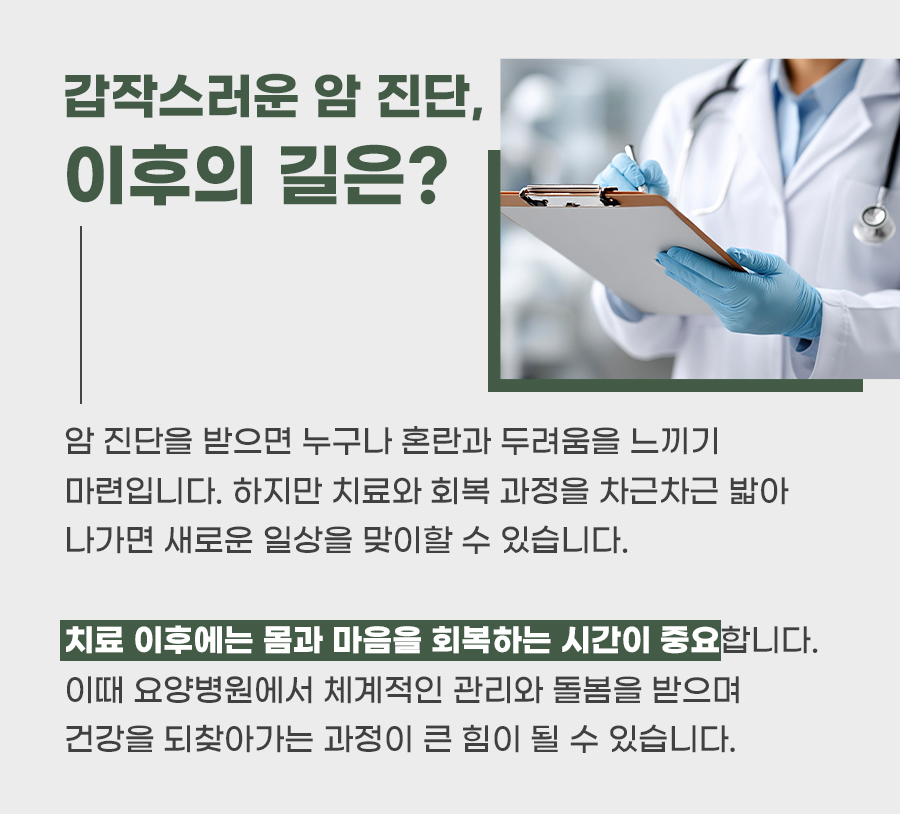
Outpatient care means you come to the hospital for a few hours and then go home the same day, without being admitted for a long stay. For chemotherapy side effects, this usually involves scheduled visits between your chemotherapy cycles at a tertiary cancer center.
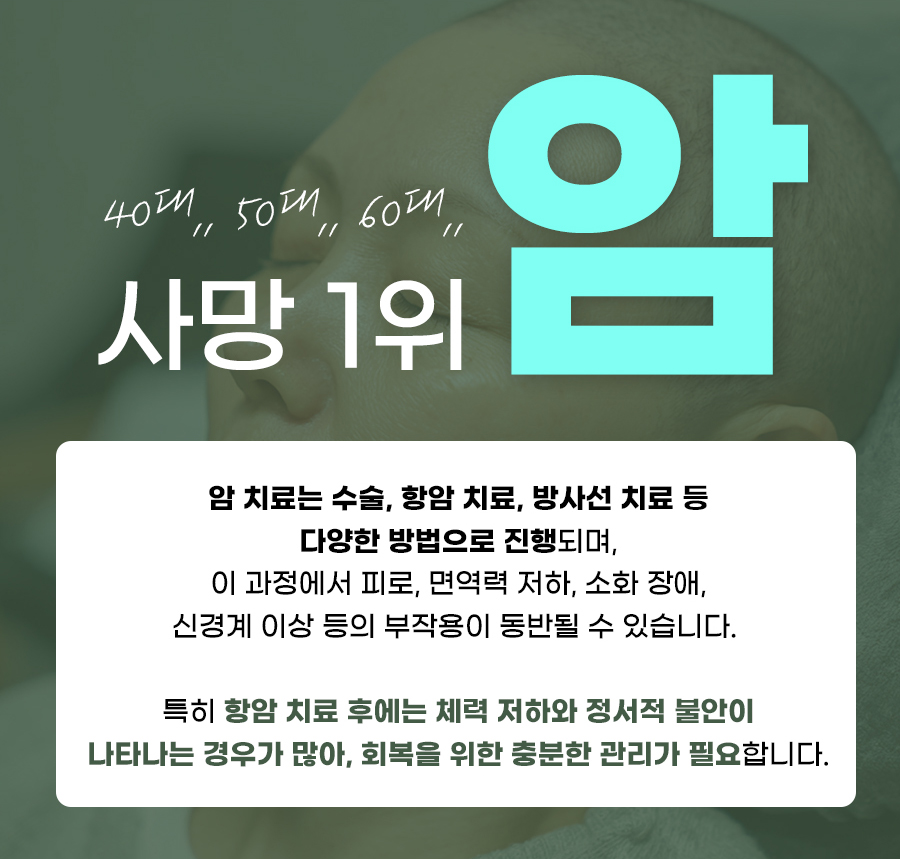
During these visits, the team can assess and help manage problems such as nausea and vomiting, loss of appetite and weight loss, fatigue and weakness, sleep disturbance and insomnia, peripheral neuropathy with tingling or numbness, constipation or diarrhea, indigestion and reflux, mild shortness of breath, palpitations, and general immune weakness.
The goal is not to replace your chemotherapy, but to make it safer and more tolerable so that you can continue your main treatment plan.
Why side-effect management matters during chemotherapy
Trying to endure chemotherapy side effects alone at home can be risky. Severe vomiting can lead to dehydration and kidney problems. Ongoing diarrhea or poor appetite can cause rapid weight loss and weakness. Sleep problems and pain can lead to depression and anxiety, which in turn may reduce treatment adherence.
For older patients or those with heart disease, diabetes, or digestive disorders, chemotherapy can also trigger or worsen underlying conditions. Caregivers often feel anxious about what is normal and what is dangerous, and when they should go back to the hospital.
Outpatient side-effect management offers a middle path between emergency visits and being left alone at home. Regular monitoring, timely medication adjustments, and supportive therapies can help detect problems early, reduce unnecessary emergency room visits, and support a more stable course through multiple chemotherapy cycles.
Features of outpatient side-effect care in Gwangju
In Gwangju, patients often receive surgery, chemotherapy, or radiation at major hospitals, then return home to Dong-gu, Buk-gu, Nam-gu, or other districts. Having supportive care close to home can reduce travel burden and stress.
At this facility near the entrance to Mudeungsan National Park, outpatient visits are typically organized around your chemotherapy schedule. For example, you may come a few days after infusion, when nausea and fatigue are strongest, and again before the next cycle to check blood pressure, weight, nutritional status, and general condition.
During each visit, the team can review your symptoms, check vital signs, adjust medications for nausea, pain, sleep, or digestion, provide integrative therapies such as acupuncture or heat therapy when appropriate, and give guidance on diet, hydration, and light activity.
If your condition temporarily worsens beyond what can be safely managed in a short visit, the outpatient program can be combined with a short-stay admission for closer monitoring and rest.
Medical team and integrative approach
Chiu Convalescent Hospital is a recovery‑focused facility for cancer patients with strong internal medicine leadership. and supported by a multidisciplinary staff to address post‑treatment recovery needs.
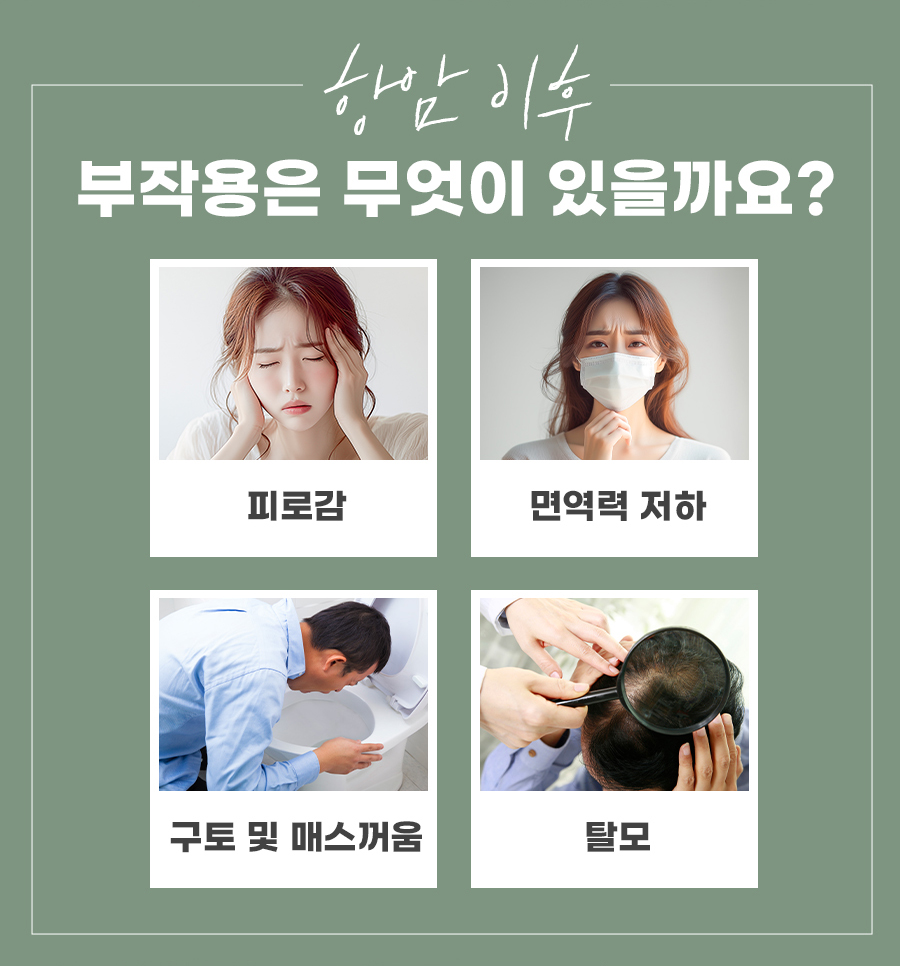
For chemotherapy side-effect management, this background is important. Many families worry that convalescent hospitals may have lower medical standards or limited ability to handle complex internal medicine issues. Here, potential cardiac, digestive, or metabolic complications related to chemotherapy can be evaluated by highly experienced internists.
In addition, a Korean medicine doctor is on staff, allowing for an integrative Western–Korean medicine approach. This can be helpful for pain, digestive discomfort, fatigue, and sleep problems, as long as all treatments are coordinated with your main oncology team.
The integrative model means that internal medicine specialists and the Korean medicine doctor discuss cases together, aiming to use each method safely and appropriately. Herbal prescriptions, acupuncture, moxibustion, and cupping are considered supportive tools, not replacements for standard anticancer therapy.
Programs and services for chemotherapy side effects
Outpatient treatment program
The core service is an outpatient program designed around regular visits. Patients can book specific days to come in for symptom assessment, medication review, and supportive therapies.
A typical outpatient visit may include a consultation with an internal medicine specialist to review your chemotherapy schedule, current medications, and side effects, basic examinations such as blood pressure, pulse, weight, and simple tests as needed, medication adjustments for nausea, pain, sleep, digestion, or blood pressure, integrative Korean medicine treatments such as acupuncture or moxibustion when appropriate, and supportive therapies like nutrition counseling or gentle heat therapy.
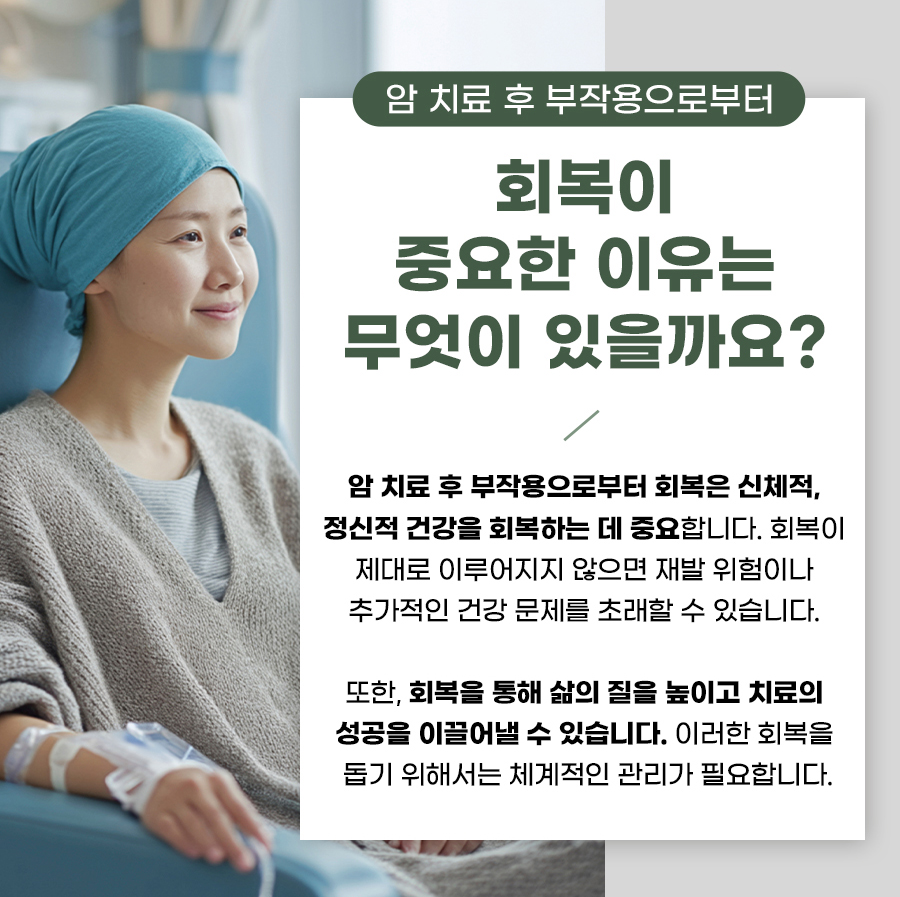
Because chemotherapy side effects can change from cycle to cycle, this regular follow-up helps to fine-tune your care. If you live in Gwangju or nearby cities, you can plan these visits to fit between your tertiary hospital appointments.
Two-week short-stay program
Some patients find that going straight home after chemotherapy is too difficult, but they do not want or need a long-term admission. For them, the hospital offers a two-week short-stay program.
This option is designed for the period when side effects are most intense, often the first one to two weeks after infusion. Patients can stay for about two weeks to receive close monitoring, nutrition support, integrative therapies, and rest in a structured environment. After this period, they can return home and continue with outpatient follow-up.
This model breaks the stereotype that convalescent hospitals are only for long, indefinite stays. It allows families to plan around specific chemotherapy dates and arrange temporary support during the hardest days.
High‑frequency hyperthermia therapy (availability to be confirmed)
Some outpatient centers may offer hyperthermia as a supportive modality for cancer care, but availability and clinical indications vary. Patients should confirm whether this service is available at the hospital, and discuss potential benefits, risks, and coordination with their oncology team before pursuing it.
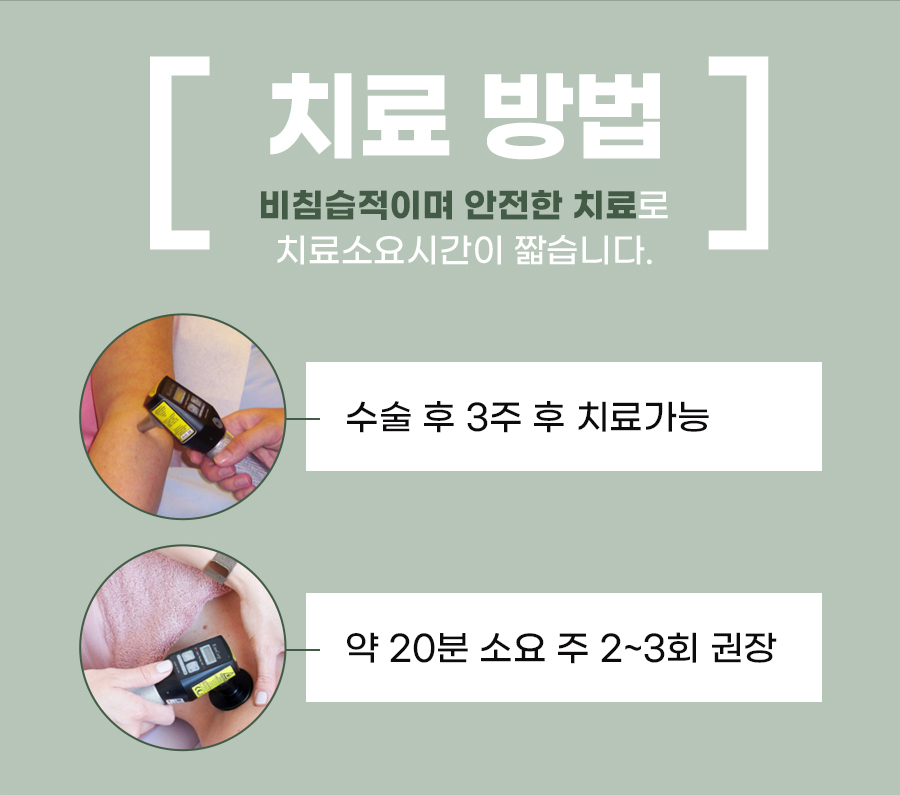
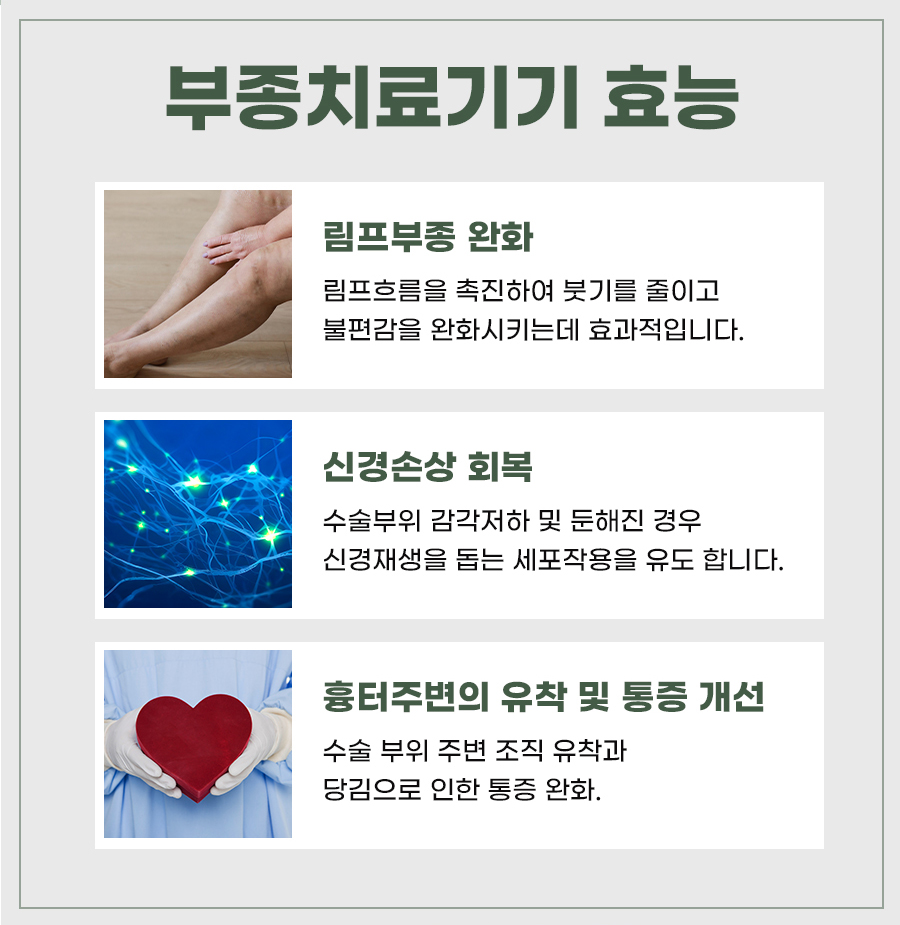
Hyperthermia generally uses deep local heating of body tissues to support circulation and comfort in selected areas.
In the context of chemotherapy side-effect care, hyperthermia here is not used as a stand-alone cure for cancer. Instead, it can be considered as one of several supportive options, potentially helping with local circulation and symptom relief in some patients. Whether it is appropriate depends on your diagnosis, current treatment plan, and the opinion of your oncology team.
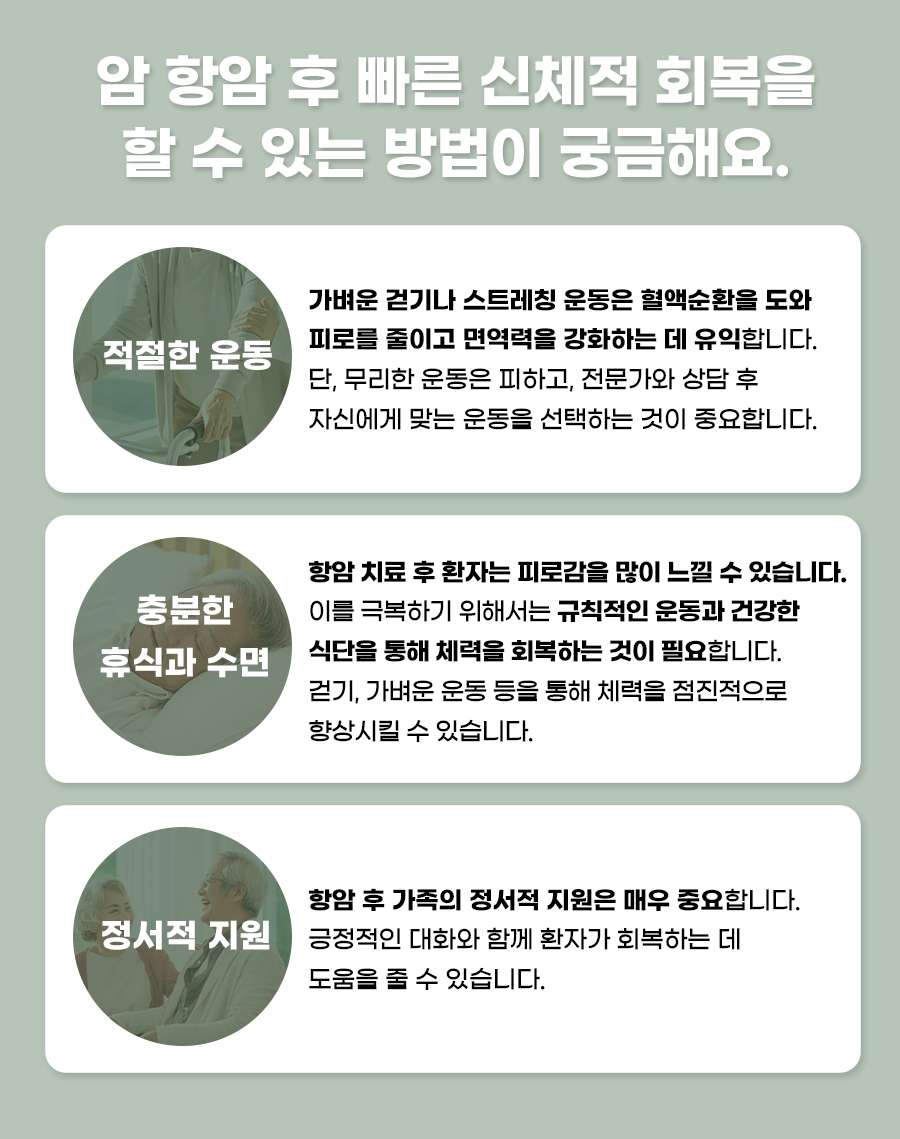
Nutrition and sample meal planning
The hospital provides structured nutrition support and counseling for patients undergoing cancer treatment. Sample menus or meal plans may be available online or on request; contact the hospital directly for current menus and any photographic examples.
Nutrition is a central part of recovery. Chemotherapy often reduces appetite and alters taste, leading to weight loss, weakness, and reduced immune function. At this hospital, there is a focus on anticancer dietary therapy and balanced healing meals.
Daily menus are planned to provide adequate protein, calories, and micronutrients while being gentle on the digestive system.
During outpatient visits or short stays, patients and caregivers can receive guidance on how to adapt meals at home, how to manage nausea and taste changes, and how to maintain hydration. This can be especially valuable for overseas patients who may be unfamiliar with local foods and need help choosing suitable options.
Healing environment at the foot of Mudeungsan
The physical setting of the hospital is another important feature. The area is known for clean air, cypress forests that release phytoncides, and clear valley walking paths.
For patients recovering from chemotherapy, gentle walking in nature and simply viewing mountains and trees from rest areas can support mental health, reduce stress, and encourage light physical activity when medically appropriate.
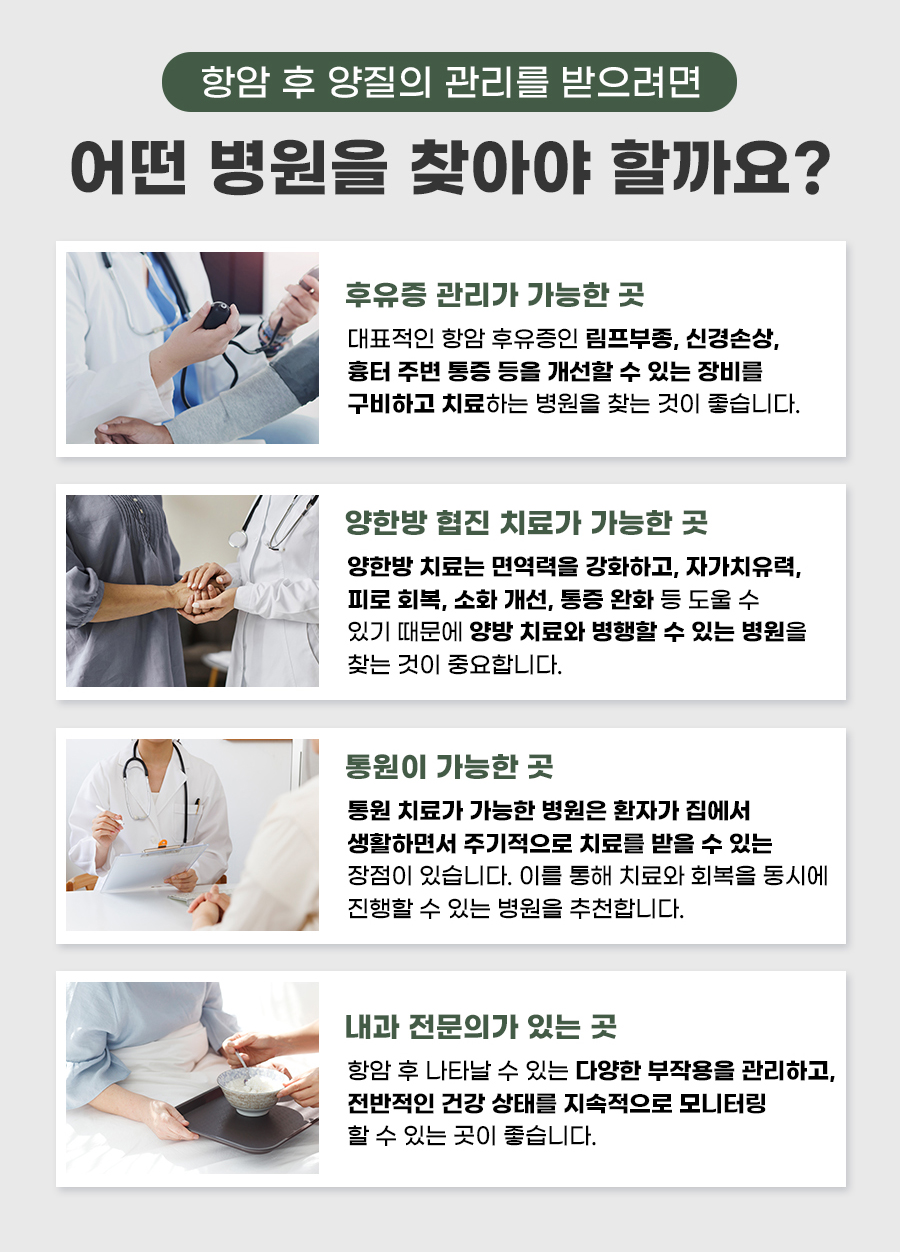
Inside the facility, there are dedicated healing spaces and rest areas designed for quiet recovery. Emotional support programs such as poetry exhibitions and healing events are also offered, helping patients and caregivers find moments of calm and reflection during a demanding treatment journey.
How this care works with major cancer centers
This hospital does not replace the role of oncologists or tertiary cancer centers. Instead, it functions as a recovery base that works alongside surgery, chemotherapy, and radiation performed at higher-level institutions.
Patients continue to receive their main anticancer treatment at major university and cancer hospitals in Seoul, Gwangju, and surrounding regions. Between cycles, they can use this facility for side-effect management, integrative therapies, and rest.
The team aims to cooperate with your primary oncology team by reviewing your treatment schedule, sharing relevant information when needed, and ensuring that any supportive therapies, especially herbal medicines or new modalities, are discussed and coordinated to avoid interactions.
Who may consider this type of care
Scenario 1: Managing side effects at home is too hard
Imagine a patient receiving chemotherapy at a large cancer center in Gwangju. After each infusion, they return home but struggle with nausea, fatigue, and insomnia. The family is unsure which symptoms are expected and which are dangerous.
For this patient, outpatient visits at the hospital can provide symptom control through medication adjustments, integrative therapies for nausea and sleep, and nutrition counseling to maintain weight and strength. They can still attend all chemotherapy appointments at their main hospital, but feel more supported in between.
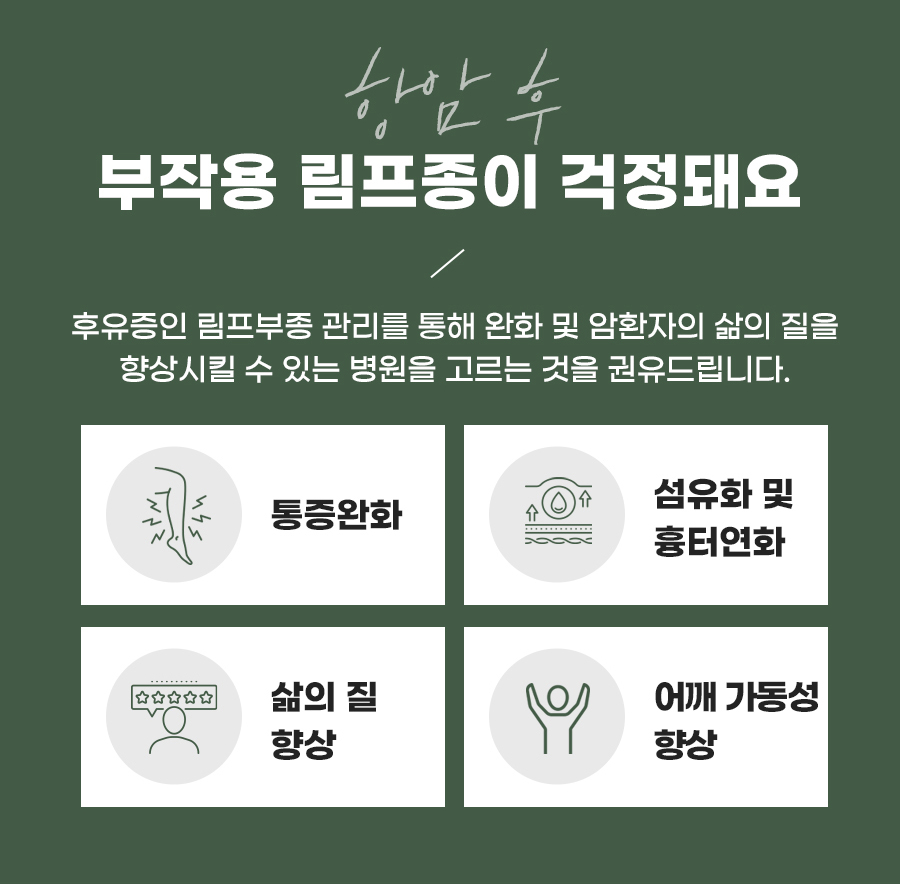
Scenario 2: Elderly patient left alone between cycles
Another common situation is an elderly cancer patient living with an adult child who has to work during the day. After chemotherapy, the caregiver worries about leaving the patient alone at home, especially during the first two weeks when side effects peak.
In this case, the family may arrange a two-week short stay around the most difficult period after infusion. The patient receives monitoring, meals, and supportive therapies in a safe environment. Once their condition stabilizes, they return home and continue with outpatient follow-up before the next cycle.
Scenario 3: Patient seeking nature-based recovery with medical oversight
Some patients want a recovery environment close to nature but still need internal medicine monitoring and medication management. For example, a patient with heart disease undergoing chemotherapy may feel anxious about staying in a remote area without medical staff.
At this facility, they can walk along gentle paths near Mudeungsan, rest in healing spaces, and participate in emotional support programs, while having access to internal medicine specialists who can monitor blood pressure, heart function, and other key parameters.
Online consultation and pre-visit preparation for overseas patients
For international patients considering supportive care in Gwangju, an initial online consultation can help determine whether this program fits your needs and how it can be coordinated with your home or Korean oncology team.
Before contacting the hospital, it is helpful to prepare the following information: your primary cancer diagnosis and stage if known, current and planned chemotherapy or targeted therapy regimen, recent medical reports including imaging and lab results if available, list of current medications and supplements, including any herbal products, main side effects you are experiencing, such as nausea, fatigue, neuropathy, or sleep problems, and any major past medical history, such as heart disease, diabetes, or digestive disorders.
You can contact the hospital by phone or through an online chat or messaging channel to arrange a consultation. During this discussion, you can ask about available programs, how they coordinate with your main oncology team, language support options, and approximate timelines for outpatient visits or short stays.
Expected Korea visit timeline for supportive care
If you are visiting Korea mainly for chemotherapy at a tertiary hospital and want to use this facility for side-effect management, a typical timeline might look like this.
Before arrival, you share your medical information and treatment plan via online consultation. The hospital reviews your case and suggests how outpatient visits or a short stay could fit around your chemotherapy schedule.
On arrival in Korea, you attend your main oncology appointment and chemotherapy session at the tertiary hospital. Shortly after your first infusion, you visit the facility in Dong-gu, Gwangju, for an initial assessment. The team reviews your condition, checks vital signs, and discusses a personalized support plan.
During your stay in Korea, you attend scheduled outpatient visits or a two-week short stay after each chemotherapy cycle, depending on your needs. Between visits, you may rest at your accommodation or at the hospital if admitted for a short period.
Before returning home, the hospital can summarize the supportive care you received and provide a report that you can share with your local doctors. You can also discuss whether online follow-up is possible for general guidance, always keeping your main oncology team in charge of anticancer treatment decisions.
Aftercare and safety considerations
After outpatient visits or a short stay, you will receive instructions on medications, diet, activity level, and warning signs that require urgent attention. It is important to understand that this facility is not an emergency department.
If you develop sudden high fever, severe bleeding, acute chest pain, difficulty breathing, or any rapidly worsening symptom, you should go directly to an emergency department at a higher-level hospital. The staff can help arrange transfer when necessary, but in life-threatening situations, speed is critical.
All supportive treatments, especially herbal medicine and new therapies like hyperthermia, should be discussed with your main oncology team. There can be interactions between herbal products and chemotherapy drugs, so transparent communication is essential.
The hospital aims to provide realistic support: relief of symptoms where possible, gradual recovery of strength, emotional support, and a safer path through chemotherapy. It does not promise cure, complete prevention of side effects, or guaranteed outcomes.
Practical visit information for Gwangju patients
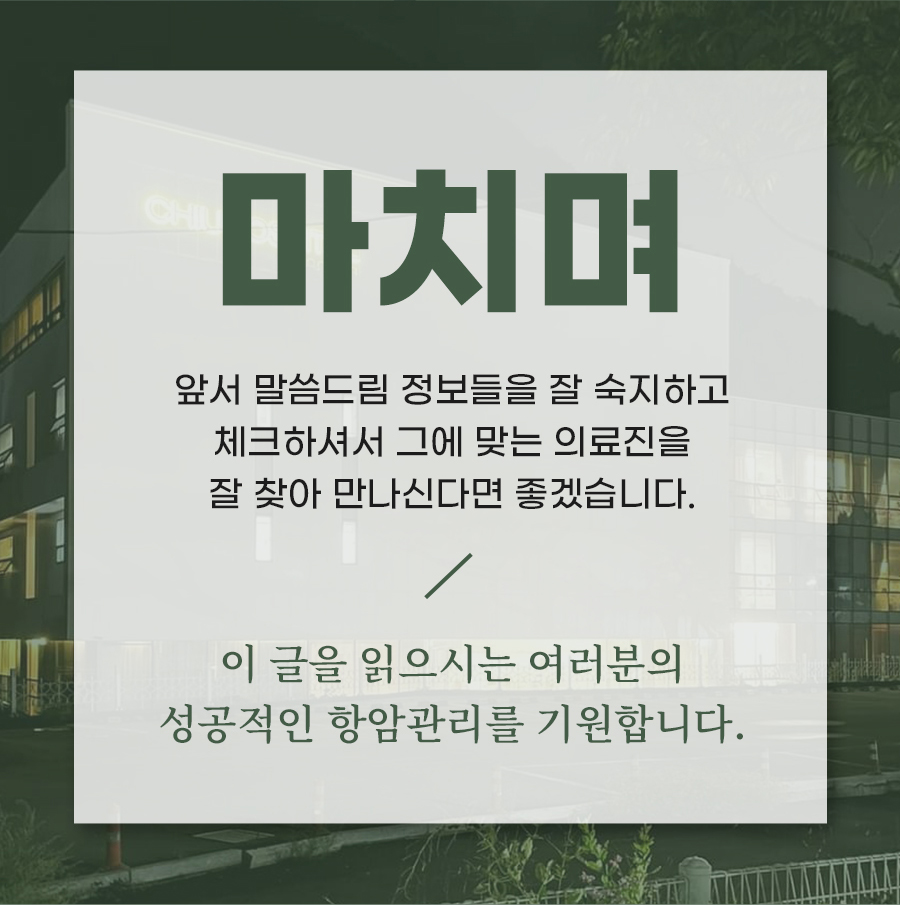
The hospital is located in Dong-gu, Gwangju, near Jeungsimsa bus stop, at the entrance to Mudeungsan National Park. This makes it accessible for local residents as well as visitors who wish to combine treatment with time in nature.
Parking is available for caregivers who drive, which is convenient for families bringing elderly patients or those who feel too weak for public transport.
Weekday and Saturday operating hours include a lunch break, and the facility is closed on Sundays and public holidays. Exact times can be confirmed by phone or online before your visit, so you can plan your outpatient appointments around your chemotherapy schedule.
For consultation, you can call the hospital or use an online chat or messaging channel to ask about outpatient programs, short-stay options, and integrative therapies.
Frequently asked questions
What is the main purpose of outpatient care for chemotherapy side effects in Gwangju?
The main purpose is to help patients manage side effects such as nausea, fatigue, appetite loss, neuropathy, and sleep problems between chemotherapy cycles, while they continue their main treatment at a tertiary hospital. By providing regular monitoring, medication adjustments, integrative therapies, and nutrition support close to home, the program aims to make chemotherapy safer and more tolerable.
Does this hospital replace my oncologist or main cancer center?
No. The hospital does not replace your oncologist or tertiary cancer center. Your main anticancer treatment decisions, including chemotherapy, radiation, and surgery, remain with your primary oncology team. This facility provides supportive care and recovery services that run in parallel, and it aims to coordinate with your main doctors to ensure safe combination of therapies.
Is Korean medicine safe to combine with chemotherapy?
Korean medicine treatments such as acupuncture, moxibustion, and cupping can be used as supportive therapies for pain, digestive issues, and fatigue in many patients. Herbal prescriptions require more caution, because some herbs can interact with chemotherapy drugs. At this hospital, the internal medicine specialists and Korean medicine doctor work together, and all supportive treatments should be discussed with your oncology team before starting.
Who should consider the two-week short-stay program instead of only outpatient visits?
The two-week short-stay program may be suitable for patients who find it very difficult to manage at home during the first one to two weeks after chemotherapy, especially elderly patients, those with multiple health problems, or those whose caregivers cannot stay with them full time. It is also an option for overseas patients who want structured recovery and monitoring in a healing environment between hospital visits.
How can I start an online consultation if I live overseas?
You can begin by contacting the hospital via phone or an online chat or messaging channel and explaining that you are an overseas patient seeking supportive care during chemotherapy. Prepare your diagnosis, treatment plan, recent reports, medication list, and main concerns in advance. The team can then review your case, answer questions about programs and timelines, and suggest how outpatient visits or a short stay could align with your chemotherapy schedule in Korea.
Soft call to action
If you or a family member are planning chemotherapy in Korea and are concerned about how to cope with side effects between hospital visits, you do not have to face it alone. You can contact Chiu Convalescent Hospital for an online consultation to discuss outpatient care, integrative therapies, and short-stay recovery options in Gwangju.
By planning supportive care in advance, you may be able to navigate chemotherapy with more comfort, clearer guidance, and a healing environment at the foot of Mudeungsan.
- 공유 링크 만들기
- X
- 이메일
- 기타 앱

댓글
댓글 쓰기