Gwangju outpatient cancer care options near Mudeungsan National Park
- 공유 링크 만들기
- X
- 이메일
- 기타 앱
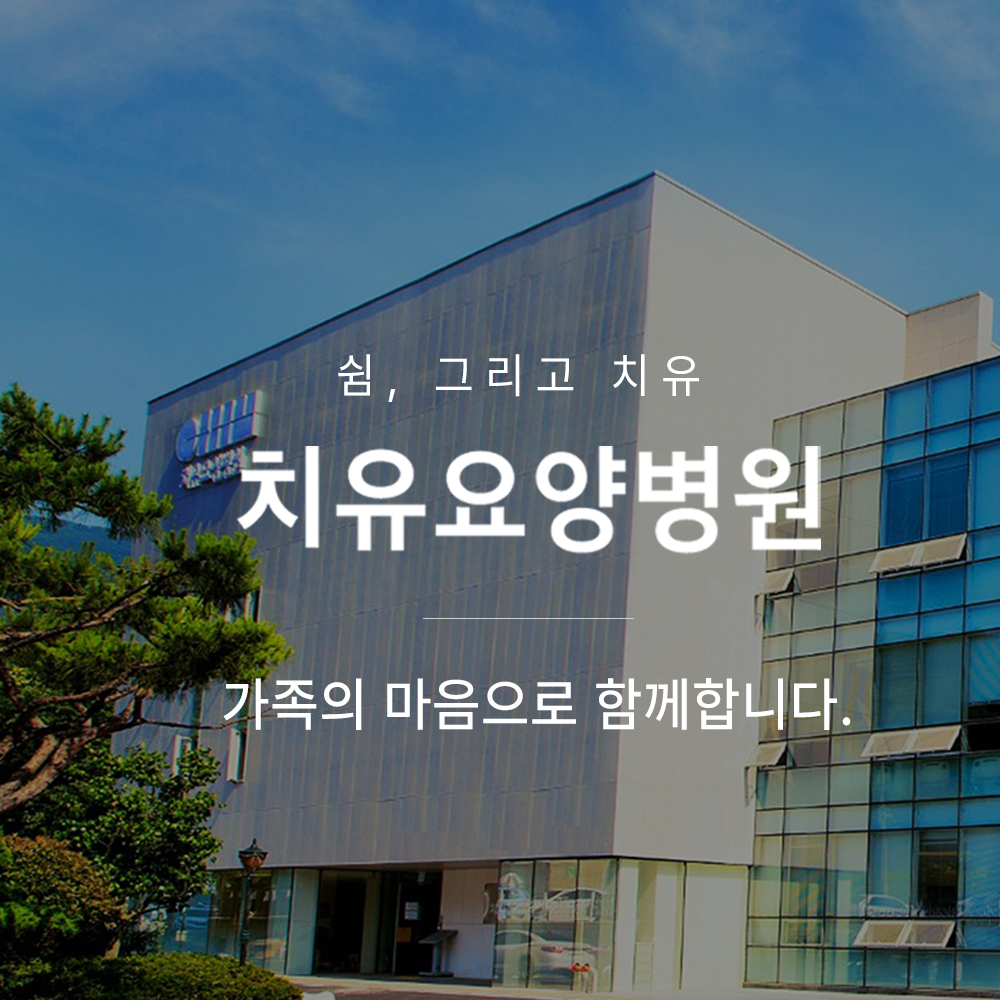
Gwangju outpatient cancer care at a glance
For patients and families in Gwangju, outpatient cancer care usually means supportive treatment received without an overnight stay. It is intended to fit around primary cancer treatments at tertiary hospitals, such as surgery, chemotherapy, or radiation. Patients should confirm which specific services are offered, and discuss any supportive therapies and their evidence with their oncology team.
This guide explains what outpatient cancer care in Gwangju can offer, who may benefit, how a visit typically works, and how international patients can prepare a short stay or repeated visits while continuing their main treatment at a larger cancer center.
What outpatient cancer care means in Gwangju
Outpatient cancer care refers to medical and supportive services that help you cope with cancer and its treatment while you continue to live at home or in temporary accommodation. You come to the facility for scheduled sessions and go back the same day.
In Gwangju, this type of care is often used between chemotherapy or radiation sessions at university hospitals or a nearby cancer-specialized hospital. The focus is not to replace surgery, chemotherapy, or radiation, but to support your body and mind so that you can tolerate those treatments better and maintain daily life as much as possible.
Typical needs between hospital treatments
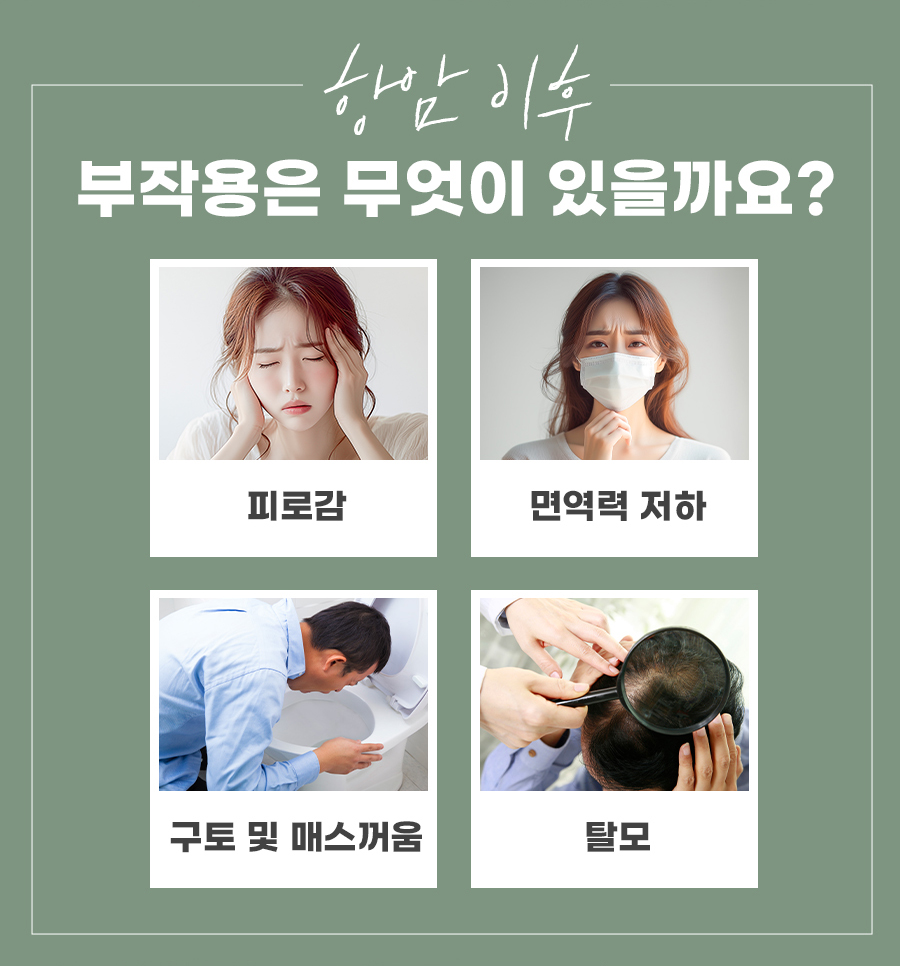
Many patients find that the most difficult days are not only the treatment days at the big hospital, but the days in between. Common issues include fatigue that does not improve with rest, nausea and digestive problems, loss of appetite and weight, sleep disturbance, numbness in hands and feet, pain or discomfort, and anxiety or low mood.
Older patients or those with chronic diseases such as heart disease, diabetes, or digestive problems may also need careful internal medicine management while receiving cancer treatment. Families often feel unsure about what is normal and when to seek help.
Outpatient cancer care aims to provide a structured place to address these problems: checking vital signs and lab results, adjusting medications for chronic conditions, offering supportive therapies, and giving practical guidance on diet, activity, and rest.
How outpatient cancer care usually works
In a typical outpatient cancer care program in Gwangju, the process can be summarized in several steps.
First, there is an initial consultation. The medical team reviews your cancer diagnosis, the treatment plan from your main cancer center, your current medications, and your main symptoms. For international patients, this often includes reviewing translated medical records and imaging reports you bring from your home country or from another Korean hospital.
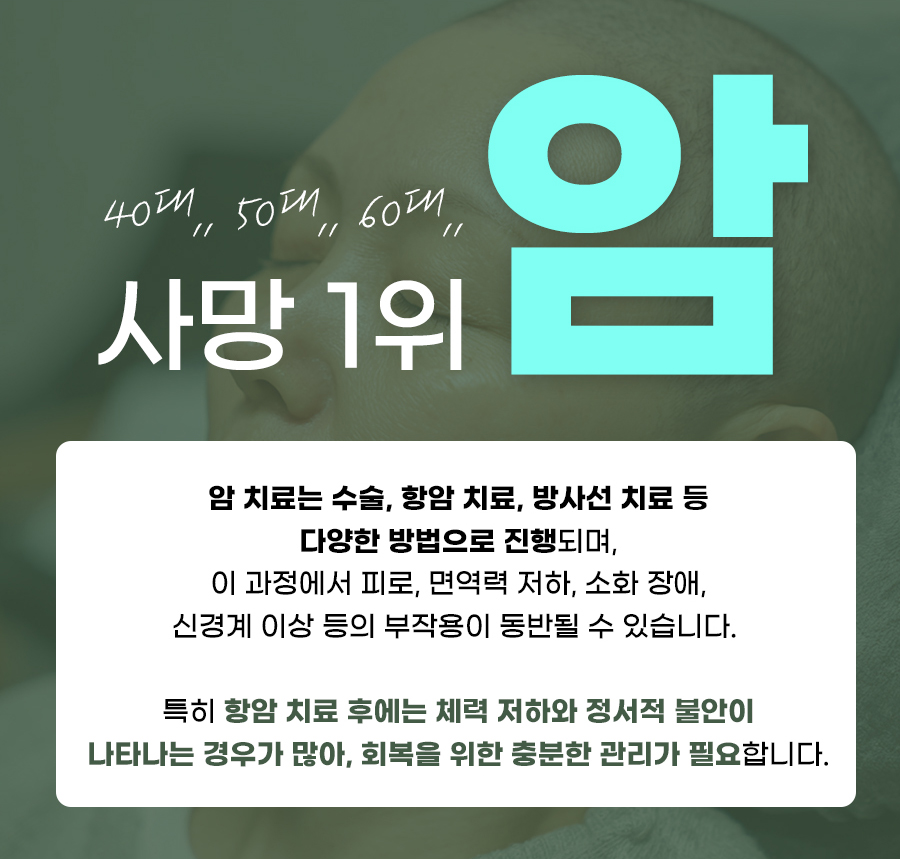
Second, you and the team set goals. These may include reducing nausea, improving appetite, managing pain, increasing strength and walking distance, stabilizing sleep, or preparing your body for the next chemotherapy cycle.
Fourth, you attend regular follow-up visits. The schedule is adjusted based on your chemotherapy or radiation calendar, your energy level, and your response to supportive therapies. Lab tests and physical examinations may be repeated as needed.
Finally, the outpatient team communicates with your main oncology team whenever possible. The goal is to avoid overlapping or conflicting treatments, especially regarding medications, herbal prescriptions, and any new procedures.
Example: Chiu Convalescent Hospital in Dong-gu, Gwangju
Chiu Convalescent Hospital is located in Gwangju Metropolitan City, Dong-gu, at the entrance of Mudeungsan National Park near Jeungsimsa bus stop. It functions as a specialized cancer recovery and supportive care hospital, working alongside tertiary hospitals where patients receive their main cancer treatment.
The hospital offers both inpatient and outpatient models. This is important because many people think convalescent hospitals only provide long-term stays. In reality, here you can choose structured outpatient visits or a short-term admission of around two weeks, depending on your condition.
Medical team and internal medicine focus
Patients who want full details on individual clinicians' qualifications, prior positions, or training are advised to request official staff profiles or verification directly from the hospital.
A Korean medicine doctor with experience in several Korean medicine and convalescent hospitals also works on site and is active in professional societies related to constitutional medicine and pharmacopuncture.
This level of leadership is relatively rare in a convalescent setting and can reassure families who worry that moving from a tertiary hospital to a convalescent hospital might mean lower medical standards. The team focuses on safe internal medicine management of chronic conditions, careful monitoring of treatment side effects, and coordination with ongoing oncology care at other hospitals.
Outpatient cancer care program
The outpatient program is designed for patients who live at home or stay with family, including those visiting from overseas, but need regular supportive care between hospital-based treatments. Appointments can be planned around chemotherapy or radiation sessions at large cancer centers so that you do not have to change your main oncologist.
During outpatient visits, the team assesses your symptoms, reviews recent test results if available, and provides supportive therapies. The emphasis is on symptom relief, fatigue management, nutritional support, and emotional stabilization. The program does not replace primary cancer treatment. Instead, it supports your ability to continue with it.
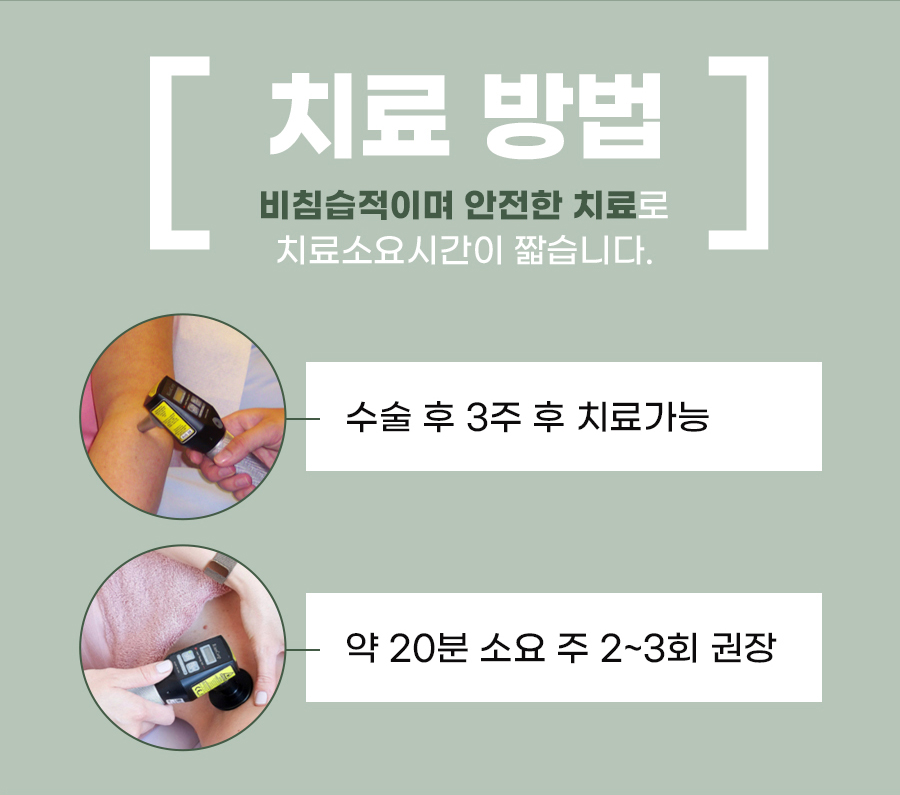
High frequency hyperthermia therapy
The facility describes this therapy as applying local deep heating with high-frequency energy to target tissues with the aim of supporting local circulation and relieving certain symptoms. Before pursuing such a treatment, patients should confirm availability, request device and procedure documentation, check regulatory clearances, and discuss appropriateness with their primary oncologist.
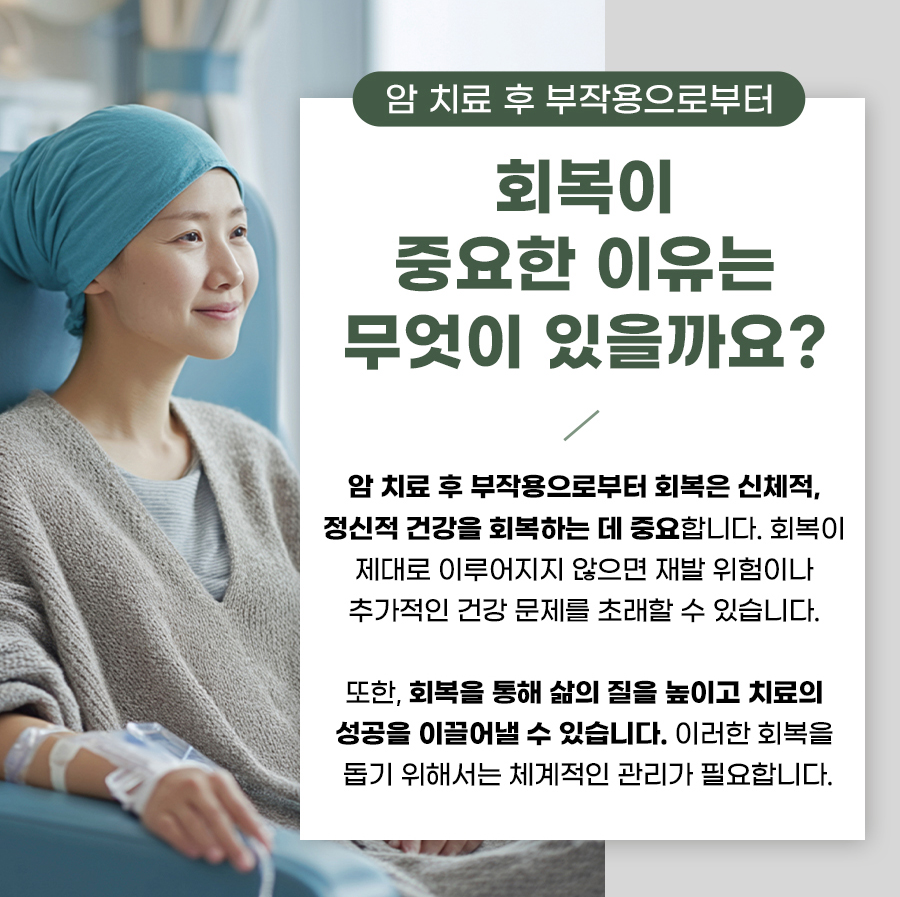
Sessions are done on an outpatient basis. You come to the hospital, receive the therapy, and return home or to your accommodation the same day. The hospital provides an explanatory video on its YouTube channel that shows the concept and process step by step, which can be helpful for overseas patients before they decide.
It is important to understand that hyperthermia in this context is used as supportive care. It should not be seen as a stand-alone cure or a replacement for evidence-based oncology treatments such as surgery, chemotherapy, or radiation. Patients are encouraged to discuss this therapy with their primary oncologist before starting.
Integrative Western–Korean medicine
At Chiu Convalescent Hospital, internal medicine specialists and a Korean medicine doctor work together in one facility. This integrative model can be useful for managing side effects and improving comfort.
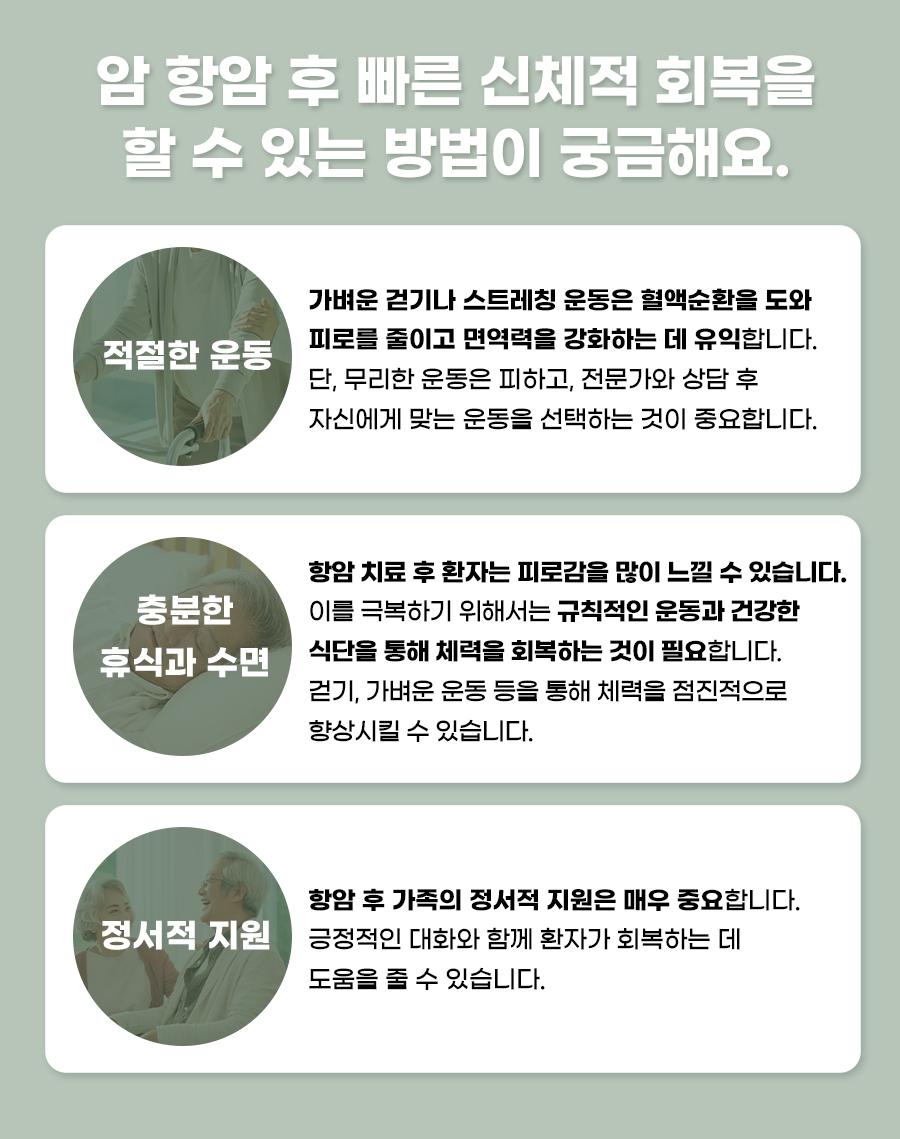
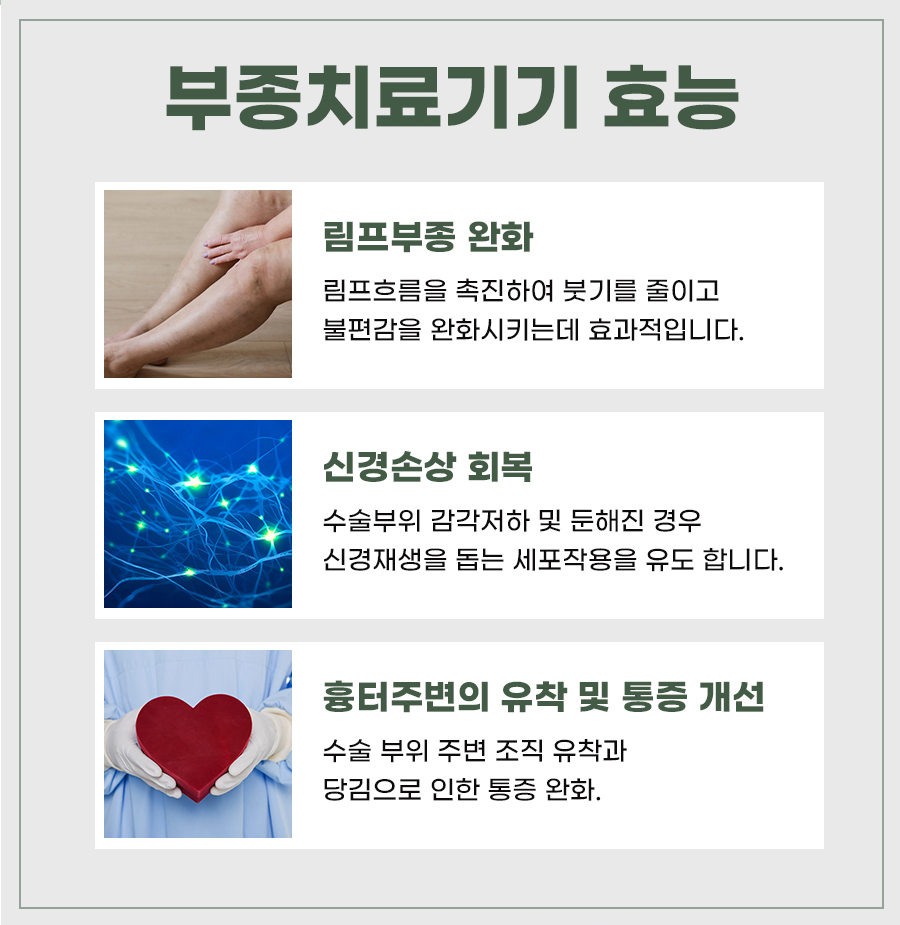
Korean medicine options include acupuncture, moxibustion, cupping, and herbal prescriptions. These are often used to help with nausea, neuropathy (numbness or tingling in hands and feet), digestive discomfort, sleep problems, and general weakness.
All such treatments are offered as supportive care alongside standard oncology. Before starting herbal prescriptions or procedures, the team reviews your current medications to reduce the risk of interactions. Communication with your main cancer center is encouraged, and you should always inform your oncologist about any additional therapies you plan to receive.
Nutrition and diet therapy
Nutrition is a central part of the outpatient cancer care program. Many patients struggle with appetite loss, taste changes, weight loss, or digestive issues during chemotherapy or radiation. The hospital provides anti-cancer diet concepts and a dedicated healing meal plan for inpatients, and dietary counseling for outpatients.
The hospital publishes regular meal photos on its website as part of its nutrition information and transparency efforts. Patients and caregivers can review these materials on the hospital's site and ask the facility directly about meal planning and dietary support.
Outpatients can receive individual counseling on how to adapt meals at home or at their accommodation. This may include guidance on small frequent meals, protein intake, hydration, and how to adjust traditional dishes to be easier to digest. The goal is not a strict or extreme diet, but a realistic plan that supports strength and recovery.
Emotional and environmental support
Cancer treatment is a long journey, and emotional support is as important as physical care. The location of Chiu Convalescent Hospital offers a natural advantage: it is situated at the entrance of Mudeungsan National Park, near Jeungsimsa bus stop, surrounded by clean air, cypress forests with phytoncide, and clear valley streams.
There are walking paths suitable for gentle exercise and nature-based healing. Depending on your condition, you may be able to take short walks with family members before or after outpatient sessions. Inside the hospital, there are quiet rest areas and healing spaces where patients and caregivers can relax.
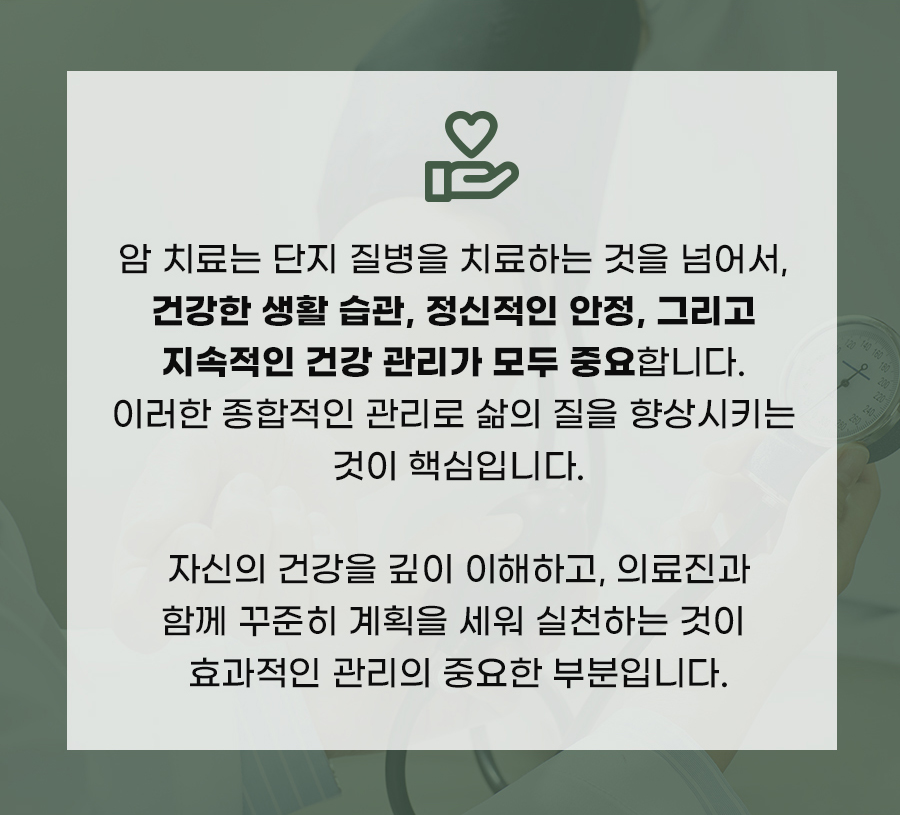
The hospital also organizes occasional emotional support programs such as poetry exhibitions and healing-themed events. These activities are not medical treatments, but they can help reduce stress, provide a sense of community, and maintain motivation during long treatment periods.
Short-term admission versus outpatient care
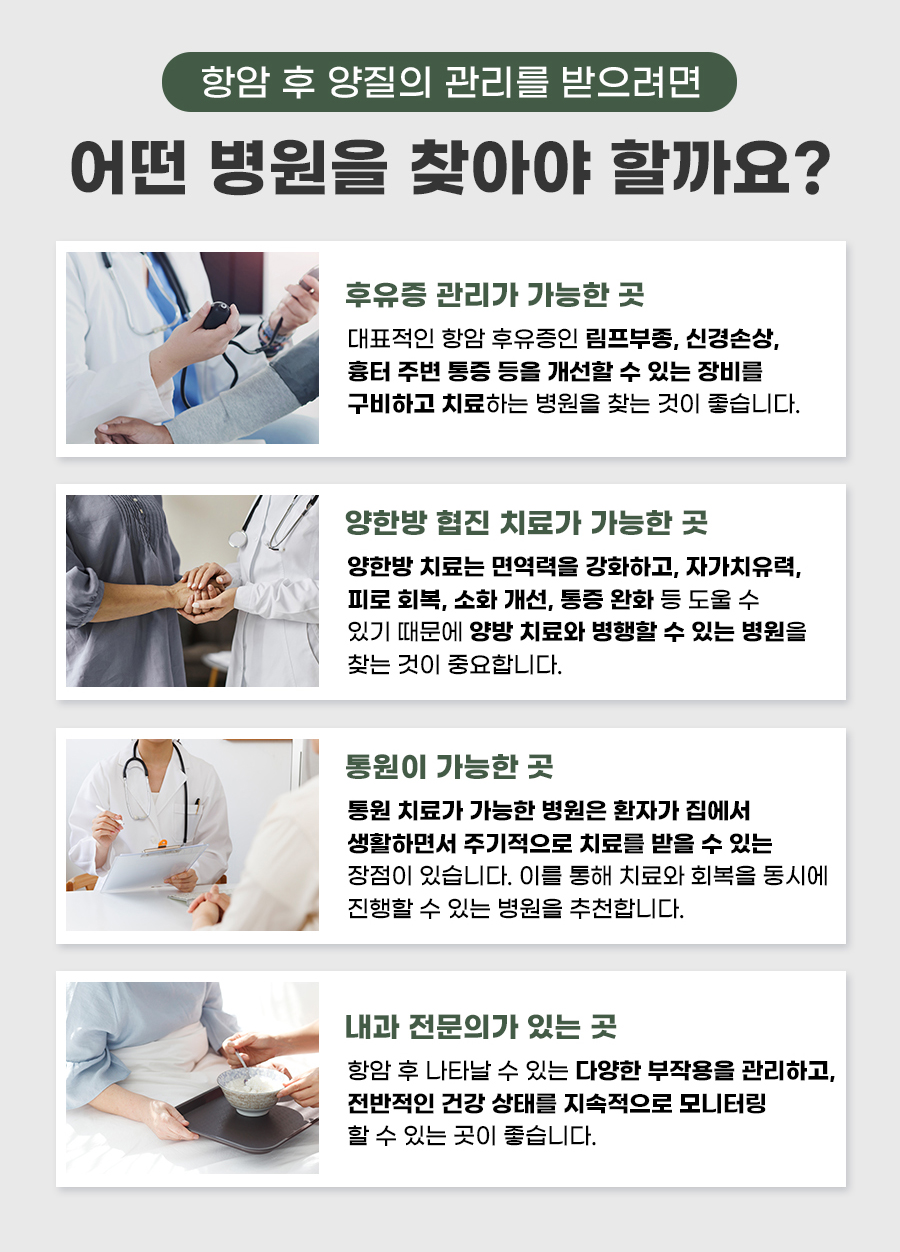
While this article focuses on outpatient care, it is helpful to know the hospital also advertises a reservation-based short-term admission option that is often described as around two weeks. Confirm program length, eligibility, fees, and what is included directly with the hospital before making plans.
Outpatient care alone may be enough if your symptoms are mild, you have good mobility, and you have strong support at home or in your accommodation. In this case, you can visit the hospital a few times a week for therapies and consultations, and spend the rest of your time at home.
A short inpatient stay may be useful if you are experiencing severe fatigue, need intensive nutritional support, or have complex symptoms that are difficult to manage at home. During a short admission, the team can monitor you more closely, adjust medications more quickly, and provide daily therapies.
For international patients, it is possible to combine a short inpatient period with outpatient follow-up visits during a stay in Korea. The best model depends on your condition, travel schedule, and the recommendations of your main oncology team.
Location, access, and environment
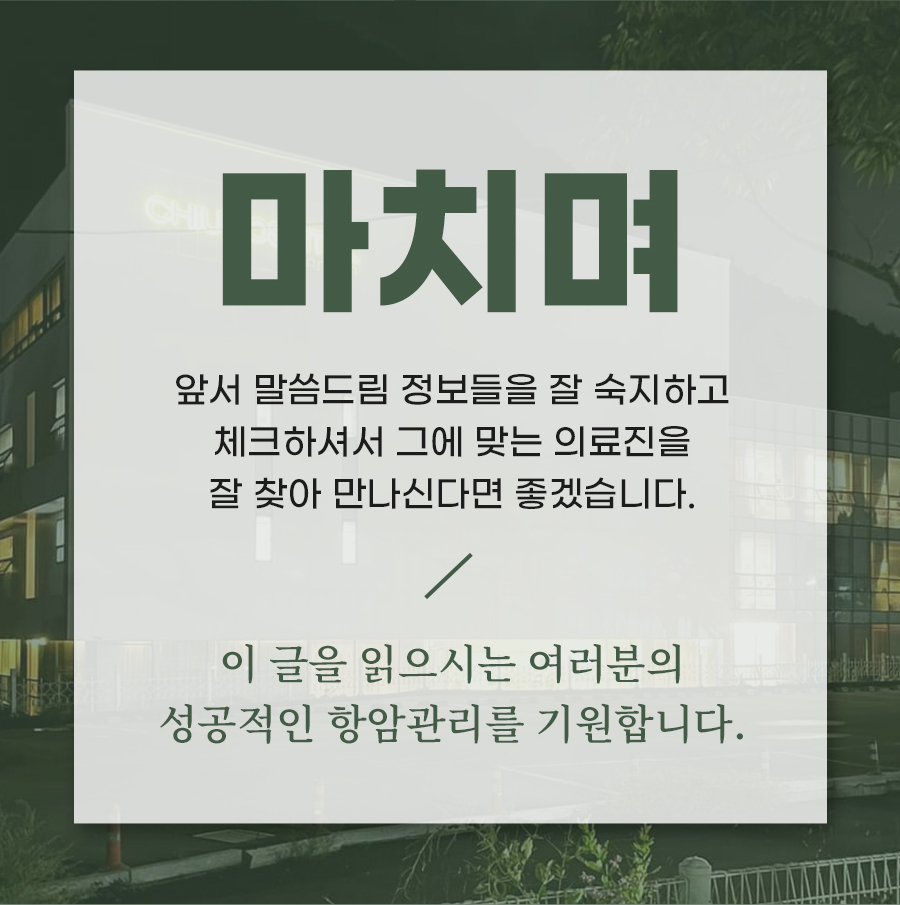
Chiu Convalescent Hospital is located in Gwangju Metropolitan City, Dong-gu, at the entrance of Mudeungsan National Park near Jeungsimsa bus stop. This area is known for its natural scenery, including cypress forests and valley streams. The air is generally cleaner than in the city center, and the surroundings are quiet.
Parking is available for family members who drive. For those using public transport, the Jeungsimsa bus stop provides convenient access. Outpatients can often combine treatment visits with short walks or quiet time in nature, depending on their physical condition and energy level.
Cooperation with tertiary hospitals
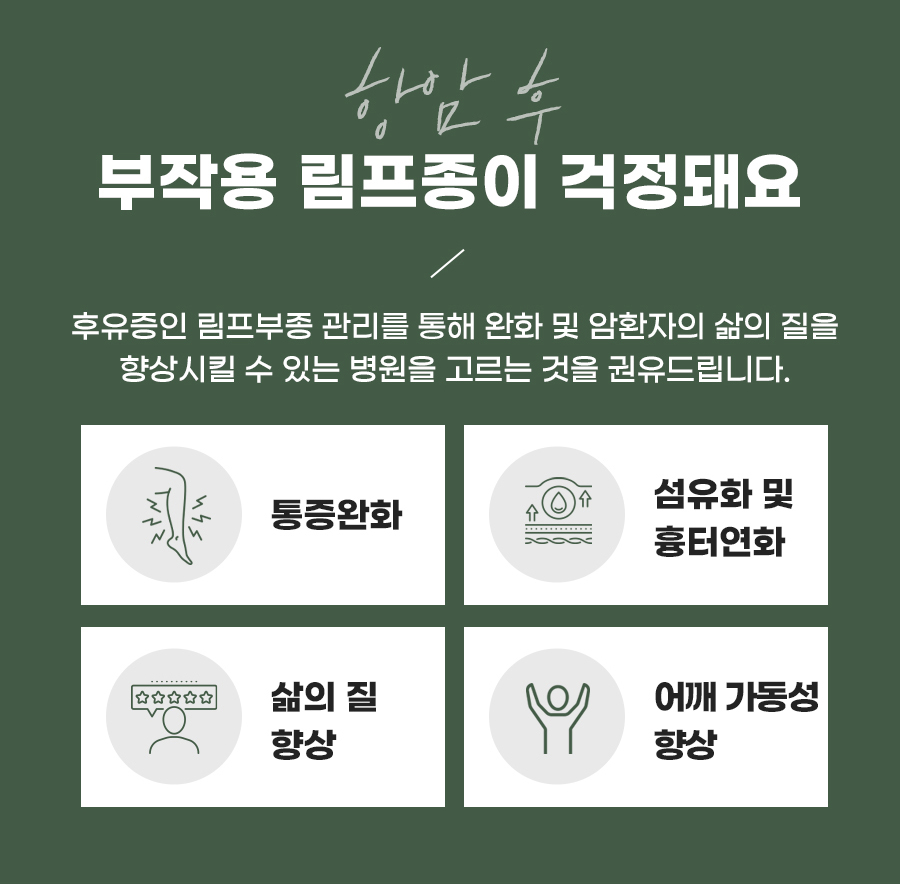
Most patients receive their main cancer treatment at large tertiary hospitals or a specialized cancer hospital in the region. Chiu Convalescent Hospital positions itself as a recovery and supportive care base that works alongside these institutions.
The hospital's website includes logos of nearby tertiary hospitals. Displaying logos on a website does not by itself confirm formal cooperative agreements; patients should verify any official referral or partnership arrangements directly with both Chiu Convalescent Hospital and the tertiary center. In general, patients typically continue primary treatments (surgery, chemotherapy, radiation) at their chosen cancer centers while seeking supportive outpatient services elsewhere, but coordination and referral pathways should be confirmed in each case.
It is important to keep your main oncology team informed about any additional therapies you receive. Sharing information helps avoid overlapping medications, reduces the risk of interactions with herbal prescriptions, and ensures that everyone is working toward the same treatment goals.
Who may consider Gwangju outpatient cancer care
You may consider outpatient cancer care in Gwangju if you are currently receiving chemotherapy or radiation at a large hospital and feel that you need more structured support between sessions. This includes help with fatigue, appetite, sleep, or emotional stress.
You may also benefit if you have completed intensive treatment but still struggle with weakness, pain, or difficulty returning to daily activities. Older patients with multiple chronic diseases who need careful internal medicine management during cancer treatment are another group that often uses these services.
For overseas patients, Gwangju outpatient cancer care can be an option if you plan a medium-term stay in Korea to receive or complete treatment at a tertiary hospital and want a quieter base for recovery.
Online consultation and pre-visit preparation
Before traveling to Korea, it is helpful to arrange an online consultation. Chiu Convalescent Hospital offers local phone and KakaoTalk channel consultations, and international patients can usually contact the hospital via email or messaging apps.
To prepare, you should gather and, if possible, translate the following documents: your cancer diagnosis and staging report, summaries of surgery, chemotherapy, or radiation you have already received, recent imaging reports and lab results, a list of all medications and supplements you are taking, and information about any allergies or past medical history.
During the online consultation, you can discuss your main symptoms and goals, ask whether outpatient care or short-term admission is more suitable, and check how the schedule can be coordinated with your treatment at a tertiary hospital. It is also a good time to ask about consultation hours, language support, and any practical questions about transportation and accommodation.
Expected Korea visit timeline for outpatient care
For overseas patients planning to use outpatient cancer care in Gwangju, a typical visit might look like this.
In the first few days, you have an initial face-to-face consultation and basic assessments. The team reviews your medical records, examines you, and may order additional tests if needed. Together, you set goals and design a care plan.
Over the next one to four weeks, you attend scheduled outpatient sessions. These may be several times per week, depending on your condition and energy level. If you are also receiving chemotherapy or radiation at a tertiary hospital, your schedule is arranged around those appointments.
If your condition requires closer monitoring, you may start with a two-week short-term admission and then switch to outpatient visits. At the end of your stay in Korea, the team prepares a summary of your outpatient care, which you can share with your home oncologist.
Aftercare and returning home
After you return home, it is important to continue follow-up with your primary oncology team. Outpatient cancer care in Gwangju is meant to support you during a certain period, not to replace long-term follow-up in your own country.
You can ask the hospital to provide written summaries of the therapies you received, any medication changes, and recommendations for ongoing diet and activity. Share these with your local doctors so they understand what was done and can continue appropriate care.
If you found certain supportive therapies particularly helpful, such as specific diet strategies or exercise routines, you can discuss how to adapt them to your home environment. Some patients may also choose to maintain periodic online contact with the Gwangju team for general guidance, while keeping all major treatment decisions with their local oncologists.
How to choose a Gwangju outpatient cancer care facility
When comparing options for outpatient cancer care in Gwangju, consider several key points.
Look at the medical team background. Check whether there are internal medicine specialists with experience in managing cancer patients and chronic diseases, and whether they have experience coordinating with tertiary hospitals.
Review the available supportive therapies. Ask whether the facility offers high frequency hyperthermia, integrative Korean medicine, nutrition programs, and emotional or psychological support. Not every patient will need every therapy, but it is helpful to have options.
Consider transparency. Facilities that share information about their daily care, such as meal photos, program descriptions, and clear explanations of therapies, can be easier to evaluate from abroad.
Evaluate the environment. A quiet setting, access to nature, and comfortable rest areas can make a significant difference in your recovery experience, especially if you are staying for several weeks.
Finally, check whether there is a system for short-term admission if your condition temporarily worsens. Flexibility to move between outpatient and inpatient care can be reassuring.
Key questions to ask before deciding
Before you make a decision, it can be useful to prepare a list of questions to ask the facility. Examples include whether you can continue chemotherapy or radiation at your current hospital while using their outpatient services, how often you would need to visit and how long each visit usually takes, which symptoms they can realistically help with, how they coordinate with your main oncologist, and whether any of their treatments might interfere with your current medications.
Writing these questions down before an online consultation can help you compare facilities more clearly and choose the one that fits your needs and travel plans.
Frequently asked questions
Can I continue treatment at a tertiary hospital while using outpatient care in Gwangju?
Yes. Outpatient cancer care in Gwangju is designed to complement, not replace, treatment at tertiary hospitals. You can usually continue surgery, chemotherapy, or radiation at your chosen cancer center while receiving supportive care at a convalescent hospital such as Chiu Convalescent Hospital. It is important to inform both teams about your full treatment plan so they can coordinate safely.
What symptoms can outpatient cancer care help with?
Outpatient programs commonly focus on fatigue, appetite loss, nausea, digestive discomfort, sleep problems, mild pain, and general weakness. However, severe or rapidly worsening symptoms still require prompt evaluation at a tertiary hospital or emergency department.
Is hyperthermia or integrative medicine a cure for cancer?
No. High frequency hyperthermia and integrative Korean medicine are used as supportive therapies. They may help with comfort, circulation, or certain side effects, but they are not proven cures for cancer and should not replace standard treatments like surgery, chemotherapy, or radiation when those are recommended. Any decision to change or stop primary cancer treatment must be made with your main oncology team.
How do I prepare for an outpatient visit as an overseas patient?
Before your visit, collect your medical records, including diagnosis reports, treatment summaries, imaging, and recent lab results. Prepare a list of your medications and supplements, and note any allergies. During an online consultation, discuss your goals and travel schedule, and ask how many outpatient sessions they recommend. This preparation helps the team design a realistic plan for the time you will spend in Korea.
Soft call to action for online consultation
If you are considering Gwangju outpatient cancer care as part of your treatment journey, an online consultation can be a safe first step. You can contact Chiu Convalescent Hospital through its local phone number or KakaoTalk channel to discuss your situation, share your medical information, and explore whether outpatient care, short-term admission, or a combination of both would suit you.
By understanding your options in advance and coordinating with your main oncology team, you can use your time in Gwangju to focus on recovery, symptom relief, and quality of life in a calm environment near Mudeungsan National Park.
- 공유 링크 만들기
- X
- 이메일
- 기타 앱


댓글
댓글 쓰기