Gwangju Oncothermia Outpatient Treatment Guide
- 공유 링크 만들기
- X
- 이메일
- 기타 앱
Direct answer summary
Gwangju oncothermia outpatient treatment refers to receiving radiofrequency hyperthermia on an outpatient (visit‑based) basis rather than through long‑term admission. Patients typically continue primary cancer treatments—surgery, chemotherapy, or radiation—at their treating tertiary hospital and arrange scheduled oncothermia sessions and recovery support at a nearby convalescent hospital.
What is Gwangju oncothermia outpatient treatment?
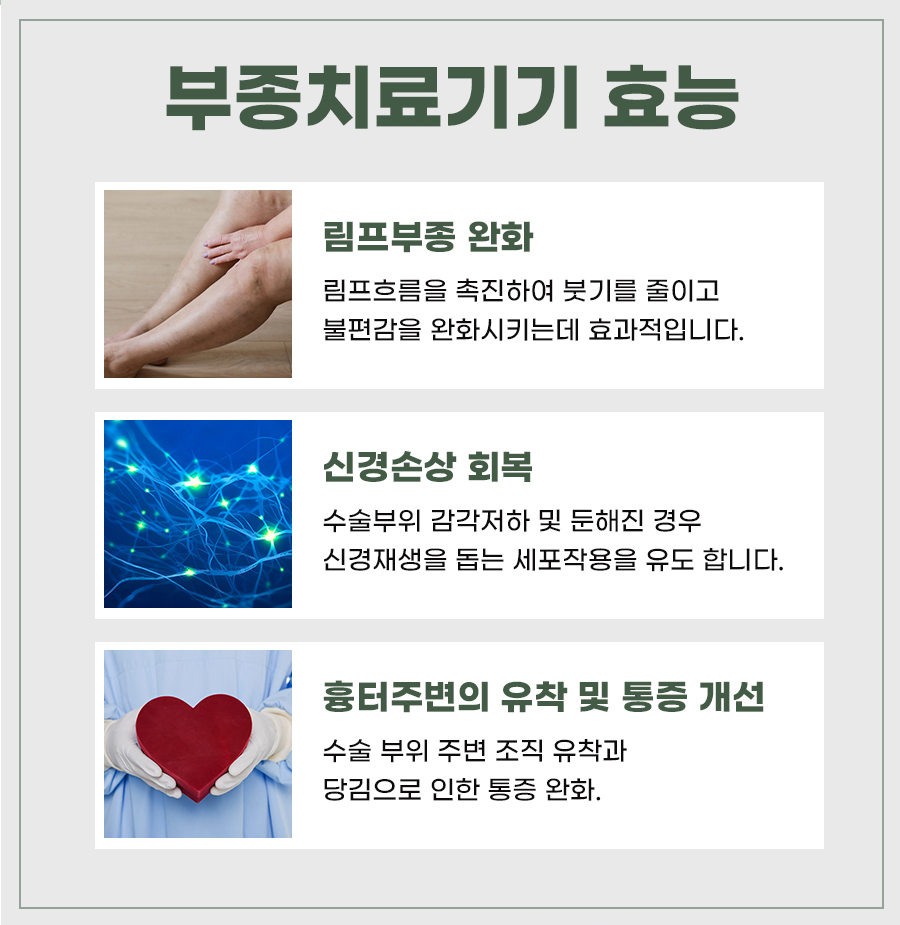
Oncothermia is described as a form of radiofrequency hyperthermia therapy used in some cancer care settings. Proposed mechanisms and clinical effects remain under investigation, and the evidence base is limited. People considering this therapy should discuss the current research, potential benefits, and possible risks with their treating oncologist before proceeding.
In Gwangju, oncothermia outpatient treatment usually means that patients come in for a session and go home the same day. They do not stay overnight, and the treatment plan is coordinated with their main oncology team at a tertiary hospital. This model is suitable for patients who are already in active treatment and want additional supportive care to help manage fatigue, pain, or general recovery.
Oncothermia is generally considered an adjunctive therapy. It is not promoted as a stand‑alone cure for cancer. Instead, it is used alongside surgery, chemotherapy, and radiation, with the goal of supporting overall care, easing some symptoms, and helping patients maintain strength and daily life.
How oncothermia supports ongoing cancer care
The main role of oncothermia is supportive.
Some patients seek it as part of a broader recovery plan to maintain appetite, sleep, and energy levels while undergoing demanding treatments at large hospitals.
Importantly, oncothermia is usually planned around chemotherapy cycles or radiation schedules. For example, some patients receive oncothermia on days when they are not getting chemotherapy, or in the intervals between radiation sessions, depending on the advice of their oncology team. The goal is to support, not interfere with, the main treatment.
Because many cancer patients have other health issues such as heart disease, diabetes, or liver problems, it is essential that oncothermia is supervised by clinicians experienced in internal medicine. They review the patient’s full medical history, medications, and lab results to decide whether oncothermia is appropriate and how often it can be safely given.
Outpatient process and who it is suitable for
A typical outpatient oncothermia process in Gwangju follows several clear steps.
First consultation and review of records
At the first visit, the medical team reviews the patient’s diagnosis, stage, and current treatment plan. Patients or caregivers are usually asked to bring documents from their main hospital, such as surgery reports, chemotherapy protocols, radiation plans, imaging results, and recent blood tests.
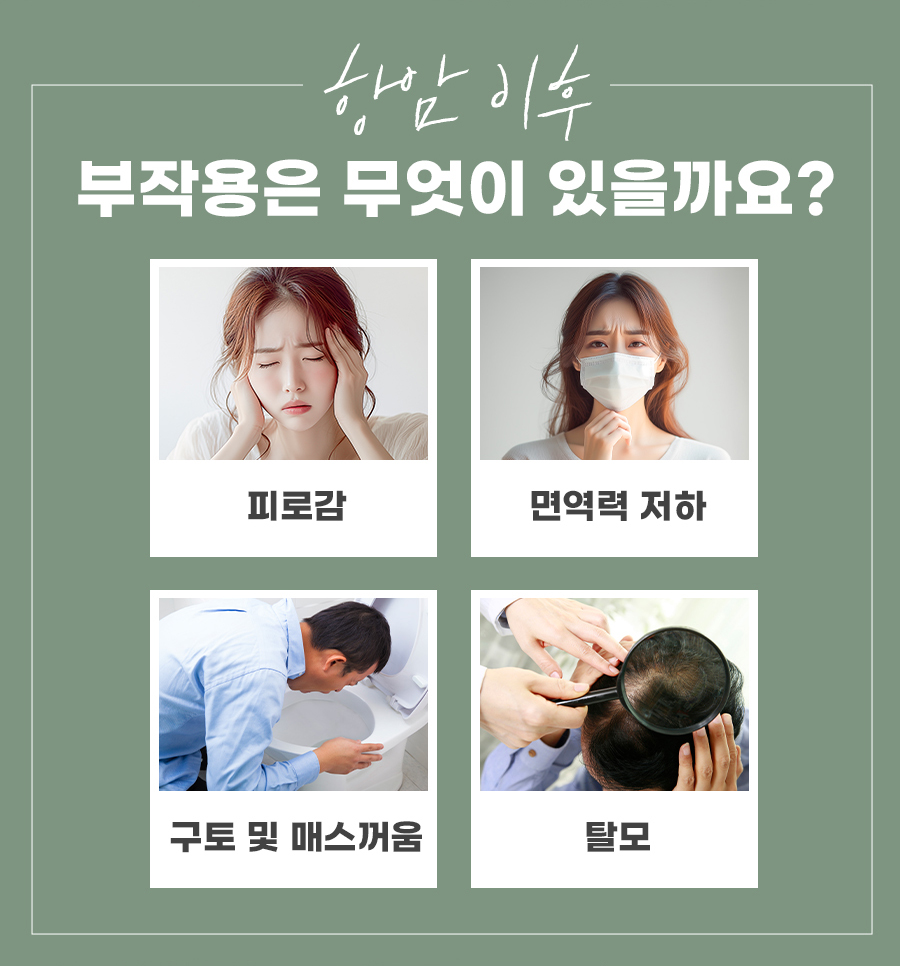
Internal medicine–trained clinicians then assess the overall condition. They check heart and lung function, kidney and liver status, and any ongoing side effects from chemotherapy or radiation. They also ask about symptoms such as pain, nausea, sleep problems, or weight loss.
Planning the oncothermia schedule
If oncothermia is considered suitable, a personalized plan is created. Many patients start with several sessions per week, then adjust frequency depending on tolerance, response, and main hospital appointments. The exact number of sessions varies widely and is decided case by case.
The team also coordinates with the patient’s chemotherapy and radiation schedule. For example, some patients may avoid oncothermia on the exact day of chemotherapy infusion, while others may receive it on nearby days, depending on their oncologist’s guidance.
Day‑of‑visit routine
On a typical treatment day, the patient arrives at the convalescent hospital and checks in. Vital signs such as blood pressure, pulse, temperature, and sometimes blood sugar are measured. The staff ask about any new symptoms, such as fever, chest pain, or unusual weakness.
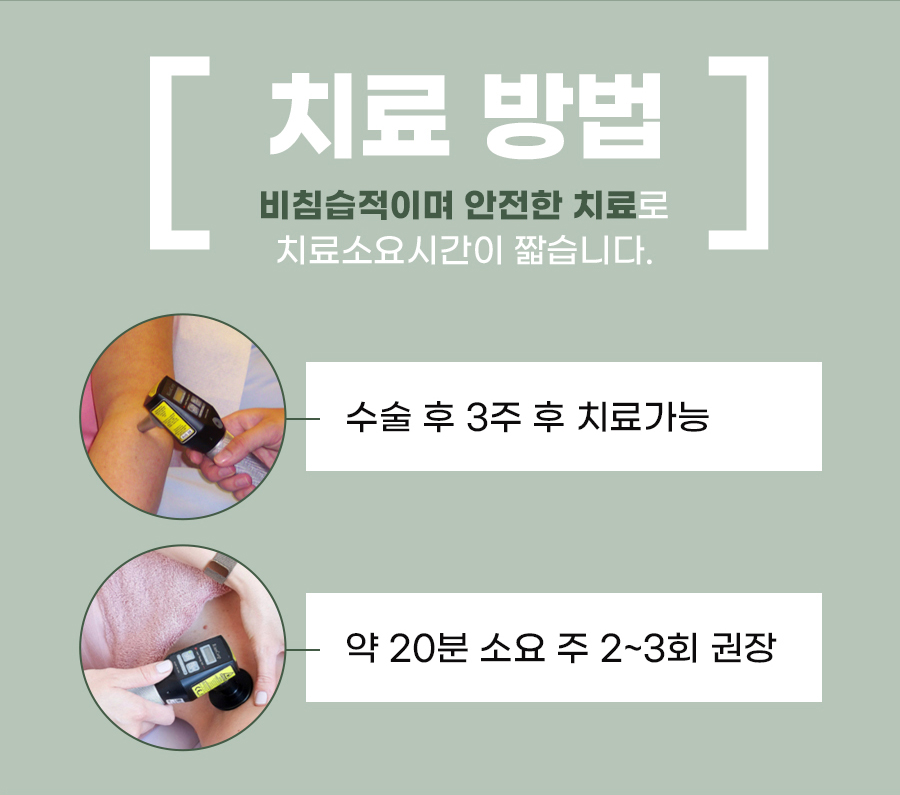
During a typical oncothermia session, a patient is positioned on a treatment bed and external applicators are placed near the targeted area. Energy is applied for a clinician‑determined duration, and some patients report feeling warmth in the treated region. Specific protocols, monitoring practices, and comfort‑management procedures vary by facility; ask the center in advance about how they conduct sessions and handle patient comfort or concerns.
After the session, the patient rests for a short period in a recovery area. If there are no issues, they can return home the same day. Many patients come with a family member or caregiver, especially if they feel tired from chemotherapy.
Who outpatient oncothermia is for
Outpatient oncothermia in Gwangju is generally suitable for patients who:
- - Can move independently or with caregiver support
- - Do not require 24‑hour monitoring
- - Are already receiving or have recently received treatment at a tertiary hospital
- - Want supportive therapy for symptom relief and recovery
It may not be suitable for patients with unstable vital signs, severe infections, uncontrolled pain, or those who need intensive inpatient care. In such cases, doctors may recommend short‑term admission or treatment at a higher‑level hospital first.
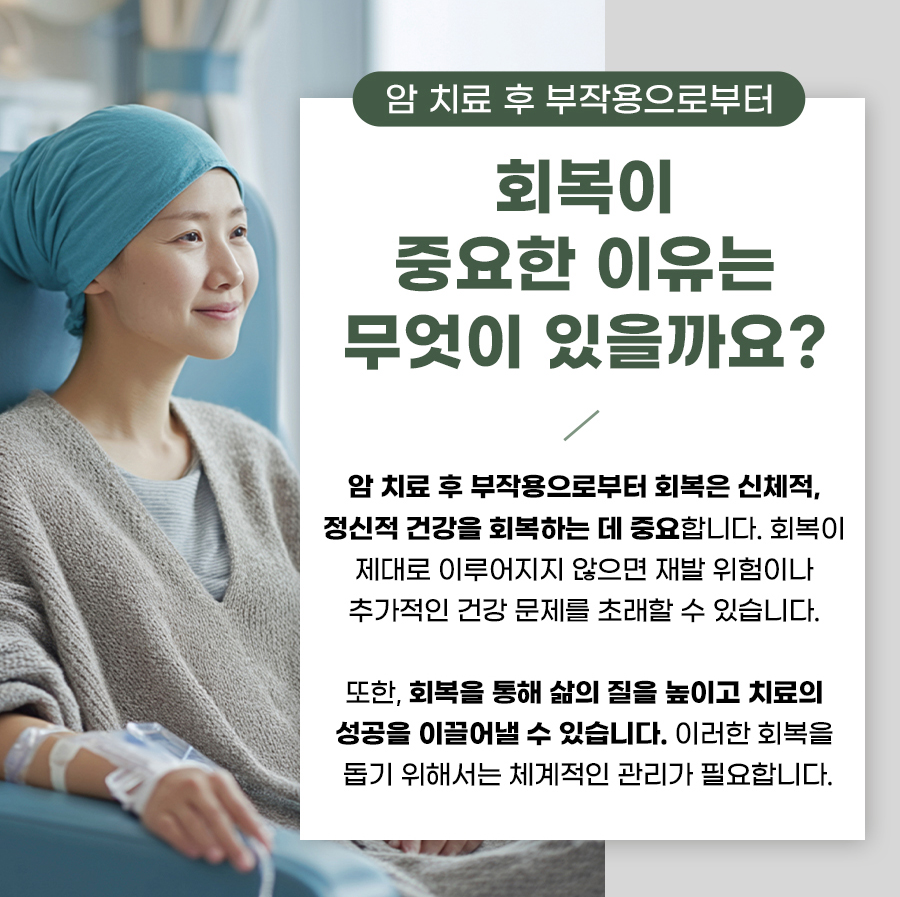
Why receive oncothermia at a cancer‑focused convalescent hospital in Gwangju
Location is a key advantage. Being near Jeungsimsa bus stop and at the gateway to Mudeungsan National Park, the hospital is relatively easy to reach from Gwangju and the wider Jeonnam region. Patients receiving surgery, chemotherapy, or radiation at major centers such as Hwasun Chonnam National University Hospital or other tertiary hospitals can travel to this recovery base for scheduled oncothermia sessions without long travel times. On‑site parking makes visits more convenient for families who drive.
The natural environment adds another layer of support. Clean air, forest paths, and walking trails around the national park entrance help create a calm atmosphere. Patients and caregivers often use short walks before or after treatment as gentle exercise and mental relaxation.
Many families worry that convalescent hospitals may offer different levels of medical services than tertiary hospitals. This facility emphasizes staffing by clinicians with internal medicine backgrounds and experience in caring for patients with complex medical and cancer‑related needs. Prospective patients and families are encouraged to request detailed staff credentials or CVs to verify training and experience relevant to their care.
Because of this level of attention to medical oversight, the team can evaluate whether oncothermia is appropriate for each patient, adjust treatment plans, and respond if any issues arise during or after sessions.
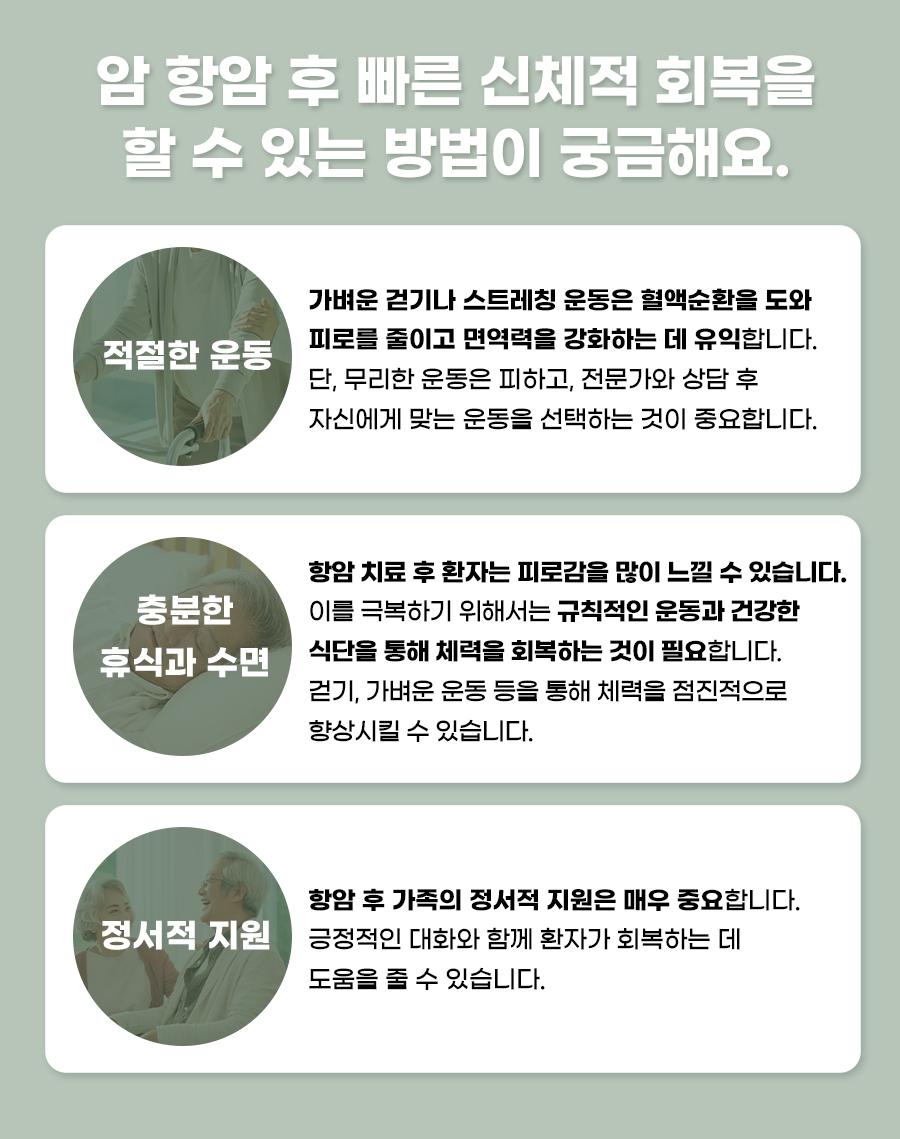
Integrative care: Western medicine, Korean medicine, and nutrition
One of the strengths of receiving oncothermia at a cancer‑focused convalescent hospital is the integrative approach around the treatment.
Western medical management
Internal medicine–trained clinicians oversee the overall medical condition, monitor lab results, and coordinate with tertiary hospitals. They pay attention to heart function, blood counts, liver and kidney markers, and manage medications for blood pressure, diabetes, or other chronic illnesses.
This is important because oncothermia is only one part of care. Many patients are on multiple drugs, including chemotherapy, targeted therapies, or anticoagulants. Adjusting schedules and monitoring for interactions helps keep outpatient oncothermia as safe as possible.
Korean medicine support
At this type of hospital, a dedicated Korean medicine doctor may provide acupuncture, moxibustion, cupping, and herbal medicine. These therapies are often used with the aim of helping manage pain, fatigue, digestive discomfort, neuropathy, and sleep problems.
For example, acupuncture and moxibustion may be used to try to ease nausea or peripheral nerve symptoms after chemotherapy. Herbal formulations are selected individually, with attention to liver and kidney function and any potential interactions with Western medications.
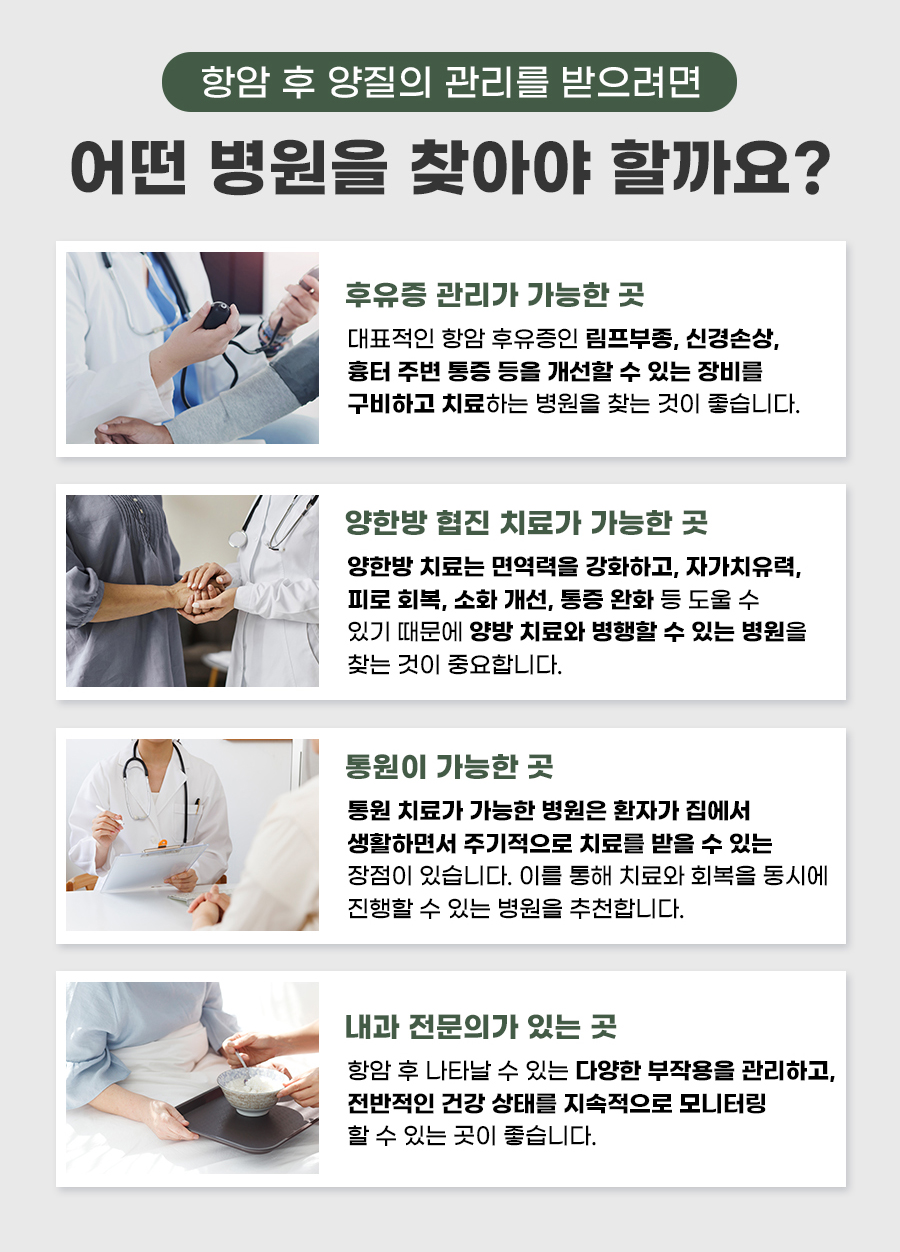
Nutritional and anticancer diet care
Nutrition is another central pillar. The hospital prepares balanced meals tailored to many cancer patients’ needs, focusing on adequate protein, vegetables, and easily digestible foods. Daily meal photos and menus are published on the hospital website, so patients and families can see the actual diet being served.
For outpatient oncothermia patients, nutritional counseling can help them plan what to eat at home on chemotherapy days, how to maintain weight, and how to handle taste changes or poor appetite. This practical guidance can be especially helpful for overseas patients staying in Korea for several weeks.
Emotional and environmental support
Quiet rest areas, family lounges, and access to walking paths near Mudeungsan National Park provide space for emotional recovery. Cancer treatment is stressful not only for patients but also for caregivers. Having a calm, nature‑connected environment may help reduce anxiety and support better sleep.
Short‑term admission vs outpatient programs
The convalescent hospital model in Gwangju offers both short‑term admission and outpatient options around oncothermia.
Short‑term admission programs
Some patients choose a two‑week short‑term admission program. During this period, they can receive multiple oncothermia sessions in a concentrated way, along with integrative Korean–Western medicine, nutritional care, and daily monitoring.
This option is often chosen by patients who feel very weak after chemotherapy, those who live far from Gwangju, or overseas patients who come to Korea for a limited time and want a structured recovery program.
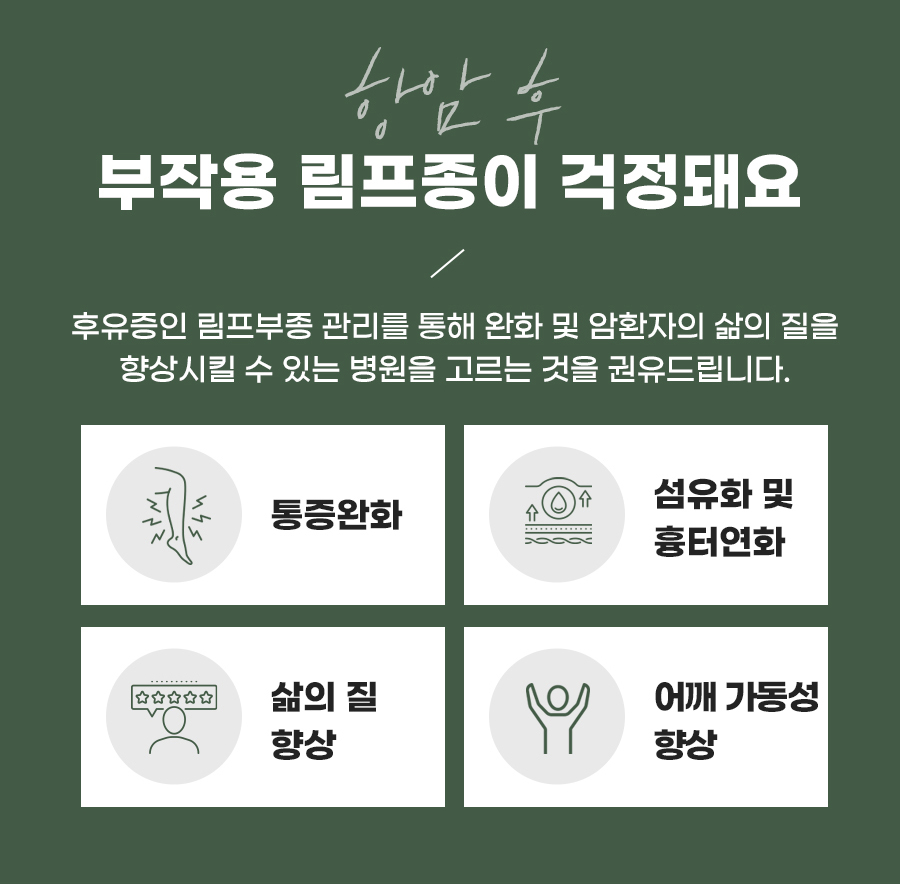
Outpatient oncothermia programs
Other patients prefer to stay at home or in a nearby residence and visit only for scheduled oncothermia sessions and consultations. This is suitable for people who need to continue working, caring for family, or attending frequent appointments at tertiary hospitals.
The outpatient model is reservation‑based and structured. Patients book specific days and times, coordinate with their chemotherapy or radiation schedule, and return home after each session. This counters the stereotype that once you enter a convalescent hospital you cannot leave. Here, both short‑term and outpatient pathways are designed to be flexible and patient‑centered.
Collaboration with tertiary hospitals
For many cancer patients in Gwangju and the Jeonnam region, main treatment is performed at large centers such as Samsung Medical Center, Chosun University Hospital, Chonnam National University Hospital, Hwasun Chonnam National University Hospital, and Bundang Seoul National University Hospital.
The role of the convalescent hospital is not to replace these institutions, but to act as a recovery base. Medical staff aim to maintain communication with tertiary hospitals when needed, and outpatient oncothermia schedules are planned with full awareness of surgery dates, chemotherapy cycles, and radiation plans.
For example, if a patient has chemotherapy every three weeks, oncothermia sessions may be more frequent in the middle of the cycle and adjusted around the days when blood counts are lowest. If a patient is receiving radiation to a specific area, the oncothermia plan will consider skin condition, fatigue, and any local side effects.
This coordinated approach is intended to help avoid conflicting treatments and support a smoother overall journey.
Online consultation and pre‑visit preparation for overseas patients
International patients who are considering oncothermia in Gwangju can usually start with an online consultation. Contact is typically available by phone and messenger channels. During this stage, you can share your diagnosis, current treatment plan, and what you hope to achieve from supportive care.
Before your first visit, it is helpful to prepare:
- - Recent medical reports in English, including pathology reports and staging
- - Chemotherapy and radiation summaries, including drug names and schedules
- - Imaging reports such as CT, MRI, or PET scans, if available
- - Recent blood tests, especially liver, kidney, and blood count results
- - A list of all medications and supplements you are taking
You can send these documents in advance so that the internal medicine–trained clinicians and Korean medicine doctor can review them before you arrive. This makes the first consultation more efficient and allows for a more tailored plan.
Expected Korea visit timeline for oncothermia in Gwangju
For overseas patients, a typical visit for Gwangju oncothermia outpatient treatment might look like this, though exact plans vary by individual.
In the first few days, you have an in‑person consultation, physical examination, and baseline tests if needed. The team confirms whether oncothermia is appropriate and finalizes your schedule.
Over the next one to three weeks, you attend outpatient oncothermia sessions several times per week. On some days, you may also receive acupuncture, moxibustion, or nutritional counseling. If you opt for a two‑week short‑term admission, these services are integrated into your daily routine.
On rest days or after sessions, you can walk in the nearby Mudeungsan National Park area, relax in the hospital’s rest spaces, or recover at your accommodation. If you are also scheduled for chemotherapy or follow‑up imaging at a tertiary hospital, the staff can help you coordinate transportation and timing.
Before returning home, you have a final review consultation. The doctors summarize what has been done, discuss how you felt during treatment, and provide recommendations for follow‑up care in your home country. They may also give you written summaries to share with your primary oncologist.
Aftercare and ongoing support
After you complete your planned oncothermia sessions and return home, it is important to continue regular follow‑up with your main oncology team. Oncothermia is supportive, so decisions about further chemotherapy, radiation, or surgery remain with your primary doctors.
If you experience any new symptoms after returning home, such as fever, unusual pain, or sudden weakness, you should contact your local medical team first. You can also reach out to the Gwangju convalescent hospital via phone or messenger for general guidance, but they cannot replace emergency or hands‑on care in your country.
Some patients choose to return to Gwangju periodically for additional short‑term programs, especially if they felt that the integrative care helped with fatigue or quality of life. In such cases, new online consultations are arranged to update the medical team on your current condition and treatments.
How to prepare and what to ask before starting oncothermia
Before committing to Gwangju oncothermia outpatient treatment, it is wise to prepare a list of practical questions. This helps you compare options and make informed decisions.
Questions you may want to ask include:
- Is oncothermia appropriate for my specific cancer type and stage?
- How will the sessions be coordinated with my current chemotherapy or radiation?
- What are the possible side effects or discomforts during and after treatment?
- How many sessions are typically recommended in my situation?
- What integrative services (acupuncture, nutrition, etc.) are available during my stay?
- What should I bring from my home country in terms of medications and documents?
You can also ask about practical matters such as nearby accommodation, language support, and transportation between the hospital and major tertiary centers.
For many patients, it is helpful to compare not only costs but also the experience and training of the medical staff, the availability of internal medicine–trained clinicians, the presence of a Korean medicine doctor, and the quality of nutritional and emotional support. These factors often have a strong impact on comfort and safety during outpatient oncothermia.
Frequently asked questions
Safety evidence for oncothermia is limited and may vary by device and protocol; suitability should be determined on a case‑by‑case basis by your treating oncology team. Discuss your full medical history, ongoing treatments, and any medical devices or other concerns with your oncologist and the treatment center. The treating physician and clinical staff should assess risks, potential interactions with current therapies, and whether oncothermia is appropriate for you. If you experience concerning symptoms during or after treatment, seek immediate medical attention.
Internal medicine–trained clinicians review your diagnosis, treatment history, and current health status to help decide whether oncothermia is appropriate. They consider factors such as heart function, infections, severe anemia, or unstable vital signs. All decisions should be made in coordination with your main oncology team.
Does oncothermia hurt, and what does it feel like during treatment?
Most patients feel a sensation of warmth in the area being treated. Some may experience mild discomfort if the heat feels too strong, but the staff can adjust the intensity. You lie on a treatment bed, and the session time is usually manageable for most people. If you feel pain, dizziness, or unusual symptoms, you can inform the staff immediately so they can respond.
Can I receive oncothermia while I am on chemotherapy or radiation?
In many cases, oncothermia is used alongside chemotherapy or radiation as a supportive therapy. However, the exact timing and frequency must be carefully planned. The medical team in Gwangju will review your chemotherapy regimen and radiation schedule, then design an oncothermia plan that fits around them. It is important that your primary oncologist is informed and agrees with the combined approach.
How often do I need to visit for outpatient oncothermia, and can my caregiver come with me?
The frequency of outpatient oncothermia sessions varies depending on your condition, tolerance, and main treatment schedule. Some patients come several times a week, while others have less frequent visits. Your plan will be personalized after consultation. Caregivers are usually welcome to accompany you, help with transportation, and stay in waiting or rest areas during your session.
Soft call to action for online consultation
If you are considering Gwangju oncothermia outpatient treatment as part of your cancer recovery, you can start by arranging an online consultation. Share your medical records, treatment history, and questions in advance so the team can assess whether this integrative approach suits your situation. Together with your main oncology doctors, you can then decide on a safe and realistic plan for supportive care in Gwangju.
- 공유 링크 만들기
- X
- 이메일
- 기타 앱


댓글
댓글 쓰기