Gwangju Metropolitan City Cancer Convalescent Hospital Guide for Recovery Near Mudeungsan
- 공유 링크 만들기
- X
- 이메일
- 기타 앱
If you are searching for a Gwangju metropolitan city cancer convalescent hospital, you are usually looking for a place where a patient can rest and recover after surgery, chemotherapy, or radiation, while still staying connected to major cancer centers. In Gwangju, there are convalescent hospitals that focus specifically on cancer patients, offering inpatient recovery, short-term admission, outpatient supportive care, integrative programs with Western and traditional Korean medicine, and device-based therapies such as high-frequency hyperthermia.
Chiu Convalescent Hospital in Dong-gu, at the entrance to Mudeungsan National Park near Jeungsimsa, is one example of this type of facility. It is led by internal medicine specialists with long university hospital leadership experience and offers cancer-focused recovery programs in a natural forest environment. This article explains what such hospitals do, how they differ from general nursing hospitals, and how international patients can plan a visit to Korea for this kind of care.
What is a cancer convalescent hospital in Gwangju
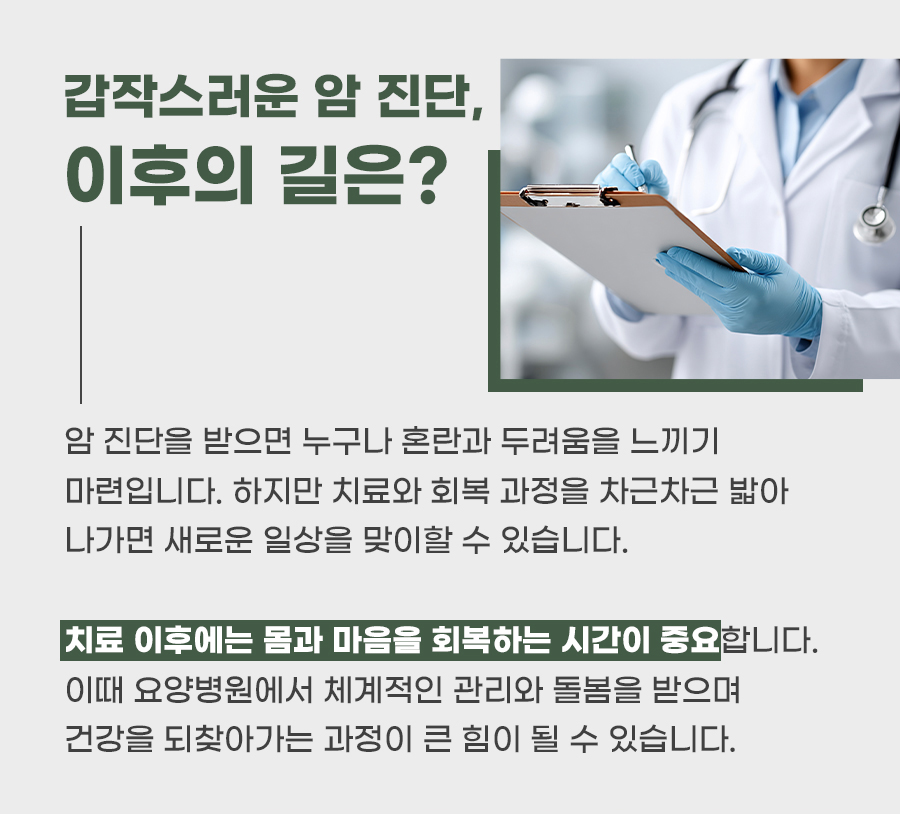
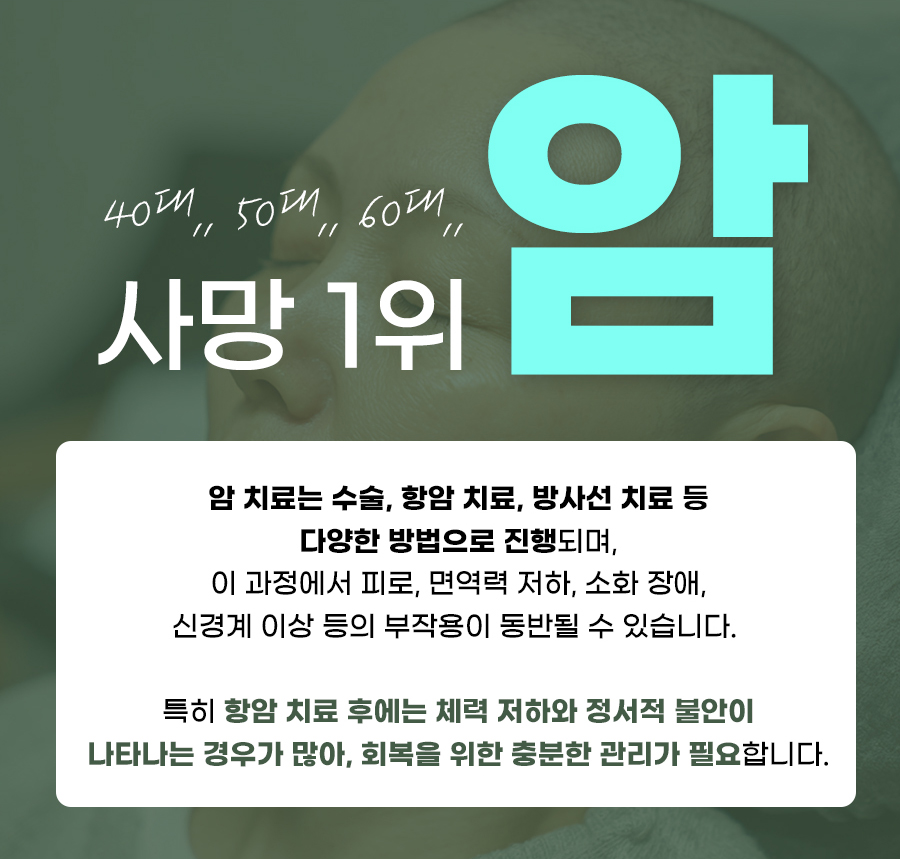
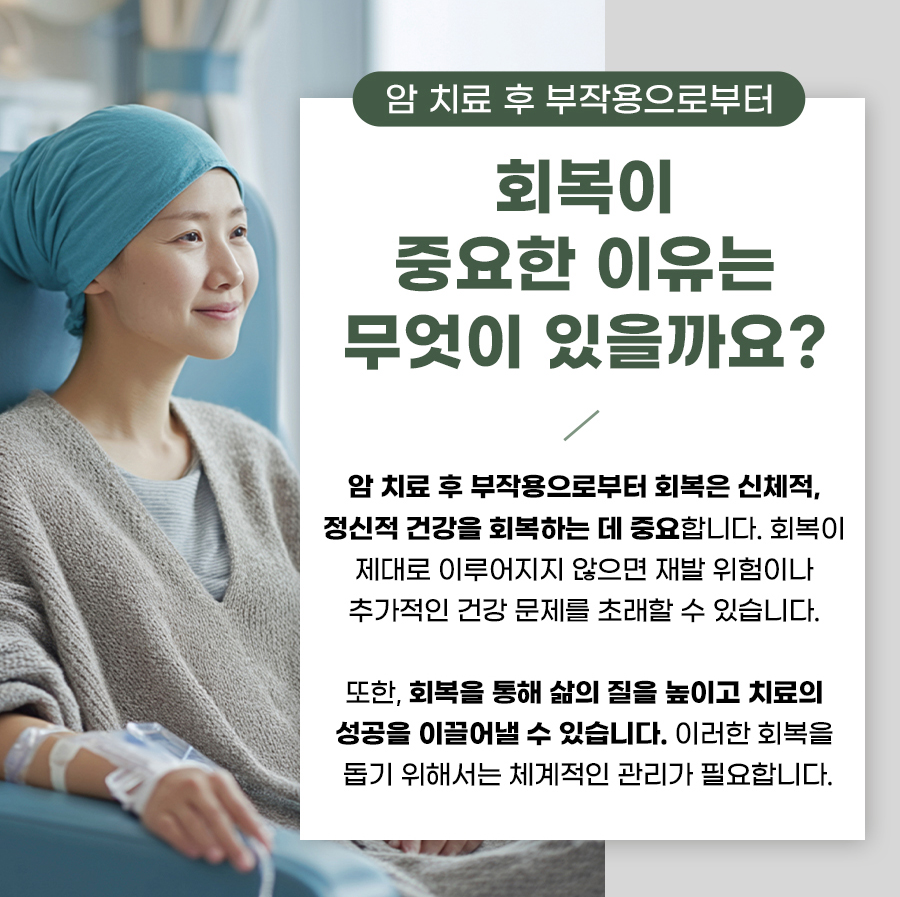
A cancer convalescent hospital is a medical facility that focuses on recovery and supportive care rather than on performing major surgery or intensive chemotherapy itself. Many patients receive their main cancer treatment at tertiary hospitals in Seoul or regional centers, then look for a quieter place to regain strength, manage side effects, and prepare for the next treatment cycle.
In Gwangju, a cancer-focused convalescent hospital typically provides inpatient beds, regular doctor rounds, nursing care, symptom control, rehabilitation-style activities, nutrition support, and sometimes integrative therapies. The goal is to help patients maintain physical strength, immunity, and emotional balance while standard oncology treatment continues at higher-level hospitals.
How this differs from a general nursing hospital
General nursing hospitals often care for elderly or chronically ill patients with a wide range of conditions. Cancer may be only one of many diagnoses. In a cancer convalescent hospital, most systems are organized around the needs of oncology patients: fatigue after chemotherapy, pain control, digestive problems, sleep disturbance, anxiety, and the need to coordinate with tertiary cancer centers.
You can expect more structured communication with outside hospitals, more focus on infection control, and programs tailored to people who are actively receiving or have recently completed cancer treatment. For overseas patients, this can be especially helpful when combining care at a large Korean cancer center with a quieter recovery stay.
Key criteria when choosing a cancer convalescent hospital in Gwangju
Medical staff qualifications
When comparing options in Gwangju, look closely at the medical staff. Important points include whether there are internal medicine specialists, how much experience they have in university or tertiary hospitals, and whether they are familiar with oncology patients.
At the example hospital in Dong-gu, two internal medicine specialists serve as medical directors. Both hold medical doctorates and previously served as presidents of a university hospital, which is unusual in the convalescent hospital field. One has experience as president of Chosun University Hospital for two consecutive terms, dean of Chosun University College of Medicine, and visiting professor at the University of Calgary medical school, with additional training at the Heart Center of the University Medical Center Mainz in Germany. The other has also served as president of Chosun University Hospital and trained in digestive diseases at a university hospital in Toronto, Canada.
This kind of background can reassure families who worry that moving from a university hospital to a convalescent hospital might mean lower medical standards. In addition, the presence of a traditional Korean medicine director with formal training and society memberships supports integrative care.
Cooperation with tertiary hospitals
Cancer patients often need regular visits to tertiary centers for scans, chemotherapy, radiation, or follow-up. When choosing a convalescent hospital, ask how they cooperate with major hospitals, how they handle transfers, and how they share medical information.
versity Bundang Hospital. This allows patients to use the convalescent hospital as a base for daily life and recovery while traveling to these centers for advanced treatment.
Integrative programs and supportive therapies
Look for a hospital that offers more than just a bed. Helpful elements include nutrition counseling, gentle physical activity, psychological support, and, if you are interested, traditional Korean medicine modalities such as acupuncture, moxibustion, cupping, and herbal medicine.
In an integrative model, internal medicine specialists and a Korean medicine doctor discuss cases together and design supportive care to help with chemotherapy side effects, fatigue, digestive issues, and sleep problems. For many patients, this combination can improve comfort and quality of life, although it does not replace standard oncology treatment.
Transparency about meals and daily life
Daily life matters a lot during a long recovery. Before choosing a hospital, ask to see sample menus, photos of meals, and information about visiting hours, room types, and activity programs.
6. This level of transparency lets families see exactly what patients eat, which can be reassuring for those who cannot visit in person.
Location and environment
For many cancer patients, a quiet natural setting is more healing than a busy city center. In Gwangju, one attractive area is around Mudeungsan National Park. The example hospital is located at the entrance to the park in Dong-gu, near Jeungsimsa bus stop, with on-site parking.
The surrounding area includes cypress forests rich in phytoncides, clear valley streams, and walking paths suitable for gentle walks and breathing exercises. Inside the hospital, there are quiet rest areas and healing spaces designed for relaxation and reflection. Emotional and cultural programs, such as poetry exhibitions or healing-themed events, are sometimes organized to support patients and families.
Flexible admission models
It is helpful to choose a hospital that offers different models of care: long-term admission, short-term intensive stays, and outpatient or day-care style visits. This flexibility lets you adjust the level of support as your condition changes.
Chiu Convalescent Hospital as an example in Dong-gu, Gwangju
Chiu Convalescent Hospital is a cancer-patient-focused convalescent hospital located at the entrance of Mudeungsan National Park in Dong-gu, Gwangju, near Jeungsimsa. It is designed for patients who have received surgery, chemotherapy, or radiation at tertiary hospitals and now need a place to rest and recover while staying in touch with their main oncology team.
The hospital is led by two internal medicine specialists with long experience in university hospital leadership, supported by a traditional Korean medicine director. Together, they provide a structure where Western medicine and Korean medicine work side by side. The hospital offers inpatient cancer recovery, a two-week short-term admission program, outpatient supportive care, high-frequency hyperthermia treatment, integrative therapies, and a transparent anti-cancer diet program.
On weekdays, outpatient and consultation services generally operate during standard daytime hours, with shorter hours on Saturdays. There is on-site parking, and patients or families can use online consultation channels to ask questions before visiting.
Inpatient cancer recovery and supportive care
Many patients arrive after completing surgery or a round of chemotherapy or radiation at a tertiary hospital. Others stay between treatment cycles to regain strength. The convalescent hospital functions as a recovery base, offering:
Regular visits by internal medicine specialists to monitor vital signs, adjust medications, and manage symptoms such as pain, nausea, or breathlessness.
Nursing care for daily needs, wound care, infusion management, and monitoring for early signs of complications.
Supportive therapies for sleep, appetite, bowel movements, and mood.
Coordination with the patient’s main oncology team at a tertiary hospital, including sharing reports and arranging transfers for scheduled treatments or urgent issues.
Short-term admission model
A distinctive feature is the two-week short-term admission program. This challenges the common stereotype that once you enter a convalescent hospital you must stay for many months.
Short-term admission is usually run on a reservation basis. It is suitable for patients who want intensive rest and management for a limited period, such as:
After finishing a chemotherapy cycle and needing a safe, quiet place to recover.
After surgery, once the immediate post-operative period at the main hospital is over, but before going back home.
During a planned break between treatment phases, when the patient wants to focus on nutrition, sleep, and physical strength.
Knowing that the stay is time-limited can reduce psychological burden for both patients and families. It also makes planning easier for overseas visitors who have fixed travel dates.
Outpatient and day-care style programs
Not every patient needs full admission. For those living in or near Gwangju, or for overseas visitors staying in nearby accommodation, outpatient or day-care style programs are available.
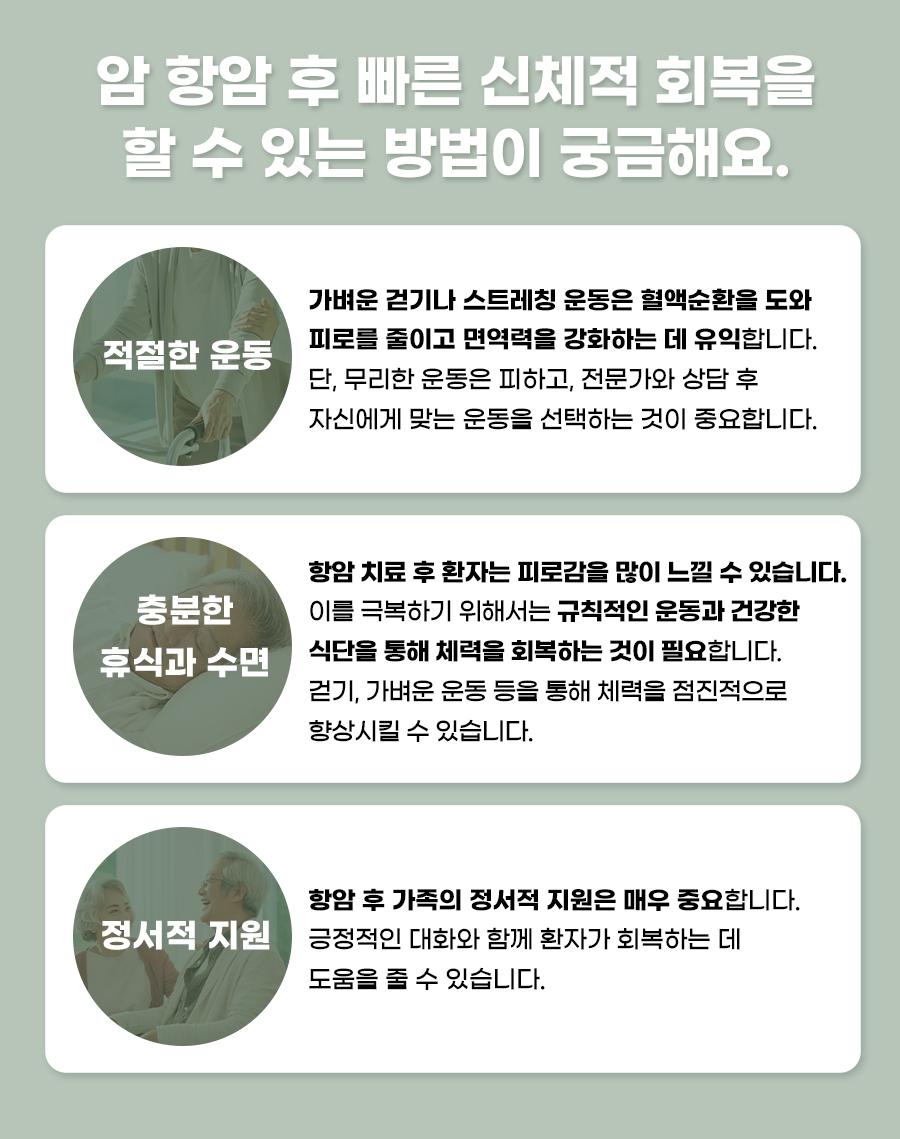
Patients can visit for scheduled sessions of high-frequency hyperthermia, acupuncture, moxibustion, or medical consultations, then return home or to a hotel. This model suits people who are relatively independent but still want regular supportive care, symptom management, or integrative therapies.
High-frequency hyperthermia cancer treatment
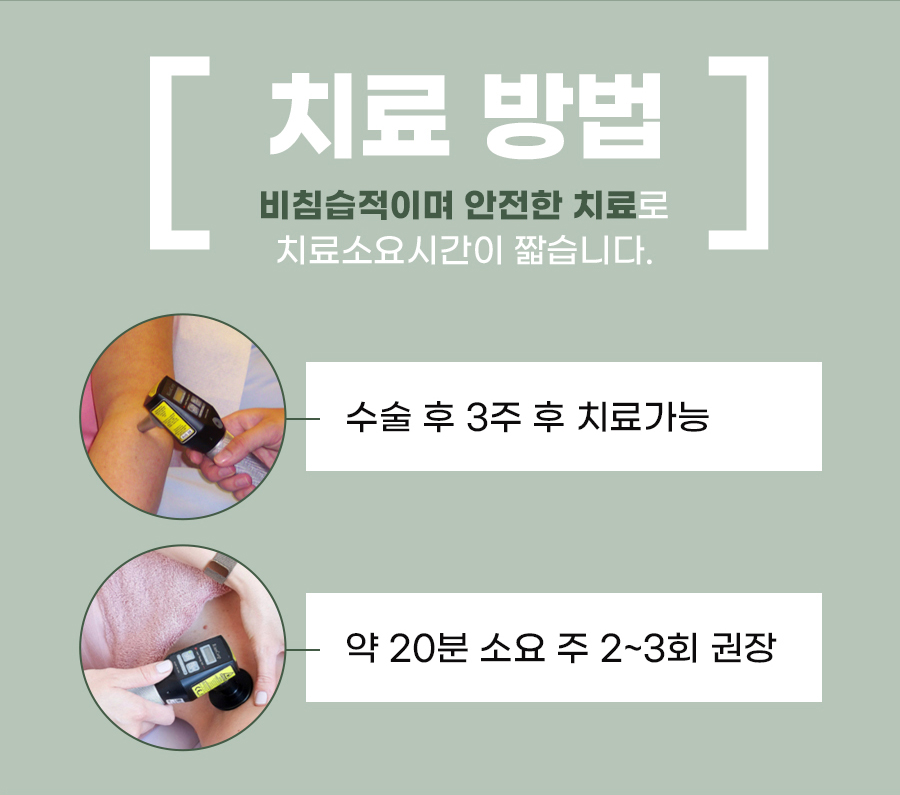
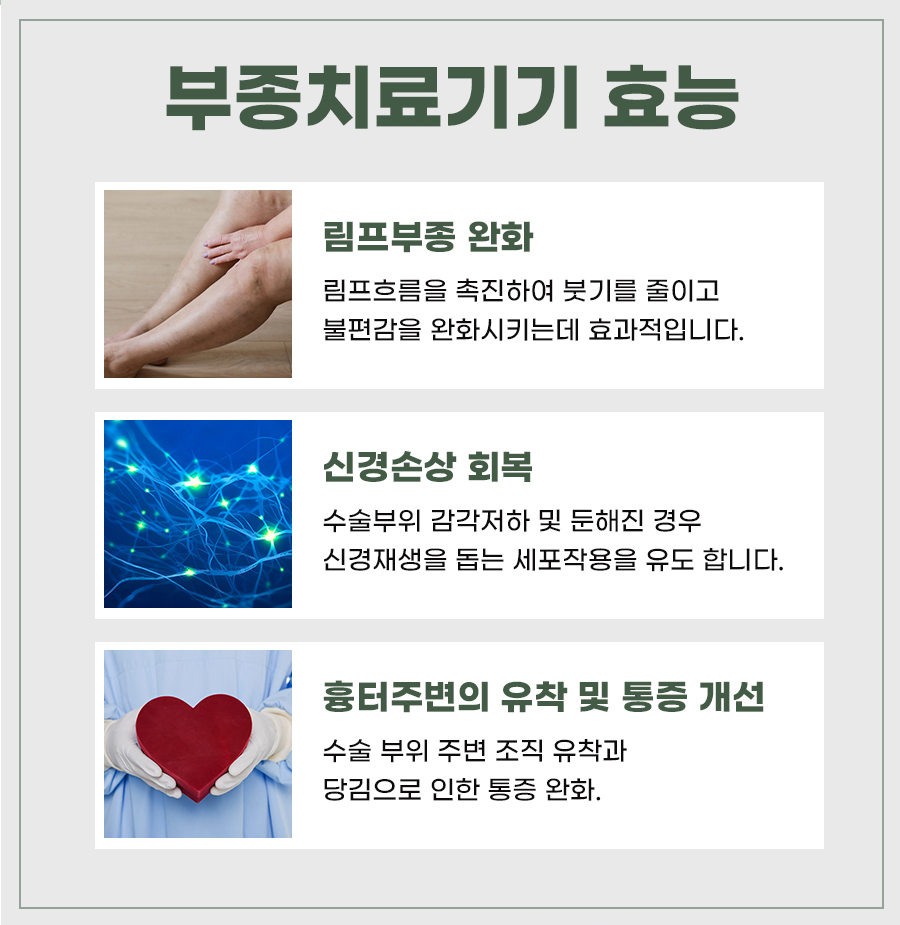
High-frequency hyperthermia is a device-based treatment that uses high-frequency energy to generate heat in targeted areas of the body. By gently raising the temperature of tumor regions or the whole body, it is used as a supportive therapy alongside standard cancer treatments.
In many oncology settings, hyperthermia is combined with chemotherapy or radiation to potentially enhance their effects. At the convalescent hospital level, it is typically offered as an adjunctive treatment to support circulation, metabolism, and comfort. The example hospital provides high-frequency hyperthermia sessions and offers explanatory video content on its own channel so patients and families can better understand what to expect.
It is important to remember that hyperthermia is not a replacement for surgery, chemotherapy, or radiation. Patients should always discuss with their main oncology team whether this therapy is appropriate for their specific situation.
Integrative care with Western and traditional Korean medicine
An integrative approach means that conventional Western medicine and traditional Korean medicine are used together in a coordinated way. In the Dong-gu example, internal medicine specialists and a Korean medicine doctor work as a team.
Typical Korean medicine modalities include:
Acupuncture: fine needles placed at specific points to help with pain, nausea, or sleep.
Moxibustion: gentle warming of acupuncture points using moxa to support circulation and warmth.
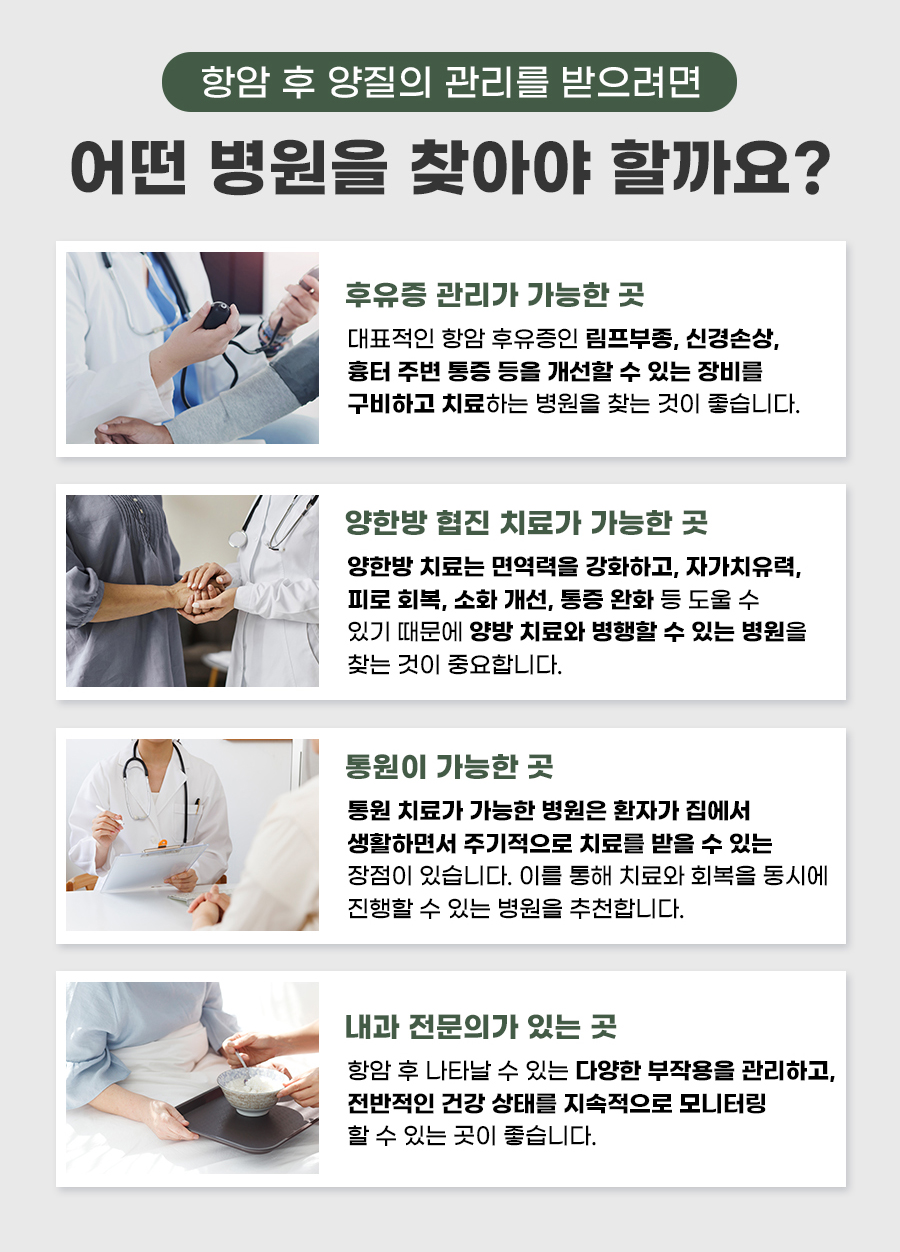
Cupping: creating suction on the skin to relax muscles and promote local blood flow.
Herbal medicine: carefully selected formulas, adjusted to the patient’s constitution and medical condition.
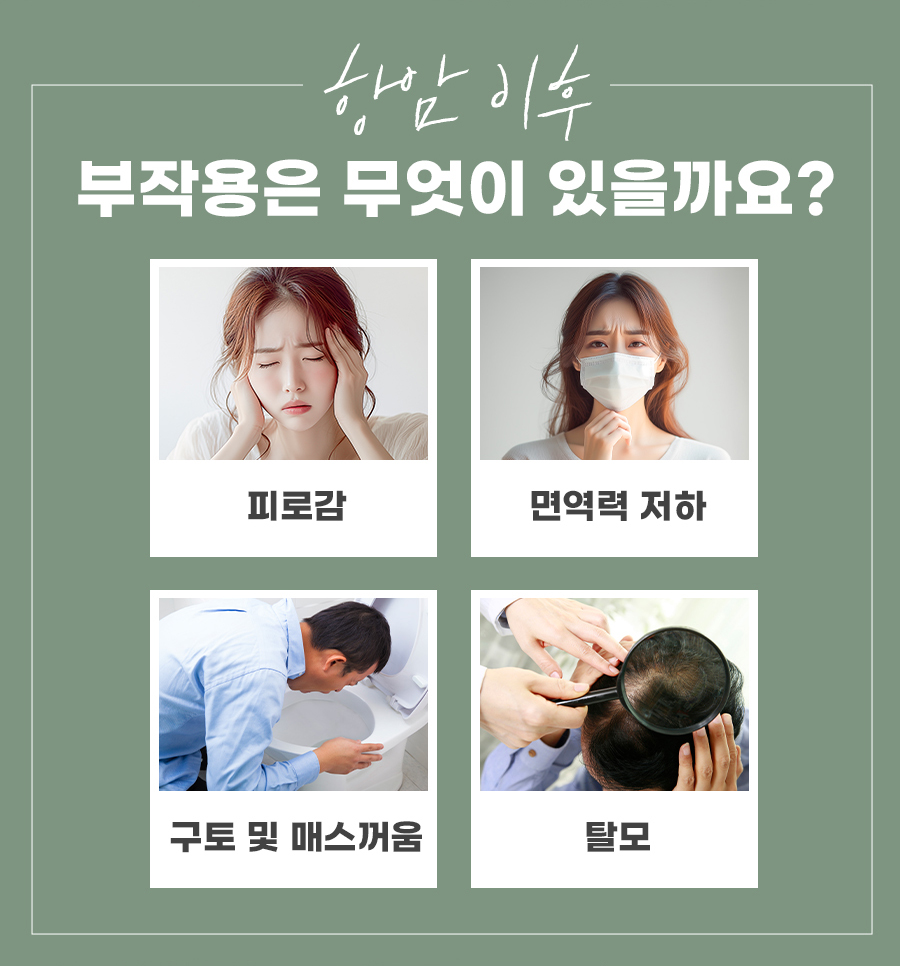
These treatments are often used to help manage chemotherapy side effects, chronic fatigue, digestive problems, neuropathy, and insomnia. The focus is on improving comfort and quality of life rather than claiming to cure cancer. Because every patient is different, the team usually adjusts the combination and intensity of therapies after individual consultation.
Nutrition and anti-cancer diet
Food is a central part of recovery. Many patients have weakened digestion, reduced appetite, or specific dietary restrictions. A cancer convalescent hospital should provide gentle, balanced meals that support immune function without overloading the body.
The example hospital runs an anti-cancer dietary program and a dedicated healing menu. Meals are planned to be easy to digest, with a focus on vegetables, whole grains, and appropriate protein sources, while limiting overly processed or heavy foods. Portions and textures can be adjusted for patients with swallowing difficulties or severe fatigue.
A key point is transparency: daily menus are photographed and posted on the hospital’s website, with more than 500 days of records by mid-2026. This allows families, including those living overseas, to see real examples of what patients actually eat. It also helps patients with specific cultural or religious dietary needs discuss options in advance.
Healing environment and emotional support
The physical and emotional environment can strongly influence recovery. Located at the entrance to Mudeungsan National Park, near Jeungsimsa, the example hospital benefits from clean mountain air, cypress forests, and nearby valley streams.
Patients can take gentle walks on forest trails, practice breathing exercises, or simply sit outdoors to feel the sun and wind. Inside the building, there are quiet rest areas and dedicated healing or mind rest spaces where patients can read, meditate, or listen to calming music.
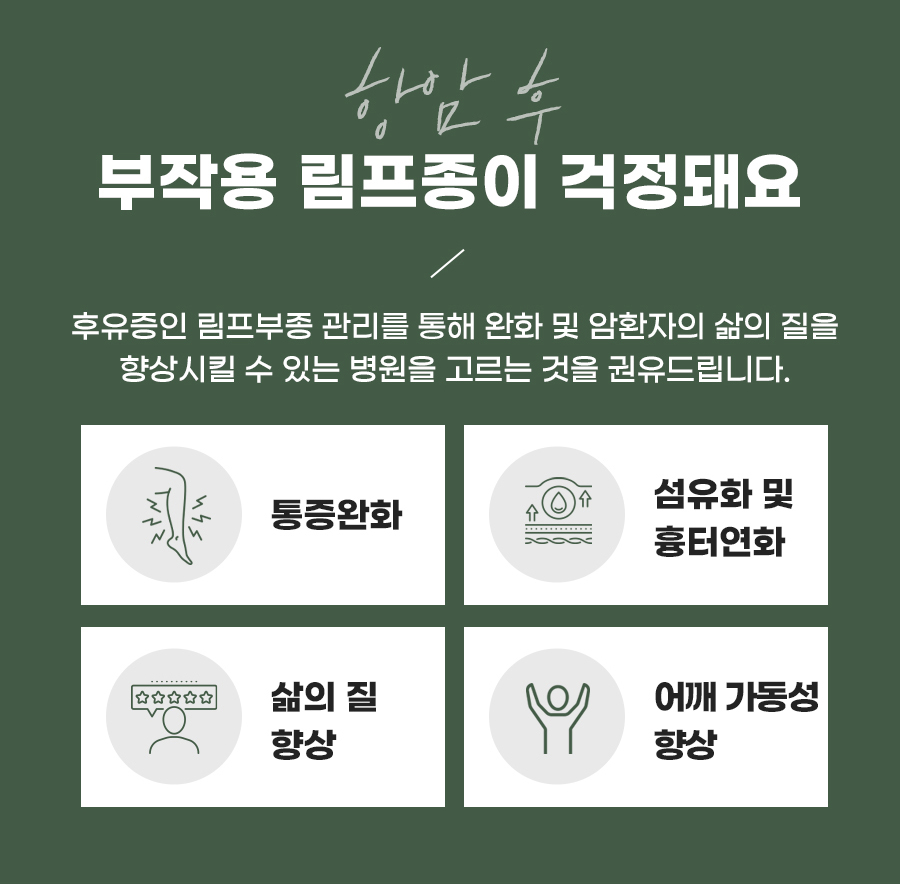
Emotional and cultural programs, such as poetry exhibitions or small healing-themed events, are sometimes organized to give patients and families a sense of connection and meaning. For overseas visitors, this can also be an opportunity to experience Korean culture in a calm, non-touristic setting.
Role of cooperation with tertiary hospitals
For international patients, one common pattern is to receive main oncology treatment at a large Korean cancer center, then stay at a convalescent hospital for recovery. The Dong-gu example cooperates with several major hospitals, including Samsung Medical Center in Seoul, Chosun University Hospital, Chonnam National University Hwasun Hospital, Chonnam National University Hospital, and Seoul National University Bundang Hospital.
The hospital displays logos of major referral centers on its website; contact the facility to learn what forms of coordination they provide. Examples you may ask about include medical record transfer, scheduling assistance around other treatments, or any referral procedures the hospital uses.
Sharing medical records and test results, with patient consent.
Coordinating schedules so that inpatient or short-term admission does not conflict with chemotherapy or radiation appointments.
Arranging transportation or giving clear instructions on how to travel between facilities.
Preparing patients physically and emotionally before major procedures, and supporting them afterward.
If you are planning treatment in Korea, you can discuss with your main oncology team whether using a convalescent hospital as a recovery base is appropriate and how to coordinate the timing.
Who may benefit most from a cancer convalescent hospital in Gwangju
A cancer-focused convalescent hospital in Gwangju may be suitable for:
Patients who have recently undergone surgery and are stable but still need monitoring, wound care, and help with daily activities.
Patients receiving chemotherapy or radiation at tertiary hospitals who feel too weak to manage at home between sessions.
Patients who want a structured environment to focus on nutrition, sleep, and gentle activity during a treatment break.
Elderly patients with multiple health issues who need both cancer-related care and general internal medicine support.
International patients who prefer a quieter, nature-based setting rather than staying long-term in a city hotel or apartment.
However, patients who are medically unstable, need intensive care, or require complex procedures should remain in tertiary or university hospitals. A convalescent hospital is designed for recovery and supportive care, not for emergency or high-intensity treatment.
Online consultation and pre-visit preparation for overseas patients
If you live outside Korea, the first step is usually an online consultation. Many convalescent hospitals, including the example in Dong-gu, offer contact via website forms, email, or messaging apps.
Before your online consultation, it helps to prepare:
Recent medical summaries in English, including diagnosis, stage, and treatments received.
Lists of current medications and allergies.
Information on your physical condition: ability to walk, need for assistance, special equipment.
Any dietary restrictions or religious requirements.
Your preferred dates for visiting Korea and how long you can stay.
During the consultation, you can ask about available programs (inpatient, short-term, outpatient), room types, estimated daily routines, language support, and how they coordinate with your main oncology team. The hospital may request scanned documents or reports to better understand your situation.
Expected Korea visit timeline for convalescent care
A typical visit for an overseas cancer patient might look like this:
Arrival and initial assessment: After arriving in Korea and reaching Gwangju, you are admitted to the convalescent hospital or attend an outpatient assessment. Doctors review your records, perform basic tests, and discuss your goals.
Program period: Over one to four weeks, depending on your plan, you follow a structured routine of rest, nutrition, integrative therapies, and, if applicable, high-frequency hyperthermia sessions. If you are also receiving treatment at a tertiary hospital, you travel there on scheduled days.
Review and discharge planning: Toward the end of your stay, the team reviews your progress, adjusts medications if needed, and prepares a summary for your home doctors. They may also suggest simple exercises, diet tips, and self-care strategies to continue after returning home.
Return home: You travel back to your country with medical documents and, ideally, a clearer plan for ongoing care.
Aftercare and follow-up
After leaving the convalescent hospital, you will usually continue follow-up with your local oncology team. Some patients maintain contact with the Korean hospital via email or online consultation, especially if they plan to return for another short-term stay.
It is important to:
Share all Korean medical reports with your home doctors.
Follow medication and diet recommendations carefully.
Monitor for new or worsening symptoms and seek medical attention promptly.
Discuss with your doctors whether another visit to Korea for convalescent care or integrative therapies would be beneficial.
Frequently asked questions
What is the difference between a cancer convalescent hospital and a general nursing hospital in Gwangju?
A cancer convalescent hospital focuses mainly on patients with cancer, especially those who are in active treatment or early recovery. It typically offers structured cooperation with tertiary cancer centers, integrative therapies, and programs tailored to chemotherapy and radiation side effects. A general nursing hospital cares for a broader mix of chronic conditions and may not have the same level of oncology-focused programs or collaboration.
Can I receive chemotherapy or surgery directly at a cancer convalescent hospital?
In most cases, major treatments such as chemotherapy, radiation, and surgery are performed at tertiary or university hospitals. The convalescent hospital provides recovery and supportive care before, between, and after these treatments. It can help coordinate schedules and transfers, but it does not usually replace the role of a full oncology center.
Is high-frequency hyperthermia safe, and does it replace standard cancer treatment?
High-frequency hyperthermia is generally considered a supportive therapy when used appropriately and under medical supervision. It does not replace standard treatments such as surgery, chemotherapy, or radiation. Safety and suitability depend on your overall condition, cancer type, and other treatments. You should always discuss hyperthermia with your main oncology team before starting.
How long should I plan to stay at a cancer convalescent hospital in Gwangju as an overseas patient?
The ideal length of stay depends on your health status, treatment schedule, and travel constraints. Some patients choose a two-week short-term admission for intensive rest and management, while others stay longer if they are in a prolonged recovery phase. During online consultation, the medical team can suggest a realistic timeline based on your medical records and goals.
Soft call to action for online consultation
If you are considering a Gwangju metropolitan city cancer convalescent hospital for yourself or a family member, it can be helpful to start with an online consultation. By sharing your medical history and asking detailed questions about programs, cooperation with tertiary hospitals, and daily life, you can decide whether a facility like the one near Mudeungsan National Park in Dong-gu fits your needs.
Take time to compare options, clarify expectations, and involve your main oncology team in the decision. With careful planning, a stay at a cancer-focused convalescent hospital in Gwangju can become a supportive part of your overall treatment journey in Korea.
- 공유 링크 만들기
- X
- 이메일
- 기타 앱


댓글
댓글 쓰기