Gwangju lung cancer radiotherapy recovery base near Mudeungsan
- 공유 링크 만들기
- X
- 이메일
- 기타 앱
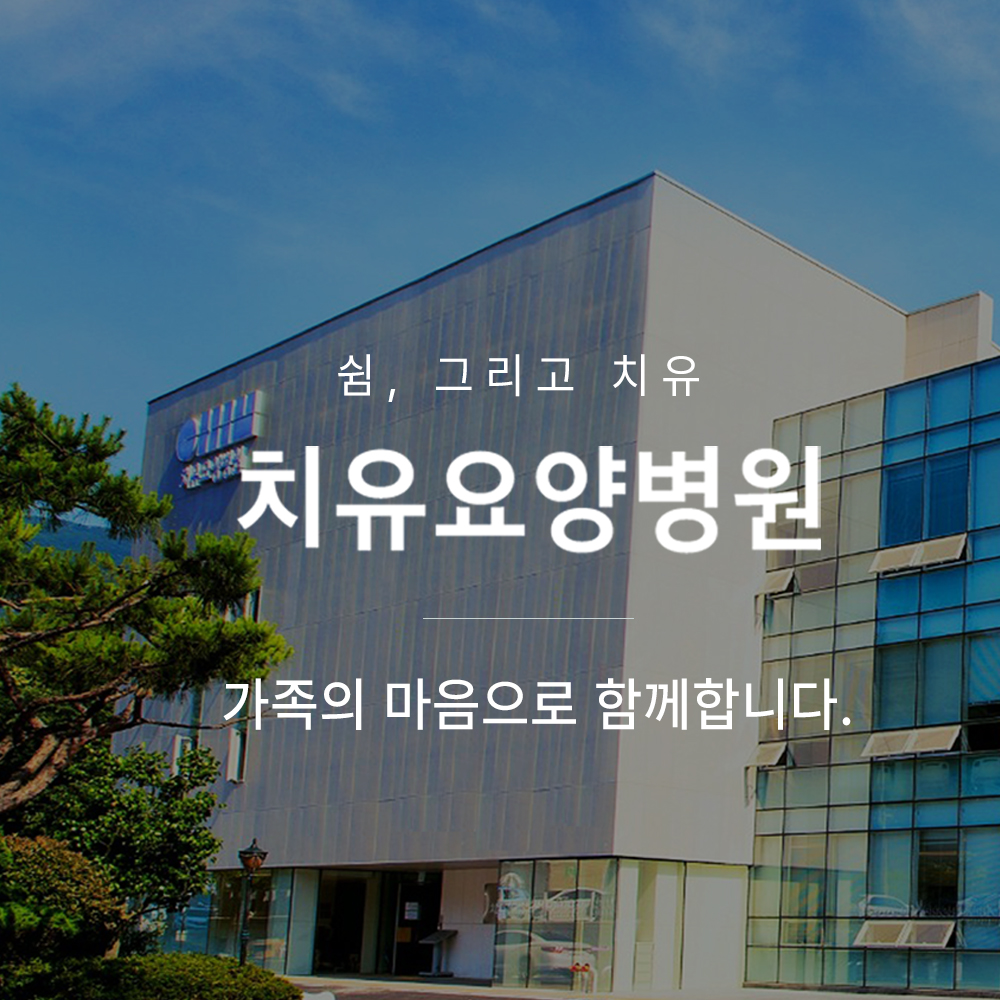
Short answer: Chiu Convalescent Hospital primarily operates as a recovery-focused facility that provides supportive care for patients undergoing lung cancer treatment at larger hospitals; contact the hospital directly to confirm specific oncology services such as radiotherapy.
Lung cancer radiotherapy itself is usually done at large cancer centers in Gwangju and nearby regions. However, many patients and families also need a quieter, medically supervised place to rest, manage symptoms, and recover strength between radiation sessions.
Chiu Convalescent Hospital in Dong-gu, Gwangju, focuses on recovery and supportive care for patients who receive cancer treatments at tertiary hospitals rather than acting as a primary radiation oncology center. The facility offers symptom management, nutritional support, and emotional care in a setting near the forested entrance of Mudeungsan National Park. Readers should contact the hospital directly to confirm which specific treatments and services are provided on site.
What lung cancer radiotherapy is
Lung cancer radiotherapy is a treatment that uses high-energy radiation to damage and destroy cancer cells in the lungs or nearby areas. The radiation targets cancer cells so they cannot grow and divide, while doctors try to protect as much healthy tissue as possible.
This treatment is usually performed at tertiary or cancer-specialty hospitals. Radiation oncologists plan the treatment using imaging scans and computer systems, and the radiation is delivered by large machines called linear accelerators. Patients lie on a treatment table while the machine moves around them to deliver radiation from different angles.
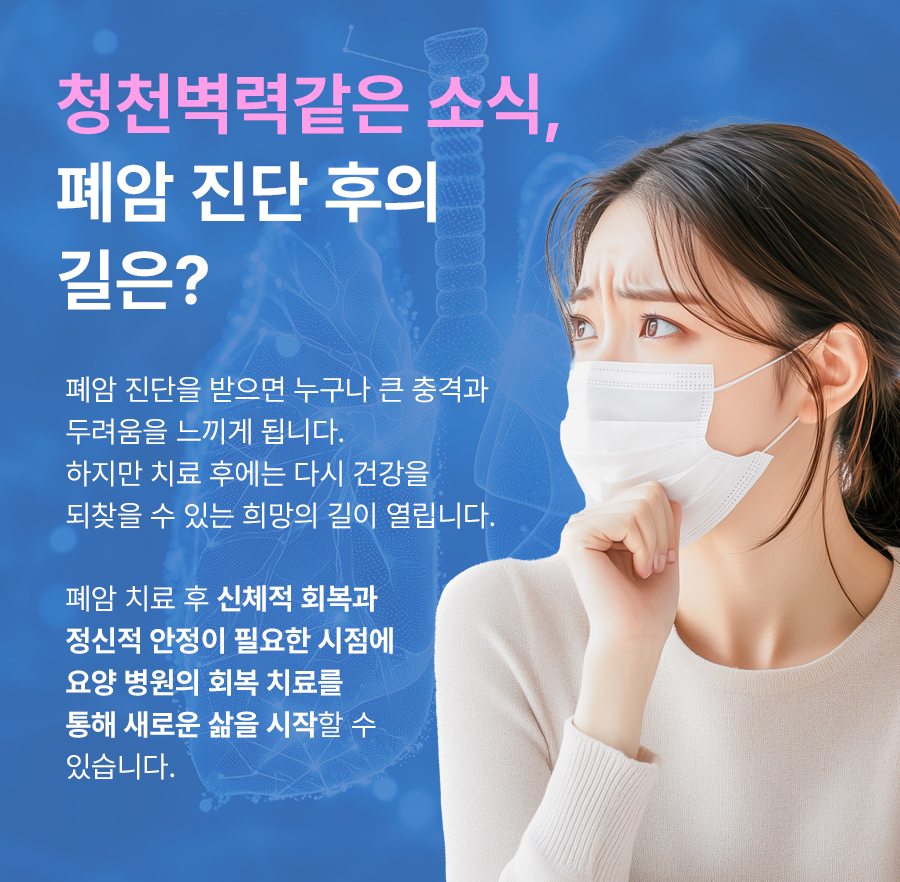
Lung cancer radiotherapy may be used after surgery to reduce the risk of the cancer coming back, as a main treatment when surgery is not possible, or to relieve symptoms in advanced stages, such as chest pain, coughing blood, or difficulty breathing.
Most patients receive radiotherapy in multiple sessions over several weeks. You may go to the hospital every weekday for a short session that lasts only a few minutes, but the whole course can be physically and mentally demanding. This is why many people look for a safe place to rest and recover during this period.
Common side effects and patient concerns
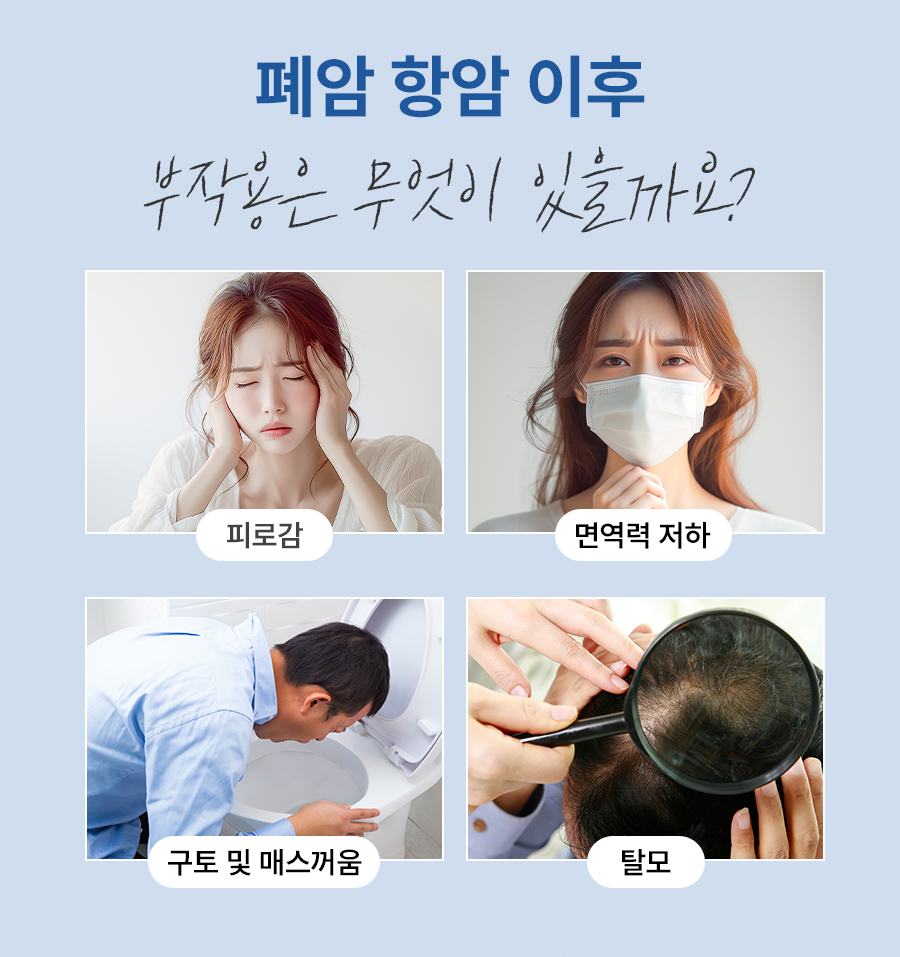
While radiotherapy is a local treatment, its effects are often felt throughout the body. Many lung cancer radiotherapy patients experience strong fatigue and weakness. Even walking a short distance or climbing a few steps can feel difficult, especially in the middle and later weeks of treatment.
Loss of appetite is also common. Some patients notice that food tastes different, or they feel full quickly. Over time, this can lead to weight loss and poor nutritional status, which may slow recovery and make it harder to tolerate ongoing treatment.
Because the radiation field often includes the chest, you may experience cough, sore throat, or discomfort when swallowing. Some people feel a tight or heavy sensation in the chest. In certain cases, shortness of breath or existing respiratory symptoms can temporarily worsen, so careful monitoring is important.
The skin in the radiation area can become dry, red, or irritated, similar to a sunburn. Gentle skin care and protection from friction or harsh products are usually recommended.
Emotionally, many patients feel anxious about whether the treatment is working, and they may fear complications. Repeated trips to a large hospital, waiting in busy corridors, and returning home feeling exhausted can create a sense of isolation. Families often worry about how to provide safe care at home while continuing work and other responsibilities.
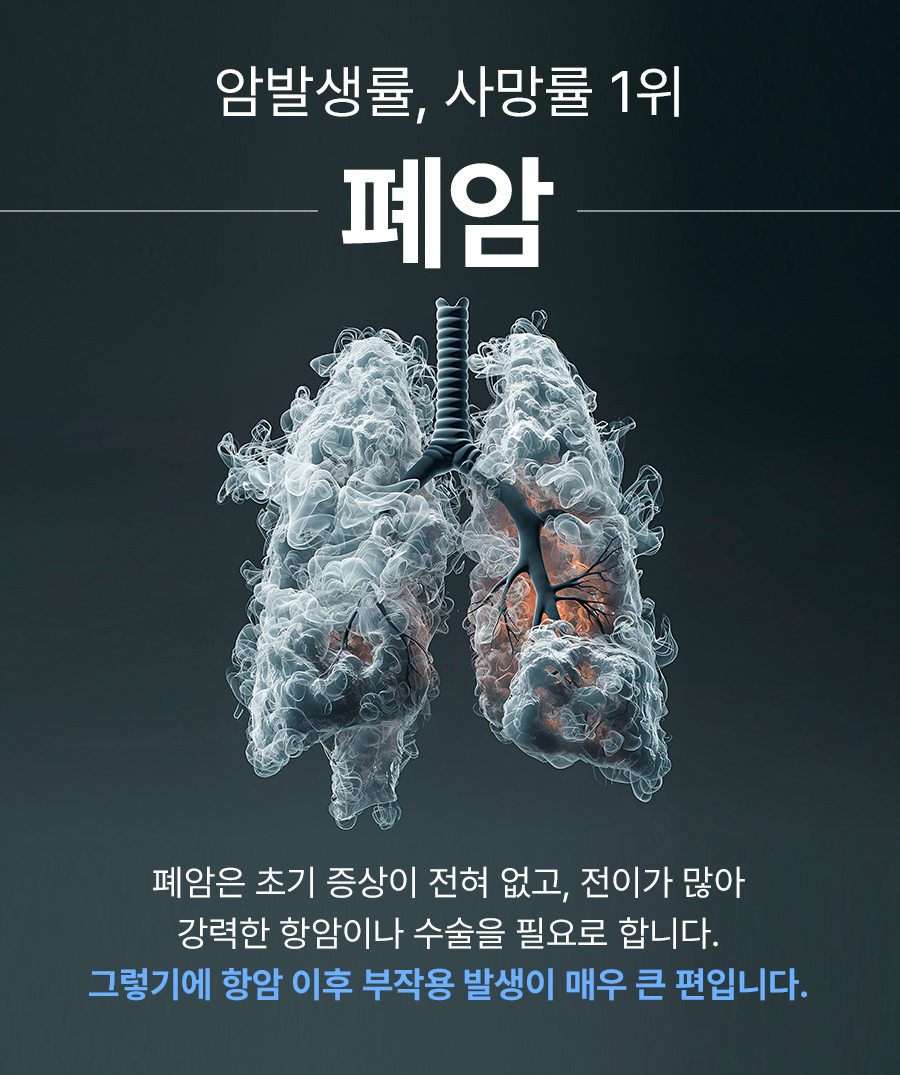
For these reasons, the day-to-day management of symptoms, nutrition, and overall strength is just as important as the radiation sessions themselves. Having a structured recovery base can make a meaningful difference in comfort and quality of life.
Role of a convalescent hospital as a recovery base in Gwangju
Chiu Convalescent Hospital is a convalescent hospital in Gwangju that focuses on care for cancer patients, including those undergoing lung cancer radiotherapy at tertiary centers. It does not replace large hospitals for surgery, chemotherapy, or radiotherapy. Instead, it works alongside them.
The concept is simple. You receive your lung cancer radiotherapy at a tertiary or cancer-specialty hospital. Then you return to a quieter, medically supervised environment where your symptoms are monitored, your nutrition is supported, and your strength is gradually rebuilt.
This approach can be used before radiotherapy to prepare your body, during the most tiring weeks of treatment, or after the radiation course to support recovery. Patients can stay as inpatients, use short-term admission programs, or attend outpatient supportive care while commuting for radiation sessions.
For families, this can reduce the burden of home care. Instead of worrying about every cough, fever, or change in appetite alone at home, you have access to medical staff who are familiar with cancer-related issues and can respond promptly.
Medical staff and reliability
Many people hesitate to choose a convalescent hospital because they worry about lower medical standards. At Chiu Convalescent Hospital, the medical team includes senior internal medicine specialists with university-hospital experience, which is less common for some convalescent institutions.
ted training at a heart center in Germany.
Another internal medicine specialist, also with a medical doctorate, is a former president of Chosun University Hospital and has training in digestive diseases at a university hospital in Toronto, Canada.
A Korean medicine doctor is also part of the team, with experience in several Korean medicine and convalescent hospitals and membership in professional societies related to constitutional medicine and pharmacopuncture. This allows for an integrative approach where Western and Korean medicine perspectives are combined for supportive care.
The hospital notes cooperative or referral relationships with larger medical centers, reflecting its role as a recovery and referral site that complements higher-level cancer centers rather than replacing them. Readers who need details about formal partnerships or institutional affiliations should confirm directly with the hospital or the other institutions involved.
Natural environment and location advantages
Chiu Convalescent Hospital is located in Dong-gu, Gwangju, near the entrance of Mudeungsan National Park, close to Jeungsimsa bus stop, with on-site parking available. For patients dealing with lung cancer radiotherapy, this setting offers several advantages.
The surrounding area has clean air and forest scenery, including cypress trees that are known for releasing phytoncides. Gentle exposure to forest air, when medically appropriate, can support relaxation and breathing comfort.
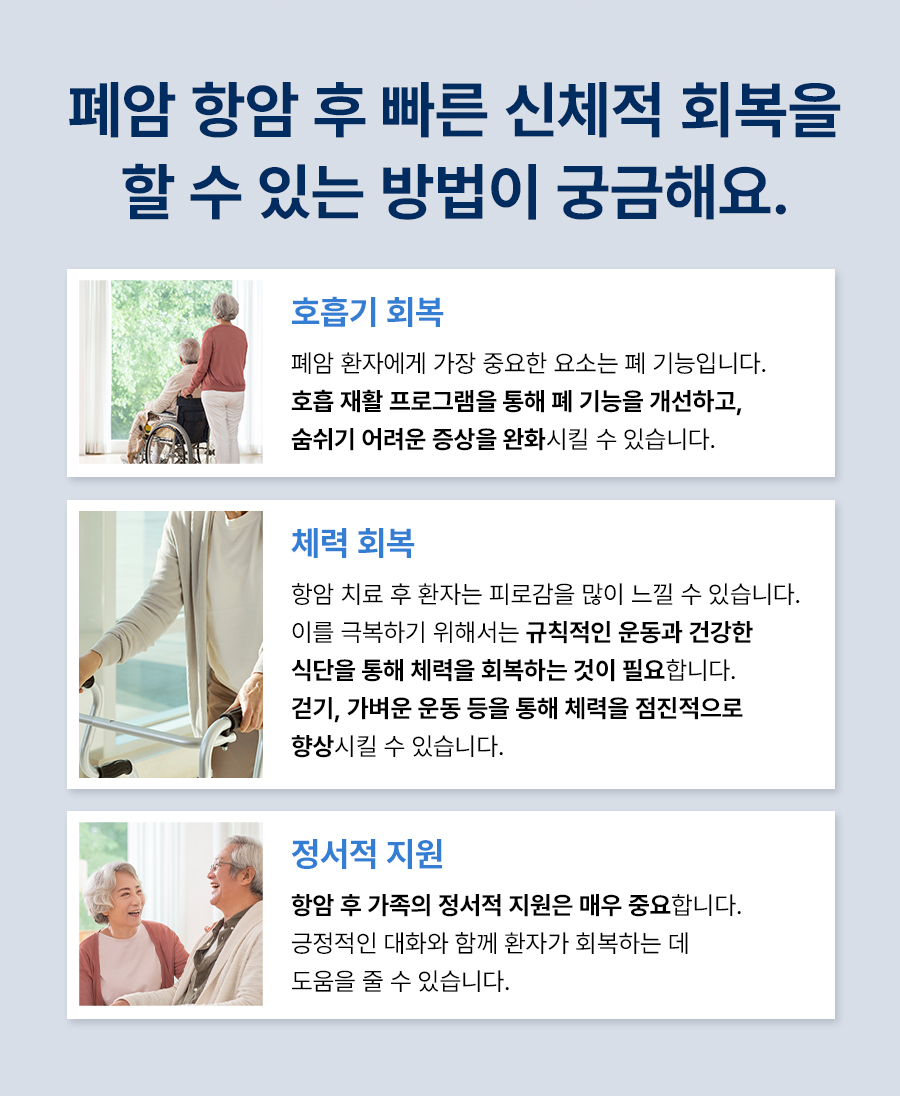
There are walking paths and valley streams nearby that are suitable for slow, short walks. For patients whose condition allows it, light walking under medical guidance can help maintain lung function, improve circulation, and support mood.
Inside the hospital, there are designated healing spaces, mental rest areas, and walking routes. Patients can use these areas between or after radiotherapy sessions, depending on their stamina and the advice of their doctors. The combination of medical supervision and a calm natural environment can be especially valuable for those who feel overwhelmed by the atmosphere of large hospitals.
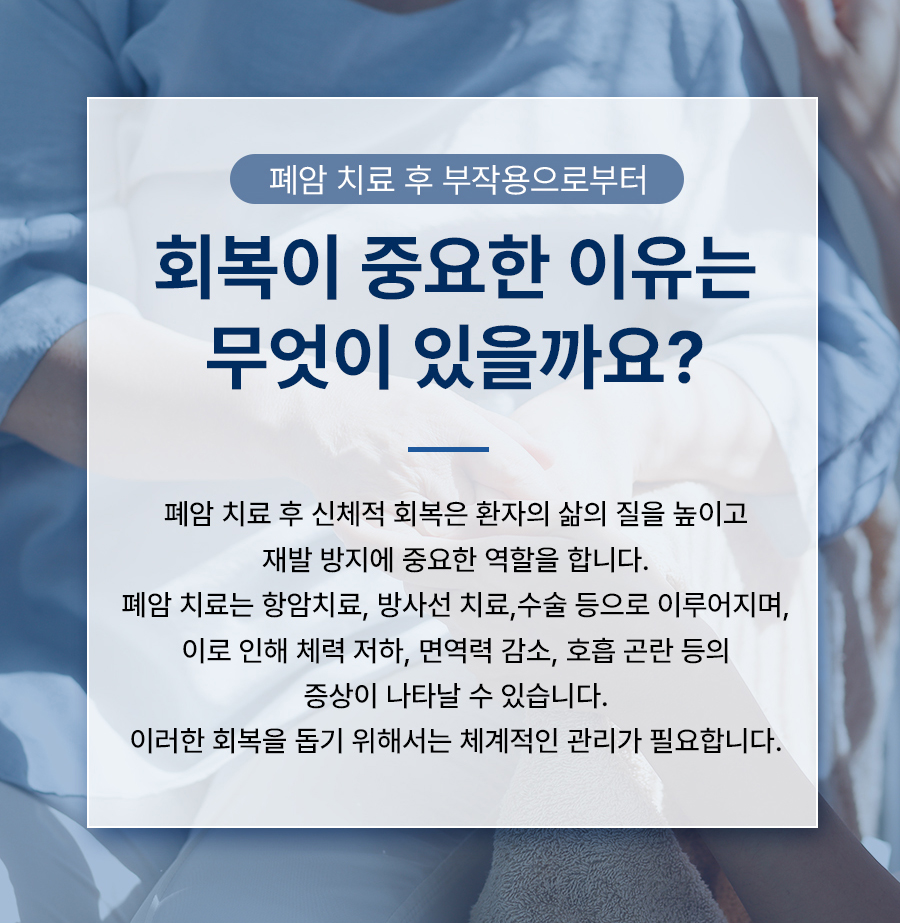
Programs for lung cancer radiotherapy patients
Chiu Convalescent Hospital provides several types of programs that can be adapted to different stages of lung cancer radiotherapy.
Inpatient cancer recovery care is designed for patients who need continuous monitoring, nutritional support, and symptom control. This is suitable for those who are currently undergoing radiotherapy at a tertiary hospital or have recently completed it.
Some patients use the hospital as a base while commuting to a cancer center for radiation sessions. After each hospital visit, they return to an environment where nurses and doctors can check their condition, adjust medications if needed, and coordinate supportive therapies.
A two-week short-term inpatient program is available for patients who do not need a long stay but want focused recovery during a specific period. This helps break the stereotype that convalescent hospitals are only for very long-term admissions.
For example, a patient may choose to stay for two weeks during the middle of radiotherapy, when fatigue and appetite loss are at their worst, or immediately after finishing the radiation course to stabilize their condition before returning home or abroad. These short-term admissions are operated on a reservation basis, and the hospital has previously announced specific short-term admission periods.
For those who prefer to live at home, an outpatient day-care style program is available. Patients can come in regularly for symptom checks, integrative therapies, and nutritional guidance while continuing to receive radiotherapy at another hospital. This can be a good option for local residents or overseas patients staying with family in Gwangju.
Supportive and integrative care elements
Chiu Convalescent Hospital offers several supportive therapies that are used alongside, not instead of, standard oncologic care.
y and is not a substitute for standard radiotherapy or chemotherapy. Ask the hospital for regulatory information, evidence, and educational resources before pursuing this treatment.
An integrative Western and Korean medicine approach is another feature. Internal medicine specialists and the Korean medicine doctor collaborate to design supportive care plans. Korean medicine treatments such as acupuncture, moxibustion, cupping, and herbal medicine may be used to help manage fatigue, nausea, pain, digestive issues, and other symptoms related to lung cancer radiotherapy.
These treatments are tailored to the individual and are intended to complement, not compete with, hospital-based cancer treatment. Communication with the patient’s main oncologist is encouraged so that all therapies are aligned and safe.
Nutritional and dietary care is a central part of the program.
For lung cancer radiotherapy patients, who often struggle with appetite and weight loss, this structured dietary support can be very important. Meals are planned to be gentle on the digestive system while providing adequate protein, calories, and micronutrients. Staff can adjust textures and flavors according to swallowing comfort and individual preferences.
Emotional and psychosocial support
Cancer treatment is not only a physical challenge. Many patients experience anxiety, sadness, or a sense of disconnection from their usual life. Chiu Convalescent Hospital organizes emotional and cultural programs such as healing poetry exhibitions and similar activities.
These programs are designed to reduce anxiety and depression, help patients process their experiences, and provide a sense of community. Sharing time in a calm space with others who are also undergoing treatment can make the journey feel less lonely.
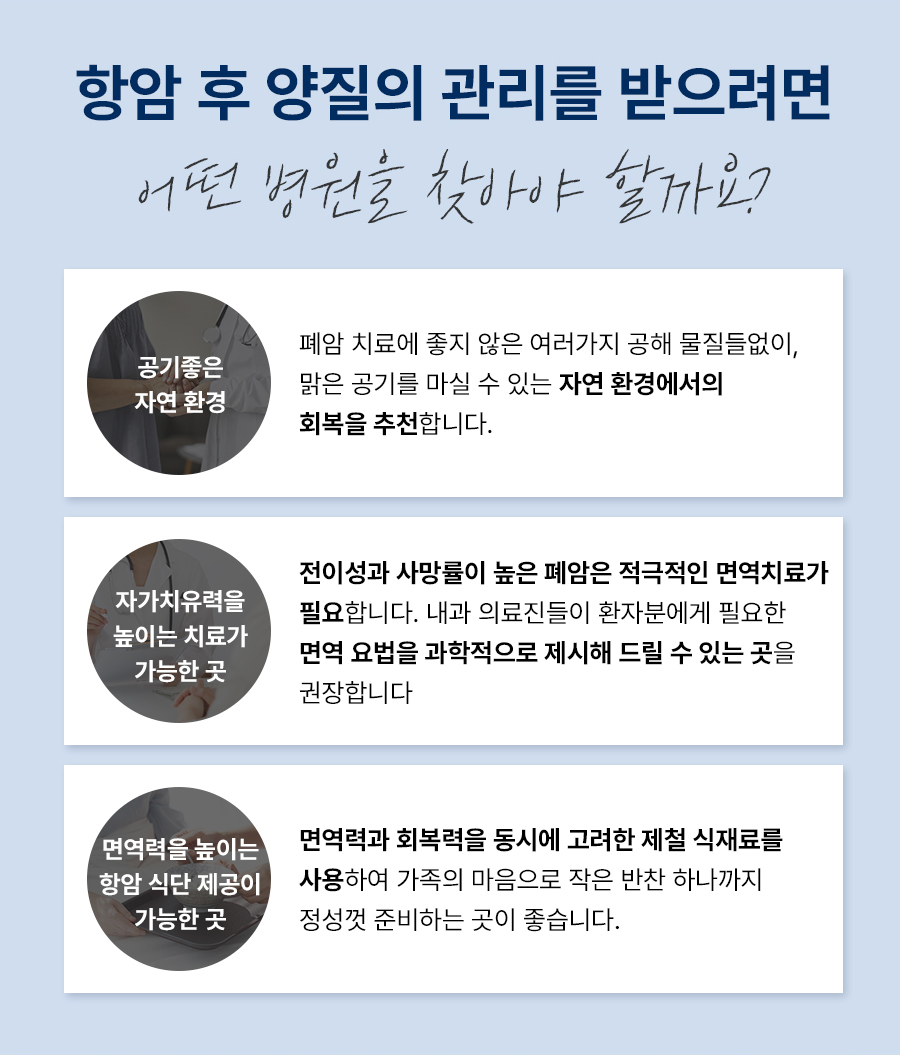
The natural surroundings of Mudeungsan and the quiet environment of the hospital support mental rest between intensive hospital visits for radiotherapy. Families can also benefit from this atmosphere, using the time to regain their own strength and balance.
Who may consider using this recovery base
Overseas patients coming to Gwangju for lung cancer radiotherapy at a tertiary hospital may consider Chiu Convalescent Hospital if they want a medically supervised place to stay rather than a regular hotel or private apartment.
It may be suitable if you are worried about managing fatigue, appetite loss, or breathing difficulties on your own, or if your family members cannot provide full-time care. Patients who have already undergone surgery or chemotherapy and are now starting radiotherapy often feel especially weak and may benefit from structured recovery support.
Local residents in Gwangju and nearby regions may also choose the hospital if daily commuting from home feels too exhausting, or if they want access to integrative therapies and specialized nutrition.
Online consultation and pre-visit preparation
Before traveling to Korea or before admission, it is helpful to arrange an online consultation. Chiu Convalescent Hospital provides contact through phone and KakaoTalk channel, and information is available on its Naver blog and YouTube.
For an efficient consultation, prepare the following in advance:
Your medical diagnosis, including pathology reports if available
Recent imaging reports, such as CT or PET scans
Details of your radiotherapy plan from the tertiary hospital, including schedule and expected duration
A list of medications you are currently taking, including doses
Information about allergies and previous medical history
Your main concerns, such as fatigue, appetite, pain, breathing, or emotional stress
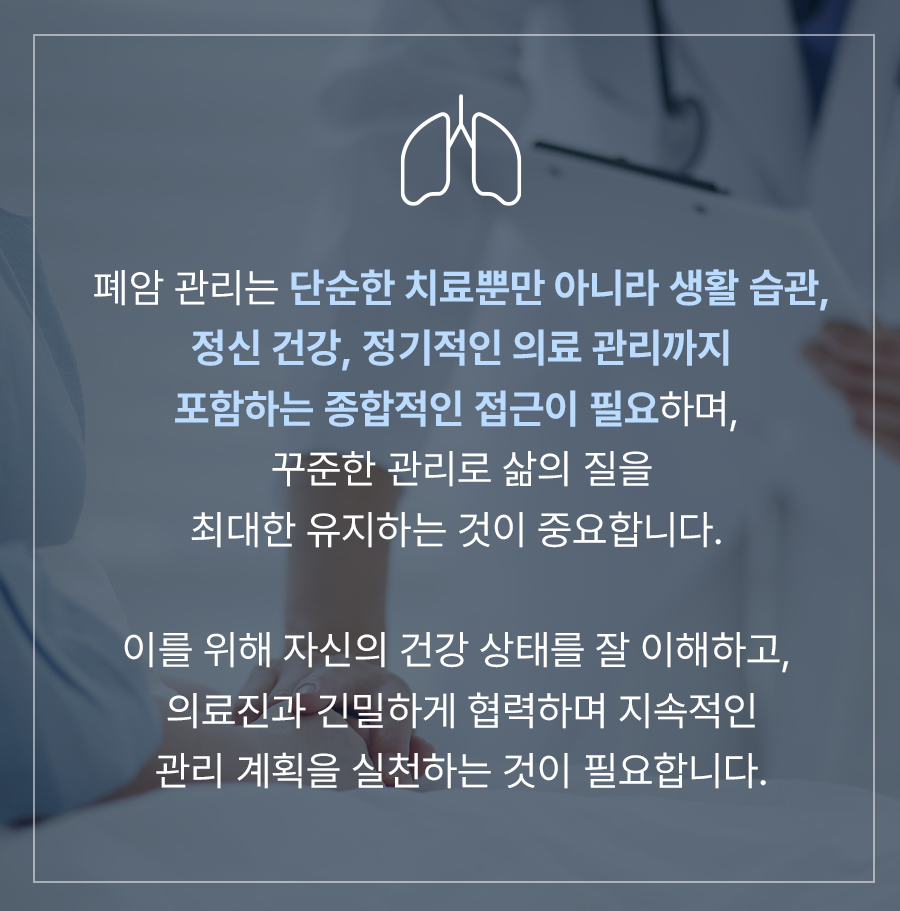
Having these details ready allows the medical team to suggest whether inpatient, short-term, or outpatient care is most suitable and to plan around your radiation schedule.
Expected Korea visit timeline
For overseas patients, a typical timeline might look like this, although individual situations vary.
Before arrival, you coordinate with your chosen tertiary hospital for lung cancer radiotherapy and with Chiu Convalescent Hospital for supportive care. Online consultations help align schedules.
On arrival in Korea, you have an initial visit to the tertiary hospital for evaluation, imaging review, and radiotherapy planning. This may take several days, including making a custom immobilization device and performing planning scans.
Once your radiotherapy schedule is set, you are admitted to Chiu Convalescent Hospital or start using the outpatient day-care program. You travel to the tertiary hospital for each radiation session, then return to the convalescent hospital for rest, monitoring, and supportive therapies.
During the course, which often lasts several weeks, the medical staff at the convalescent hospital track your weight, appetite, vital signs, respiratory status, and symptom changes. Nutritional and integrative treatments are adjusted as needed.
After completing radiotherapy, you may choose to stay for an additional one or two weeks to stabilize your condition before returning home. Follow-up appointments with the tertiary hospital are scheduled according to your oncologist’s plan.
Aftercare and going home
After you finish lung cancer radiotherapy and your stay at Chiu Convalescent Hospital, ongoing care remains important. The team can provide a summary of your supportive treatments and your condition at discharge, which you can share with your local doctors.
You may receive guidance on breathing exercises, gentle physical activity, and nutrition to continue at home. If you live in Korea, you can use the outpatient program for periodic check-ups and supportive therapies. For overseas patients, online follow-up consultations may be possible for general guidance, although detailed oncologic decisions should be made with your local specialists.
Frequently asked questions
Can Chiu Convalescent Hospital perform lung cancer radiotherapy?
Its role is to provide supportive and recovery care before, during, or after radiotherapy.
Is it safe for lung cancer patients with breathing problems to stay at a convalescent hospital?
Safety depends on each patient’s condition. At Chiu Convalescent Hospital, internal medicine specialists with extensive university hospital experience monitor patients, which can be reassuring for those with complex medical issues. However, patients with very unstable breathing or those needing intensive care should be managed in an acute-care hospital. A pre-admission consultation helps determine whether convalescent care is appropriate.
How does high-frequency hyperthermia fit with my radiotherapy plan?
High-frequency hyperthermia at Chiu Convalescent Hospital is used as a supportive therapy, not as a replacement for radiotherapy or chemotherapy. Its aim is to support local circulation and overall care. If you are interested, you should discuss it with your main oncology team to ensure timing and indications are appropriate, and to avoid conflicts with your radiation schedule.
Can overseas patients use the two-week short-term program during radiotherapy?
Yes, overseas patients can consider the two-week short-term inpatient program, especially during the most exhausting phase of radiotherapy or immediately after completing the course. Because schedules can be tight, it is important to arrange reservations and coordinate dates with both the tertiary hospital and Chiu Convalescent Hospital in advance.
Soft call to action
If you are planning lung cancer radiotherapy in Gwangju and are worried about how to manage fatigue, appetite loss, or breathing difficulties during treatment, you do not have to face it alone at home or only within the walls of a large hospital. Using a specialized convalescent hospital as a recovery base can provide medical supervision, structured nutrition, integrative supportive care, and a calm natural environment.
Chiu Convalescent Hospital in Dong-gu, Gwangju, near the entrance of Mudeungsan National Park and close to Jeungsimsa bus stop, offers inpatient, short-term, and outpatient programs designed for cancer patients. For more detailed information tailored to your situation, you can contact the hospital by phone or through its KakaoTalk channel and review its Naver blog and YouTube videos before deciding.
This article is for general information only and does not replace medical advice from your own doctors. Treatment decisions and care plans should always be made in consultation with qualified medical professionals who know your individual condition.
- 공유 링크 만들기
- X
- 이메일
- 기타 앱


댓글
댓글 쓰기