Gwangju lung cancer radiotherapy and recovery options
- 공유 링크 만들기
- X
- 이메일
- 기타 앱
Direct answer summary
For patients planning lung cancer radiotherapy in Gwangju, it is important to: 1) Confirm which hospital will actually deliver the radiation; 2) Ask whether nearby recovery facilities coordinate with the treating hospital and can help manage side effects; 3) Arrange travel and communication between the treatment center and the recovery site before therapy begins.
Patients should verify directly with the facility and their treating oncologist whether radiotherapy is offered on-site; many convalescent hospitals instead focus on rest, symptom management, and quality-of-life support before, between, or after hospital-based treatments.
This guide explains how lung cancer radiotherapy works, what side effects to expect, and how an overseas patient can combine treatment at a tertiary hospital with a recovery stay in Gwangju.
Overview of lung cancer radiotherapy
Lung cancer is a condition in which abnormal cells grow in the lungs and can spread to lymph nodes or other organs. Treatment usually involves a combination of surgery, chemotherapy, targeted therapy, immunotherapy, and radiotherapy, depending on the stage and type of cancer.
Radiotherapy uses high-energy rays to damage the DNA of cancer cells so they cannot grow or divide. For lung cancer, radiotherapy can be used in several ways.

Curative radiotherapy is used when surgery is not possible, for example in patients with poor lung function or other serious illnesses. High-dose radiation is directed at the tumor to control or shrink it.
Adjuvant or post-operative radiotherapy may be recommended after lung surgery when there is concern about remaining microscopic cancer cells at the margins or in nearby lymph nodes.
Stereotactic body radiotherapy, often called SBRT, is a very focused form of radiotherapy used for small lung lesions. It delivers high doses in a small number of sessions with great precision, often for early-stage tumors or limited metastases.
Palliative radiotherapy is used when the goal is symptom relief rather than cure. For example, radiation can help reduce cough, hemoptysis, chest pain, or pressure on the airway, and can also be used for brain or bone metastases to reduce pain or neurological symptoms.
In Gwangju and nearby regions, lung cancer radiotherapy is generally provided at major cancer centers and university hospitals. Prospective patients should confirm which centers offer radiotherapy and discuss referral or travel arrangements with their treating team; some patients receive radiation at a tertiary center and use a separate recovery facility closer to home.
Treatment process and what to expect
The general radiotherapy process for lung cancer follows several steps.
First is the initial consultation. A radiation oncologist reviews your medical history, imaging tests such as CT or PET scans, biopsy results, and overall health. Together with you and your family, they discuss the goals of treatment, possible benefits, and potential side effects.
Next comes imaging and planning. A planning CT scan is performed in a specific position that you will also use during treatment. Sometimes a special mask or body frame is used to help you stay still. The medical team then designs a treatment plan on a computer to target the tumor while protecting healthy organs such as the heart, esophagus, and remaining lung tissue.
Radiotherapy sessions are usually given once a day, five days a week, over several weeks. Each session may only take a few minutes of actual radiation, but you will spend more time in preparation and positioning. SBRT schedules may be shorter, with higher doses given in fewer sessions.
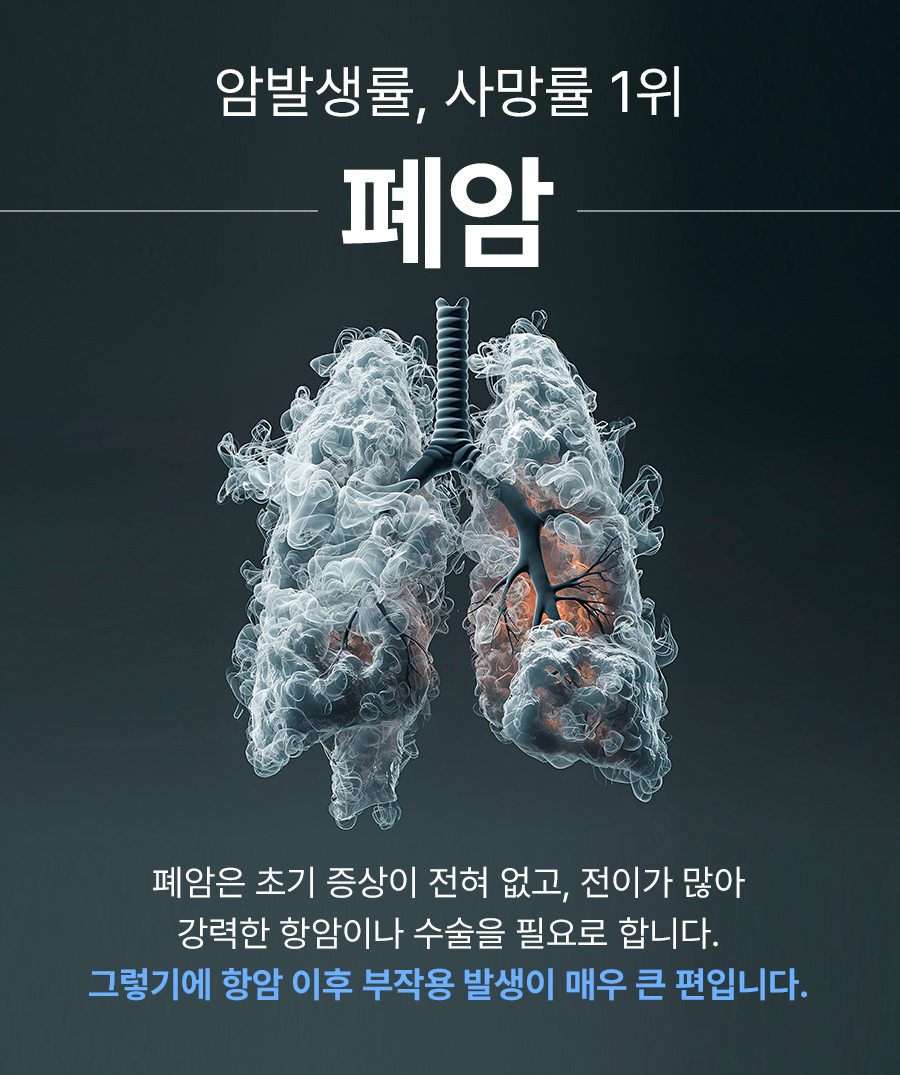
After the treatment course is completed, you will have follow-up visits and imaging to check how the tumor has responded and to monitor for late side effects. Throughout this time, close communication between your radiation oncologist, internal medicine doctors, and supportive care team is important.
Common side effects of lung cancer radiotherapy
Lung cancer radiotherapy can affect not only the tumor but also nearby normal tissues. Side effects vary from person to person, but some are common.
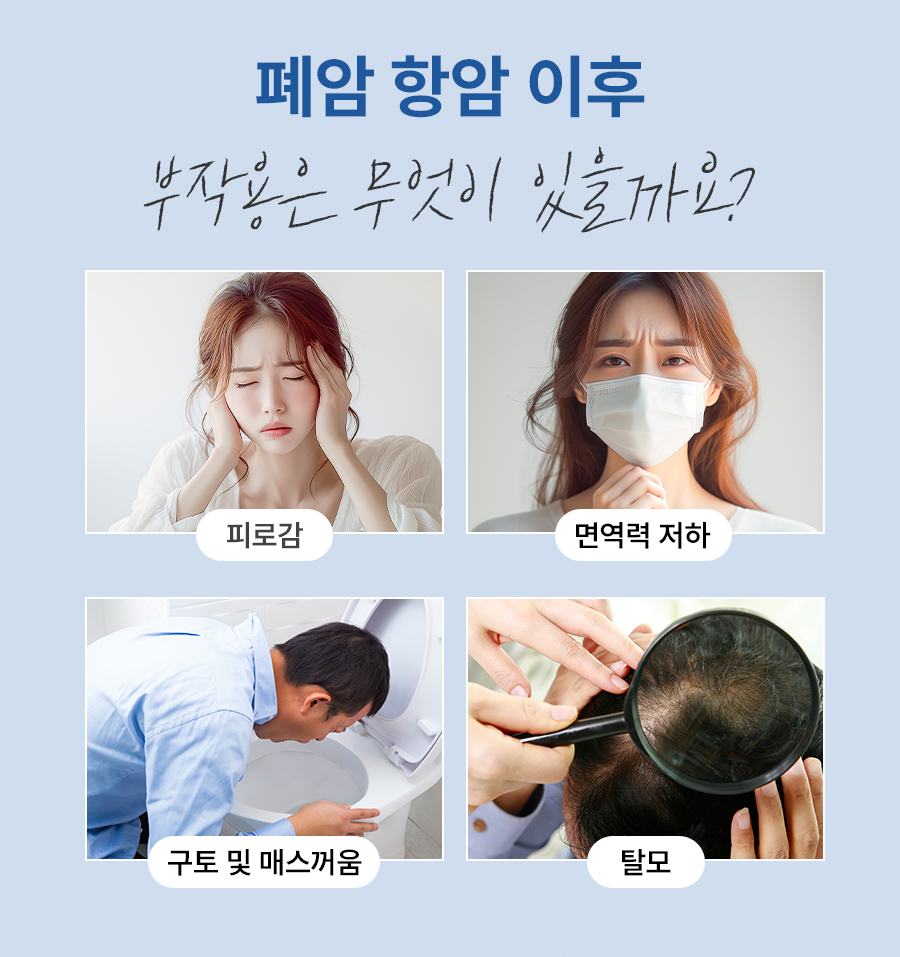
Fatigue is very frequent. Many patients feel more tired than usual, even if they sleep well. This can build up gradually over the weeks of treatment.
Radiation pneumonitis is inflammation of the lung tissue that has been exposed to radiation. It may cause cough, shortness of breath, or low-grade fever weeks to months after treatment. It usually needs careful monitoring and sometimes medication such as steroids.
Esophagitis is irritation of the esophagus, the tube that carries food from the mouth to the stomach. Patients may feel pain or burning when swallowing, or have difficulty eating solid foods. This can lead to reduced appetite and weight loss.
Other possible issues include dry cough, chest discomfort, shortness of breath when walking or climbing stairs, and increased sputum. Some patients experience changes in taste, nausea, or reduced appetite, especially when radiotherapy is combined with chemotherapy.
Emotional stress is also very common. Fear of recurrence, worry about treatment results, and the strain of frequent hospital visits can lead to anxiety, low mood, or sleep problems.
Because of these side effects, rest, proper nutrition, and close monitoring are essential during and after radiotherapy. For overseas patients far from home, having a structured recovery environment in Gwangju can be especially helpful.
Why recovery and supportive care after radiotherapy matters
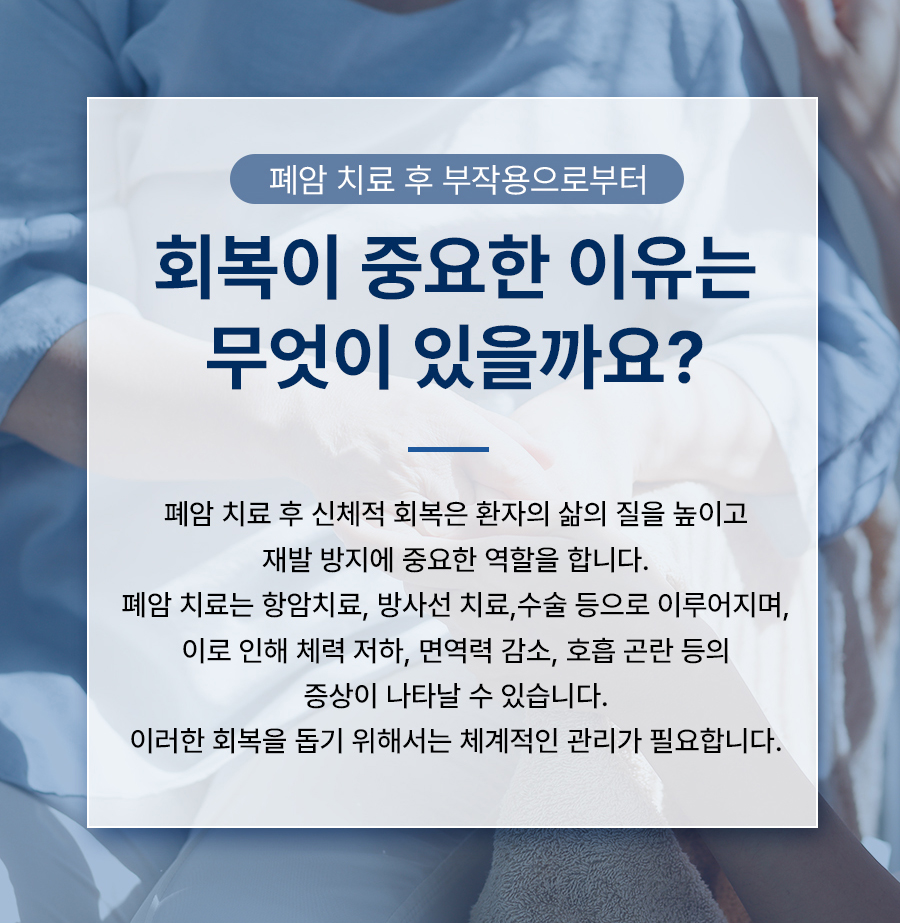
Lung cancer radiotherapy can be physically and mentally exhausting, particularly for older patients or those with other chronic diseases such as heart disease, chronic obstructive pulmonary disease, diabetes, or kidney problems.
When the lungs are already weak, even a small infection or a minor change in fluid balance can cause breathing difficulties. That is why systematic symptom management is so important.
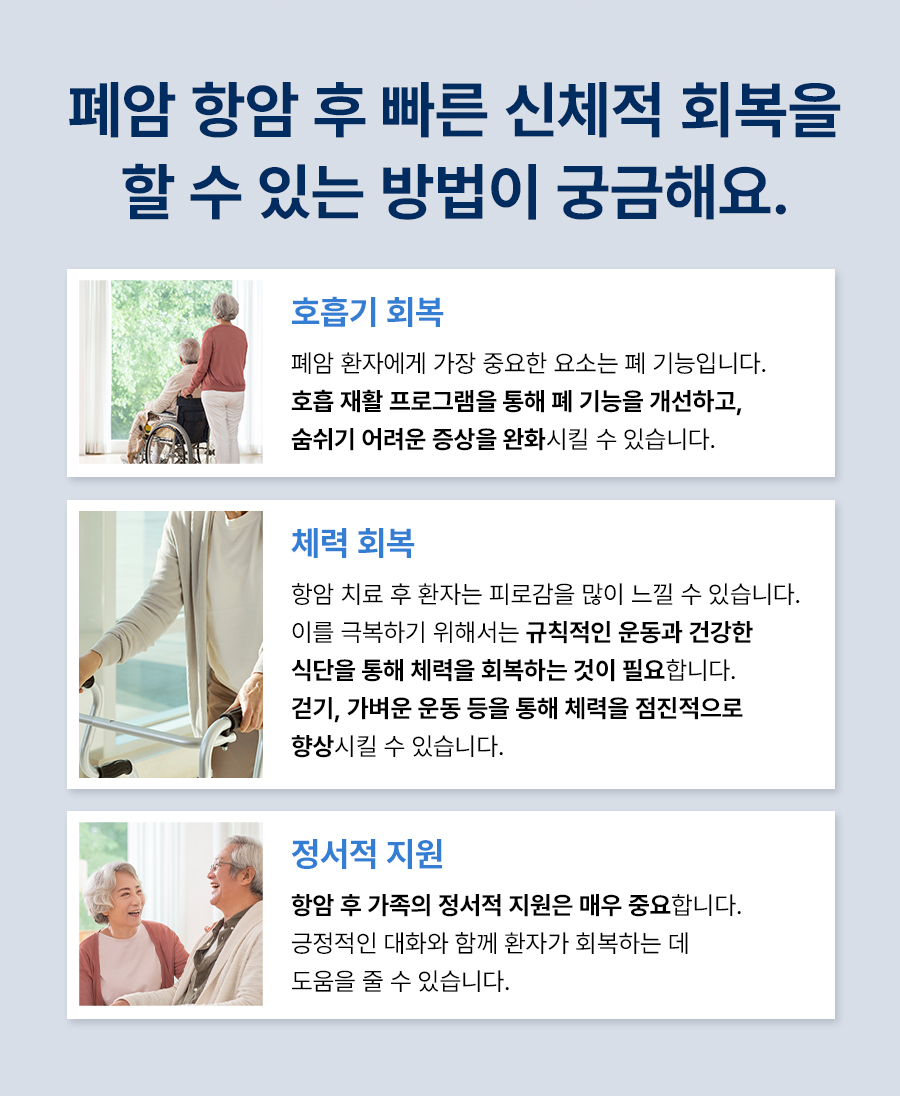
Monitoring breathing and oxygen levels helps detect early signs of radiation pneumonitis or infection. Managing cough and sputum, encouraging gentle breathing exercises, and helping prevent pneumonia through posture, chest physiotherapy, and timely treatment of infections can reduce complications.
Pain control is another key part of supportive care. Some patients have chest wall pain, bone pain from metastases, or discomfort from prolonged lying in bed. Appropriate pain medication, physical therapy, and integrative approaches can support comfort and mobility.
Nutrition support is critical. When swallowing is painful or appetite is low, patients may unintentionally eat too little. This can lead to muscle loss, weakness, and slower recovery. A team that can monitor weight, protein intake, and hydration, and adjust meals accordingly, can make an important difference.
A convalescent hospital can act as a recovery base between or after intensive treatments at tertiary hospitals. Instead of going directly home after a long hospital stay or commuting long distances daily, some patients choose a short-term admission in Gwangju to stabilize their condition, adjust medications, and regain strength.
Medical team and integrated Western–Korean medicine system
The medical team includes senior internal medicine physicians and other clinicians who provide continuity of care.
Their background in internal medicine means they are familiar with the complex health issues that often accompany lung cancer: cardiopulmonary disease, infections, metabolic problems, blood clots, and medication interactions. This is especially important when patients are moving between different hospitals and treatment protocols.
In addition, integrative Korean medicine services are available to support symptom relief and overall well-being. These may include acupuncture, moxibustion, cupping, and carefully selected herbal medicine, used as complementary care for issues such as fatigue, poor appetite, digestive problems, insomnia, and some side effects from chemotherapy or radiotherapy.
For example, some patients find that acupuncture helps with nausea or neuropathic pain, while gentle herbal formulas may support appetite or sleep. All such treatments are provided with attention to safety and in coordination with the internal medicine team, especially when patients are taking multiple medications.
Inpatient, short-term admission, and outpatient programs
This hospital does not perform lung cancer radiotherapy itself. Instead, it focuses on recovery and supportive care for patients who receive radiotherapy and other cancer treatments at tertiary hospitals.
Inpatient cancer recovery care focuses on monitoring breathing, oxygen saturation, and vital signs, as well as managing cough, sputum, and shortness of breath. Staff pay attention to early signs of pneumonia or radiation pneumonitis and coordinate with higher-level hospitals if emergency transfer is needed. Pain control, safe movement, and rehabilitation exercises are adjusted to each patient’s lung function.
A key feature is the two-week short-term admission program. This helps break the stereotype that convalescent hospitals are only for long-term stays. For a lung cancer patient undergoing radiotherapy in Gwangju, this model can be used in several ways.
Some patients choose a short admission before starting radiotherapy to build strength, stabilize chronic diseases such as heart disease, diabetes, or hypertension, and adjust medications. Others come immediately after completing a radiotherapy course to recover from fatigue, manage esophagitis, and regain appetite.
Patients who are receiving combined chemotherapy and radiotherapy may use a temporary stay between treatment cycles. This gives them a chance to rest in a quieter environment while still being close enough to attend follow-up visits at the tertiary hospital.
Outpatient services are available for patients who live nearby or are staying in Gwangju for a longer period. These visits can include symptom management, medication adjustment, nutritional counseling, and integrative Korean medicine sessions, while the patient continues radiotherapy or follow-up at a major hospital.
Nutrition and anti-cancer diet support
Many lung cancer patients lose weight during treatment because of poor appetite, altered taste, or pain when swallowing. For those receiving radiotherapy to the chest, esophagitis can make eating solid food difficult.
Sample menus and photos are posted on the hospital website to illustrate meal variety and balance, which helps families understand the types of meals offered.
Meals are planned to be safe and gentle on the digestive system, with attention to protein, calories, and hydration. Soft or semi-liquid options can be provided for patients with swallowing discomfort. Staff monitor weight and nutritional status and can adjust the diet plan if there are signs of muscle loss or dehydration.
For overseas patients, this can be reassuring, as it reduces the need for family members to cook separately or worry about food safety and balance while juggling hospital visits.
Healing environment at Mudeungsan National Park
The location at the entrance of Mudeungsan National Park is one of the hospital’s distinctive strengths. The area is known for clean air, cypress forests, and valley walking paths. For patients recovering from lung cancer radiotherapy, a calm, nature-rich environment can support both physical and emotional healing.
Gentle walks on safe, relatively flat paths can help maintain muscle strength and lung capacity without overstraining the body. Being able to see mountains, trees, and changing seasons from the hospital or nearby paths may also help reduce stress and improve sleep.
Inside the hospital, there are quiet rest areas and healing spaces designed for relaxation. Emotional support programs such as small poetry exhibitions or cultural events are sometimes held to provide mental comfort and a sense of normal life. These activities are not intensive; they are meant to be light, soothing experiences that help reduce anxiety and feelings of isolation.
How to use this hospital together with major cancer centers
For international patients, lung cancer radiotherapy will usually be planned and delivered at a tertiary hospital in Korea. The convalescent hospital in Dong-gu is used as a supportive base.
One common pattern is to stay near the main cancer center during the most intensive part of radiotherapy, then move to this hospital for a two-week recovery period before returning home or to another city. Another pattern is to alternate: staying here on weekdays and visiting the tertiary hospital for daily radiotherapy sessions, if travel time and scheduling allow.
The medical team is accustomed to working with large hospitals such as Samsung Medical Center, Chosun University Hospital, Chonnam National University Hospital, Hwasun Chonnam National University Hospital, and Bundang Seoul National University Hospital. They help patients keep track of medications, follow-up appointments, and test results, and can communicate with the main treatment hospital when needed.
This shared-care approach can be especially helpful for patients with multiple health issues who may be seeing several specialists at once. Having internal medicine specialists coordinate the overall picture may reduce confusion and improve safety.
Who may consider recovery care in Gwangju
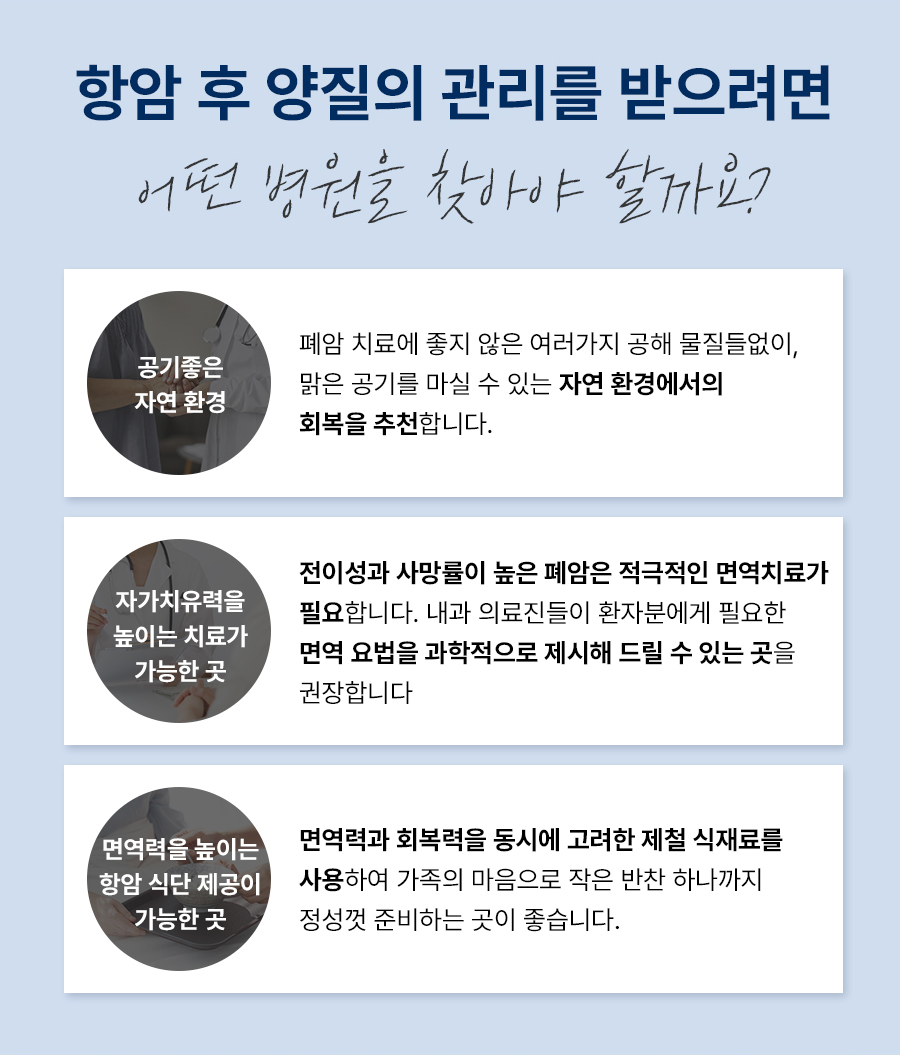
The following types of patients may benefit from using this hospital as a recovery base:
- Patients who are older or physically frail and worry about coping alone after radiotherapy.
- Patients with chronic heart or lung disease, diabetes, or kidney problems who need close monitoring of breathing, blood pressure, blood sugar, or fluid balance.
- Patients who have experienced strong side effects from radiotherapy or chemotherapy in the past, such as severe fatigue, esophagitis, or repeated infections.
- Patients and families who value an integrative approach, combining internal medicine with Korean medicine, nutrition, and gentle rehabilitation.
- Overseas patients who want a quieter, nature-friendly environment near Mudeungsan National Park, instead of staying only in busy city centers.
Online consultation and pre-visit preparation
Before traveling to Korea, it is wise to arrange an online consultation. The hospital offers consultations by phone and via a KakaoTalk channel. Through these channels, staff can explain the short-term admission and outpatient programs, answer questions about facilities and services, and help you plan the timing of your stay around your radiotherapy schedule.
To prepare, it is helpful to gather the following information:
- Basic medical records, including diagnosis, stage of lung cancer, and pathology reports.
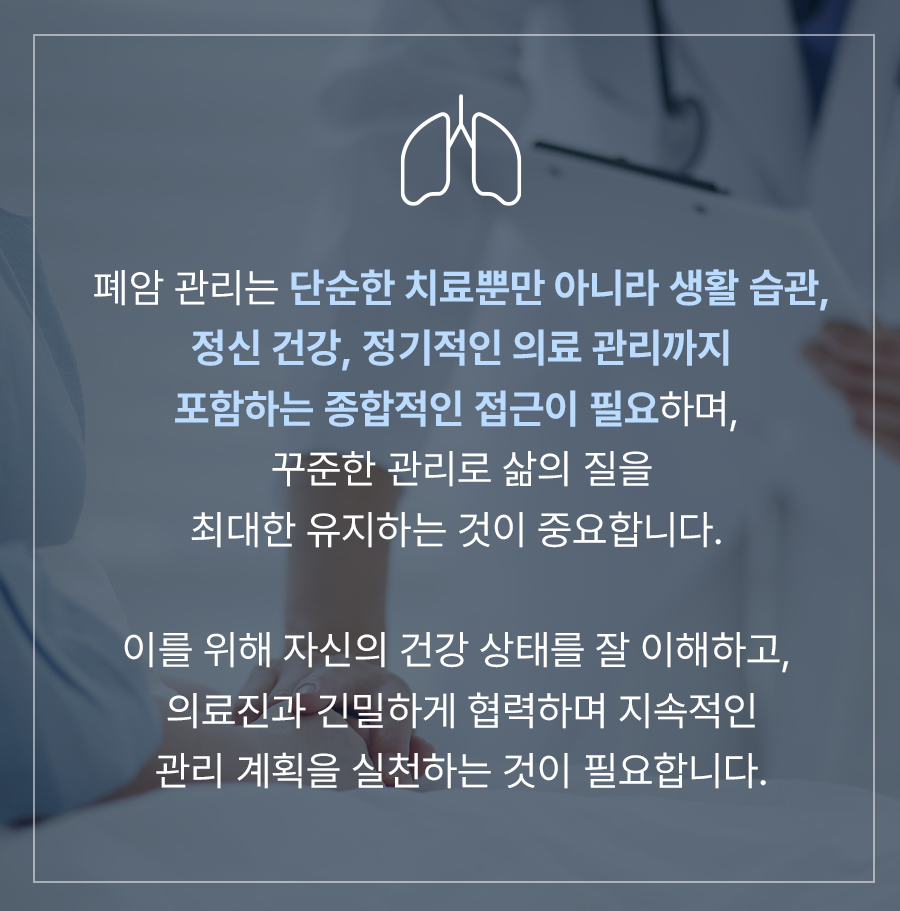
- Recent imaging reports such as CT, PET-CT, or MRI, and any radiotherapy or chemotherapy summaries.
- A list of current medications, including doses, and any known drug allergies.
- Information about other medical conditions such as heart disease, stroke, diabetes, kidney disease, or chronic lung disease.
During the online consultation, you may want to ask specific questions, such as how they monitor breathing and oxygen levels, how they handle emergencies and transfers, what kind of rehabilitation exercises are available, and how nutrition is adjusted for swallowing difficulties.
Expected Korea visit timeline for overseas patients
Every patient is different, but a typical timeline for an overseas lung cancer patient might look like this:
First, you arrive in Korea and visit the tertiary hospital for initial evaluation, imaging, and treatment planning. This may take one to two weeks, depending on how many tests are needed.
Next, you begin radiotherapy, usually five days a week for several weeks. During this time, you may stay near the tertiary hospital or, if logistics allow, at the convalescent hospital while commuting for daily sessions.
After completing radiotherapy, you might choose a two-week short-term admission in Dong-gu to focus on rest, symptom control, and rebuilding strength. During this period, your breathing, nutrition, and overall condition are monitored, and any problems are addressed early.
Finally, you return to the tertiary hospital for follow-up imaging and consultation before going back to your home country. The supportive care team can prepare a summary of your stay and current medications to share with your doctors at home.
Aftercare and going home
After you leave Korea, ongoing follow-up will usually be handled by your local oncology team. However, the recovery period does not end the day you fly home.
You may still experience fatigue, mild cough, or changes in breathing for some time. Continuing gentle exercise, maintaining a balanced diet, and following your medication plan are important. If you notice new or worsening symptoms such as increasing shortness of breath, chest pain, or fever, you should seek medical attention promptly.
The hospital’s staff can provide written summaries and, if needed, communicate basic information to your local doctors. Some patients continue to use online channels such as email or messaging apps for simple questions about lifestyle or symptom monitoring, although detailed medical decisions should always be made with your local healthcare team.
Frequently asked questions
What is the main role of this hospital for lung cancer radiotherapy patients?
The main role is to provide recovery and supportive care, not to perform radiotherapy itself. Patients receive curative treatments such as surgery, chemotherapy, and radiotherapy at tertiary hospitals. This convalescent hospital then offers a safe environment for rest, symptom management, nutrition support, integrative Korean medicine, and rehabilitation, especially between or after intensive treatment cycles.
Can I stay here while I am still receiving radiotherapy in Gwangju?
In some cases, yes. If travel time to your radiotherapy center is reasonable and your treatment schedule allows, you may be able to stay at the convalescent hospital and commute for daily sessions. This depends on your physical condition, distance, and the plan agreed upon with your radiation oncologist. Many patients, however, choose to stay here mainly before or after their radiotherapy course.
How is breathing and lung function monitored during my stay?
Staff regularly check vital signs such as blood pressure, pulse, temperature, and oxygen saturation. They observe your breathing pattern, cough, and sputum, and may use simple tests or consult with specialists if there are concerns. If there are signs of radiation pneumonitis, infection, or worsening shortness of breath, they coordinate promptly with higher-level hospitals for further evaluation or transfer.
Are Korean medicine treatments safe to combine with chemotherapy or radiotherapy?
Korean medicine treatments at this hospital are offered as complementary care and are coordinated with the internal medicine team. Before starting acupuncture, moxibustion, cupping, or herbal medicine, your overall condition and medication list are reviewed. Some herbal medicines can interact with chemotherapy drugs, so they are chosen carefully. It is important to share all treatments with your main oncology team to help ensure safety.
How do I choose a recovery place in Gwangju after lung cancer radiotherapy?
When comparing options, consider whether internal medicine specialists experienced with complex cancer patients are on site, and whether the facility can coordinate with tertiary hospitals providing your radiotherapy. Check if there is a clear system for managing emergencies and transfers, and whether nutrition, rehabilitation, and integrative care are tailored to lung cancer. Finally, think about the environment: a quiet, nature-friendly location near Mudeungsan National Park may support better rest and gentle activity than a very busy urban area.
Practical information and how to inquire
This convalescent hospital is located in Dong-gu, Gwangju, at the entrance of Mudeungsan National Park near Jeungsimsa bus stop, with parking available for families who drive. Typical consultation hours are on weekdays and Saturday, with the hospital closed on Sundays and public holidays.
You can request information or an initial consultation by phone or through the KakaoTalk channel. Detailed explanations of the two-week short-term admission program, inpatient cancer recovery care, and outpatient services are provided through the official blog and online channels.
If you are an overseas patient planning lung cancer radiotherapy in Gwangju or at another major Korean cancer center, you can contact the hospital in advance to discuss timing, room availability, and any special medical needs.
Soft call to action
If you or a family member are preparing for lung cancer radiotherapy in Korea and feel uncertain about how to manage recovery, side effects, and daily life, consider arranging an online consultation with the team in Dong-gu. By sharing your treatment plan and health history in advance, you can explore whether a short-term admission or outpatient support near Mudeungsan National Park would be suitable for your situation.
All medical decisions should be made together with your treating oncologists. The services described here are supportive and do not replace surgery, chemotherapy, radiotherapy, or other standard cancer treatments.
- 공유 링크 만들기
- X
- 이메일
- 기타 앱


댓글
댓글 쓰기