Gwangju — Lung cancer convalescent hospital near Mudeungsan for recovery support
Introduction
Many families worry that ordinary convalescent hospitals may not be ready to handle the complex needs of lung cancer patients, especially those who have been treated at large tertiary hospitals.
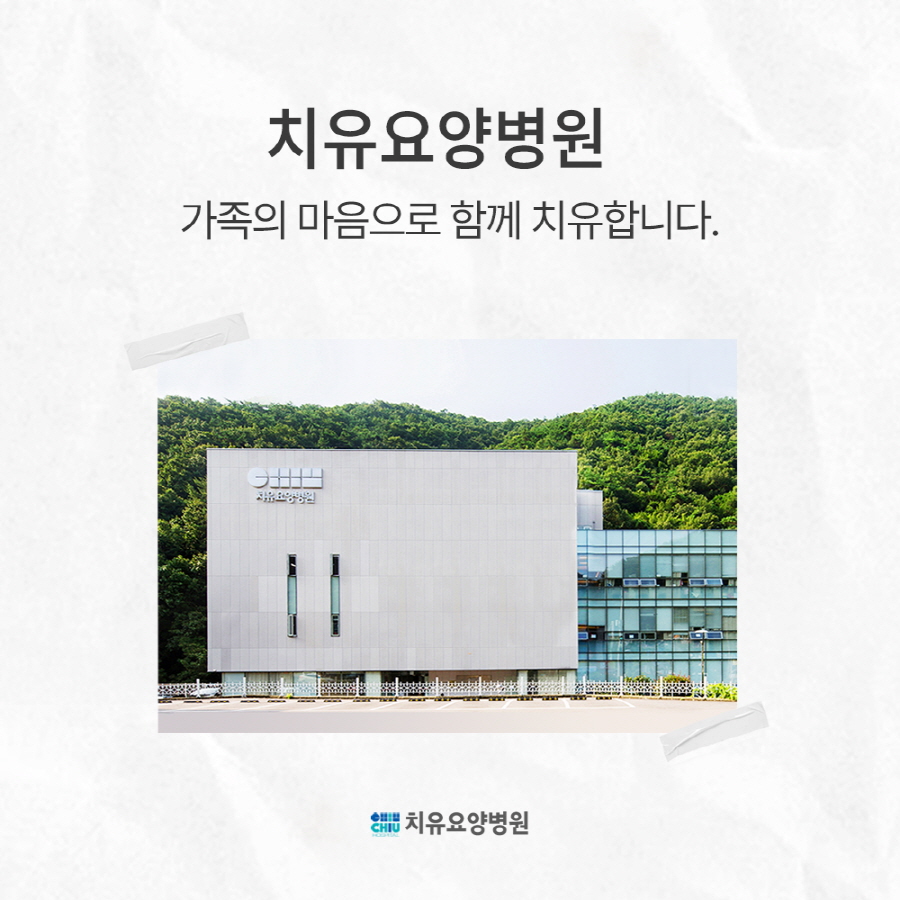
In Gwangju, at the entrance to Mudeungsan National Park, there is a convalescent hospital that focuses on cancer recovery, including lung cancer. Chiu Convalescent Hospital aims to combine university-hospital–level internal medicine expertise with a nature-based healing environment and flexible options for inpatient, short-term, and outpatient care. This guide explains how such a hospital can support international and domestic patients who want to recover near Jeonnam.
Why lung cancer patients look for a convalescent hospital in Jeonnam
The typical lung cancer journey often begins at a tertiary hospital. Patients may receive diagnosis and treatment at centers such as Hwasun Chonnam National University Hospital, Chonnam National University Hospital, Chosun University Hospital, or large hospitals in Seoul. Treatment can include surgery, chemotherapy, radiation therapy, or a combination of these.

Between these intensive treatments, many patients need a place to rest, manage side effects, and rebuild strength. Staying at home may not always be practical if family members are working or if the home environment is not suitable for someone who is weak, short of breath, or at risk of infection.
A convalescent hospital that understands cancer care can provide continuous monitoring, symptom control, and rehabilitation in a quieter setting than a busy tertiary hospital. For lung cancer patients, this includes attention to breathing comfort, prevention of infections, careful medication management, and support for nutrition and mobility.
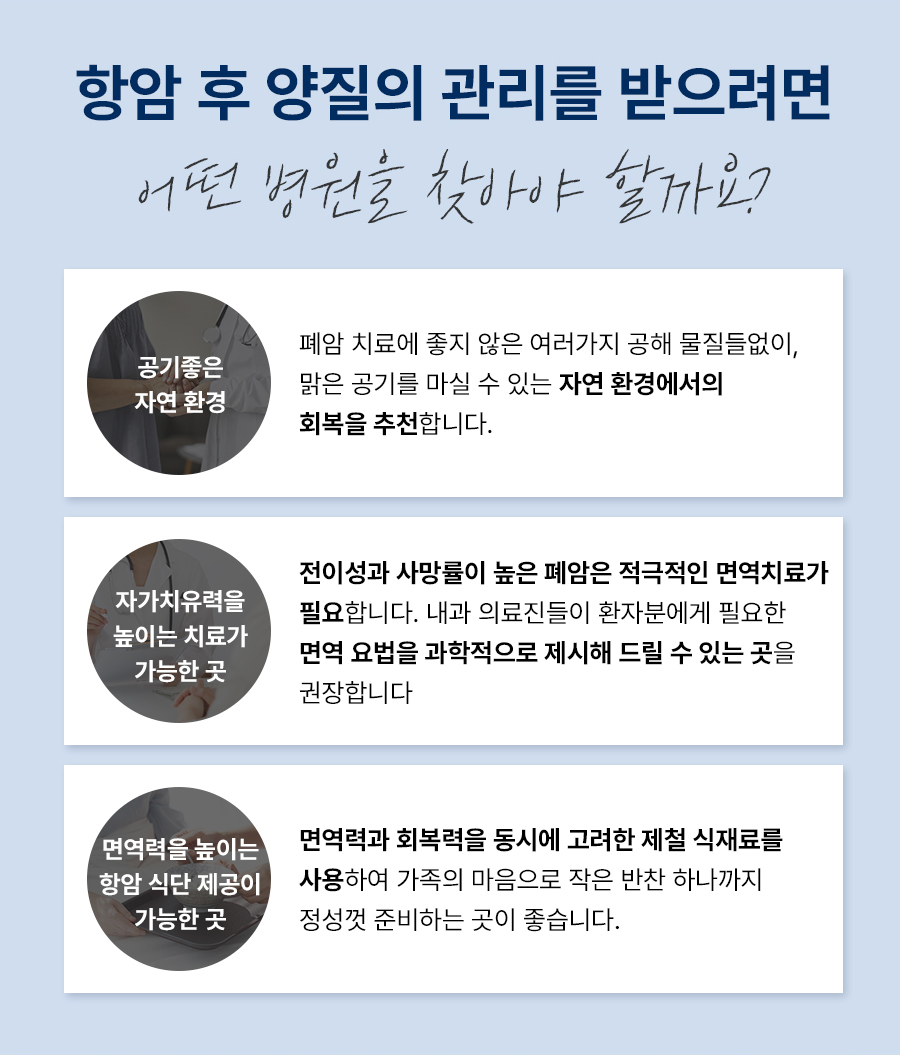
Another important factor is the environment. For people with lung disease, clean air and a calm atmosphere can make daily life less stressful. Families in Jeonnam often prefer a location that is close enough to major hospitals for follow-up visits, but still surrounded by nature rather than traffic and noise.
Medical staff and safety
One of the main concerns families have about convalescent hospitals is whether the medical standards are high enough for complex cancer cases. At this convalescent hospital in Gwangju, two internal medicine specialists with long university hospital experience lead the medical team.
Director Hong Soon-pyo is described by the hospital as an internal medicine clinician with leadership experience in academic and clinical settings.
Director Kim Man-woo is also described by the hospital as an internal medicine clinician with clinical leadership experience. The hospital states that their leadership supports familiarity with complex internal medicine cases, coordination with tertiary hospitals, and the needs of patients undergoing or recently completing chemotherapy and radiation.
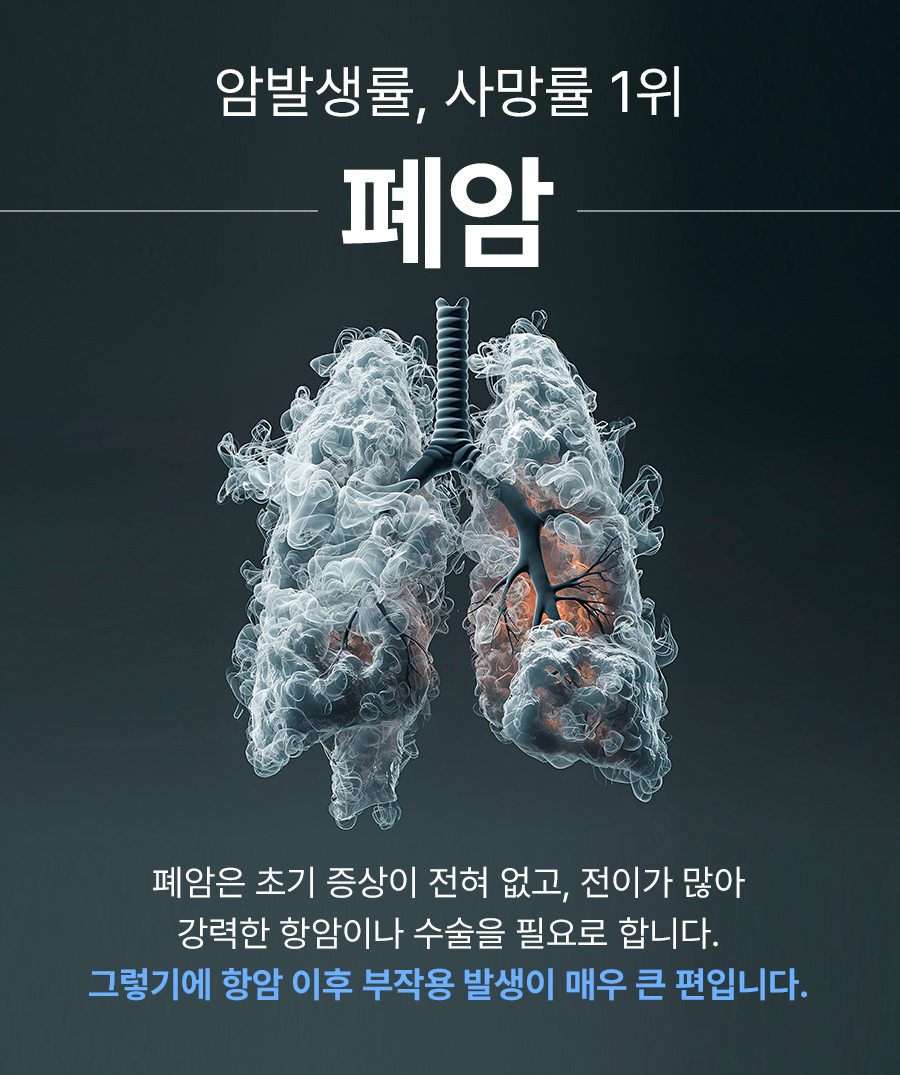
For lung cancer patients, this type of leadership can be especially reassuring. Many people with lung cancer also have other conditions such as high blood pressure, diabetes, heart disease, or chronic lung disease. Adjusting medications, monitoring for complications, and recognizing early signs of infection or respiratory distress require solid internal medicine experience.
This helps bridge the gap between the intensive treatment phase at a tertiary hospital and the more relaxed recovery phase, while maintaining a sense of medical safety.
Programs for lung cancer patients
This convalescent hospital offers several types of programs designed to match different stages and needs in the lung cancer journey.
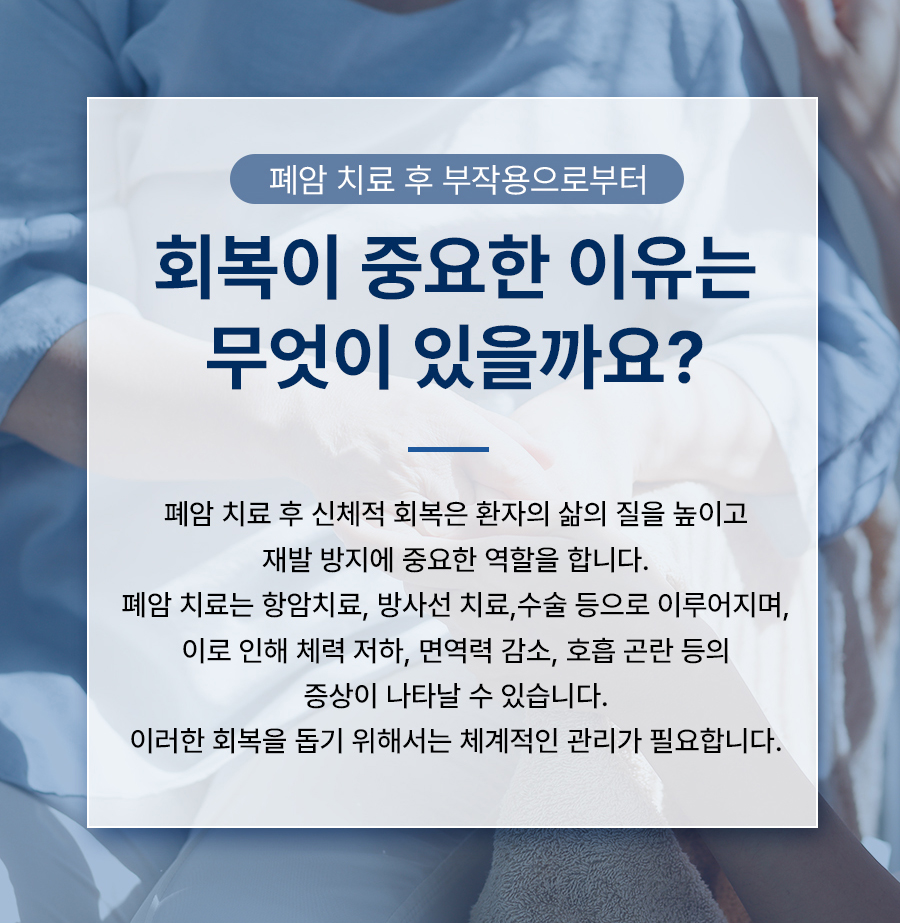
Inpatient convalescent and recovery care is suitable for patients who need continuous monitoring and support. This may include people who are weak after surgery, those who have recently completed a cycle of chemotherapy or radiation, or those who have difficulty managing daily activities at home. Inpatient care typically includes regular vital sign checks, assistance with medications, help with mobility, and coordination with the patient’s main oncology team.
A 2-week short-term inpatient program is available on a reservation basis. This program is designed to break the stereotype that convalescent hospitals are only for long-term stays. It can be useful for patients who want a defined period of rest and recovery after a specific treatment milestone, such as a chemotherapy cycle or surgery, before returning home or going back to their main hospital for the next stage of treatment. Because it is reservation-based, families can plan the stay around scheduled treatments and follow-up visits.
Outpatient day-care and visit-based programs are available for patients who live in or near Gwangju and do not need full hospitalization but still want regular supportive care. This can include symptom management, certain treatments, and participation in integrative therapies while sleeping at home or nearby accommodation.
The hospital characterizes it as a supportive therapy that may be used alongside standard treatments such as chemotherapy and radiation, not as a stand-alone cure. The hospital's YouTube channel includes explanatory videos intended to help patients and families understand the therapy and what to expect before deciding whether it is appropriate for their situation.
Integrative Western–Korean medicine for side-effect management
An important feature of this convalescent hospital is its integrative care model, which combines Western internal medicine with Korean traditional medicine in one facility.
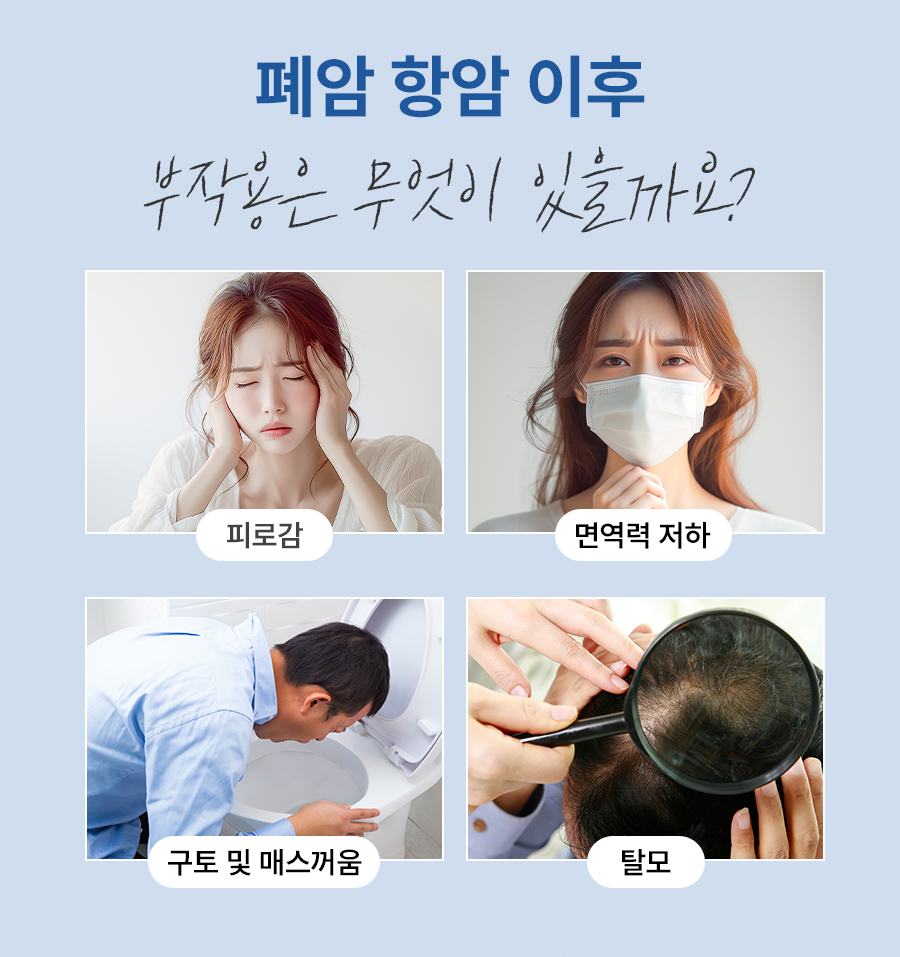
Korean medicine services, which started in 2022 at this hospital, include acupuncture, moxibustion, cupping, and herbal prescriptions. These treatments are used as supportive care to help manage common side effects and symptoms that many lung cancer patients experience, such as fatigue, poor appetite, digestive discomfort, neuropathy, insomnia, and anxiety.
For example, acupuncture and moxibustion may be used to support digestion and reduce nausea, while certain herbal formulas may be considered to help with energy levels or sleep. Cupping can be applied in selected cases to relieve muscle tension. All of these are provided under medical supervision and are coordinated with the patient’s existing treatment plan from their main oncology team.
It is important to understand that these integrative treatments are not intended to replace surgery, chemotherapy, radiation, or targeted therapies prescribed at tertiary hospitals. Instead, they are positioned as supportive tools to improve comfort, manage side effects, and support quality of life during and after cancer treatment. Patients are encouraged to discuss any planned integrative treatments with their primary oncologist so that care remains coordinated and safe.
Healing environment at Mudeungsan and daily life
The location of the hospital is one of its key strengths. It is situated in Dong-gu, Gwangju, at the entrance to Mudeungsan National Park, near the Jeungsimsa bus stop, with on-site parking available. This means patients and families can reach the hospital relatively easily from Jeollanam-do and the wider Honam region, while still enjoying a nature-based environment.
Mudeungsan is known for its clean mountain air, cypress forests rich in phytoncides, and clear valley streams. For lung cancer patients, the ability to walk slowly in fresh air, away from heavy traffic and urban pollution, can be both physically and emotionally supportive. Gentle walking paths around the hospital connect to the forest and streams, allowing patients and family members to take short, manageable walks according to their energy levels.
Inside the hospital, there are quiet healing spaces and emotional rest areas where patients can read, rest, or simply sit in peace. Cultural and emotional programs, such as healing poetry exhibitions and similar events, are held from time to time. These activities are designed to support mental and emotional well-being, which is an important part of recovery that is sometimes overlooked.
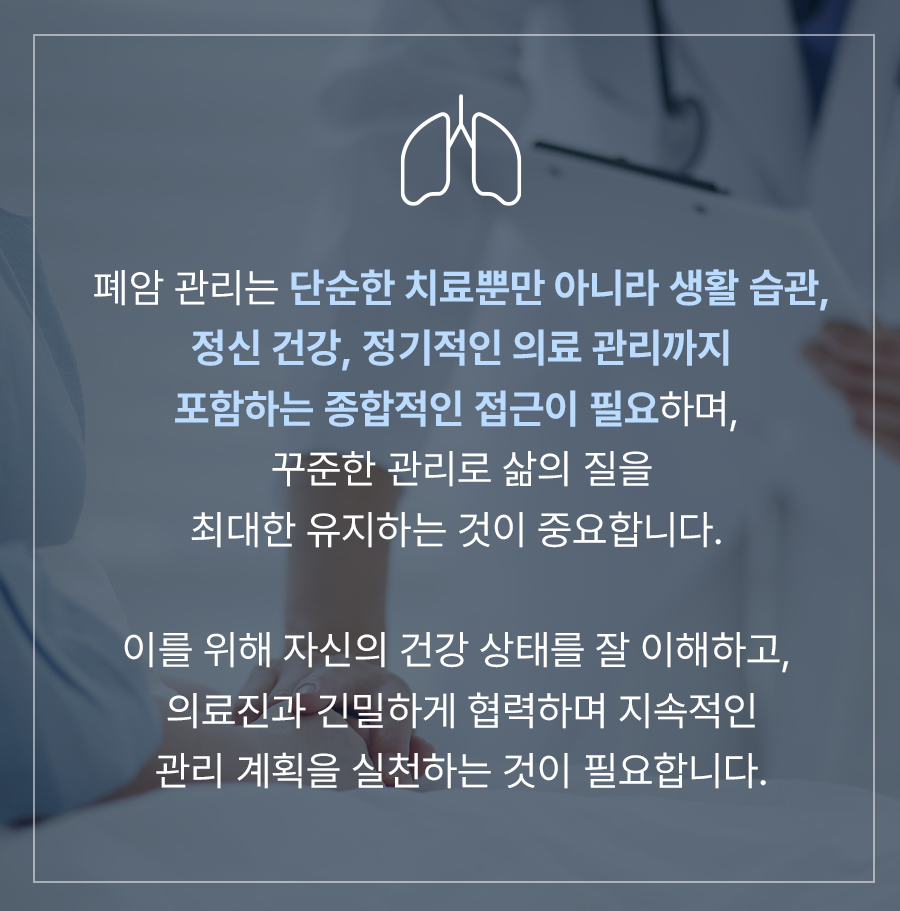
Nutrition is another focus. The hospital emphasizes anti-cancer dietary principles and a dedicated healing diet. The hospital posts daily menus with photos on its website. This helps families see what kind of food is being served and reflects a commitment to consistent, balanced nutrition rather than occasional special meals.
For lung cancer patients, maintaining weight and muscle mass can be challenging, especially when appetite is low or taste changes occur due to treatment. A hospital that pays close attention to daily meals, hydration, and individual preferences can make a significant difference in comfort and energy.
Connection with major hospitals and regional accessibility
Many lung cancer patients in Jeonnam receive their main treatment at large tertiary centers. The hospital states that it coordinates care with regional tertiary centers when patients require specialist consultations or advanced treatments.
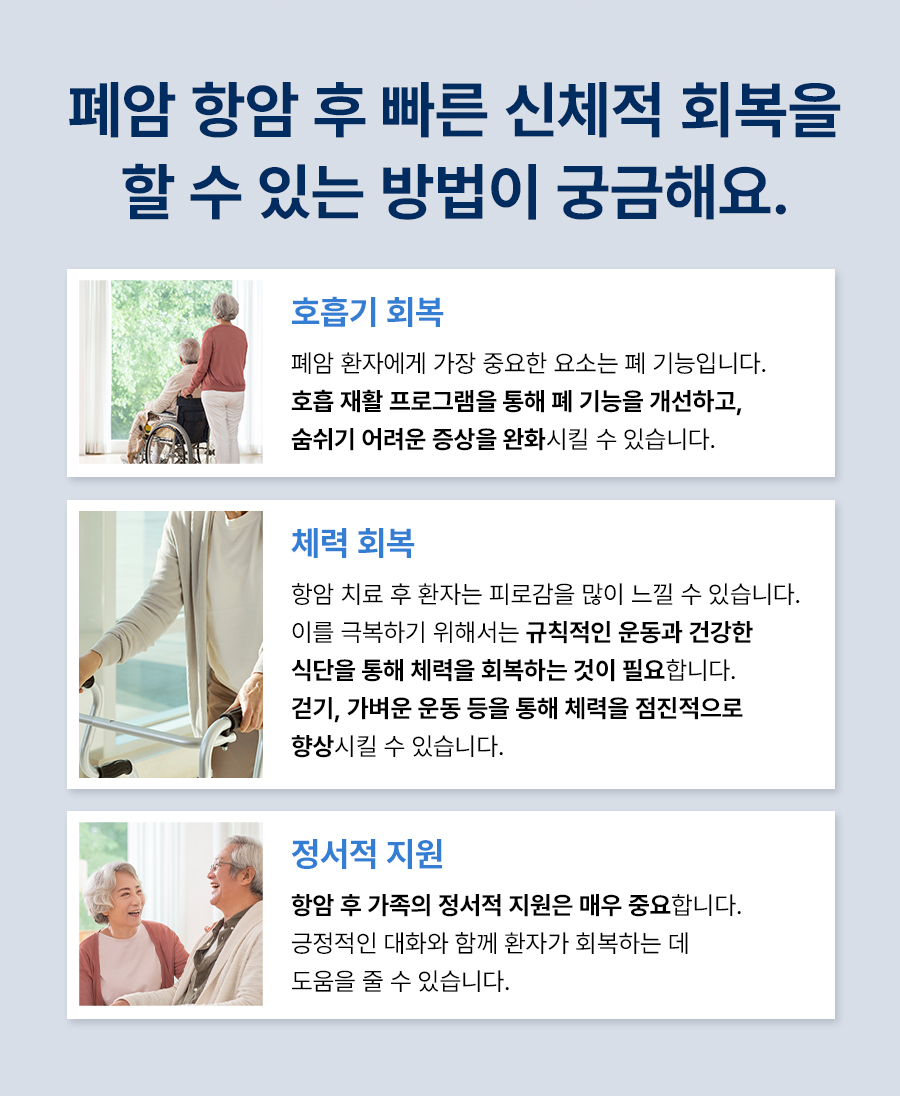
These cooperative links support the idea of using the convalescent hospital as a recovery base that works in parallel with surgery, chemotherapy, and radiation at major centers. For example, a patient might undergo surgery or chemotherapy at Hwasun Chonnam National University Hospital, then transfer to this convalescent hospital for a period of focused recovery, and later return to the tertiary hospital for follow-up scans or additional treatment.
Because the hospital is located in Gwangju, it is geographically convenient for many people from Jeollanam-do and the wider Honam region. Families can visit by car or public transport, and the proximity to bus routes and the city makes it easier to combine medical appointments, family visits, and daily life.
Who may consider this hospital
This type of convalescent hospital may be suitable for several groups of lung cancer patients and their families.
Patients who have recently completed surgery and need a safe place to regain strength before returning home may benefit from inpatient recovery care. Those who are undergoing repeated chemotherapy or radiation cycles and feel too weak to manage at home between sessions may also find a short inpatient stay helpful.
Patients who live in or near Gwangju and are receiving treatment at a tertiary hospital might consider outpatient or day-care programs to help manage side effects, receive integrative therapies, and maintain a structured routine.
Families who are anxious about the medical safety of ordinary convalescent hospitals, especially for patients with multiple health issues, may feel more comfortable with a facility led by experienced internal medicine specialists who are used to working with tertiary hospitals.
At the same time, it is important to discuss any plan for transfer to a convalescent hospital with the main oncology team. The timing of admission, the expected length of stay, and the schedule for follow-up visits or scans should be coordinated so that supportive care and active treatment work together.
Online consultation and pre-visit preparation
For overseas patients or families living outside Gwangju, an online consultation is often the first step. Before contacting the hospital, it is helpful to gather basic information such as the current diagnosis, treatment history, recent scan or test results, current medications, and any specific symptoms or concerns.
During an online consultation, families can ask about available programs, room types, language support, and how the hospital coordinates with the patient’s main oncology team. It is also a good time to ask whether high-frequency hyperthermia or integrative Korean medicine treatments might be appropriate in the patient’s situation.
When preparing to visit Korea for treatment and recovery, patients should plan how to share medical records. Copies of discharge summaries, pathology reports, imaging reports, and medication lists are especially useful. If documents are not in English, arranging translations in advance can help avoid misunderstandings.
Expected Korea visit timeline
For international patients, a typical visit that includes both active treatment at a tertiary hospital and recovery at a convalescent hospital may follow a general pattern, although details vary widely depending on the individual case.
First, the patient usually has an evaluation and treatment planning phase at a tertiary hospital in Korea. This may involve consultations, imaging, and possibly surgery or the start of chemotherapy or radiation. Once the main treatment schedule is clear, the family can coordinate with the convalescent hospital to plan an inpatient or short-term stay.
If a 2-week short-term program is chosen, the patient might transfer to the convalescent hospital shortly after a chemotherapy cycle or after being discharged from surgical care. During this period, the focus is on rest, symptom management, nutrition, gentle physical activity, and emotional support. Integrative therapies may be added according to the patient’s condition and preferences.
After the planned stay, the patient may return to the tertiary hospital for follow-up tests or the next treatment cycle, or return home if the main treatment phase is complete. Some patients may continue with outpatient visits to the convalescent hospital while staying in nearby accommodation.
Aftercare and ongoing support
After leaving the convalescent hospital, patients still need ongoing care. This includes follow-up with their main oncology team, monitoring for recurrence or progression, and management of chronic symptoms such as fatigue, breathlessness, or pain.
The hospital can provide discharge summaries and recommendations that patients can share with their local doctors. For those who live in or near Gwangju, outpatient visits may continue for integrative therapies, nutritional guidance, or periodic check-ups with internal medicine specialists.
Families are encouraged to maintain open communication with both the convalescent hospital and the tertiary hospital. If new symptoms appear or existing symptoms worsen, early consultation can help prevent complications.
Frequently asked questions
What is the main difference between this convalescent hospital and a general nursing hospital?
A general nursing or long-term care hospital often focuses on basic nursing, chronic disease management, and elderly care. This convalescent hospital in Gwangju is oriented toward recovery for cancer patients, including lung cancer, and is led by internal medicine specialists with extensive university hospital experience. It offers programs specifically designed for patients who are in between active treatments or who need structured support after surgery, chemotherapy, or radiation.
Can I receive surgery or chemotherapy at this hospital?
This is a convalescent and supportive care hospital, not a surgical oncology center. Major treatments such as surgery, chemotherapy, and radiation are typically performed at tertiary hospitals like Hwasun Chonnam National University Hospital, Chonnam National University Hospital, or other large centers. The convalescent hospital is used as a recovery base before, between, or after these treatments.
Is high-frequency hyperthermia a replacement for chemotherapy or radiation?
High-frequency hyperthermia is considered a supportive therapy and is not a replacement for standard treatments such as chemotherapy, radiation, surgery, or targeted drugs. It may be used alongside these treatments in selected cases, depending on the patient’s condition and the recommendations of the medical team. Patients should always discuss any additional therapies with their primary oncologist.
How can overseas patients start the process of admission?
Overseas patients can usually begin with an online or phone consultation. It is helpful to prepare medical records, including diagnosis, treatment history, and recent test results, in advance. During the consultation, families can ask about available programs, estimated timelines, language support, and coordination with their main oncology team. Based on this information, the hospital can advise whether inpatient, short-term, or outpatient care is most appropriate and help plan the timing of admission.
Soft call to action
For lung cancer patients and families in Jeollanam-do and beyond, finding a place that combines solid internal medicine expertise, integrative supportive care, and a calm natural environment can make the recovery journey less overwhelming. Chiu Convalescent Hospital in Gwangju, at the entrance to Mudeungsan National Park, aims to fill this role as a recovery base that works alongside major tertiary hospitals.
If you are considering a Jeonnam lung cancer convalescent hospital for yourself or a family member, it may be helpful to arrange an online consultation to discuss your specific situation, treatment schedule, and recovery goals. By asking detailed questions in advance and sharing information with your main oncology team, you can decide whether this convalescent hospital is a suitable part of your overall care plan.


댓글
댓글 쓰기