Gwangju — Convalescent Hospital Serving Jeonnam Breast Cancer Patients near Mudeungsan
- 공유 링크 만들기
- X
- 이메일
- 기타 앱
Introduction: What a Jeonnam breast cancer convalescent hospital does
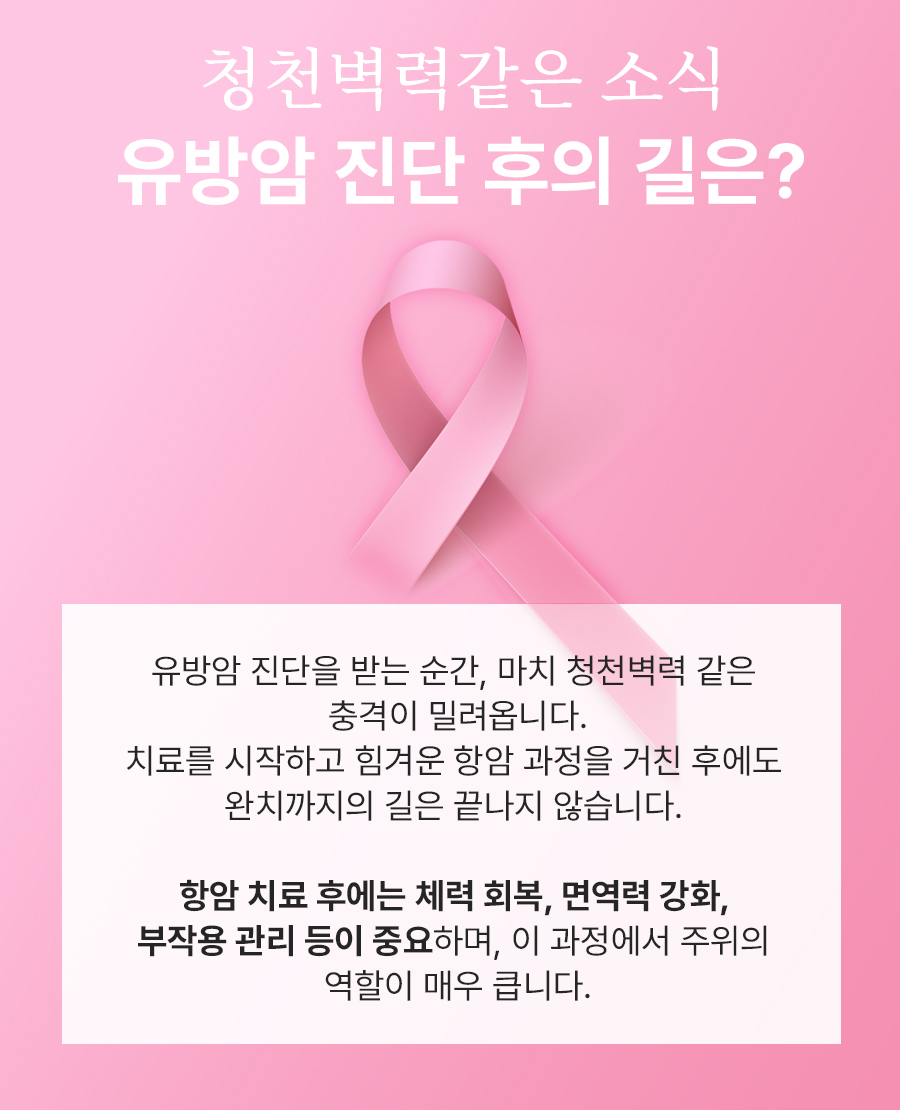
A convalescent hospital provides post-acute care: rehabilitation, symptom management, and supportive services to help patients regain strength and function after completing active treatment at a tertiary cancer center.
In this setting, the goals are different from an acute cancer ward. The focus is on easing symptoms, helping your body regain strength, supporting your emotional health, and preparing you to return to daily life. Pain control, fatigue management, sleep support, nutrition, and gentle rehabilitation often matter more than complex procedures.
For patients in Jeollanam do and nearby regions, traveling repeatedly to large hospitals can be exhausting. A breast cancer focused convalescent hospital in the Jeonnam area can serve as a recovery base, especially when it is close to major cancer centers, while still allowing you to continue follow up at your main hospital.
Location and role within the Jeonnam cancer care network
Although the address is in Gwangju, it functionally serves many patients from Jeonnam because of its convenient access from the province and its proximity to major cancer centers.
Being near Jeungsimsa bus stop and having on site parking makes it easier for patients and families to visit, even when they are tired from treatment. Caregivers do not need to navigate complex city centers or large university hospital campuses every day just to see their loved one.
Many breast cancer patients who come here have received surgery, chemotherapy, or radiation at large hospitals such as Chonnam National University Hwasun Hospital, Chonnam National University Hospital, Chosun University Hospital, or other major centers in Korea, including institutions like Samsung Medical Center or Seoul National University Bundang Hospital. The convalescent hospital does not replace these centers. Instead, it acts as a recovery hub between or after their treatments.
Patients can continue to attend scheduled follow up visits, imaging, or chemotherapy at their main cancer center, while using the convalescent hospital as a place to rest, manage symptoms, and rebuild strength. Staff can help coordinate appointments and transportation plans so that the transition between institutions is as smooth as possible.
Medical team: Why physician background matters for breast cancer recovery
For breast cancer patients in recovery, the clinical team's background matters. That level of clinical experience can be reassuring for patients and families seeking a facility focused on recovery and supportive care.
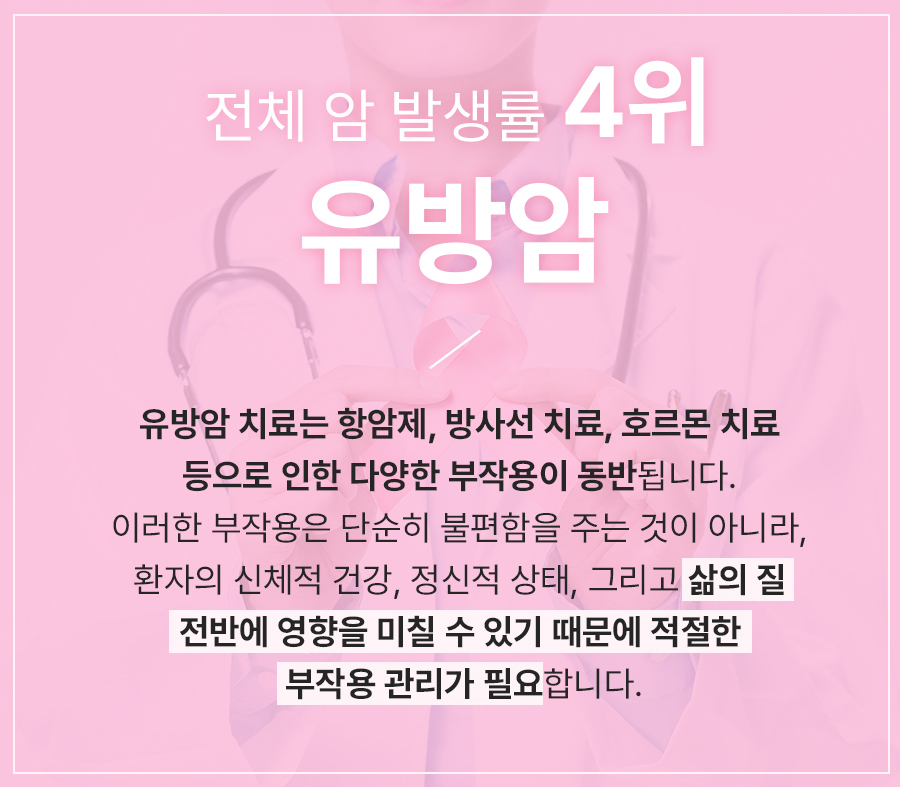
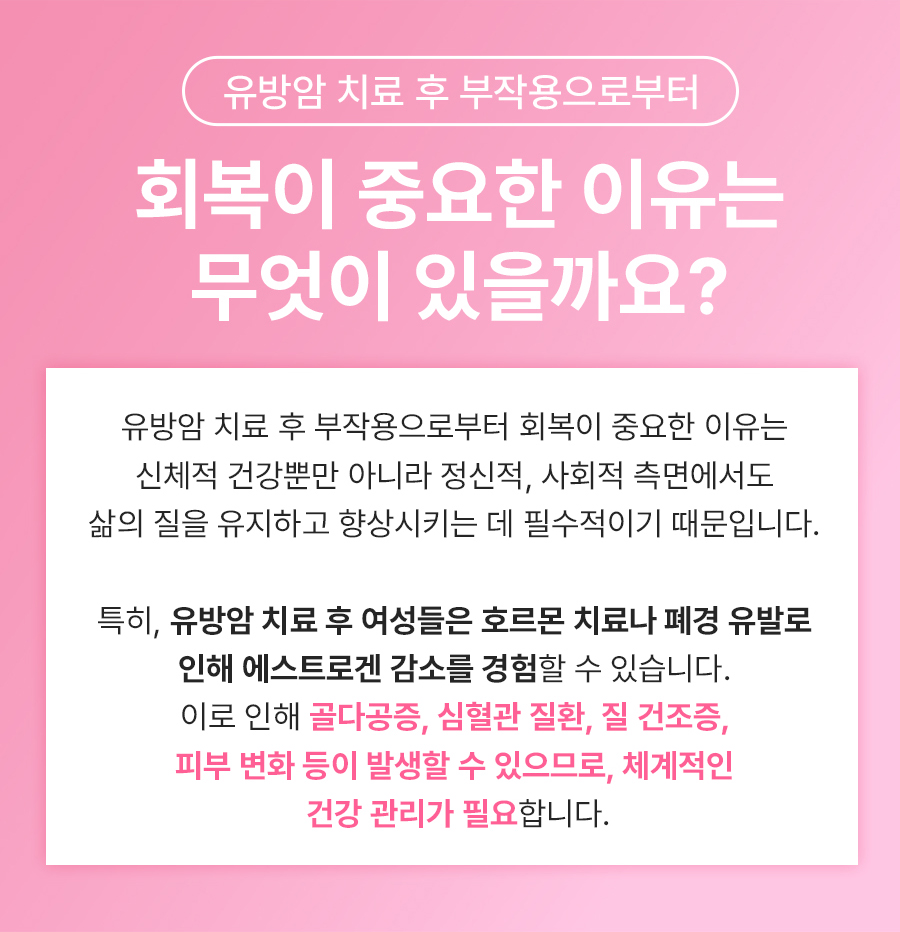
Breast cancer survivors often have complex medical needs. Chemotherapy may affect the heart, lungs, or nerves. Hormone therapy can influence bone health and blood clots. Many patients also live with chronic conditions such as diabetes, high blood pressure, or heart disease. Experienced internal medicine specialists are trained to monitor and manage these overlapping issues.
In addition, infection risk can remain high after chemotherapy or major surgery. Digestive problems, nausea, constipation, or diarrhea may persist. For these reasons, continuous monitoring and careful medication adjustment are crucial. Having senior internists on site means decisions about fluids, antibiotics, pain medicines, and chronic disease control can be made in an evidence based and timely way.
Some patients report benefit from approaches such as acupuncture or herbal therapy for symptoms like neuropathy, fatigue, insomnia, or digestive discomfort, but the evidence varies. These options are presented as supportive measures rather than cures and should be discussed with the oncology team before use.
For caregivers who worry that convalescent hospitals may have lower medical standards, it is important to know that this type of facility emphasizes continuous monitoring, careful documentation, and communication with tertiary hospitals. When needed, staff can consult with your main oncologist and share information to keep your overall treatment plan aligned.
Core programs for breast cancer patients
A breast cancer focused convalescent hospital in Jeonnam offers several programs designed around the typical recovery journey.
Inpatient recovery care is available for cancer patients who need more support than they can get at home. Common situations include the period immediately after breast surgery, the days between chemotherapy cycles when fatigue and nausea are severe, or the weeks after completing radiation when skin reactions and exhaustion peak. During inpatient stays, nurses and doctors can monitor symptoms, adjust medications, and support daily activities.
This helps break the stereotype that convalescent hospitals are only for long term stays. Short term admission can suit patients who want intensive rest and management for a limited period, for example right after surgery or at the end of a chemotherapy course. It can also be useful for those who live far from their main cancer center and need a temporary base nearby.
There is also an outpatient treatment program. Local breast cancer patients who live in or near Gwangju and Jeonnam can visit regularly without admission. Outpatient visits can include medical consultations, symptom management, integrative treatments, and nutritional counseling. This is helpful for patients who are stable enough to stay at home but still want structured support.
All of these programs are supportive and rehabilitative. They are not meant to replace surgery, chemotherapy, hormone therapy, or radiation. Instead, they aim to make those treatments more tolerable and to help patients recover physically and emotionally.

Supportive treatments relevant to breast cancer
Several supportive treatments can be offered to breast cancer patients in this setting.
Patients should consult their oncologist about the potential risks, benefits, and availability of such therapies.
Integrative Western and traditional medicine is another key feature. Acupuncture, moxibustion, cupping, and herbal medicine may be used alongside internal medicine care. These approaches can help manage chemotherapy related side effects such as peripheral neuropathy, hot flashes, joint pain, sleep disturbance, and anxiety. Every patient responds differently, so treatment plans are individualized and adjusted based on tolerance and effect.
Nutritional and anti cancer diet therapy is also central. Many patients and families worry about what to eat after a breast cancer diagnosis. At this type of hospital, structured meals are tailored for cancer patients, with attention to balance, digestibility, and overall nutritional value. Daily menus are often posted online so that patients and families can see exactly what is being served, which builds trust and transparency.
All supportive treatments are designed to complement, not replace, standard oncologic therapies prescribed by your main cancer center. Decisions about changing or stopping chemotherapy, hormone therapy, or targeted agents remain with your oncologist. The convalescent hospital team works within that framework to support your comfort and recovery.
Environment: Mudeungsan National Park as a healing setting
The physical environment plays a major role in recovery. This convalescent hospital is located at the entrance to Mudeungsan National Park, an area known for clean air, forested hills, and seasonal scenery. For many breast cancer patients, simply being able to look out at trees or walk beside a valley stream can ease tension.
Cypress trees and forest paths around the hospital provide opportunities for gentle walking. Light physical activity, such as slow walks on easy trails, can support circulation, joint flexibility, and mood. Exposure to natural light and fresh air can also help reset sleep patterns that may have been disrupted by hospital stays and medications.
Inside the hospital, there are quiet rest areas and emotional support zones where patients can read, meditate, or simply sit in peace. Outdoor walking routes start from the hospital, allowing patients to choose short or slightly longer paths depending on their energy level.
Emotional and cultural programs, such as poetry exhibitions or healing themed displays, are sometimes organized in shared spaces. These activities can help patients process feelings of anxiety, sadness, or fear that often follow a breast cancer diagnosis. Engaging with art and words in a calm environment can make it easier to talk about emotions with family or staff.
Who is a good candidate for this type of Jeonnam breast cancer convalescent hospital?
Not every breast cancer patient needs a convalescent hospital, but certain situations make it especially helpful.
It can be a good fit for patients who have completed or are between surgery, chemotherapy, or radiation and need a safe place to rest and regain strength. For example, someone who has just had a mastectomy or reconstruction may feel more secure with nurses nearby than at home alone.
Patients treated at large cancer centers in the Gwangju Jeonnam region or in other cities may choose to stay here to be closer to follow up appointments while enjoying a quieter environment. This reduces travel stress and allows more time for rest between hospital visits.
It is also suitable for patients and families who feel anxious about managing side effects at home. Pain, risk of lymphedema, severe fatigue, appetite loss, and insomnia can be difficult to handle without professional support. In a convalescent hospital, staff can monitor symptoms, teach self care techniques, and intervene early if complications appear.
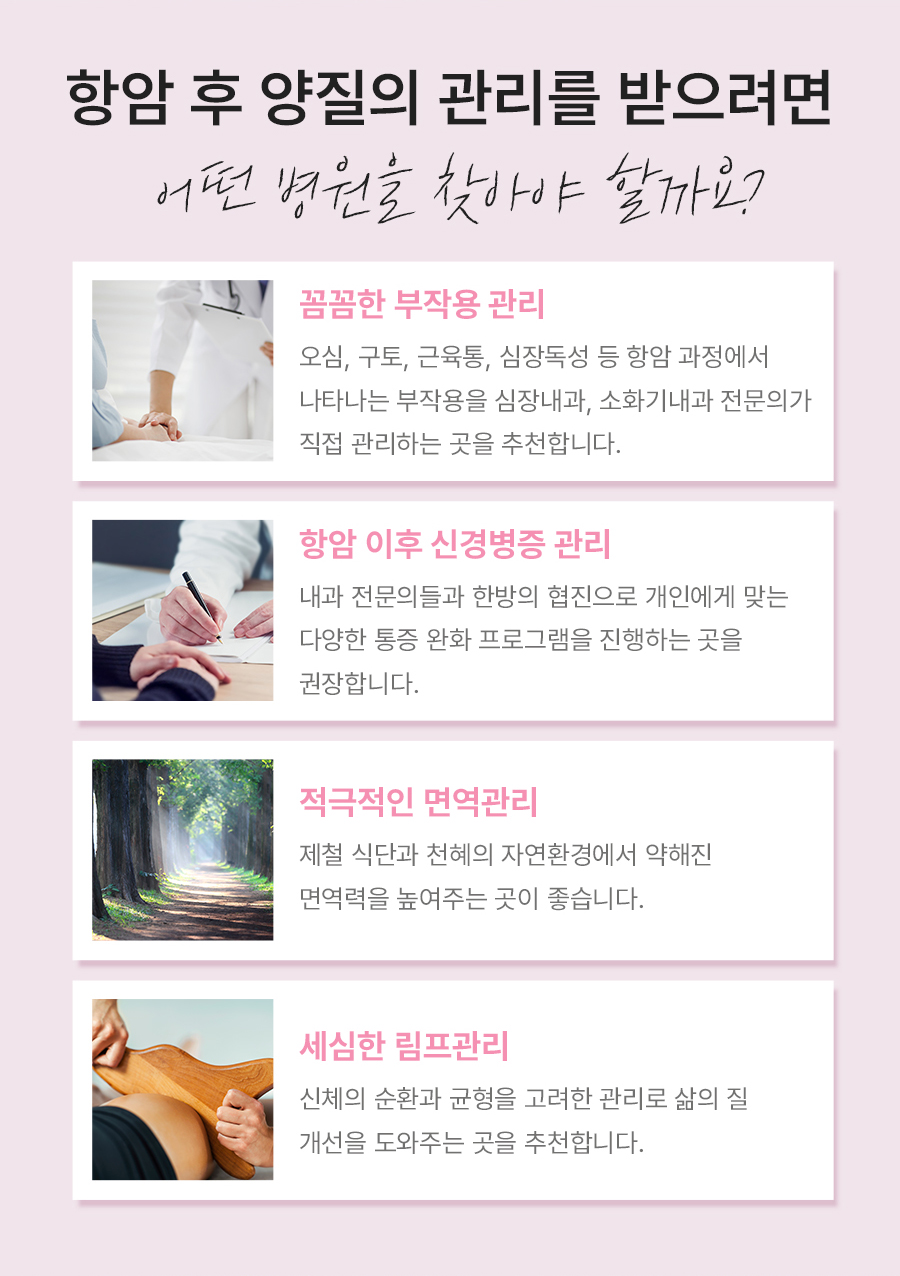
Those who prefer short term admission, such as a two week stay, or flexible outpatient visits rather than indefinite long term hospitalization may find this model attractive. It offers structure and support without committing to a long stay.
How to choose a Jeonnam breast cancer convalescent hospital
When comparing options in the Jeonnam area, it helps to use a simple checklist.
First, look for the presence of experienced internal medicine specialists, ideally with backgrounds in university hospitals or large centers. Their training is important for managing chemotherapy related side effects and chronic diseases.
Second, ask about the hospital’s ability to coordinate with tertiary cancer centers. Do they send and receive medical records easily? Are they willing to contact your oncologist if questions arise? Clear communication reduces the risk of conflicting advice.
Third, check whether integrative care is available. If you are interested in acupuncture, herbal support, or other traditional methods, confirm that these are offered in a structured way and supervised by qualified practitioners.
Fourth, review the nutrition program. Ask how menus are planned, whether special diets can be provided for conditions like diabetes, and if sample menus are available. Transparent information about food is especially important for cancer patients.
Fifth, consider the environment and accessibility. Is the hospital in a safe, quiet area? Is there on site parking? How far is it from your main cancer center? Can family members visit easily by public transport?
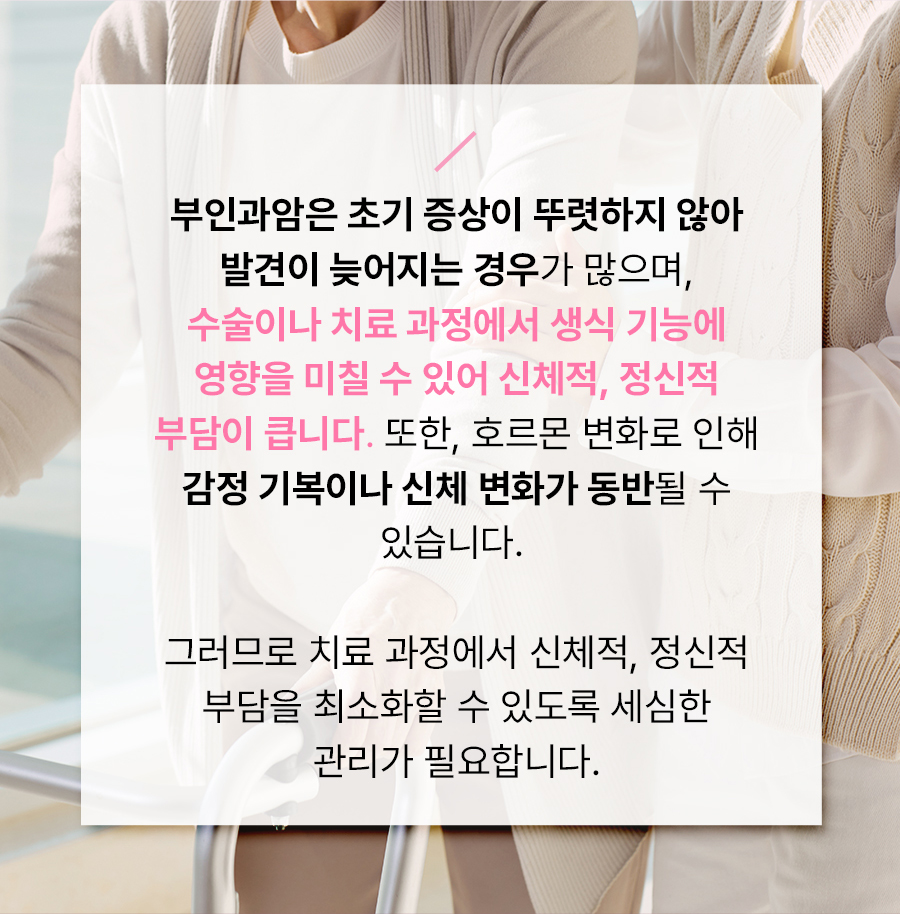
During consultation, you may want to ask specific questions such as how they handle emergencies, what their infection control policies are, and how they individualize treatment plans based on your cancer stage and current therapy. A responsible convalescent hospital will clearly state that it provides recovery and supportive care, not a replacement for surgery, chemotherapy, or radiation.
Practical information and consultation
This breast cancer focused convalescent hospital is located in Gwangju Dong gu, near the entrance to Mudeungsan National Park, with convenient access from Jeonnam. On site parking is available for families who drive, and Jeungsimsa bus stop nearby makes it reachable by public transport.
Consultation is available by phone and through online messaging channels. There are defined operating hours on weekdays and Saturdays, with closure on Sundays and public holidays, so it is wise to check times before visiting in person.
More detailed information about short term admission programs, outpatient services, and supportive therapies is provided through the hospital’s official online channels, including blog and video content. These resources can help you and your family understand what daily life in the hospital looks like.
When you inquire, it is very helpful to prepare a summary of your current treatment from your main cancer center. This can include your diagnosis, surgery date and type, chemotherapy or hormone therapy schedule, recent test results, and current medications. Sharing this information allows the convalescent hospital team to assess whether admission is appropriate and how to coordinate safely with your oncologist.
FAQ ideas for patients and families
Is a breast cancer convalescent hospital in Jeonnam suitable immediately after surgery?
Many patients can benefit from a convalescent hospital stay soon after breast surgery, especially if they feel weak, live alone, or have other medical conditions. However, the timing depends on your surgeon’s recommendations and your overall stability. Usually, you are first monitored in the surgical hospital for a short period, and once your condition is stable, you can transfer to a convalescent hospital for further recovery.
Can I receive chemotherapy or radiation at a convalescent hospital, or is it only for recovery?
A convalescent hospital is generally focused on recovery and supportive care, not on delivering chemotherapy or radiation itself. Most patients continue to receive these active treatments at their main cancer center. The convalescent hospital supports you between cycles or after completion of therapy by managing side effects, nutrition, and emotional health.
How does a two week short term admission work for breast cancer patients?
In a two week short term program, you are admitted for a defined period with clear goals, such as pain control, fatigue management, and physical conditioning. The team assesses you on arrival, plans daily care, and reviews your progress regularly. Before discharge, staff provide education on home care, medication schedules, and follow up appointments so that you can transition safely back home or to your main hospital.
What supportive treatments are commonly used for managing chemotherapy side effects?
Common supportive treatments include medication based symptom control, nutritional support, and integrative therapies. For example, anti nausea drugs and pain relievers may be combined with acupuncture for neuropathy, herbal formulas for appetite, and gentle exercise for fatigue. Every plan is tailored to the individual, and all supportive care is coordinated with your main oncologist’s treatment plan.
How is communication handled between the convalescent hospital and my main cancer center?
Communication typically involves sharing medical summaries, medication lists, and test results with your consent. When questions arise about changing doses or scheduling treatments, the convalescent hospital can contact your oncologist to confirm decisions. This cooperation helps keep your overall care consistent and reduces confusion for you and your family.
Soft call to action for online consultation
If you are a breast cancer patient or caregiver in Jeonnam or nearby regions and are considering a convalescent hospital for recovery, you do not need to decide alone. You can start with an online or phone consultation to discuss your current treatment stage, main symptoms, and living situation.
By sharing your treatment summary and questions in advance, the team can advise whether short term admission, outpatient visits, or another option may suit you best. A thoughtful plan for recovery can make the period after surgery, chemotherapy, or radiation safer and more comfortable for both patients and families.
- 공유 링크 만들기
- X
- 이메일
- 기타 앱


댓글
댓글 쓰기