Gwangju Cancer Convalescent Hospital Options near Mudeungsan for Recovery Support
Direct answer summary
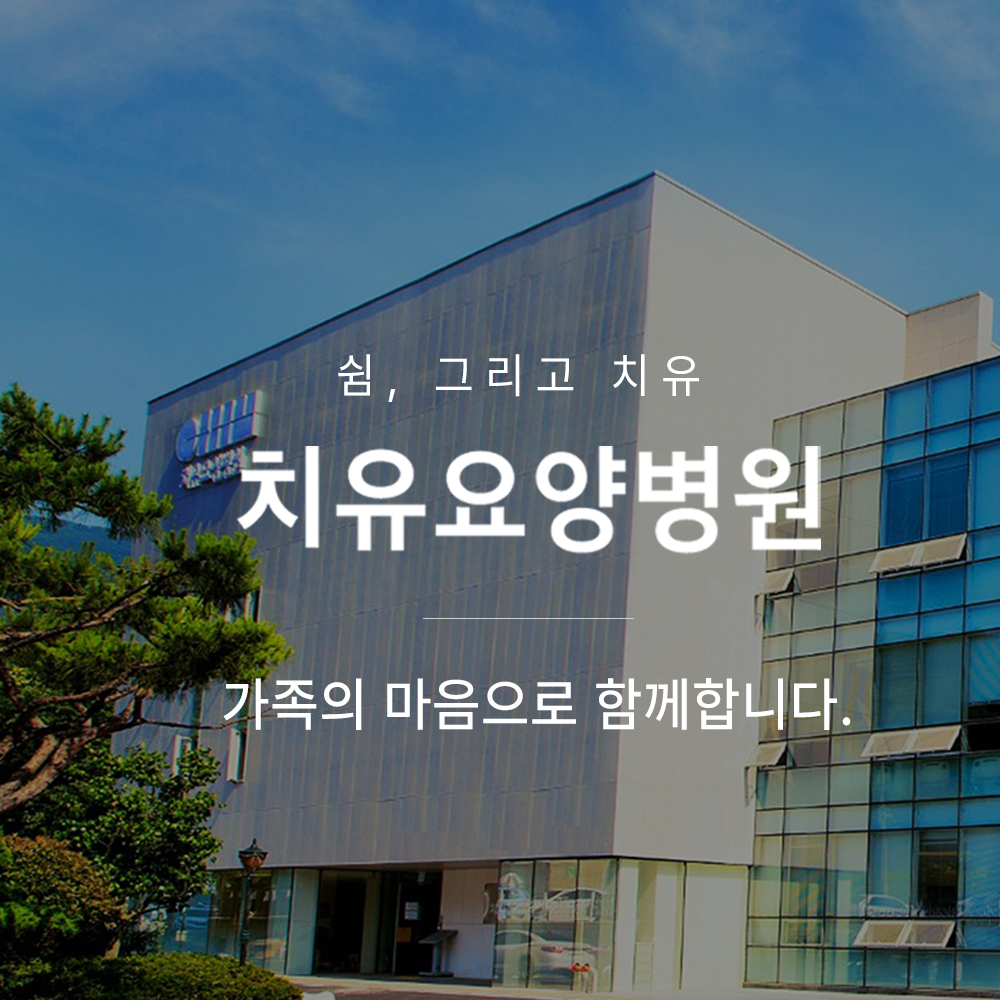
International patients and families seeking a cancer-focused convalescent hospital in Gwangju may consider a facility in Dong-gu. It offers medical oversight by internal medicine specialists, integrative Western and Korean medicine services, a device the hospital describes as high-frequency hyperthermia, and a natural setting near the entrance to Mudeungsan National Park. The facility is intended for recovery before, during, or after surgery, chemotherapy, or radiation, and offers flexible options such as two-week short-term admissions and outpatient visits in addition to longer stays.
Treatment overview
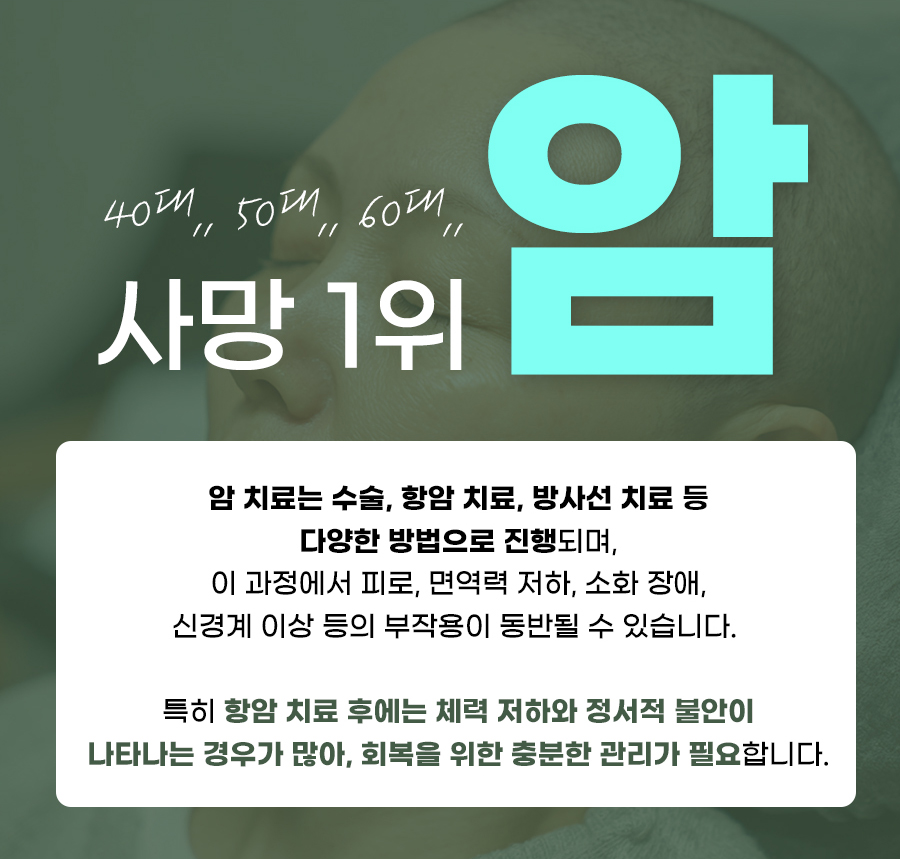
A cancer convalescent hospital is different from a general acute-care hospital. Instead of performing major surgery or intensive chemotherapy, it focuses on recovery, symptom management, and quality of life for people who are living with or after cancer.
In Dong-gu, Gwangju, near the Jeungsimsa bus stop, Chiu Convalescent Hospital offers this type of cancer-focused recovery care. Patients often receive their main cancer treatment at large tertiary hospitals, then use this hospital as a quieter base for rest, monitoring, and supportive therapies.
The medical team is led by two internal medicine specialists who have previously held leadership roles at university hospitals.
An arrangement with former university hospital presidents involved in day-to-day care is uncommon among convalescent hospitals; the facility presents this staffing model as an additional reassurance for families concerned about medical support for cancer patients.
Alongside these internal medicine specialists, a Korean medicine director with experience in multiple clinics and convalescent hospitals provides traditional medicine care. This allows for an integrative approach that combines Western and Korean medicine in one place.
Who may consider a Gwangju cancer convalescent hospital
A cancer-focused convalescent hospital in Gwangju may be suitable if you or your family member:
Have completed major treatment such as surgery and need a safe place to regain strength before going home.
Are receiving chemotherapy or radiation at a tertiary hospital and need a quieter, supportive environment between treatment cycles.
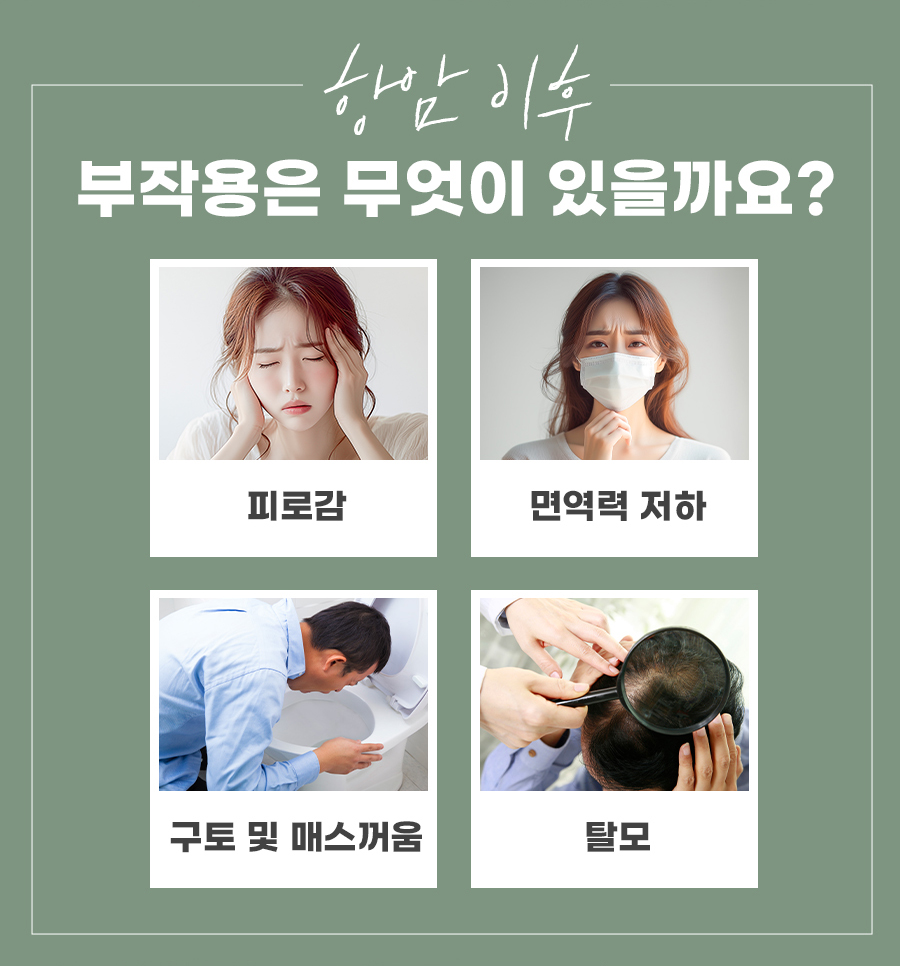
Experience fatigue, appetite loss, digestive problems, sleep disturbance, or cardiovascular risk factors that require internal medicine monitoring.
Prefer to recover in a natural setting, with forest walks and clean air, rather than in a busy city center.
Live in Gwangju or nearby regions and want easier access for family visits and outpatient supportive care.
It can also be an option for overseas Koreans or international patients who choose to receive cancer treatment at large Korean hospitals in Seoul or at the regional cancer center in Hwasun, and then want to stay in a calmer environment for recovery while still being within reach of those institutions.
Medical safety and internal medicine oversight
For many families, the first question is whether a convalescent hospital can provide medically safe care for a cancer patient. In this Gwangju facility, internal medicine specialists with university hospital leadership backgrounds supervise the overall system.
They monitor common internal medicine issues in cancer patients, such as anemia, blood pressure, heart function, diabetes, liver and kidney function, and infection risk. They also pay attention to symptoms like nausea, vomiting, diarrhea, constipation, shortness of breath, and chest discomfort, which may be related to both cancer and its treatments.
Because both lead doctors have extensive experience in tertiary care and international training, they are familiar with modern chemotherapy regimens, targeted therapies, and the typical side effects that may appear even after the patient leaves the main cancer center. This helps them decide when to manage a problem in the convalescent setting and when to recommend returning to a tertiary hospital.
The presence of a Korean medicine director adds another layer of care. While internal medicine focuses on diagnosis, monitoring, and conventional treatment, Korean medicine approaches are used to support energy, digestion, pain control, and sleep, always with attention to safety and interaction with ongoing cancer therapies.
Core programs and services
Inpatient cancer recovery care
The inpatient program is designed for patients who need rest and structured support before, during, or after active cancer treatment. Typical situations include:
Staying after major surgery to rebuild strength and mobility.
Resting between chemotherapy cycles to manage fatigue and side effects.
Receiving supportive care after radiation therapy, especially if appetite and energy are low.
During inpatient stays, the medical team monitors vital signs, blood tests when needed, and internal medicine conditions. Nurses and staff help with daily activities, medication schedules, and symptom reporting.
Two-week short-term admission program
A key feature of this hospital is a structured two-week short-term admission program. This is important because many families believe that once a patient enters a convalescent hospital, it is difficult to leave or that stays are automatically long-term.
Here, short-term admission is clearly encouraged and organized. Patients can reserve a two-week stay, often aligned with their treatment schedule at a tertiary hospital. For example, a patient may:
Have chemotherapy at a large hospital.
Move to the convalescent hospital for two weeks of rest, symptom management, and integrative care.
Return to the tertiary hospital for the next treatment cycle.
Admissions are by reservation, and the hospital actively promotes these short-term stays, sometimes announcing monthly or seasonal reservation schedules. This gives families more control and flexibility, especially if they are planning travel from other regions or overseas.
Outpatient (day visit) treatment program
Not every patient needs admission. For those who live in Gwangju or nearby, or who are already attending large hospitals for main treatment, the outpatient program can be a practical option.
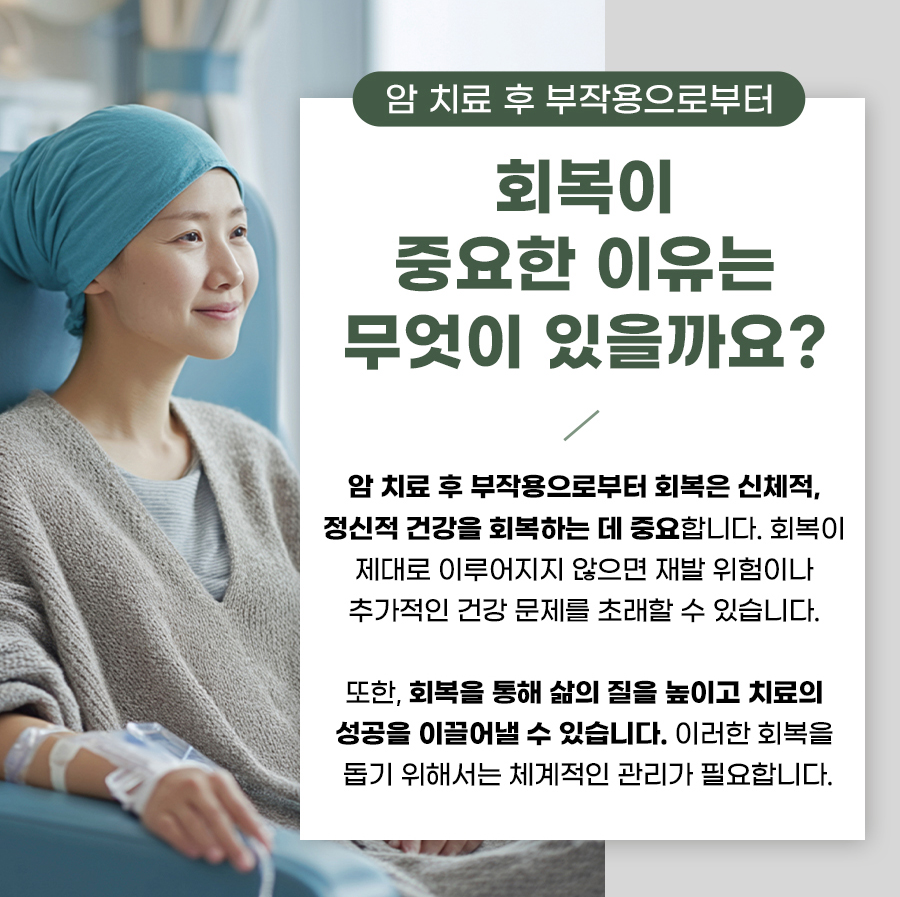
Patients can visit during the day for:
Internal medicine consultations and symptom management.
Korean medicine treatments such as acupuncture or moxibustion.
High-frequency hyperthermia sessions.
Nutritional counseling or follow-up on diet plans.
After the visit, they return home or to their accommodation. This model can be especially helpful for overseas patients staying in Gwangju for several weeks, as it allows them to combine hotel or family housing with regular supportive care.
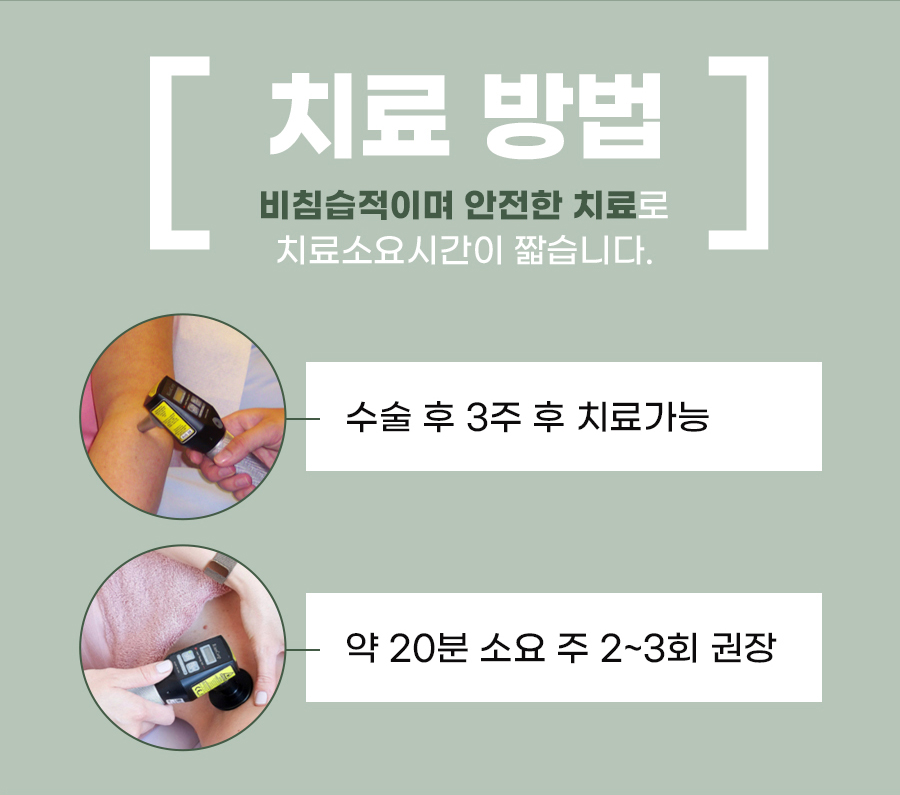
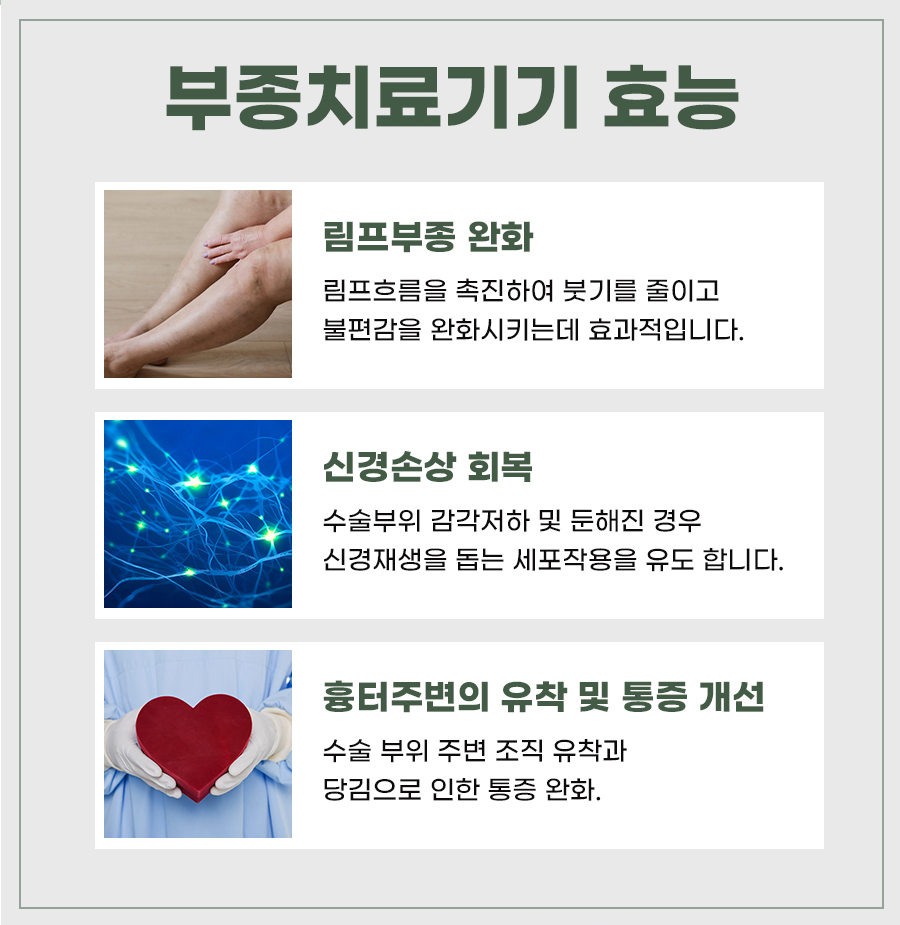
High-frequency hyperthermia (described by the facility)
The hospital offers a device it describes as high-frequency hyperthermia. Evidence for benefits and appropriate use varies; discuss potential advantages, limitations, and risks with your oncology team before considering this therapy.
High-frequency hyperthermia is a therapy that uses high-frequency energy to gently heat tumor areas or surrounding tissues. The goal is not to replace surgery or chemotherapy, but to support cancer therapy and relieve certain symptoms.
In simple terms, controlled heat can affect blood flow and the tumor environment. In some treatment plans, it is used alongside chemotherapy or radiation to try to enhance their effects or to help manage pain and stiffness.
This Gwangju hospital provides high-frequency hyperthermia as part of its integrative cancer program. To help patients and families understand the procedure, the hospital prepares educational video content that explains how the equipment works, what patients feel during the session, and what safety measures are in place. This transparency can be reassuring for those unfamiliar with the concept of hyperthermia.
Integrative Western and Korean medicine care
An important characteristic of this convalescent hospital is the collaboration between internal medicine specialists and a Korean medicine doctor.
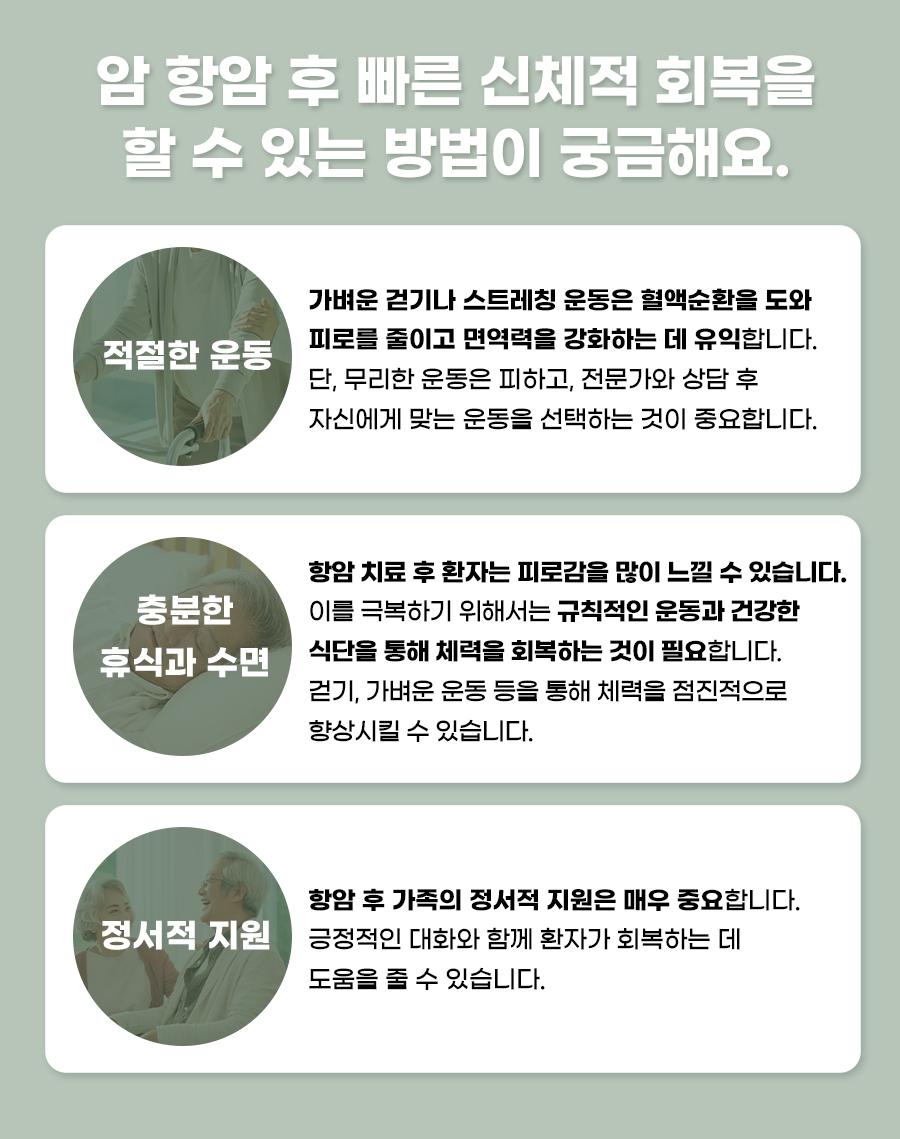
Western medicine focuses on clear diagnosis, monitoring of lab results, medication management, and coordination with tertiary hospitals. Korean medicine adds techniques that many patients find helpful for side-effect management and overall balance, such as:
Acupuncture to support pain control, nausea relief, and sleep.
Moxibustion to provide gentle warmth and improve circulation.
Cupping therapy for muscle tension and circulation.
Herbal medicine tailored to digestion, energy, and sleep, with attention to interactions with chemotherapy or other drugs.
For example, a patient experiencing chemotherapy-related nausea, poor appetite, and insomnia might receive anti-nausea medication from the internal medicine team, plus acupuncture and a carefully selected herbal formula from the Korean medicine doctor. The two sides communicate to avoid overlapping or unsafe combinations.
This integrative model does not promise a cure. Instead, it aims to reduce discomfort, support the body’s resilience, and improve daily quality of life during and after cancer treatment.
Nutrition and therapeutic diet
Food is one of the most common concerns for families. Many ask, “What will my parent eat? Will the meals be appropriate for a cancer patient?”
This hospital follows an anti-cancer dietary approach combined with a structured healing meal plan. Meals are designed to be gentle on digestion, with attention to balanced protein, vegetables, and grains, and to limit overly processed or heavy foods.
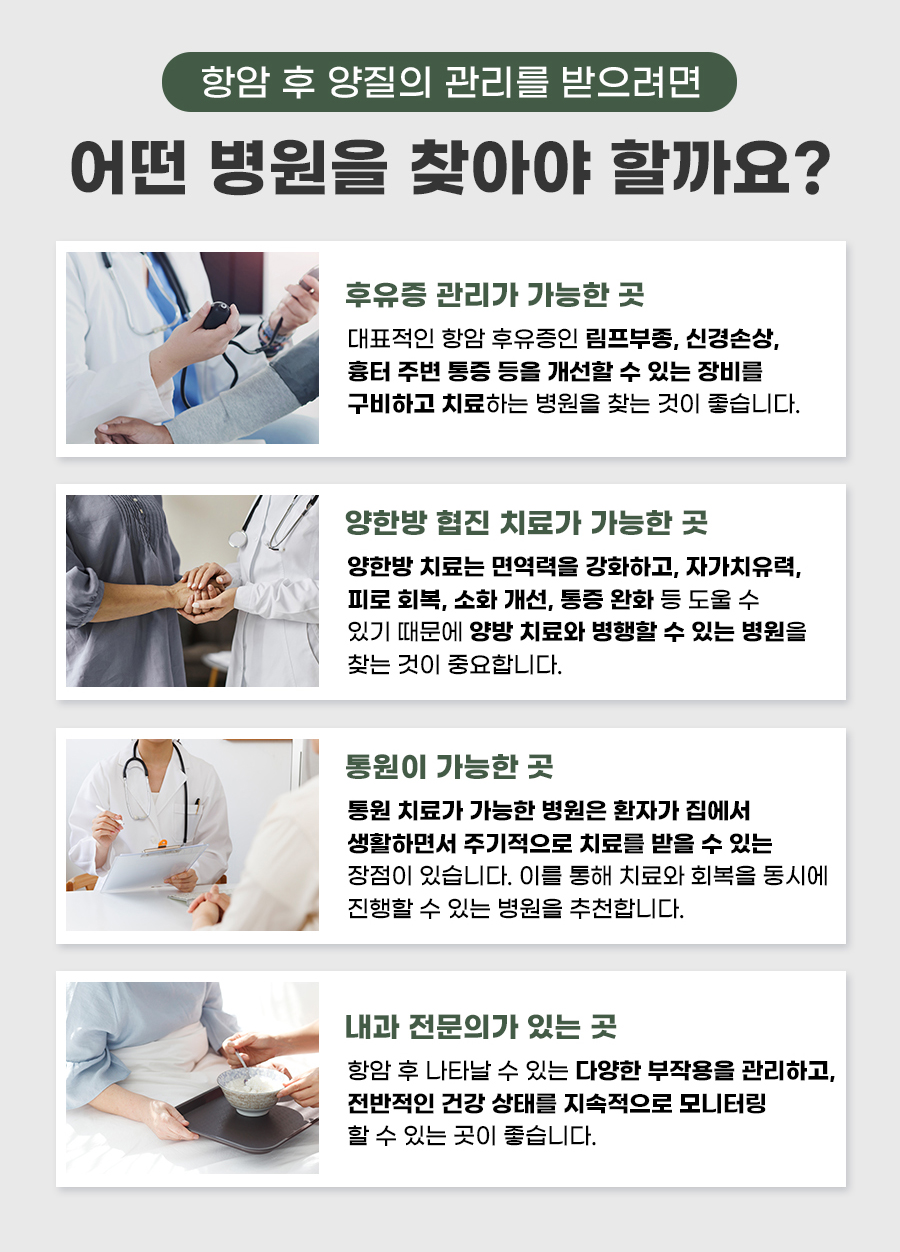
To build trust, the hospital posts daily meal photos and menus on its website. The site maintains an extensive, regularly updated archive of meal photos and menus, allowing families to review what patients have been served over time.
For overseas families who cannot visit frequently, this level of transparency can be especially reassuring. It allows them to check whether the meals match their loved one’s needs and preferences, and to discuss any special dietary requests in advance.
Healing environment and emotional support
The hospital is located in Dong-gu, Gwangju, at the entrance to Mudeungsan National Park, near Jeungsimsa bus stop. This setting offers several advantages for recovery.
The air is typically cleaner than in the city center, with mountain breezes and forest surroundings. Cypress trees and other forest vegetation release natural substances known as phytoncides, which many people find refreshing. There are walking trails suitable for gentle strolls, as well as clear valley water nearby.
For cancer patients, even a short daily walk on a forest path can support rehabilitation, lung function, and mood. For caregivers, stepping outside into nature can reduce stress and emotional fatigue.
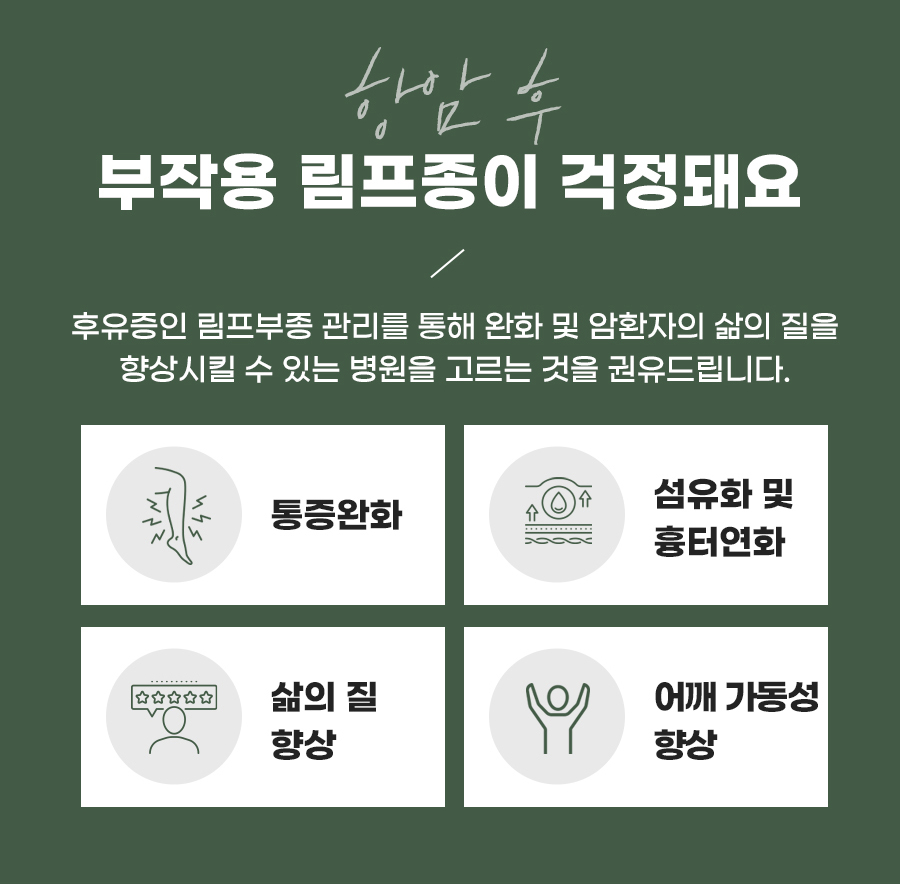
Inside the hospital, there are healing spaces and quiet rest areas where patients can read, meditate, or simply relax. Emotional and cultural programs, such as healing poetry exhibitions and similar events, are organized to support mental well-being. These programs recognize that recovery is not only physical but also emotional.
On-site parking is available, making it easier for family members to visit by car. For those using public transport, the proximity to Jeungsimsa bus stop simplifies access.
Collaboration with major hospitals
Many patients who use this convalescent hospital also receive treatment at major tertiary hospitals, including top university hospitals in Seoul and the regional cancer center in Hwasun.
The hospital lists several well-known tertiary hospitals and a regional cancer center on its website as cooperating institutions. This is presented as coordination for referrals and transfers rather than formal institutional partnerships; patients should confirm referral pathways and the nature of any cooperation directly with the hospital. In practice, this means that:
Patients may undergo surgery, chemotherapy, or radiation at a tertiary hospital.
They then move to the convalescent hospital for recovery and supportive care.
If a new problem arises or advanced imaging or procedures are needed, the patient can be referred back to the tertiary hospital.
Being in the same general region as a major cancer center makes this combination more convenient. Patients do not have to choose between advanced treatment and a peaceful place to rest; they can use both, each for its own role.
Addressing common concerns and misconceptions
Is the medical level at a convalescent hospital too low for a cancer patient?
This is a common and understandable concern. In this Gwangju facility, the presence of two internal medicine specialists who are former presidents of a university hospital is a direct response to that worry. Their experience in leading a tertiary hospital and training abroad helps set standards for safety, monitoring, and decision-making.
The structured collaboration with large hospitals also means that the convalescent hospital is not isolated. It functions as part of a broader care network, with clear pathways for referral when needed.
If my parent enters a convalescent hospital, will they be stuck there long-term?
The two-week short-term admission program is designed to break this stereotype. Families can plan a defined stay, such as two weeks after surgery or between chemotherapy cycles, and then reassess.
Because outpatient programs are also available, some patients may move from inpatient to day visits as their condition improves, rather than remaining admitted indefinitely.
What will my family member eat? Will the food be appropriate for a cancer patient?
The anti-cancer diet and healing meal plan are tailored to be gentle, balanced, and suitable for people with reduced appetite or digestive sensitivity. The daily posting of meal photos and menus on the website allows families to see real examples of what is served.
If your loved one has specific restrictions, such as low-salt, diabetes-friendly, or texture-modified diets, you can discuss these with the staff in advance. The long record of meal photos also helps you decide whether the general style of food matches your expectations.
Online consultation and pre-visit preparation
For overseas patients or families living far from Gwangju, an online consultation is often the first step. The hospital typically offers contact by phone and a messaging channel, as well as online platforms such as a blog and video content.
Before contacting the hospital, it is helpful to prepare:
A summary of the cancer diagnosis, including type, stage if known, and major treatments already received.
A list of current medications, including chemotherapy, targeted therapy, pain medications, and supplements.
Recent test results or discharge summaries from tertiary hospitals, ideally in English or with a brief English explanation.
Information about mobility level, ability to perform daily activities, and any special care needs.
During the online or phone consultation, you can ask about:
Suitability of the two-week short-term program for your situation.
Availability of high-frequency hyperthermia and integrative Korean medicine care.
Language support for international patients and families.
Room types, visiting policies, and meal options.
Expected Korea visit timeline for overseas patients
If you are planning to come from overseas, a typical timeline might look like this:
Before travel: Online consultation with the hospital, sharing medical records and clarifying whether you will mainly receive treatment at a tertiary hospital or focus on recovery and supportive care at the convalescent hospital.
Week 1: Arrival in Korea, initial visit to the tertiary hospital (if needed) for evaluation or treatment, then admission to the convalescent hospital for rest, monitoring, and integrative care.
Week 2: Continuation of inpatient recovery, high-frequency hyperthermia sessions if indicated, Korean medicine treatments, nutritional support, and gentle rehabilitation through walking and light activity.
After week 2: Depending on your condition, you may be discharged to a hotel or family home while continuing outpatient visits, or you may extend your stay if medically appropriate and agreed upon.
Throughout the stay, family members can visit using on-site parking or public transport. If you need to return to the tertiary hospital for follow-up, the convalescent hospital can help coordinate timing and transportation options.
Aftercare and returning home
After discharge, the hospital may provide a summary of your stay, including medications, treatments received, and recommendations for follow-up. This can be shared with your local doctors in your home country.
You may also receive guidance on:
Continuing an anti-cancer diet at home.
Simple exercises and walking routines to maintain strength.
Managing common symptoms and knowing when to seek medical help.
For overseas patients, maintaining contact through messaging or email can sometimes help clarify questions that arise after returning home, although this does not replace local medical care.
Frequently asked questions
What type of cancer patients usually use this Gwangju convalescent hospital?
Patients with a wide range of solid tumors and some blood cancers may use the hospital, especially after surgery or during chemotherapy and radiation. The key factor is whether they are stable enough to leave a tertiary hospital but still need structured support and monitoring. Individual suitability should always be discussed with the medical team.
Can I receive my main cancer treatment at this hospital?
This hospital focuses on recovery, symptom management, and supportive therapies such as high-frequency hyperthermia and integrative Korean medicine. Major cancer treatments like surgery, high-dose chemotherapy, and radiation are usually performed at tertiary hospitals. The convalescent hospital works as a base for rest and supportive care between or after those treatments.
Is high-frequency hyperthermia painful or dangerous?
Most patients feel warmth during high-frequency hyperthermia, but it is generally designed to be tolerable. The medical team monitors temperature, skin condition, and overall comfort throughout the session. As with any medical therapy, there can be risks or discomfort for some individuals, so the decision to use hyperthermia is made after evaluating your overall condition and treatment plan.
How do I know if the two-week short-term program is enough?
The appropriate length of stay depends on your treatment schedule, physical strength, and home support. Many patients use the two-week program as a starting point, especially after surgery or during chemotherapy breaks. At the end of the period, you and the medical team can reassess whether discharge, outpatient follow-up, or an extended stay is most suitable.
Soft call to action for online consultation
If you are considering a cancer convalescent hospital in Gwangju for yourself or a family member, it can be helpful to start with an online or phone consultation. Share your current treatment status, main concerns, and preferred dates, and ask detailed questions about short-term admission, outpatient options, and integrative programs.
By preparing your medical information in advance and discussing your goals openly, you can decide whether this type of Mudeungsan-based recovery hospital, such as Chiu Convalescent Hospital, matches your needs for medical safety, natural healing, and flexible stay options.


댓글
댓글 쓰기