Gwangju Cancer Convalescent Care at the Foot of Mudeungsan
- 공유 링크 만들기
- X
- 이메일
- 기타 앱
Families searching for Gwangju cancer convalescent care are usually looking for a safe, comfortable place where a loved one can rest and regain strength before, during, or after surgery, chemotherapy, or radiation. Chiu Convalescent Hospital serves as a recovery base—not a substitute for major cancer centers—and focuses on symptom management, physical recovery support, and improving daily quality of life to help patients continue with their main treatment plan.
In Gwangju, one option is Chiu Convalescent Hospital, located at the entrance of Mudeungsan National Park in Dong-gu, near Jeungsimsa bus stop. It provides inpatient and outpatient cancer recovery programs, including short-term admissions, integrative care with Western and Korean medicine, hyperthermia as an adjunctive therapy, and structured nutritional and emotional support. Overseas patients can use it between visits to large cancer centers or after completing intensive treatment.
What cancer convalescent care in Gwangju usually means
Cancer convalescent care is different from acute cancer treatment. Tertiary hospitals and cancer centers focus on surgery, chemotherapy, radiation, and other main oncologic procedures. Convalescent hospitals focus on what comes around those treatments: rest, symptom control, rehabilitation, and daily life support.
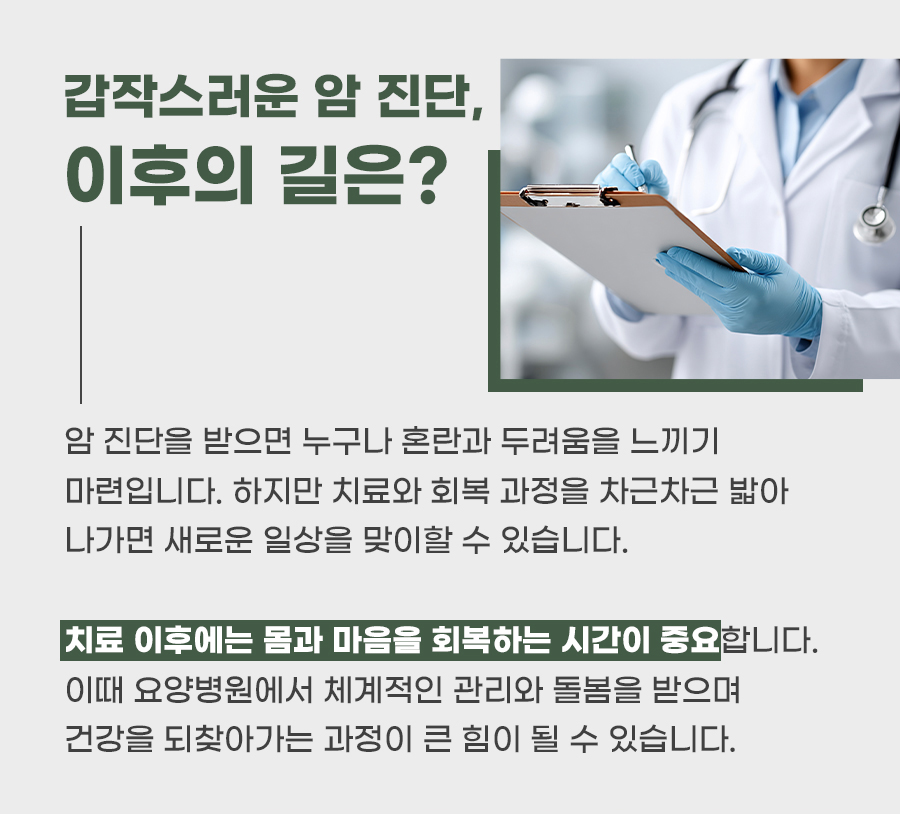
Families who look for Gwangju cancer convalescent care often want:
A place where the patient can regain strength after major surgery.
A quiet environment to recover between chemotherapy or radiation cycles.
Help with fatigue, appetite loss, nausea, pain, and sleep problems.
Monitoring of chronic diseases such as diabetes, hypertension, or heart disease while cancer treatment continues.
Support for emotional stress and anxiety for both patient and family.
The goal is not to cure cancer inside the convalescent hospital. Instead, the goal is to support the treatment plan made at higher-level hospitals, reduce discomfort, and help the patient maintain as much independence and dignity as possible.
Role of a cancer-focused convalescent hospital in Gwangju
A cancer-focused convalescent hospital in Gwangju can act as a base between major cancer centers such as Samsung Medical Center, Chonnam National University Hwasun Hospital, Chonnam National University Hospital, and Bundang Seoul National University Hospital. Patients may receive surgery or chemotherapy at these centers, then move to a convalescent hospital in Gwangju for recovery.
Chiu Convalescent Hospital positions itself in this supportive role. It does not replace the oncologist or main cancer center. Instead, it follows the treatment plan established there and offers:
Symptom management for pain, digestive issues, neuropathy, and insomnia.
Monitoring of blood pressure, blood sugar, heart status, and other internal medicine issues.
Nutritional care and therapeutic diets for patients with poor appetite or digestive problems.
Integrative therapies, including Korean medicine and hyperthermia, as adjunctive support.
A healing environment close to nature at Mudeungsan.
This model is particularly useful for overseas patients who may travel to Korea for surgery or chemotherapy at a large hospital, then wish to spend a period in a quieter, more home-like setting while still being medically monitored.
Medical staff and safety considerations
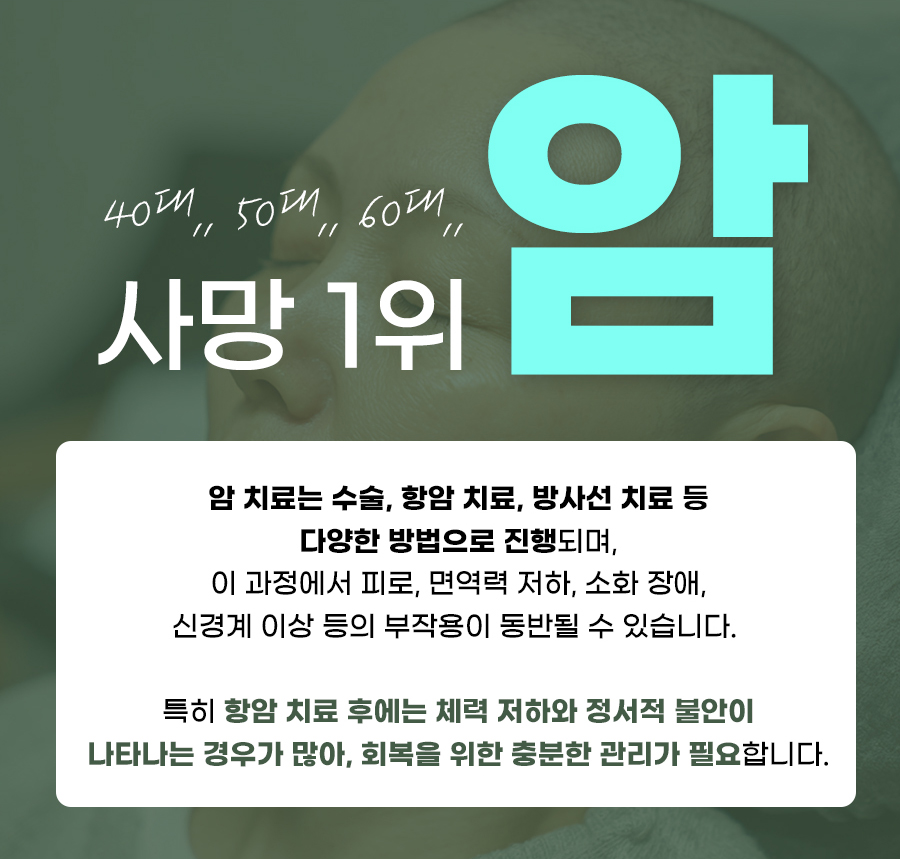
Many families worry that convalescent hospitals may not have enough medical expertise. One of the key features of this particular facility is that it is led by two internal medicine specialists who previously served as presidents of a university hospital. Both hold medical doctor degrees and have overseas training in cardiology and gastroenterology at major hospitals in Germany and Canada. They also have experience in leadership roles at a university hospital and medical school.
For cancer patients, this level of internal medicine experience is important because many are older adults with multiple chronic conditions. Careful monitoring helps reduce the risk of complications such as heart problems, infections, or worsening of diabetes and hypertension during recovery.
In addition, there is a Korean medicine director with experience in several Korean medicine and convalescent hospitals. This allows the hospital to offer integrative care, combining Western internal medicine with Korean medicine modalities in one facility.
For overseas patients and their families, this structure can provide reassurance about:
Regular medical rounds and monitoring.
Early detection of complications or sudden deterioration.
Communication with tertiary hospitals when a transfer or specialist opinion is needed.
Safe coordination of medications, including herbal prescriptions.
Inpatient cancer convalescent care
The main service is inpatient cancer convalescent care. This is suitable for patients who need more than simple home rest but do not require intensive care units.
Typical situations include:
After major cancer surgery, when the patient is stable but still weak, with pain and limited mobility.
During or after chemotherapy, when fatigue, nausea, and immune weakness make home care difficult.
After radiation therapy, especially when skin, swallowing, or digestive issues are present.
Common needs addressed in inpatient care include:
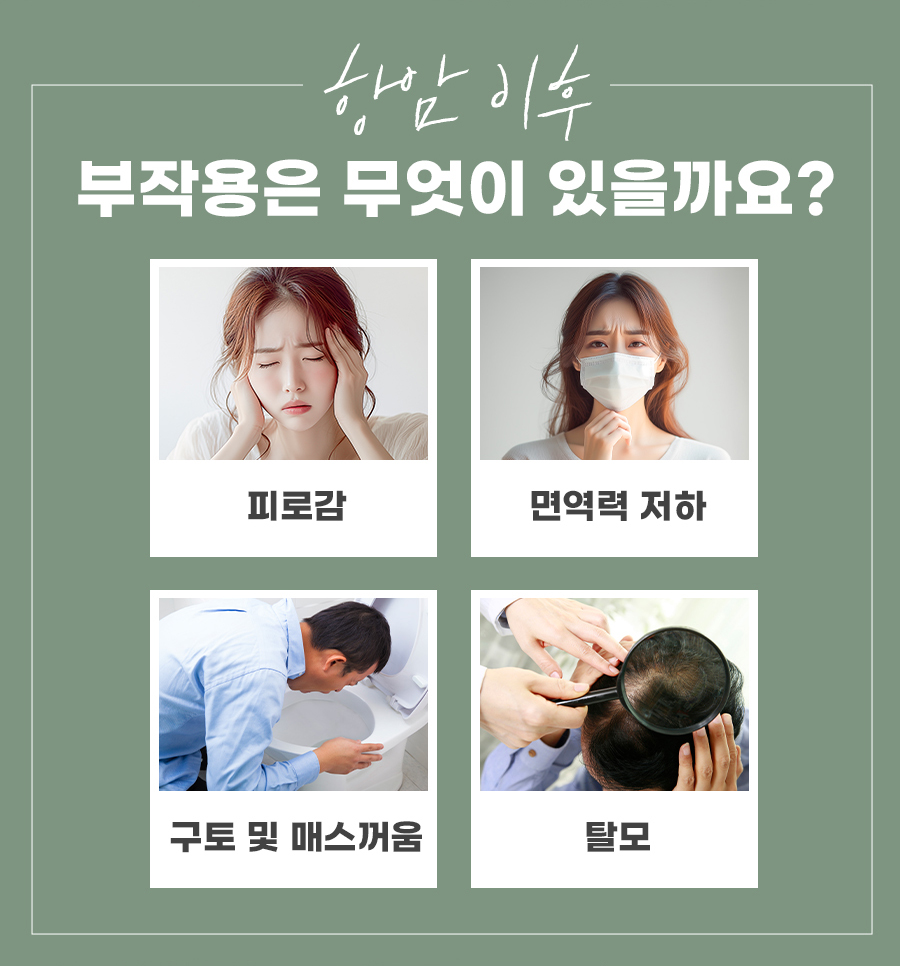
Severe fatigue and reduced physical strength.
Loss of appetite, weight loss, and digestive problems such as nausea, vomiting, diarrhea, or constipation.
Pain management, including cancer-related pain and postoperative pain.
Sleep problems and anxiety.
Management of chronic diseases and medication schedules.
The hospital focuses on supportive and convalescent care within the scope of internal medicine. Major oncologic treatments such as surgery, systemic chemotherapy, and radiation are typically managed at tertiary cancer centers; Chiu Convalescent Hospital provides stabilization, symptom relief, recovery support, and preparation for the patient's next oncology appointment or transfer of care.
Two-week short-term admission program
Many people imagine convalescent hospitals as places for long, indefinite stays. In reality, some patients only need structured support for a limited time. To meet this need, this hospital operates a two-week short-term admission program by reservation.
This model may be helpful for:
Patients who have just been discharged from a tertiary hospital and need extra help before going home.
Patients between chemotherapy cycles who want closer monitoring and rest.
Families who need a safe, supervised place for the patient while they arrange home care or travel.
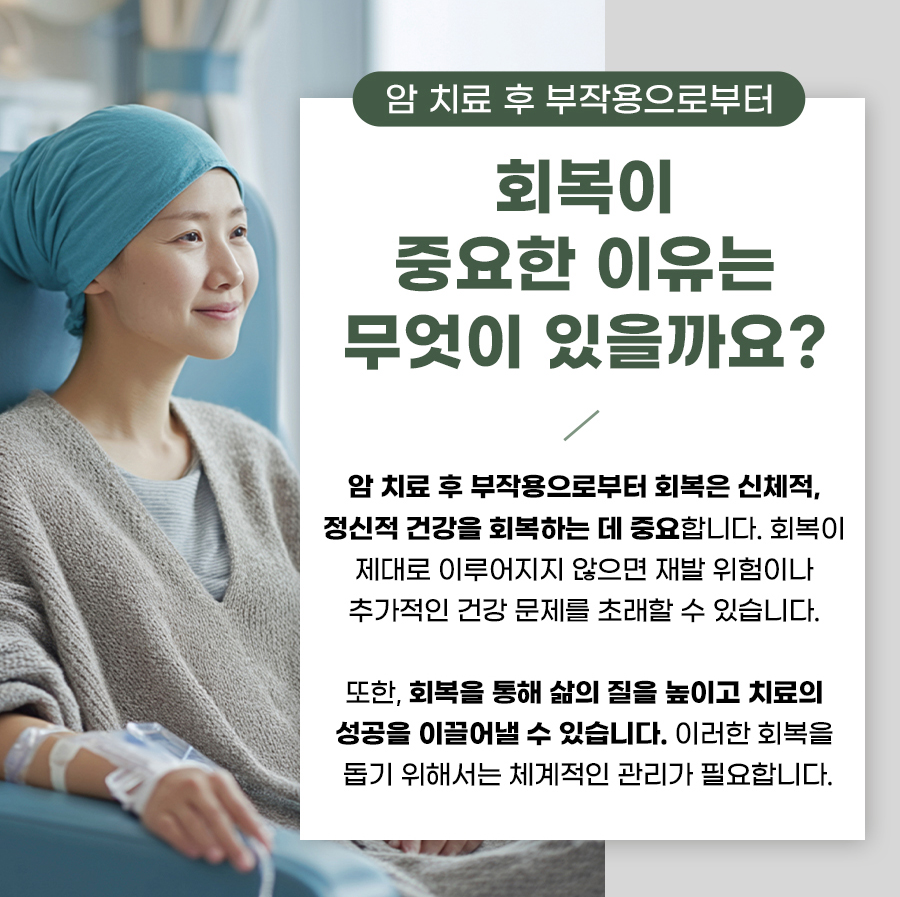
During a two-week stay, the patient can receive medical monitoring, nutritional support, integrative therapies, and help with daily activities. Because it is reservation-based, it is important to contact the hospital in advance to check bed availability and schedule.
The hospital also shares information about this program and its outpatient services through its blog, which can be useful for overseas families planning their schedule before coming to Korea.
Outpatient and day-care style programs
Not every patient needs full admission. For those who live nearby or who are staying in Gwangju short-term, outpatient and day-care style programs may be more suitable.
Typical uses include:
Follow-up visits after discharge from inpatient care.
Regular symptom check-ups between chemotherapy or radiation sessions at a tertiary hospital.
Integrative treatments such as acupuncture or hyperthermia on a scheduled basis.
Nutritional and lifestyle guidance, including advice on diet, exercise, and sleep.
Outpatient care can be combined with teleconsultation or messaging for simple questions, making it easier for overseas families to stay informed even if they are not always in Korea.
Hyperthermia cancer treatment as an adjunctive therapy
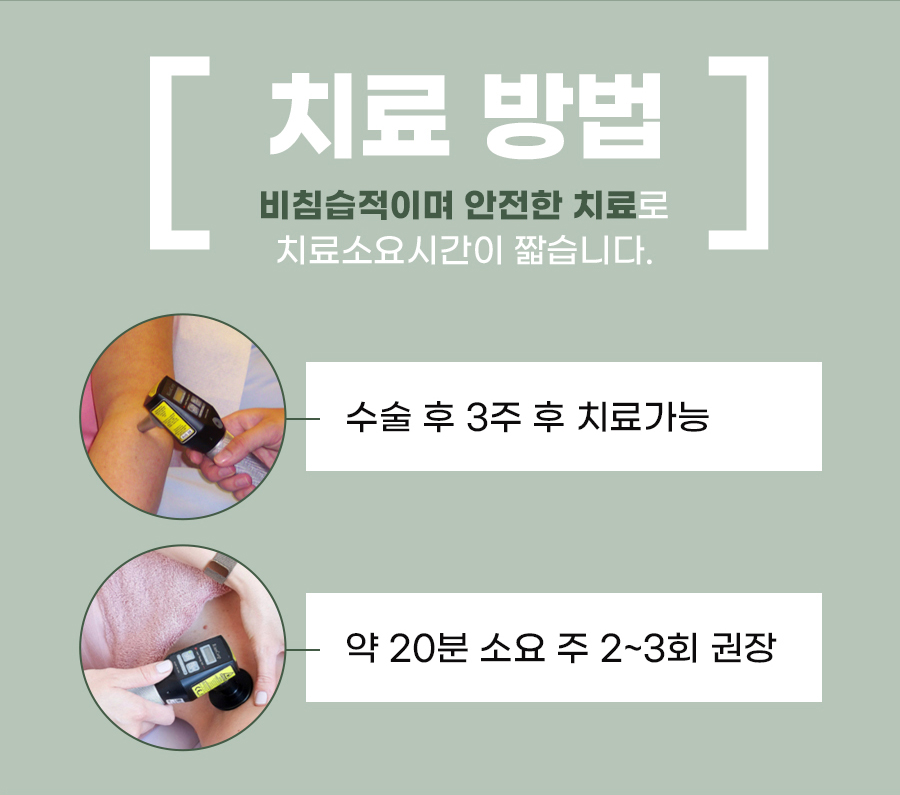
High-frequency hyperthermia, sometimes called thermal therapy, is offered as a supportive treatment. In general cancer care, hyperthermia involves applying controlled heat to a local area of the body using specialized equipment. The goal is to raise the temperature of tissues in a safe, targeted way.
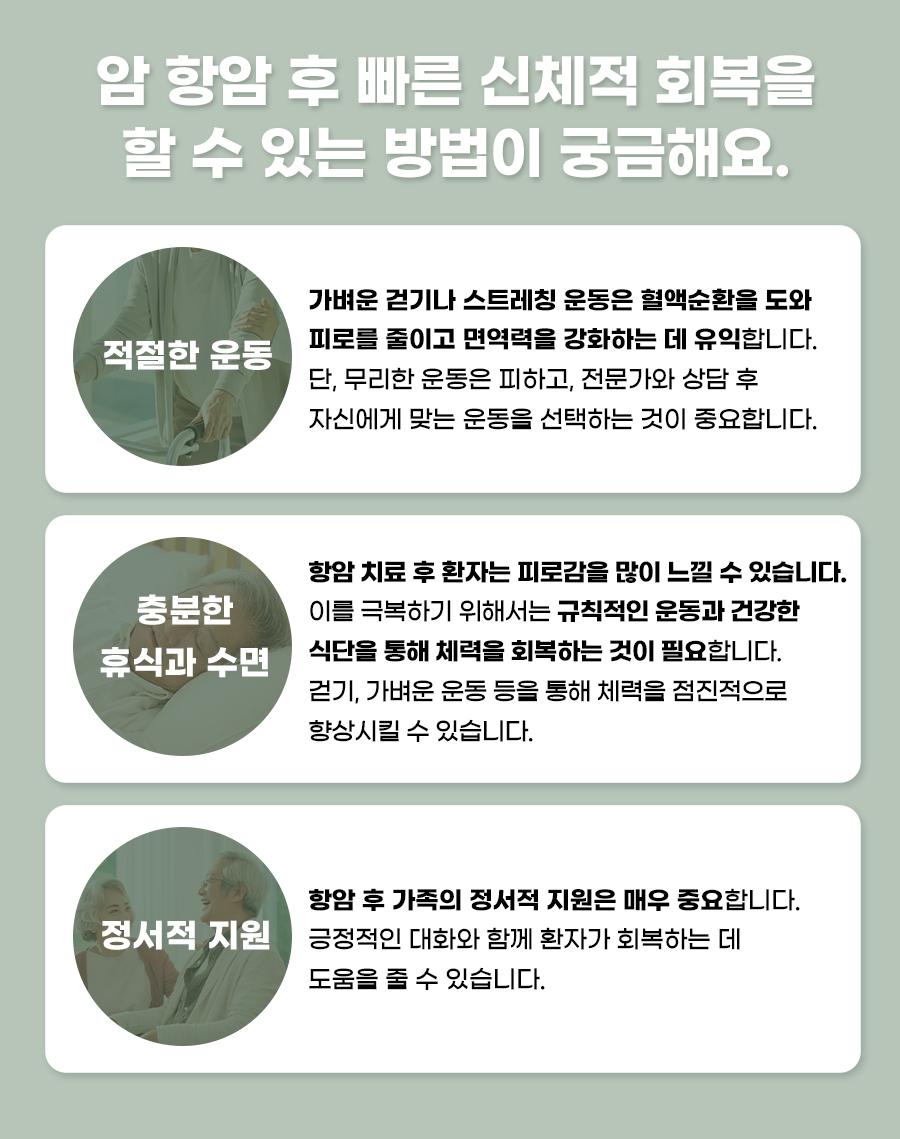
In many centers, hyperthermia is used with the intention of supporting symptom relief, improving blood flow, and potentially enhancing the effects of chemotherapy or radiation when used under accepted safety guidelines. It is not considered a standalone cure for cancer.
At this hospital, hyperthermia is presented as an adjunctive option. Patients continue their main oncologic treatment at tertiary hospitals, and hyperthermia is added as part of a broader supportive plan.
To help patients and families understand the procedure, the hospital provides explanatory video content on its YouTube channel. These videos typically cover:
How the device works and what the session looks like.
Which patients may be suitable candidates.
Possible sensations during treatment and safety precautions.
How many sessions are usually recommended as part of a program.
Overseas patients are encouraged to watch these videos before deciding, and to discuss hyperthermia with their primary oncologist to ensure it fits their overall treatment plan.
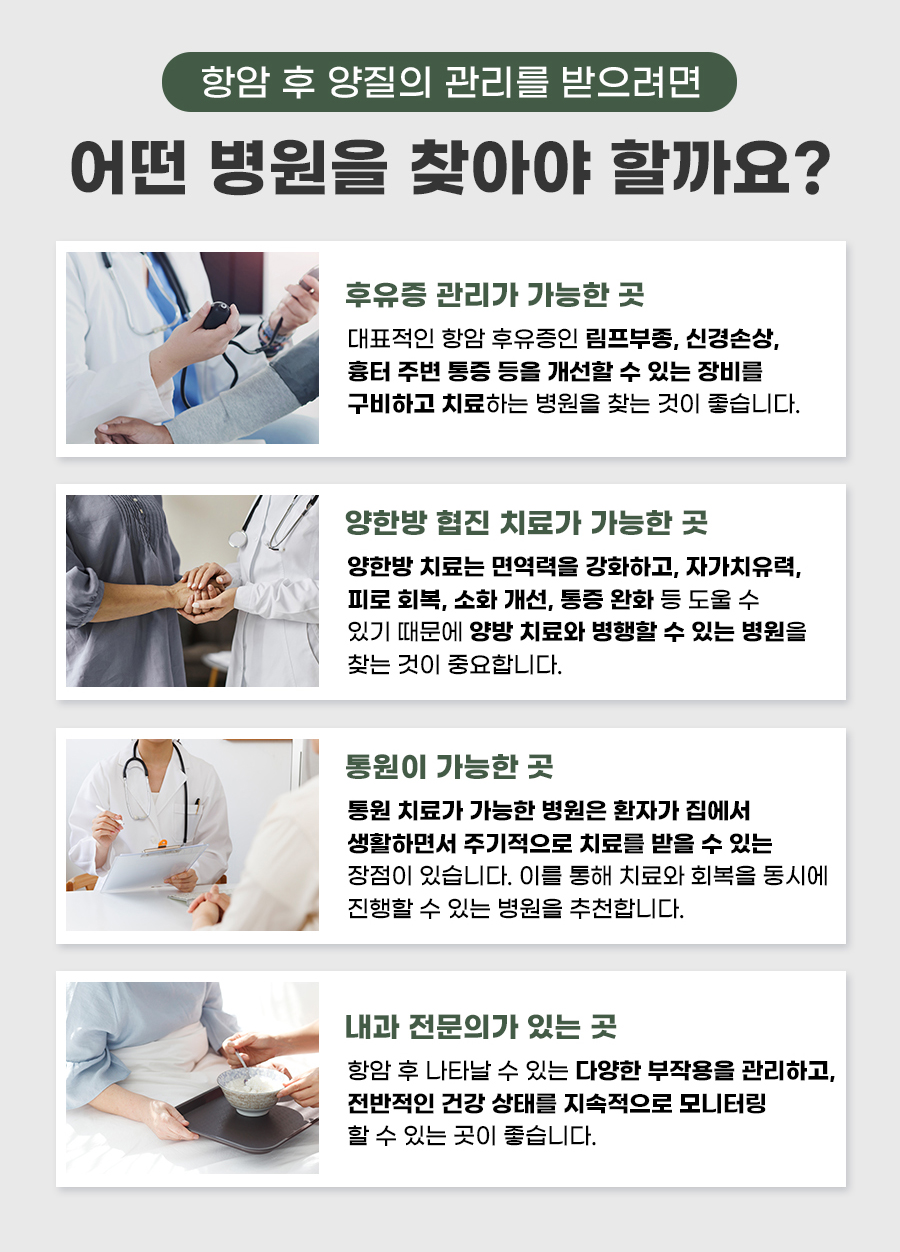
Integrative care with Western and Korean medicine
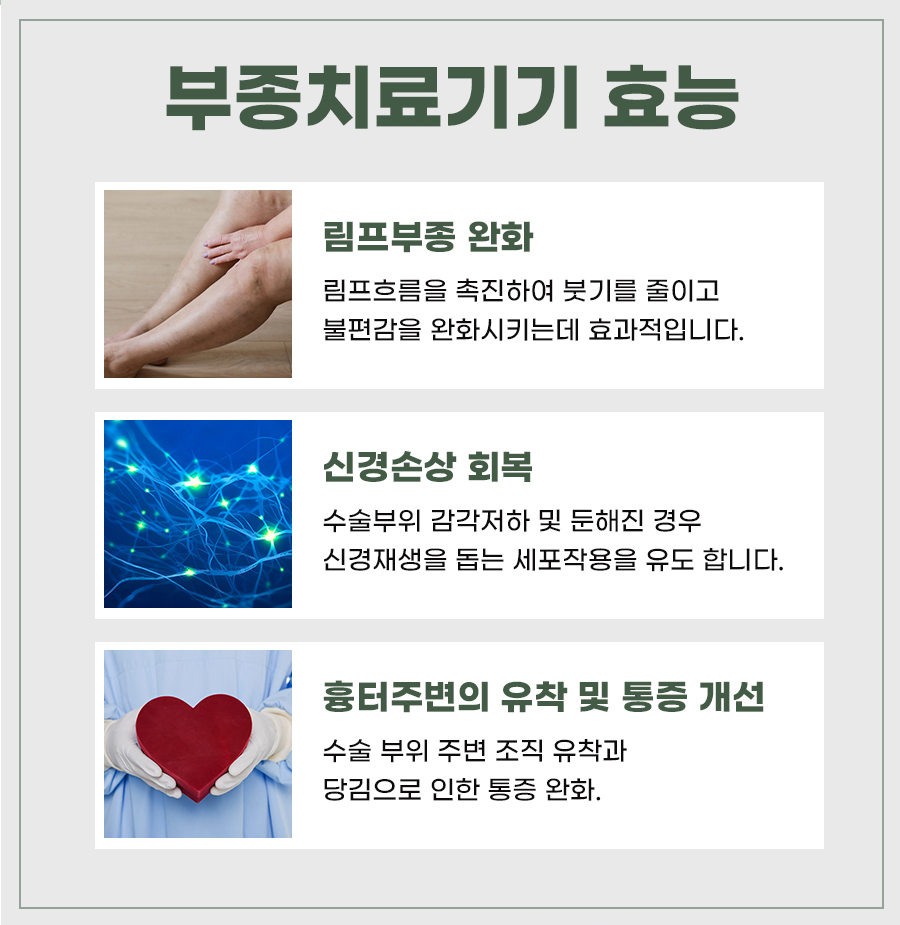
An important feature of this facility is the collaboration between internal medicine specialists and a Korean medicine doctor. This integrative approach allows patients to receive conventional monitoring and medications together with Korean medicine modalities in one place.
Common Korean medicine modalities used include:
Acupuncture for pain, neuropathy, nausea, and sleep issues.
Moxibustion to apply gentle heat to specific points, often used for fatigue and digestive discomfort.
Cupping therapy for muscle tension and circulation.
Herbal medicine tailored to appetite, digestion, energy levels, and sleep.
These methods are used to help manage chemotherapy side effects such as nausea, peripheral neuropathy, fatigue, and insomnia, and to support overall well-being.
Safety is essential in integrative care. Patients should:
Inform both the internal medicine team and the Korean medicine doctor about all medications and supplements they are taking.
Discuss potential interactions, especially with herbal prescriptions and chemotherapy drugs.
Report any new symptoms quickly, such as rash, dizziness, or changes in liver or kidney function tests.
For overseas patients, it is wise to share a list of all integrative treatments with their home-country oncologist, so all doctors involved have the same information.
Nutrition and therapeutic diet
Nutrition is a central part of cancer recovery. Many patients struggle with appetite loss, taste changes, nausea, or difficulty swallowing. A convalescent hospital that takes nutrition seriously can make a large difference in comfort and strength.
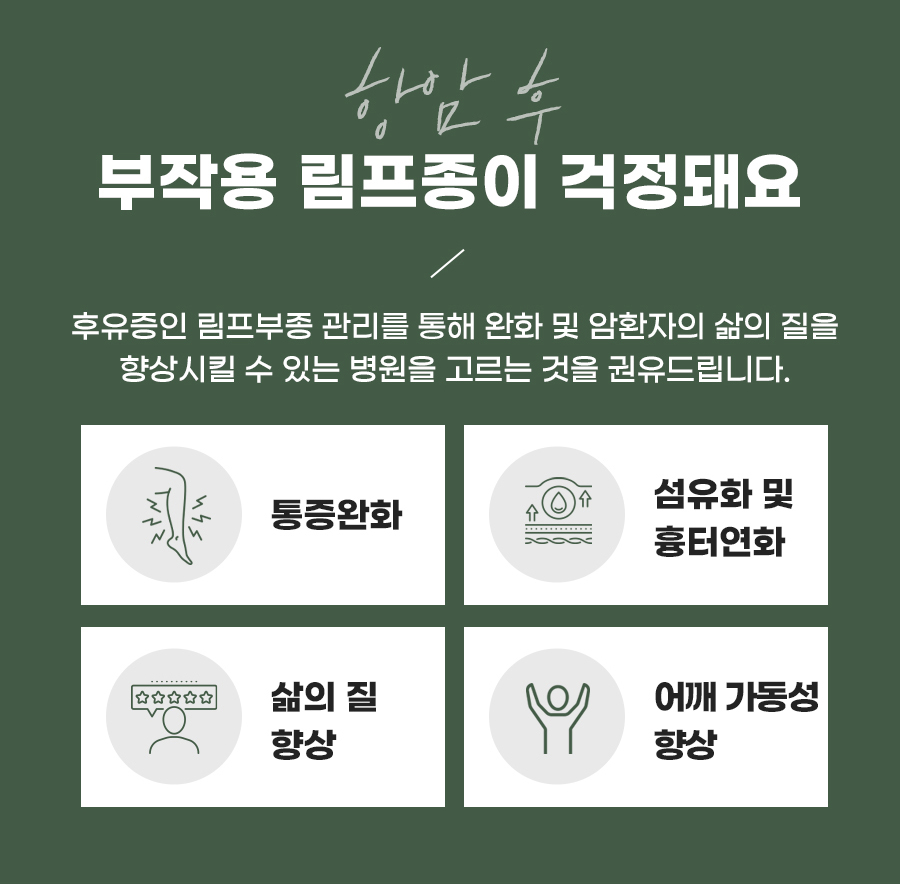
This hospital operates an anti-cancer dietary program and therapeutic meal plans tailored to individual needs. Examples include:
Soft or pureed diets after head and neck surgery.
High-calorie, high-protein meals for weight loss and muscle wasting.
Easily digestible meals for patients with nausea or diarrhea.
Restricted diets for patients with diabetes, kidney disease, or heart failure.
One distinctive point is that the hospital publishes daily meal photos on its website and has done so more than 500 times up to mid-2026. This level of transparency allows families to see real examples of portion sizes, ingredients, and variety.
When comparing facilities, overseas patients and their families can review these meal postings to check:
Whether fresh vegetables, fruits, and protein sources are used regularly.
How the hospital adapts meals for patients with poor appetite.
How often menus change and whether they look appetizing and balanced.
Healing environment and facilities near Mudeungsan
Location can strongly influence recovery. This hospital is located at the entrance of Mudeungsan National Park in Dong-gu, Gwangju, near Jeungsimsa bus stop. The area is known for clean air, forest paths lined with cypress trees, and valley streams with clear water.
Such a natural setting supports:
Walking therapy on gentle forest paths.
Light exercise suited to each patient’s condition.
Mental relaxation through views of mountains, trees, and water.
Inside the hospital, there are dedicated healing spaces such as quiet healing rooms, a mental rest area, and walking paths that connect to the Mudeungsan trails. Emotional and cultural programs, including healing poetry exhibitions and similar events, are also used to help patients and families cope with the psychological burden of cancer.
For overseas visitors, this environment can offer a sense of retreat away from busy city centers, while still being accessible by public transport and car.
Who may consider Gwangju cancer convalescent care
Overseas patients and families might consider this type of care if:
The patient has completed surgery or a chemotherapy cycle in Korea and needs a safe place to recover before flying home.
The patient plans multiple visits to a large cancer center and wants a stable base between appointments.
Family members cannot provide full-time care at home but want a smaller, more personal environment than a large general hospital.
The patient is older, with chronic diseases that require close internal medicine monitoring.
The family values integrative care and wants access to Korean medicine and hyperthermia as supportive options.
Online consultation and pre-visit preparation
Before traveling to Korea, it is wise to arrange an online or remote consultation. The hospital’s main contact channels include a phone number and a KakaoTalk messaging channel. Online platforms such as a Naver blog, KakaoTalk channel, and YouTube video board provide additional information.
For a smooth process, prepare the following before contacting the hospital:
Recent medical records, including diagnosis, stage, and treatment summary.
Discharge summaries from tertiary hospitals, if available.
Current medication list, including doses and schedules.
Information about allergies and previous side effects from treatments.
Preferred dates for admission or outpatient visits.
During the online consultation, you can ask about:
Bed availability and room types.
Suitability of the two-week short-term program.
Whether the hospital can coordinate with your current tertiary hospital.
Estimated length of stay based on your condition.
Available integrative therapies and any contraindications.
Expected Korea visit timeline
Each patient’s situation is different, but a typical timeline for overseas visitors might look like this:
Before arrival: Online consultation, sharing of medical records, tentative reservation of a bed or outpatient schedule.
Arrival in Korea: Initial visit to the main cancer center for surgery, chemotherapy, or radiation planning.
Post-treatment transfer: Move to the convalescent hospital by ambulance or car once the tertiary hospital confirms it is safe.
Convalescent period: Inpatient stay of two weeks or longer, depending on condition, with daily monitoring, therapies, and rest.
Follow-up: Return to the main cancer center for scheduled check-ups, while using outpatient services at the convalescent hospital if needed.
Return home: Final summary of care provided, medication list, and recommendations for follow-up in the home country.
Aftercare and returning home
After leaving the convalescent hospital, ongoing care is still important. For overseas patients, this often means coordination between the Korean team and doctors in the home country.
Useful steps include:
Requesting a clear written summary of your stay, including diagnoses, treatments, medications, and test results.
Keeping copies of imaging studies and lab reports, if possible.
Sharing all integrative treatments, including herbal prescriptions, with your home doctor.
Continuing recommended diet and exercise plans as much as possible.
Using online channels to ask follow-up questions when needed, within the hospital’s policy.
Practical information for patients and families
Location: At the entrance of Mudeungsan National Park in Dong-gu, Gwangju, near Jeungsimsa bus stop, with a dedicated parking lot for visitors arriving by car.
Operating hours: Weekdays 09:00 to 17:30, Saturdays 09:00 to 14:00, lunch break 12:30 to 13:30, closed on Sundays and public holidays.
Contact: Main phone number and KakaoTalk channel are available for consultation and reservations. Online channels include a Naver blog, KakaoTalk channel, and a YouTube video board with explanatory content.
It is recommended to call or send a message in advance to confirm:
Current bed availability.
Details and timing of the two-week short-term admission program.
Outpatient schedule and whether your preferred therapies are available.
Possibilities for coordination with your current tertiary hospital.
How to choose a cancer convalescent hospital in Gwangju
When comparing options in Gwangju, consider the following criteria:
Medical staff: Check whether internal medicine specialists are present, and whether the team has experience with cancer patients and chronic disease management.
Cooperation network: Ask if the facility has established relationships with major cancer centers for referrals, information sharing, and emergency transfers.
Programs: Look for a range of options, including short-term admission, outpatient services, integrative therapies, and structured rehabilitation or exercise programs.
Nutrition: Review meal plans, ask about individual dietary adjustments, and look for transparency such as meal photos or sample menus.
Environment: Consider access to nature, quiet surroundings, and comfortable spaces for family visits and rest.
Safety and monitoring: Ask about emergency response systems, night coverage, and how sudden deterioration is handled.
If possible, visit in person before deciding. During a visit, you can:
Review patient rooms, bathrooms, and common areas.
Ask about staff-to-patient ratios, especially for nursing and care assistants.
Confirm how transfers to tertiary hospitals are arranged in emergencies.
Observe whether the atmosphere feels calm, respectful, and clean.
For overseas families who cannot visit in advance, request photos or video tours and schedule a detailed online consultation to cover these points.
FAQ
What is the difference between a cancer convalescent hospital and a cancer center?
A cancer center focuses on main treatments such as surgery, chemotherapy, radiation, and advanced procedures. A cancer convalescent hospital focuses on recovery and supportive care before, between, or after these treatments. It provides rest, symptom control, rehabilitation, and daily life support, while following the treatment plan set by the cancer center.
Who is suitable for the two-week short-term admission program?
The two-week short-term admission program is suitable for patients who are medically stable but need structured rest and monitoring. This includes patients just discharged from a tertiary hospital, those between chemotherapy cycles, and families who need a safe place for the patient while arranging home care or travel. Suitability should be confirmed through consultation with the medical team.
Is hyperthermia treatment safe for all cancer patients?
Hyperthermia is not automatically suitable for every patient. Safety depends on the type and location of the cancer, overall health, and current treatments. It should always be considered an adjunctive therapy, not a replacement for standard oncology care. Patients should discuss hyperthermia with both the convalescent hospital team and their primary oncologist to check indications, contraindications, and potential interactions.
Can I receive Korean medicine treatments while on chemotherapy?
Many patients do receive Korean medicine treatments such as acupuncture, moxibustion, and herbal medicine while undergoing chemotherapy. However, careful coordination is essential. All medications and herbal prescriptions should be shared with both teams to avoid interactions, especially those that could affect liver or kidney function or interfere with chemotherapy drugs. Individual suitability should be assessed by the doctors involved.
Soft call to action
If you are an overseas patient or family considering Gwangju cancer convalescent care, you do not need to make decisions alone. You can contact Chiu Convalescent Hospital through its main phone line or KakaoTalk channel, share your medical information in advance, and ask detailed questions about programs, safety, and environment. An online consultation can help you decide whether this type of supportive care at the foot of Mudeungsan fits your treatment journey and personal needs.
- 공유 링크 만들기
- X
- 이메일
- 기타 앱


댓글
댓글 쓰기