Gwangju Breast Cancer Lymphedema Recovery Care Near Mudeungsan
- 공유 링크 만들기
- X
- 이메일
- 기타 앱
If you are living with arm, hand, or chest wall swelling after breast cancer treatment (surgery, lymph node removal, or radiation), this is called breast cancer–related lymphedema. plan; early detection and consistent self-care can help limit progression.
focused services and access to medical oversight, while others provide a quieter, nature‑focused environment where patients can rest and work on self‑management skills for lymphedema. Confirm the facility's services, staff qualifications, and coordination with your oncology team before arranging care.
What is breast cancer–related lymphedema
Lymphedema is a chronic swelling that happens when lymph fluid cannot drain properly. After breast cancer treatment, this usually affects one arm, the hand, the chest wall, or the area under the armpit.
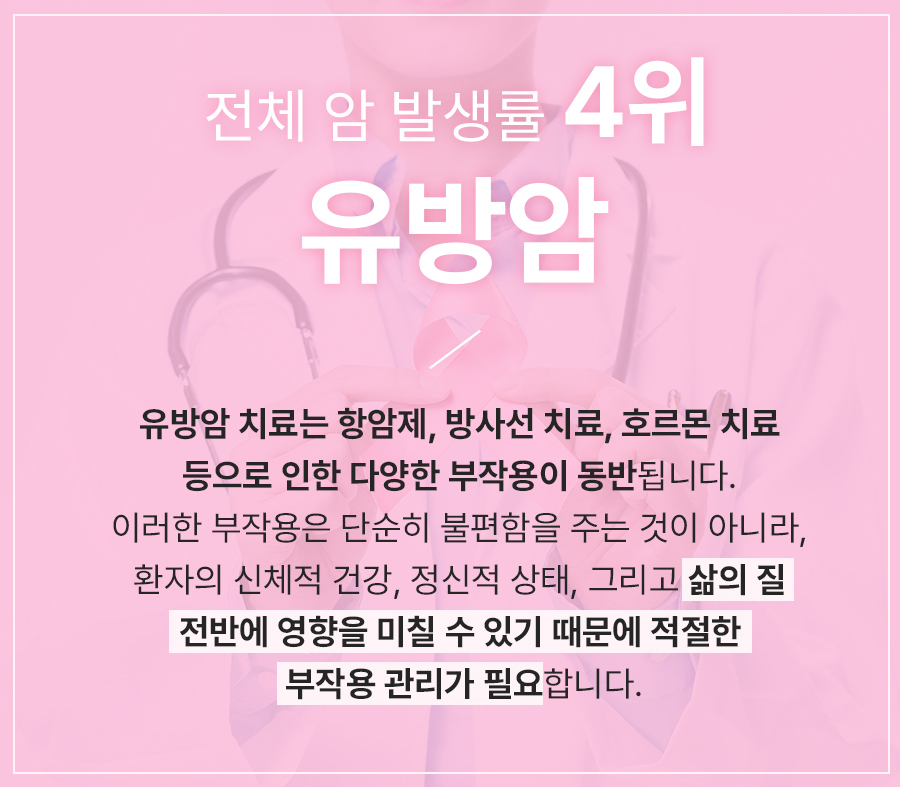
During breast cancer surgery, lymph nodes in the armpit may be removed, and radiation can also damage lymph vessels. When these pathways are disrupted, lymph fluid builds up in the tissues. Over time, this can cause a feeling of heaviness, tightness, and visible swelling.
Lymphedema is not an infection or a cancer recurrence, but it is a medical condition that needs long‑term attention. Without care, the affected arm can become more swollen, the skin can harden, and the risk of infection can increase.
Why lymphedema happens after breast cancer treatment
The lymphatic system is part of your immune and circulation system. It collects excess fluid and proteins from tissues and returns them to the bloodstream through lymph vessels and lymph nodes.
When breast tissue or lymph nodes are removed, or when radiation is applied to the chest and armpit, some of these drainage routes are lost. The remaining lymph vessels may not be able to handle the normal amount of fluid.
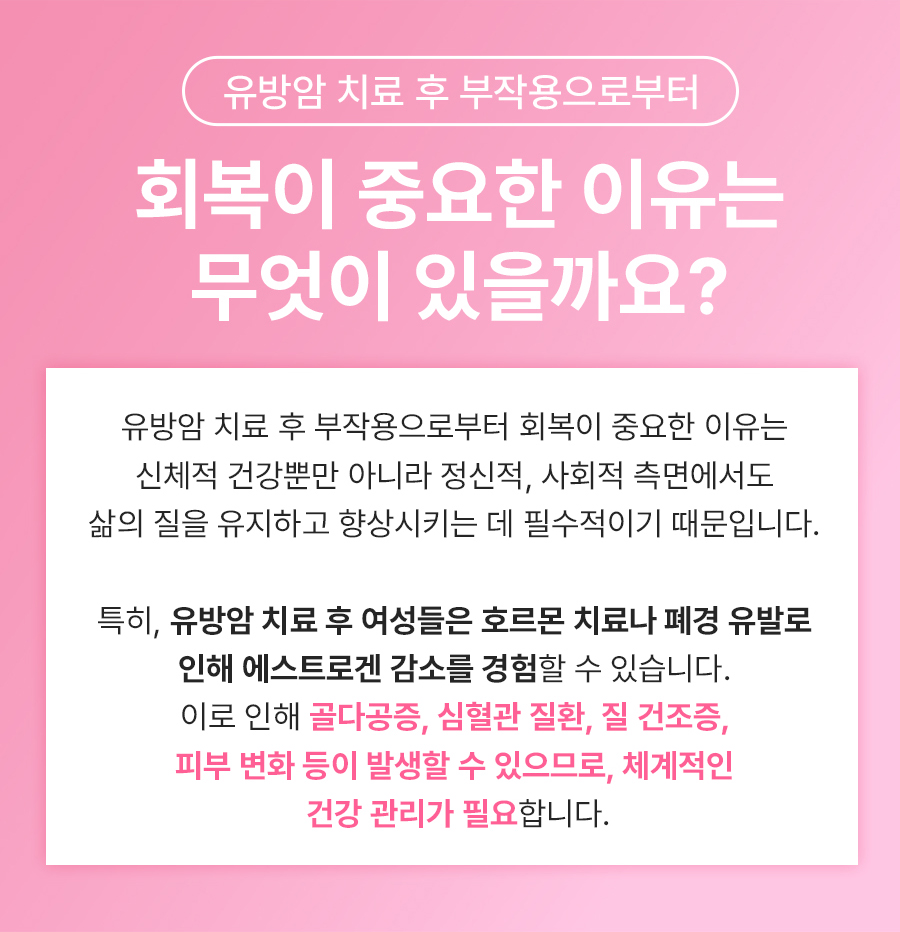
Other factors can also contribute, such as weight changes, infection in the arm, overuse or injury of the affected limb, or scar tissue that restricts flow. Lymphedema may appear soon after surgery or many months or years later.
Typical symptoms you may notice
Common early signs include a feeling that your sleeve or bracelet is tighter on one side, a sense of heaviness or fullness in the arm, mild swelling on the back of the hand, or a pulling sensation in the chest or armpit.
As lymphedema progresses, the arm may look visibly larger, the skin may feel tight, and it may be harder to bend the wrist or elbow. Some people notice tingling, aching, or discomfort when carrying bags or doing housework.
If the skin becomes red, hot, and painful with fever or chills, this may indicate an infection such as cellulitis, which needs urgent medical attention. A convalescent hospital with internal medicine expertise can help recognize these signs early and coordinate timely treatment.
Who may consider lymphedema recovery care in Gwangju
Breast cancer survivors at higher risk of lymphedema include those who had many lymph nodes removed, received radiation to the axilla, or had postoperative complications such as infection or seroma.
You may consider a structured recovery stay in Gwangju if you:
- Have persistent arm or chest wall swelling after surgery or radiation
- Feel unsure how to use compression garments or self‑massage techniques
- Live far from a large university hospital and need closer day‑to‑day monitoring
- Feel physically and emotionally exhausted after active cancer treatment
- Want a quiet, nature‑oriented environment to regain strength and confidence
Family members who are supporting a loved one may also appreciate a place where nurses and doctors can guide them on safe lifting, exercise, and warning signs.
How lymphedema is usually managed
Lymphedema management focuses on controlling swelling, protecting skin, and maintaining function. It is not a single procedure, but a combination of gentle, ongoing strategies.
Common components include:
Compression therapy: Graduated compression garments—such as sleeves, gloves, or therapeutic bandaging—are commonly recommended to encourage lymph drainage and reduce swelling. Discuss the right type, fitting, and wearing schedule with a certified lymphedema therapist or your treating clinician.
Manual lymphatic drainage: A trained therapist uses very light, rhythmic strokes to encourage fluid movement. This is different from deep tissue massage and should be performed by someone familiar with lymphedema.
Exercise and stretching: Gentle, regular movement of the shoulder, elbow, and wrist helps the muscle pump action support lymph flow. In a supervised setting, you can learn which exercises are safe and how to progress slowly.
Skin and nail care: Keeping the skin clean, moisturized, and protected from cuts or burns reduces the risk of infection. Even small injuries on the affected arm can trigger problems.
Weight and overall health management: Stable weight, good blood sugar control, and management of blood pressure and other chronic conditions can support better lymphatic function.
Pain and symptom monitoring: Internal medicine doctors and nurses can help adjust medications, watch for signs of infection, and coordinate with your oncology team.
A convalescent hospital does not perform cancer surgery or chemotherapy, but it can provide a safe base where these elements are combined into a daily routine.
Why a convalescent hospital setting can help
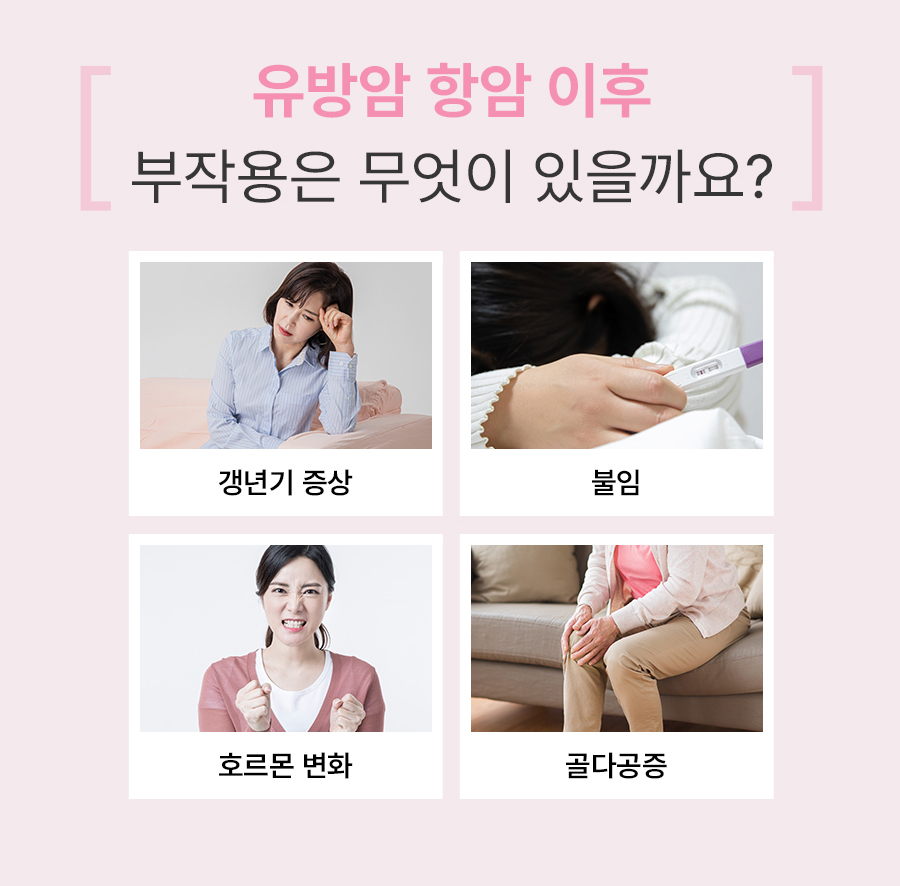
After finishing surgery, chemotherapy, or radiation at a large university hospital, many patients return home and suddenly feel alone with their symptoms. Swelling, fatigue, sleep problems, and anxiety often appear when the intense hospital visits slow down.
A convalescent hospital in Gwangju, especially in a quieter area like the Mudeungsan National Park entrance near Jeungsimsa bus stop, can bridge this gap. You remain under medical supervision while focusing on rest, rehabilitation, and education.
Key advantages include:
Continuous monitoring: Nurses can check your arm circumference, skin condition, and vital signs regularly. Subtle changes can be noticed earlier than during occasional outpatient visits.
Internal medicine support: Many breast cancer survivors also live with conditions such as diabetes, hypertension, or heart disease. Internal medicine expertise helps manage these safely alongside lymphedema care.
Safe exercise environment: You can practice stretching and light activity in a supervised setting, with guidance on how to avoid overloading the affected arm.
Family education: Staff can show family members how to assist with daily tasks without straining your arm, and what signs should prompt a hospital visit.
Location and environment in Gwangju
The Dong‑gu area of Gwangju, near the entrance to Mudeungsan National Park and Jeungsimsa bus stop, combines access and tranquility. For overseas patients, it offers a balance between city convenience and a calm, green setting.
You can usually reach this area from Gwangju Bus Terminal or Gwangju Songjeong Station by public transport or taxi. Once there, you are close to walking paths, temples, and forested hills, which can be part of a gentle recovery routine.
For international families, this environment often feels less overwhelming than staying directly in a busy city center. It allows time for reflection, light outdoor activity, and shared moments away from the stress of active treatment.
Who overseas patients this guide is for
This guide is designed for:
Overseas breast cancer survivors who had surgery and treatment in their home country but want a period of structured recovery in Korea
Patients planning to receive surgery or radiation at a tertiary hospital in Korea and then move to a quieter setting for convalescence
Family members looking for a safe place in Gwangju where their loved one can recover under medical supervision
If you are still in the active phase of diagnosis or planning major surgery, you should coordinate closely with your oncology team. A convalescent stay is usually most helpful after the main surgical and radiation procedures are completed, or between treatment cycles when your doctor agrees it is safe.
Preparing for online consultation
Before traveling to Korea or deciding on a convalescent stay in Gwangju, an online consultation can help clarify whether the setting is suitable for you and what timing is best.
To prepare, it is useful to gather:
A summary of your breast cancer diagnosis, including stage and receptor status if available
A list of surgeries you have had, with approximate dates
Details of radiation therapy, including side and area treated
Current medications, including blood thinners, diabetes medication, and any supplements
Recent test results such as blood work or imaging, if you have them
You may also want to write down specific questions, such as:
Is it safe for me to travel now, considering my blood counts and general condition?
What kind of lymphedema care is available on site?
How often will my arm be measured or checked?
Can you coordinate with my oncology team back home or in another Korean hospital?
Sharing photos of your arm or chest wall swelling, if you are comfortable, can also help the medical team understand your current situation before you arrive.
What to expect from your visit timeline in Korea
Every patient’s plan is different, but a typical visit for lymphedema‑focused recovery care in Gwangju might look like this:
First days
Initial assessment by an internal medicine doctor, including review of your medical history, current symptoms, and medications.
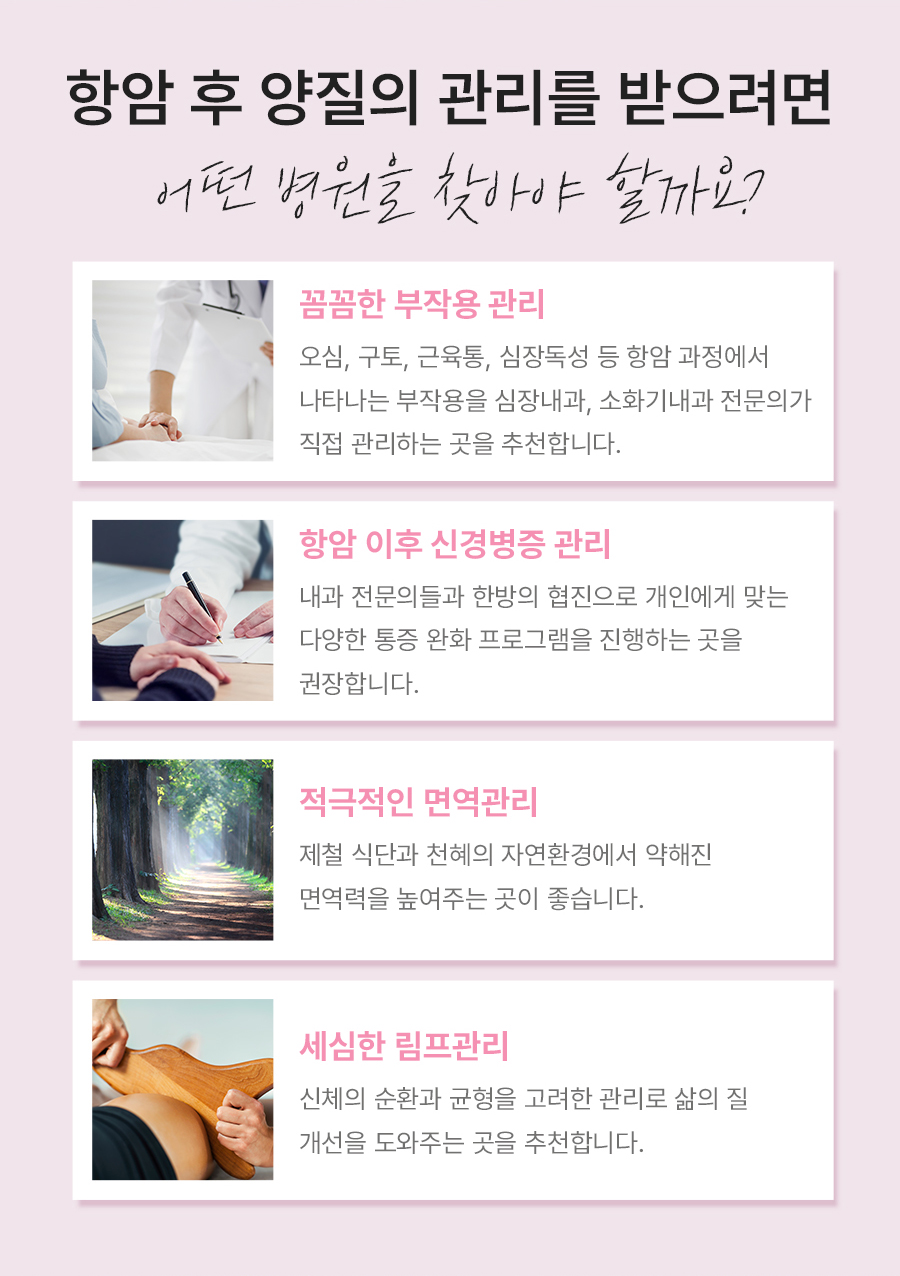
Physical examination of the affected arm, chest wall, and overall mobility.
Discussion of your goals, such as reducing heaviness, improving sleep, or learning self‑care techniques.
Development of a daily schedule that may include gentle exercise, rest periods, skin care, and compression support.
First one to two weeks
Regular monitoring of swelling and symptoms.
Education sessions on how to protect your arm in daily life, including lifting, carrying, and travel tips.
Gradual introduction of walking routes around the Mudeungsan area, adapted to your energy level.
Medication management: Any adjustments to medications for blood pressure, blood sugar, or pain should be made only by licensed clinicians. If you plan to receive care at a convalescent facility, confirm whether physicians on staff review and manage chronic medications and how they coordinate changes with your primary care provider or specialist.
Longer stays
Refinement of your home care routine, including when and how to wear compression garments.
Practice of self‑massage techniques if recommended by your care team.
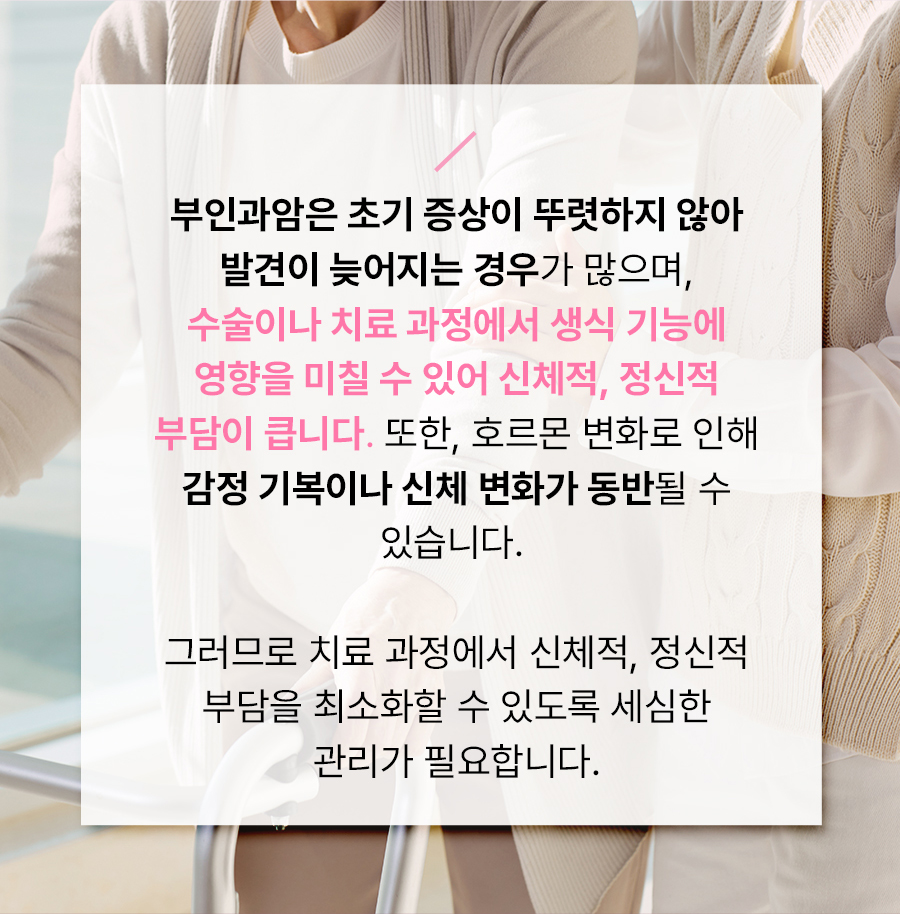
Preparation for returning home, including written summaries for your local doctor and clear instructions on what signs should prompt urgent review.
Throughout your stay, the focus remains on safety, realistic goals, and gentle progress rather than aggressive procedures.
Aftercare and long‑term management
Lymphedema is a long‑term condition, so aftercare does not end when you leave Gwangju. Instead, the goal is for you and your family to feel confident managing it at home.
Key elements of long‑term care include:
Regular self‑monitoring: Checking for changes in arm size, tightness of clothing or jewelry, and skin condition.
Consistent use of compression garments if prescribed, especially during travel or heavier activity.
Ongoing gentle exercise: Maintaining shoulder and arm mobility with stretching, light resistance, or activities like walking and simple arm movements.
Skin protection: Using moisturizer, avoiding very hot baths or saunas if they worsen swelling, and protecting the arm from cuts, burns, or insect bites.
Medical follow‑up: Keeping regular appointments with your oncology team and informing them of any changes in swelling, pain, or skin color.
If you return home overseas, online follow‑up with the Gwangju team may be possible to review your progress, answer questions, and adjust recommendations within the limits of telemedicine regulations.
Questions to ask before you decide
When comparing recovery options, it can be helpful to look beyond cost and ask practical questions such as:
How often will medical staff check my arm and general health?
Is there experience caring for breast cancer survivors with lymphedema?
What kind of exercises or activity programs are available, and how are they supervised?
How close is the facility to a tertiary hospital if I need urgent specialist care?
What language support is available for international patients and families?
You may want to note these questions before your online consultation so you can compare answers between different facilities. This can help you choose a place that matches your medical needs, comfort level, and expectations.
Frequently asked questions
What is the difference between lymphedema care at a tertiary hospital and a convalescent hospital in Gwangju?
A tertiary hospital focuses on diagnosing and treating cancer itself, including surgery, chemotherapy, and radiation. Lymphedema is often managed there, but appointment times can be short and the environment busy.
A convalescent hospital in Gwangju does not replace cancer treatment. Instead, it supports your recovery between specialist visits. You can receive more continuous monitoring, practical education, and time to rest in a calmer setting, while your main oncology team remains in charge of your cancer care plan.
Can lymphedema be completely cured?
Lymphedema after breast cancer treatment is usually considered a chronic condition. In many cases it cannot be completely reversed, but symptoms can often be reduced and kept stable with consistent care.
The aim of a recovery program in Gwangju is to help you learn how to control swelling, protect your skin, and maintain daily function as much as possible. Individual results vary, and it is important to discuss realistic goals with your medical team.
Is it safe to travel to Korea if I already have lymphedema?
Travel can be safe for many people with lymphedema, but it needs planning. Long flights, heavy luggage, and changes in routine can affect swelling.
Before deciding, you should consult your local doctor or oncology team. During an online consultation with the Gwangju convalescent hospital, you can also discuss your current condition, blood counts, and any recent complications. They can advise on timing, compression use during flights, and how to minimize risks.
What should I bring for a lymphedema‑focused stay in Gwangju?
It is helpful to bring any compression sleeves or gloves you already use, recent medical reports or imaging, and a list of your medications. Comfortable, loose clothing that does not constrict the affected arm is also important.
If you enjoy gentle outdoor activity, bring suitable walking shoes for paths around Mudeungsan National Park. You may also want to bring a notebook to record exercises, self‑care tips, and questions that arise during your stay so you can continue the routine at home.
Soft call to action
If you or a family member are living with breast cancer–related lymphedema and are considering a period of recovery in Gwangju, you can start with an online consultation. By sharing your medical history, current symptoms, and travel plans, the medical team can help you understand whether a convalescent stay near the Mudeungsan National Park entrance and Jeungsimsa bus stop is suitable for you.
This first conversation is an opportunity to ask detailed questions, compare options, and plan a safe, realistic path toward more comfortable daily life with lymphedema.
- 공유 링크 만들기
- X
- 이메일
- 기타 앱


댓글
댓글 쓰기