Chiu Convalescent Hospital — Chemotherapy side-effect outpatient care in Dong‑gu, Gwangju (serving Jeonnam)
- 공유 링크 만들기
- X
- 이메일
- 기타 앱
Direct answer summary
If you are receiving chemotherapy at a major cancer center in Jeonnam or Seoul and return home between cycles, many side effects can be managed with structured outpatient visits or short two-week stays. Chiu Convalescent Hospital, located in Dong‑gu near the entrance to Mudeungsan National Park, offers outpatient clinics and a two-week short-stay program for nausea, fatigue, neuropathy, digestive problems, pain, and weakened immunity. Care is led by two internal medicine specialists who previously served as university hospital presidents and is coordinated with Korean medicine doctors, nutrition support, and supportive therapies such as high-frequency hyperthermia and healing meals. These services are intended to help you continue chemotherapy at your main cancer center more safely and comfortably, not to replace standard oncologic treatment.
Overview of chemotherapy side effects
Chemotherapy targets rapidly dividing cells to control cancer, but it can also affect healthy cells in the bone marrow, digestive tract, hair follicles, and nerves. This is why many patients experience a range of side effects during treatment.
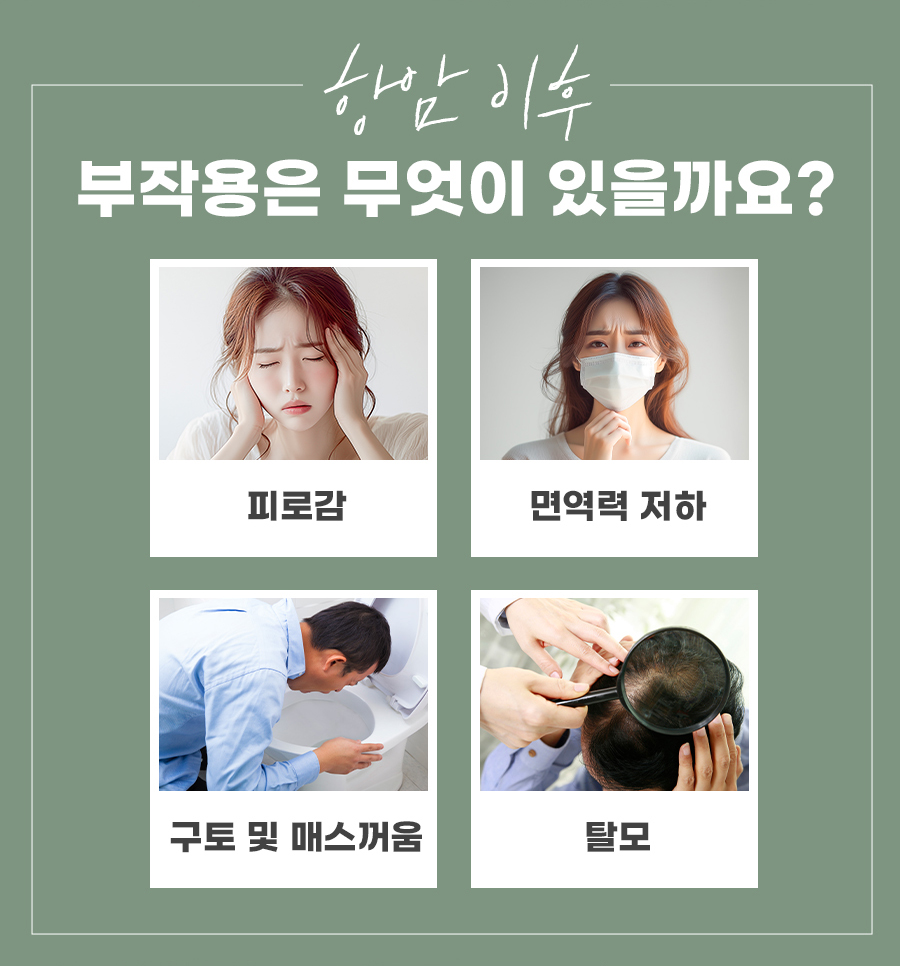
Common chemotherapy side effects include nausea and vomiting, loss of appetite, changes in taste, diarrhea or constipation, and oral mucositis, which means painful inflammation or ulcers in the mouth. Many people also experience peripheral neuropathy, such as tingling, numbness, or burning pain in the hands and feet.
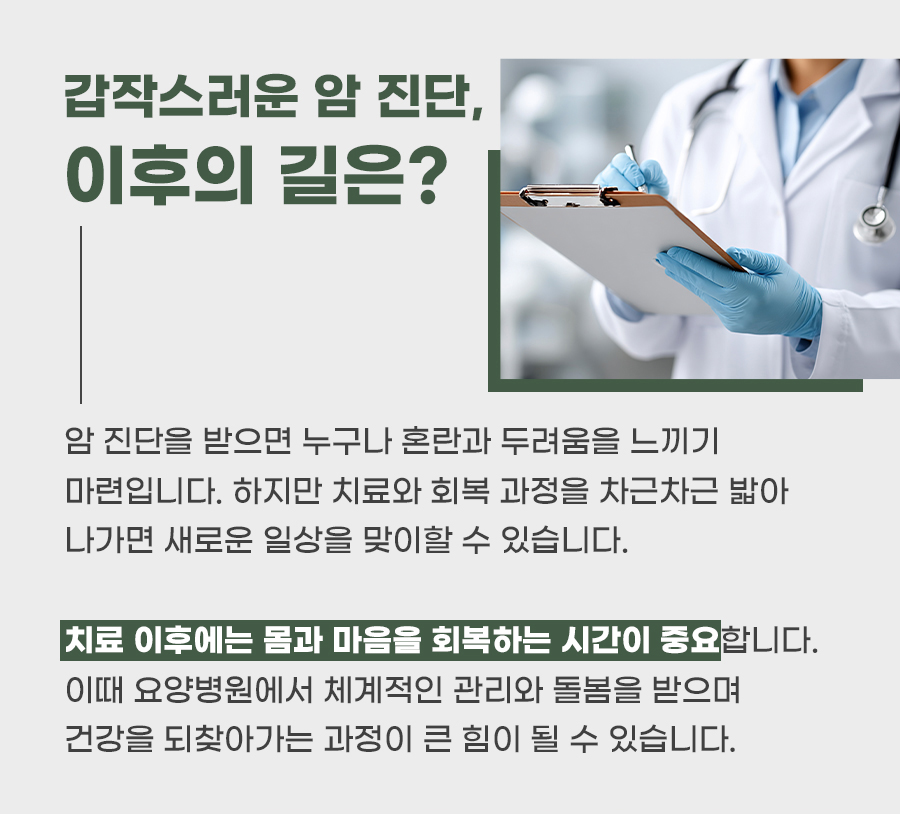
Fatigue is one of the most frequent complaints. It is often different from normal tiredness and can be related to anemia, poor sleep, nutritional issues, and the emotional burden of cancer. Low white blood cell counts can weaken immunity, increasing the risk of infections. Sleep disturbance, mood changes, and generalized pain are also common.
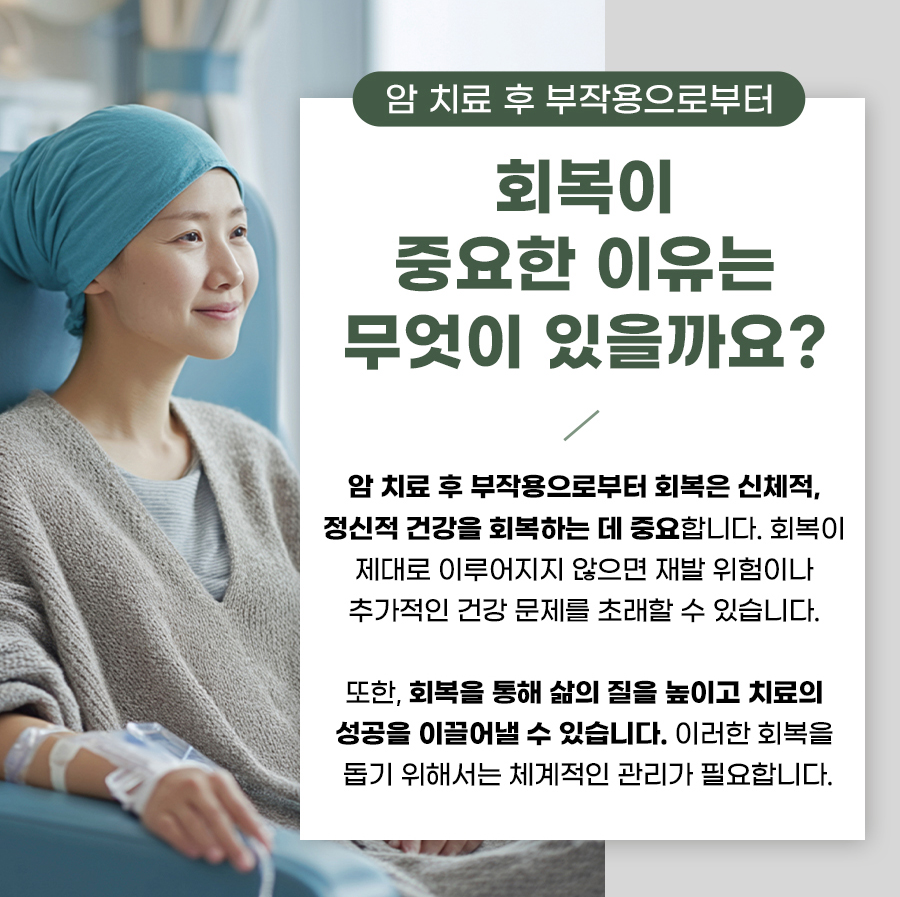
Continuous management of these side effects is important because it helps you maintain the planned chemotherapy schedule, reduces the chance of sudden emergency room visits, and preserves your quality of life. Early attention to symptoms can prevent complications from becoming severe and supports both physical and mental resilience during a long treatment journey.
Why outpatient management is important in Jeonnam and Gwangju
Many patients in the Jeonnam and Gwangju area receive chemotherapy at large tertiary hospitals, such as Hwasun Jeonnam National University Hospital or university hospitals in Gwangju and Seoul. After each cycle, they usually return home and wait for the next treatment date.
During this time at home, side effects can fluctuate. Some days may be manageable, while on other days nausea, diarrhea, pain, or fever may suddenly worsen. Patients and families often feel uncertain about whether a symptom is serious enough to go to the emergency room or whether it can be observed at home.
Outpatient side-effect management clinics aim to fill this gap. Through scheduled visits, your symptoms are reviewed early, medications are adjusted, and supportive therapies are provided. This can help you continue your main cancer treatment more safely, with fewer unexpected interruptions.
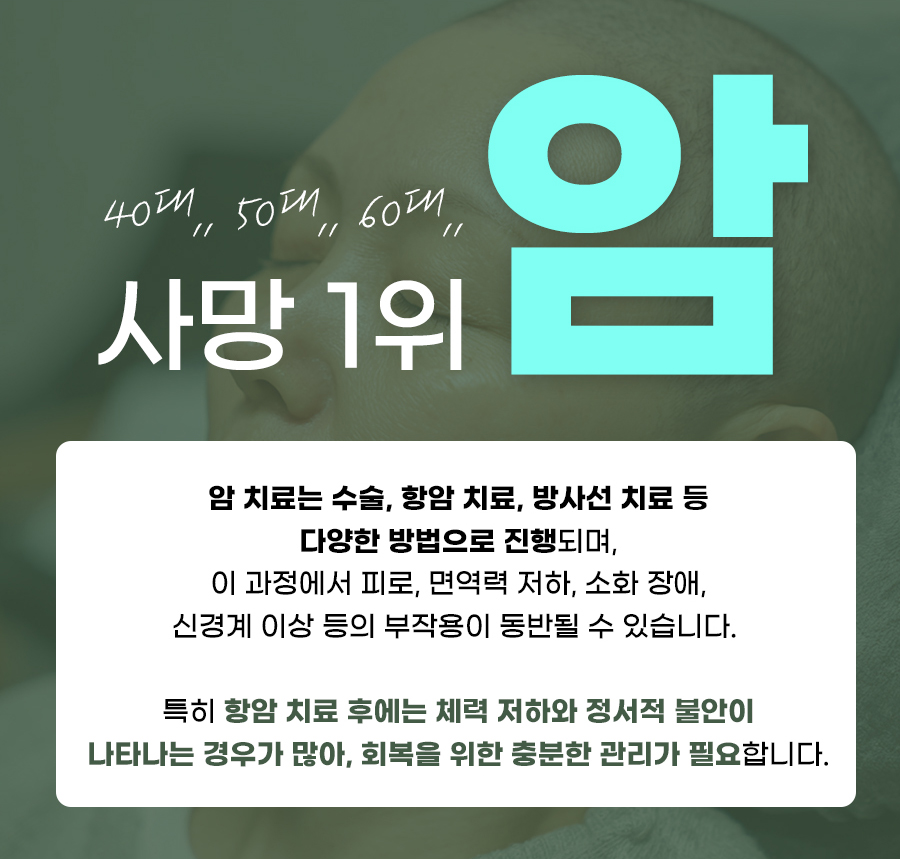
In the Jeonnam region, having an outpatient base close to home is especially helpful for patients who travel long distances to Hwasun or central Seoul. Instead of relying only on emergency departments, you can have a regular place to check your condition, ask questions, and receive supportive care between chemotherapy cycles.
Outpatient program concept at this hospital
In Dong-gu, Gwangju, near the entrance of Mudeungsan National Park, a convalescent hospital specialized in cancer recovery offers not only inpatient care but also outpatient and short-term programs tailored for chemotherapy patients.
The outpatient program is designed for people who are actively receiving chemotherapy at tertiary hospitals such as Hwasun Jeonnam National University Hospital, Jeonnam National University Hospital, Chosun University Hospital, Samsung Medical Center, or Bundang Seoul National University Hospital. The focus is on managing side effects, not on replacing chemotherapy.
Typical outpatient services include symptom assessment by internal medicine specialists who are familiar with chemotherapy-related problems. During each visit, your current chemotherapy regimen, recent blood test results, and symptom pattern are reviewed. Based on this, the team can adjust medications for nausea, pain, digestive issues, and sleep, and suggest supportive measures for fatigue and mood.
Vital signs and general condition are monitored, and if any red-flag signs appear, such as high fever, severe shortness of breath, chest pain, or rapidly worsening abdominal pain, the team can quickly refer you back to your main cancer center or an appropriate emergency department.
When needed, the hospital communicates with your primary oncology team at the tertiary hospital, sharing information about your side effects and response to supportive care. This cooperative approach helps keep your main treatment plan on track while you receive practical help closer to home.
Integrative approach with internal medicine and Korean medicine
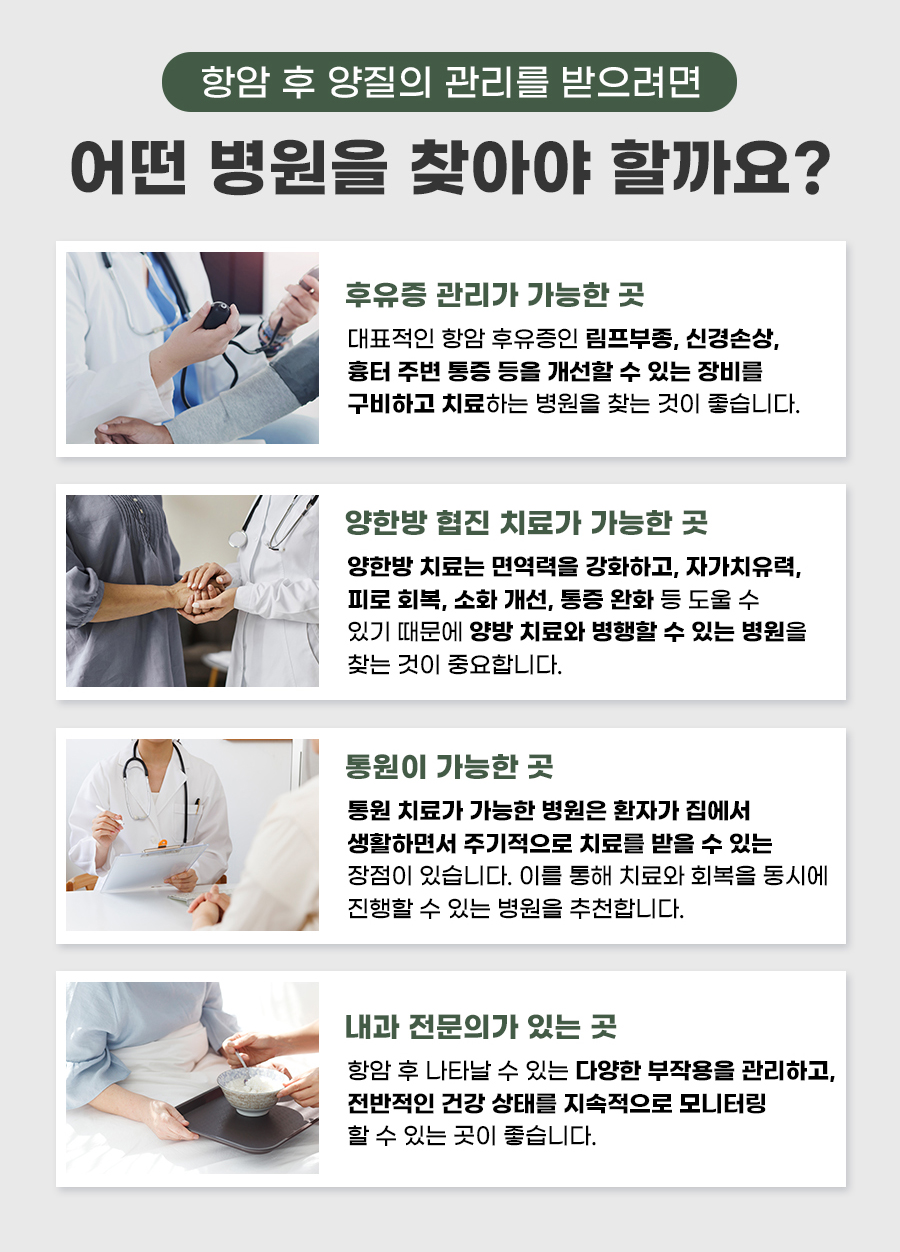
A distinctive feature of this hospital is its integrative approach, combining internal medicine and Korean medicine in a coordinated way. This can be meaningful for patients who want more than just prescription adjustments, but also prefer supportive therapies for symptom relief.
For chemotherapy side effects, Korean medicine options may include acupuncture, moxibustion, cupping, and selected herbal preparations. These are used with the aim of easing pain, neuropathy, digestive discomfort, and fatigue.
All such treatments are provided under the joint supervision of internal medicine and Korean medicine doctors. Before starting any herbal medicine, the team reviews your chemotherapy regimen, liver and kidney function, and other medications to minimize the risk of interactions.
It is important to emphasize that these integrative therapies are supportive, not alternative. They are not intended to replace chemotherapy, surgery, or radiation, but to complement standard oncology care. The goal is to help you feel more comfortable and functional while continuing evidence-based cancer treatment at your main hospital.
Supportive therapies and healing environment
In addition to medical consultations, the hospital provides several supportive therapies aimed at improving comfort and resilience during chemotherapy.
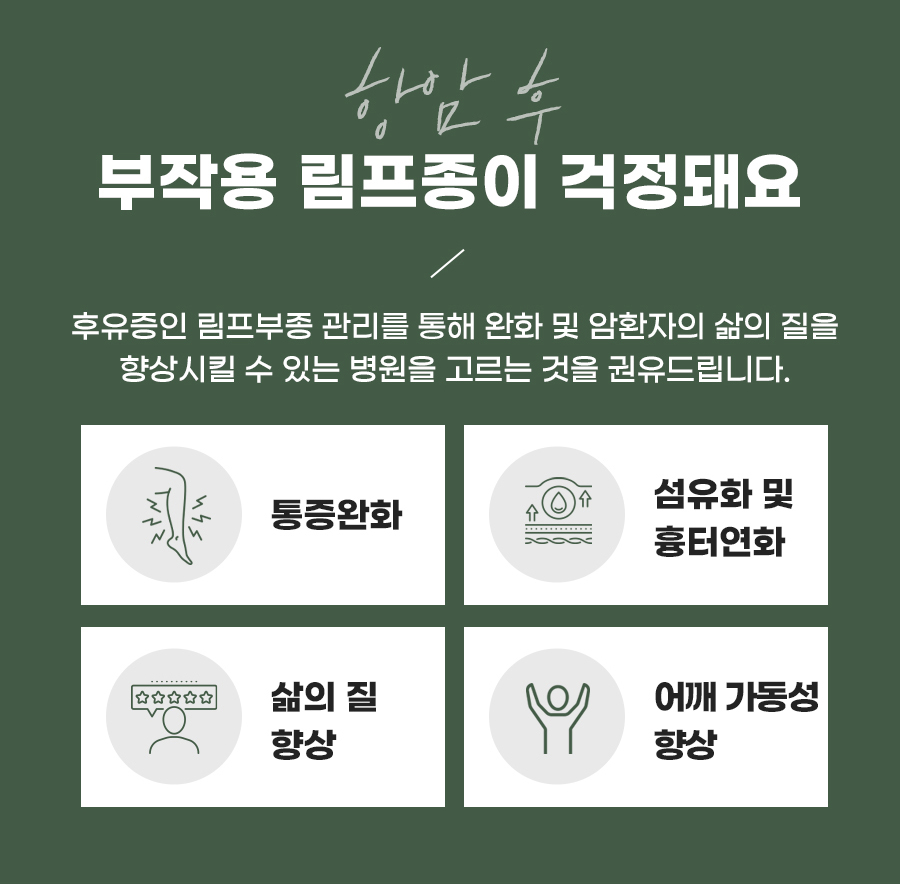
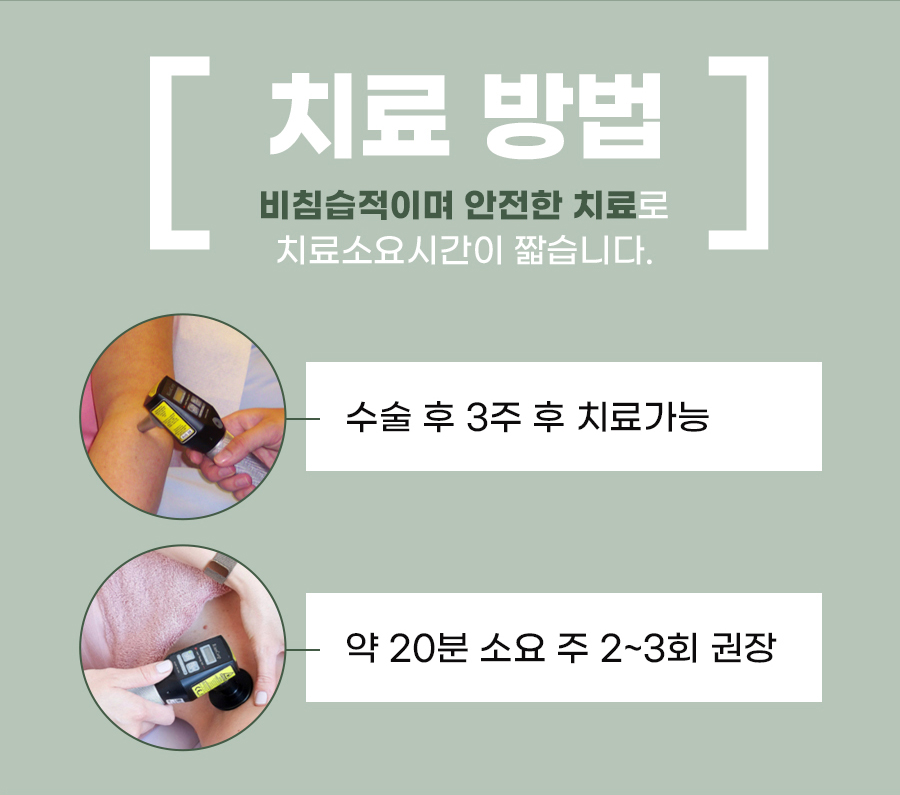
One option is high-frequency hyperthermia used as a supportive modality. This technique applies controlled heat to specific body areas using specialized equipment, and in this hospital it is positioned as an adjunct to standard care. Educational video content is prepared to help patients understand how it is used, what to expect during a session, and how it fits into an overall supportive care plan.
Nutrition is another major focus. Many chemotherapy patients struggle with poor appetite, nausea, taste changes, or digestive issues. The hospital runs a structured dietary program tailored for cancer patients, emphasizing gentle, balanced meals that are easier to digest while still providing necessary nutrients.
Daily menus with photos are posted on the hospital’s website, with hundreds of accumulated posts. This transparent approach allows patients and families to see the type of meals provided, the variety of ingredients, and the consistency of nutritional care. For international patients, this can also help you prepare for what to expect and discuss any dietary preferences or restrictions in advance.
The physical environment is also part of the healing concept. The hospital is located at the entrance of Mudeungsan National Park in Gwangju, surrounded by clean air, cypress forests, and walking paths along clear streams. Patients using outpatient or short-stay programs can take short, gentle walks or simply rest in quiet areas with views of nature.
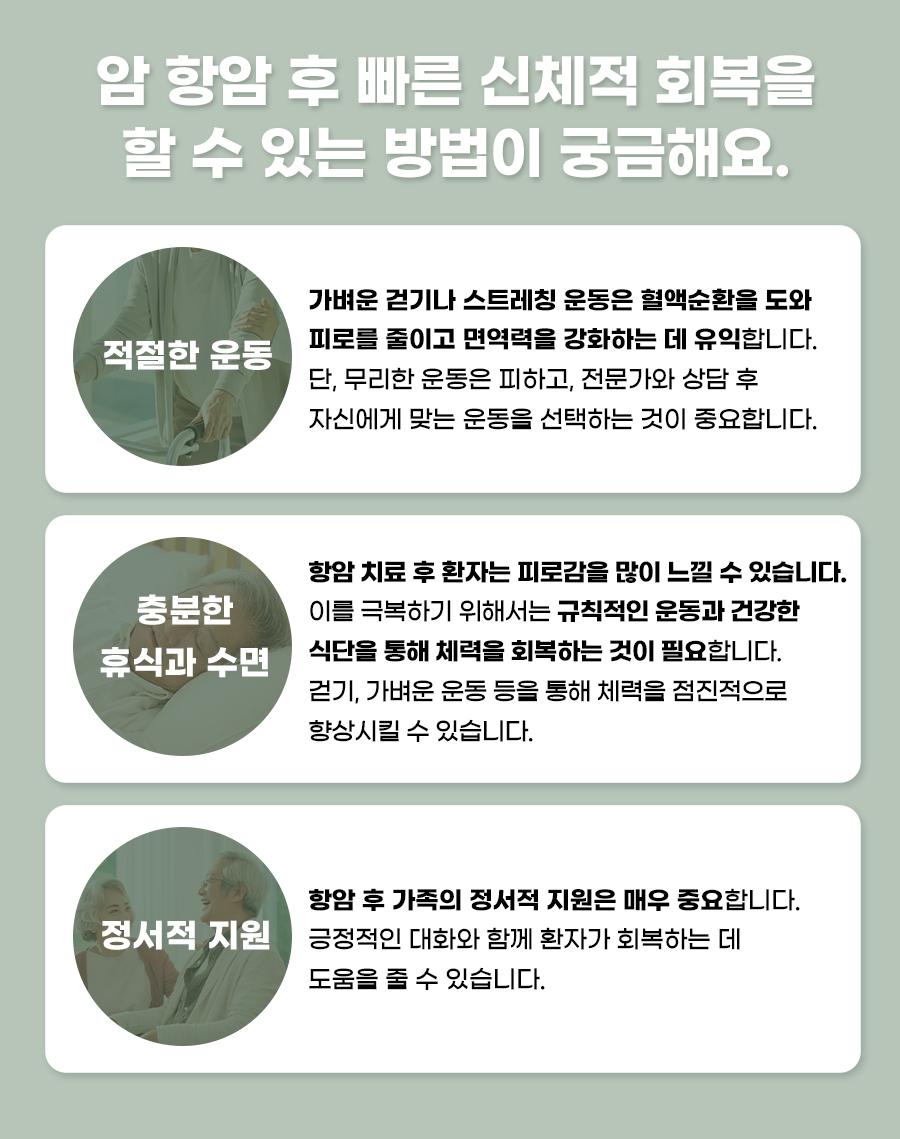
Such an environment can support emotional recovery, reduce stress, and provide a sense of calm during a challenging treatment period. While nature itself is not a medical treatment, many patients find that being in a peaceful setting makes it easier to cope with fatigue, anxiety, and insomnia.
Short-term admission and flexible outpatient model
Many people associate convalescent hospitals with long-term stays, but this hospital also operates a flexible model with two-week short-term admission programs and regular outpatient clinics.
For chemotherapy side effects, this flexibility is important. When symptoms are relatively stable, you can choose outpatient visits once or twice a week, or according to your needs and the doctor’s recommendation. During these visits, you receive symptom assessment, medication review, and supportive therapies.
If side effects temporarily worsen, such as severe nausea with dehydration, uncontrolled pain, or extreme fatigue, a planned short-term admission can be considered. In this setting, you can receive closer monitoring, intravenous fluids if needed, nutritional support, and integrated therapies in a more intensive way. Once your condition stabilizes, you return home and continue outpatient follow-up.
The aim of this model is to help you continue your main cancer treatment at tertiary hospitals while living as normally as possible at home. Instead of staying admitted for long periods, you can move between home, outpatient care, and short-term admission according to your condition, with guidance from a team familiar with chemotherapy side effects.
Who may consider Jeonnam outpatient care for chemotherapy side effects
Outpatient and short-stay supportive care in the Jeonnam and Gwangju area may be suitable in several situations.
You may consider this service if you are receiving chemotherapy at a large hospital, such as Hwasun Jeonnam National University Hospital or a university hospital in Gwangju or Seoul, and you need structured side-effect management between cycles. It can be especially helpful if your home is in the Jeonnam or Gwangju region and frequent trips to your main cancer center are difficult.
Patients who have repeated emergency room visits due to uncontrolled nausea, dehydration, fever, or pain may benefit from having a regular outpatient base. Instead of waiting until symptoms become severe, you can be monitored more closely and receive earlier interventions.
This type of care is also suitable if you feel anxious managing symptoms alone at home. Many families worry about when to call the hospital, what to do if fever appears at night, or how to handle persistent diarrhea or constipation. A medical team that sees chemotherapy patients daily can provide guidance, reassurance, and clear instructions.
Finally, if you are interested in integrative supportive care, including nutrition, Korean medicine, hyperthermia, and emotional support, in addition to standard internal medicine management, this environment may match your preferences. It allows you to combine conventional and supportive approaches in one place, while keeping your main oncology treatment at your chosen tertiary hospital.
Medical team and safety
The safety of outpatient chemotherapy side-effect management depends greatly on the experience and training of the medical team. At this hospital, the medical leadership includes two internal medicine specialists with doctoral degrees who previously served as presidents of a university hospital. They have overseas training experience in cardiology and gastroenterology, which is valuable for managing complex internal medicine issues, cardiovascular risks, and digestive problems that can arise during chemotherapy.
A Korean medicine director with experience in multiple Korean medicine and convalescent hospitals also participates in patient care and is active in relevant academic societies. This background supports a careful, evidence-informed approach to integrative therapies.
For international patients and families, such profiles can help address the common concern that convalescent hospitals may have lower medical standards than tertiary centers. Here, internal medicine specialists oversee outpatient and short-stay programs, focusing on early detection of serious complications, appropriate use of tests and medications, and timely referral back to tertiary hospitals when needed.
Throughout your stay or outpatient visits, the team pays attention to warning signs such as high fever, sudden shortness of breath, chest pain, confusion, or uncontrolled bleeding. If these appear, they coordinate rapid transfer to an emergency department or your main cancer center, rather than trying to manage beyond the scope of a convalescent hospital.
Online consultation and pre-visit preparation for overseas patients
For overseas patients considering supportive care in Korea, an online consultation before travel is highly recommended. Through phone or messaging channels, you can share basic information such as your cancer type, current treatment plan, recent chemotherapy cycles, and any major side effects you are experiencing.
It is helpful to prepare the following before your online consultation:
Your diagnosis and stage, if known, and the names of chemotherapy drugs you are receiving. Recent medical summaries or discharge papers from your main cancer center. A list of current medications, including supplements and herbal products. Information about allergies and past medical history, such as heart disease, diabetes, or kidney problems.
You can also write down specific questions, such as how often outpatient visits would be recommended in your case, whether short-term admission is available around your chemotherapy schedule, and how coordination with your home oncology team would work.
During the online consultation, the staff can explain service hours, possible timelines, expected daily routines, and what kind of supportive therapies are usually used for patients with similar conditions. This helps you plan your trip and avoid unnecessary stress after arrival.
Expected visit timeline for international patients
If you are traveling from overseas to Korea for chemotherapy at a tertiary hospital and supportive care in Jeonnam, a typical timeline might look like this, although it will be customized to your situation.
Before arrival, you arrange an online consultation with both your main cancer center and the convalescent hospital, share medical records, and confirm dates. Once in Korea, you attend your chemotherapy session at the tertiary hospital, for example in Hwasun or Seoul.
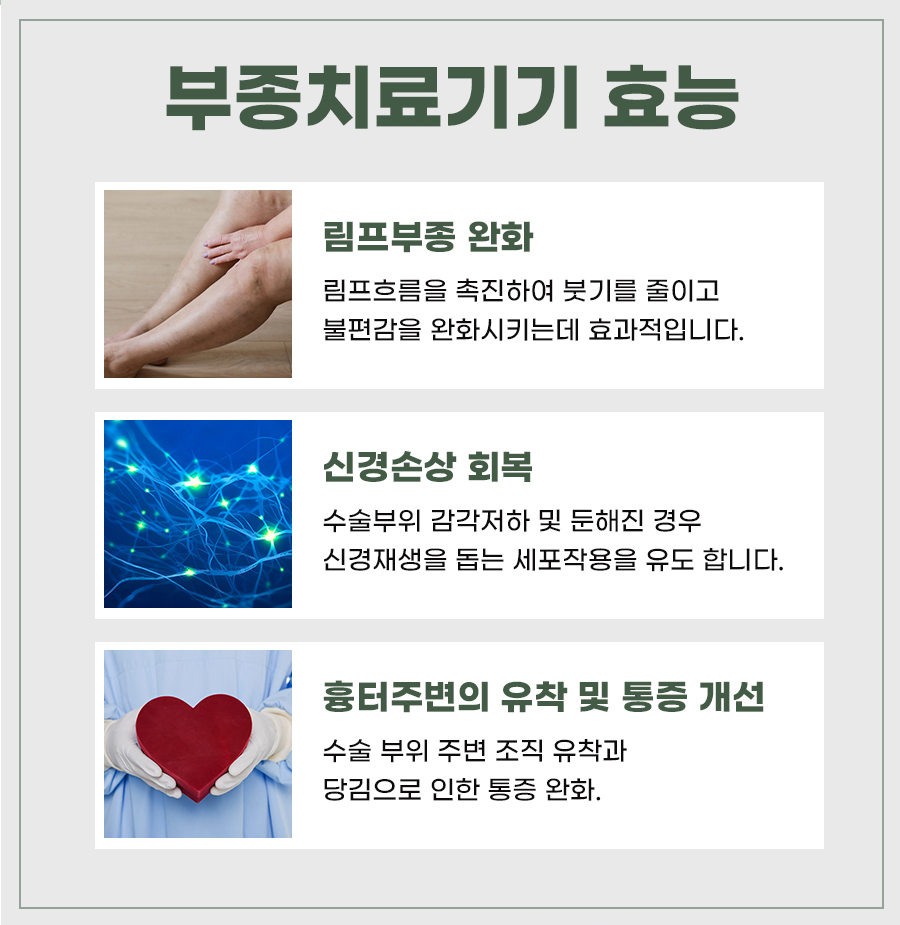
After chemotherapy, you may transfer to the convalescent hospital in Gwangju for a short-term admission of about two weeks, or start with outpatient visits if your condition allows. During this period, you receive symptom management, nutrition support, integrative therapies, and monitoring.
Between cycles, you can stay in Korea and use outpatient services, or return home and come back for the next cycle depending on your treatment plan and travel possibilities.
After completing a planned block of chemotherapy, you may return home with a summary of your supportive care, which you can share with your local doctors. If further cycles are planned, future visits can be adjusted based on your experience during the first stay.
Aftercare and ongoing support
After each outpatient visit or short-term admission, clear aftercare instructions are important. The medical team typically explains which symptoms are expected, which require a phone call, and which demand immediate emergency care.
You may receive written or digital guidance on how to manage nausea at home, how to adjust your diet during periods of diarrhea or constipation, and how to protect yourself when white blood cell counts are low. Sleep hygiene tips, gentle stretching or walking plans, and relaxation techniques may also be suggested.
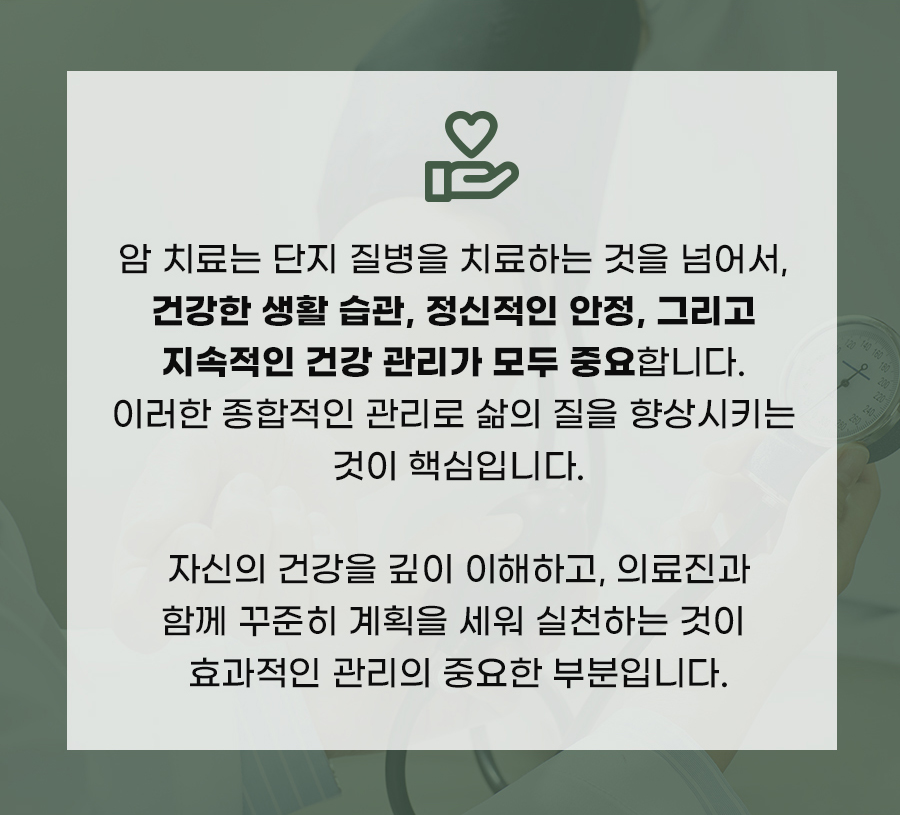
For international patients, communication can continue through messaging channels after you return to your home country, within reasonable limits. While this cannot replace in-person medical care, it can help you understand previous recommendations and prepare for future visits to Korea if needed.
If you plan to continue supportive care in your home country, you can ask for a summary of treatments received, including any Korean medicine or hyperthermia sessions, and share this with your local healthcare providers. This transparency supports continuity of care and safety.
Practical information
The hospital is located in Gwangju Metropolitan City, Dong-gu district, at the entrance of Mudeungsan National Park. It is near Jeungsimsa bus stop and has on-site parking, which is convenient for patients and families traveling by car.
Outpatient services are generally available on weekdays and Saturday daytime hours, and the clinic is closed on Sundays and public holidays. Exact times can be confirmed through phone or messaging channels.
For detailed guidance on short-term admission and outpatient programs, including sample daily schedules and meal photos, you can refer to the hospital’s official blog and online platforms.
Frequently asked questions
What is the main purpose of outpatient care for chemotherapy side effects in Jeonnam
The main purpose is to help patients who receive chemotherapy at large cancer centers continue their treatment safely while living at home in the Jeonnam and Gwangju region. Outpatient care focuses on early detection and management of side effects such as nausea, fatigue, neuropathy, digestive problems, pain, and weakened immunity. By providing regular check-ups, medication adjustments, and supportive therapies, it aims to reduce emergency visits and unplanned treatment delays.
Does this hospital replace my main cancer center or chemotherapy
No. The hospital does not replace your main cancer center or chemotherapy. Instead, it acts as a recovery and side-effect management base between or after surgery, chemotherapy, and radiation. Your primary oncology team at tertiary hospitals such as Hwasun Jeonnam National University Hospital or other university hospitals remains responsible for your cancer treatment plan. The convalescent hospital supports you with symptom control, nutrition, integrative care, and monitoring.
What supportive therapies are available besides medication
In addition to internal medicine consultations and standard medications, supportive options may include high-frequency hyperthermia, acupuncture, moxibustion, cupping, selected herbal medicine, and structured nutritional care with healing meals. These therapies are used as supportive measures to ease discomfort and improve quality of life. All integrative treatments are provided with attention to safety and potential interactions with chemotherapy, and they are not intended to replace standard oncology treatments.
Who leads the medical team and how is safety managed
The medical team is led by two internal medicine specialists with doctoral degrees who previously served as presidents of a university hospital, with overseas training experience in cardiology and gastroenterology. A Korean medicine director with experience in several Korean medicine and convalescent hospitals also participates in care. Safety is managed through careful symptom assessment, monitoring of vital signs, attention to warning signs, and timely referral to tertiary hospitals or emergency departments when necessary. The team coordinates with major cancer centers to support your overall treatment plan.
How can overseas patients start the process
Overseas patients can begin by contacting the hospital through phone or messaging channels for an online consultation. You will be asked to share your diagnosis, current chemotherapy regimen, recent medical summaries, and any major side effects. Based on this information, the team can suggest a possible schedule for outpatient visits or short-term admission around your chemotherapy dates in Korea. They can also explain practical details such as location, service hours, and what to bring. Planning in advance helps ensure a smoother experience once you arrive.
Soft call to action
If you are receiving chemotherapy at a tertiary hospital in Korea and are looking for structured outpatient care for side effects in the Jeonnam and Gwangju region, you can consider contacting the convalescent hospital near Mudeungsan National Park for an online consultation. By sharing your current treatment plan and concerns, you can explore whether outpatient or short-term supportive care in this setting fits your needs and helps you continue your main cancer treatment more comfortably and safely.
- 공유 링크 만들기
- X
- 이메일
- 기타 앱


댓글
댓글 쓰기